Tabelog Bronze #424
Our verdict
Yakiniku Sudo Haruyoshi has held a place in Tabelog's Yakiniku West 100 every year since 2018, earning consecutive Bronze Awards from 2022 through 2026 and a Tabelog score of 3.97. The 30-seat, reservation-only room in Fukuoka's Haruyoshi district operates on a full-attendance model with semi-private seating, a wine-focused drinks list, and dinner spend that typically lands between ¥15,000 and ¥19,999 per person.

Pearl is the En Primeur Club membership app, where members save venues, book tables and use the concierge.
The menu
What to order
- Kuroge-wagyu beef course
- Wagyu beef sandwich with tomato and mustard
- Beetroot caramel pudding
- Beef tartare in gochujang
- Grilled skirt steak with daikon and ponzu
Fukuoka's Yakiniku Tier, Where Sudo Haruyoshi Sits
Fukuoka has long occupied a particular position in Japan's dining map: close enough to Kyushu's cattle-farming heartland to access premium domestic beef, confident enough in its own food culture to resist defaulting to Tokyo reference points. Within that context, yakiniku has evolved well beyond the casual grill-house format that defines the category for most international visitors. A smaller group of reservation-only rooms, typically 30 seats or fewer, with a beef selection and a drinks program that takes wine seriously, operates at a price point and formality level that places it alongside the city's leading Japanese cuisine counters. Yakiniku Sudo Haruyoshi, open since May 2016 in the Haruyoshi neighbourhood of Chuo Ward, sits firmly in that upper cohort. Its Tabelog score of 3.97, sustained across multiple award cycles, and its inclusion in the Tabelog Yakiniku West 100 every year from 2018 through 2025 position it as one of the most consistently recognised yakiniku addresses in western Japan.
For readers building a Fukuoka itinerary across categories, that recognition matters as a calibration point. The city's broader fine-dining scene includes standouts across French, sushi, and kaiseki, Goh (French), Chikamatsu (Sushi), and Chiso Nakamura each represent Fukuoka's depth in their respective categories. Sudo Haruyoshi functions as yakiniku's equivalent in that conversation: a room where the format is serious, the recognition is durable, and the pricing reflects a deliberate position in the upper bracket of the category.
The Room and Its Logic
Haruyoshi, the sub-district that gives the restaurant its suffix, sits between the nightlife density of Nakasu and the commercial grid of Tenjin. It is a neighbourhood that has historically attracted the kind of quiet, unlabelled dining rooms that local regulars prize, not invisible exactly, but not marketed either. Sudo Haruyoshi's Tabelog listing classifies it simply as a hideout location, which reads less as a descriptor and more as an accurate physical fact.
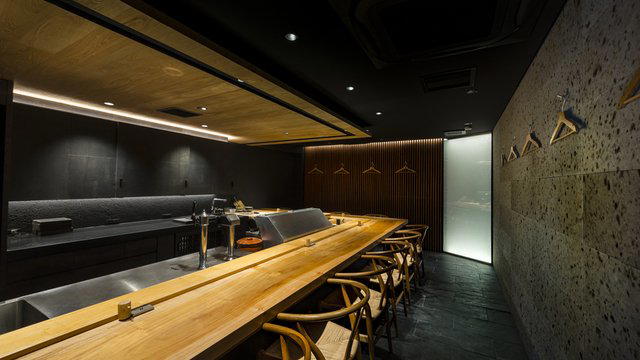
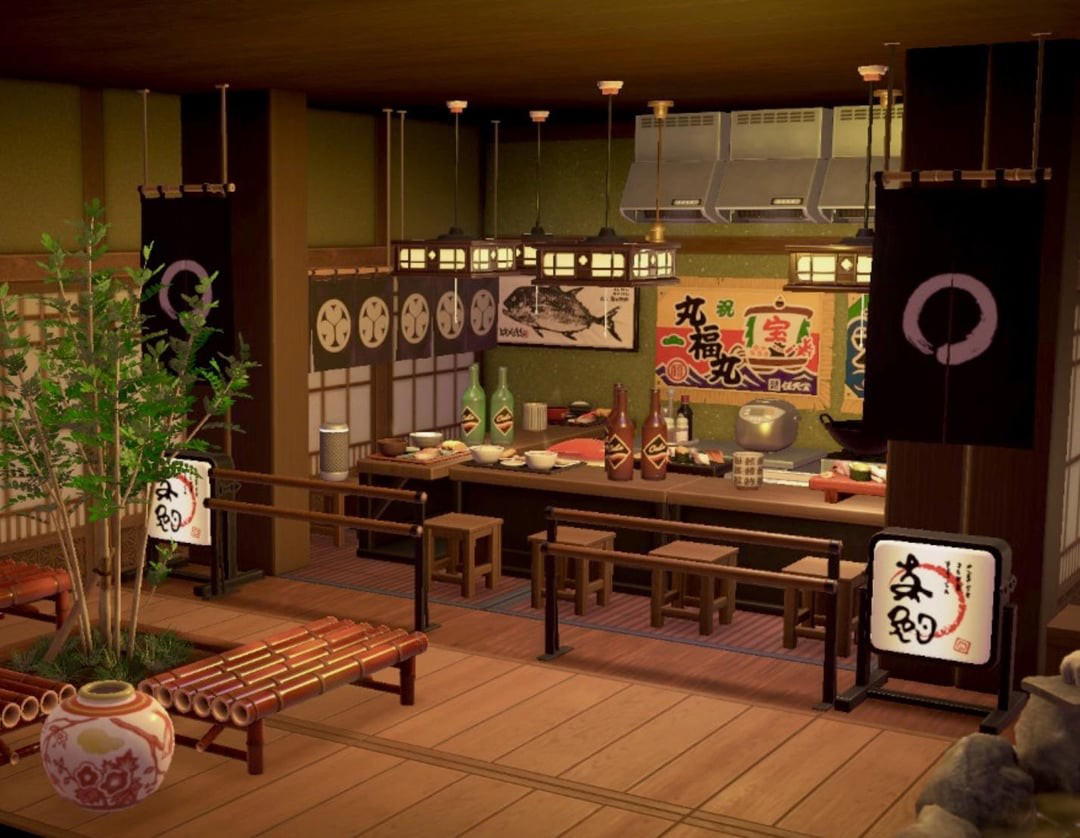
The dining room holds 30 seats arranged across pair seats, four-person tables, and six-person tables. The spatial arrangement is notable: there are no traditional private rooms, but each seating position is configured as a semi-private enclosure with screen partitions, so the atmosphere reads as intimate rather than communal. This matters in the context of yakiniku as a category. The smoke, the proximity of other tables, and the shared informality of grilling are features of the format, but Sudo Haruyoshi has engineered the room to give each group a degree of separation without losing the sensory engagement that makes yakiniku compelling. The space is described across its facilities as stylish and spacious, with counter seating available alongside the main tables.
The venue operates a full-attendance model, meaning all guests at a given table arrive and are seated together, a format that disciplines service pacing and maintains the rhythm of the meal. Seatings run on timed limits: two hours for parties of two or three, two and a half hours for four or more. Third-party reservation intermediaries are explicitly prohibited, which signals both a preference for direct guest relationships and a demand level that makes workarounds a practical risk.
A Recognition Record That Compounds Over Time
In Japan's restaurant award ecosystem, Tabelog functions as the highest-volume peer-reviewed platform, with scores derived from a large base of verified diner reviews rather than a single critical voice. A score above 3.80 places a venue in a small percentage of all listed restaurants; 3.97 sits in territory where very few yakiniku rooms in any Japanese city compete. The Tabelog Bronze Award, which Sudo Haruyoshi has won in 2022, 2023, 2025, and 2026, represents the platform's formal tier recognition above the Tabelog 100 selection alone.
What makes the award record here editorially significant is not any single year but the consistency across a span that includes the disruptions of 2020 through 2022. Tabelog Yakiniku West 100 selection in 2018, 2020, 2021, 2022, 2023, 2025, and the expanded Grill West 100 in 2024, represents a durability of performance that distinguishes Sudo Haruyoshi from restaurants that peak at a single recognition cycle.
For comparison, the Tabelog Bronze Award operates across all cuisine categories nationally. Within the yakiniku category in the Kyushu and western Japan region, the number of venues holding that designation in any given year is small. Sudo Haruyoshi has held it across four separate award cycles, which places it in a narrow cohort of rooms whose performance has been verified repeatedly across different diner generations.
Readers who want to situate this award tier within Japan's broader fine-dining map can compare against other EP Club-tracked addresses: Harutaka in Tokyo, HAJIME in Osaka, and Gion Sasaki in Kyoto each represent the recognition tier in their respective cities and categories.
Drinks, Format, and What to Know Before You Book
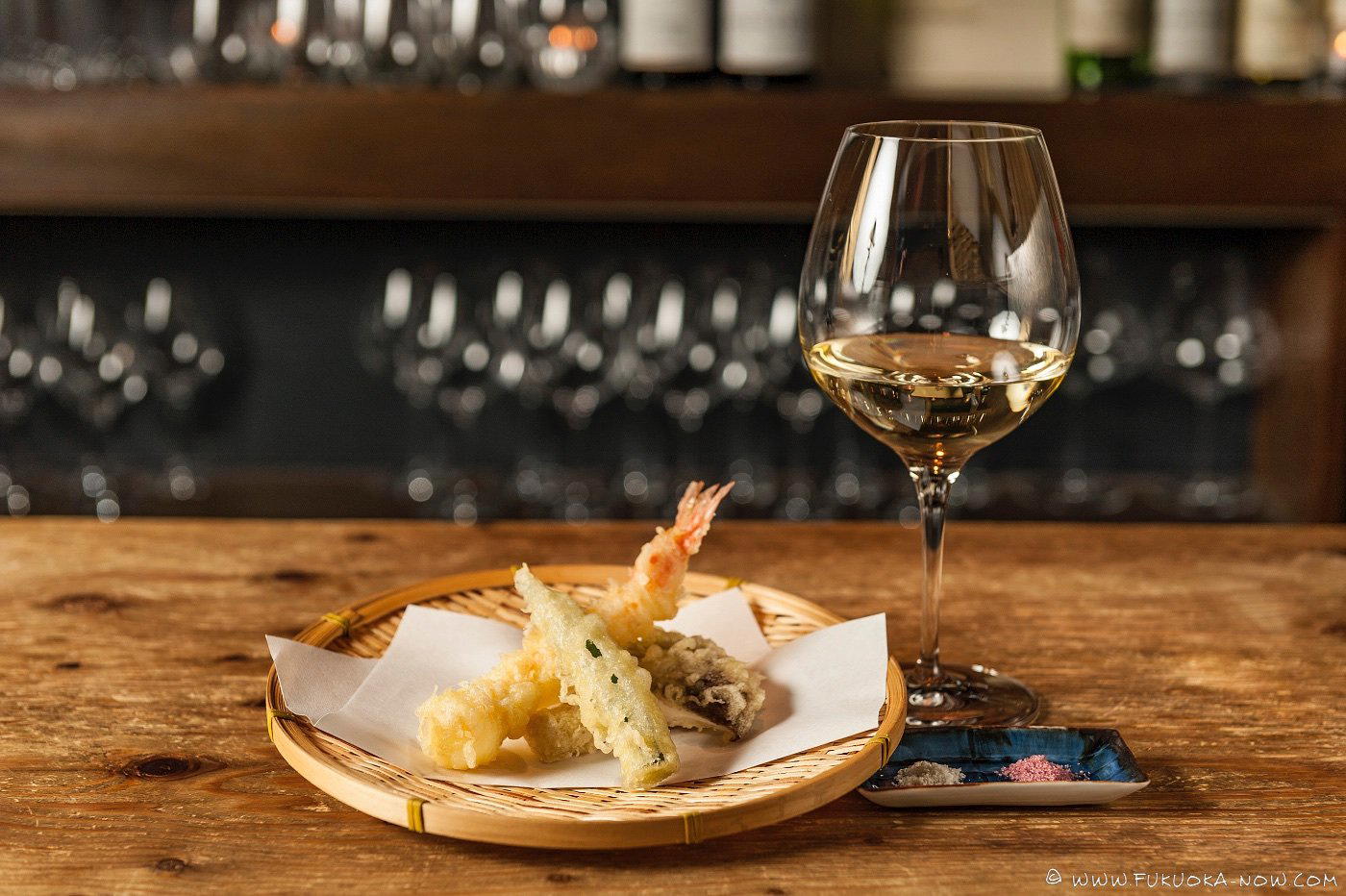
The drinks program extends across nihonshu (sake), shochu, and a wine list described as approached with particular care, an unusual emphasis for a yakiniku room, where sake and beer are the more conventional pairing choices. The presence of a wine-focused offer suggests a deliberate positioning toward guests whose spending and occasion expectations align more closely with the fine-dining end of the yakiniku spectrum.
Dinner spend based on review data lands between ¥15,000 and ¥19,999 per person, which tracks above the listed menu price range of ¥10,000 to ¥14,999, the gap likely reflecting beverage spend and the 10 percent service charge applied to the bill. Payment accepts major credit cards (Visa, Mastercard, JCB, Amex) and QR code payments via Alipay; electronic money is not accepted. The venue is non-smoking, with electronic cigarettes and iQOS permitted at the table.
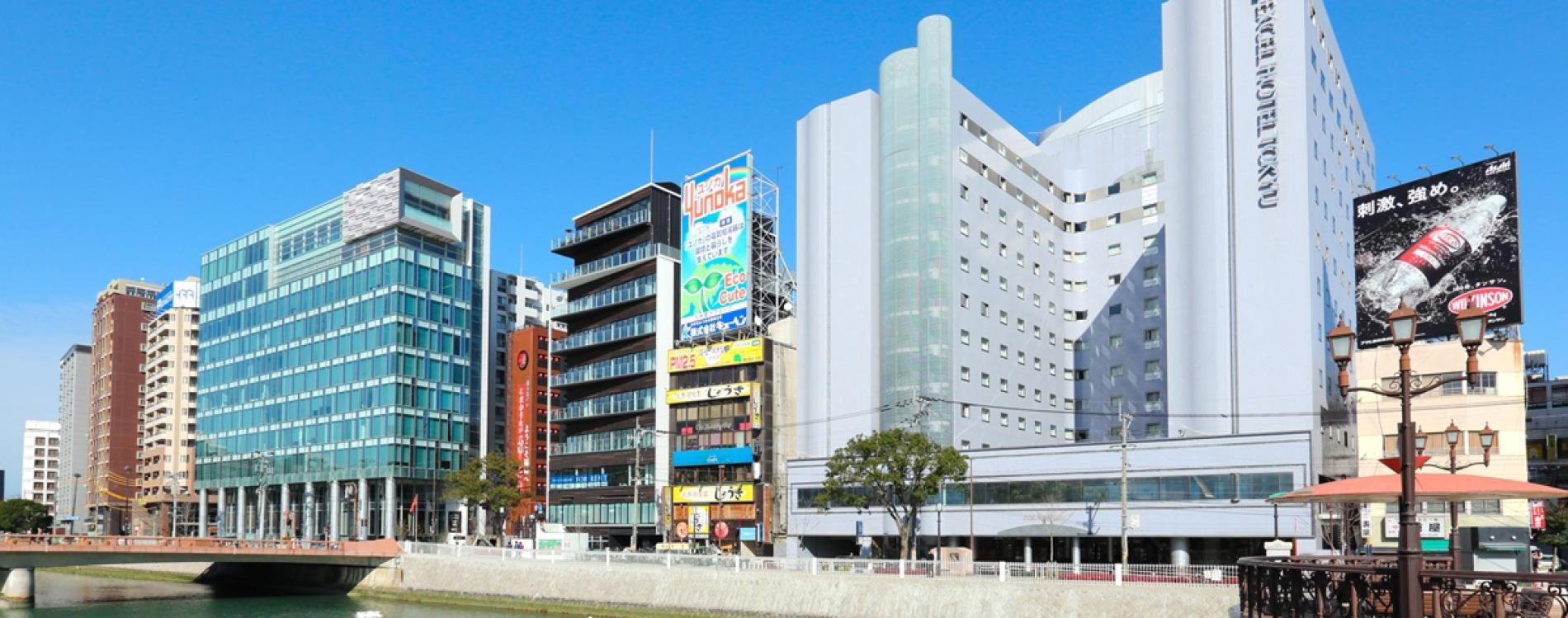
Logistics: the restaurant sits approximately 432 metres from Tenjin Minami Station on the Nanakuma Subway Line (exit 6, four minutes on foot) and six minutes from Nishitetsu Fukuoka (Tenjin) Station. There is no on-site parking, though coin parking is available nearby. The venue opens at noon and runs through midnight daily, year-round, a schedule that accommodates both lunch and late dinner, though the price range listed applies to dinner only, with lunch data not published. Reservations must be made by the day before the visit at the latest; walk-ins are not accepted.
For those planning a broader Fukuoka dining trip, the EP Club guides cover the full range of categories: our full Fukuoka restaurants guide, hotels, bars, and experiences. Within the restaurant category, Asago and Bekk round out the range of format options available in the city at comparable seriousness levels. For readers travelling across Japan rather than solely to Fukuoka, the EP Club also tracks comparable fine-dining addresses in Nara, Yokohama, and Okinawa, as well as internationally at Le Bernardin in New York City and Atomix in New York City.
Frequently asked questions
Has Sudo Haruyoshi won any awards?
Sudo Haruyoshi has received recognition including:
What's the address for Sudo Haruyoshi?
Sudo Haruyoshi is located at 3 Chome-11-19 Haruyoshi, Chuo Ward, Fukuoka, 810-0003, Japan, Fukuoka.
What should I order at Sudo Haruyoshi?
The restaurant does not publish a fixed menu online, so no individual cuts can be confirmed in advance. What the record does show is that Sudo Haruyoshi has held a Tabelog Yakiniku 100 selection every year since 2018 and carries a score of 3.97, placing it among the most consistently rated yakiniku counters in western Japan. Budget for JPY 10,000–14,999 per person at the listed average, though reviewer spending trends closer to JPY 15,000–19,999. The full-attendance service format means the kitchen controls pacing, so arrive on time or risk losing your table under the stated late-arrival policy.
What are the opening hours for Sudo Haruyoshi?
Hours at Sudo Haruyoshi: Mon, Tue, Wed, Thu, Fri, Sat, Sun 12:00 - 00:00.
How It Stacks Up
Comparable venues nearby, for context on price, style, and recognition.
| Venue | Cuisine | Price | Awards | Notes |
|---|---|---|---|---|
| Sudo HaruyoshiThis venue (the venue you are viewing) | Premium Omakase Yakiniku | $150–200 | Tabelog Bronze #424 | Not listed |
| torila | Yakitori | Not listed | Tabelog Bronze #471 | Chūō |
| Sagano | Traditional Kaiseki | $200–300 | Not listed | Hakata |
| Inakaan | Traditional Japanese Unagi | $30–50 | Not listed | Kokura |
| 白金 にし田 | Seasonal Kaiseki | $300–500 | Not listed | Chūō |
| あ三五 | Authentic Sarashina Soba | $50–100 | Tabelog Bronze #29 | Chūō |
Recognition history
Dated appearances from independent guides and award organizations, with the underlying list record or original source where available.
Tabelog Bronze #424
Tabelog
Full recognition history (3 entries)
Tabelog Bronze
Tabelog
Tabelog 100 #69 · No. 69
Tabelog · Tabelog 100 - Yakiniku - WEST - 2025