Tabelog Bronze #492
Our verdict
A ten-seat French-innovative counter in Fukuoka's Ohori Park district, TTOAHISU has held the Tabelog Bronze Award every year since 2019 and earned selection in the Tabelog Innovative 100 for 2025. Chef Taishi Yamashita shapes a structured multi-course format around a pronounced focus on fish, with dinner spend averaging JPY 20,000–29,999 per head and lunch offering a more accessible entry point.

Pearl is the En Primeur Club membership app — saves, bookings, and concierge access live there. Same editors, same standards.
- Address
- Japan, 〒810-0074 Fukuoka, Chuo Ward, Otemon, 3 Chome−12−12 BLDG64 1F
- Phone
- +81 92-733-4600
- Hours
- Mon 12–11 PMTue ClosedWed–Sun 12–6 PM
- Website
- hitosara.com
- Directions
- Get directions
- Booking
- Book on the venue's website
The menu
What to order
- Double consomme soup
- Wagyu beef main
- Foie gras terrine
A Counter Format That Has Earned Its Place
Fukuoka's fine dining conversation has long been dominated by sushi and kappo traditions, but a quieter current runs alongside them: small French and French-influenced counters that operate on a structured multi-course logic and accumulate award recognition over years rather than months. TTOAHISU, located in the Otemon neighbourhood near Ohori Park, belongs firmly to that current. Since opening in May 2016, it has held a Tabelog Bronze Award in every consecutive cycle from 2019 through 2026, a span of consistency that positions it within a small tier of western Kyushu restaurants whose recognition has not fluctuated with trends. For broader context on where this category sits in the city's dining picture, see our full Fukuoka restaurants guide.
Within the city's French and innovative category, the 2021 Tabelog French West 100 selection and the 2025 Innovative/Creative Cuisine 100 selection together signal a restaurant that has successfully moved its identity from one category label to another without losing critical traction. That kind of category migration, from French to Innovative, reflects a broader shift in how Japan's dining awards have begun to recognise hybrid cuisine structures, particularly in cities like Fukuoka where French technique is often filtered through local seafood sourcing.
The Logic of the Format
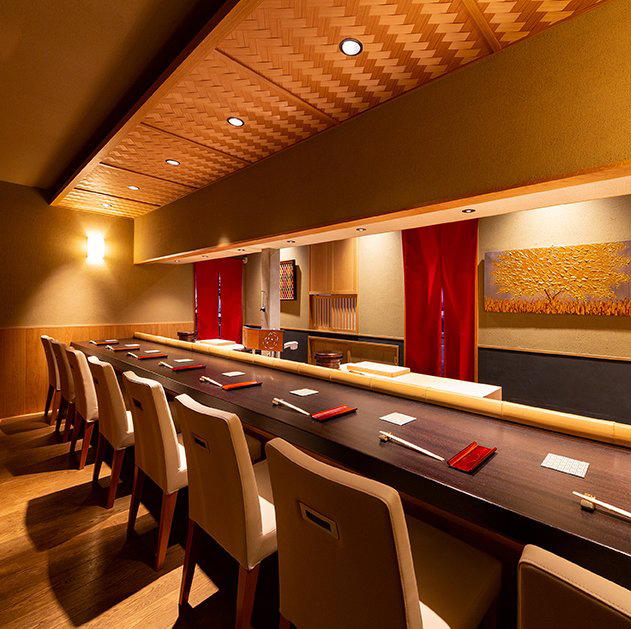
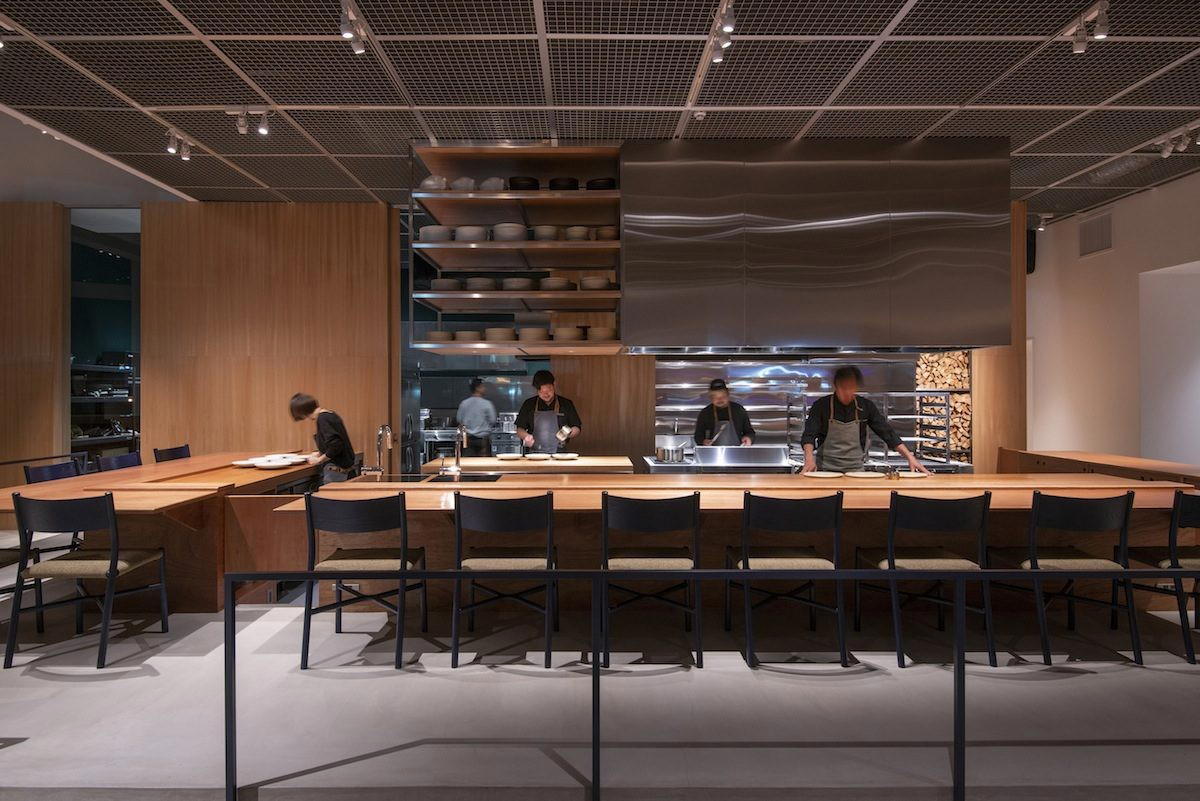
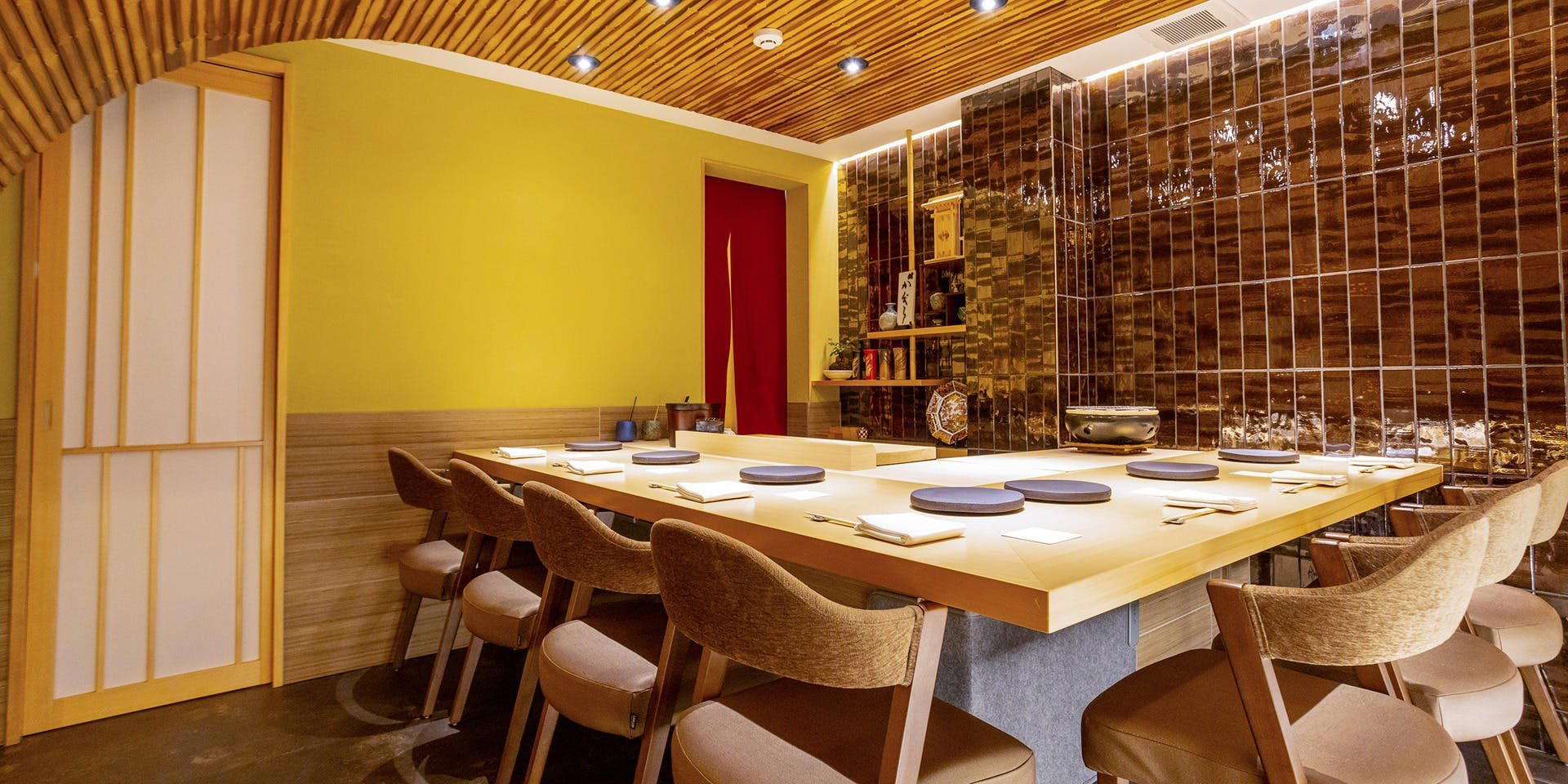
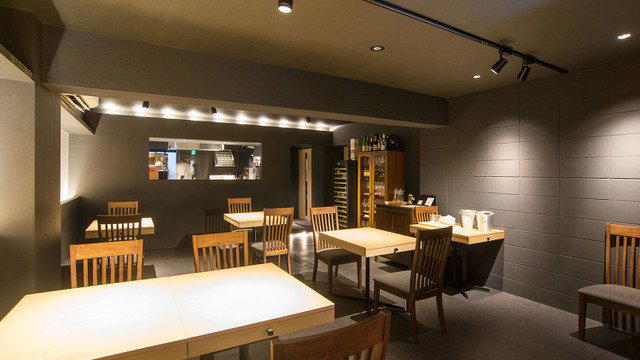
Ten seats. No private rooms. A room described as stylish and relaxing in equal measure. These three facts, taken together, describe a counter experience oriented entirely around the meal itself rather than the spectacle of the space. At this capacity, the kitchen controls pacing in a way that larger dining rooms cannot: every course arrives on the counter's schedule, not the diner's, and the structured sequence of a multi-course format carries its full intended weight.
Prix fixe dining at this level in Japan operates on a different set of assumptions than in Europe. The meal is not a departure from the norm; it is the norm. What distinguishes counters like TTOAHISU from the wider field is not the format itself but the internal logic of its curation. The kitchen's noted focus on fish — formally listed as a defining characteristic of what the restaurant serves — positions the menu within a Fukuoka tradition of prioritising the exceptional marine produce of Hakata Bay and the broader Genkai Sea. French technique applied to that produce is not a novelty; it is a considered alignment of method and material, one that explains how a restaurant can hold dual categorisation across French and Innovative labels without contradiction.
Dinner pricing runs JPY 10,000–14,999 at the listed rate, with review-based actual spend clustering in the JPY 20,000–29,999 range, a gap that is common at structured counter restaurants where wine pairings or extended course additions move the bill upward. Lunch, priced at JPY 5,000–5,999 listed and JPY 10,000–14,999 in practice, offers a materially different entry point into the same kitchen and format. For visitors managing a Fukuoka itinerary across multiple serious meals, the lunch sitting here is worth considering alongside dinner commitments at venues like Goh or Sola Factory.
Where TTOAHISU Sits in Fukuoka's Wider Scene
Fukuoka has developed a French-influenced counter tier that does not often get discussed in the same breath as Tokyo or Osaka, but the award data supports a reassessment. The consistency of TTOAHISU's recognition across eight Tabelog cycles is the kind of track record that, in Tokyo, would generate considerable critical attention. Venues like HAJIME in Osaka and Sézanne in Tokyo represent the upper ceiling of French-influenced innovative dining in Japan's major cities; TTOAHISU operates below that ceiling but above the level of one-cycle award recipients, in a zone of sustained mid-tier recognition that is arguably harder to maintain than a single high-profile win.
Within Fukuoka specifically, the innovative fine dining category includes counters that approach the format from different angles. Syn, Asago, and Bekk each occupy distinct positions in the city's small-counter dining tier. A reference point from further afield: akordu in Nara demonstrates how French-technique counters in secondary Japanese cities can build sustained critical profiles without the infrastructure of a major metropolitan dining scene. TTOAHISU's trajectory follows a comparable model in Fukuoka.
Chef Taishi Yamashita has led the kitchen since the restaurant opened in 2016. The awards record is the public signal of how that leadership has translated over nine years; the kitchen's fish focus and the shift from French to Innovative categorisation are the structural outcomes. For comparison across the national innovative dining field, Gion Sasaki in Kyoto and Harutaka in Tokyo illustrate how different cities frame the relationship between Japanese produce and non-Japanese technique. Regional reference points further afield include 1000 in Yokohama and 6 in Okinawa, where island produce drives a similar logic of technique serving local material. For the European lineage that informs this style at its source, Hotel de Ville Crissier in Switzerland remains a useful structural reference for what rigorous French multi-course discipline looks like in its original context.
Planning Your Visit
TTOAHISU operates out of BLDG64 on Otemon, a three-minute walk from Ohori Koen Subway Station (Exit 4), which makes it straightforwardly accessible by public transport from central Fukuoka. The restaurant requests that guests do not arrive by bicycle, and there is no on-site parking, which reinforces the subway as the practical option. Hours run Monday and Wednesday through Sunday, with lunch from 12:00 to 15:00 and dinner from 18:00, with a last order at 19:00. The restaurant is closed on Tuesdays, and the reservation policy requires that any cancellation for a Wednesday booking be made by the preceding Monday. Same-day cancellations incur a fee. Online reservations are available through Pocket Concierge around the clock, which is the more reliable route than telephone during service hours. Credit cards are accepted across the main networks, including VISA, Mastercard, JCB, AMEX, and Diners. Electronic money and QR code payments are not accepted. The restaurant is fully non-smoking. There is no fixed dress code, though the venue notes that guests are welcome to dress up if they choose. For accommodation options near the Ohori Park area, see our full Fukuoka hotels guide, and for bar and drink recommendations to pair with a Fukuoka dining itinerary, our full Fukuoka bars guide, wineries guide, and experiences guide provide further context.
Frequently asked questions
Is TTOAHISU a family-friendly restaurant?
TTOAHISU asks guests with families to check the venue's official channels by phone at 092-733-4600 to discuss arrangements. The format — a ten-seat counter with no private rooms and an evening last order at 19:00 — is oriented toward adult dining rather than casual family visits.
What kind of setting is TTOAHISU?
The room holds ten seats with no private dining options, placing every guest at the same counter. Tabelog reviewers describe the space as stylish and relaxing, and the restaurant notes there is no strict dress code, though guests are encouraged to dress up. It opened in May 2016 on the ground floor of BLDG64 in Otemon, three minutes from Ohori Koen Subway Station.
What's TTOAHISU known for in terms of accolades?
TTOAHISU has received recognition including: {"Year":"2026","Award Source":"Tabelog","Award Type":"The Tabelog Award","Award Group":"bronze","Award Group Rank":"492","Restaurant Name":"TTOAHISU","Score":"4.12","Budget":"Dinner: JPY 10,000 - JPY 14,999; Lunch: JPY 5,000 - JPY 5,999","B….
What dish is TTOAHISU famous for?
That fish emphasis is consistent with Fukuoka's position as one of Japan's primary seafood cities, and it appears across the venue's Tabelog 100 selections in both the French West and Innovative/Creative Cuisine categories.
Same-City Peers
| Venue | Cuisine | Price | Awards |
|---|---|---|---|
| TTOAHISUThis venue — the venue you are viewing | Japanese-French Fusion Fine Dining | $100–150 | Tabelog Bronze #492 |
| Chikamatsu | Edomae Sushi Omakase | $200–300 | La Liste Top Restaurants · Tabelog Gold #5 |
| Gahoujin 我逢人 | Seasonal Sushi Omakase | $200–300 | Tabelog Bronze #80 |
| Genkiippai | Hakata Tonkotsu Ramen | $10–20 | Tabelog 100 #51 |
| Matsuyama | Seasonal Kyushu Kaiseki Omakase | $300–500 | Tabelog Silver #74 |
| Mihara Tofuten | Traditional Japanese Tofu Izakaya | $30–50 | Not listed |
Recognition history
Dated appearances from independent guides and award organizations, with the underlying list record or original source where available.
Opinionated About Dining Top Restaurants in Japan Recommended
Opinionated About Dining
Tabelog Bronze #492
Tabelog
Full recognition history (5 entries)
Opinionated About Dining Top Restaurants in Japan Ranked #507
Opinionated About Dining
Tabelog Bronze
Tabelog
Tabelog 100 #26 · No. 26
Tabelog · Tabelog 100 - Innovative / Creative cuisine - 2025