Our verdict
Boteyan sits within Toyama's quietly serious dining scene, a city whose proximity to the Sea of Japan and the Tateyama mountain range produces some of the country's most distinct seasonal ingredients. The restaurant draws on that local geography in a way that positions it alongside Toyama's most considered dining addresses, where the sourcing logic and the place are inseparable.

Pearl is the En Primeur Club membership app — saves, bookings, and concierge access live there. Same editors, same standards.
- Address
- Toyama, Japan
- Directions
- Get directions
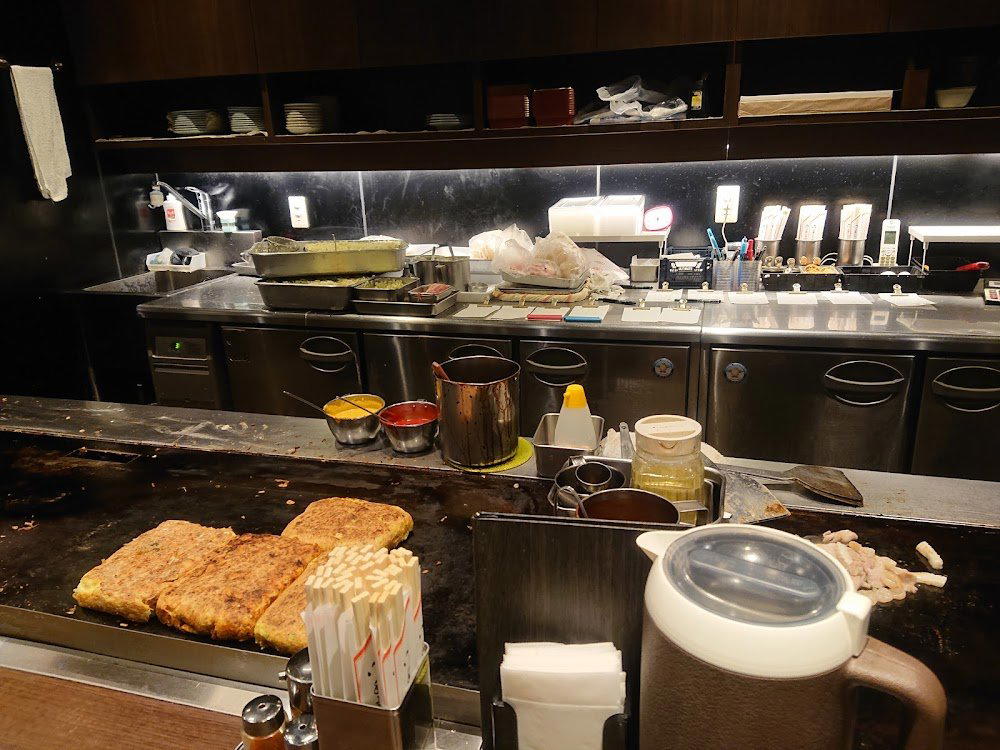
The menu
What to order
- Okonomiyaki with thick mayonnaise
- Yakisoba
Where Toyama's Geography Becomes the Menu
The prefecture sits at the intersection of two defining food systems: the Sea of Japan, which delivers white shrimp, firefly squid, and yellowtail at a scale that supplies much of western Japan, and the Tateyama mountain range, which feeds snowmelt rivers into the bay and shapes the temperature and mineral character of coastal waters. Restaurants that root themselves in this geography are working with ingredient logic that no other prefecture can replicate on the same terms. Boteyan is one of those addresses.
The city itself has developed a dining tier that tends to operate below national radar. Where Ebitei Bekkan and Hagiwara represent points of reference within the local scene, and where Daimon holds its own position in Toyama's dining conversation, Boteyan occupies a distinct slot shaped by place and sourcing rather than format or award profile alone. This is consistent with how considered regional dining works across Japan's secondary cities: the kitchen's relationship to its immediate geography is the primary credential, and the seasonal calendar does most of the editorial work.
The City as Context
Toyama-shi sits on Toyama Bay, which Japanese culinary literature has called one of the country's most productive marine environments. The bay's depth drops sharply from the shoreline, creating cold-water upwellings that concentrate nutrients and produce shellfish and fish with a density of flavour that shallow coastal fisheries rarely match. The city's position also means winter and spring produce a sequence of ingredients, particularly the white shrimp (shiro ebi) and hotaru ika (firefly squid), that are geographically tied to this bay in a way that makes them difficult to replicate at similar quality elsewhere. A restaurant in Toyama that works with these ingredients at peak season is operating with material that kitchens in Tokyo and Osaka are sourcing at one remove and at a premium.
That locational logic has shaped the character of dining in the city more broadly. Toyama's serious restaurants tend not to chase the dense award concentration of Kyoto kaiseki or Tokyo's omakase circuit. They operate within a different competitive logic, one where the sourcing relationship and the kitchen's command of local seasonal sequences carry more weight than format or prestige tier. Boteyan fits within that framework. For visitors arriving from cities like Osaka or Kyoto, where restaurants like HAJIME or Gion Sasaki define a particular register of ambition, Toyama offers a counterpoint where the geography does more of the work and the kitchen's role is to get out of its way.
Approaching the Experience
Toyama Station, served by the Hokuriku Shinkansen since 2015, has made the city significantly more accessible from Tokyo and Osaka. The journey from Tokyo runs approximately two hours on the shinkansen, placing Toyama within practical range for a dedicated dining trip rather than requiring an overnight commitment, though staying in the city rewards those who do. The broader Hokuriku region, which also takes in Kanazawa and the Noto Peninsula, has attracted increased international attention in recent years as a credible alternative to the Kyoto-Osaka corridor, and Toyama functions as a logical anchor within that itinerary.
In terms of how Boteyan sits within a Toyama dining sequence, the city's other serious addresses offer useful calibration. KAWAZ and Himawari Shokudo 2, which operates in the Italian register at the JPY 20,000 to JPY 29,999 price tier, represent different approaches to the same local ingredient logic. Across Japan's regional dining circuit more broadly, comparable patterns appear in cities like Nanao, where 一本杉 川嶋制 works within similarly defined local sourcing, and in Takashima, where 湖畔荘 anchors its offer in the geography of Lake Biwa. Boteyan belongs to this cohort of regionally grounded addresses rather than to the nationally benchmarked award circuit.
What Serious Diners Look For Here
The pattern across Japan's most considered regional restaurants is consistent: the kitchen's authority over local ingredients, its timing within the seasonal sequence, and its ability to present those ingredients with restraint rather than elaborate intervention. This applies equally in Toyama, where the ingredient quality in peak months can produce eating that competes with nominally more prestigious urban addresses. Comparable logic drives kitchens in Fukuoka, where Goh has built a national reputation on Kyushu's fishing culture, and in Nara, where akordu positions local produce within a European technique framework.
For diners whose reference points are primarily international, the contrast between Toyama and the dense award concentration of Tokyo or Kyoto is worth understanding before booking. A counter like Harutaka in Tokyo operates within a national prestige framework shaped by Michelin and the omakase circuit. Boteyan operates within a different set of values, where the city's marine geography, seasonal calendar, and direct sourcing relationships define the experience more than any award designation. That is not a lower standard; it is a different one, and for many diners it is the more interesting proposition.
Japan's regional dining circuit has attracted serious attention from international food media in recent years, a shift partly driven by the Hokuriku Shinkansen's effect on access and partly by a broader reassessment of where Japan's most honest cooking is happening. Sapporo's 古仙山乃 and Nishikawa Machi's 宿羽屋 are part of the same circuit. See our full Toyama restaurants guide for the broader picture of how the city's dining scene maps out.
Planning Your Visit
Booking practices for Toyama's considered restaurants generally require advance planning, particularly during white shrimp season (roughly April through late autumn) and the firefly squid window in spring. Visitors arriving from outside Japan should account for the possibility that reservation systems operate in Japanese, and enlisting hotel concierge assistance or using a specialist booking service is advisable. Toyama Station provides the most practical base, with the city's serious dining addresses within reasonable distance of the central area. For international visitors comparing the Hokuriku region against more established dining destinations, the ingredient quality and the relative ease of access post-shinkansen make the calculation worth running. The comparison set extends well beyond Japan: diners who have experienced the produce-led approach at restaurants like Le Bernardin in New York City or the precision framework at Atomix will find the underlying logic at Toyama's leading addresses operating on recognisable terms, even within a very different cultural register. Sakai's Birdland offers another useful reference point for how Japanese regional kitchens command a single ingredient with total discipline.
Frequently asked questions
Why do serious diners travel specifically to Toyama to eat at restaurants like Boteyan?
Toyama Bay's depth and cold-water currents produce seafood varieties that are difficult to source at comparable quality outside the region, making the city a logical destination for diners who prioritise ingredient provenance over urban convenience. Since the Hokuriku Shinkansen connected Toyama to Tokyo in 2015, the journey takes roughly two hours and fifteen minutes, which has made the city far more viable as a dedicated dining excursion. Restaurants rooted in Toyama's marine environment, as Boteyan appears to be, represent the clearest argument for making that trip.
What should I order at Boteyan?
Boteyan sits in Toyama, a city whose bay produces white shrimp, firefly squid, and buri yellowtail that drive menus at the city's most considered kitchens. The menu orientation here follows the same geographic logic: what the bay offers at a given moment shapes what arrives at the table. check the venue's official channels to confirm current seasonal availability before your visit.
What's the best way to book Boteyan?
Toyama's regionally focused restaurants typically require advance reservations, especially during peak seafood seasons such as white shrimp season from approximately April through June.
What is Boteyan known for?
Boteyan is part of Toyama's emerging profile as a serious regional dining city, a reputation built on the exceptional marine output of Toyama Bay, which Japanese culinary writing consistently cites as one of the country's most productive coastal environments. The restaurant's identity is grounded in that geography. Toyama's growing accessibility via the Hokuriku Shinkansen since 2015 has brought more destination diners into the city's orbit.
What if I have allergies at Boteyan?
Toyama's kitchen-forward restaurants work closely with seasonal and local ingredients, many of which shift frequently. Communicating dietary restrictions and allergies at the time of booking is standard practice at this level of dining in Japan, and doing so in writing gives the kitchen the best opportunity to accommodate you. If you are booking through an intermediary, ensure allergy information is passed directly to the restaurant.
Is Boteyan overpriced or worth every penny?
What is consistent across Toyama's more considered restaurants is that the ingredient cost of Toyama Bay seafood, particularly during white shrimp and firefly squid season, reflects in menu pricing across the city. Contact Boteyan directly for current menu pricing before making your reservation.
A Minimal comparable set
Comparable venues nearby, for context on price, style, and recognition.
| Venue | Cuisine | Price | Awards | Notes |
|---|---|---|---|---|
| BoteyanThis venue — the venue you are viewing | Okonomiyaki (Japanese Savory Pancake) | $10–20 | Not listed | Not listed |
| Gin Sakana no Hanare Gin Chirori | Japanese Izakaya | $30–50 | Tabelog 100 #24 | Shintomicho, Japanese Izakaya |
| Ogiichi Masuzushi Honpo | Traditional Toyama Masuzushi Specialty Shop | $20–30 | Tabelog 100 #66 | Koizumicho, Traditional Toyama Masuzushi Specialty Shop |
| Daruma | Traditional Sushi Counter | $20–30 | Tabelog 100 #89 | .null, Traditional Sushi Counter |
| å¨ä¹ å± | Toyama, japanese | Not listed | Tabelog 100 #88 | Not listed |
| Ishitani Mochiya Toyama chuo dori honten | Japanese Traditional Sweets Cafe | $1–10 | Tabelog 100 #49 | Chuo-dori, Japanese Traditional Sweets Cafe |
Continue exploring
More in Toyama
Restaurants in Toyama
Browse all →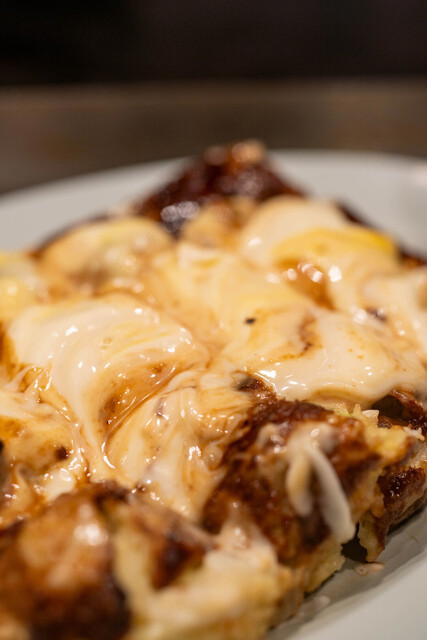
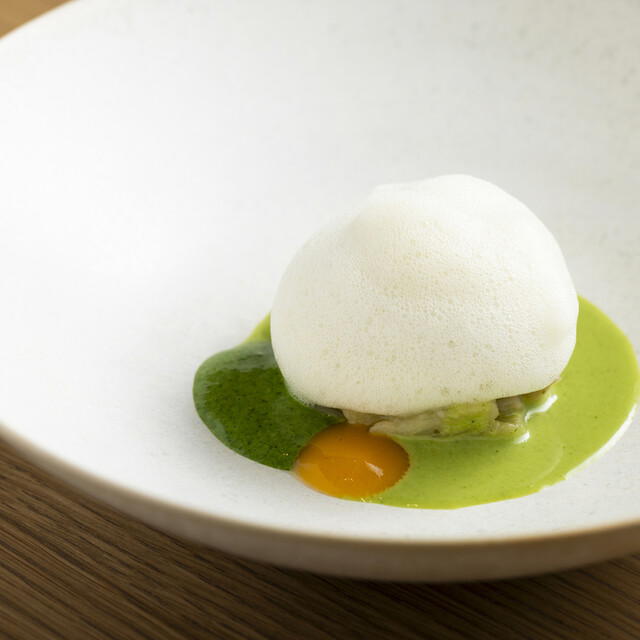
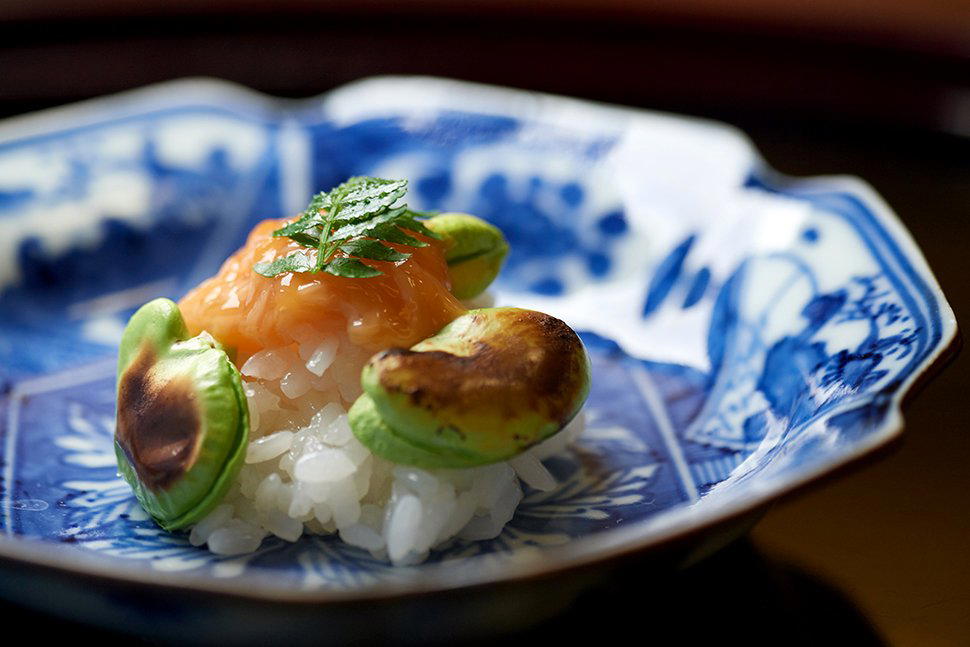
Hotels in Toyama
Browse all →
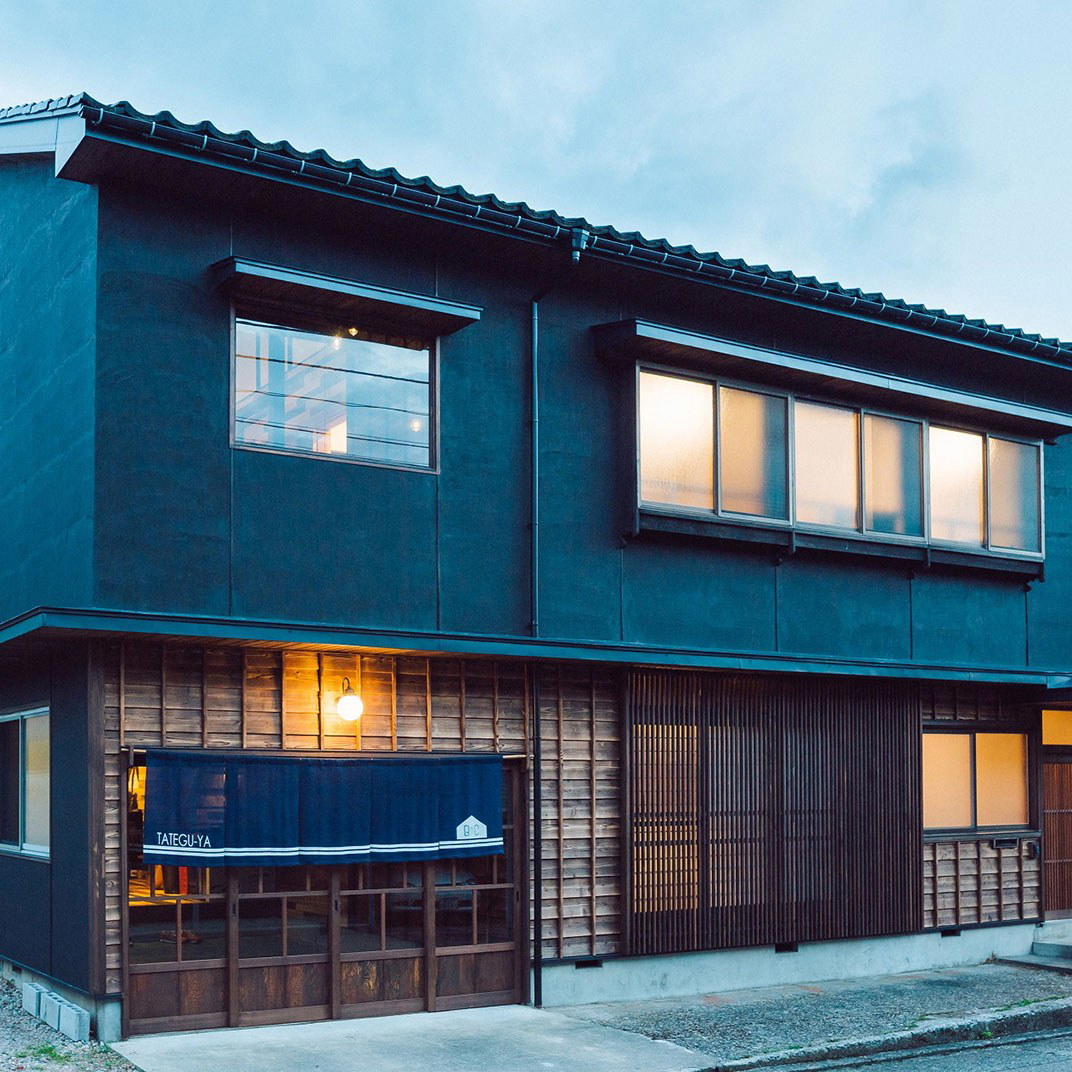
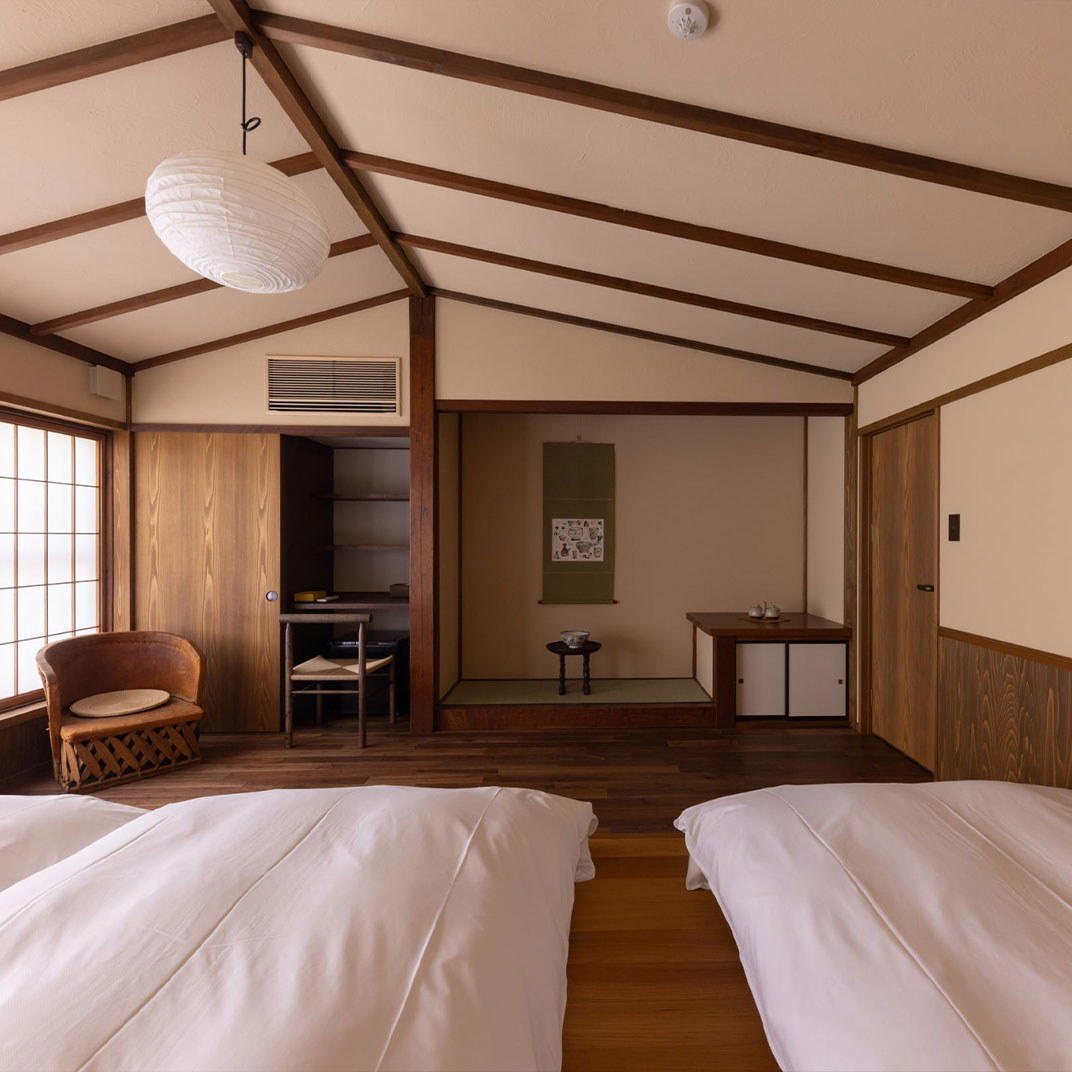

Wineries in Toyama
Browse all →
Details
- Lively
- Casual
- Well Known
- Casual Hangout
- Solo
- Group Dining
- Family
- Open Kitchen
- Counter Dining
- A La Carte
Calm interior despite long lines outside; counter seating allows diners to watch chefs cook okonomiyaki and yakisoba on the grill in real-time.