
Tabelog Bronze #373
Our verdict
A Tabelog Bronze Award winner in the rural Tamba-Sasayama district of Hyogo, Roan Matsuda Sasayama has held a place on Tabelog's Soba 100 list every year since 2017. Set in a converted house with tatami rooms, it serves soba and seasonal Japanese courses at lunch from JPY 6,000 and dinner from JPY 10,000. Reservations are required and must be made at least one day in advance.

Pearl is the En Primeur Club membership app — saves, bookings, and concierge access live there. Same editors, same standards.
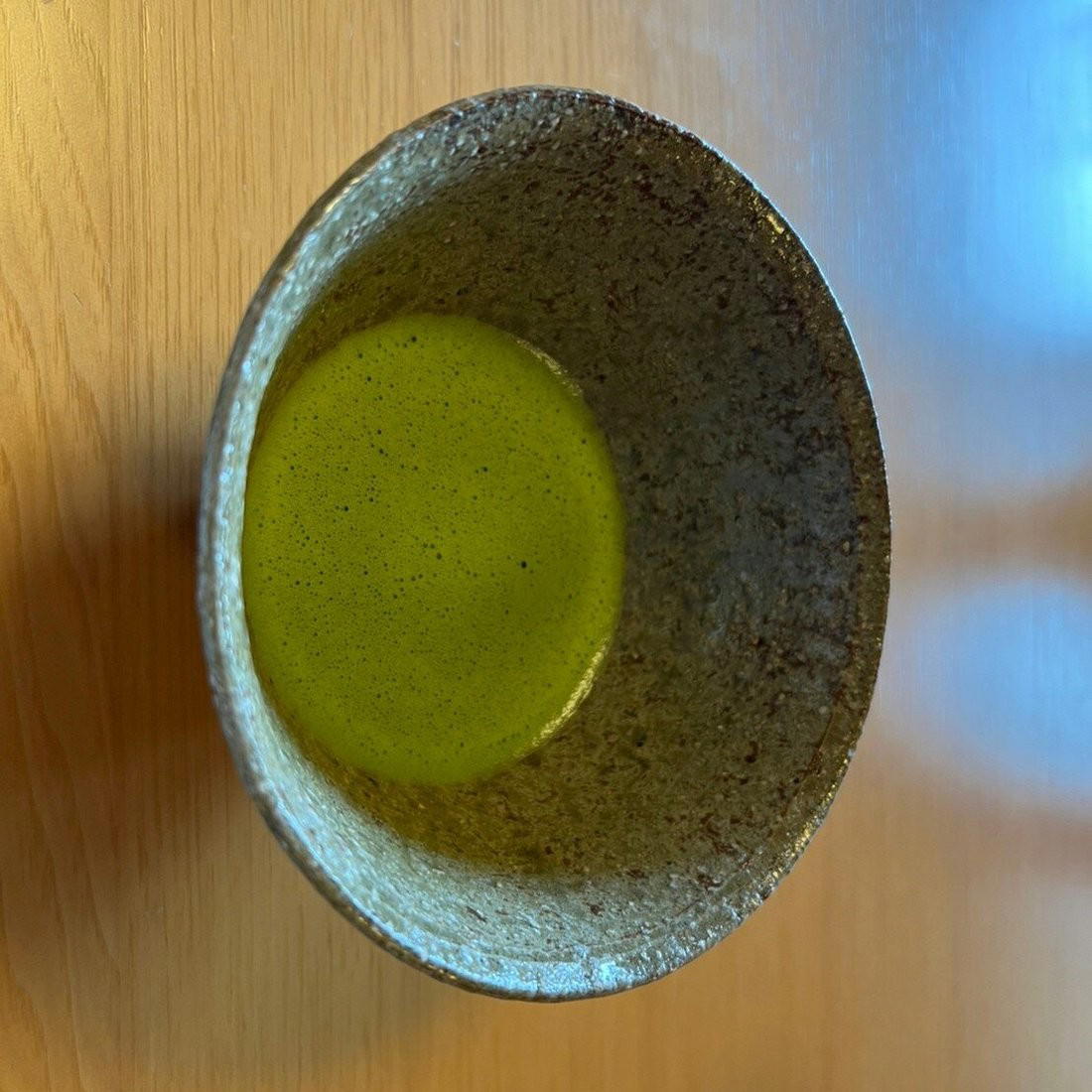
The menu
What to order
- Jyuwari Soba
- Rural Soba
- Temakizushi Soba
Where Tamba-Sasayama's Agricultural Identity Meets the Soba Counter
The road into Tamba-Sasayama passes through rice paddies and black soybean fields that the region has farmed for centuries. This is not incidental scenery. It is the agricultural context that defines the style of dining that places like Roan Matsuda Sasayama represent: course meals anchored to what the surrounding land produces, structured around buckwheat, and timed to the slower rhythms of a rural castle town rather than the pace of a city restaurant district. The house itself, set in the Maruyama district, arrives as a quiet wooden structure that reads less as a restaurant than as a private residence that happens to serve food. That impression is deliberate. The format belongs to a category of Japanese dining where the setting does interpretive work before the first course appears.
In the broader context of Hyogo's serious dining scene, Roan Matsuda Sasayama occupies a distinct position. The prefecture's high-end restaurants, including Arakawa (steak and yoshoku, dinner from JPY 30,000) and Aspirant (French and innovative, from JPY 30,000), operate in price tiers two to three times higher and draw from European or Western frameworks. Roan Matsuda Sasayama sits inside the Japanese washoku-and-soba tradition at a fraction of those prices, with dinner averaging JPY 10,000 to JPY 14,999, making its sustained award record across nearly a decade one of the more interesting value propositions in the prefecture.
The Credential Record: Eight Years of Consistent Recognition
Japan's Tabelog platform, which aggregates millions of user reviews and applies editorial curation for its award tiers, has recognised Roan Matsuda Sasayama with a Bronze Award in 2017, 2018, 2019, 2025, and 2026. The restaurant carries a score of 3.99 (with a 2025 score recorded at 4.04), placing it in the upper tier of Tabelog's scale, where scores above 3.8 reflect sustained peer recognition rather than short-term visibility. Alongside those Bronze Awards, the restaurant has been selected for Tabelog's national Soba 100 list every year from 2017 through 2025, including the regional Soba WEST 100 designation in 2024 and 2025. For a soba restaurant outside Japan's major urban centres, this is an unusually consistent run. Most entries in the Tabelog 100 lists are concentrated in Tokyo, Kyoto, and Osaka. Presence from rural Hyogo, maintained across eight consecutive cycles, signals something different: a kitchen that does not depend on urban foot traffic or food media cycles to hold its position.
For comparison, Awajishima Nobu operates in the sushi category at JPY 20,000 to JPY 29,999, and bb9 occupies the grilling cuisine niche elsewhere in Hyogo. Roan Matsuda Sasayama's soba and Japanese cuisine format sits in a separate lane from both, with a price point that makes it accessible relative to peers while the award record places it in a nationally recognised tier.
How the Meal Is Structured
The format is a course meal, and the restaurant asks guests to allow approximately two hours. That pacing matters. Soba-led course meals in Japan follow a progression logic that is different from a kaiseki or a tasting menu built around technique theatrics. The arc typically moves through seasonal appetisers that establish the region's produce, then toward the soba itself as the structural centrepiece, before closing with lighter sweets or seasonal fruit. Each stage is calibrated to the buckwheat, not alongside it. The soba arrives as the culmination of a sequence, not as a standalone bowl ordered off a menu.
Tamba-Sasayama contributes specific ingredients to that sequence. The region is known for Tamba black soybeans (considered among Japan's finest), Tamba chestnuts, and local mountain vegetables. A course structured around the area's seasonal harvest means the appetiser stages can draw on produce with genuine provenance, rather than imported or generic Japanese ingredients used to fill out a menu. The drink list includes nihonshu (sake), shochu, and wine, which gives the meal pairing options appropriate to both the Japanese course structure and the rurally-sourced food. A health and wellness menu designation is also listed, consistent with the seasonally grounded, lighter cooking style associated with this format.
This kind of multi-course sequencing around a single craft tradition, soba, places Roan Matsuda Sasayama in a specialist category that is increasingly valued outside Japan. The template is structurally comparable to what destinations like Gion Sasaki in Kyoto do for kaiseki or what akordu in Nara does for locally-rooted European-Japanese fusion: a single coherent culinary logic, sequenced over time, in a setting that frames the food. The difference here is price point and craft focus. The soba counter is its own discipline, and Roan Matsuda Sasayama has held Tabelog's national recognition in that discipline for the better part of a decade.
The Space and What It Implies
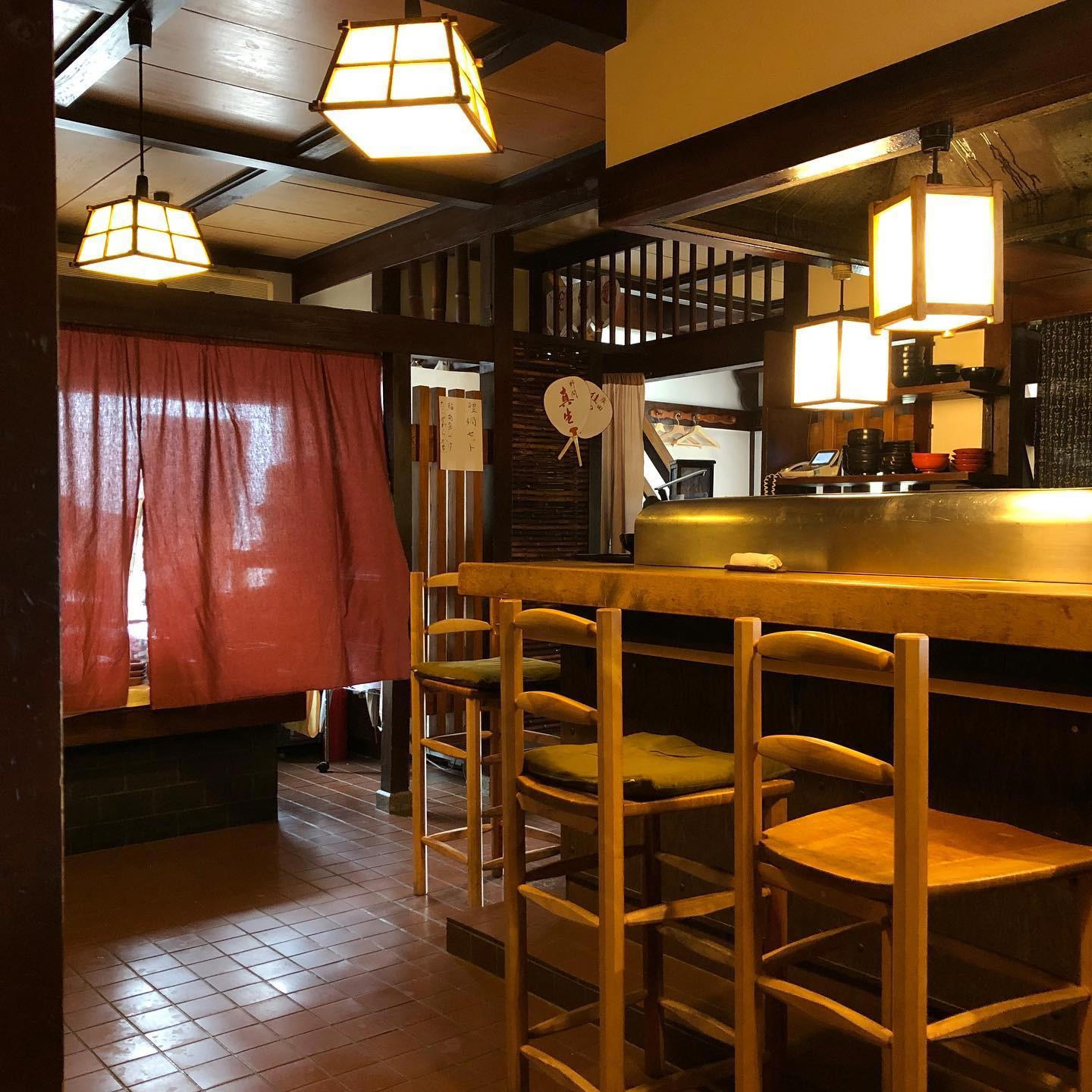
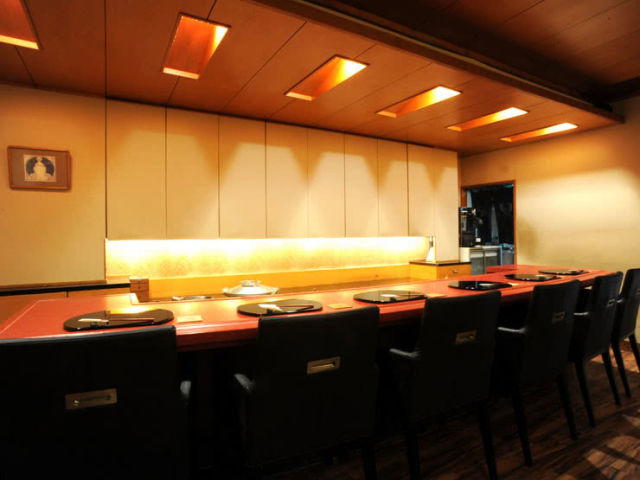
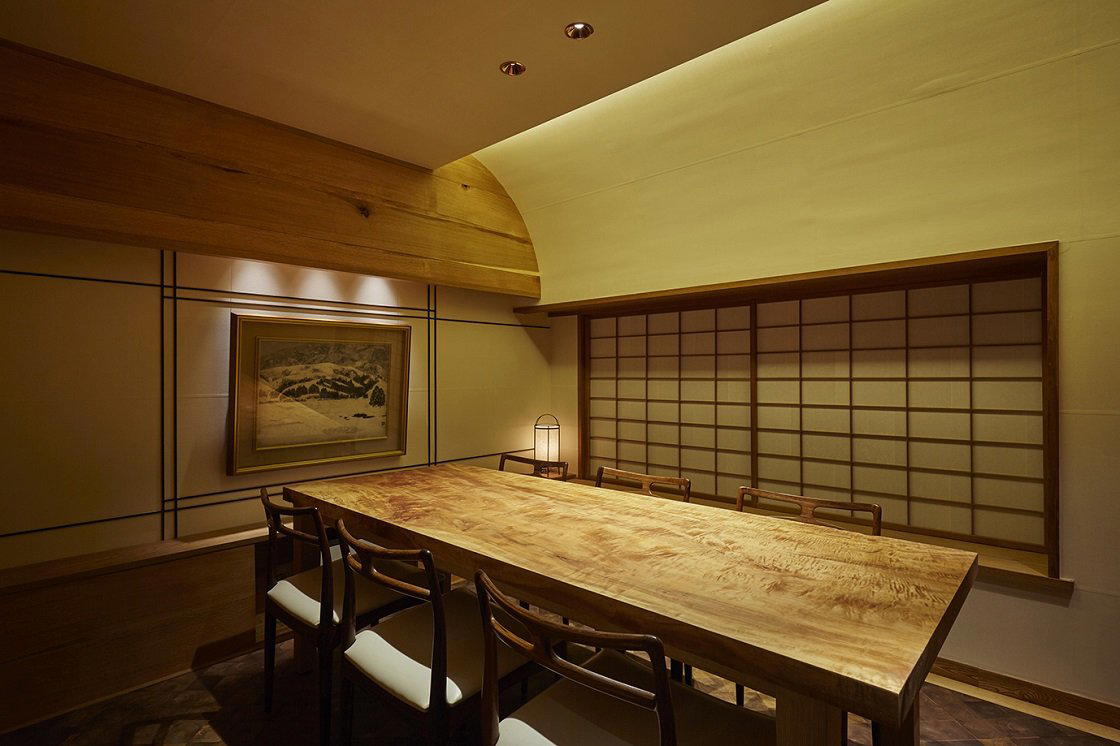
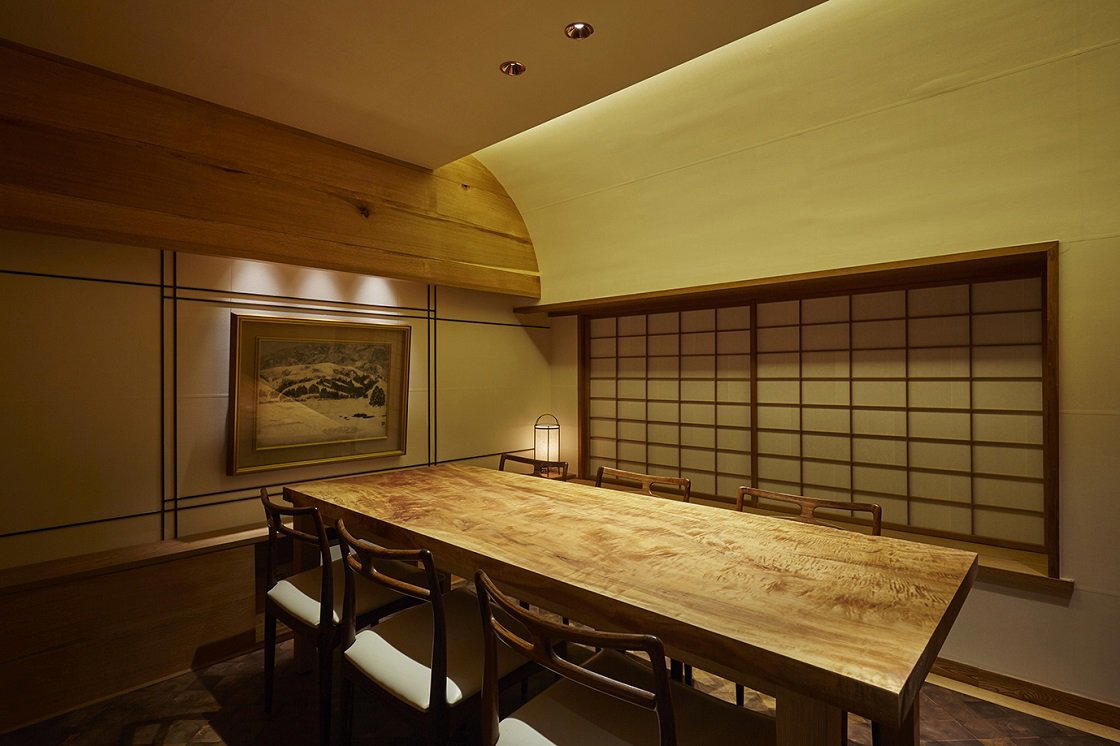
The restaurant seats 20 across tatami rooms and Western-style seating, with private rooms available for groups of two, four, six, or eight. The maximum party size per booking is 12. The combination of tatami space, countryside location, and house-restaurant format places this in a specific Japanese hospitality category: restaurants where the building is part of the experience in a way that a restaurant in a commercial building cannot replicate. The listing description notes a spacious and relaxing atmosphere, which is appropriate to the pacing a two-hour course meal requires.
Small children are accommodated only in Western-style rooms, which is a practical detail worth knowing for family visits. Parking is available for approximately eight vehicles, which matters given the access realities: the restaurant is about 20 minutes by car from Shinoyamaguchi Station, and a one-way taxi fare runs roughly JPY 4,000 to JPY 5,000. Bicycle rental is available at JR Shinoyamaguchi Station (electric bicycles at JPY 1,000 per day, standard at JPY 800), though the 4.4 kilometres from the nearest bus stop makes cycling a more realistic option than the bus for most visitors. Car is the practical choice for most, especially given that the evening dinner window runs until midnight, beyond useful public transport hours.
Planning a Visit
Reservations are required and must be made at least one day in advance. Dinner starts at a time of your choosing between 18:00 and 21:00, giving flexibility that most fixed-seating restaurants in Japan do not offer. Lunch runs on two fixed sessions: 11:30 and 14:00. The restaurant is closed Tuesdays and Wednesdays. Lunch pricing runs JPY 6,000 to JPY 7,999; dinner runs JPY 10,000 to JPY 14,999. Payment is cash only: no credit cards, no electronic money, no QR code payments are accepted, so plan accordingly.
The restaurant requests that guests refrain from cancelling or changing party size on the day before or the day of the reservation, and notes that a cancellation fee may apply. A course meal for 20 seats is an operation where no-shows carry real cost. Booking through the website at roan-matsuda.com is the appropriate channel; the phone number on record is +81-79-552-7755.
Tamba-Sasayama itself warrants time beyond the meal. The castle town centre, with its preserved merchant district (Nishimachi), offers a context that reinforces rather than distracts from what Roan Matsuda Sasayama represents. Coming for lunch and spending the afternoon in the town before returning for dinner elsewhere in the region is a logical itinerary, though the restaurant's dinner booking is the more considered choice for anyone who wants the full two-hour course experience in the right light. For those building a broader Hyogo itinerary, the EP Club guides to Hyogo restaurants, Hyogo hotels, Hyogo bars, Hyogo wineries, and Hyogo experiences provide fuller coverage of the prefecture. Roan Matsuda Sasayama sits at the quieter, more deeply regional end of that spectrum, which is precisely what makes it worth the drive from Kobe or Osaka.
Elsewhere in Japan's soba and washoku conversation, the national frame includes counters like Harutaka in Tokyo and creative Japanese programs like HAJIME in Osaka, both operating at significantly higher price points and urban contexts. For readers who have experienced tasting progressions at Goh in Fukuoka or the structured formality of Atomix in New York City, or the technical rigour of Le Bernardin in New York City, Roan Matsuda Sasayama offers a counterpoint: a long, unhurried course built around a single Japanese craft tradition, in a converted farmhouse, at a price point that makes the eight-year award record feel like a genuine discovery. See also entre nous and 1000 in Yokohama for further reference across different Japanese regional dining contexts.
Frequently asked questions
How do I find Roan Matsuda Sasayama?
Roan Matsuda Sasayama is located at 154 Maruyama, Tamba-Sasayama, Hyogo 669-2361, Japan, Hyogo.
What time does Roan Matsuda Sasayama open and close?
Hours at Roan Matsuda Sasayama: ■Business hoursLunch: Two sessions (11:30 / 14:00)Dinner: Starts at your preferred time between 18:00 and 21:00, closing at 24:00■Closed onTuesdays and Wednesdays.
Does Roan Matsuda Sasayama have a Michelin star or similar recognition?
Roan Matsuda Sasayama has received recognition including: {"Year":"2026","Award Source":"Tabelog","Award Type":"The Tabelog Award","Award Group":"bronze","Award Group Rank":"373","Restaurant Name":"Roan Matsuda Sasayama Ten","Score":"3.99","Budget":"Dinner: JPY 10,000 - JPY 14,999; Lunch: JPY 6,00….
What should I order at Roan Matsuda Sasayama?
The kitchen runs a set course meal format, so there is no a la carte selection to navigate. Your primary decision is choosing between a lunch session (11:30 or 14:00, priced around JPY 6,000–7,999) and dinner (JPY 10,000–14,999), with the latter offering more flexibility on start time. Tabelog's Soba WEST '100 Best' selectors have recognised this restaurant every year from 2017 through 2025, which reflects the consistency of the soba-centred course rather than any single dish. Allow two hours for the full meal.
Nearby-ish Comparables
A quick peer reference to anchor this venue in its category.
| Venue | Cuisine | Price | Awards | Notes |
|---|---|---|---|---|
| Roan Matsuda SasayamaThis venue — the venue you are viewing | Michelin-Starred Soba Kaiseki | $100–150 | Tabelog Bronze #373 | Not listed |
| Komago | Traditional Japanese Kaiseki | $200–300 | Not listed | French |
| bb9 | Modern Spanish Grill Omakase | $150–200 | Tabelog 100 #34 | Grilling Cuisine |
| Arakawa | Steak, Yoshoku (Japanese style western cuisine), European | Not listed | Not listed | JPY 40,000 - JPY 49,999 JPY 30,000 - JPY 39,999 |
| Aspirant | French Innovative Fine Dining | $100–150 | Tabelog Bronze #31 | French, Innovative, JPY 30,000 - JPY 39,999 JPY 30,000 - JPY 39,999 |
| Awajishima Nobu | Awaji Island Counter Sushi | Not listed | Tabelog Bronze #322 | Sushi, JPY 20,000 - JPY 29,999 JPY 20,000 - JPY 29,999 |
Recognition history
Dated appearances from independent guides and award organizations, with the underlying list record or original source where available.
Tabelog Bronze #373
Tabelog
Full recognition history (3 entries)
Tabelog 100 #34 · No. 34
Tabelog · Tabelog 100 - Soba - WEST - 2025
Tabelog Bronze
Tabelog
Continue exploring
More in Hyogo
Restaurants in Hyogo
All restaurants in Hyogo →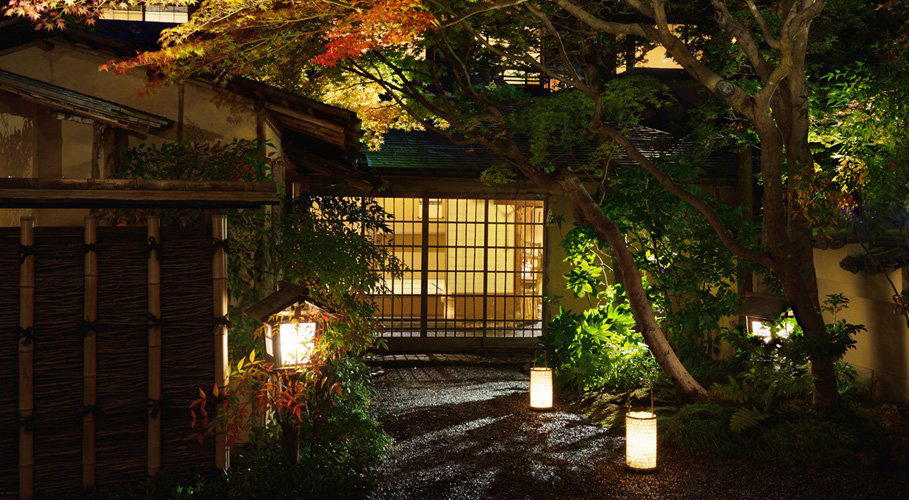
Bars in Hyogo
Browse all →

Hotels in Hyogo
Browse all →
Wineries in Hyogo
Browse all →
Roan Matsuda Sasayama
The wine
- Wine program
- Curated wine list
- Sake program
Details
- Quiet
- Rustic
- Intimate
- Cozy
- Elegant
- Special Occasion
- Standalone
- Sake Program
- Local Sourcing
- Garden
- Mountain
- Tasting Menu
Current opening hours
- Monday
- 11:30 AM–4:30 PM, 6–9 PM
- Tuesday
- Closed
- Wednesday
- Closed
- Thursday
- 11:30 AM–4:30 PM, 6–9 PM
- Friday
- 11:30 AM–4:30 PM, 6–9 PM
- Saturday
- 11:30 AM–4:30 PM, 6–9 PM
- Sunday
- 11:30 AM–4:30 PM, 6–9 PM
Hours can change for holidays and private events. Last verified .
Renovated traditional Japanese house with large wooden pillars, tatami or table seating divided by shoji screens, and warm lighting that fosters a quiet, relaxing atmosphere immersed in nature.