

bb9 places Kobe’s Spanish dining conversation in the language of the asador: fire, timing, wine and a compact room where the format matters as much as the label. The eight-seat, reservation-only restaurant has Tabelog Award history through 2026 and sits in the city’s higher-spend dining tier, with fish and wine emphasized in its public positioning.
Pearl is the En Primeur Club membership app — saves, bookings, and concierge access live there. Same editors, same standards.
- Address
- 3 Chome-14-5 Motomachidori, Chuo Ward, Kobe, Hyogo 650-0022, Japan
- Phone
- +81 78-331-6780
- Website
- asador-bb9.com
- Directions
- Get directions
 Saves & bookings on Pearl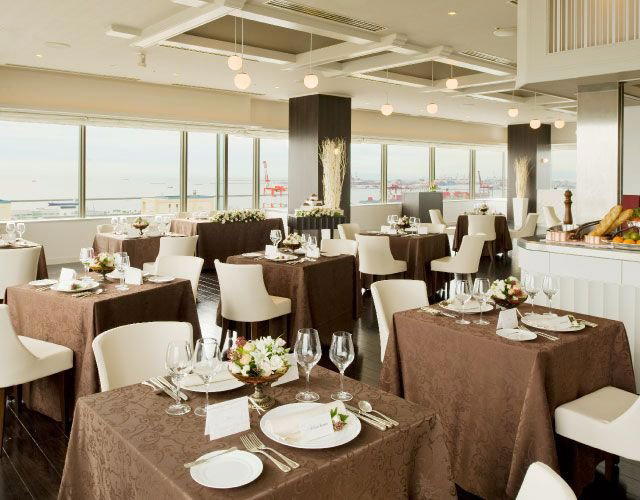
Motomachi’s dining streets compress quickly: station-side movement, arcades, old trading-port memory, then smaller rooms for planned dinners. Here, bb9 reads less as a broad Spanish restaurant than Kobe’s answer to the asador format, where heat is the grammar and control matters more than ornament. The room is compact, the category precise, and the stakes are set by a city that already understands beef, seafood, wine and European technique.
That matters in Hyogo. Kobe has long been fluent in Western dining without imitating Tokyo’s scale. Its port-city inheritance left a taste for French, yoshoku and grill-led cooking, while the prefecture’s coastline keeps seafood close. Spanish cuisine here is not a default tourist choice; it must justify itself against steak houses, sushi counters and French rooms with deeper local visibility. A Basque-leaning grill format does that by speaking to two local instincts: respect for prime ingredients and cooking that reads clearly on the plate.
Asador logic in a city that already understands the grill
The assigned category is Spanish, but the useful lens is fire. In an asador tradition, ribeye, strip, filet and tomahawk are not decorative terms; each determines fat, chew, heat tolerance and service pace. Ribeye rewards rendered fat and slower confidence around the flame. Strip is linear, firm and less forgiving. Filet asks restraint because tenderness can flatten into neutrality. A tomahawk, when it appears in grill culture, is about thickness and resting as much as spectacle. bb9’s public positioning emphasizes grilling cuisine and fish, so the point is not a steakhouse script, but the same discipline of cuts, heat and timing.
That discipline separates serious grill rooms from restaurants using smoke as styling. Strong Basque cooking does not need a crowded plate. It asks whether the ingredient was chosen with conviction, the fire managed with patience, and the wine list has the acidity and structure to keep pace. Chef Daiki Kanai’s role matters as a credential, not biography: the kitchen’s identity sits inside a narrow genre where execution is exposed. There is less room to hide behind sauce work than in a long-form French dégustation, and less tolerance for theatrics than at a luxury steak counter.
The Tabelog signals place the restaurant in a serious national frame. It was selected for Tabelog 100 Spanish Cuisine 2026, and its award history includes The Tabelog Award 2026 Bronze after Silver recognition in multiple earlier years. Those distinctions matter because Spanish restaurants in Japan occupy a smaller premium category than sushi, tempura, kappo or French. Recognition suggests consistency within a narrower field, not mass popularity. For travelers building a Hyogo dining itinerary, that is the relevant read.
Eight seats, wine emphasis, and the Motomachi advantage
Small-capacity dining changes a grill meal’s rhythm. An eight-seat room removes anonymity and makes pacing visible. Fire-led kitchens need patience from guests: the interest lies in sequence, heat management and how wine interacts with char, fat, saline notes and texture. Public details point to wine as a serious part of the format, exactly where a Spanish grill room should place its weight; otherwise the category risks becoming a theme rather than a full dining argument.
Motomachi suits this meal because it sits between Kobe’s transport spine and older international dining culture. The area does not ask for hotel-district performance; it rewards diners who know Kobe’s strongest meals can happen in compact rooms just off the obvious path. Station access also makes the restaurant feasible for visitors staying elsewhere in the city, or crossing from Osaka for Hyogo dining without turning dinner into logistics.
The higher-spend positioning clarifies who should choose it. This is not a casual Spanish spread built around tapas volume. Read it as a focused reservation for diners who care about grilled fish, red meat culture and wine structure, even when the menu is not publicly reduced to named signatures. In Kobe, that places bb9 near the deliberate end of the spectrum: less ceremonial than some counters, more ingredient-exposed than many Western rooms, and more specialized than a general European address.
Hyogo’s broader restaurant map frames the choice. Travelers can move from the beef-and-European register of Arakawa to French and innovative cooking at Aspirant, sushi at Awajishima Nobu, and smaller contemporary rooms such as entre nous or Eragon. The broader planning layer sits in our full Hyogo restaurants guide, while lodging, drinking and regional context are covered through our full Hyogo hotels guide, our full Hyogo bars guide, our full Hyogo wineries guide and our full Hyogo experiences guide.
How to place it in a Japan itinerary
The cleanest use of bb9 is as a counterpoint to Japan’s codified luxury formats. Sushi and kaiseki dominate inbound planning because their rules are legible before arrival. A Spanish grill room in Kobe asks for a different appetite: less taxonomy, more attention to heat and product. The reward is intellectual as much as sensual, if the diner accepts a compact, reservation-led format and a bill in serious-dinner territory.
Beyond Hyogo, Japan’s grill conversation can run from beef-specific formats such as -Grilled beef Sukiyaki- KAMAKURA TANUKIAN 鎌倉 たぬき庵 in Kamakura to seafood-and-charcoal ideas like. 鮪と炭火焼き うお炭 秋葉原店 in Tokyo. A fuller route can branch into category shifts rather than direct comparisons:.cafe in Osaka.know in Kumamoto, (Shoku) Vietnam in Kawasaki and [Curry Senmon Ten] Maruyama Kyoju. in Sapporo show how specific formats travel across Japanese cities. For readers pairing Japan with California, Jōdo Saké Bar in Los Angeles and Onigiri Time in Pasadena sit in a different register, but underline the same editorial point: narrow formats age better than restaurants trying to be everything at once.
The verdict is practical: choose bb9 when the evening’s purpose is concentration. The awards history provides the trust signal, the seat count explains the intimacy, and Motomachi gives the meal a Kobe-specific frame. Diners seeking a loud room, casual plates or a steakhouse built around named cuts should look elsewhere. Diners interested in how Spanish grill logic translates inside Hyogo’s port-city dining culture will understand the appeal quickly.
The Essentials
Comparable venues nearby, for context on price, style, and recognition.
| Venue | Cuisine | Price | Notes |
|---|---|---|---|
| bb9This venue — the venue you are viewing | Motomachi, Modern Spanish Grill Omakase | $$$$ | Not listed |
| Sushi Josuke | Not listed | $$$$ | Kitano-cho, Chuo-ku, Edomae Omakase Sushi |
| Maruyasu | Not listed | $$$$ | Koshien, Fugu (Pufferfish) Fine Dining |
| Konishiya | Not listed | $$$$ | Miwa, Sanda, Modern Japanese Omakase & Kaiseki |
| Arakawa | Not listed | $$$$ | Sannomiya, Traditional Kobe Beef Steakhouse |
| Rock ‘n Billy Super 1 (Hyogo) | Not listed | $$ | Minamitsukaguchicho, Tsukaguchi, Artisanal Ramen & Tsukemen |
Recognition history
Dated appearances from independent guides and award organizations, with the underlying list record or original source where available.
Tabelog 100 #34 · No. 34
Tabelog · Tabelog 100 - Spanish cuisine - 2026
Tabelog Bronze #35
Tabelog
Opinionated About Dining Top Restaurants in Japan Ranked #127
Opinionated About Dining
Opinionated About Dining Top Restaurants in Japan Ranked #123
Opinionated About Dining
Opinionated About Dining Top Restaurants in Japan Ranked #133
Opinionated About Dining
Continue exploring
More in Hyogo
Restaurants in Hyogo
Browse all →
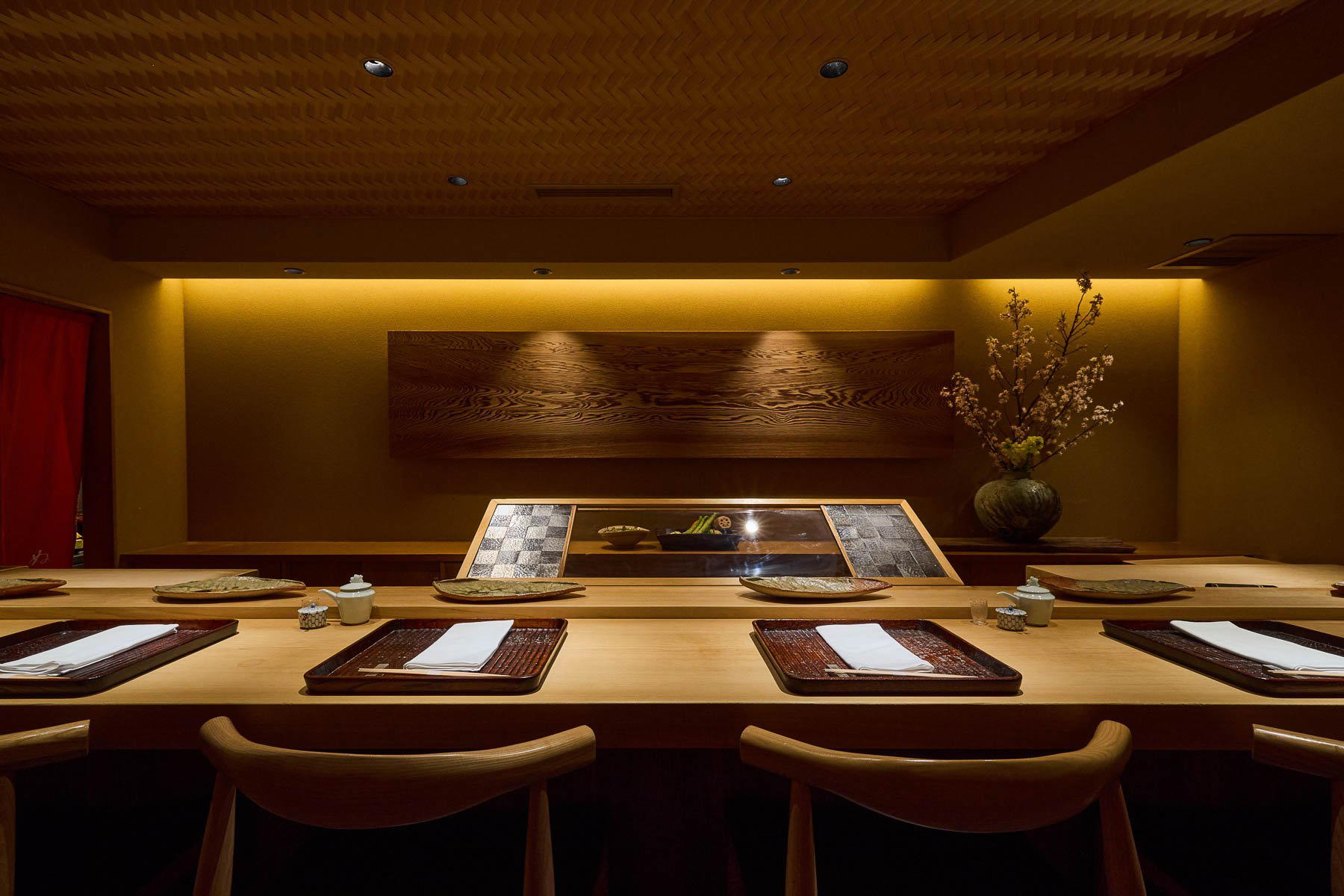
Bars in Hyogo
Browse all →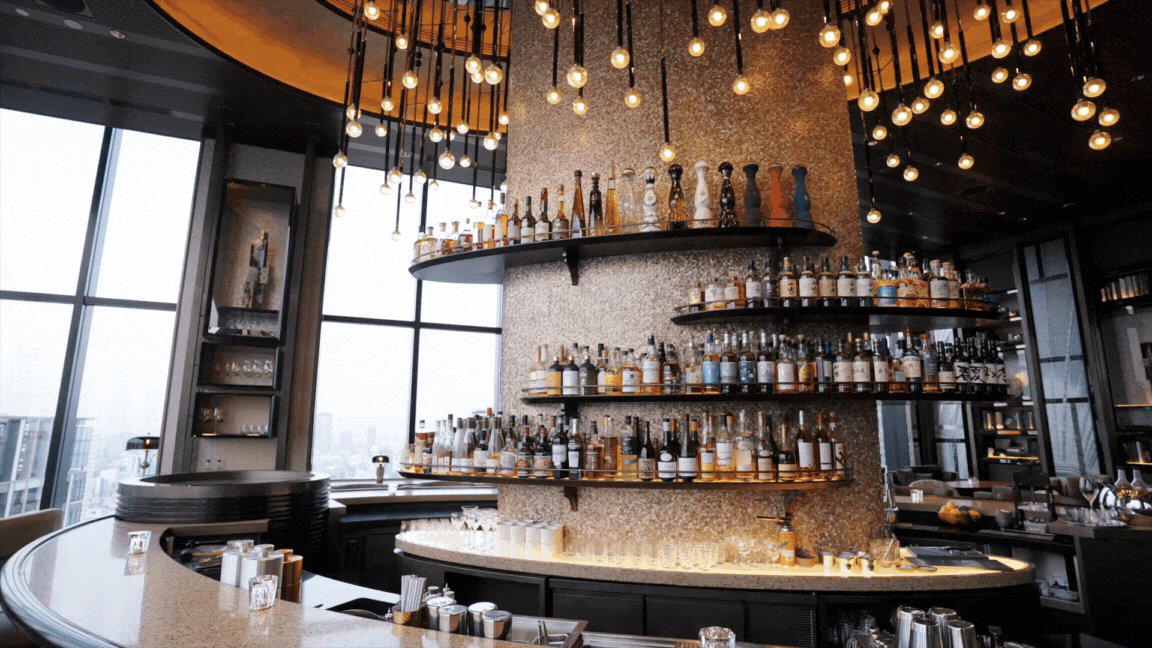
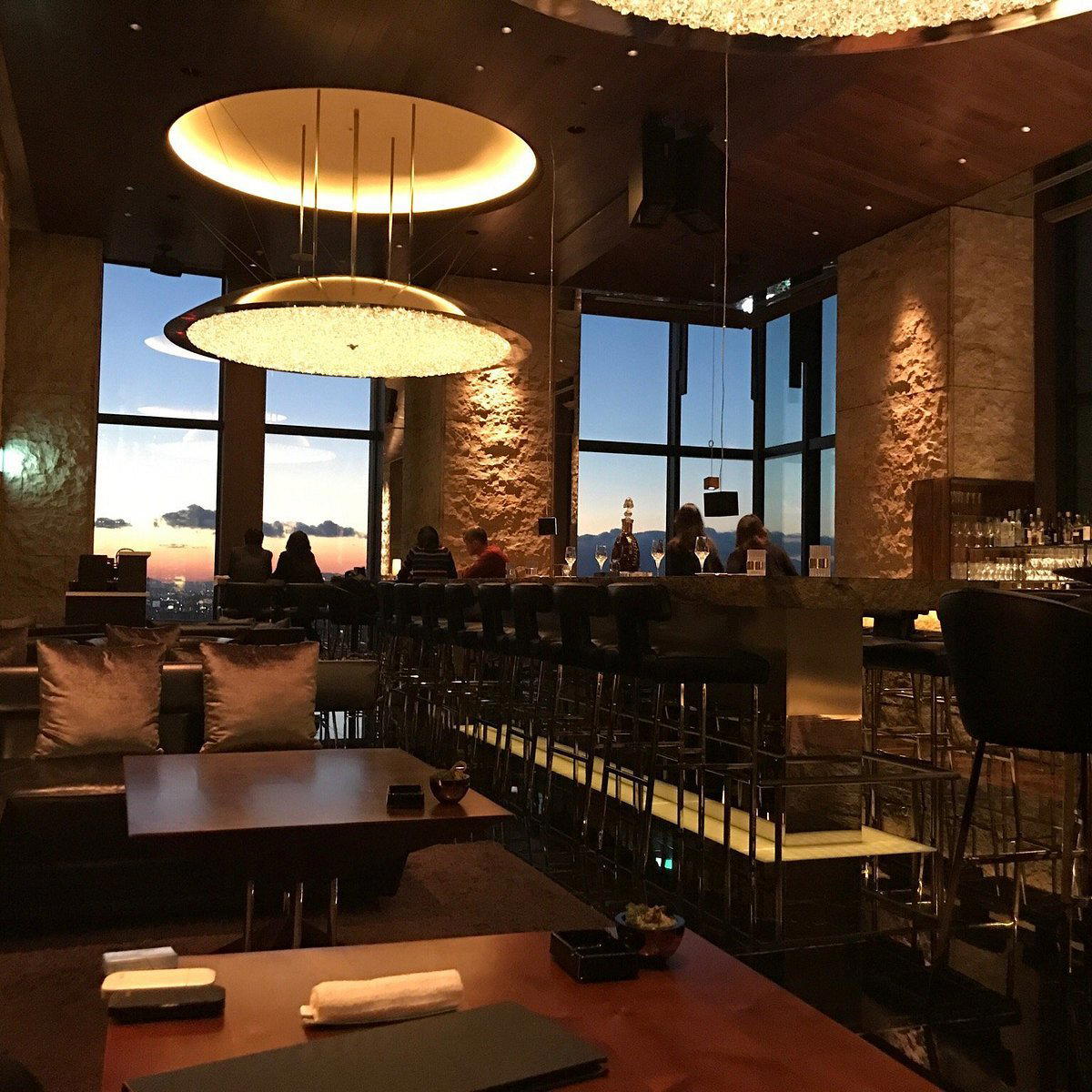



Hotels in Hyogo
Browse all →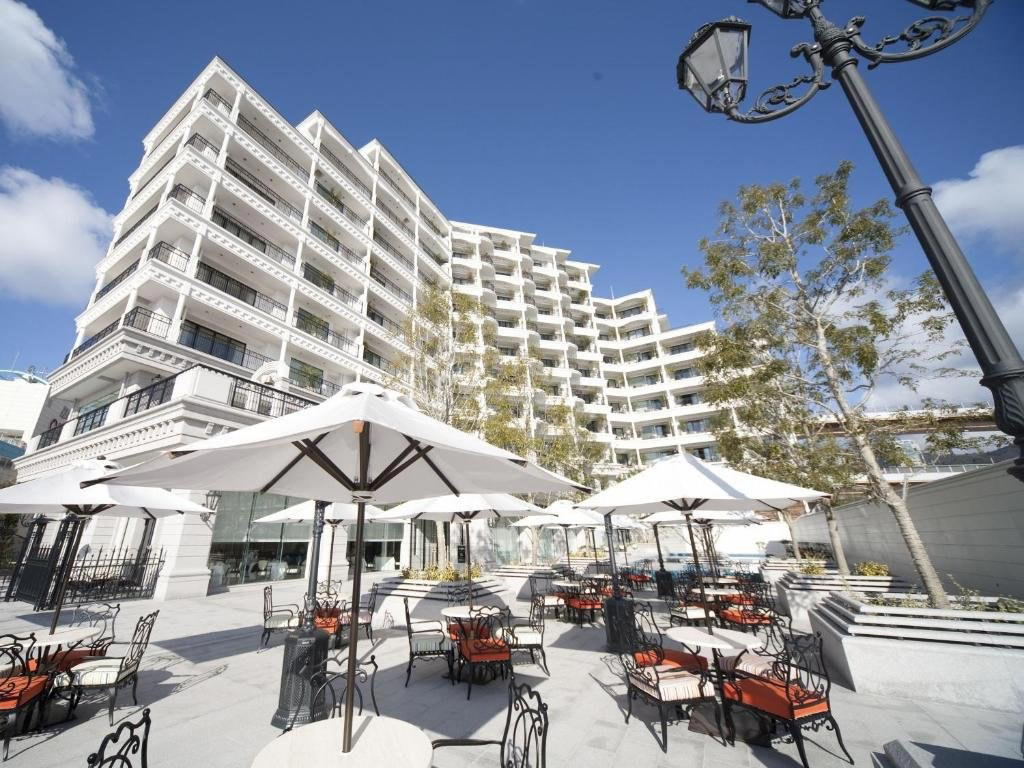

Wineries in Hyogo
Browse all →

At a Glance
- Intimate
- Elegant
- Minimalist
- Date Night
- Special Occasion
- Open Kitchen
- Chefs Counter
- Extensive Wine List
- Sake Program
- Local Sourcing
Current opening hours
- Monday
- 12–2 PM, 6–10 PM
- Tuesday
- 12–2 PM, 6–10 PM
- Wednesday
- 12–2 PM, 6–10 PM
- Thursday
- 12–2 PM, 6–10 PM
- Friday
- 9 AM–5 PM, 6–10 PM
- Saturday
- 12–2 PM, 6–10 PM
- Sunday
- 12–2 PM, 6–10 PM
Hours can change for holidays and private events. Last verified .
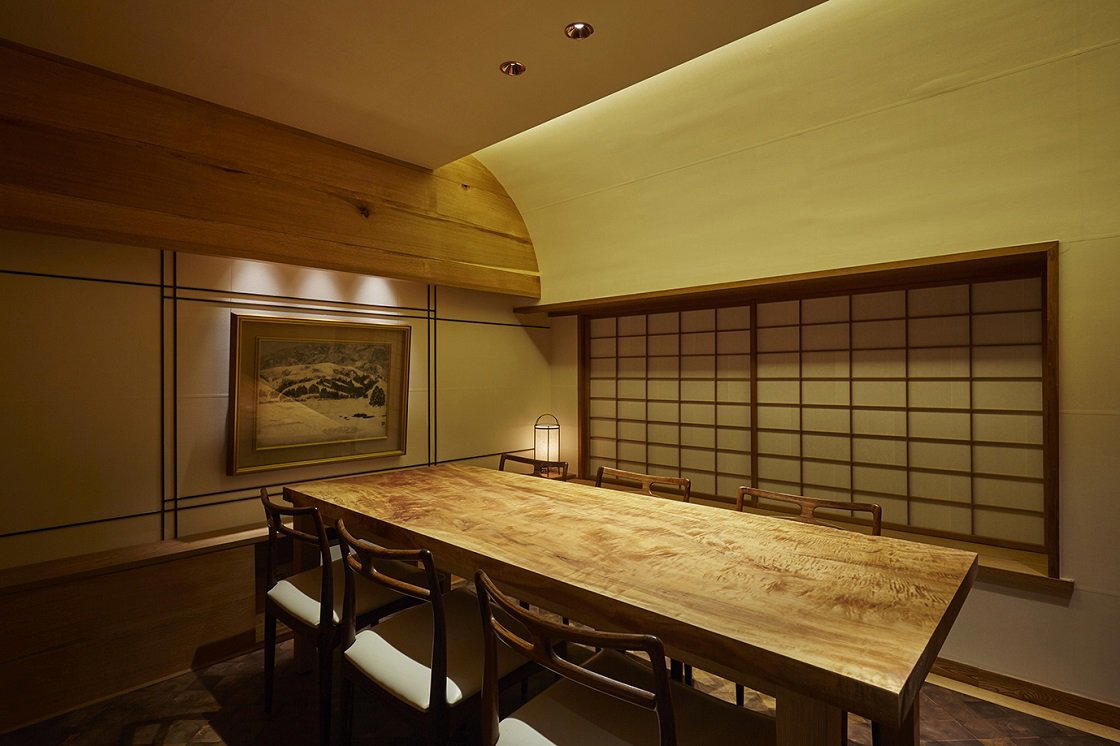
Intimate minimalist setting in a quiet alley with focus on open grilling station and glowing coal fire.