Google: 4.7 · 351 reviews

Tabelog Bronze Award winner for 2025 and 2026, Tanryu is a 12-seat Japanese cuisine restaurant in Himeji, Hyogo, with a documented focus on local produce, seasonal fish, and a sake programme serious enough to warrant an on-site sommelier. Dinner and lunch both price at JPY 30,000–39,999, with a 10% service charge applied across all sittings. Reservations should be made by phone the day before at the latest.
 Discover on Pearl
Pearl is the En Primeur Club membership app — saves, bookings, and concierge access live there. Same editors, same standards.
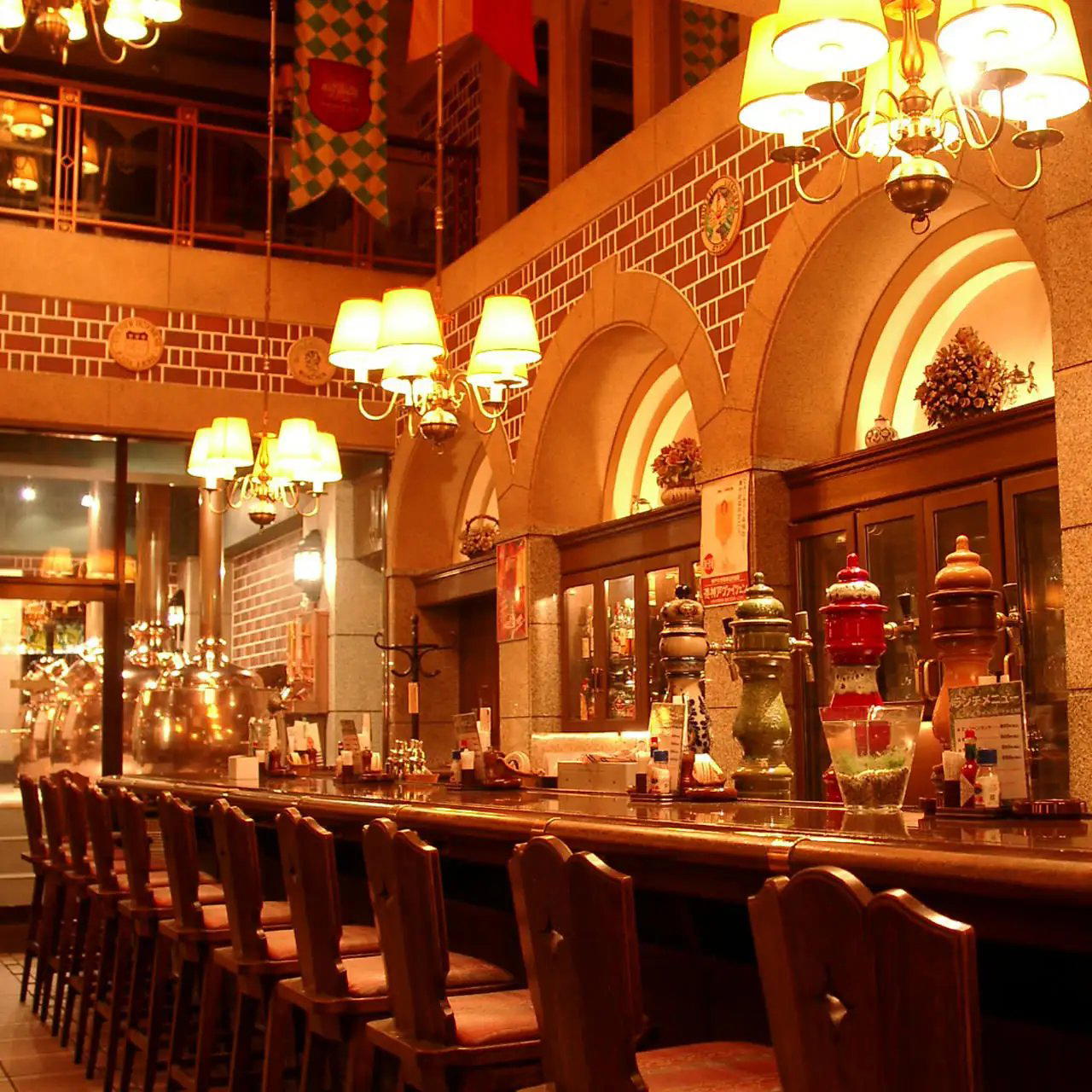
Counter Dining in Himeji: A Smaller-Scale Template for Serious Japanese Cuisine
The concentrated format of high-end Japanese cuisine — a short counter, ingredient-led menus, no à la carte — has long been associated with Osaka, Kyoto, and Tokyo. In regional Hyogo, that model is less common, and Himeji represents an interesting case study: a city with genuine culinary resources (proximity to the Seto Inland Sea, access to Harima produce, and a travel infrastructure anchored by Shinkansen access from the castle town's main station) but comparatively few restaurants operating at the JPY 30,000-plus price tier. Tanryu, open since April 2019, occupies that tier and holds consecutive Tabelog Bronze Awards for 2025 and 2026, placing it in the leading bracket of recognised Japanese cuisine tables across the western prefectures.
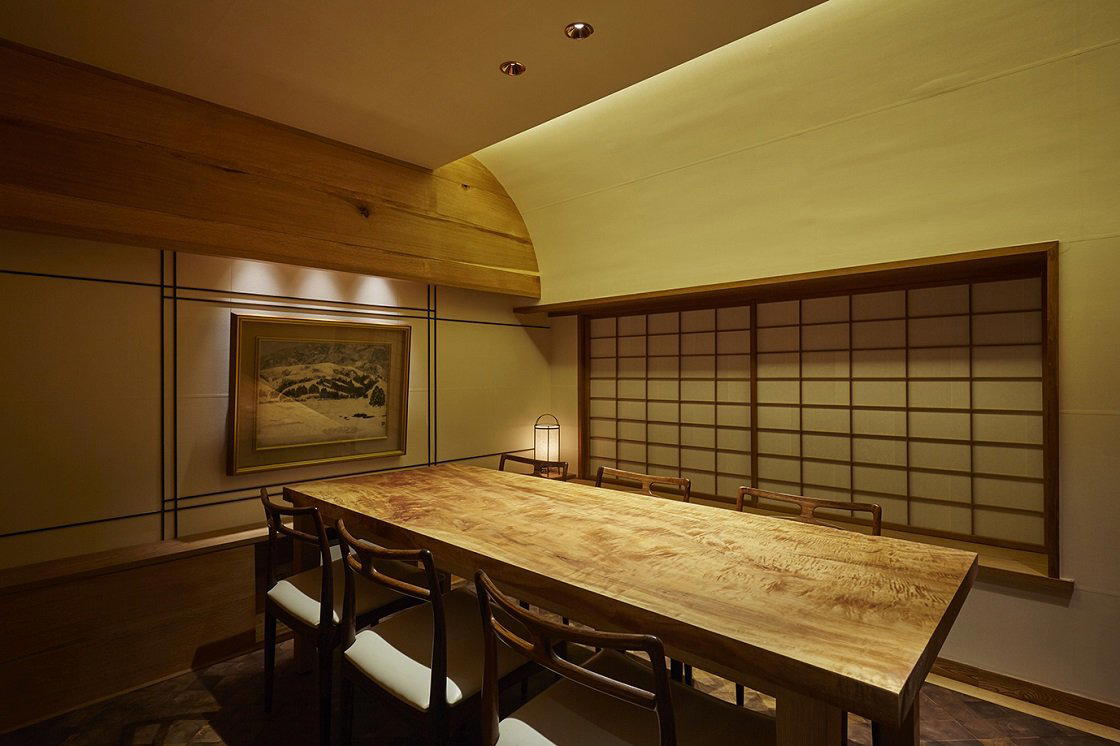
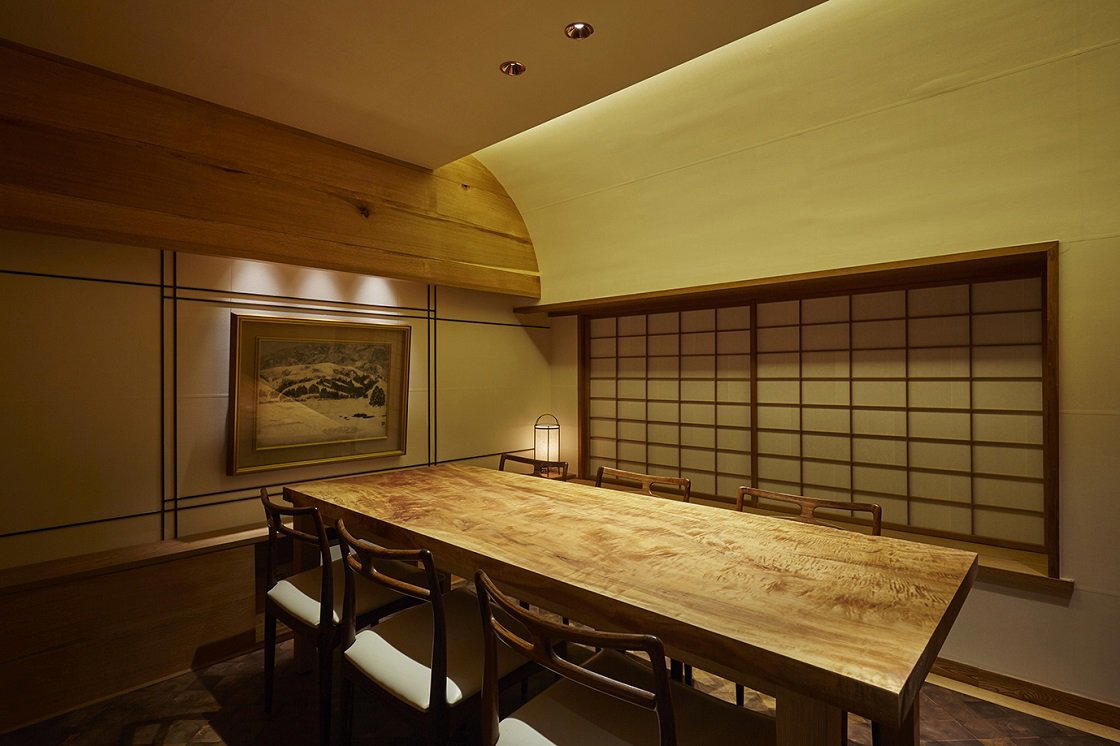
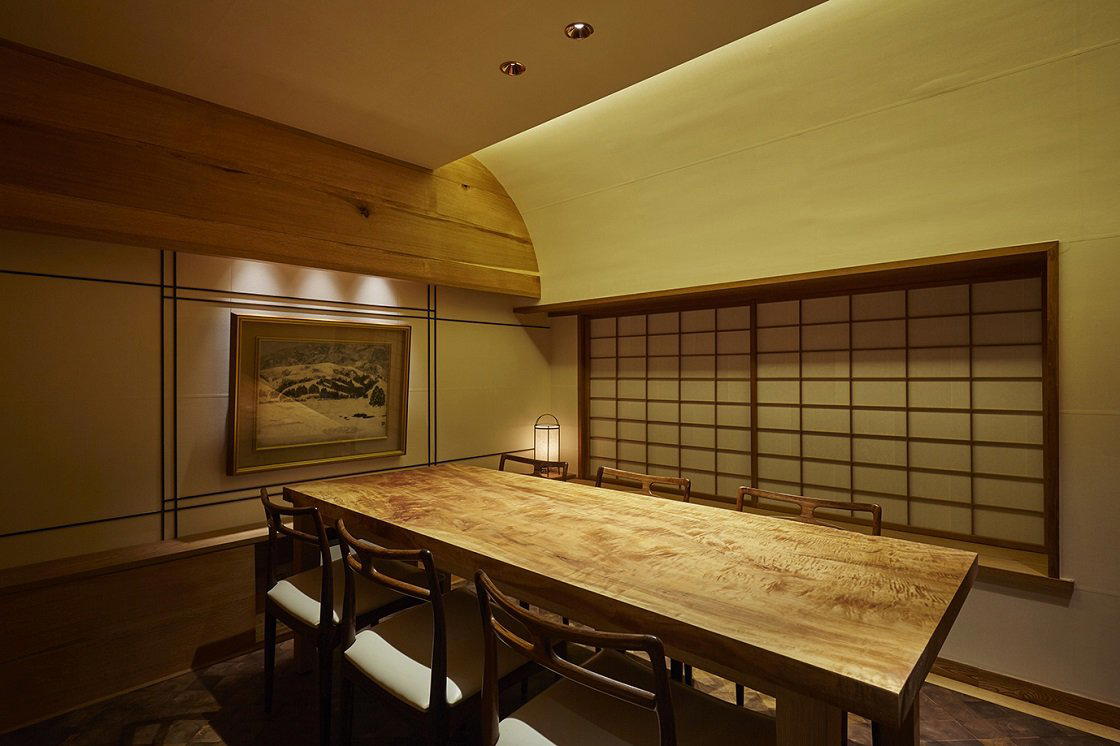
The room itself reinforces the scale at which this format works leading. Twelve seats total , a six-seat counter and a private room table for six , means the kitchen operates at the capacity of an intimate omakase counter rather than a full-service restaurant. For visitors accustomed to the counter experience at venues like Gion Sasaki in Kyoto or the precision-driven progression at HAJIME in Osaka, the format will be familiar; the distinction here is the regional anchoring rather than any departure from the kaiseki template. The address is in Himeji's central ward, roughly ten minutes on foot from Himeji Station, which makes it accessible from Kobe, Osaka, or Kyoto by rail without requiring an overnight stay.
The Sake Programme: Where Tanryu's Curation Sets a Clear Priority
In the broader context of Japanese fine dining, the drinks programme is often treated as secondary to the food. The default assumption , sake arrives, sake suits the food , masks how much variance exists in curation depth and service sophistication at this price tier. Tanryu's record on this dimension is specific: the restaurant identifies sake (nihonshu) as a focus area, lists a sommelier among its service credentials, and the database notes a particular emphasis on sake selection alongside wine. That combination, sommelier service plus a documented sake orientation at a 12-seat format, sits closer to the approach of serious sake-forward counters in Osaka or Tokyo than to the drinks-as-afterthought model still common in mid-tier regional Japanese restaurants.
At a JPY 30,000–39,999 price point with a 10% service charge applied to all sittings, the total spend per person will reliably cross JPY 35,000 once beverage is included. For context, that places Tanryu in the same dinner bracket as Aspirant (French, innovative) in Hyogo, and slightly below Arakawa, which prices into the JPY 40,000-plus dinner tier. The argument for Tanryu's pricing is partly the drinks programme: a sommelier-guided sake selection with genuine curation depth is a different product from a standard beverage list, and diners who engage with it are effectively accessing a paired-tasting format within the per-person cost. The sake programme functions, in that sense, as the venue's most distinctive differentiator from comparable Japanese cuisine tables in the region.
Wine is also available, and its presence alongside the sake emphasis suggests a drinks list built to accommodate non-specialist drinkers without reducing the programme's overall seriousness. This is a pattern increasingly common at western Japan counters: a sake-first orientation paired with a small but considered wine selection, rather than the either/or approach of earlier decades.
Fish Focus and Seasonal Sourcing: The Kitchen's Orienting Logic
The food categorisation on record is direct: Japanese cuisine, with a documented emphasis on fish and seasonal ingredients. Himeji's position within Hyogo , facing the Seto Inland Sea , gives it access to some of the most consistently cited fish sourcing in western Japan. The Inland Sea produces a range of flatfish, bream, and smaller species that appear regularly in Hyogo's kaiseki kitchens, and the seasonal constraint in this format means the menu shifts with what is genuinely available rather than anchored to fixed signatures.
This sourcing-first model is not unusual for Japanese cuisine at this price tier , it is, in many respects, the baseline expectation , but the consistency with which Tanryu maintains its Tabelog score (4.20 in 2026, having carried a 4.11 in 2025) across multiple award cycles suggests the kitchen delivers on it reliably. For reference, Tabelog's Bronze tier requires sustained reviewer consensus at a high score level; selection for the Tabelog Japanese Cuisine WEST Hyakumeitenprogram in 2025 adds a second verification layer, confirming the restaurant's standing among the western Japan Japanese cuisine peer set.
The fish emphasis also contextualises the sake programme: Inland Sea seafood, particularly lighter preparations common in kaiseki, aligns well with the lower-acidity, umami-forward profiles common in junmai and junmai ginjo sake. A sommelier guiding sake selection in this context is working with pairing logic that has real culinary coherence, not just tradition. Diners willing to follow that guidance will engage with the meal differently than those treating the drinks as a supplement.
Format, Capacity, and Who This Works For
The private room for six operates separately from the counter and is available for private bookings for parties of five or more. Children are welcome in the private room (with stroller access), though the counter is reserved for adults, which is standard practice at this format and price tier. The non-smoking policy is total. The dress code prohibits shorts, sandals, and perfume , a combination of formality expectations that places Tanryu in a sober register, consistent with kaiseki-adjacent Japanese dining rather than the more relaxed smart-casual norms of contemporary bistro formats.
Parking is available for up to three cars, which matters in a city where rail access is the primary route in but local dining often involves car travel for residents. The combination of parking availability, private room family access, and sake-led drinks programming positions the restaurant as a venue for a range of occasions , anniversary dinners, business entertaining, family celebrations in the private room , without compromising the counter's atmosphere of quiet focus.
For international visitors, the geographic placement makes Tanryu a credible destination addition to a Kansai itinerary. Himeji Castle, a UNESCO World Heritage Site, draws significant visitor numbers, and the absence of many comparable-tier dining options in the city means Tanryu fills a gap that its peer restaurants in Kobe or Osaka do not. Visitors already planning to see the castle could build a full-day Himeji itinerary around a Tanryu lunch or dinner without significant detour. The Shinkansen travel time from Osaka is roughly 30 minutes to Himeji Station.
Booking and Practical Planning
Reservations at Tanryu are handled by phone, and the restaurant requests that bookings be made by the day before at minimum, with advance notice preferred to allow proper ingredient preparation. Given that the counter seats only six, availability on short notice is unlikely for the counter portion, though the private room may have more flexibility for group bookings. Service hours begin at 12:00, with last entry between 18:00 and 19:00; closing days are not fixed, so confirming by phone before planning travel is advised. Payment by major credit cards is accepted (Visa, Mastercard, JCB, AMEX, Diners, UnionPay), though electronic money and QR code payment methods are not.
For broader Hyogo dining context, see our full Hyogo restaurants guide, which covers the prefecture's spread from Kobe's established fine dining tier to smaller city options like Himeji. Other Hyogo venues worth considering in the same evening-out register include bb9 (grilling cuisine), entre nous, and Awajishima Nobu for sushi. Those planning a wider Kansai trip can use akordu in Nara or Goh in Fukuoka as points of comparison for the regional Japanese fine dining register more broadly. Hyogo's hotels, bars, wineries, and experiences are covered in our dedicated guides: hotels, bars, wineries, and experiences.
Price and Recognition
A compact peer snapshot based on similar venues we track.
| Venue | Price | Awards | Notes |
|---|---|---|---|
| Tanryu | {"Year":"2026","Award Source":"Tabelog",… | This venue | |
| Komago | French | ||
| bb9 | Grilling Cuisine | ||
| Arakawa | JPY 40,000 - JPY 49,999 JPY 30,000 - JPY 39,999 | Steak, Yoshoku (Japanese style western cuisine), European, JPY 40,000 - JPY 49,999 JPY 30,000 - JPY 39,999 | |
| Aspirant | JPY 30,000 - JPY 39,999 JPY 30,000 - JPY 39,999 | French, Innovative, JPY 30,000 - JPY 39,999 JPY 30,000 - JPY 39,999 | |
| Awajishima Nobu | JPY 20,000 - JPY 29,999 JPY 20,000 - JPY 29,999 | Sushi, JPY 20,000 - JPY 29,999 JPY 20,000 - JPY 29,999 |
Continue exploring
More in Hyogo
Restaurants in Hyogo
Browse all →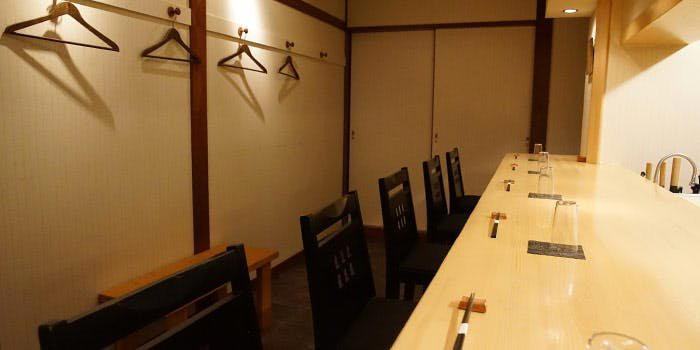
Bars in Hyogo
Browse all →


Hotels in Hyogo
Browse all →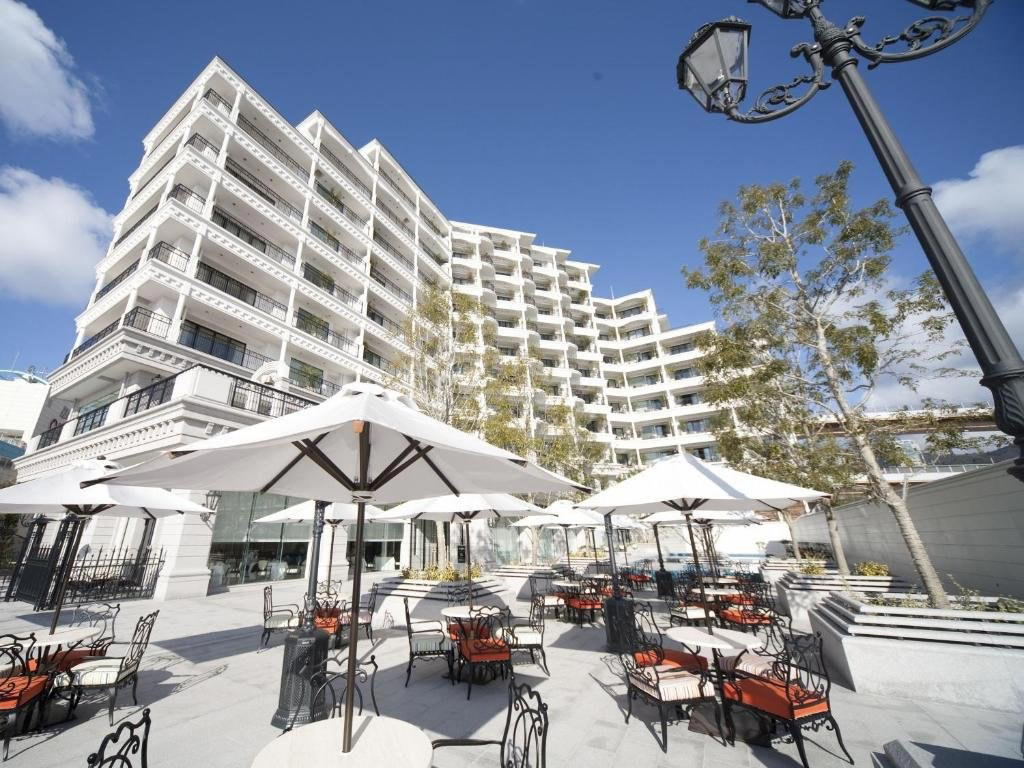
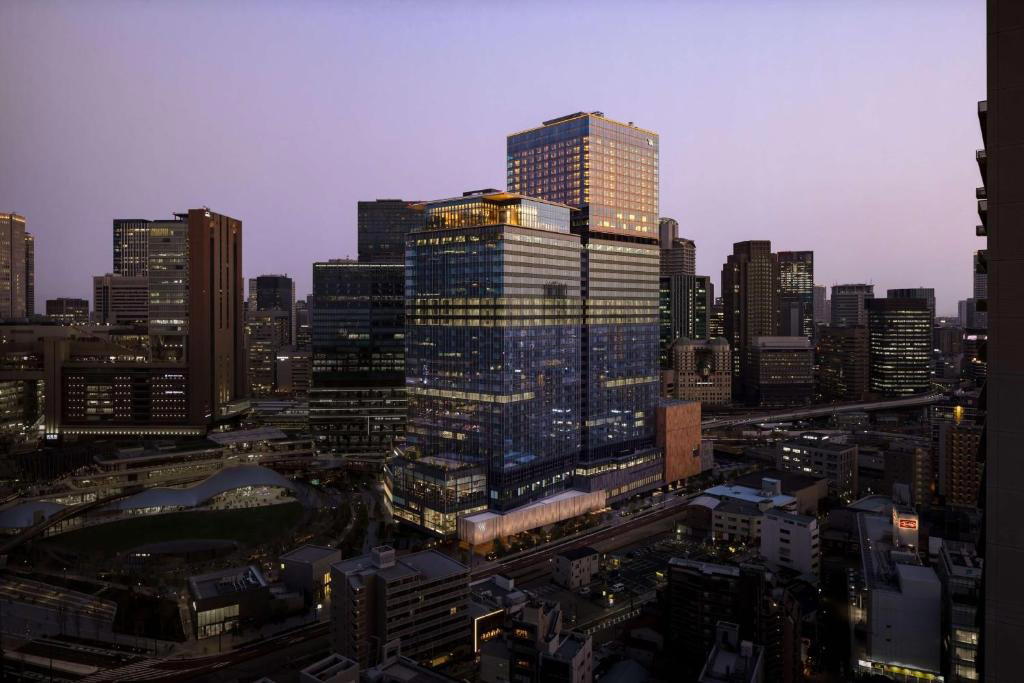

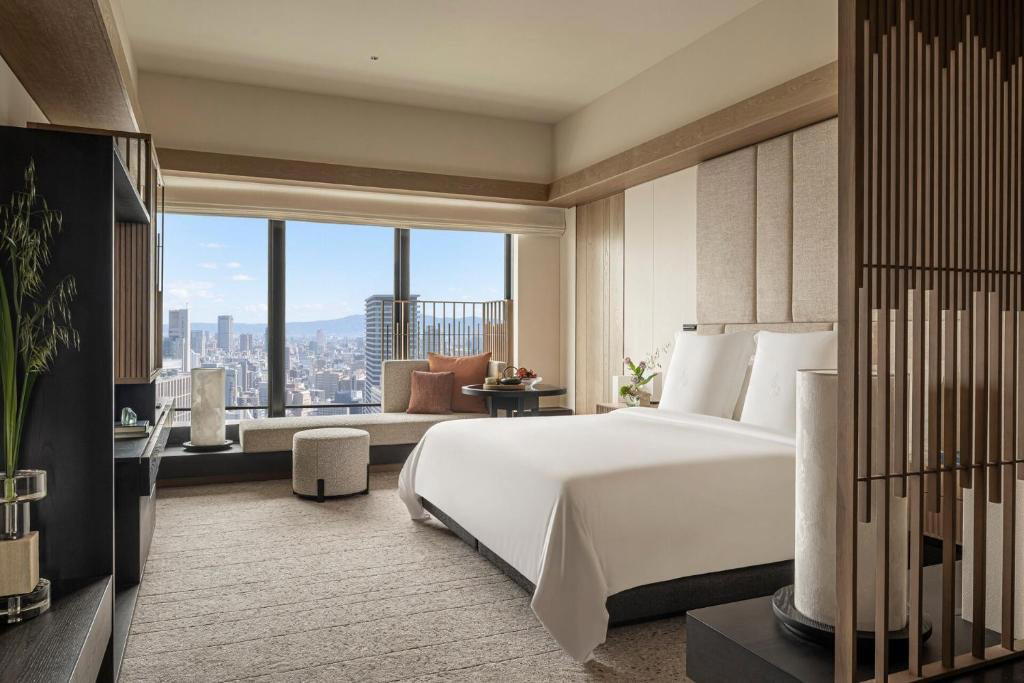

Wineries in Hyogo
Browse all →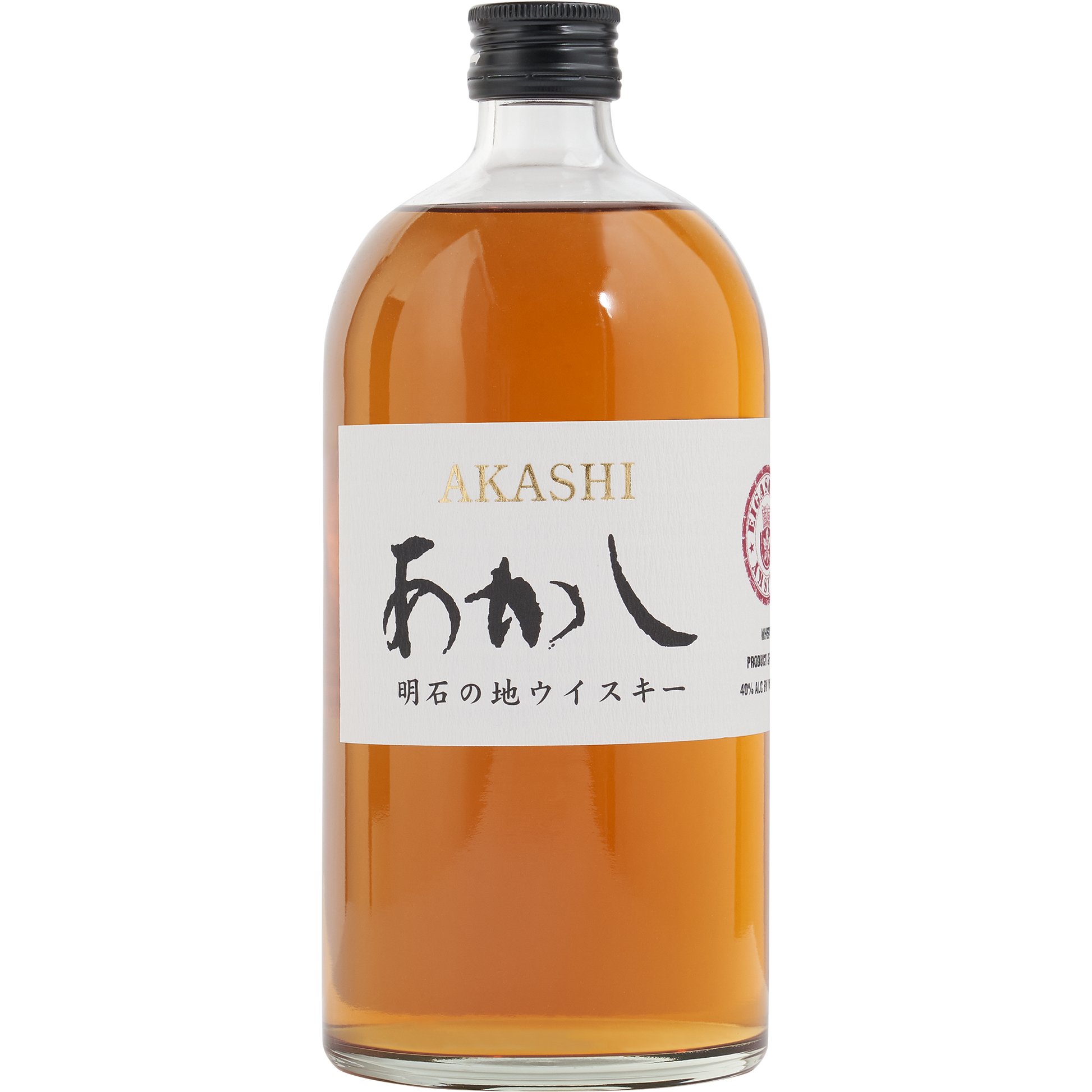
At a Glance
- Elegant
- Intimate
- Sophisticated
- Modern
- Date Night
- Special Occasion
- Business Dinner
- Celebration
- Chefs Counter
- Open Kitchen
- Private Dining
- Sake Program
- Local Sourcing
Calm and elegant atmosphere with refined modern Japanese décor; intimate counter seating allows diners to watch the chef's precise grilling technique up close, creating a theatrical yet serene dining experience.