
Awajishima Nobu brings the counter discipline of serious Japanese sushi to Awaji Island rather than the usual metropolitan setting. Its eight-seat counter, reservation-only format, Tabelog Award Bronze recognition for 2026, and repeated Sushi WEST 100 selection place it in the small-capacity tier where technique, fish handling, and timing matter more than spectacle.
Pearl is the En Primeur Club membership app — saves, bookings, and concierge access live there. Same editors, same standards.
- Address
- 1871-5 Shizuki, Awaji, Hyogo 656-2131, Japan
- Phone
- +81 799-62-4040
- Website
- nobu4040.com
- Directions
- Get directions
 Saves & bookings on Pearl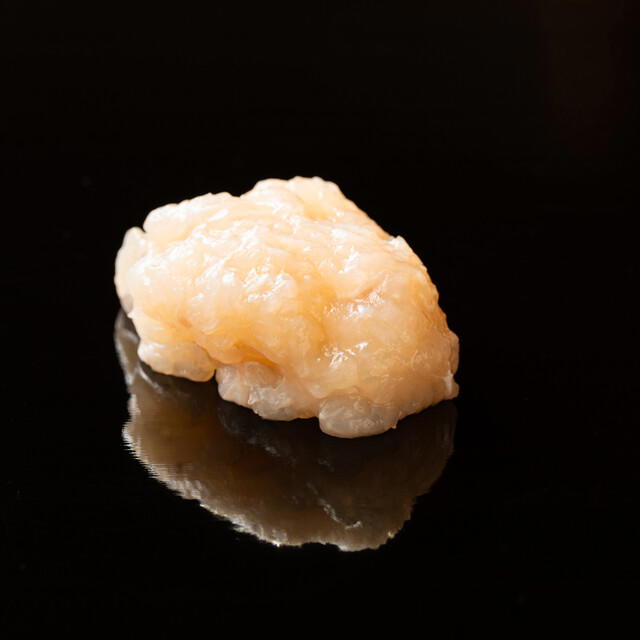
On Awaji Island, sushi arrives without Ginza theatre or Osaka counter density. The setting is quieter: a house restaurant in Shizuki, a short drive from the island’s expressway axis, built around proximity, timing, and the choreography of an eight-seat counter. That scale matters. In Japanese sushi, intimacy is the operating system: rice temperature, pacing, fish handling, and counter-guest exchange become legible when the room is this small.
Awajishima Nobu is a regional counter that does not need a major-city address to merit attention. Its Tabelog Award Bronze recognition in 2026, alongside Bronze recognition in 2022, 2021, and 2020, gives it a measurable place in Japan’s user-review-driven dining hierarchy. Selection for Tabelog Sushi WEST 100 in 2025, 2022, and 2021 adds a second signal: not a single-year spike, but a counter repeatedly noticed within western Japan’s sushi field.
Awaji Island sushi with counter discipline rather than city gloss
The more interesting story is not that serious sushi exists outside Tokyo, but how the format changes beyond the metropolitan cluster. In the city, luxury sushi often reads through scarcity, lineage, and rising price competition. On Awaji Island, the claim is narrower and grounded: fish-led sushi, sake, counter seating, and a room small enough to make craft visible. The restaurant’s category is plain sushi, not modern Japanese, kappo, or a hybrid tasting-menu concept. That restraint returns focus to shokunin fundamentals.
The apprenticeship tradition behind sushi is less biography than repetition: years of cutting, seasoning rice, observing timing, and learning how a counter breathes. A small counter exposes weak technique faster than a large dining room can hide it. Here, there is little distance between preparation and service, and little space for ornamental complexity. The point is not personality; it is accumulated control.
That is why the western Japan comparison helps. Sushi Ueda, Sushi Oga, Yunagibashi Takoyasu, Sakamoto Sushi, and Sushidokoro Amano all sit within the broader out-of-metro sushi conversation, where travel time becomes part of the choice. These counters are not competing with casual local sushi bars; they are measured against destination sushi, where diners accept planning friction for a more focused counter experience. Awajishima Nobu fits that set because its format is compact, its recognition repeated, and its price tier firmly special-occasion, without a hotel or urban dining district framing the meal.
The house-restaurant format sharpens the shokunin lens
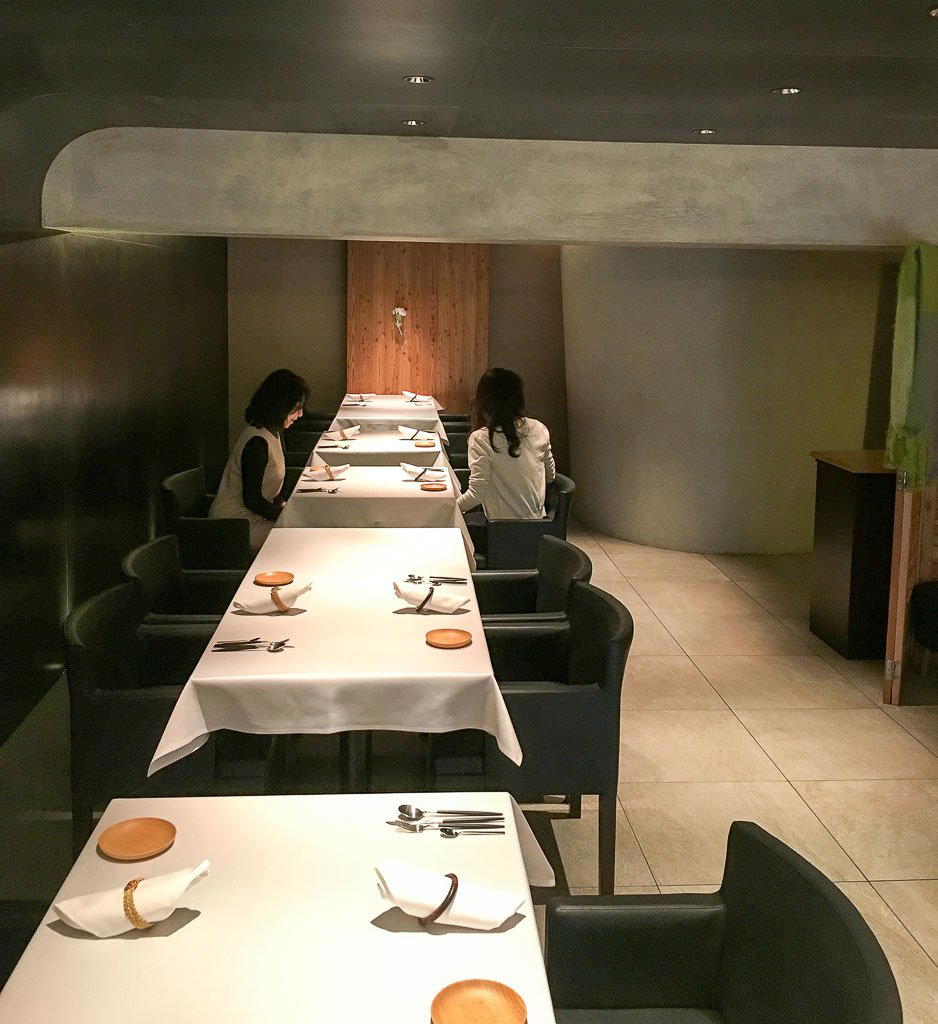
House restaurants in Japan can be misunderstood by visitors. They are not automatically rustic or informal. In sushi, a domestic-scale room can make the experience more exacting, because service is compressed into a few seats and the counter becomes the stage. There are no private rooms here, and the restaurant is non-smoking. The practical effect is clear: the meal is organized around the counter, not group entertaining, business-room privacy, or a dining room built to absorb noise.
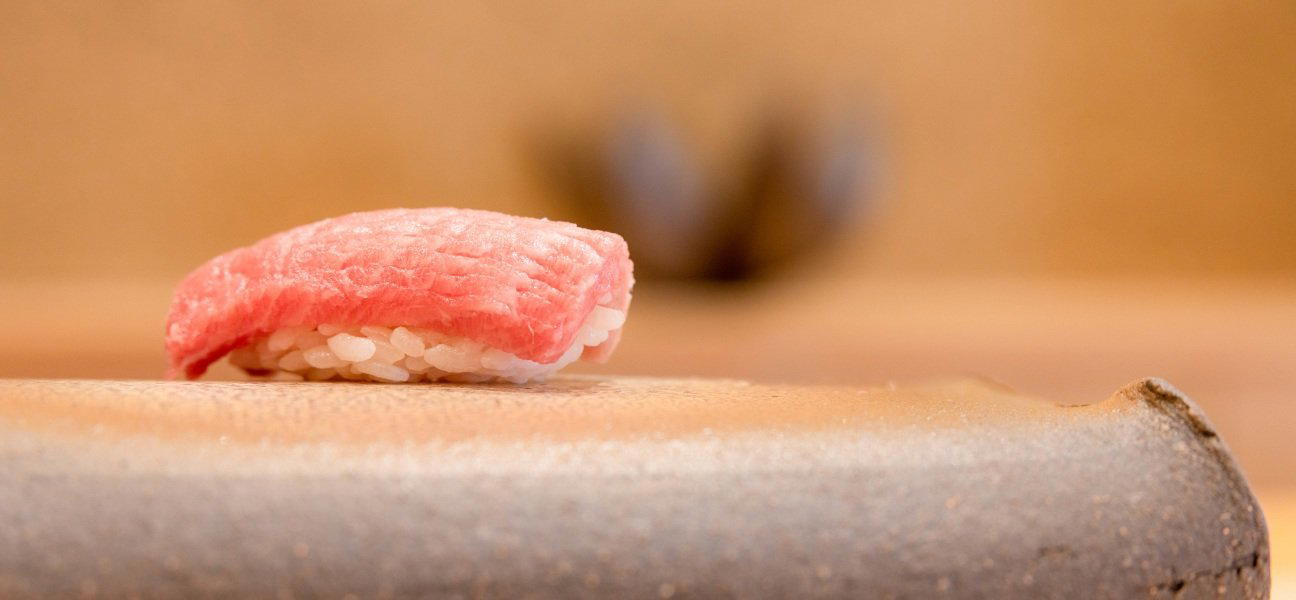
The fish emphasis is explicit, and sake is part of the drinking frame. Those details keep the restaurant within traditional sushi grammar rather than a luxury omakase format padded with global signifiers. The strongest regional counters in Japan often succeed by making less noise: fewer seats, less brand language, tighter rhythm, and a more direct relationship between product and technique. Awards bring attention, but the durable test is whether the format supports concentration.
For Hyogo dining, that makes the address useful in a wider itinerary. Kobe supplies beef and urban French-Japanese cooking; Awaji adds island produce, seafood associations, and slower geography between Honshu and Shikoku. A serious sushi counter here gives Hyogo’s dining map another register, distinct from steak houses, French rooms, and grill-led restaurants. Readers comparing categories can place it beside Arakawa (Steak, Yoshoku (Japanese style western cuisine), European), Aspirant (French, Innovative), bb9 (Grilling Cuisine), entre nous, and Eragon to see how varied the prefecture’s serious dining has become.
How to read its place in a Hyogo itinerary
The planning question is not whether the restaurant is casual or grand, but whether a counter-led sushi meal should anchor an Awaji Island day. The reservation-only structure and eight-seat capacity make spontaneity a poor strategy. The audience is defined by appetite for precision more than formality: guests who value quiet pacing, fish handling, and small-counter discipline will understand the appeal faster than those seeking a broad à la carte night out.
There is also a family boundary. Children are accepted only from middle school age and older, aligning with the counter format. This is less exclusion than fit: sushi at this level depends on pacing and attention, and the room has little buffer between one party and the rest of service. Groups seeking privacy should note that private rooms are absent, though private use is available.
For broader planning, use the restaurant as one precise piece rather than the whole Hyogo story. The prefecture rewards category-hopping: sushi on Awaji, beef and yoshoku in Kobe, French-influenced dining, grill-led rooms, and coastal excursions. EP Club’s regional pages frame that range through Our full Hyogo restaurants guide, Our full Hyogo hotels guide, Our full Hyogo bars guide, Our full Hyogo wineries guide, and Our full Hyogo experiences guide. Diners building a wider Japan sushi map can compare the category against 3110, Sushi in Tokyo and AKA to SHIRO, Sushi in Osaka, while broader Japanese dining references include -Grilled beef Sukiyaki- KAMAKURA TANUKIAN 鎌倉 たぬき庵 in Kamakura. 鮪と炭火焼き うお炭 秋葉原店 in Tokyo.cafe in Osaka.know in Kumamoto, (Shoku) Vietnam in Kawasaki, and [Curry Senmon Ten] Maruyama Kyoju. in Sapporo.
The editorial case is clear: Awajishima Nobu is for diners who treat sushi as craft rather than status theatre. Repeated Tabelog recognition, a small counter, fish-first framing, and regional location create a restaurant whose value lies in concentration. In Hyogo, it is a sharp counterpoint to the prefecture’s better-known beef and French-leaning dining circuits.
Snapshot
Comparable venues by cuisine and price in the same metro.
| Venue | Cuisine | Price | Notes |
|---|---|---|---|
| Awajishima NobuThis venue — the venue you are viewing | Awaji Island Counter Sushi | $$$$ | Not listed |
| Tanryu | Premium Kobe Beef Teppanyaki | $$$$ | Sannomiya |
| Arakawa | Traditional Kobe Beef Steakhouse | $$$$ | Sannomiya |
| Sushi Josuke | Edomae Omakase Sushi | $$$$ | Kitano-cho, Chuo-ku |
| Maruyasu | Fugu (Pufferfish) Fine Dining | $$$$ | Koshien |
| Konishiya | Modern Japanese Omakase & Kaiseki | $$$$ | Miwa, Sanda |
Recognition history
Dated appearances from independent guides and award organizations, with the underlying list record or original source where available.
Tabelog Bronze #322
Tabelog
Tabelog 100 #6 · No. 6
Tabelog · Tabelog 100 - Sushi - WEST - 2025
Continue exploring
More in Hyogo
Restaurants in Hyogo
Browse all →
Bars in Hyogo
Browse all →
Hotels in Hyogo
Browse all →
Wineries in Hyogo
Browse all →
At a Glance
- Intimate
- Elegant
- Sophisticated
- Special Occasion
- Chefs Counter
- Sake Program
- Local Sourcing
- Sustainable Seafood
Current opening hours
- Monday
- 11:30 AM–1:25 PM, 1:35–3:30 PM, 5–8:30 PM
- Tuesday
- Closed
- Wednesday
- 11:30 AM–1:25 PM, 1:35–3 PM, 5–8:30 PM
- Thursday
- 11:30 AM–1:25 PM, 1:35–3:30 PM, 5–8:30 PM
- Friday
- Closed
- Saturday
- 11:30 AM–1:25 PM, 1:35–3:30 PM, 5–8:30 PM
- Sunday
- 11:30 AM–1:25 PM, 1:35–3:30 PM, 5–8:30 PM
Hours can change for holidays and private events. Last verified .
Relaxing counter seating in an intimate house-style setting.