
Tabelog Bronze #256
Our verdict
Maruyasu belongs to Hyogo’s serious fugu tradition rather than the casual seafood lane, with Tabelog Award recognition from 2021 through 2026 and a specialist format built around fish. The appeal is less spectacle than control: private-room dining, tatami-room formality, sake and shochu, and the kind of ingredient-led cooking that rewards diners who understand why pufferfish commands its own category in Japan.

Pearl is the En Primeur Club membership app, where members save venues, book tables and use the concierge.
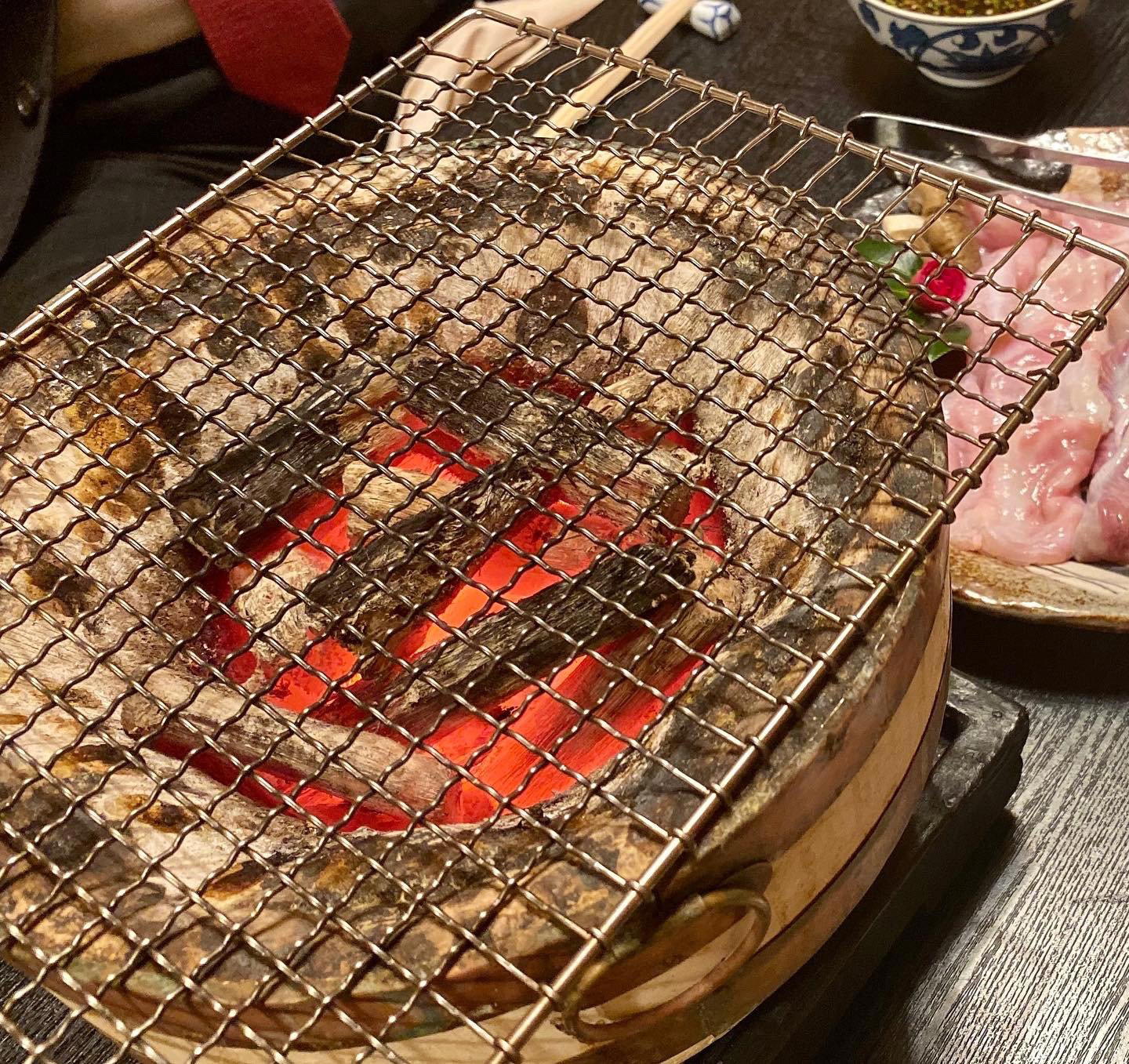
In Nishinomiya, the approach to a specialist fish restaurant is quieter than the hotel-lobby dining rooms and urban counters that dominate premium Japanese travel itineraries. The signal here is not theater but restraint: a house-restaurant setting, tatami-room formality, private-room availability, and a category that carries its own discipline. Fugu is not simply seafood with a higher risk profile; in Japan it belongs to a regulated craft where sourcing, butchery, texture, and serving sequence matter as much as luxury cues.
Fugu in Hyogo sits outside the usual sushi-and-Kobe-beef script
Hyogo is often flattened into two dining ideas for visitors: beef and the port-city cosmopolitanism of Kobe. That misses a more local truth. The prefecture’s serious restaurants span steak, French technique, sushi, grilling, and fish-focused rooms that are less visible to international travelers because they do not always advertise themselves through English-language spectacle. In that context, Maruyasu occupies a narrow lane: pufferfish as the organizing ingredient, not as a seasonal add-on to a broader kaiseki menu.
The distinction matters. Sushi counters often communicate quality through rice temperature, knife work, and sourcing breadth; beef restaurants through breed, cut, and fat management; French-leaning rooms through technique and pacing. Fugu asks for a different calibration. The ingredient is prized for texture, delicacy, and preparation discipline rather than obvious richness. A serious fugu meal tends to reward patience and comparison: how thin slicing changes bite, how heat changes structure, how sake or shochu frames a fish that is intentionally restrained rather than forceful.
That ingredient-first logic explains why recognition carries weight here. Maruyasu has Tabelog Award history across several years, including a Silver award in 2021 and Bronze recognition from 2022 through 2026, with a 2026 score of 4.21. Tabelog’s high-scoring specialist restaurants are not all built for the same audience as luxury hotel dining rooms; many reward repeat domestic diners, category knowledge, and tolerance for traditional formats. For a traveler, that is useful context. The room is not trying to translate Hyogo into an easy international script. It is a local specialist working inside a demanding Japanese category.
The sourcing story is the category itself
Ingredient sourcing can be overplayed in restaurant writing, but with fugu it is central. The fish requires licensed handling in Japan, and its value depends on precision rather than abundance. That makes the meal a study in controlled scarcity: a single ingredient handled through different preparations, supported by Japanese drinks rather than buried under a long global cellar. The listed drinks focus on sake and shochu, a pairing language that keeps the meal close to its culinary geography.
The private-room format also changes how the food is read. Counter dining often turns technique into performance; a private tatami room shifts attention toward pacing, conversation, and the sequence of the ingredient itself. That is why this kind of restaurant can feel opaque to first-time visitors. There may be fewer visual cues than at a sushi counter, but the hierarchy is just as strict: ingredient condition first, knife work second, service rhythm third.
Within Hyogo, that puts the restaurant in a different competitive conversation from Arakawa, where steak and yoshoku point toward a meat-led luxury tradition, or Aspirant, where French and innovative cooking frame the meal through technique. Awajishima Nobu belongs to the sushi conversation, while bb9 makes grilling the central grammar. entre nous sits in another register again. Reading these rooms together is more useful than ranking them: Hyogo’s premium dining scene is not one lane but several traditions running in parallel.
Maruyasu is also priced and recognized far above casual regional dining. Compared with Okamoto at JPY 10,000 to JPY 14,999, Yoshoku to Wine no Omise Tsukushien at JPY 5,000 to JPY 5,999 for dinner, or everyday out-of-metro rooms such as Ramen Senmon Nagomi, Nord, and Yoshoku Musha Musha in the JPY 1,000 to JPY 1,999 range, this is a specialist-occasion restaurant rather than a spontaneous neighborhood stop. The comparison clarifies the decision: diners are paying for category depth, not general convenience.
How to place it in a Hyogo dining itinerary
The strongest case for booking a fugu specialist is not novelty. It is the chance to understand a Japanese seafood tradition that does not behave like sushi, tempura, or kaiseki, even when it shares ingredients, seasonality, and service discipline with all three. For travelers building a Hyogo itinerary, this is the kind of meal that pairs better with a focused restaurant day than a packed sightseeing schedule. The format asks for attention, and the price tier makes casual overbooking a mistake.
There are practical implications. The restaurant lists reservations as available, private rooms for eight people, private use availability, no parking, and smoking permitted. Those details matter because they shape the audience. A couple seeking a quiet, ingredient-led dinner will read the room differently from a family group or a traveler expecting a non-smoking international fine-dining environment. The restaurant is open year-round during winter, a useful seasonal note because fugu is closely associated with colder months in Japan.
For a wider look at the prefecture, start with our full Hyogo restaurants guide, then build the trip around complementary categories rather than repeating the same register. The broader destination planning layer sits in our full Hyogo hotels guide, our full Hyogo bars guide, our full Hyogo wineries guide, and our full Hyogo experiences guide. Travelers comparing Japanese regional formats beyond Hyogo can also look at -Grilled beef Sukiyaki- KAMAKURA TANUKIAN 鎌倉 たぬき庵 in Kamakura. 鮪と炭火焼き うお炭 秋葉原店 in Tokyo.cafe in Osaka.know in Kumamoto, (Shoku) Vietnam in Kawasaki, [Curry Senmon Ten] Maruyama Kyoju. in Sapporo, Jōdo Saké Bar in Los Angeles, and Onigiri Time in Pasadena.
The editorial read is clear: this is a narrow, expensive, ingredient-led address for diners who want Hyogo beyond the obvious categories. Its value comes from commitment to fugu, multi-year Tabelog Award recognition, and a room format that keeps the meal close to Japanese private-dining tradition. Choose it for category depth, not for breadth.
Frequently asked questions
Is Maruyasu suitable for children?
It is a poor fit for younger children. Maruyasu runs dinner service from 18:00 to 22:00, requires reservations, and the venue allows smoking, which makes the setting less suitable for family dining.
What's the overall feel of Maruyasu?
Maruyasu feels like a house-style fugu specialist in Nishinomiya, with tatami rooms and private rooms for eight. The 2026 Tabelog Bronze award and dinner pricing of JPY 50,000-59,999 place it in a serious specialist bracket in Hyogo.
Is Maruyasu open every day?
Hours at Maruyasu: Mon, Tue, Wed, Thu, Fri, Sat, Sun 18:00 - 22:00.
Where do I go for Maruyasu?
Maruyasu is located in Hyogo.
How It Stacks Up
Comparable venues by cuisine and price in the same metro.
| Venue | Cuisine | Price | Awards | Notes |
|---|---|---|---|---|
| MaruyasuThis venue (the venue you are viewing) | Fugu (Pufferfish) Fine Dining | $500+ | Tabelog Bronze #256 | Not listed |
| Tanryu | Kobe Beef Teppanyaki | $150–200 | Tabelog Bronze #454 | Sannomiya |
| Awajishima Nobu | Awaji Island Counter Sushi | Not listed | Tabelog Bronze #322 | Shizuki |
| Roan Matsuda Sasayama | Michelin-Starred Soba Kaiseki | $100–150 | Tabelog Bronze #373 | Maruyama, Tanba Sasayama |
| Konishiya | Modern Japanese Omakase & Kaiseki | $200–300 | Tabelog Bronze #202 | Miwa, Sanda |
| Eragon | Traditional Yakitori | $50–100 | Tabelog Bronze #65 | Ashiya |
Recognition history
Dated appearances from independent guides and award organizations, with the underlying list record or original source where available.
Tabelog Bronze #256
Tabelog
Full recognition history (2 entries)
Tabelog Bronze
Tabelog
Continue exploring
More in Hyogo
Restaurants in Hyogo
All restaurants in Hyogo →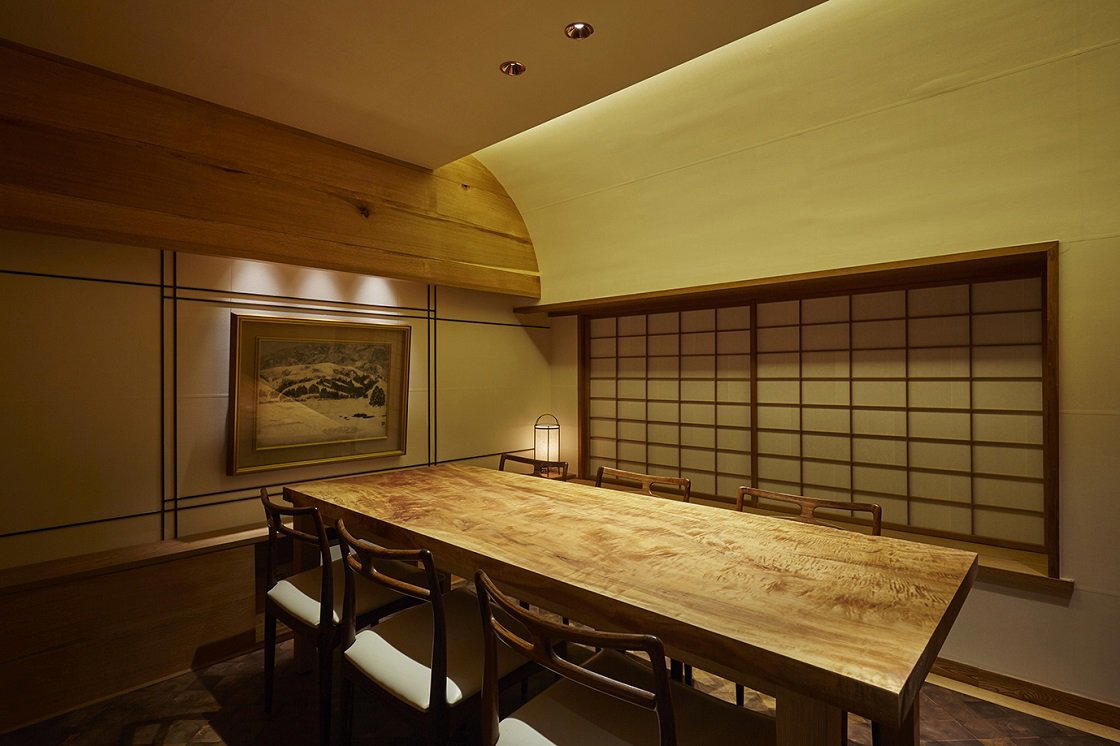

Bars in Hyogo
Browse all →



Hotels in Hyogo
Browse all →




Wineries in Hyogo
Browse all →
Details
- Quiet
- Elegant
- Intimate
- Special Occasion
- Private Dining
- Sake Program
- A La Carte
- Sake
- Shochu
Current opening hours
- Monday
- 5–10 PM
- Tuesday
- 5–10 PM
- Wednesday
- 5–10 PM
- Thursday
- 5–10 PM
- Friday
- 5–10 PM
- Saturday
- 5–10 PM
- Sunday
- 5–10 PM
Hours can change for holidays and private events. Hours as of .
Relaxing tatami room atmosphere in a hideout house restaurant.