Our verdict
Restaurant N occupies a considered position within Kanazawa's serious dining tier, where the city's famed Kaga produce tradition and kaiseki discipline intersect. The venue sits in a city increasingly recognised alongside Kyoto as a centre of Japanese culinary rigour. Specific booking details and pricing are best confirmed directly with the restaurant before planning a milestone meal around it.

Pearl is the En Primeur Club membership app, where members save venues, book tables and use the concierge.
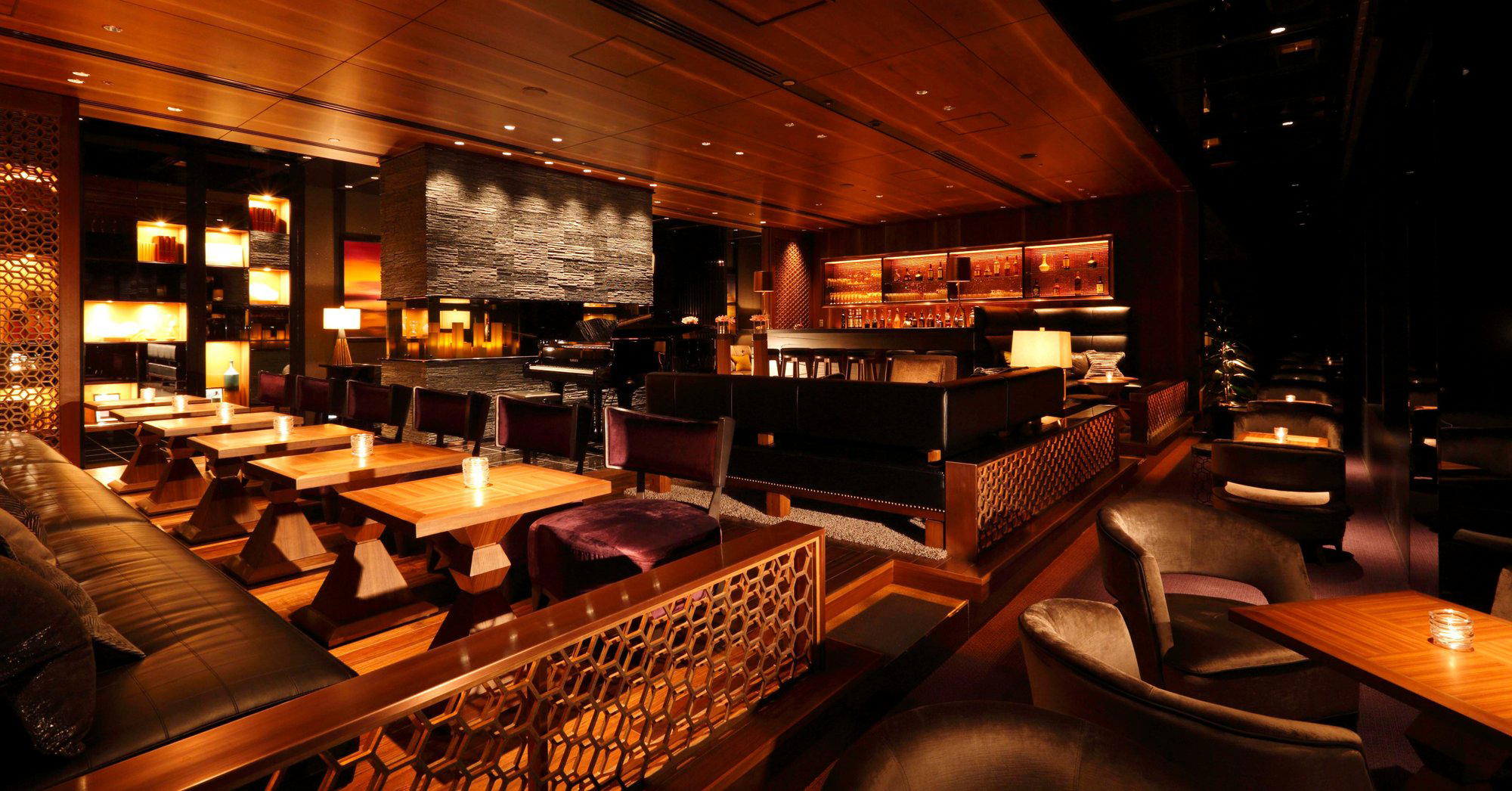
Kanazawa and the Architecture of Occasion Dining
There is a particular kind of meal that a city earns the right to host. Not the meal you eat because you are hungry, or even because a neighbourhood has good options, but the meal you plan months ahead, around an anniversary or a significant birthday, in a city that carries enough culinary gravity to justify the occasion. Kanazawa has built that reputation slowly and without the international noise that accompanies Tokyo or Kyoto, but it now sits in a tier of Japanese cities where serious, occasion-calibre dining is not incidental to the destination, it is part of the reason for going. Restaurant N belongs to that context.
Kanazawa's position rests on structural advantages that are unusual in Japan. The city draws from Noto Peninsula seafood, Kaga vegetables, and a regional agricultural tradition that has long supplied some of Japan's most rigorous kaiseki kitchens. Zeniya and Kataori, both well-established within the city's kaiseki hierarchy, represent the upper register of that tradition. Restaurant N enters a city where competition is disciplined and where diners, both domestic and international, arrive with calibrated expectations. That is a meaningful context for any occasion meal: the city itself sets a standard that the restaurant is measured against.
What Occasion Dining Actually Requires
Milestone meals carry a specific burden. The restaurant must hold the room without tipping into performance. The pacing must accommodate conversation without losing momentum. The occasion must feel recognised without becoming the entire subject of the service. These are harder things to get right than food quality alone, and they are the criteria by which serious diners remember or forget a restaurant. Japan's kaiseki tradition is, structurally, one of the formats most suited to this demand: a sequenced progression of courses rooted in seasonality, executed at a pace that the kitchen controls but the diner absorbs without noticing the architecture. For comparable examples of how this plays out at Japan's leading registers, Gion Sasaki in Kyoto and Harutaka in Tokyo each demonstrate how a disciplined format can hold a room through an entire evening without relying on novelty.
Restaurant N operates within that broader expectation. The city's dining tradition, built on Kaga produce and seasonal rigour, creates a baseline that occasion diners can trust. Specific menu details, pricing, and format for Restaurant N are best confirmed directly with the venue, since the seasonal nature of serious Japanese dining means those elements shift in ways that any fixed description would misrepresent.
Kanazawa's Competitive Dining Set
Kanazawa's higher-end dining scene is smaller than Kyoto's but more concentrated than many regional Japanese cities of comparable size. The city has not chased volume; its serious restaurants tend to operate at limited capacity, and the competition for bookings at the top tier reflects a supply constraint rather than pure fashion. Hamagurizaka Maekawa brings precision to the yakitori register, while Respiracion works the innovative Spanish idiom, a reminder that Kanazawa's dining identity, while rooted in kaiseki, has developed room for formats that would have seemed anomalous twenty years ago.
This concentration matters for occasion diners in a specific way: Kanazawa rewards advance planning more directly than a larger city where alternatives are abundant. If Restaurant N is the intended venue for a significant meal, the booking decision should be made well ahead of the trip, with the understanding that the city's most serious rooms do not hold tables on short notice. For a broader orientation across Kanazawa's dining options, the EP Club Kanazawa restaurants guide covers the full range from casual to formal.
Regional Comparisons Worth Making
For diners building an itinerary around occasion meals across Japan, Kanazawa sits in a useful geographic position between the Tokyo-Kyoto axis and the lesser-explored west. HAJIME in Osaka and Goh in Fukuoka represent how regional cities outside the capital have developed their own serious dining identities, each drawing on local produce traditions to sustain a competitive upper tier. akordu in Nara is another data point in this pattern: smaller cities, given the right culinary infrastructure, can now host meals that would not feel out of place in a metropolitan setting.
Restaurant N's Kanazawa address places it within that regional premium tier. The city's access to Noto and Kaga produce means the ingredient quality at the top of the market is not a compromise relative to what Tokyo kitchens command, in some categories, particularly seafood, it represents a direct supply advantage. For diners considering occasion meals across Japan's regions, Kanazawa merits the same planning weight as a Kyoto or Osaka destination.
Other notable restaurants within the EP Club network that reflect the discipline of Japan's serious dining culture include Amanatto Kawamura, Budoonomori Les Tonnelles, Dokkan, and Hakuichi within the city itself. Further afield, Atomix in New York City and Le Bernardin in New York City both illustrate how the principles of sequenced, occasion-calibre dining translate across formats and geographies. Within Japan's broader regional network, 一本木 å·å¶ in Nanao, å¤ä»å±±ä¹ in Sapporo, æ¹é庵 in Takashima, åºç¾½å± in Nishikawa Machi, and Birdland in Sakai each represent a distinct regional approach to serious dining. Go! Go! Curry in Kanazawa offers a useful counterpoint for days when the occasion calls for something less structured.
Planning the Visit
Kanazawa is accessible by Shinkansen from Tokyo (approximately two and a half hours) and from Osaka (approximately one hour), which makes it viable as a stand-alone destination or as part of a multi-city itinerary built around occasion meals.
Frequently asked questions
Is Restaurant N okay with children?
At this tier of dining in Kanazawa, where pacing and atmosphere are central to the experience, Restaurant N is most appropriate for adults or older teenagers comfortable with a structured, unhurried meal. Kanazawa's serious dining rooms are built around courses that demand time and quiet, which makes them a poor fit for young children. If you are planning a family visit to the city, other dining formats will serve younger guests better.
Is Restaurant N formal or casual?
Kanazawa's fine-dining culture is shaped by kaiseki tradition and a strong civic identity around regional produce, which tends to produce rooms that are measured and composed rather than relaxed. Restaurant N operates within that framework, so expect a degree of formality in both service rhythm and atmosphere without the rigidity of white-glove metropolitan dining. Dressing thoughtfully is appropriate; overdressing is unlikely.
Is Restaurant N a good choice for a special anniversary dinner in Kanazawa?
Kanazawa has built one of Japan's most coherent regional fine-dining identities outside the main metropolitan centres, and restaurants operating at this level are specifically structured around occasion meals, pacing, privacy, and a menu driven by the season. Restaurant N sits within that tradition, making it a considered choice for a significant dinner rather than an incidental one. Booking well ahead is the most practical step toward securing the evening you are planning.
What do regulars order at Restaurant N?
At a Kanazawa restaurant operating at this level, the kitchen almost always sets the direction, with a set or omakase format built around seasonal Kaga produce rather than an à la carte selection. Regular guests return for the kitchen's handling of whatever is in season, which in this region means ingredients specific to the Sea of Japan coastline and the Kaga plains. Arriving with a preference rather than a fixed order is the more effective approach.
Should I book Restaurant N in advance?
Yes, and as early as your itinerary allows. Kanazawa's premium dining rooms run at limited capacity, and the city draws consistent demand from both domestic Japanese travellers and international visitors who treat it as a dedicated food destination. Leaving a booking to the week of arrival in this tier of Kanazawa dining is a reliable way to miss the room entirely.
A Pricing-First Comparison
Comparable venues nearby, for context on price, style, and recognition.
| Venue | Cuisine | Price | Awards | Notes |
|---|---|---|---|---|
| Restaurant NThis venue (the venue you are viewing) | Seasonal French Fine Dining | Not listed | Not listed | Not listed |
| インスタレーションテーブル エンソ ラシンメトリー ドゥ カルム | Modern French with Japanese influences | $200–300 | Tabelog Bronze #136 | Kanazawa, Modern French with Hokuriku Influences |
| タワラ | Gentle Seasonal French | $100–150 | Tabelog 100 #14 | Kanazawa, Gentle Seasonal French |
| Restaurant Ennu | Modern French Bistronomy | Not listed | Tabelog 100 #94 | Kanazawa, Modern French Bistronomy |
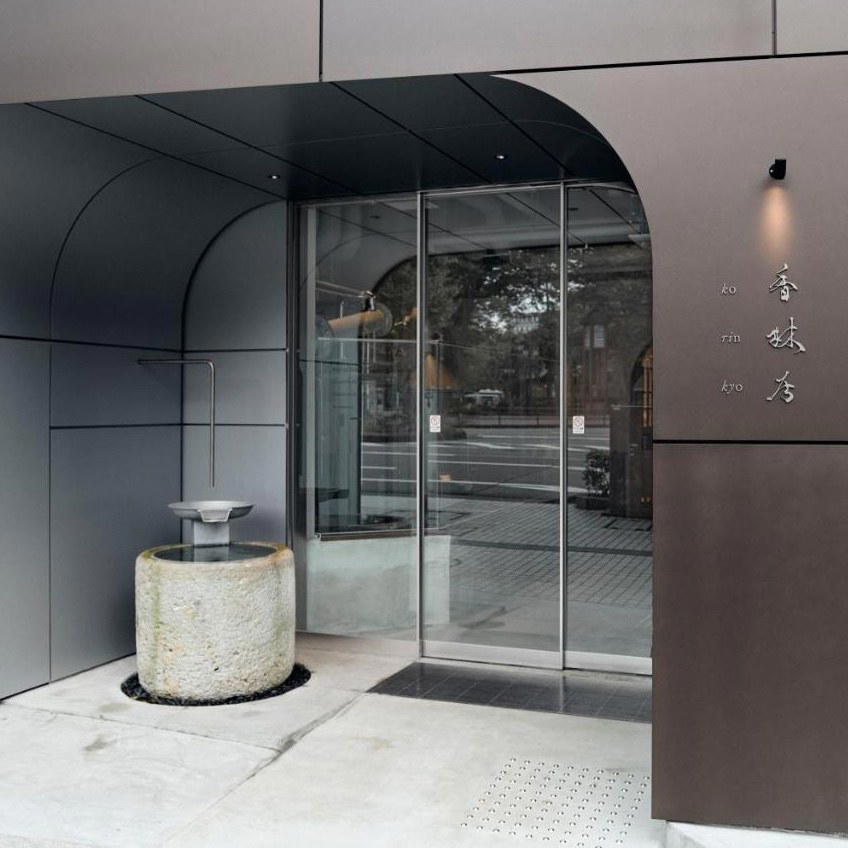
| 蕎味 櫂 | Kappo-Style Kaiseki | $200–300 | Tabelog 100 #28 | Kanazawa, Kappo-Style Kaiseki |
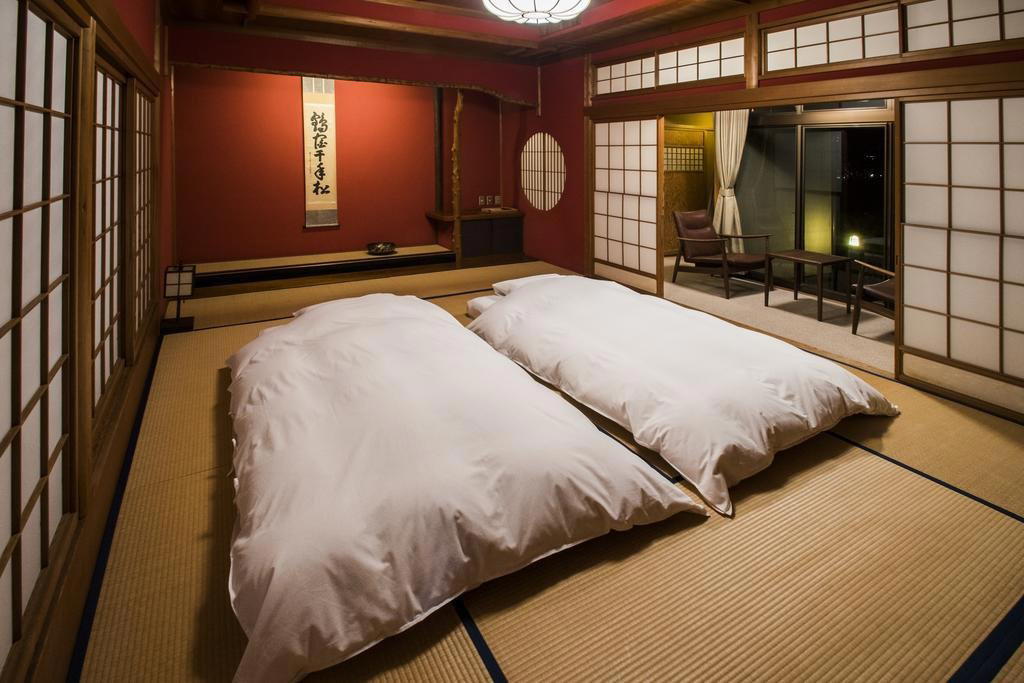
| 金茶寮本店 | Traditional Kaga Kaiseki | $150–200 | Not listed | Kanazawa, Traditional Kaga Kaiseki |
Restaurant N
Featured Guides
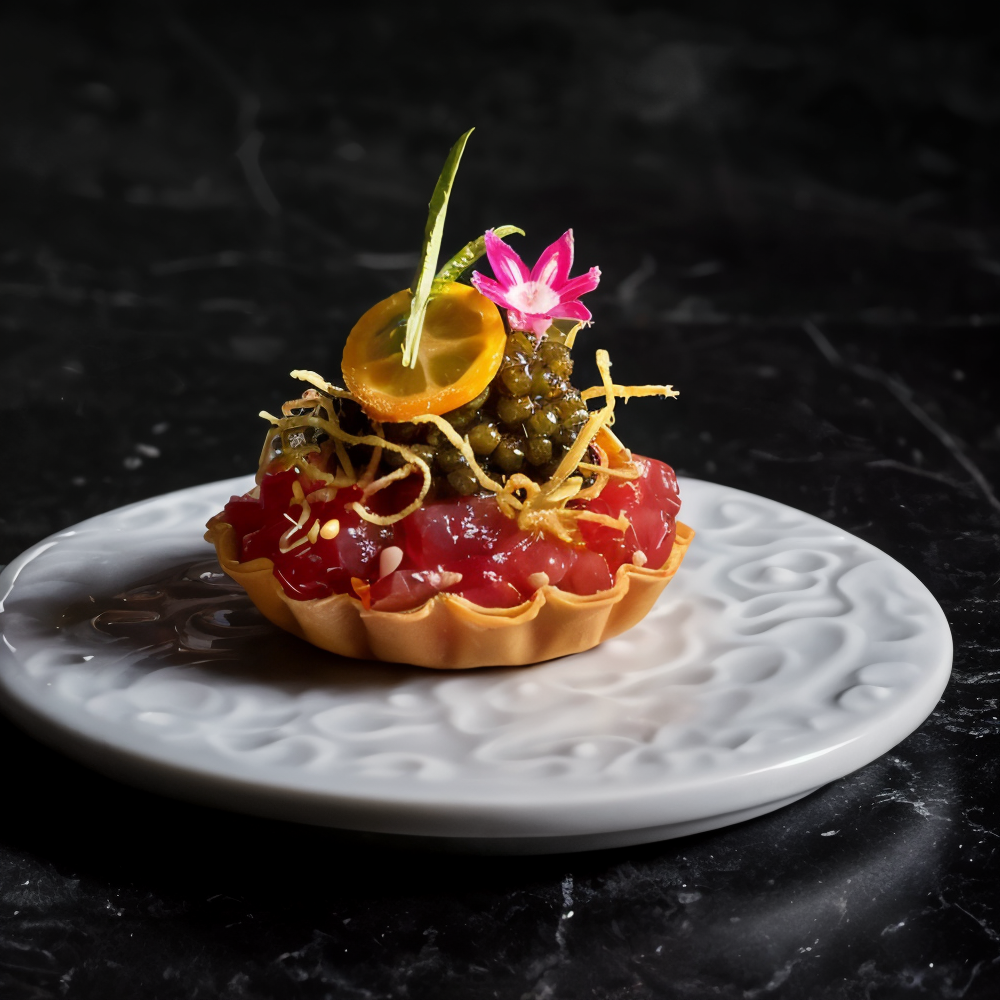
Continue exploring
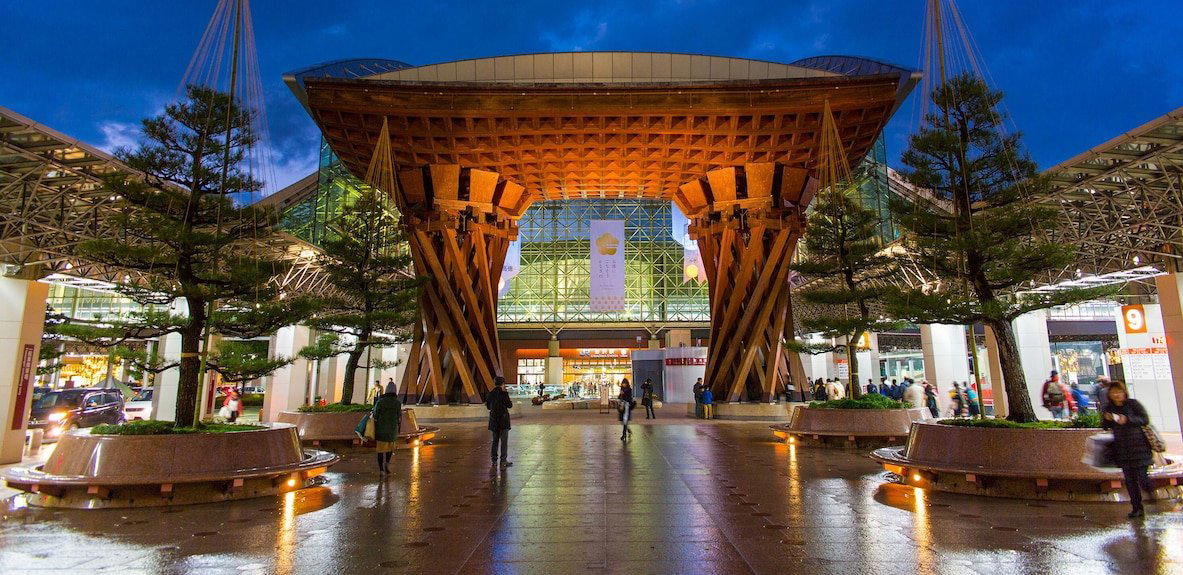
More in Kanazawa
Restaurants in Kanazawa
All restaurants in Kanazawa →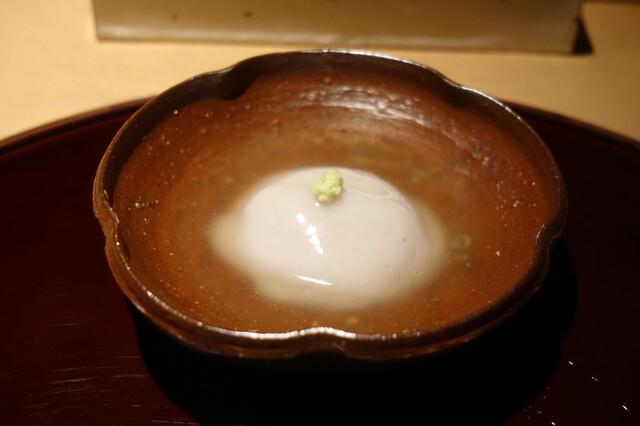
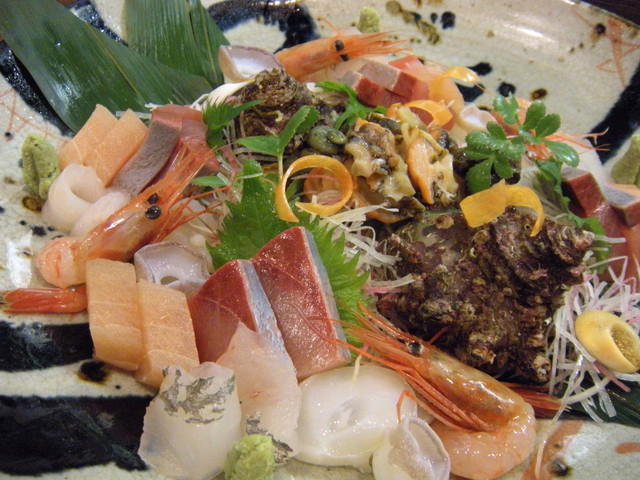
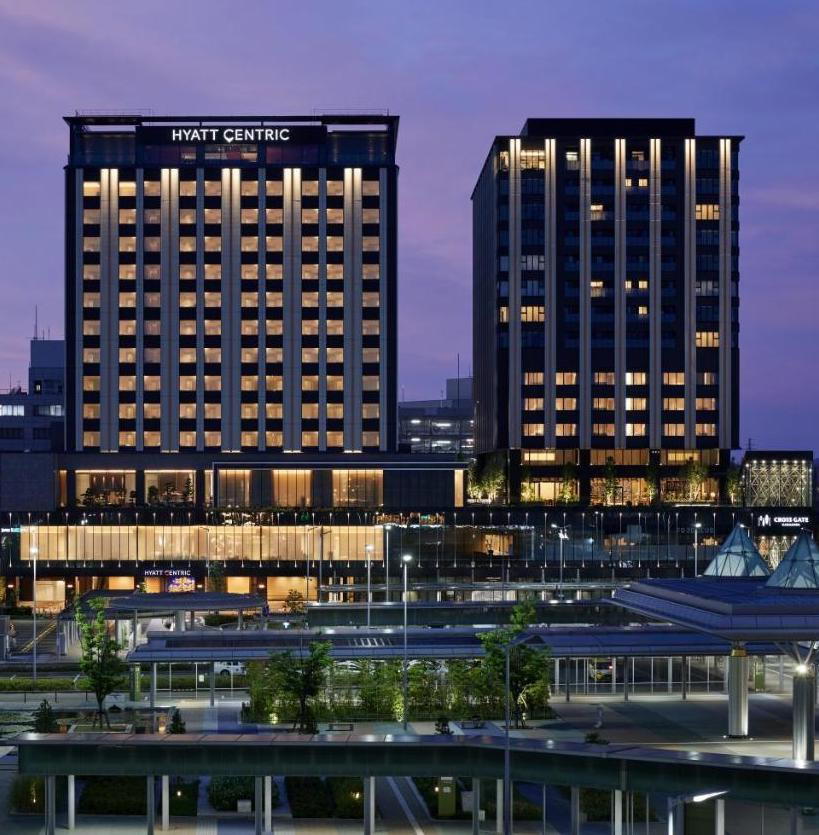
Hotels in Kanazawa
All hotels in Kanazawa →
Wineries in Kanazawa
Browse all →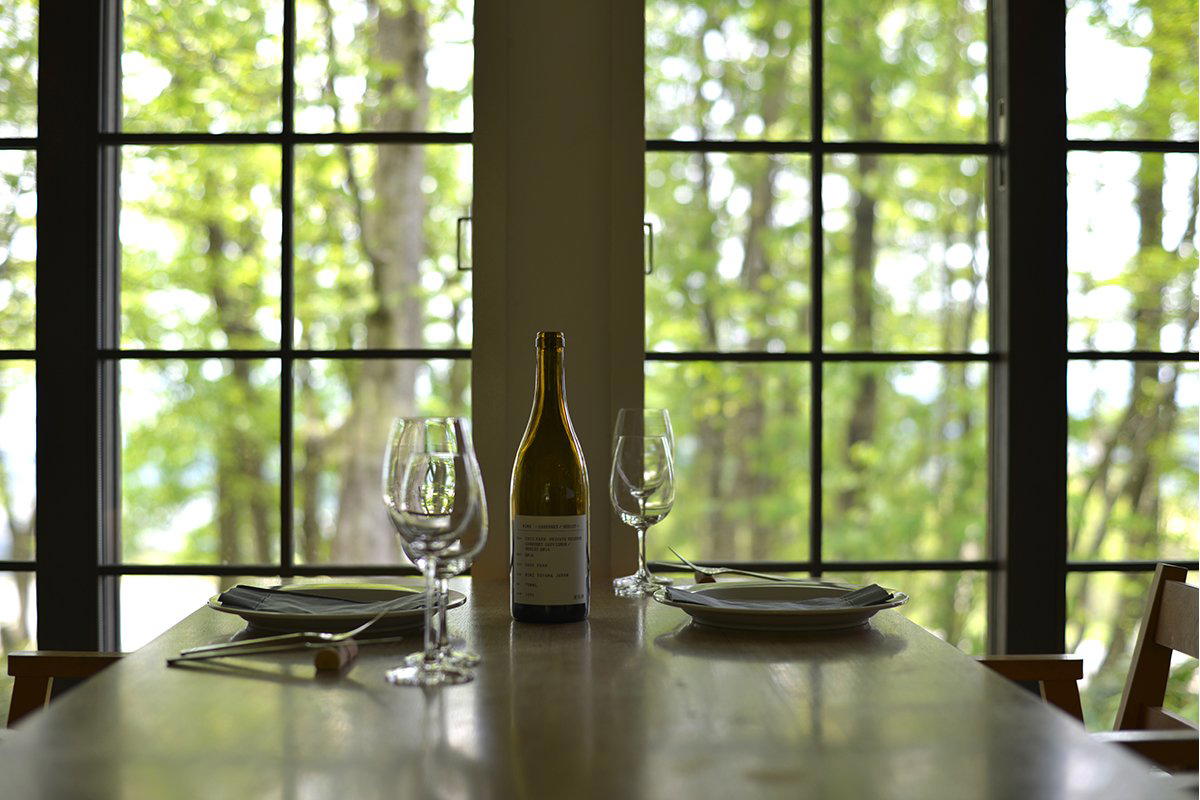
Details
- Elegant
- Intimate
- Sophisticated
- Special Occasion
- Date Night
- Sake Program
- Local Sourcing
- Omakase
- A La Carte
Plain and unpretentious setting focused on strong cuisine prepared by the chef-owner.