Our verdict
In a city defined by temple approaches and cedar-scented air, Restaurant Michel Nakajima brings a French-inflected sensibility to Kamakura's Tokiwa district. The address, first floor on a quiet residential lane off the main tourist circuits, signals a deliberate remove from the busier coastal dining strips. For those tracking Japan's regional fine-dining scene, it represents the broader pattern of serious kitchens choosing smaller cities over metropolitan rents.

Pearl is the En Primeur Club membership app, where members save venues, book tables and use the concierge.
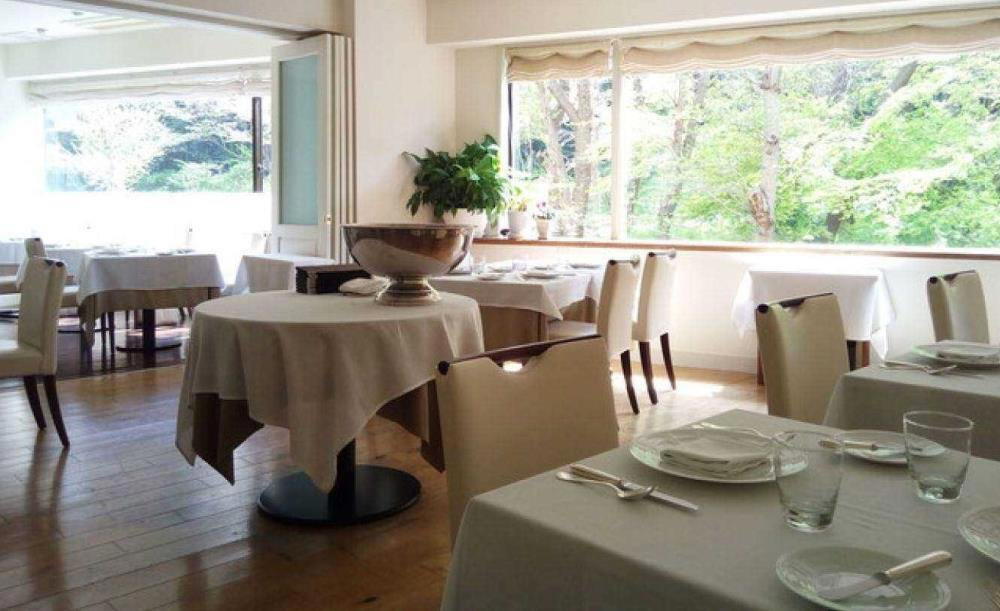
The Kamakura Context: Fine Dining Outside the Capital
Japan's regional fine-dining pattern has shifted markedly over the past decade. Where serious restaurants once clustered almost exclusively in Tokyo, Osaka, and Kyoto, a cohort of ambitious kitchens has established itself in smaller cities, places where the pace differs, the clientele often travels specifically to eat, and the chef-to-tourist ratio tilts toward the intentional visitor. Kamakura fits this model well. The city draws day-trippers by the millions for its temples and coastal scenery, but a quieter layer of destination dining has built up alongside the soba counters and casual seafood spots near Komachi-dori. Restaurant Michel Nakajima occupies the Tokiwa district, away from that primary tourist corridor, at an address on a residential first floor that requires the guest to seek it out rather than stumble upon it. That positioning is itself an editorial statement about the kind of meal being offered.
For a broader map of where Kamakura's dining sits relative to Japan's other regional scenes, consider how kitchens like Gion Sasaki in Kyoto or akordu in Nara have built reputations by marrying deep local context with technically serious cooking. Kamakura's own version of that dynamic is still forming, but Restaurant Michel Nakajima is part of that conversation. See our full Kamakura restaurants guide for the wider picture.
The Dining Ritual: How a Meal Takes Shape Here
In French-inflected fine dining of this register, the structure of the meal is rarely incidental. The pacing, the sequencing of courses, and the transition from aperitif to dessert carry as much meaning as any individual dish. Japan has long absorbed French technique and turned it into something distinct, a tradition visible at addresses like HAJIME in Osaka, where the kaiseki-influenced discipline of progression shapes a French-trained menu into something that reads as entirely Japanese in its attentiveness. Restaurant Michel Nakajima operates within that broader tradition of Franco-Japanese synthesis, where the ritual of the meal matters as much as its content.
At a first-floor address in a residential neighbourhood, the approach to the restaurant is unhurried by design. There is no street-level theatre, no queue management, no lobby performance. The dining room scale typical of this type of address in a Kamakura setting implies a small number of covers, the kind of room where service is measured and attentive because the ratio of staff to guests allows for it. The meal likely unfolds as a set menu, which is the dominant format in serious Japanese restaurants of this type regardless of the cuisine's European lineage. Guests at this level of dining in Japan are expected to commit to the full arc of the meal rather than ordering à la carte, a convention that shapes both the kitchen's creative freedom and the guest's temporal expectations. Arriving on time, and allowing two to three hours, is a baseline social contract in this format.
This ritual structure connects Restaurant Michel Nakajima to a broader set of regional peers: kitchens like Goh in Fukuoka and Harutaka in Tokyo where the commitment to a fixed progression is absolute, and where the guest's role is as much about presence and attention as appetite.
Within Kamakura itself, Restaurant Michel Nakajima sits in a tier defined by seriousness of intent rather than volume of covers. ETE Kamakura represents a comparable register of considered, produce-led cooking in the city. IL NODO brings an Italian discipline to locally sourced ingredients, while Ichirin Hanare approaches the city's hospitality from a Chinese culinary tradition. Roastbeef Kamakurayama offers a more focused, single-protein format. What this peer group shares is a departure from the casual temple-town default, each address demands pre-planning, rewards attention, and assumes the guest has made a deliberate choice to be there. 季音 adds further texture to this layer of the city's restaurant scene.
Across Japan's wider regional network, the pattern repeats. 一本杉川嶋制 in Nanao, 夕仙山乃 in Sapporo, 湖畔庵 in Takashima, and 羽根屋 in Nishikawa Machi each represent the same phenomenon: destination-grade dining in cities that are not Tokyo, built for guests who plan their itinerary around the table. Birdland in Sakai offers another reference point for how a single-minded culinary focus can define a regional address.
Internationally, the comparison extends further. The Franco-Japanese register at this level of precision connects, at least in spirit, to kitchens like Le Bernardin in New York City, where technical discipline and restraint define the register, or Atomix in New York City, where the structure of the meal is itself the primary communication.
Planning Your Visit
Restaurant Michel Nakajima is located at 648-4 Tokiwa, Kamakura, Kanagawa 248-0022, on the first floor. The Tokiwa district sits away from the central Kamachi-dori and Hase temple corridors, so guests arriving by train from Kamakura Station should allow time to reach the address on foot or by taxi. Given the residential setting and the typical format of this style of restaurant in Japan, advance reservation is almost certainly required, walk-in availability at this level is not a reasonable assumption. Guests with dietary restrictions or allergies should communicate these well in advance of their visit; in the set-menu format standard for this type of address, the kitchen's ability to accommodate changes depends entirely on prior notice, and last-minute requests at a small counter are difficult for any kitchen to absorb gracefully.
Frequently asked questions
What part of town is Restaurant Michel Nakajima in?
Restaurant Michel Nakajima is located at Japan, ã248-0022 Kanagawa, Kamakura, Tokiwa, 648-4 ã¹ã«ã¤éå 1 1F, Kamakura.
Is Restaurant Michel Nakajima worth visiting from Tokyo as a day or evening trip?
Kamakura is approximately one hour from central Tokyo by train via the JR Yokosuka Line to Kita-Kamakura or Kamakura station, making the Tokiwa district reachable for a dedicated dinner reservation without an overnight stay. Among the small group of Kamakura restaurants operating at a French fine-dining register, Restaurant Michel Nakajima represents a deliberate reason to make that journey rather than a secondary option to nearby sightseeing. The distance from Tokyo also means same-day cancellations are costly, so confirmed bookings are advisable well in advance.
What should I eat at Restaurant Michel Nakajima?
The kitchen operates within a French-inflected fine-dining register, which means the menu follows a structured tasting format rather than à la carte selection. Given the Kamakura location at 648-4 Tokiwa, seasonal produce from Kanagawa and the surrounding region is likely to shape the menu's direction. The most reliable approach is to arrive without a fixed agenda and follow the full course sequence as offered.
Can I walk in to Restaurant Michel Nakajima?
At this level of fine dining in Japan, walk-ins are rarely accommodated, seatings are typically fixed by reservation, and kitchen preparation is calibrated to confirmed covers. The Tokiwa district address, away from Kamakura's central tourist flow, also means the venue does not rely on passing trade. Advance booking is the expected approach, and lead times at comparable Kamakura restaurants run from two to four weeks at minimum.
What's the standout thing about Restaurant Michel Nakajima?
The Tokiwa address on the first floor of a quiet district location signals a model built on destination dining rather than walk-in visibility. That geographic choice reflects a broader regional shift in Japan's serious restaurant scene over the past decade.
What if I have allergies at Restaurant Michel Nakajima?
In French fine-dining kitchens at this register, allergy disclosures are handled at the point of reservation or on arrival, not mid-service. Given that the kitchen structures meals as fixed tasting sequences, early communication is the only practical option. check the venue's official channels before your visit to confirm how dietary requirements are accommodated within the course format.
Cuisine Lens
Comparable venues nearby, for context on price, style, and recognition.
| Venue | Cuisine | Price | Awards | Notes |
|---|---|---|---|---|
| Restaurant Michel NakajimaThis venue (the venue you are viewing) | Modern French Fine Dining | $150–200 | Not listed | Not listed |
| フィエルテ | French Fine Dining | $100–150 | Tabelog 100 #3 | Kamakura |
| House of Flavors | High-end Western-style cake shop & cafe | $50–100 | Tabelog 100 #75 | Kamakura |
| CALVA | French-Japanese patisserie & boulangerie | $10–20 | Tabelog 100 #6 | Kamakura |
| イザ | Modern Italian with Local Japanese Seafood | $100–150 | Tabelog 100 #27 | Kamakura |
| Les Anges Kamakura honten | French-style patisserie & dessert café | $10–20 | Tabelog 100 #97 | Kamakura |
Continue exploring
More in Kamakura
Restaurants in Kamakura
All restaurants in Kamakura →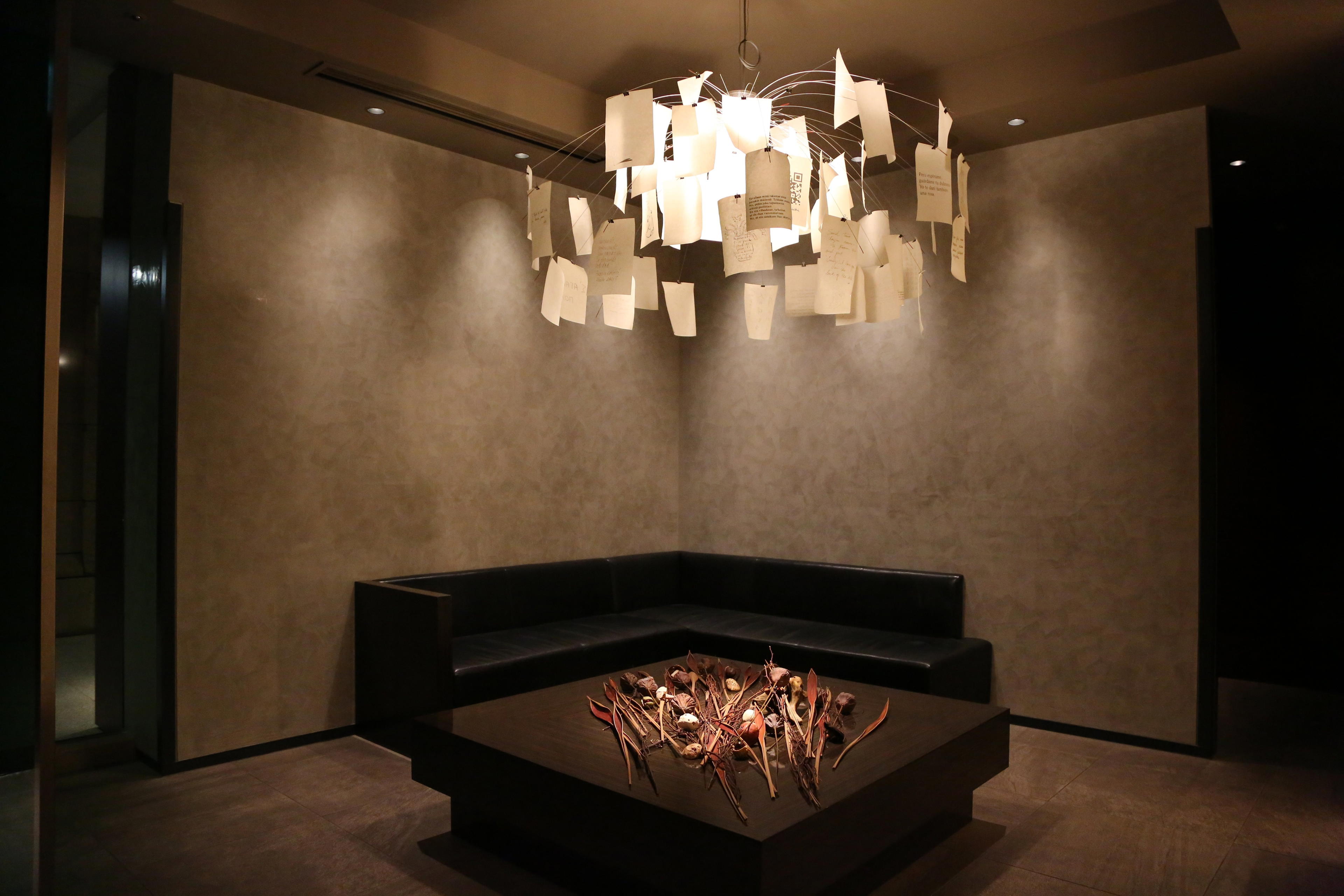

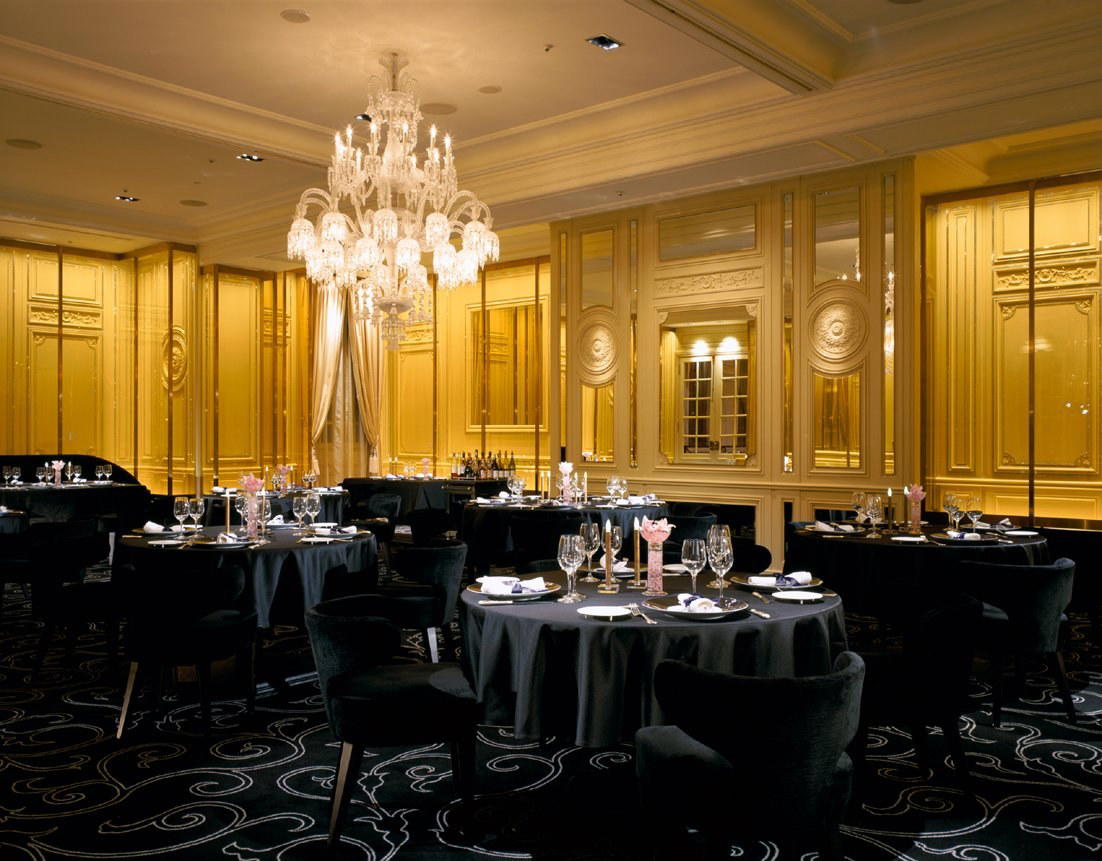
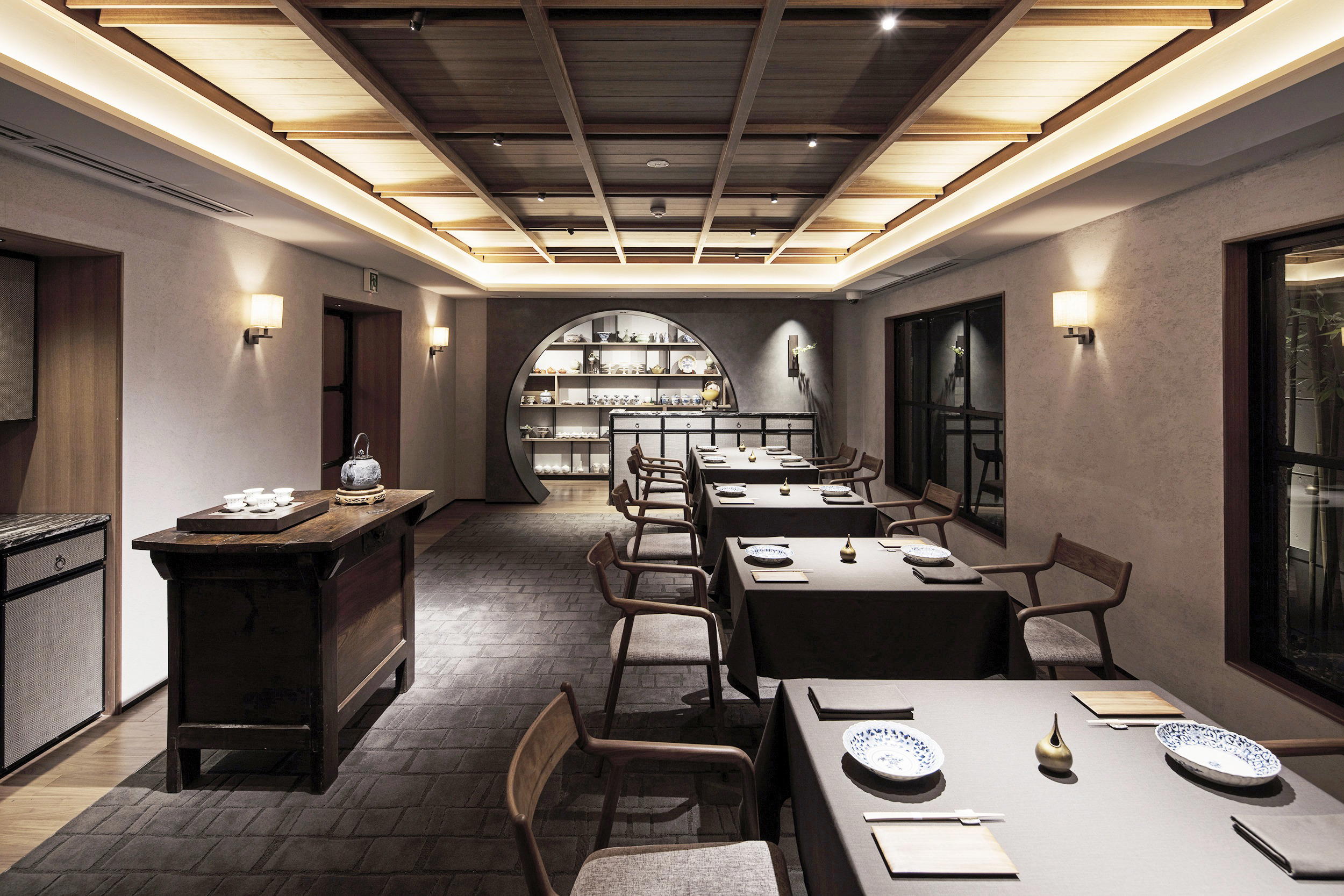

Bars in Kamakura
Browse all →



Restaurant Michel Nakajima
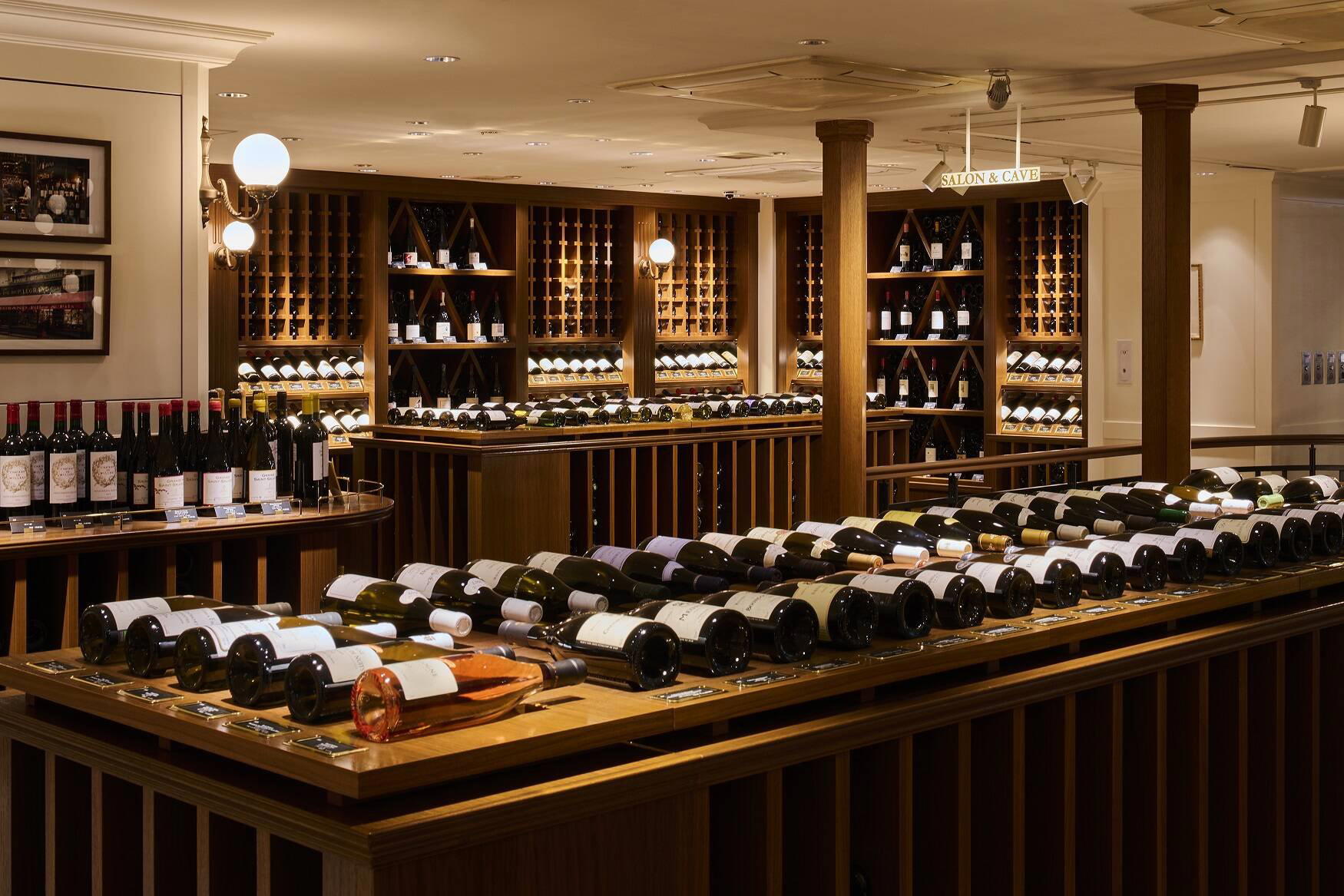
The wine
- Extensive wine list
- Sake program
Details
- Elegant
- Intimate
- Sophisticated
- Date Night
- Special Occasion
- Standalone
- Sake Program
- Extensive Wine List
- Local Sourcing
- Tasting Menu
Current opening hours
- Monday
- 12–3 PM, 6–10 PM
- Tuesday
- 12–3 PM, 6–10 PM
- Wednesday
- 12–3 PM, 6–10 PM
- Thursday
- Closed
- Friday
- 12–3 PM, 6–10 PM
- Saturday
- 12–3 PM, 6–10 PM
- Sunday
- 12–3 PM, 6–10 PM
Hours can change for holidays and private events. Hours as of .
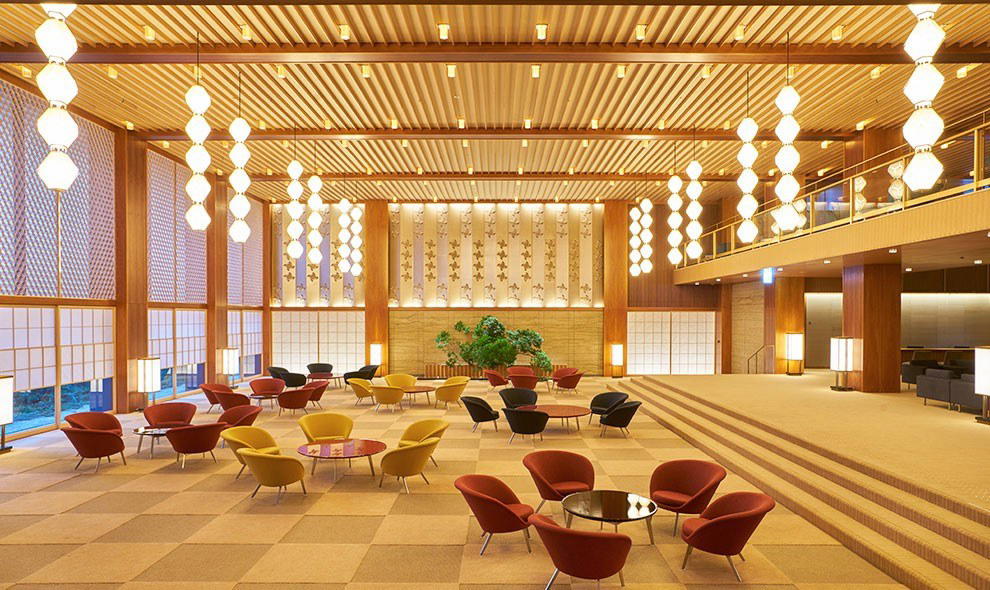
Elegant space blending Japanese and Western styles in a peaceful, secluded location beyond a nature tunnel.