
Tabelog 100 #8
Our verdict
季鳥 occupies a quietly residential address in Onarimachi, Kamakura's older merchant district, placing it at some distance from the city's tourist corridors. With sparse public data and no declared cuisine category, it operates in the tier of Japanese independents that rely on word-of-mouth and repeat guests rather than platform visibility. An address in Kamakura's most historically layered neighbourhood situates it within a serious local dining culture.

Pearl is the En Primeur Club membership app, where members save venues, book tables and use the concierge.
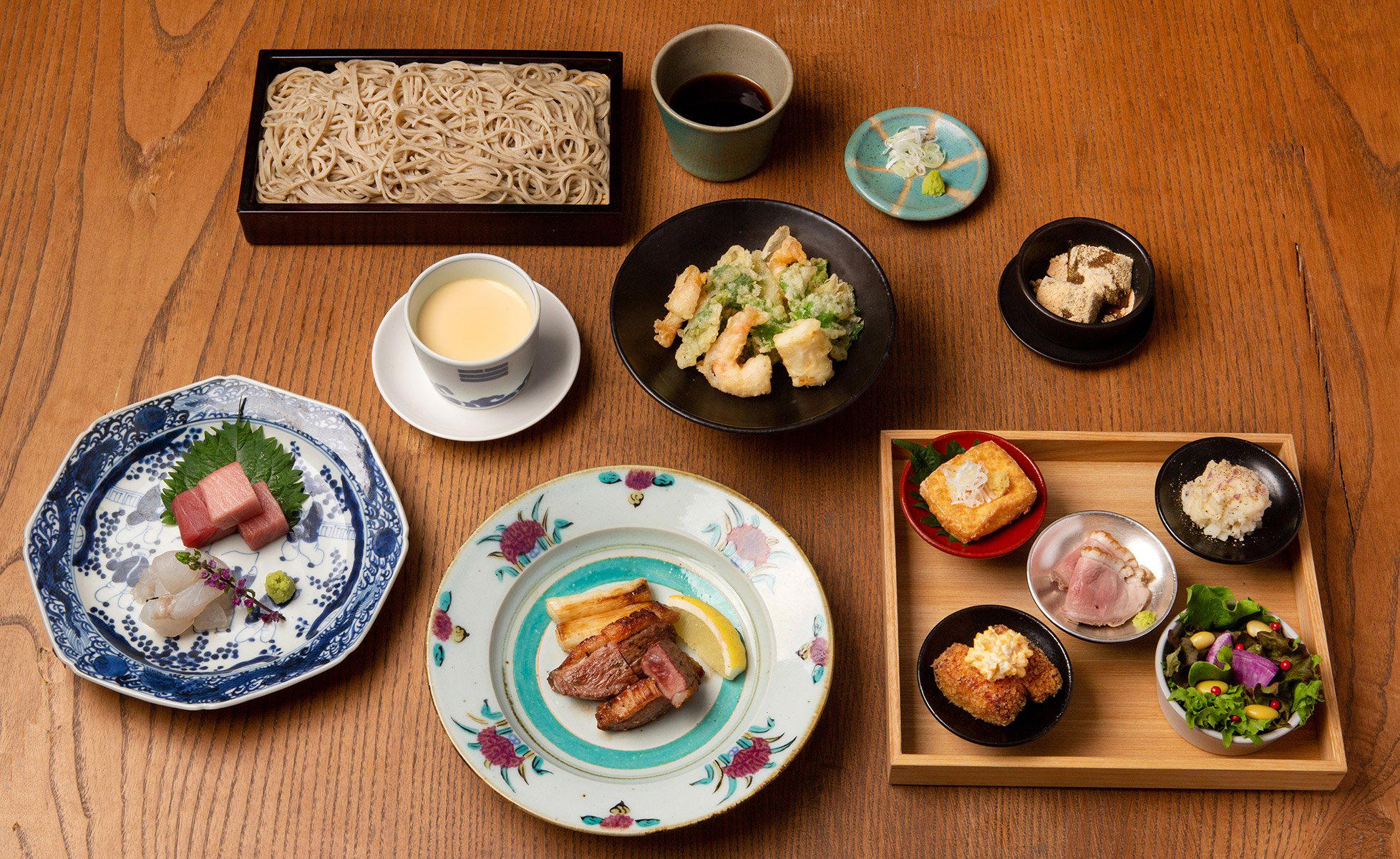
Onarimachi and the Quiet End of Kamakura Dining
Kamakura's restaurant reputation is built, in the public imagination, around its temple approaches and the commercial stretch near Komachi-dori. But the city's more considered dining, the kind that draws guests from Yokohama and Tokyo without advertising the fact, tends to cluster in the residential pockets behind those main corridors. Onarimachi is one of those pockets. The address at 13-22 Onarimachi places 季鳥 in a part of the city where streets narrow, foot traffic drops, and the buildings carry the patina of long occupation. Arriving here is a different experience from the well-signed approaches of Kamakura's visitor-facing restaurants. The neighbourhood itself sets an expectation before the door opens.
This spatial context matters because Kamakura's dining culture has developed in a way that rewards geography-literacy. The city draws a specific visitor: culturally informed, often with prior Japan experience, looking for something outside the designated sightseeing loop. The restaurants that serve that visitor well tend to be precisely the ones that do not position themselves on the main drag. For broader orientation across the city's dining options, the full Kamakura restaurants guide maps the spread across neighbourhoods and price tiers.
A Name That Anchors to Tradition
The name 季鳥, read as Kisedori or a close variant, combines the character for season (季) with the character for bird (鳥). In Japanese culinary naming, this kind of compound carries deliberate weight. Season-forward naming is a declaration of method as much as identity: a commitment to ingredient timing, to the idea that what is served in April has no business appearing in October. Bird as the second character suggests either a poultry or game focus, or more broadly an affinity with the kind of delicate, often fermented or aged proteins that Japanese seasonal cooking handles with particular seriousness.
This naming convention places 季鳥 within a long tradition of Japanese restaurants that foreground the agricultural and ecological calendar rather than a fixed menu. Across Japan, this approach appears in kaiseki houses, in yakitori specialists that source from specific regional farms, and in the category of small independent restaurants that resist classification precisely because their menus shift too fundamentally with the seasons to be summarised in a single cuisine label. The absence of a declared cuisine type in the venue's public record is consistent with this kind of positioning. Venues that change substantially by season often find that any fixed category label understates or misrepresents what they actually do.
For comparison across Japan's broader network of season-centred independents, the editorial coverage of Gion Sasaki in Kyoto and akordu in Nara shows how this seasonal commitment manifests across different culinary traditions and price tiers.
Kamakura as a Context for This Kind of Restaurant
Kamakura's proximity to Tokyo, roughly an hour by train via the Shonan-Shinjuku line, has shaped its restaurant culture in a specific way. The city is small enough that it cannot support the kind of high-volume omakase operations that fill Ginza or the density of European-trained chefs that has defined parts of Nishi-Azabu. What it can support, and what it has produced, is a tier of independently-run restaurants operating with low seat counts, strong local repeat business, and a level of sourcing discipline that benefits from the city's access to Sagami Bay seafood, Kanagawa agricultural producers, and the general abundance of the Shonan coast.
This is the competitive context in which 季鳥 operates. It sits alongside a small number of serious independents in Kamakura that have chosen the city precisely because it allows a more considered pace than Tokyo. ETE Kamakura represents one end of this spectrum, with a French-influenced approach and documented recognition. Restaurant Michel Nakajima occupies another corner of Kamakura's high-end dining map. IL NODO and Roastbeef Kamakurayama extend the range further. Ichirin Hanare brings a Chinese framework into what is otherwise a predominantly Japanese and European spread. Together, these venues define a dining tier in Kamakura that operates without the critical mass of a major city but with a coherence of intent that distinguishes it from resort-town dining elsewhere in Japan.
What the Lack of Public Data Signals
In any other context, this would read as a venue not yet established. In Japan, particularly at the independent end of the market, it reads differently. Some of the most seriously regarded small restaurants in the country maintain minimal or no digital presence, relying instead on reservations through personal introduction, small known-quantity networks, or a local repeat-guest base that does not require public-facing marketing to sustain occupancy.
This pattern appears across Japan's dining culture from Sapporo to Fukuoka. The editorial records for 北海道さっぽろ in Sapporo and Goh in Fukuoka document how seriously regarded independents across the country can operate with very different levels of public visibility. In Kamakura specifically, an address in Onarimachi with no web presence suggests a restaurant that has made a deliberate choice about how it wants to be found. That choice is itself a form of curation.
For context on how Japan's independent dining culture compares at its most ambitious levels, the coverage of HAJIME in Osaka and Harutaka in Tokyo shows the recognised end of that spectrum, while venues like 一本木 in Nanao, 湖畔荘 in Takashima, and 羽根屋 in Nishikawa Machi demonstrate how regional independents with limited digital footprints can carry significant local authority. For international reference points on how low-profile restaurants operate at high levels, Le Bernardin in New York City and Atomix in New York City show how differently the visibility question is handled across culinary cultures. Birdland in Sakai adds another regional Japanese data point.
Planning a Visit
The Onarimachi address (13-22 Onarimachi, Kamakura, Kanagawa 248-0012) is accessible on foot from Kamakura Station, though the walk through residential streets requires some navigation. Given the absence of a listed phone or website, the most reliable approach for prospective guests is direct enquiry through local hotel concierge contacts or Japanese-language reservation services that maintain working relationships with independent restaurants of this type. Visiting without a confirmed reservation is not advisable given the likely small seat count that accompanies a restaurant of this format and neighbourhood position. Seasonal availability will vary, and the name itself suggests that timing a visit to a particular season may matter more here than at a venue with a fixed menu structure.
Frequently asked questions
Is 季鳥 child-friendly?
No policy on younger guests appears in the public record. Onarimachi sits in Kamakura's quieter residential corridor, and small-format restaurants in this part of the city typically favour a composed dining environment over family-party formats. Confirming directly before visiting is advisable.
Is 季鳥 formal or casual?
No dress code is declared and no awarded recognition sets a clear formality benchmark for 季鳥. Kamakura's independent mid-tier tends toward understated presentation rather than strict formality, think considered rather than dressed-up. The Onarimachi address, away from the tourist corridor, suggests a neighbourhood register rather than a ceremony-driven one.
What dish is 季鳥 famous for?
No signature dish or fixed cuisine category appears in the public record for 季鳥. Researching recent diner accounts before visiting will give the clearest picture.
How do I get to 季鳥 from Kamakura Station, and what should I know before arriving?
The address at 13-22 Onarimachi, Kamakura, Kanagawa 248-0012 is walkable from Kamakura Station, though the route runs through residential streets rather than signposted tourist paths. Prior research through Japanese dining platforms or local contacts is the practical approach.
Booking and Cost Snapshot
Comparable venues nearby, for context on price, style, and recognition.
| Venue | Cuisine | Price | Awards | Notes |
|---|---|---|---|---|
| 季音This venue (the venue you are viewing) | Traditional Kaiseki | $200–300 | Tabelog 100 #8 | Not listed |
| Roastbeef Kamakurayama | Japanese Roast Beef Fine Dining | $100–150 | Not listed | Kamakura, Japanese Roast Beef Fine Dining |
| 鎌倉 北じま | Kamakura Seasonal Japanese Omakase | $200–300 | Not listed | Kamakura, Kamakura Seasonal Japanese Omakase |
| Moana Makai Sango Sho | Japanese Curry | $10–20 | Tabelog 100 #50 | Kamakura, Japanese Curry |
| Chikara Mochi Ya | Traditional Kamakura wagashi & mochi shop | $1–10 | Tabelog 100 #8 | Kamakura, Traditional Kamakura wagashi & mochi shop |
| Sango Sho Honten | Japanese Curry & Yoshoku | Not listed | Tabelog 100 #1 | Kamakura, Japanese Curry & Yoshoku |
Recognition history
Dated appearances from independent guides and award organizations, with the underlying list record or original source where available.
Tabelog 100 #8 · No. 8
Tabelog · Tabelog 100 - Innovative / Creative cuisine - 2025
Continue exploring
More in Kamakura
Restaurants in Kamakura
All restaurants in Kamakura →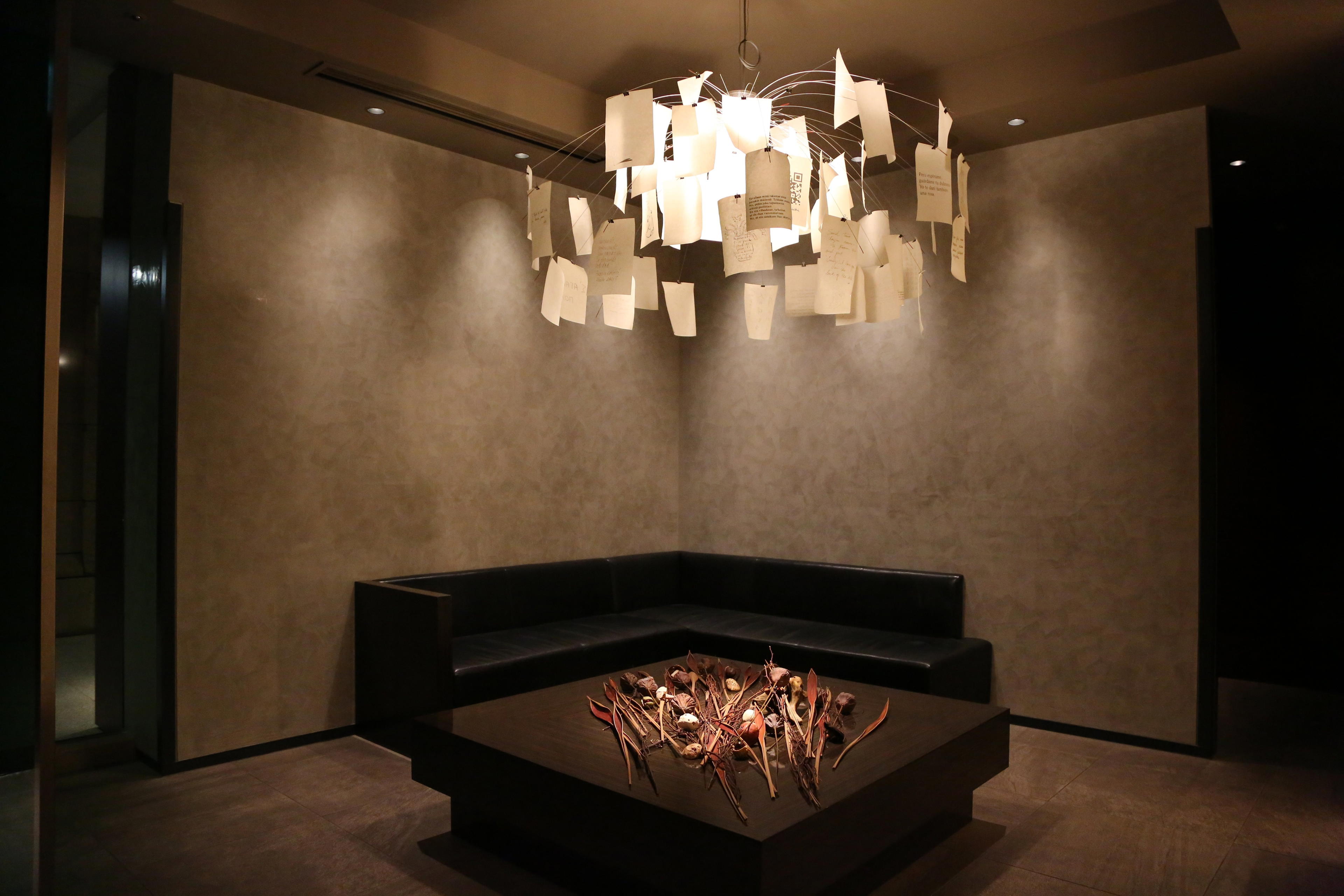


Bars in Kamakura
Browse all →


Details
- Elegant
- Intimate
- Sophisticated
- Special Occasion
- Date Night
- Garden
- Sake Program
- Local Sourcing
- Garden
- Tasting Menu
- Set Menu
- Sake
- Vegetarian Friendly
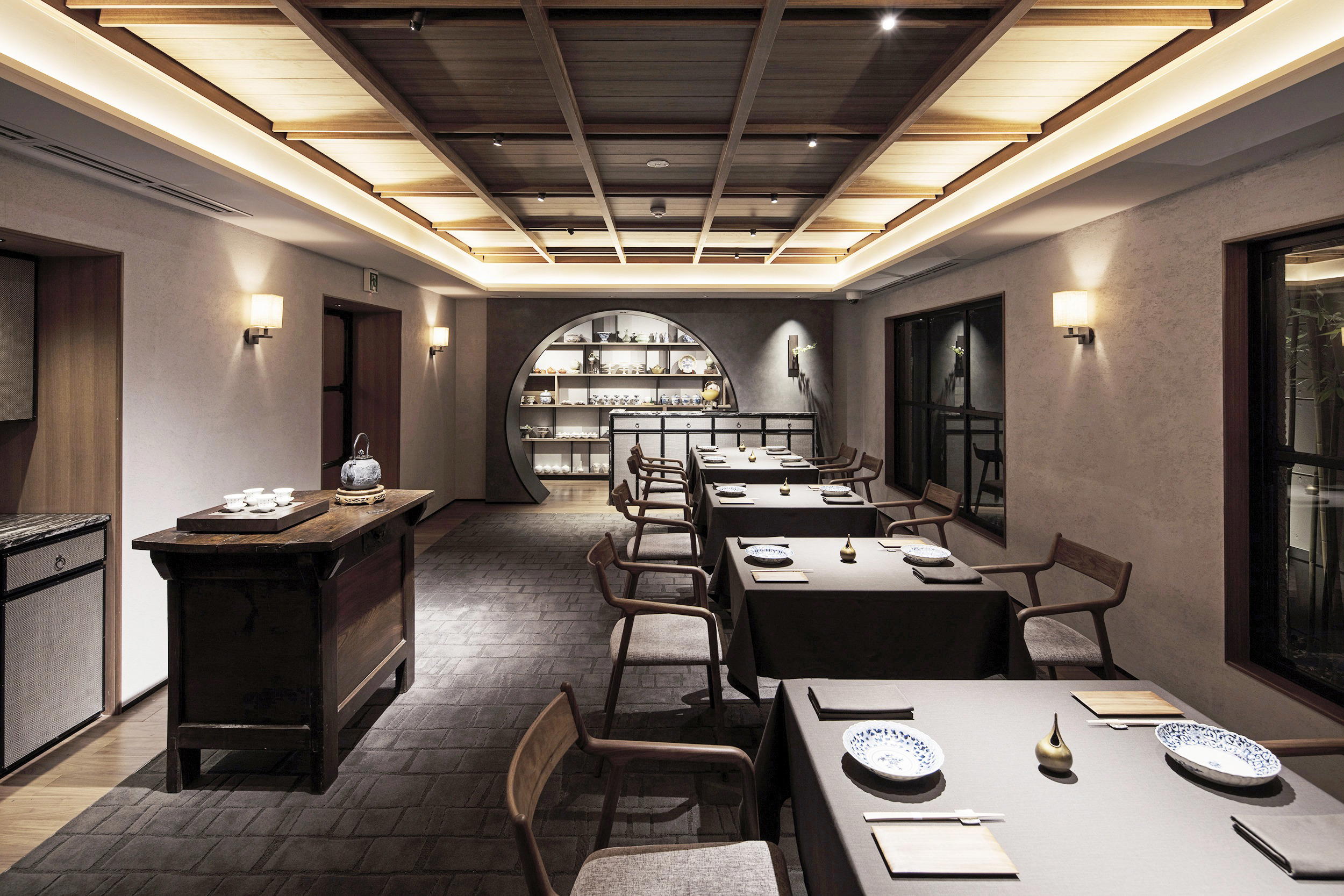
Intimate and elegant with soft lighting, minimalist decor, and a peaceful garden atmosphere.