Our verdict
Roastbeef Kamakurayama occupies a quieter residential corner of Kamakura, positioning itself within a city better known for temple trails and coastal kaiseki than a dedicated Western roast beef format. The address alone, Kamakurayama, an refined neighbourhood away from the tourist centre, signals a particular kind of deliberate remove. It sits alongside a small cluster of destination restaurants that reward the detour.

Pearl is the En Primeur Club membership app, where members save venues, book tables and use the concierge.
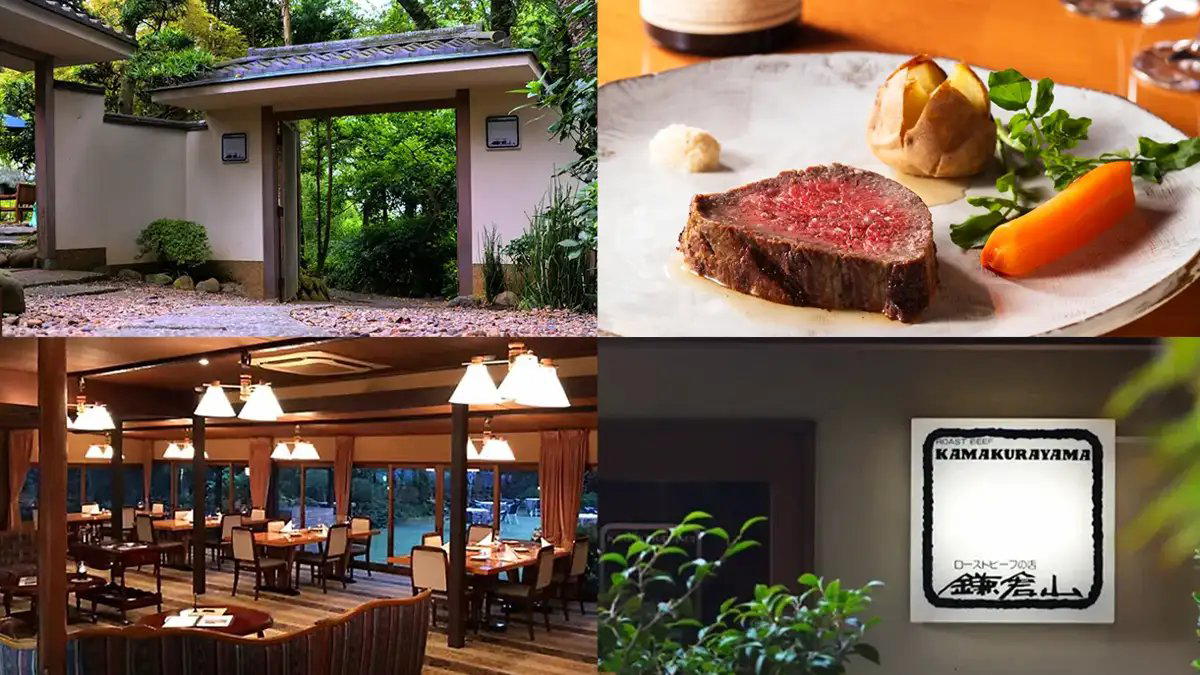
What Kamakurayama Says About a Restaurant Before You Walk In
Kamakura's dining geography splits cleanly between the dense corridor around Komachi-dori and Hase, where tourist traffic sustains a high volume of mid-range options, and the quieter residential pockets further inland and uphill. Kamakurayama belongs to the latter. The neighbourhood sits on a forested ridge southwest of the main commercial centre, historically associated with weekend retreats and private residences rather than restaurant rows. A restaurant choosing this address is making an argument about its intended audience before a single dish arrives.
That context matters because it filters demand. Diners making the trip to Kamakurayama, whether from the city's own centre or from Tokyo, roughly an hour away by train, are not wandering in from a temple visit. The location functions as a self-selecting mechanism, a common feature among destination restaurants in Japan's mid-sized heritage cities, where the best-regarded addresses tend to cluster slightly outside the obvious circuits. You see the same pattern at ETE Kamakura and at Restaurant Michel Nakajima, both of which reward the visitor who has done the research rather than the one following a crowd.
Roast Beef as a Format in Japan
The concept of a restaurant built around roast beef is worth pausing on, because it occupies an unusual position in Japan's dining taxonomy. Western beef preparations have been absorbed and refined across Japanese culinary culture since the Meiji era, but a standalone roast beef specialist, as opposed to a steakhouse, a yakiniku counter, or a kaiseki course that incorporates beef, remains a relatively niche format. Where it does appear, it tends toward the precision-focused end of the spectrum: controlled cook temperatures, careful sourcing, and a menu architecture that treats a single preparation method as worthy of full specialisation.
That specialisation connects Roastbeef Kamakurayama to a broader Japanese restaurant tendency: the belief that depth within a narrow category produces a more interesting result than breadth across many. The same logic animates the leading yakitori counters, the dedicated tempura houses, and the tonkatsu specialists that hold serious critical attention in Tokyo and Osaka. A restaurant named after a single dish is making a commitment, and in a dining culture that values mastery over variety, that commitment reads clearly to the local audience.
For comparison, consider how Kamakura's small cluster of Western-influenced restaurants positions itself relative to this tradition. IL NODO takes an Italian framework and grounds it in local ingredients. Ichirin Hanare applies Chinese technique within a considered format. Each is making a case for a single culinary direction executed with focus. Roastbeef Kamakurayama sits in that company by genre, even if the specific culinary tradition it draws from is different.
The Address: 3 Chome-11-1 Kamakurayama
The specific block in Kamakurayama where the restaurant sits is residential in character, with the kind of tree cover and relative quiet that marks the neighbourhood's appeal to both residents and visitors seeking distance from Kamakura's busier zones. Reaching it requires either a car or a deliberate combination of train and local bus or taxi from Kamakura Station. This is not a spontaneous stop. For visitors building a day around the restaurant, the approach through Kamakurayama's forested streets functions as part of the experience, a shift in register from the heritage tourism circuit to something quieter and more considered.
Japan's most discussed destination restaurants outside its major cities often share this geographic remove. akordu in Nara operates on similar logic, and Goh in Fukuoka rewards the visitor who has specifically sought it out rather than stumbled across it. The remove is not accidental, it is part of the positioning.
Kamakura in the Wider Japan Dining Picture
Kamakura rarely appears in the same conversation as Tokyo, Kyoto, or Osaka when serious Japanese dining is discussed, but it maintains a small and genuinely considered restaurant scene that reflects its particular character: historically significant, residentially grounded, and drawing a clientele that skews toward the culturally engaged rather than the purely touristic. That demographic supports a category of restaurants, mid-scale, format-focused, often operating without the full apparatus of awards and press coverage, that would struggle to sustain themselves in higher-rent urban environments.
The city's most critically noted addresses, including ETE Kamakura and 季音, operate in this register. None of them are chasing volume. Roastbeef Kamakurayama's location in Kamakurayama rather than the commercial centre suggests the same orientation. For the visitor building a Kamakura itinerary around food rather than around temples, our full Kamakura restaurants guide maps this tier of the scene in more detail.
Beyond Kamakura, the pattern of focused, single-concept restaurants in heritage Japanese cities is well documented. Gion Sasaki in Kyoto and HAJIME in Osaka represent different ends of the formal spectrum, but share the same underlying commitment to depth over range. For those building a broader Japan itinerary around serious eating, the comparison set extends further: Harutaka in Tokyo exemplifies the Tokyo counter tradition, while more regional discoveries like 一本木 舟川製 in Nanao, 夕仙山乃 in Sapporo, and 湖辺庵 in Takashima show how far from the main circuits serious Japanese dining now reaches.
Planning a Visit
Booking details, current hours, and pricing for Roastbeef Kamakurayama are best confirmed directly, as the restaurant's website and phone details are not publicly indexed at the time of writing. The Kamakurayama address (3 Chome-11-1 Kamakurayama, Kamakura, Kanagawa 248-0031) is specific enough to locate via map applications, and local taxi services from Kamakura Station cover the route without difficulty. Given the neighbourhood's residential character and the restaurant's apparent positioning, advance reservation is the practical default for anyone treating this as a planned meal rather than an opportunistic one. Walk-in availability will depend on current format and capacity, neither of which is confirmed in public data.
For visitors with time in the area, the Kamakurayama neighbourhood itself warrants slow travel: the surrounding streets are quieter than the city's main circuits, and the refined position offers a different view of the wooded hills that define Kamakura's geography. Other format-focused restaurants in the region, including 羽根屋 in Nishikawa Machi and Birdland in Sakai, show how the specialist single-concept format plays out across different Japanese geographies, context that sharpens the appreciation for what a roast beef specialist in a Kamakura hillside neighbourhood is attempting.
Frequently asked questions
What part of town is Roastbeef Kamakurayama in?
Roastbeef Kamakurayama is located at 3 Chome-11-1 Kamakurayama, Kamakura, Kanagawa 248-0031, Japan, Kamakura.
Is Roastbeef Kamakurayama worth the trip from central Kamakura or Tokyo?
The restaurant's address at 3 Chome-11-1 Kamakurayama places it in one of Kamakura's quieter residential hillside districts, a deliberate detour from the city's main sightseeing routes. Kamakura itself is roughly an hour from central Tokyo by the Shonan-Shinjuku or Yokosuka lines, making this a half-day commitment at minimum. Visitors who make that trip specifically for a roast beef-focused restaurant are likely doing so on a recommendation, which points to a venue with a clear local reputation even without published awards or media credentials.
What should I eat at Roastbeef Kamakurayama?
The restaurant's name makes the answer straightforward: roast beef is the central reason to visit. In the Japanese context, roast beef is often served with precise attention to temperature, slice thickness, and accompanying condiments, so the preparation itself is the point. Confirm current menu specifics directly with the restaurant, as no public menu or pricing is listed.
Do they take walk-ins at Roastbeef Kamakurayama?
No booking information is publicly available for Roastbeef Kamakurayama. The restaurant sits on a quiet residential block in Kamakurayama at 3 Chome-11-1, well outside Kamakura's main tourist corridors, which suggests it draws a local and deliberate clientele rather than passing foot traffic. Calling ahead or checking in person is the most reliable approach.
What's the defining dish or idea at Roastbeef Kamakurayama?
The defining idea is a Japanese restaurant built entirely around roast beef, a format that sits at an unusual intersection of Western technique and Japanese precision. That kind of singular focus, applied in a residential Kamakurayama setting rather than a city-centre showcase, positions the restaurant as a destination rather than a convenience stop. The address alone, a quiet residential block in Kanagawa, signals that guests come specifically for the food.
Can Roastbeef Kamakurayama handle vegetarian requests?
A restaurant named for and structured around roast beef is not a practical choice for vegetarians. The format implies meat is the primary offering, and no menu information in the public record suggests alternative courses or vegetarian substitutions. Vegetarian visitors would be better served by one of Kamakura's broader-menu restaurants closer to the Hase or Komachi-dori corridor.
Is Roastbeef Kamakurayama overpriced or worth every penny?
No pricing data is publicly listed for Roastbeef Kamakurayama, so a direct value assessment is not possible without visiting. What is clear from the address, a residential neighbourhood in Kamakurayama rather than a commercial dining strip, is that the restaurant is not trading on location premium or tourist throughput. That context typically correlates with pricing driven by the food itself rather than real estate.
At a Glance
Comparable venues nearby, for context on price, style, and recognition.
| Venue | Cuisine | Price | Awards | Notes |
|---|---|---|---|---|
| Roastbeef KamakurayamaThis venue (the venue you are viewing) | Japanese Roast Beef Fine Dining | $100–150 | Not listed | Not listed |
| 季音 | Traditional Kaiseki | $200–300 | Tabelog 100 #8 | Kamakura, Traditional Kaiseki |
| Kamakura Waku | Seasonal Japanese Kaiseki | $50–100 | Tabelog 100 #56 | Kamakura, Seasonal Japanese Kaiseki |
| Oryori Tomiyama | Traditional Japanese donburi & set meals | $20–30 | Tabelog 100 #14 | Kamakura, Traditional Japanese donburi & set meals |
| Cabbage Batake | Okonomiyaki (Japanese savory pancakes) | $20–30 | Tabelog 100 #37 | Kamakura, Okonomiyaki (Japanese savory pancakes) |
| Restaurant Michel Nakajima | Modern French Fine Dining | $150–200 | Not listed | Kamakura, Modern French Fine Dining |
Continue exploring
More in Kamakura
Restaurants in Kamakura
All restaurants in Kamakura →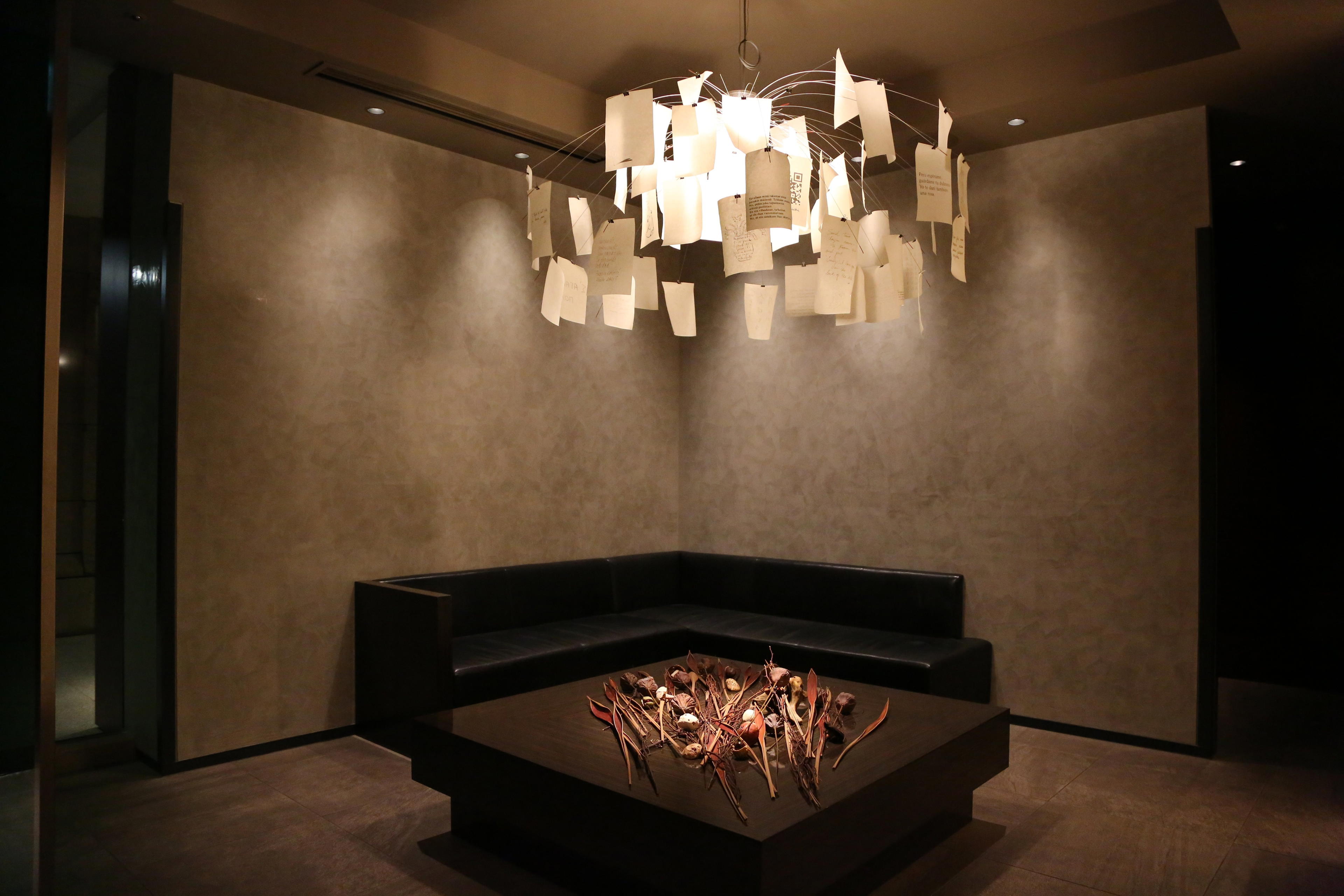

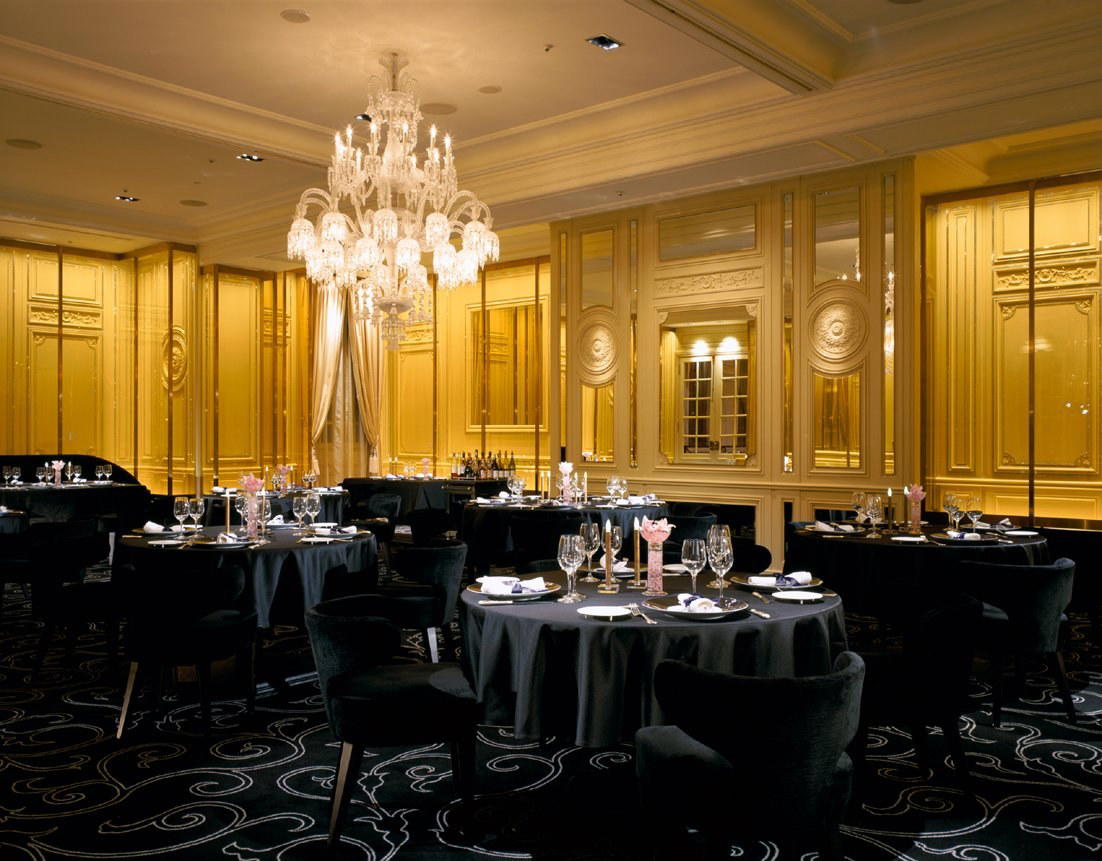
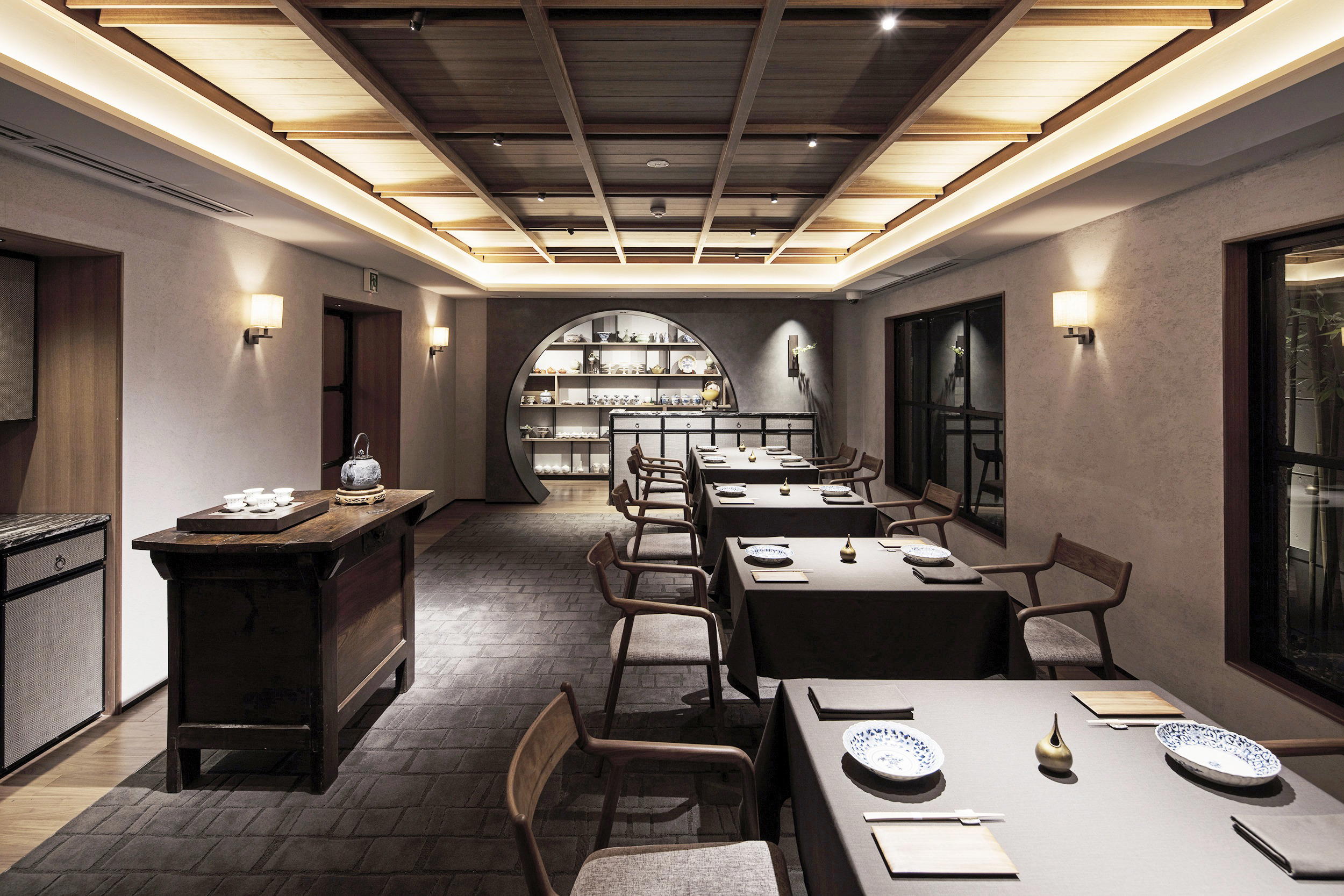
Bars in Kamakura
Browse all →



Details
- Elegant
- Scenic
- Cozy
- Sophisticated
- Special Occasion
- Date Night
- Garden
- Sake Program
- Garden
- Mountain
- A La Carte
Current opening hours
- Monday
- 11:30 AM–3:30 PM, 5:30–10 PM
- Tuesday
- 11:30 AM–3:30 PM, 5:30–10 PM
- Wednesday
- 11:30 AM–3:30 PM, 5:30–10 PM
- Thursday
- 11:30 AM–3:30 PM, 5:30–10 PM
- Friday
- 11:30 AM–3:30 PM, 5:30–10 PM
- Saturday
- 11:30 AM–3:30 PM, 5:30–10 PM
- Sunday
- 11:30 AM–3:30 PM, 5:30–10 PM
Hours can change for holidays and private events. Hours as of .
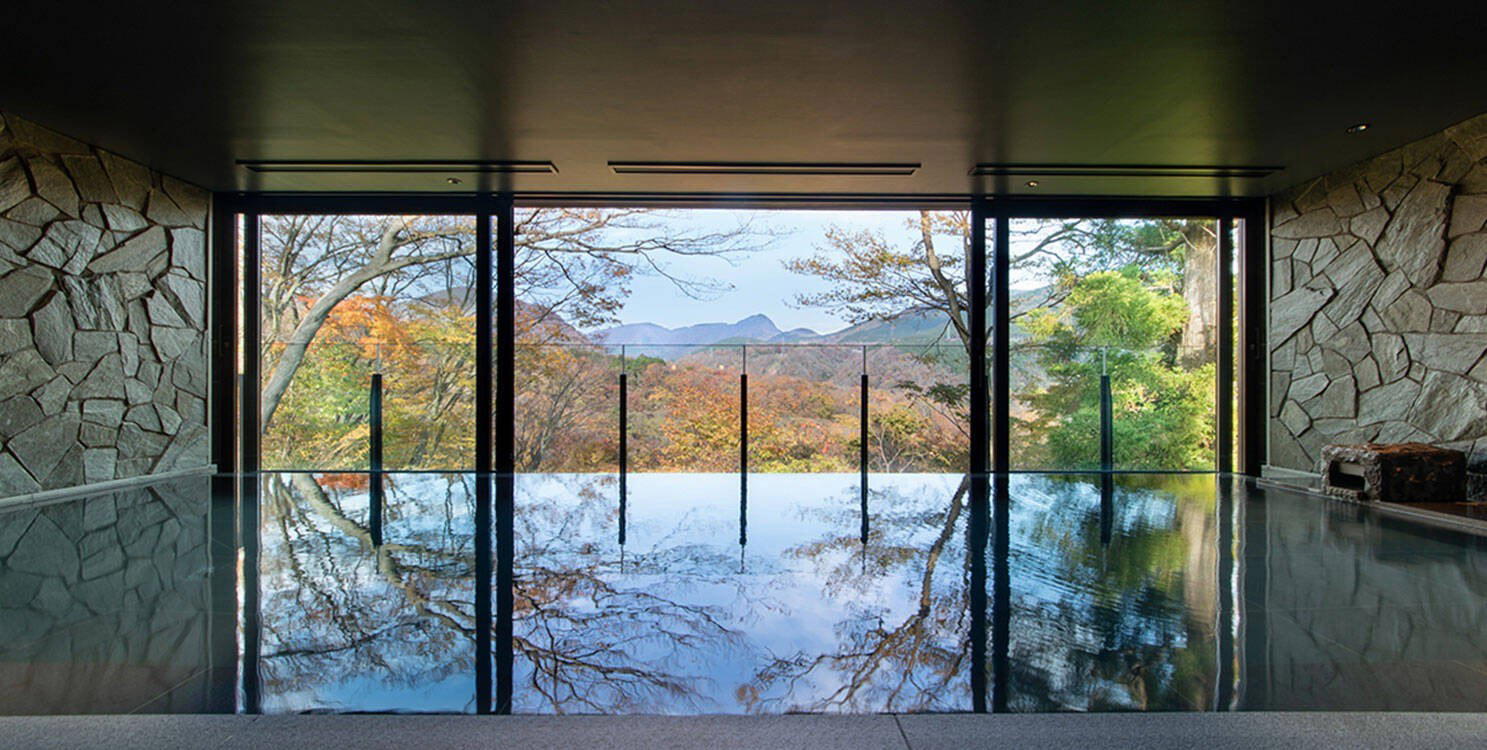
Tranquil and elegant with wooden interiors, garden views, and a peaceful hillside atmosphere.