
A Michelin Plate-recognised Japanese restaurant in Tokyo's Yoyogi neighbourhood, Raisan takes its name from a French culinary classic and builds its menu around restrained salt levels and a rotating cast of specialist dashi stocks, from shrimp to dried shellfish. The kitchen's philosophy draws on Jean Anthelme Brillat-Savarin's argument that satisfying food is food you never tire of. Priced at ¥¥¥, it occupies a thoughtful mid-tier within Tokyo's dense kaiseki and washoku field.
Pearl is the En Primeur Club membership app — saves, bookings, and concierge access live there. Same editors, same standards.
- Address
- Japan, 〒151-0053 Tokyo, Shibuya, Yoyogi, 5 Chome−9−9 カーサブリランテ代々木公園
- Phone
- +81 3-6416-8474
- Directions
- Get directions
 Saves & bookings on Pearl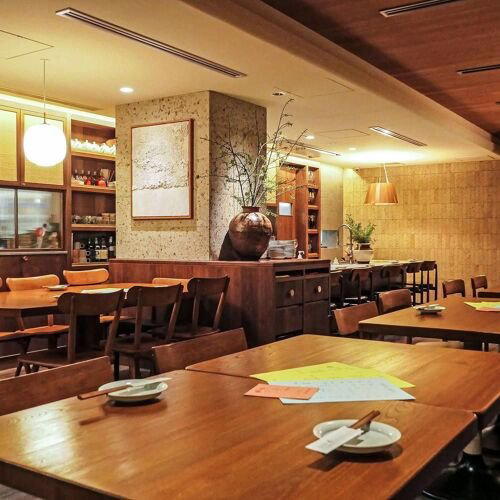
A French Philosopher, a Japanese Kitchen, and the Long Game of Taste
Raisan is a Kyoto-style Japanese Kaiseki restaurant in Tokyo's Yoyogi district, priced at about ¥170 per person. Raisan takes its name from the Japanese translation of Jean Anthelme Brillat-Savarin's The Physiology of Taste, rendered as Bimi Raisan, literally, "praise of fine flavour." Published in 1825, Brillat-Savarin's treatise made the case that genuine culinary pleasure is not about intensity but about endurance: the dishes you return to, the flavours that don't exhaust you. That argument sits at the centre of what this Yoyogi kitchen does, and it has shaped the restaurant's direction from its opening through to its current Michelin Plate recognition in the 2025 guide.
Tokyo's washoku and kaiseki field is highly competitive. The mid-tier bracket, restaurants priced around ¥¥¥ rather than the ¥¥¥¥ ceiling occupied by counters like Myojaku or Azabu Kadowaki, is where particularly interesting positioning decisions happen. Raisan occupies that tier with a clear conceptual identity, which is rarer than it sounds in a city where the ¥¥¥ bracket includes both serious culinary projects and reliable but undistinguished neighbourhood dining.
The Dashi Doctrine: Where the Menu Takes Shape
In Japanese cooking, dashi is the structural backbone of almost everything, but most kitchens treat it as a single variable, adjusting concentration or source material incrementally. The approach here takes dashi further, assigning a distinct stock to each dish on the menu: shrimp, dried fish, and shellfish are among the bases documented, each chosen to carry a different register of umami without resorting to heavy salt to amplify it. This is the operational expression of the Brillat-Savarin principle the owner was drawn to. Salt suppresses complexity over a long meal; restraint in sodium forces the kitchen to build depth through stock composition, ingredient quality, and temperature.
That approach connects Raisan to a broader movement visible across serious Japanese restaurants in cities from Tokyo to Kyoto. At Kagurazaka Ishikawa and Ginza Fukuju, the same instinct toward restraint and umami-led flavour architecture produces menus that favour subtlety over spectacle. Raisan sits inside that tendency but at a more accessible price point, making the philosophy available without the ¥¥¥¥ commitment those counters require.
Evolution Through Principle, Not Reinvention
Many Tokyo restaurants at this tier pivot over time, either chasing Michelin recognition by mimicking higher-end formats or drifting toward casual volume as competition sharpens. Raisan's trajectory, shaped by its 2025 Michelin Plate status and its consistent dashi-led, low-salt framework, suggests a kitchen that has evolved by deepening its founding logic rather than departing from it. The Michelin Plate designation is not a star, but it is meaningful: it signals that Michelin inspectors consider the food worth seeking out, which in a city of this density places Raisan in a smaller cohort than the designation alone might imply.
The service character adds another layer to the picture. The warm atmosphere is not incidental. In Japanese hospitality terms, omotenashi at this level is expected to be invisible and precise, but warmth, the kind that feels personal rather than procedural, is harder to sustain consistently. It points to a house style that has been shaped over time rather than adopted from a template.
Yoyogi: The Neighbourhood Context
The address on Yoyogi's southern edge, near Yoyogi Park, places Raisan outside the traditional fine-dining corridors of Ginza, Azabu, and Kagurazaka. That geographic positioning carries meaning in Tokyo, where neighbourhood determines not just footfall but the character of the clientele and the pressure to perform for critics. Yoyogi Park's residential and creative mix attracts a different kind of regular: less corporate entertainment, more deliberate personal dining. For a kitchen built around the idea of food you return to rather than food you perform around, that neighbourhood fit is coherent.
How Raisan Compares: A Practical Snapshot
| Venue | Category | Price Tier | Recognition | Neighbourhood |
|---|---|---|---|---|
| Raisan | Japanese / Washoku | ¥¥¥ | Michelin Plate 2025 | Yoyogi |
| Myojaku | Japanese | ¥¥¥¥ | Michelin-recognised | Central Tokyo |
| Azabu Kadowaki | Japanese | ¥¥¥¥ | Michelin-recognised | Azabu |
| Jingumae Higuchi | Japanese | ¥¥¥ | Michelin-recognised | Jingumae |
| Kagurazaka Ishikawa | Japanese | ¥¥¥¥ | Michelin-recognised | Kagurazaka |
Planning Your Visit
Raisan is located at 5 Chome-9-9 Yoyogi, Shibuya, Tokyo, accessible from Yoyogi-koen Station. The price tier sits at ¥¥¥, below the ceiling of Tokyo's most decorated Japanese restaurants, making it one of the more considered entry points into serious dashi-led cooking in the city.
Budget Reality Check
Comparable venues nearby, for context on price, style, and recognition.
| Venue | Cuisine | Price | Awards |
|---|---|---|---|
| RaisanThis venue — the venue you are viewing | Shibuya, Kyoto-style Japanese Kaiseki | $$$ | Michelin Plate |
| Asakusa Nagami | Taitō, Traditional Kaiseki | $$$ | Michelin Plate |
| Toriyaki Ohana | Shibuya, Modern Chicken Toriyaki Omakase | $$$ | Michelin Plate |
| Edomae Shibahama | Minato, Edomae-style Japanese | $$$ | Michelin Plate |
| Sushi Teru | Shinjuku, Edomae Sushi Omakase | $$$ | Michelin Plate |
| Shokudo Uyuki | Taitō, Seasonal Japanese Omakase | $$$ | Michelin Plate |
Recognition history
Dated appearances from independent guides and award organizations, with the underlying list record or original source where available.
Michelin Plate
Michelin
Michelin Plate
Michelin
Michelin Plate
Michelin












At a Glance
- Intimate
- Elegant
- Cozy
- Sophisticated
- Serene
- Date Night
- Special Occasion
- Chefs Counter
- Open Kitchen
- Sake Program
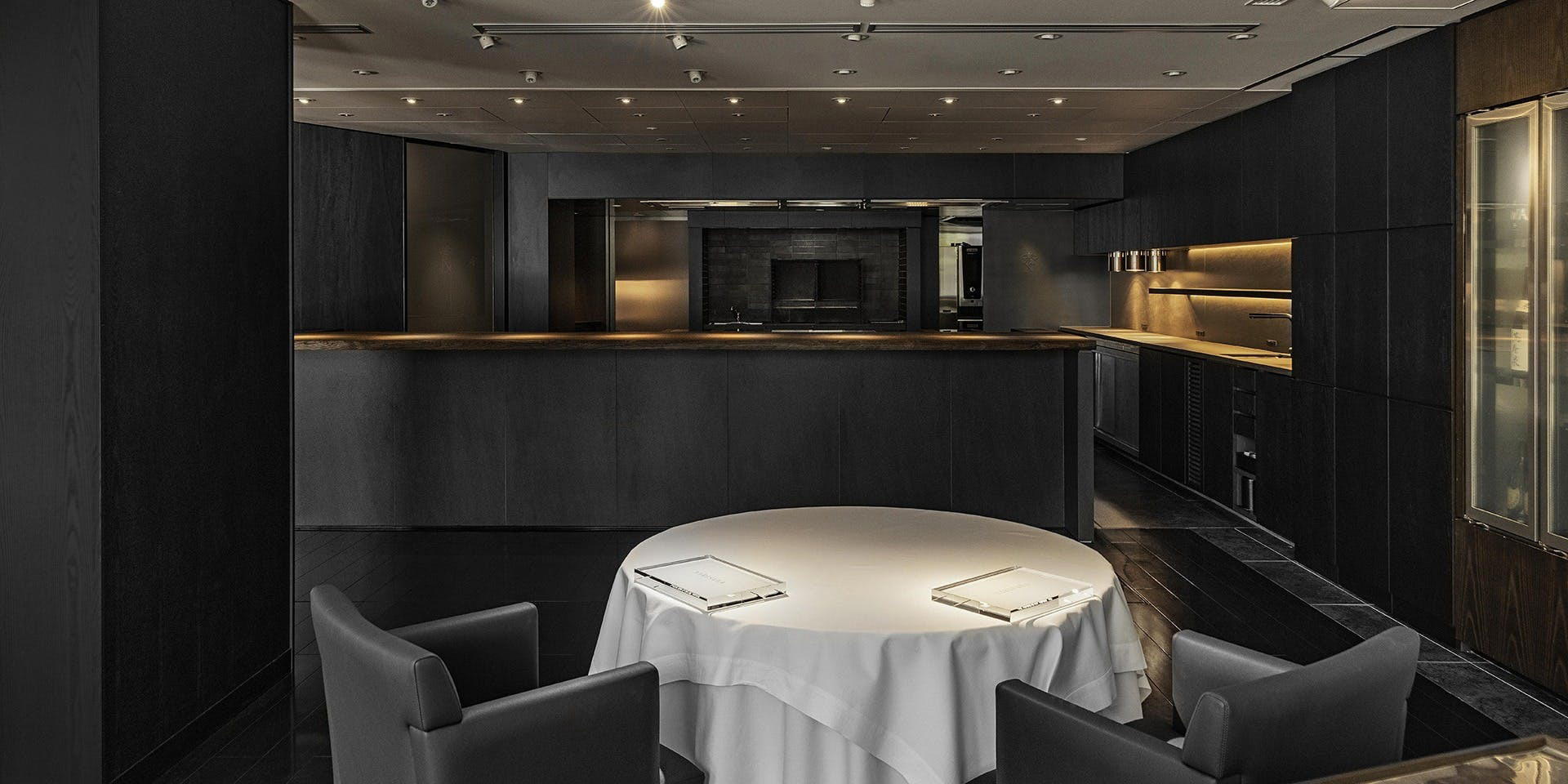
Serene and tactile ambiance with amber lighting, charred timber, brushed stone, and the soft glow of a wood-fired hearth creating a hushed, intimate atmosphere.