
A Michelin Plate-recognised French restaurant in Setagaya's Chitose Funabashi neighbourhood, Quatre Vingt Douze operates at the quieter, more residential end of Tokyo's French dining spectrum. The kitchen deploys fruits, herbs, and spices with restraint to build layered sauces anchored in classical technique, while the proprietress leads desserts. At ¥¥¥, it sits a tier below the city's ¥¥¥¥ French flagships.
Pearl is the En Primeur Club membership app — saves, bookings, and concierge access live there. Same editors, same standards.
- Address
- Japan, 〒156-0055 Tokyo, Setagaya City, Funabashi, 1 Chome−9−5 ラ・レジオン千歳船橋 2F
- Phone
- +81 70-8513-3122
- Website
- quatrevingtdouze.com
- Directions
- Get directions
 Saves & bookings on Pearl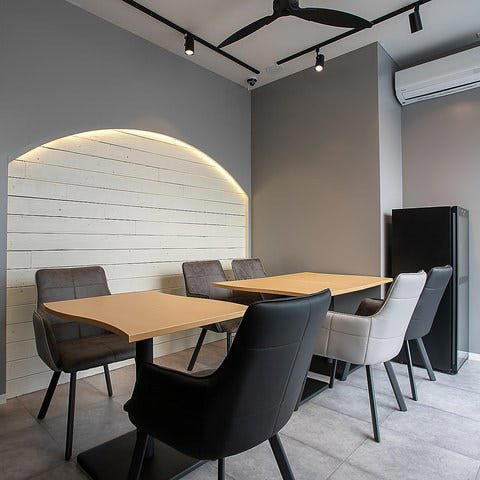
French Classicism at the Neighbourhood Scale
Tokyo's French dining scene has long operated across at least two distinct registers. At the leading sits a cluster of high-profile addresses, L'Effervescence, Sézanne, ESqUISSE, and Château Restaurant Joël Robuchon, commanding ¥¥¥¥ pricing and the kind of international attention that fills reservation systems months in advance. Below that tier, a different kind of French restaurant has taken root in residential neighbourhoods: smaller, owner-operated, and oriented toward a local clientele rather than destination diners. Quatre Vingt Douze is a Modern French Fine Dining restaurant in Setagaya, Tokyo, with a Michelin Plate recognition in 2024 and 2025 and a ¥¥¥ price tier. Quatre Vingt Douze, on the second floor of a low-rise building in Setagaya's Chitose Funabashi district, belongs to that second category.
The address matters. Chitose Funabashi is not Ginza, Aoyama, or Nishi-Azabu. It is a quiet residential ward where French cooking operates closer to the bistrot model than the grand restaurant, a format that in Paris has always been the backbone of serious eating, even if it attracts less critical notice than the temples above it. For diners who have worked through the ¥¥¥¥ circuit and want French technique applied without ceremony, this neighbourhood tier has its own appeal.
The Approach: Sauces, Produce, and the Classical Frame
French cuisine's defining structural move, layering contrasting flavours and textures rather than isolating a single ingredient, is the explicit creative framework here. That framing aligns Quatre Vingt Douze with a classical French tradition rather than the ingredient-forward minimalism that has shaped much of the past decade's high-end cooking in Tokyo, including places like Florilège. The kitchen uses fruits, herbs, and spices as active seasoning tools, deploying them with measured restraint to shape the flavour arc of each plate rather than treating them as garnish.
The sauce remains the central idiom. Fish and meat courses arrive with sauces as a deliberate homage to classical French form, an approach that has largely receded from the front rooms of cutting-edge restaurants but persists in the middle tier where classicism is treated as a living practice rather than nostalgia. For diners trained to read a menu through that lens, the signal is clear.
Desserts sit with the proprietress, which at this scale means genuine co-ownership of the menu's outcome. An owner-operated kitchen where the pastry course is handled by a different creative sensibility than the savoury courses tends to produce more distinct meal arcs, the dessert isn't simply a sweet extension of the chef's savoury logic, but a separate statement.
Wine at the Neighbourhood Table
The editorial angle most worth exploring at a restaurant in this format and price range is what wine service actually looks like when the room is intimate and the operation is owner-run. At Tokyo's ¥¥¥¥ French addresses, wine programmes are typically structured around deep cellars with formal sommelier service, pairing menus priced as standalone items, and a focus on prestige appellations. The comparison venues in this tier, L'Effervescence among them, build wine into the experience architecture at a corresponding price point.
At ¥¥¥ level in Tokyo, wine lists at French restaurants tend toward accessible French regional selections rather than vertically structured cellars. The function shifts: wine becomes a companion to the classical sauce-led cooking rather than a separate curatorial argument. That is not a lesser position, the bistrot tradition has always treated wine this way, as a parallel pleasure rather than a formal discipline. For the diner who wants a well-chosen Burgundy or Loire white alongside a fish course with a properly reduced sauce, the neighbourhood French table often delivers more value-per-glass than its trophy-cased counterparts up the price ladder.
What the ¥¥¥ price range and classical-French orientation suggest is a focused list that complements rather than dominates, which at this format scale is usually the right editorial call.
Placing Quatre Vingt Douze in Its comparable set
The Michelin Plate recognition in 2024 and 2025 is especially direct external calibration available. A Michelin Plate in the Tokyo guide signals cooking worth noting below star level, competent, consistent, and worth a visit within its category, without claiming the transformative ambition that star recognition implies. In a city where even neighbourhood restaurants are held to sharp technical standards, two consecutive Plate recognitions indicate a stable kitchen with real craft behind it.
The comparison against the ¥¥¥¥ tier (Harutaka, RyuGin, L'Effervescence, HOMMAGE, MAZ) is less relevant than the comparison within the owner-operated French neighbourhood category, which in Tokyo's Setagaya and outer residential wards has developed a coherent identity over the past two decades. These restaurants do not compete with Ginza French houses any more than a Paris arrondissement bistrot competes with a Michelin three-star on the same night. They are answers to different questions.
For broader context on where this style of French cooking sits in Japan's wider restaurant geography, see comparable formats at HAJIME in Osaka, Gion Sasaki in Kyoto, akordu in Nara, Goh in Fukuoka, 1000 in Yokohama, and 6 in Okinawa. For reference points in the international French tradition that restaurant draws on, Hotel de Ville Crissier in Crissier and Les Amis in Singapore represent the classical European-French lineage at higher price tiers.
Planning a Visit
The restaurant is located at 1 Chome-9-5, Funabashi, Setagaya City, Tokyo, on the second floor of La Région Chitose Funabashi building. The Chitose Funabashi station on the Odakyu Odawara Line is the access point for this part of Setagaya. Booking in advance is essential.
| Venue | Cuisine | Price Range | Michelin | Format |
|---|---|---|---|---|
| The restaurant | French (classical) | ¥¥¥ | Plate (2024, 2025) | Owner-operated, residential |
| L'Effervescence | French | ¥¥¥¥ | Star-level | Destination, central Tokyo |
| Sézanne | French | ¥¥¥¥ | Star-level | Hotel-based, Marunouchi |
| Florilège | French (contemporary) | ¥¥¥¥ | Star-level | Counter format, Aoyama |
The Quick Read
Comparable venues nearby, for context on price, style, and recognition.
| Venue | Cuisine | Price | Notes |
|---|---|---|---|
| Quatre Vingt DouzeThis venue — the venue you are viewing | Setagaya, Modern French Fine Dining | $$$ | Not listed |
| LUGDUNUM Bouchon Lyonnais | Shinjuku, Lyonnais Bouchon | $$$ | Not listed |
| IBAIA | Chūō, French Meat Bistro | $$$ | Not listed |
| Bistro YEBISU | Shibuya, French-Japanese Fusion Bistro | $$$ | Not listed |
| Neki | Chūō, French-Japanese Fusion Bistro | $$$ | Not listed |
| La façon Koga | Not listed | $$$ | Shibuya, French-Japanese Fusion Fine Dining |
Recognition history
Dated appearances from independent guides and award organizations, with the underlying list record or original source where available.
Michelin Plate
Michelin
Michelin Plate
Michelin
Michelin Plate
Michelin











At a Glance
- Modern
- Elegant
- Intimate
- Sophisticated
- Minimalist
- Date Night
- Special Occasion
- Open Kitchen
Current opening hours
- Monday
- 11:30 AM–3 PM, 6–10 PM
- Tuesday
- 11:30 AM–3 PM, 6–10 PM
- Wednesday
- Closed
- Thursday
- 6–10 PM
- Friday
- 11:30 AM–3 PM, 6–10 PM
- Saturday
- 11:30 AM–3 PM, 6–10 PM
- Sunday
- 11:30 AM–3 PM, 6–10 PM
Hours can change for holidays and private events. Last verified .
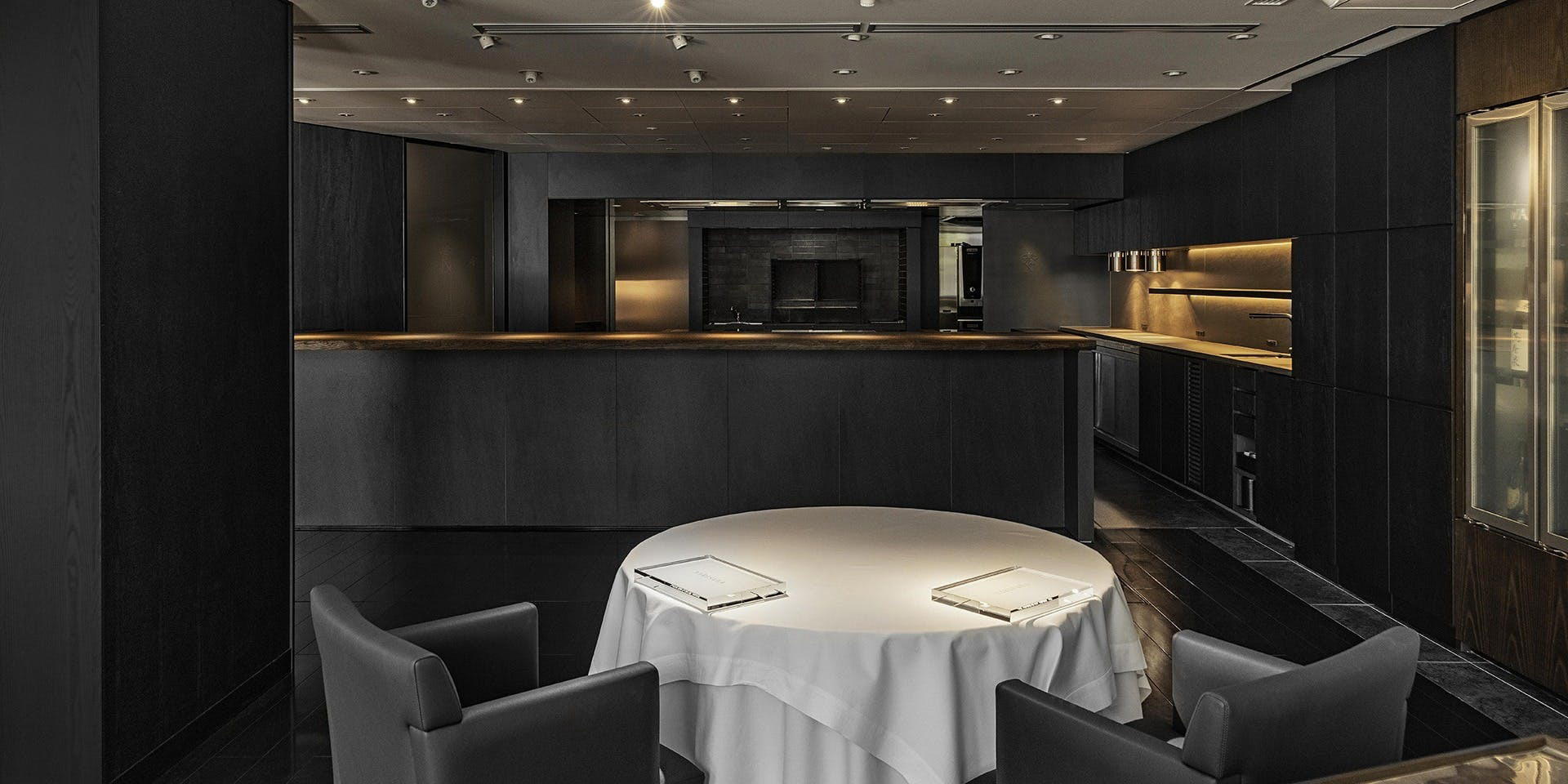
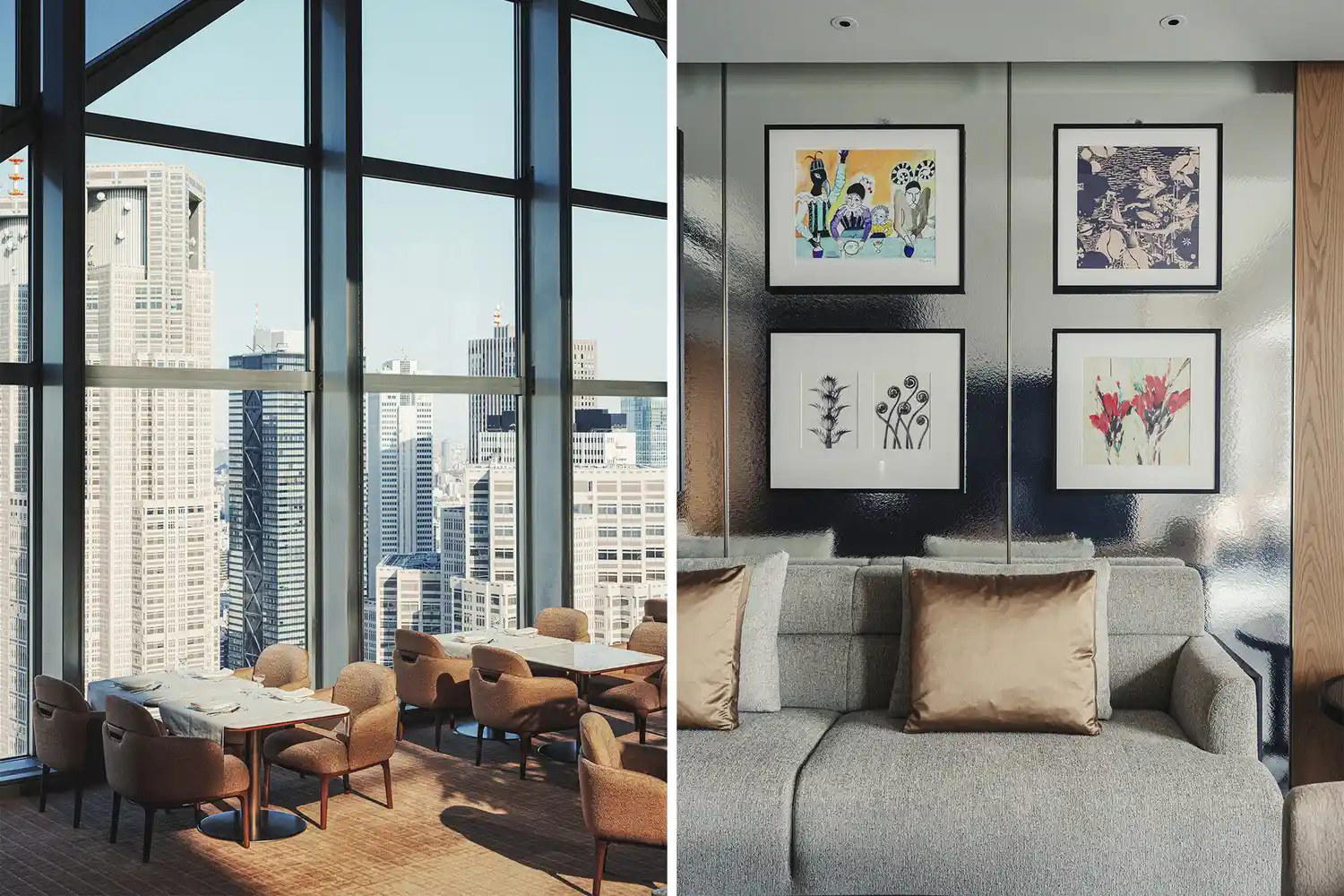
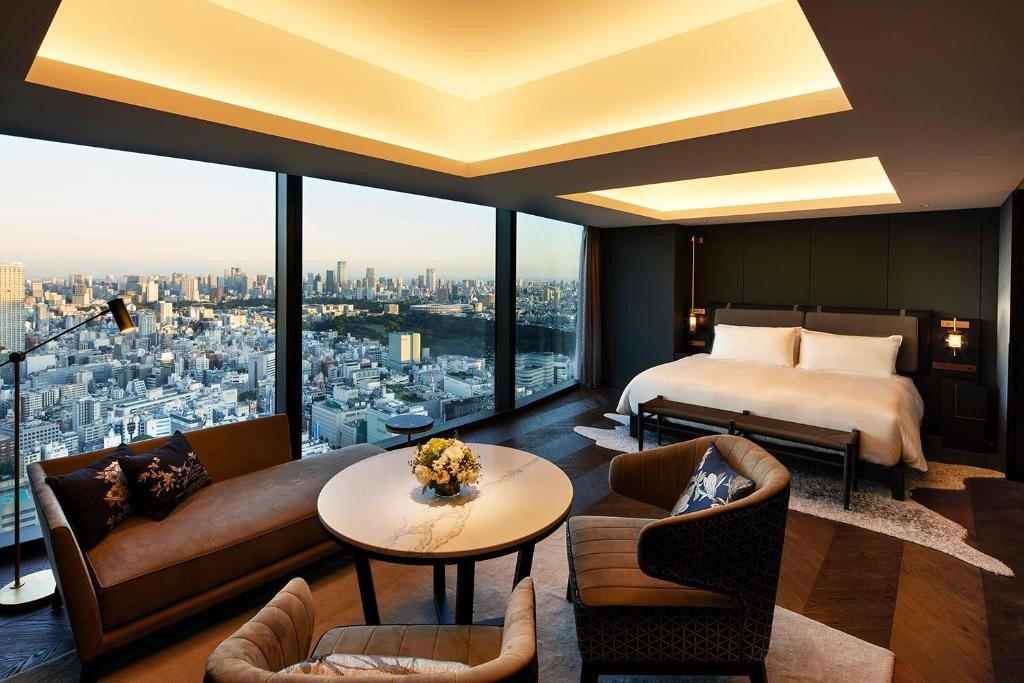
Modern, stylish space with open kitchen and counter seating for an intimate, high-quality dining experience.