.png)
A Michelin Plate-recognised bouchon in the heart of Kagurazaka, LUGDUNUM Bouchon Lyonnais translates Lyon's working-class bistro tradition to Tokyo with homemade sausages, quenelles paired with buttered rice in doria style, and a faithfully recreated interior that reads more like a neighbourhood institution than a French import. Rated 4.3 across 534 Google reviews, it sits at the accessible end of Tokyo's French dining tier.
 Discover on Pearl
Pearl is the En Primeur Club membership app — saves, bookings, and concierge access live there. Same editors, same standards.
- Address
- Japan, 〒162-0825 Tokyo, Shinjuku City, Kagurazaka, 4 Chome−3−7
- Phone
- +81 3-6426-1201
- Website
- lyondelyon.com
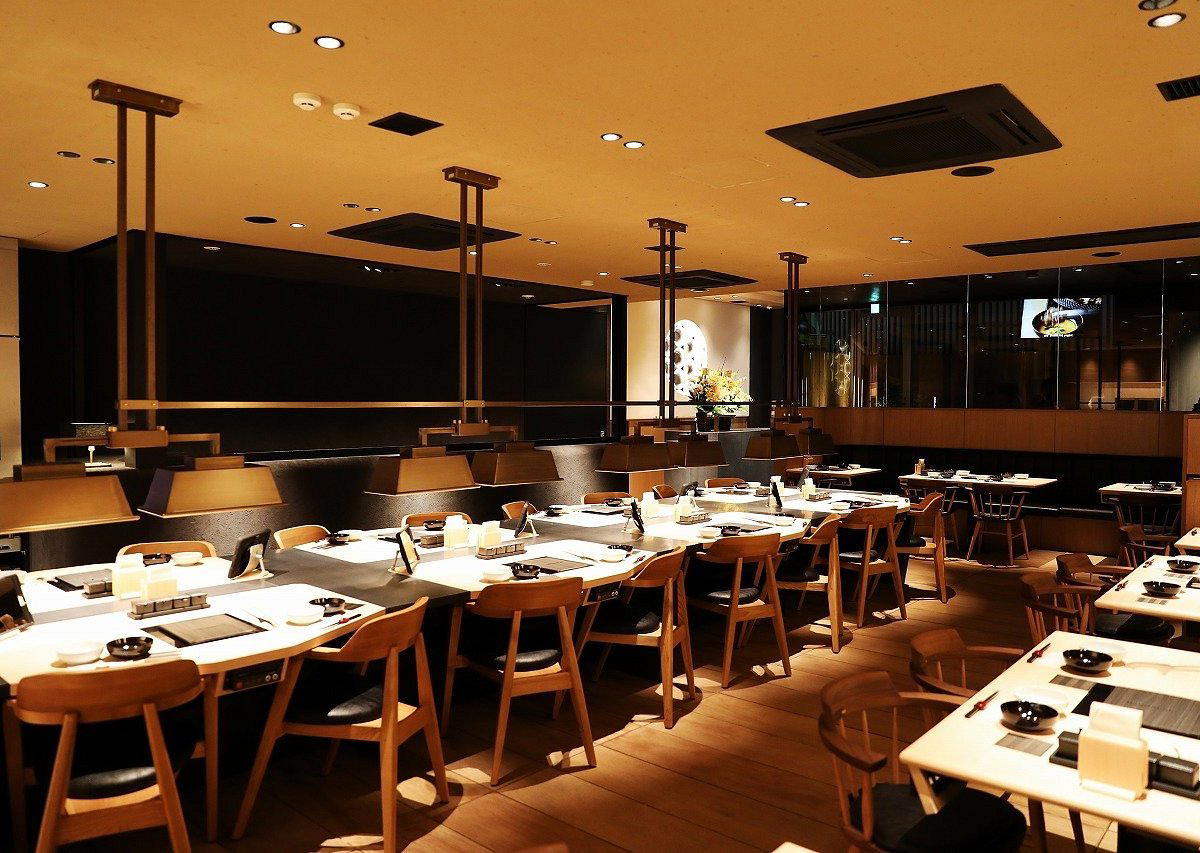
Lyon in a Kagurazaka Alley
The bouchon is one of France's most specific restaurant formats: a Lyon-rooted, working-class bistro tradition built around offal, pork, quenelles, and wine served in small ceramic pots. It has no real equivalent in the French fine-dining export that reached Tokyo's luxury hotels and Ginza towers over the past three decades. Where operations like Château Restaurant Joël Robuchon transplanted the grand tasting-menu format, and where newer addresses like L'Effervescence and Sézanne work at the contemporary-French upper tier, the bouchon format largely never made the crossing. LUGDUNUM Bouchon Lyonnais, occupying a narrow alley in Kagurazaka, is one of the few places in Tokyo where it did.
Kagurazaka is a logical home for this kind of transplant. The neighbourhood carries a French-inflected character that dates to the postwar period, when a significant French expatriate community settled among its cobbled lanes and traditional machiya townhouses. That history created a local appetite for French food that has little to do with luxury signalling, it is embedded in the fabric of the area, expressed in bakeries, fromageries, and bistros that treat French cooking as everyday rather than ceremonial. A Lyonnais bouchon fits the register precisely.
What Keeps Regulars Returning
The restaurants that accumulate genuine regulars in Tokyo's French tier tend to do so through a specific kind of consistency: food that does not chase trends, rooms that feel the same visit after visit, and a price point that allows frequency without occasion-dressing. LUGDUNUM operates in that mode. At ¥¥ pricing, it sits well below the ¥¥¥¥ bracket occupied by much of Tokyo's recognised French scene, including Florilège and ESqUISSE. That accessibility is not incidental, it is the structural reason regulars can return on a monthly rather than annual schedule.
The menu anchors itself to the dishes that define bouchon tradition, then adapts them carefully for the Tokyo context. The quenelle, that poached, feather-light dumpling of pike or veal that functions as Lyon's civic dish, arrives paired with buttered rice in the manner of a doria, a hybrid that respects the original without treating it as a museum piece. Homemade sausages appear in miniature hamburger form, a playful format that retains the charcuterie craft while acknowledging where the food is being eaten. These are not radical fusions; they are the small calibrations that allow a specific regional tradition to land somewhere new without losing its essential character.
A Google rating of 4.3 across 534 reviews, for a small alley restaurant with no significant marketing apparatus, points to a loyal audience rather than a tourist spike. Venues that accumulate that volume of reviews at that score tend to do so through repeat visits from a core clientele who feel ownership of the place, the kind of regulars who bring first-timers and explain the menu to them, who know which dishes are seasonal and which are permanent, who return not because the restaurant is an event but because it is simply theirs.
The Interior as Argument
The decision to recreate the interior of a Lyon bouchon faithfully rather than gesturing at French atmosphere through generic bistro furniture is an editorial statement about what this restaurant is for. In a city where French-inflected interiors often mean mid-century Parisian café tropes, a space that specifically references a Lyonnais bouchon, with its warm wood, checked tablecloths, and the particular density of a room designed for communal eating rather than spectacle, communicates a different intention. The room is not asking to be photographed. It is asking to be sat in, repeatedly, with wine.
The Michelin Plate recognition in 2025 confirms a consistent kitchen standard without placing the restaurant in the starred bracket where booking difficulty and price scale transform the experience entirely. For the regulars, this is likely the right outcome: enough validation to confirm the kitchen's seriousness, not so much that the tables become inaccessible.
The Bouchon Format in a Wider Context
Lyon's bouchon tradition has found few convincing expressions outside France. The format requires ingredients that are difficult to source at volume, a kitchen philosophy rooted in economy and technique rather than luxury product, and a room culture that runs counter to the celebratory French dining export. The handful of bouchons operating abroad tend to read as affectionate approximations rather than functional translations. What distinguishes the LUGDUNUM approach, at least on the evidence of its sustained audience and Michelin recognition, is that the adaptation is specific rather than generic. Chef Christophe Paucod's Lyonnais background gives the menu a particular reference point, this is food drawn from memory and region, not from a category idea of what French bistro cooking should look like in Asia.
For context on how French cooking is represented across Japan at different registers, the EP Club network covers HAJIME in Osaka, akordu in Nara, and international French benchmarks including Hotel de Ville Crissier and Les Amis in Singapore. Elsewhere in Japan, Gion Sasaki in Kyoto, Goh in Fukuoka, 1000 in Yokohama, and 6 in Okinawa represent the range of serious cooking outside Tokyo.
Planning Your Visit
LUGDUNUM sits at 4 Chome-3-7 Kagurazaka, Shinjuku City, a short walk from Kagurazaka Station on the Tōzai line or Iidabashi Station, which is served by four lines. The alley setting means the entrance requires a small amount of navigation; arriving in daylight for a first visit makes locating it easier. Given the loyal regular base and modest seat count typical of alley bouchons of this format, booking ahead is advisable, particularly for Friday and Saturday evenings. At ¥¥ pricing, the bill lands at a level where pre-dinner or post-dinner exploration of Kagurazaka's wine bars and cafés is financially practical within the same evening.
For broader planning across Tokyo's dining, drinking, and accommodation options, EP Club maintains full guides: our full Tokyo restaurants guide, our full Tokyo hotels guide, our full Tokyo bars guide, our full Tokyo wineries guide, and our full Tokyo experiences guide.
Awards and Standing
Comparable venues nearby, for context on price, style, and recognition.
| Venue | Cuisine | Price | Awards | Notes |
|---|---|---|---|---|
| LUGDUNUM Bouchon LyonnaisThis venue — the venue you are viewing | Lyonnais Bouchon | $$$ | Michelin Plate | |
| DAN | Casual Modern French | $$$ | Michelin Plate | Setagaya |
| Plaiga TOKYO | Modern French with Japanese Seasonal Ingredients | $$$$ | Michelin Plate | Chiyoda |
| COMME À LA MAISON | Southwestern French Bistro | $$$$ | Michelin Plate | Minato |
| UNE IMMERSION | Modern French | $$$ | Michelin Plate | Shibuya |
| La façon Koga | French-Japanese Fusion Fine Dining | $$$ | Michelin Plate | Shibuya |




At a Glance
- Cozy
- Classic
- Intimate
- Elegant
- Date Night
- Business Dinner
- Special Occasion
- Historic Building
- Extensive Wine List
- Sake Program
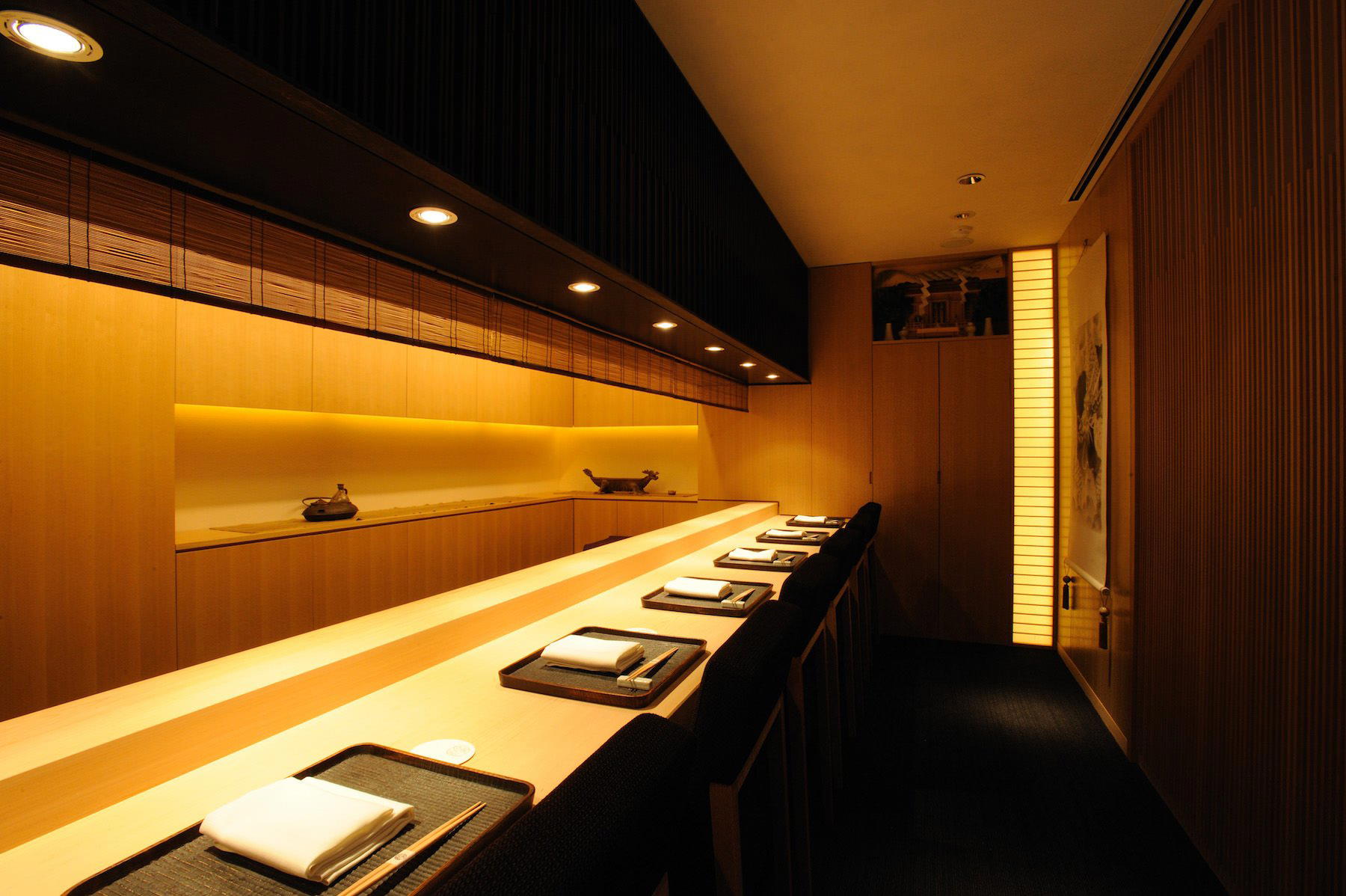
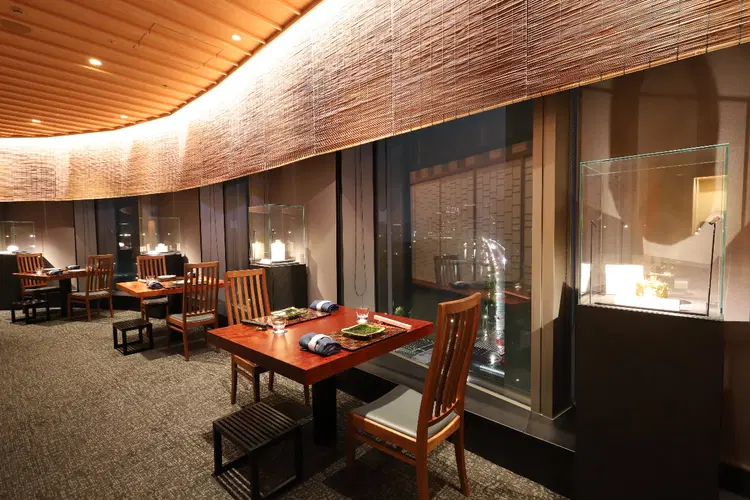
Warm and convivial bistro atmosphere with antiques from Lyon, Art Deco lighting, oak tables, and walls decorated with Lyon landscapes, evoking a faithful French bouchon experience.