

Michelin Plate
Our verdict
A Michelin Plate-recognised French bistro in Ginza's 3-chome, IBAIA takes a direct approach to meat cookery: thick cuts of beef, pork, lamb, and duck prepared over flame, with French technique applied to forms familiar to Japanese diners. The beef tenderloin cutlet with parsley and garlic breadcrumb crust is the kitchen's calling card. Pair it with a bottle from the wine list and settle in.

Pearl is the En Primeur Club membership app, where members save venues, book tables and use the concierge.
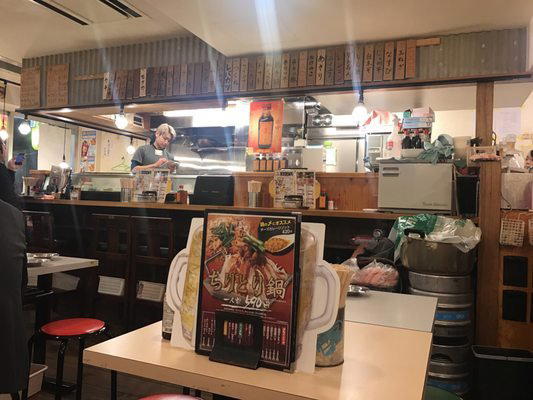
Flame, Technique, and the Bistro Format in Ginza
Ginza is where Tokyo's French dining conversation has been loudest for decades, from white-tablecloth institutions to the newer generation of technically rigorous small rooms. The address range runs from three-Michelin-star destination dining at L'Effervescence and Sézanne to more accessible formats that apply French craft to specific, focused cooking propositions. IBAIA sits firmly in the latter category: a bistro-format room in Chuo City's Ginza 3-chome, working at a mid-range price point and earning a Michelin Plate in the 2025 guide. That recognition, short of a star but inside the Michelin frame, signals a kitchen with consistent technique and clear intent.
The bistro format has its own logic in Tokyo's French scene. Where tasting-menu houses like ESqUISSE or Florilège build elaborate multi-course narratives, the bistro proposition is simpler and, in some ways, more demanding: a small number of dishes, each one carrying the full weight of the kitchen's credibility. There is nowhere to hide when the menu is built around slabs of meat cooked over flame. IBAIA's Michelin Plate suggests the kitchen clears that bar consistently.
Meat, Fire, and the Ethics of Full-Use Cooking
The culinary argument at IBAIA centres on protein cooked with purpose. Beef, pork, lamb, and duck arrive as thick cuts, not processed or deconstructed, but as recognisable, substantial pieces of animal given careful heat. This is a cooking approach with direct environmental implications: working whole or large-format cuts, rather than precision-trimmed portions, reflects a broader shift in how thoughtful kitchens handle yield and waste.
French flame technique applied to meat in this way draws on a long tradition of using fire to do the work that sauces once did in classical cuisine, developing crust, rendering fat, concentrating flavour through Maillard reaction rather than through reduction-heavy prep. When the sourcing is coherent and the cuts are used fully, there is a sustainability argument embedded in the cooking philosophy, even if the kitchen does not advertise it as such. The appetite for whole-animal and large-format meat cookery has grown across European and Japan-based French kitchens alike, partly as a response to the wastefulness of the precision-portioned era.
The kitchen's signature preparation, a beef tenderloin cutlet with parsley and garlic worked into the breadcrumb crust, illustrates how the menu bridges registers. The cutlet is a form well understood by Japanese diners, a Western-style breaded cut has deep roots in Japanese Western-style cooking (yoshoku), but the preparation shifts its orientation through explicitly French herb treatment. Parsley and garlic in the crust aligns it with the Southern French tradition of persillé preparations, the same logic applied to rack of lamb. That cross-referencing of familiar form and French technique is the clearest statement of what IBAIA is doing in its kitchen.
Where IBAIA Sits in Tokyo's French Hierarchy
Tokyo's French dining tier is wide. At the leading, starred rooms compete with their Parisian counterparts for the same internationally mobile dining audience. Château Restaurant Joël Robuchon represents the formal, legacy-French end of that spectrum. Below the starred tier, the Michelin Plate category encompasses a larger, more varied set of kitchens: those with clear technique and honest proposition, priced for a local repeat-visit audience rather than a special-occasion or destination market.
At ¥¥ pricing, IBAIA is significantly more accessible than the comparison set of starred French rooms. Den, operating at ¥¥¥ with two Michelin stars, and the three-star houses at ¥¥¥¥ occupy a different commercial position entirely. The bistro tier IBAIA occupies is the one that sustains regular neighbourhood use, a Tuesday dinner with a bottle of wine and a thick-cut lamb, rather than a booked-months-ahead occasion.
For context across Japan's broader French dining scene, the approach at IBAIA can be read alongside how regional French kitchens operate: HAJIME in Osaka and akordu in Nara each frame French or European technique within Japanese regional identity, while Gion Sasaki in Kyoto and Goh in Fukuoka show how the application of French craft takes different forms across the country. Further afield, Hotel de Ville Crissier in Switzerland and Les Amis in Singapore represent the range of institutional French cooking in a global context. IBAIA's proposition is narrower and more specific than any of those, and that focus is part of what Michelin appears to be recognising.
The Wine Dimension
A meat-forward bistro without a considered wine list would be a contradiction. The wine component at IBAIA is framed as central to the experience: the pairing of thick-cut meat and an open bottle is positioned as the fundamental pleasure of the place, not an afterthought. In Tokyo's French bistro tier, the wine list is often where the kitchen's reference points become clearest, whether the room is pulling from natural wine producers, conventional French regions, or a mix of old and new world.
Planning Your Visit
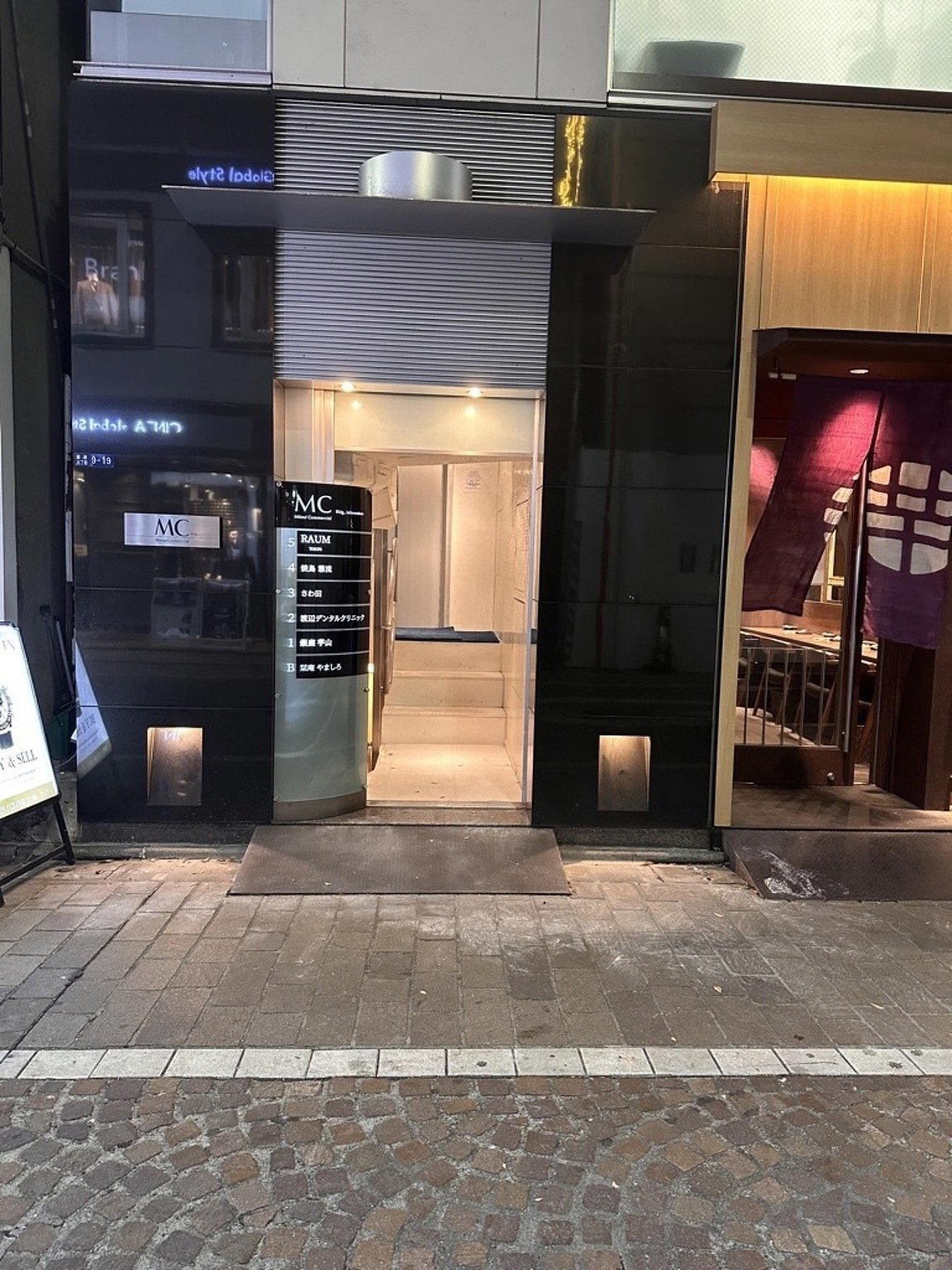
IBAIA is located at 3 Chome-12-5 Kowa Building, Ginza, Chuo City, Tokyo. The Ginza address places it within walking distance of Ginza Station, accessible on the Ginza, Hibiya, and Marunouchi lines. Budget: ¥¥, placing it in the accessible mid-range relative to Tokyo's French dining set. Recognition: Michelin Plate, 2025 guide. (Our full Tokyo experiences guide).
Those extending beyond Tokyo should also consult 1000 in Yokohama and 6 in Okinawa for the broader Japanese dining context.
Frequently asked questions
What should I expect cuisine-wise at IBAIA?
IBAIA is a French restaurant.
What do regulars order at IBAIA?
The beef tenderloin cutlet draws the most attention: a thick slab finished with parsley and garlic in the style of French breadcrumb-crusted lamb. Beyond beef, the kitchen runs the same flame approach across pork, lamb, and duck, all served as full, undeconstructed cuts rather than composed portions.
Is IBAIA more mid-range or high-end?
Pricing at IBAIA is listed as ¥¥.
Where do I go for IBAIA?
IBAIA is located at Japan, 〒104-0061 Tokyo, Chuo City, Ginza, 3 Chome−12−5 宏和ビル, Tokyo.
What makes IBAIA worth seeking out?
IBAIA holds a 2025 Michelin Plate at the mid-price tier (¥¥), which is a meaningful credential for a meat-focused bistro in a Ginza block dominated by higher-spend rooms. The cooking argument is clear: French flame technique applied to beef, pork, lamb, and duck as hearty cuts, paired with wine as a structural part of the meal, not an afterthought.
Side-by-Side Snapshot
| Venue | Cuisine | Price | Awards | Notes |
|---|---|---|---|---|
| IBAIAThis venue (the venue you are viewing) | French Meat Bistro | $100–150 | Michelin Plate | Not listed |
| Harutaka | Edo-Style Omakase Sushi | $200–300 | 3 Michelin Stars · World's 50 Best #76 | Sushi |
| RyuGin | Modern Kaiseki | $500+ | 3 Michelin Stars · World's 50 Best #41 | Kaiseki, Japanese |
| L'Effervescence | Modern French with Japanese Influences | $200–300 | 3 Michelin Stars · World's 50 Best #69 | French |
| HOMMAGE | Modern French with Japanese Influences | $150–200 | 2 Michelin Stars · World's 50 Best #78 | Innovtive French, French |
| MAZ | Innovative Peruvian-Japanese Fusion | $150–200 | 2 Michelin Stars · World's 50 Best #28 | Innovative |
Recognition history
Dated appearances from independent guides and award organizations, with the underlying list record or original source where available.
Michelin Plate
Michelin
Opinionated About Dining Casual in Japan Ranked #134
Opinionated About Dining
Full recognition history (4 entries)
Michelin Plate
Michelin
Michelin Plate
Michelin
Continue exploring
More in Tokyo
Restaurants in Tokyo
All restaurants in Tokyo →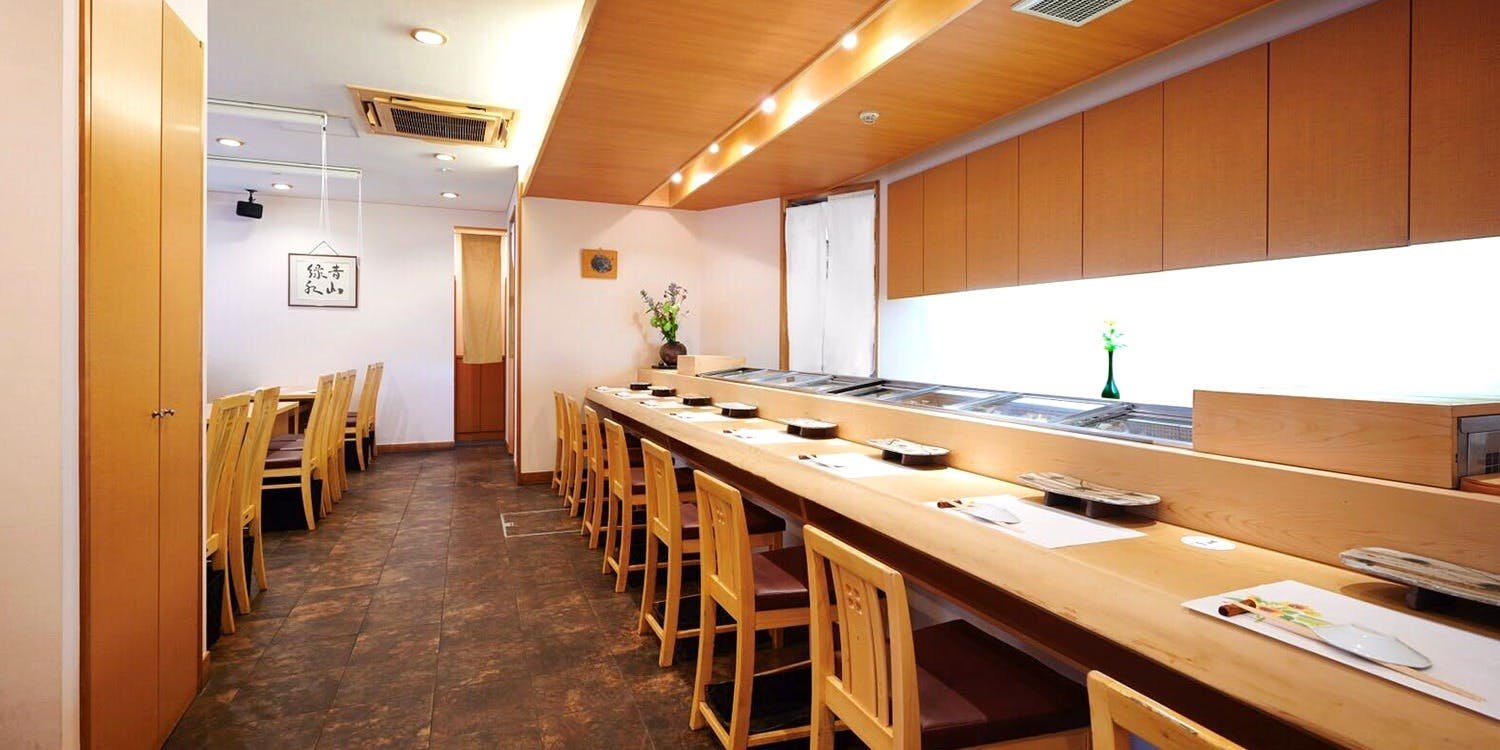
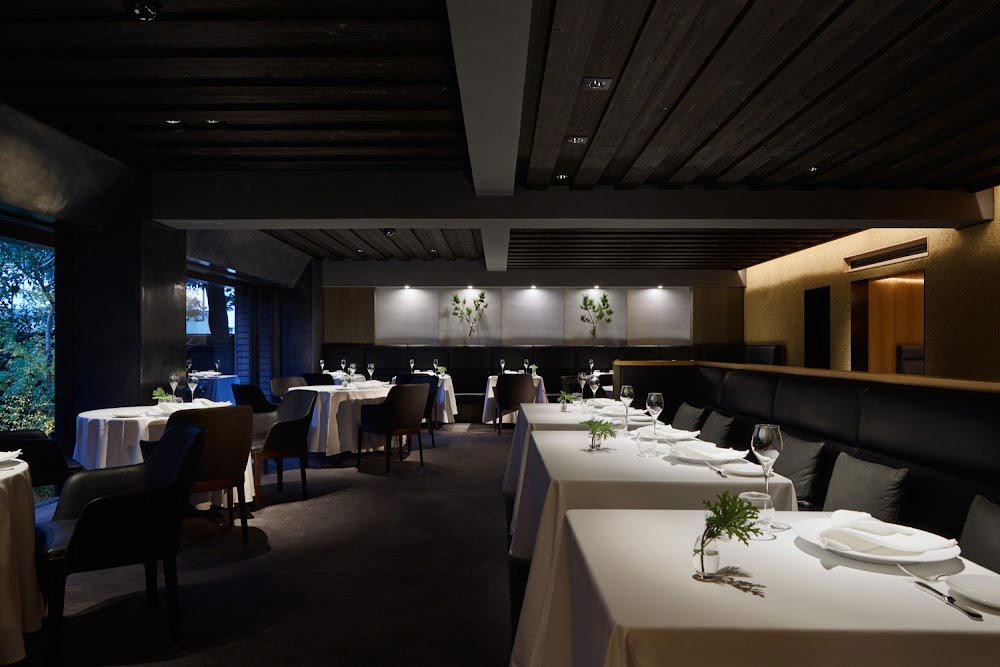

Bars in Tokyo
All bars in Tokyo →


Details
- Intimate
- Elegant
- Cozy
- Sophisticated
- Date Night
- Special Occasion
- Open Kitchen
- Extensive Wine List
- Local Sourcing
- A La Carte
- Wine
Current opening hours
- Monday
- Closed
- Tuesday
- 5–10 PM
- Wednesday
- 5–10 PM
- Thursday
- 5–10 PM
- Friday
- 5–10 PM
- Saturday
- 5–9 PM
- Sunday
- 5–9 PM
Hours can change for holidays and private events. Hours as of .
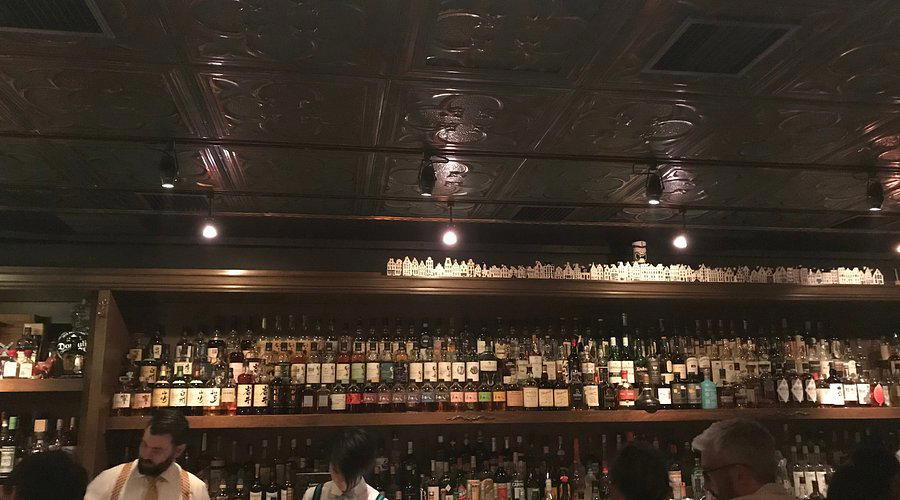
Intimate dining room with warm flattering lighting, gentle hum of conversation, and crackle from the grill.