Quanjude on Qianmen Street is Beijing's most historically established Peking duck address, operating on a site tied to imperial-era roasting traditions. The vast, multi-floor dining rooms draw both domestic visitors and international tourists to one of the capital's most recognisable culinary institutions. Service scales accordingly, and the experience differs considerably between a weekday lunch and a full evening sitting.
Pearl is the En Primeur Club membership app — saves, bookings, and concierge access live there. Same editors, same standards.
- Address
- 30 Qianmen St, Dongcheng, Beijing, China, 100051
- Phone
- +861065112418
- Directions
- Get directions
 Saves & bookings on Pearl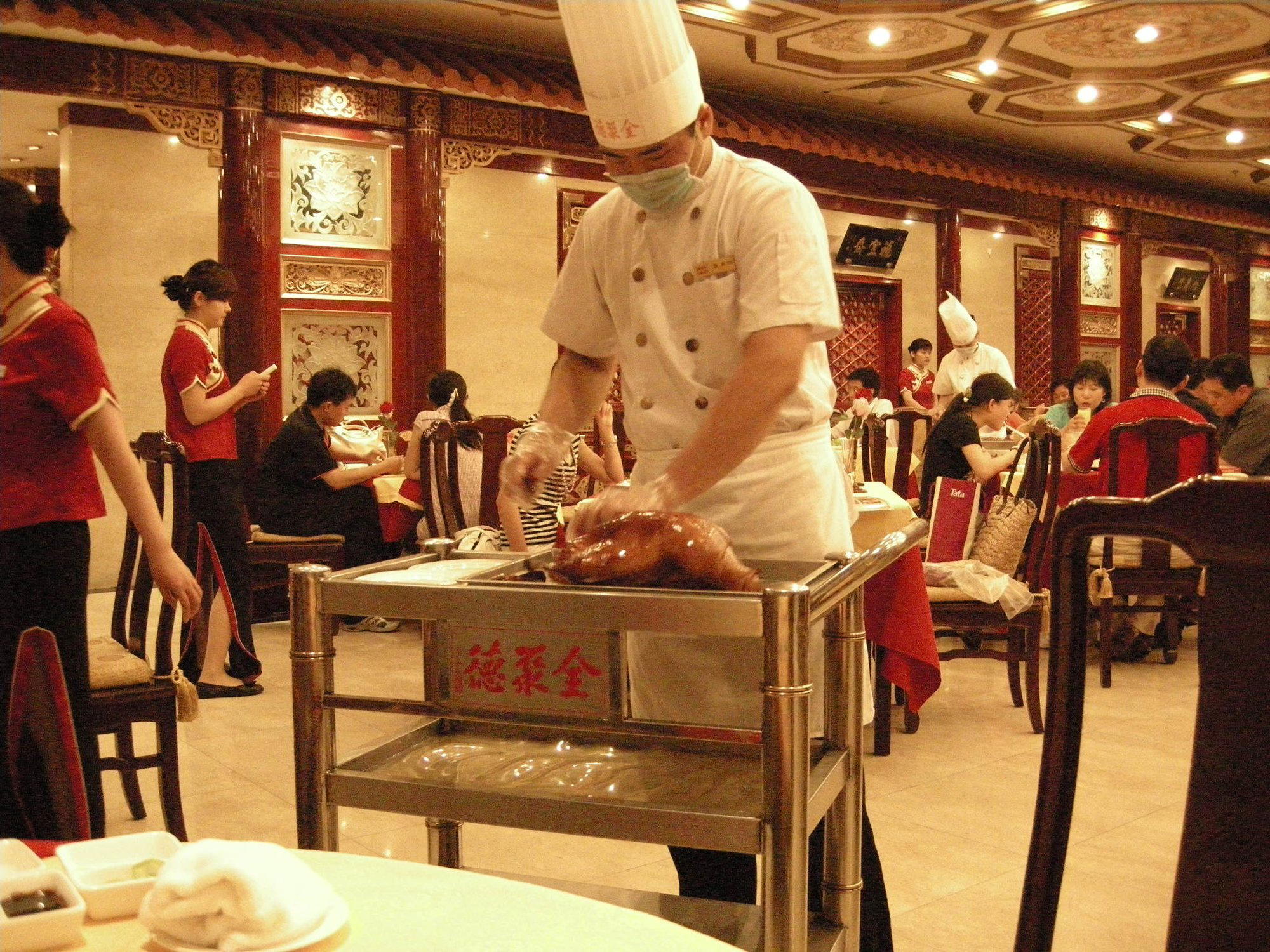
Roast Duck and the Weight of Ceremony
Beijing's relationship with roast duck is long enough to predate the restaurants that now define it. The hanging-oven technique, in which whole ducks are suspended over fruitwood fires in enclosed ceramic ovens, became associated with imperial dining during the Qing dynasty and spread into the civilian dining culture of Qianmen, the commercial district immediately south of Tiananmen, during the nineteenth century. Quanjude, located at 30 Qianmen Street in Dongcheng, sits at the centre of that history, a restaurant whose name has become almost synonymous with the dish in Chinese public consciousness. That kind of institutional weight is a useful lens through which to read the experience: you are not coming for a quiet counter meal or a chef-driven tasting format. You are entering one of China's most documented dining rituals, staged at serious scale. Quanjude is a traditional Peking roast duck restaurant in Beijing, set at a smart-casual, reservation-recommended address.
The Qianmen Setting and What It Signals
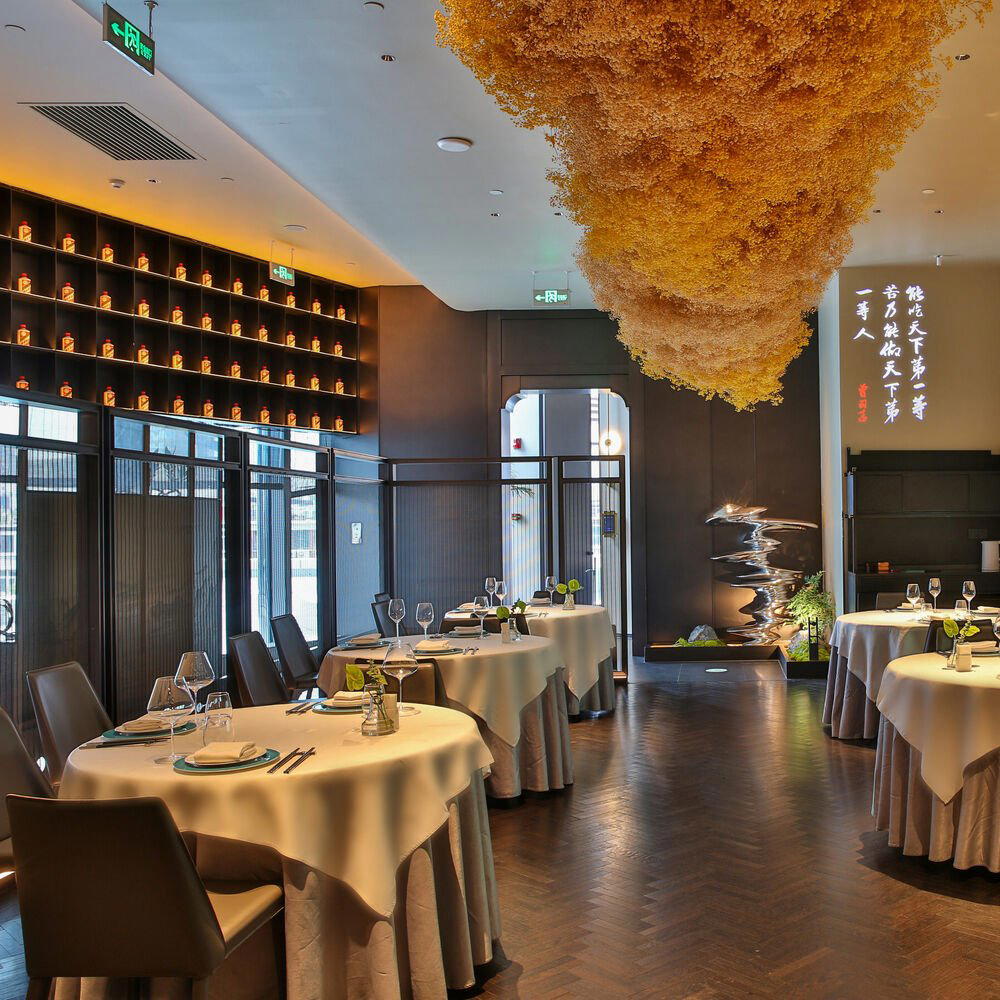
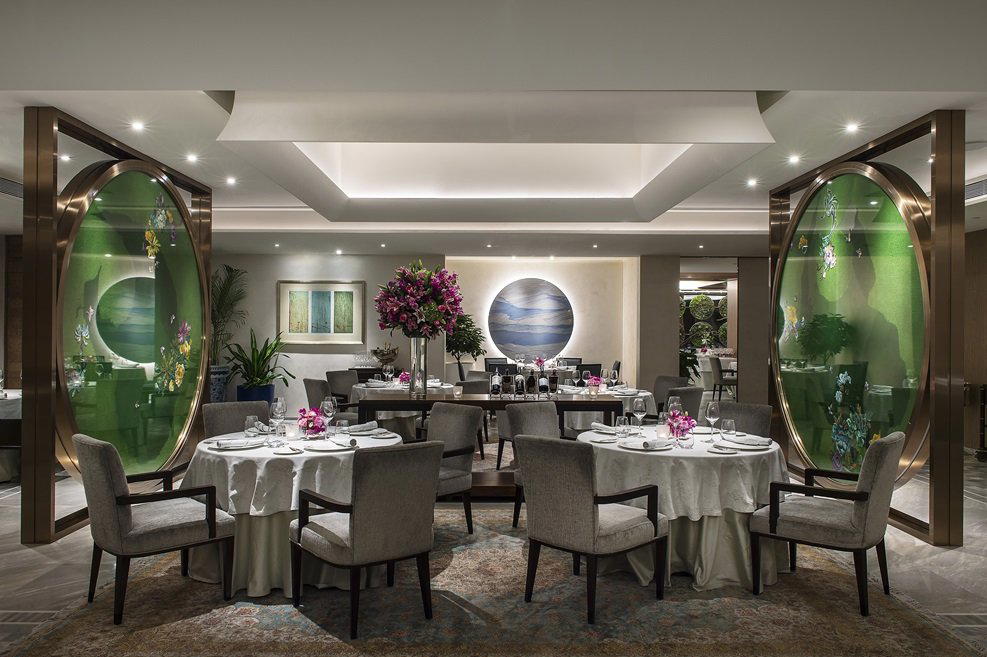
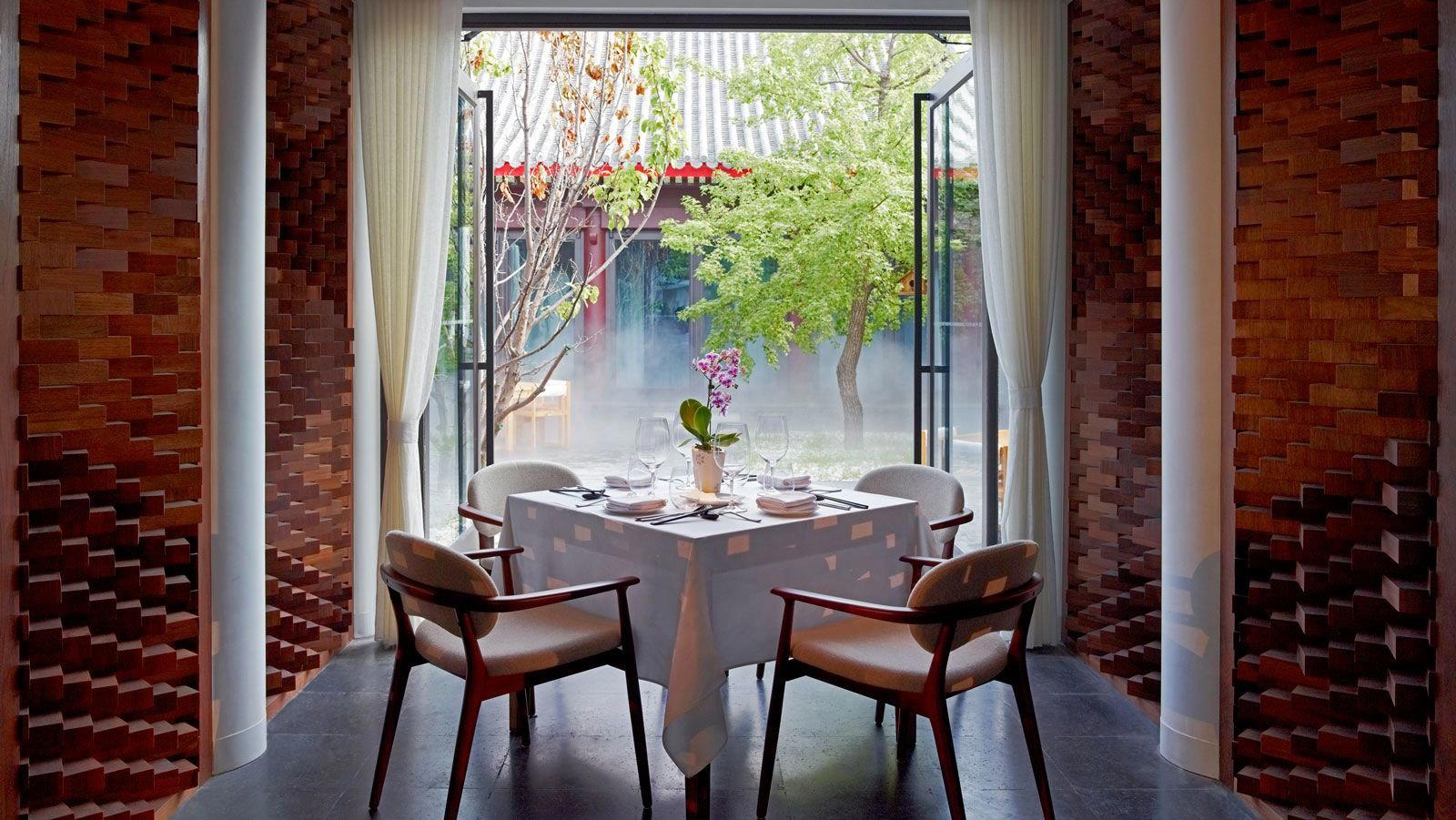
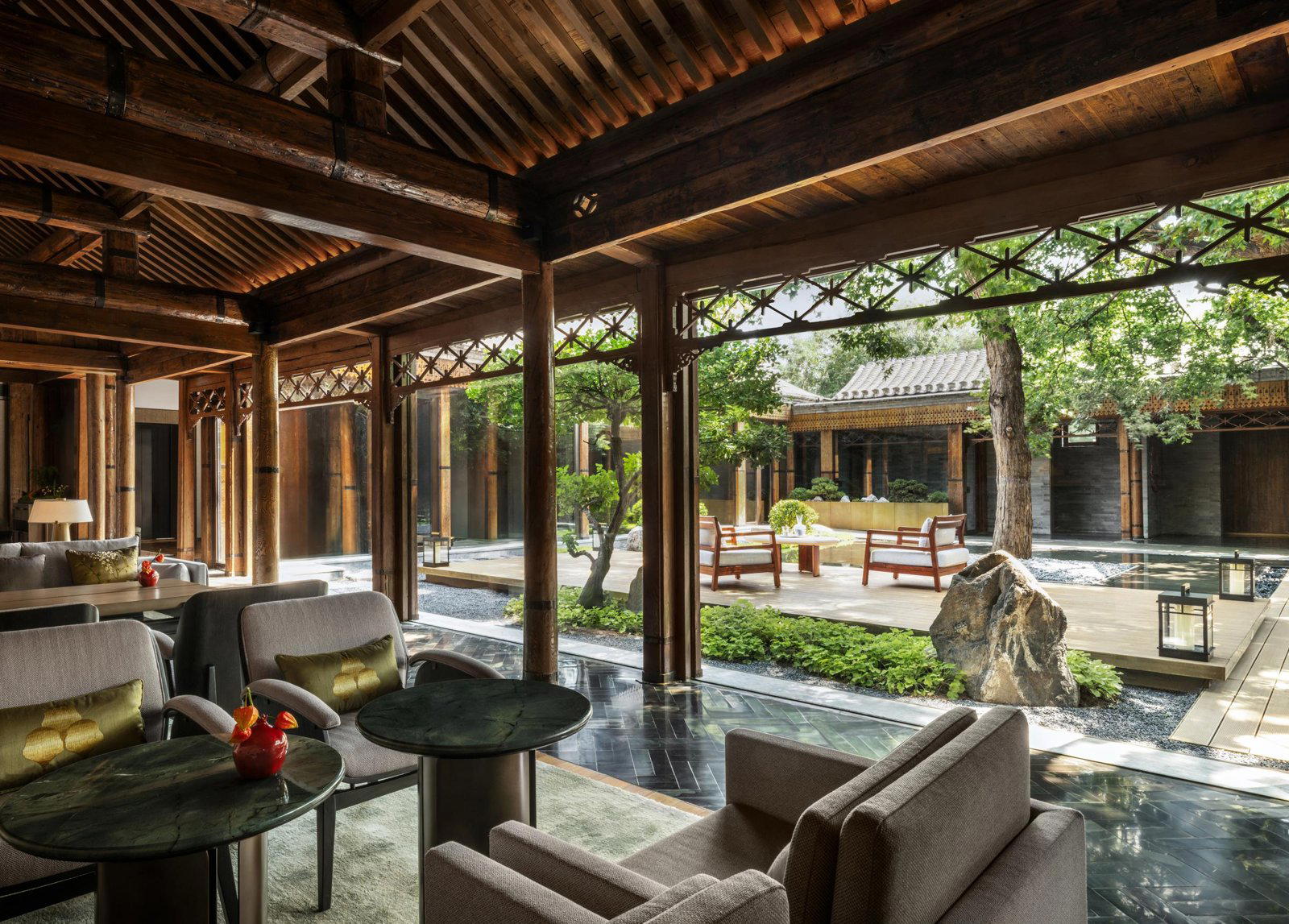
Qianmen Street has undergone sustained renovation over the past two decades, shifting from a dense hutong commercial corridor into a pedestrianised tourist thoroughfare with reconstructed Qing-era facades. The area now draws high foot traffic from domestic tour groups, international visitors, and school excursions moving between Tiananmen Square and the Temple of Heaven. Quanjude's position here places it firmly in that tourism infrastructure. The building is large enough to seat hundreds across multiple floors, and the dining rooms reflect a formal Chinese banquet aesthetic: round tables, lazy susans, and the kind of spatial arrangement designed for group dining rather than intimate two-leading conversations. For those visiting Beijing for the first time and seeking a single address at which roast duck can be experienced in a setting that carries historical reference, the location logic is direct. Visitors looking for a quieter, more contemporary Beijing dining experience might instead consider Jingji, which focuses on traditional Beijing cuisine in a more restrained format, or King's Joy for a considered vegetarian alternative in a historic courtyard setting.
Lunch Versus Dinner: Where the Divide Actually Matters
At Quanjude, the gap between a midday and an evening visit is more pronounced than at most Beijing restaurants, and it affects mood, pacing, and practical decision-making. Lunch service tends to draw a different composition of guests: tour groups completing morning sightseeing circuits, local families with elderly relatives for whom Quanjude carries personal nostalgia, and visitors who have factored in the Qianmen area as a geographic stop rather than a standalone dining destination. The atmosphere is busy, efficient, and unsentimental. Tables turn, waitstaff move with purpose, and the experience has the energy of a high-volume institution operating at capacity.
Evening service shifts toward larger banquet bookings, multi-course group dinners, and occasional business entertaining, categories of dining in which Beijing's formal Chinese restaurant tier has long specialised. The lighting is dimmer, the noise floor slightly lower, and the overall pacing more deliberate. Crucially, the duck itself is the same at both services; the surrounding context is what changes. Lunch is the more practical choice for solo travellers and couples: shorter waits, less pressure around table minimums, and a faster exit back into the Qianmen neighbourhood. The dinner format rewards groups of four or more who want to work through a fuller progression of dishes alongside the duck.
For context, Beijing's broader fine-dining tier sits considerably above Quanjude on price. Xin Rong Ji on Xinyuan South Road operates at the ¥¥¥¥ tier and draws from Taizhou culinary traditions with a precision-oriented kitchen. Chao Shang Chao in Chaoyang represents a similar price tier with Chaozhou cooking at its centre. Quanjude occupies a different position entirely: the institution rather than the innovator, with pricing that reflects its scale and accessibility rather than scarcity or chef-driven prestige.
The Duck and the Ritual Around It
The hanging-oven Peking duck served here follows the format that has defined the dish for Chinese diners since at least the late Qing period. The carving is performed tableside, with the duck divided into portions that allow guests to assemble their own wraps using thin pancakes, scallion, cucumber, and fermented sweet bean sauce. This assembly ritual is as much a part of the dining experience as the duck itself, it is participatory, sociable, and deliberately slow in a meal that otherwise moves at pace. The skin-to-flesh ratio and the quality of the pancake delivery are the two technical benchmarks by which regulars evaluate any Beijing roast duck address, and Quanjude has maintained its method over many decades. Comparable formats at restaurant addresses across mainland China, from Imperial Treasure Fine Chinese Cuisine in Guangzhou to Shang Palace in Yangzhou, interpret classic Chinese roasting and banquet traditions through a more refined, smaller-capacity lens. Quanjude operates in a different register: high volume, consistent method, and historical continuity as the primary credential.
Beijing in Broader Context
Beijing's dining culture has diversified considerably over the past decade, with the rise of small-format specialist restaurants, Michelin recognition for several addresses, and a growing cohort of chef-driven venues across Sanlitun, Dongcheng, and the hutong neighbourhoods north of the drum tower. Lamdre represents the vegetarian end of that premium tier. For those exploring wider Chinese fine dining beyond the capital, EP Club covers addresses across the country: 102 House in Shanghai, Xin Rong Ji in Chengdu, Ru Yuan in Hangzhou, and Chef Tam's Seasons in Macau each anchor a distinct regional tradition. For further reference points in the south and east, Dai Yuet Heen in Nanjing, Dingshan·Jiangyan in Suzhou, Fleurs Et Festin in Xiamen, and Jiangnan Wok·Rong in Fuzhou round out a picture of how Chinese regional cooking is being interpreted at the premium level. Globally, the gap between a large-format institution like Quanjude and a precision-driven tasting counter is illustrated by venues like Le Bernardin in New York City or Atomix, where low seat counts and chef authorship define the entire proposition.
Planning Your Visit
The Qianmen Street address is within walking distance of Tiananmen Square and the northern edge of Dazhalan. The Qianmen subway station on Line 2 is one direct approach. Advance reservations are advisable for groups of six or more and for weekend dinner service. A midday weekday visit carries the lowest friction for a first visit.
Cuisine Lens
Comparable venues nearby, for context on price, style, and recognition.
| Venue | Cuisine | Price | Notes |
|---|---|---|---|
| QUANJUDEThis venue — the venue you are viewing | Traditional Peking Roast Duck | $$$ | Not listed |
| Tongheju | Authentic Shandong Cuisine | $$ | Yuetan |
| Courtyard | Imperial Chinese | $$$ | Donghuamen |
| Beijing Kitchen | Modern Chinese | $$$ | Balizhuang |
| Siji Minfu Beijing | Traditional Peking Duck | $$ | Dongcheng |
| Shanghai | Beijing Cuisine | $$ | Gongrentiyuchang |
At a Glance
- Classic
- Well Known
- Elegant
- Celebration
- Special Occasion
- Group Dining
- Historic Building
- Private Dining
Current opening hours
- Monday
- 11 AM–10 PM
- Tuesday
- 11 AM–10 PM
- Wednesday
- 11 AM–10 PM
- Thursday
- 11 AM–10 PM
- Friday
- 11 AM–10 PM
- Saturday
- 11 AM–10 PM
- Sunday
- 11 AM–10 PM
Hours can change for holidays and private events. Last verified .
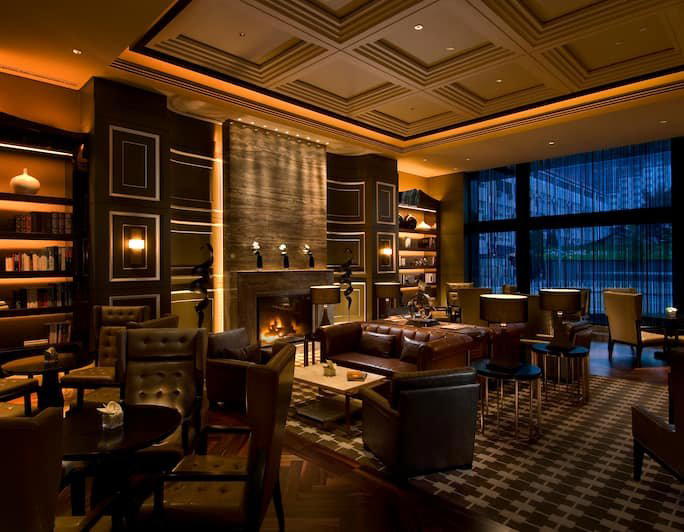
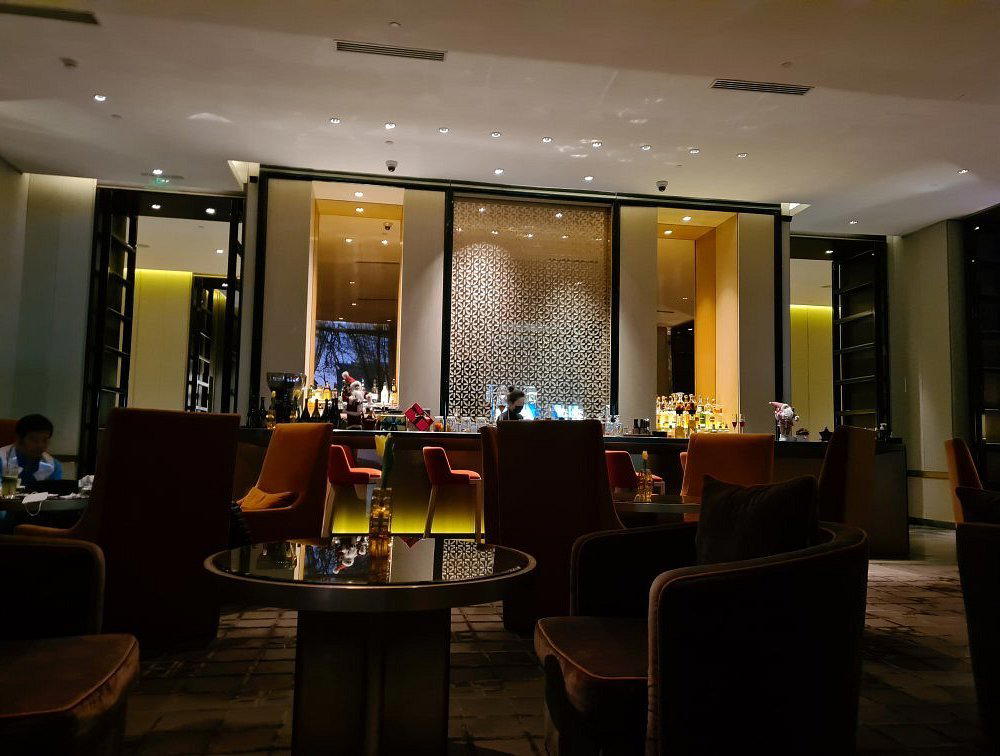
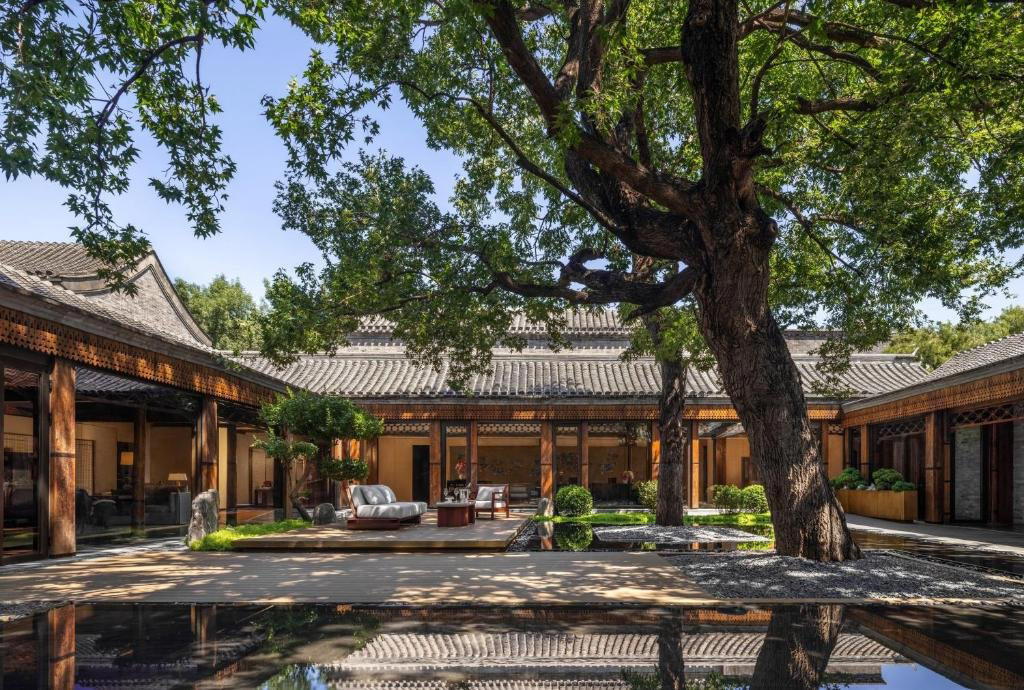
Traditional atmosphere blending historical elegance with lively chatter in a bustling, multi-story setting.