
Hatsuda places Kyoto yakiniku in a quieter Sakyo Ward register: a house-restaurant setting, counter seating, and recognition on Tabelog’s Yakiniku WEST 100 selection give it a different rhythm from central-city beef rooms. The useful lens is planning, not spectacle: reservations are available, the room is finite, and the JR Kyoto Isetan bento creates a separate daytime access point for travellers moving through the station.
Pearl is the En Primeur Club membership app — saves, bookings, and concierge access live there. Same editors, same standards.
- Address
- 17-3 Yamabanayanagatsubocho, Sakyo Ward, Kyoto, 606-8001, Japan
- Phone
- +81 75-722-8179
- Website
- tabelog.com
 Saves & bookings on Pearl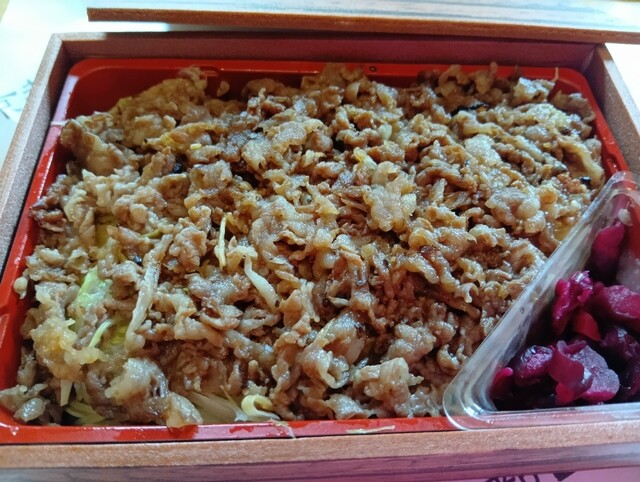
Approaching a Kyoto yakiniku dinner outside the central shopping corridors changes the tempo before the grill is lit. Sakyo Ward demands a more deliberate itinerary than Shijo or Gion: fewer accidental walk-ins, more diners who chose the city’s northern side. Hatsuda therefore reads less as a late-night beef stop than a planned Kyoto meal, where the house-restaurant setting and counter seating matter as much as the category label.
Kyoto’s dining reputation is often filtered through kaiseki, tea rooms, tofu, and temple-adjacent restraint, but its beef culture has its own hierarchy. Yakiniku here ranges from everyday grill rooms and station-area convenience to destination counters where sourcing, pacing, and smoke management shape the evening. Hatsuda belongs to that latter conversation by recognition rather than noise: selection for Tabelog’s Yakiniku WEST 100 in 2025 places it among a regional group judged within the Kansai and western Japan beef circuit, not merely against neighbourhood barbecue rooms.
Kyoto yakiniku with a reservation-first rhythm
The booking question is the useful way to understand this table. Reservations are available, important in a city where travellers often underestimate how quickly small-format dining rooms fill during cherry blossom weeks, autumn foliage, and long weekends. Yakiniku may seem casual beside counter sushi or kaiseki, but a recognised Kyoto beef room with limited seating behaves differently from a drop-in grill chain. Treat it as a fixed dinner plan, not a backup after sightseeing.
That planning mindset separates it from Kyoto’s lower-cost northern noodle circuit. Comparison venues such as Ramen Touhichi, GOKKEI Ichijouji honten, Jukou Gundan, and Chuka Soba Takayasu show the area’s everyday-dining pull, where queues and fast turnover define value. A yakiniku dinner at this level asks for another commitment: a longer table, shared ordering, and a bill shaped by beef selection and drinks rather than one bowl. The distinction is not formality for its own sake; it is the difference between eating efficiently and building an evening around the grill.
The 2025 Tabelog Yakiniku WEST 100 selection is the clearest public trust signal and helps decode the competitive set. Kyoto has restaurants that perform for visitors through architecture, ceremony, or river views; this category performs through meat quality, heat control, and the confidence to let diners participate. Counter seating in a house-restaurant setting brings that experience closer to the table, with less separation between cooking and conversation than a banquet-style yakiniku hall.
The bento side explains why locals know the name
Hatsuda’s identity is not confined to dinner. The Wagyu Bento sold at JR Kyoto Isetan creates a second channel within Kyoto’s highly developed department-store food culture. Depachika floors are serious dining infrastructure in Japan, serving commuters, gift buyers, hotel guests, and train travellers who want precision without a seated meal. A beef bento available from the department store’s opening until sell-out gives the restaurant a practical presence at Kyoto Station, separate from the main dining room in Sakyo Ward.
That dual format is instructive. Many premium restaurants extend their names through packaged goods, but bento culture in Kyoto is not a diluted souvenir category. It is demanding because rice, fat, seasoning, and texture must survive time in a box. For travellers, the station bento is not a substitute for the grill-room evening; it is a different use case. One belongs to a reserved dinner in the north of the city, the other to a Shinkansen departure or hotel-room meal after a heavy sightseeing day.
The drink frame is equally grounded: shochu and wine are listed, a pairing range that fits modern yakiniku’s split personality. Shochu keeps the meal close to Japanese grill traditions, while wine reflects how wagyu and marbled beef have entered broader luxury-dining habits. Kyoto’s stronger restaurants increasingly work across those expectations without turning the meal into a Western steakhouse performance.
How to place it in a Kyoto itinerary
The strongest case for Hatsuda is not that it replaces Kyoto’s ceremonial dining, but that it widens the city’s dinner map. Visitors who spend every night around Gion, Pontocho, or hotel-adjacent counters miss how much serious eating happens in quieter residential pockets and rail-linked neighbourhoods. Shugakuin has a different centre of gravity from downtown: it rewards diners willing to plan transport and keep dinner as the anchor rather than an afterthought.
It also works as a counterpoint to a Kyoto schedule heavy on temples and set-course meals. Kaiseki can demand concentration; ramen can be brisk; yakiniku lands between them, with shared pacing and enough structure to feel intentional. Those details are not footnotes; they define whether the room fits the evening.
For broader Kyoto planning, compare this stop with central and genre-shifting restaurants such as 3TOKU6MI Shijo karasuma ten, 551蓬莱, [ki:], Abbesses, and Aburi Mochi Honke Nemoto Kazariya. The wider city rails are useful too: Our full Kyoto restaurants guide, Our full Kyoto hotels guide, Our full Kyoto bars guide, Our full Kyoto wineries guide, and Our full Kyoto experiences guide. For beef, grill, and Japanese casual-dining comparisons beyond Kyoto, see -Grilled beef Sukiyaki- KAMAKURA TANUKIAN 鎌倉 たぬき庵 in Kamakura. 鮪と炭火焼き うお炭 秋葉原店 in Tokyo.cafe in Osaka.know in Kumamoto, (Shoku) Vietnam in Kawasaki, [Curry Senmon Ten] Maruyama Kyoju. in Sapporo, Jōdo Saké Bar in Los Angeles, and Onigiri Time in Pasadena.
The editorial read is clear: this is a Kyoto yakiniku reservation for travellers who want beef culture without defaulting to the downtown tourist circuit. Its recognition, bento reach, and residential setting make planning more deliberate, and that is the point. Put it on a night when dinner can carry the evening, not when the schedule is overloaded.
Style and Standing
Comparable venues by cuisine and category.
| Venue | Cuisine | Price | Notes |
|---|---|---|---|
| HatsudaThis venue — the venue you are viewing | Kyoto-style Yakiniku & Wagyu Bento | $$$ | Not listed |
| Pass The Baton | Japanese Shaved Ice Salon de Thé | $$$ | Gion |
| Uzura Ya Kyoto ・ shijo | Traditional Yakitori Counter | $$$ | Higashiyama |
| Shokudo Miyazaki | Refined Kyoto Omakase | $$$ | Kiyamachi |
| Sakaba Ikura Mokuzai | Japanese stand-up izakaya bar | $$$ | Kamigyō |
| Matsumoto | Japanese Soba and Sake Bar | $$$ | Nakagyō |
Recognition history
Dated appearances from independent guides and award organizations, with the underlying list record or original source where available.
Tabelog 100 #59 · No. 59
Tabelog · Tabelog 100 - Yakiniku - WEST - 2025
Continue exploring
More in Kyoto
Restaurants in Kyoto
Browse all →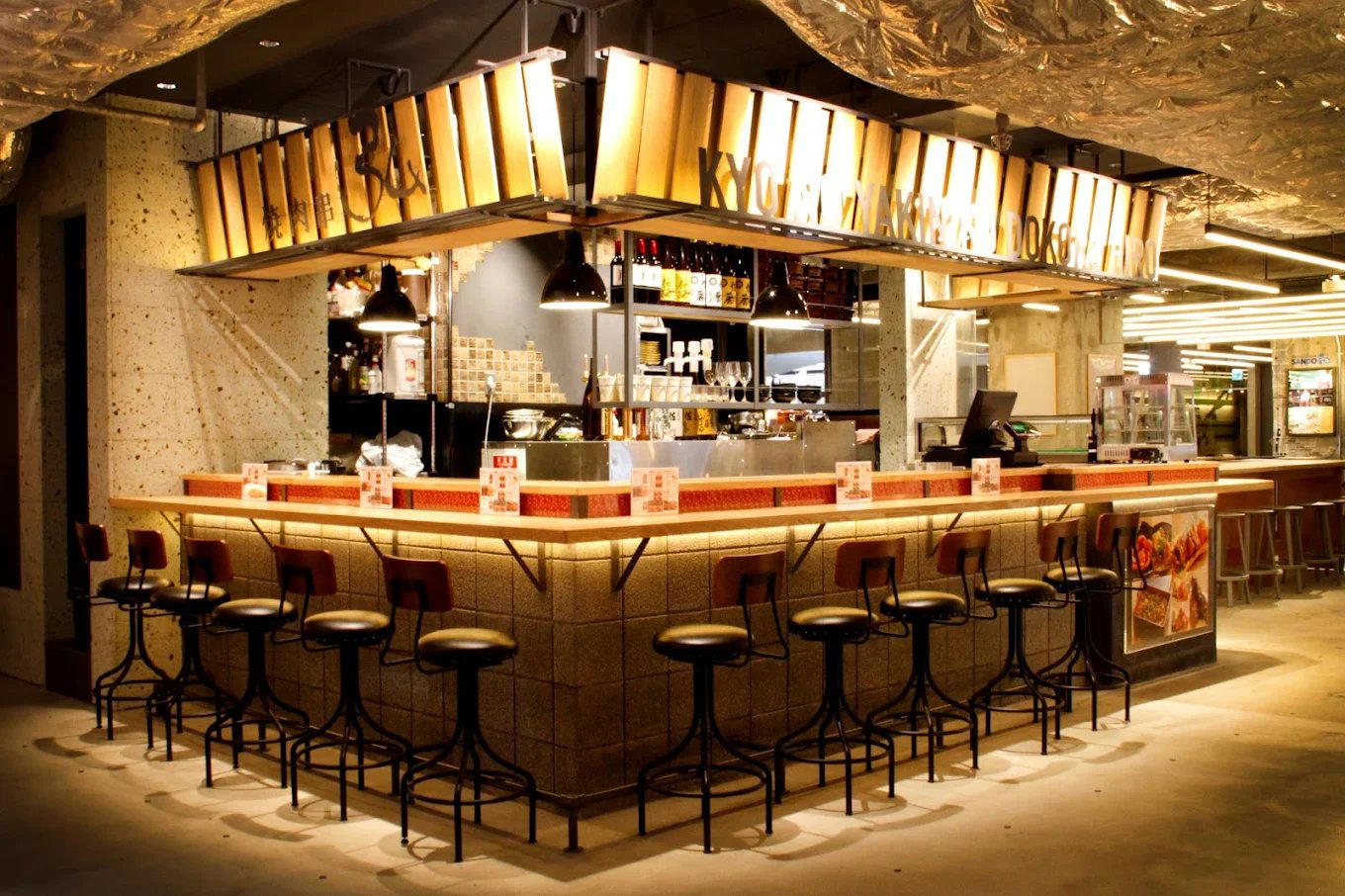
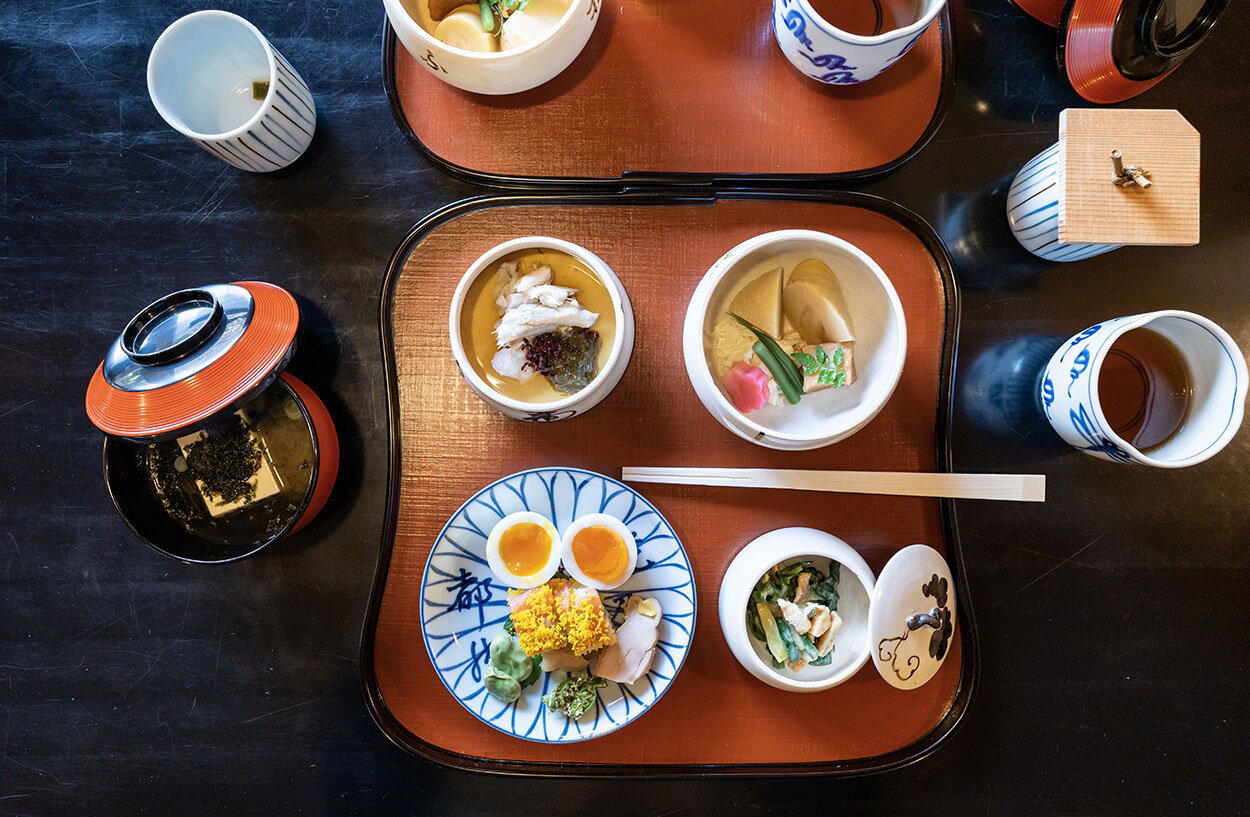
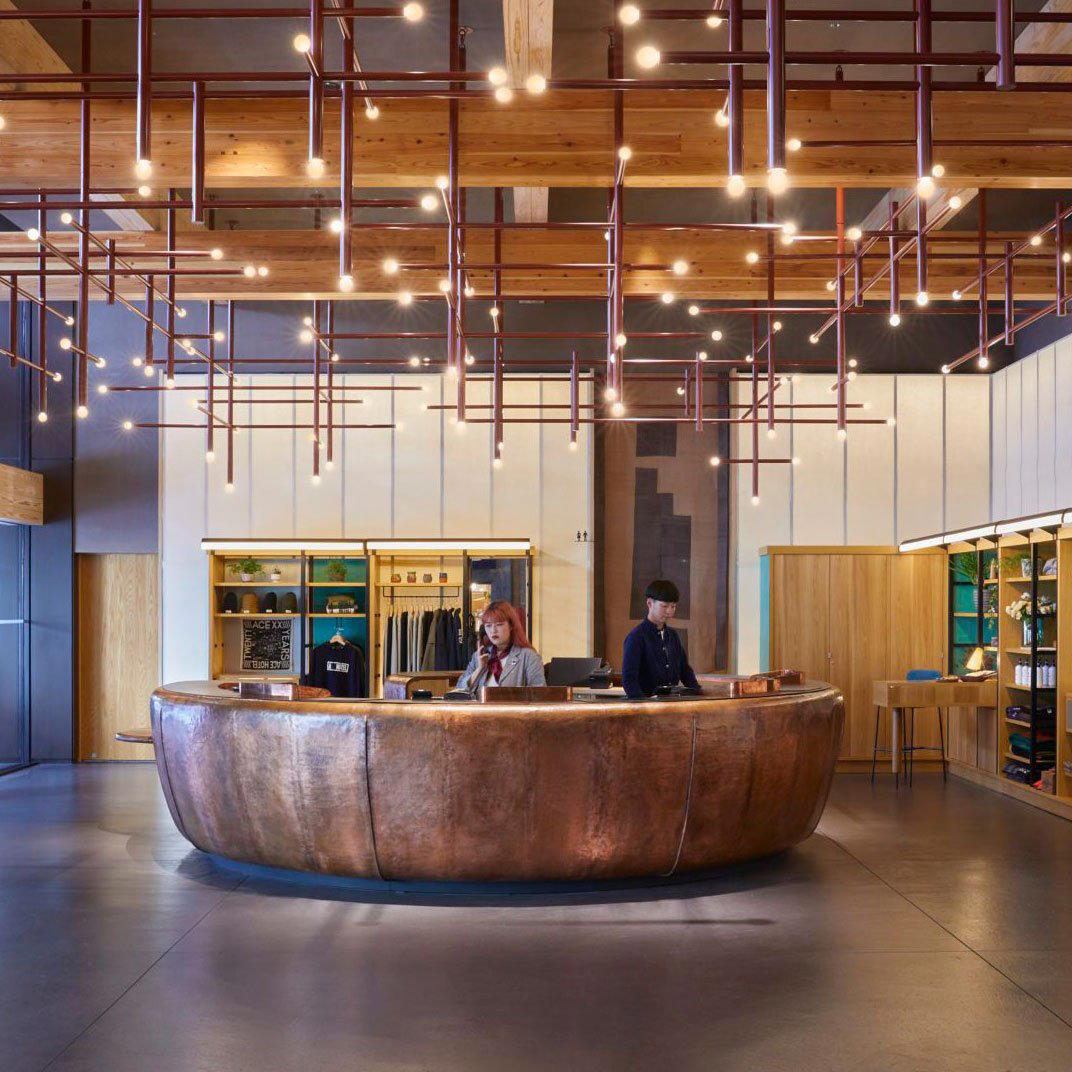
Bars in Kyoto
Browse all →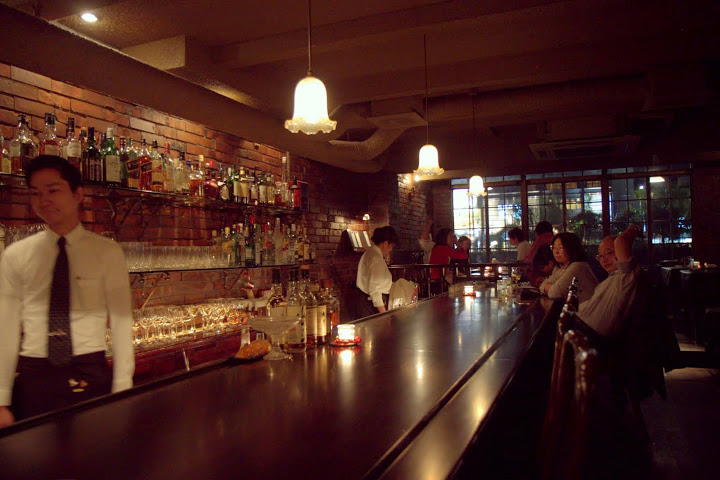
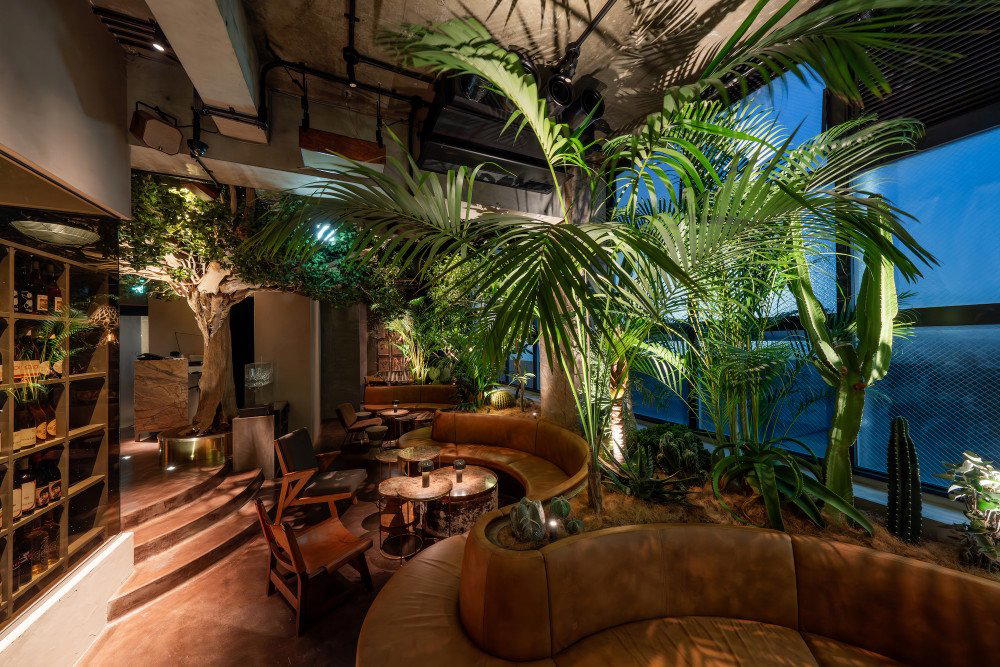
Hotels in Kyoto
Browse all →
Wineries in Kyoto
Browse all →
At a Glance
- Lively
- Cozy
- Classic
- Group Dining
- Family
- Casual Hangout
- After Work
- Celebration
- Standalone
Current opening hours
- Monday
- Closed
- Tuesday
- 5–10 PM
- Wednesday
- 5–10 PM
- Thursday
- 5–10 PM
- Friday
- 5–10 PM
- Saturday
- 5–10 PM
- Sunday
- 5–10 PM
Hours can change for holidays and private events. Last verified .