Our verdict
SAVOY Azabujuban sits in one of Tokyo's most residentially rooted neighbourhoods, where neighbourhood-scale dining rooms hold their own against the city's larger showcase restaurants. The address in Azabujuban's low-rise commercial strip places it within a dining quarter where Italian and French technique have long coexisted with Japanese precision. A considered stop for anyone tracing Tokyo's cross-cultural dining thread.

Pearl is the En Primeur Club membership app, where members save venues, book tables and use the concierge.
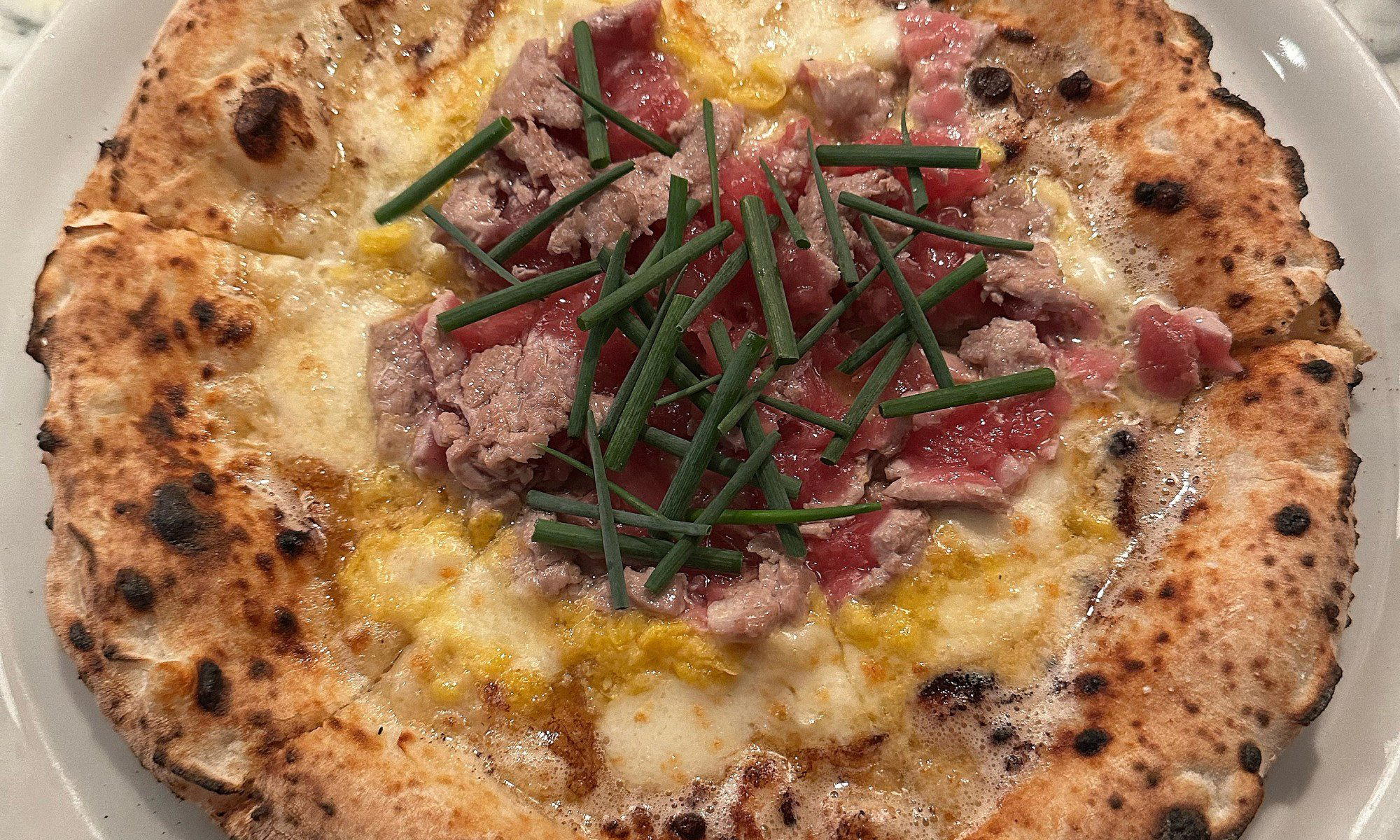
The menu
What to order
- Tuna pizza
- Margherita
- Kirishima pork salsiccia
Azabujuban and the Cross-Cultural Kitchen
Tokyo's neighbourhood dining scene has a calibration problem that most cities would envy. While the international press focuses on the Ginza omakase tier, counters like Harutaka operating at ¥¥¥¥ and booking windows measured in months, the city's most interesting culinary conversations often happen at a smaller scale, in residential pockets where chefs work with less ceremony and more latitude. Azabujuban is one of those pockets. The neighbourhood sits between Roppongi's international noise and Hiroo's diplomatic quiet, and its low-rise shotengai (shopping street) hosts a dining mix that skews local without abandoning ambition.
SAVOY Azabujuban operates inside this context, at an address on Azabujuban's 2-chome strip that places it within easy reach of both the neighbourhood's resident population and visitors staying in Minato's hotel corridor. The format here is not the ceremonial omakase progression, nor the grand-gesture French tasting menu found at places like L'Effervescence or Sézanne. It belongs to a more grounded register, the kind of room where the food does its work without the theatre around it.
Technique Travelling East: The Global-Local Intersection
The broader pattern that frames a place like SAVOY Azabujuban is one of the defining shifts in Japanese urban dining over the past two decades. Western culinary technique, Italian pizza-making, French sauce work, Spanish fermentation, arrived in Japan and encountered an ingredient culture built on obsessive seasonal sourcing, producer relationships, and textural precision. What resulted is not fusion in the diluted sense, but a layering: imported methods applied with Japanese discipline to Japanese products.
This is the same current that runs through Crony in Tokyo's innovative French tier, and through internationally recognised addresses like HAJIME in Osaka and Gion Sasaki in Kyoto, which each move through the intersection of foreign influence and local ingredient logic at their own price and ambition level. In this context, neighbourhood restaurants that apply similar principles at a more accessible scale are not lesser versions of a high-end model, they are a different expression of the same underlying shift.
Italy's pizza and pasta traditions, in particular, found unusually fertile ground in Japan. Tokyo now has a concentration of Italian restaurants, from Neapolitan pizza specialists to northern Italian pasta houses, that rivals what you find in Italian cities, and in many cases surpasses them in ingredient quality. Japanese flour milling, domestic dairy production, and the country's deep vegetable culture have given Italian technique new materials to work with. The results can sit at a remove from the original but are not diminished by it.
The Neighbourhood Geometry
Azabujuban's dining profile is worth understanding on its own terms. The neighbourhood became a foreign-resident hub during Tokyo's postwar internationalisation, and that demographic history left an unusually diverse restaurant stock. Italian, French, Korean, and Lebanese addresses coexist with traditional izakayas and specialist ramen shops in a way that feels less curated than organically accumulated. It is a neighbourhood where you eat well without planning a destination dinner.
The shotengai itself, the covered shopping street running through the 2-chome area, functions as a genuine local high street rather than a tourist circuit. Restaurants here build their trade on repeat custom, which tends to produce more honest cooking than venues dependent on single-visit impressions. This is the environment in which SAVOY Azabujuban has its address, on the ground floor of the Orient Azabu building at 2-20-12.
For comparison within the Tokyo dining map, the neighbourhood sits at a useful distance from the ultra-premium tier. Kaiseki at RyuGin or sushi at Harutaka represent a different commitment, in advance planning, price, and ceremonial weight. SAVOY Azabujuban serves a different function: the kind of reliable neighbourhood address that a city needs alongside its showcase rooms. The same logic applies to comparable venues elsewhere in Japan, from akordu in Nara to Goh in Fukuoka, each operating at the intersection of local context and imported technique, each earning their position through consistency rather than spectacle.
Tokyo's Italian restaurant tier has fragmented considerably over the past decade. At the leading, a handful of addresses, several with Michelin recognition, operate long tasting menus at prices that match the French fine-dining tier. Below that, a mid-range of trattorias and pizza specialists competes on ingredient sourcing and craft execution. SAVOY Azabujuban occupies space within this second tier, where the competitive currency is quality-to-accessibility ratio rather than ceremony.
The Italian-in-Japan format that works in Tokyo is not one that tries to replicate an Italian original with imported ingredients. It is one that accepts the Japanese context, the produce rhythms, the precision culture, the attention to textural detail, and lets that context shape how the technique lands. Internationally, the cross-cultural technique conversation has parallels at places like Le Bernardin in New York City, where French seafood method meets a non-French ingredient supply, or Atomix in New York City, where Korean technique operates in an American fine-dining frame. The principle is the same: borrowed method, local material, new result.
Addresses further afield, 一本杉 川嶋 in Nanao, 古代山乃 in Sapporo, 湖畔荘 in Takashima, and 庄羽屋 in Nishikawa Machi, each demonstrate how Japanese regional dining applies similar cross-cultural logic outside the capital. Birdland in Sakai and Bistro Ange in Toyohashi extend the picture into provincial cities, where French and European technique has taken root far from Tokyo's restaurant density. The pattern repeats: imported method, domestically grounded in execution.
For a fuller map of Tokyo dining at all tiers, EP Club's full Tokyo restaurants guide covers the city from street-level ramen to multi-course kaiseki.
Planning Your Visit
SAVOY Azabujuban is located at 2-20-12 Azabujuban, Minato City, Tokyo, on the ground floor of the Orient Azabu building, accessible from Azabujuban Station on the Namboku and Oedo lines. Reservations: Booking ahead is advisable for weekend evenings; the venue's direct contact details are best confirmed via current online listings, as hours and availability shift seasonally. Dress: Smart casual fits the neighbourhood register; this is not a white-tablecloth environment. Budget: Getting there: The Azabujuban shotengai is a five-minute walk from either exit of Azabujuban Station, making it direct to combine with broader Minato dining or an evening in the neighbourhood.
Frequently asked questions
at SAVOY Azabujuban?
As a reference point: Tokyo's Italian addresses in the neighbourhood tier tend to anchor their menus around pasta and pizza, where technique is most visible and the use of Japanese ingredients most apparent. Checking the current menu on arrival or via reservation confirmation will give the most accurate read on what the kitchen is focused on.
Do they take walk-ins at SAVOY Azabujuban?
In Azabujuban's neighbourhood dining scene, smaller Italian restaurants often accommodate walk-ins on weekday evenings, while weekends fill on advance booking. Given SAVOY's Azabujuban address in a well-trafficked local strip, arriving early in a service is the safer approach if you have not booked. Tokyo's mid-tier Italian rooms generally operate on shorter booking windows than the city's fine-dining counters.
What's SAVOY Azabujuban leading at?
Based on its position in Azabujuban's neighbourhood dining tier, SAVOY is leading understood as a locally grounded Italian address where imported technique meets the Japanese ingredient discipline that defines the city's cross-cultural cooking. For the ceremonial end of Tokyo dining, addresses like RyuGin for kaiseki or Harutaka for sushi operate in a different register. SAVOY's position in the neighbourhood suggests reliable craft over occasion-dining spectacle.
Is SAVOY Azabujuban good for vegetarians?
If this is a requirement, the practical step is to confirm directly before booking: Italian restaurants in Tokyo generally accommodate vegetarian requests at the ordering stage, though structured tasting menus may have less flexibility. For the most current information, cross-reference the venue's active online listings or contact the restaurant directly.
How does SAVOY Azabujuban compare to other Italian restaurants in Tokyo's Minato ward?
Minato ward concentrates a high density of Italian restaurants, ranging from Roppongi's international-clientele trattorias to the quieter neighbourhood rooms of Hiroo and Azabujuban. SAVOY Azabujuban's address on the Azabujuban shotengai places it in the neighbourhood-repeat-custom tier rather than the destination-dining tier, which tends to produce more consistent, less stagey results. For the fine-dining Italian bracket in Tokyo, comparison requires looking at Michelin-tracked addresses across the city; for a grounded neighbourhood dinner in Minato, the Azabujuban strip is among the more reliable corridors to search.
Quick Comparison
Comparable venues nearby, for context on price, style, and recognition.
| Venue | Cuisine | Price | Awards | Notes |
|---|---|---|---|---|
| SAVOY AzabujubanThis venue (the venue you are viewing) | Modern Neapolitan Pizza | $50–100 | Not listed | Not listed |
| EMILIA | Emilia-Romagna regional Italian with handmade pasta | $50–100 | Tabelog 100 #58 | Shibuya |
| Kurodino | Modern Italian Fine Dining | $150–200 | Star Wine List · Wine Spectator Best of Award of Excellence | Chūō |
| Yoshokudo Budo Kagurazaka Kagurazaka | Italian-influenced Yoshoku & Wine Bar in a Traditional House | $50–100 | Tabelog 100 #39 | Shinjuku |
| La Barrique Tokyo | Italian Fine Dining | $200–300 | Tabelog 100 #16 | Bunkyō |
| イル ジョット | Meat-Focused Italian | $500+ | Michelin Plate · Tabelog 100 #10 | Setagaya |
Continue exploring
More in Tokyo
Restaurants in Tokyo
All restaurants in Tokyo →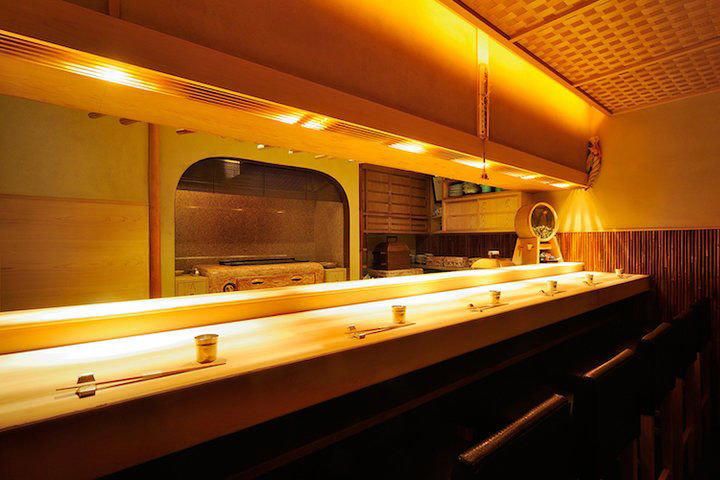

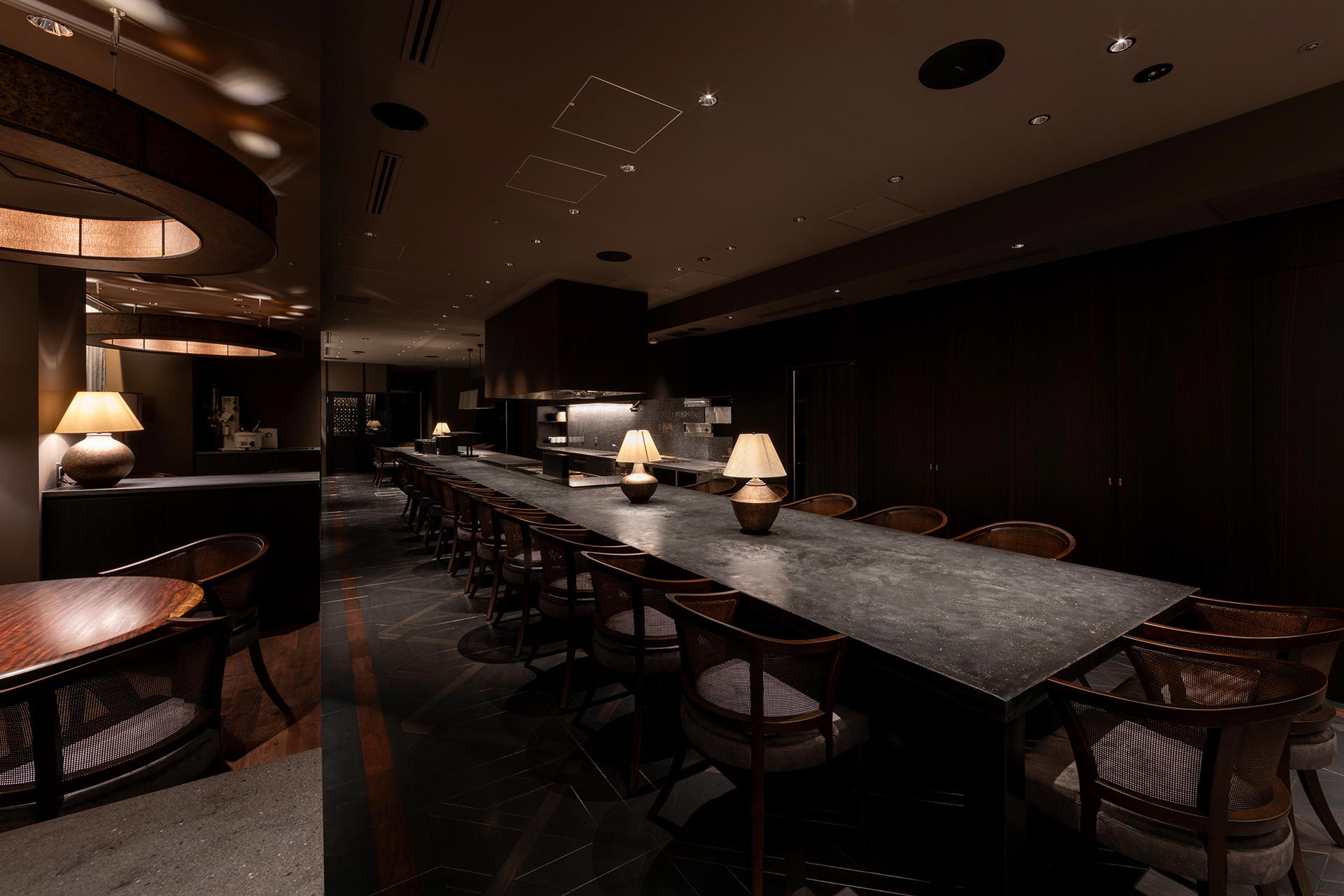

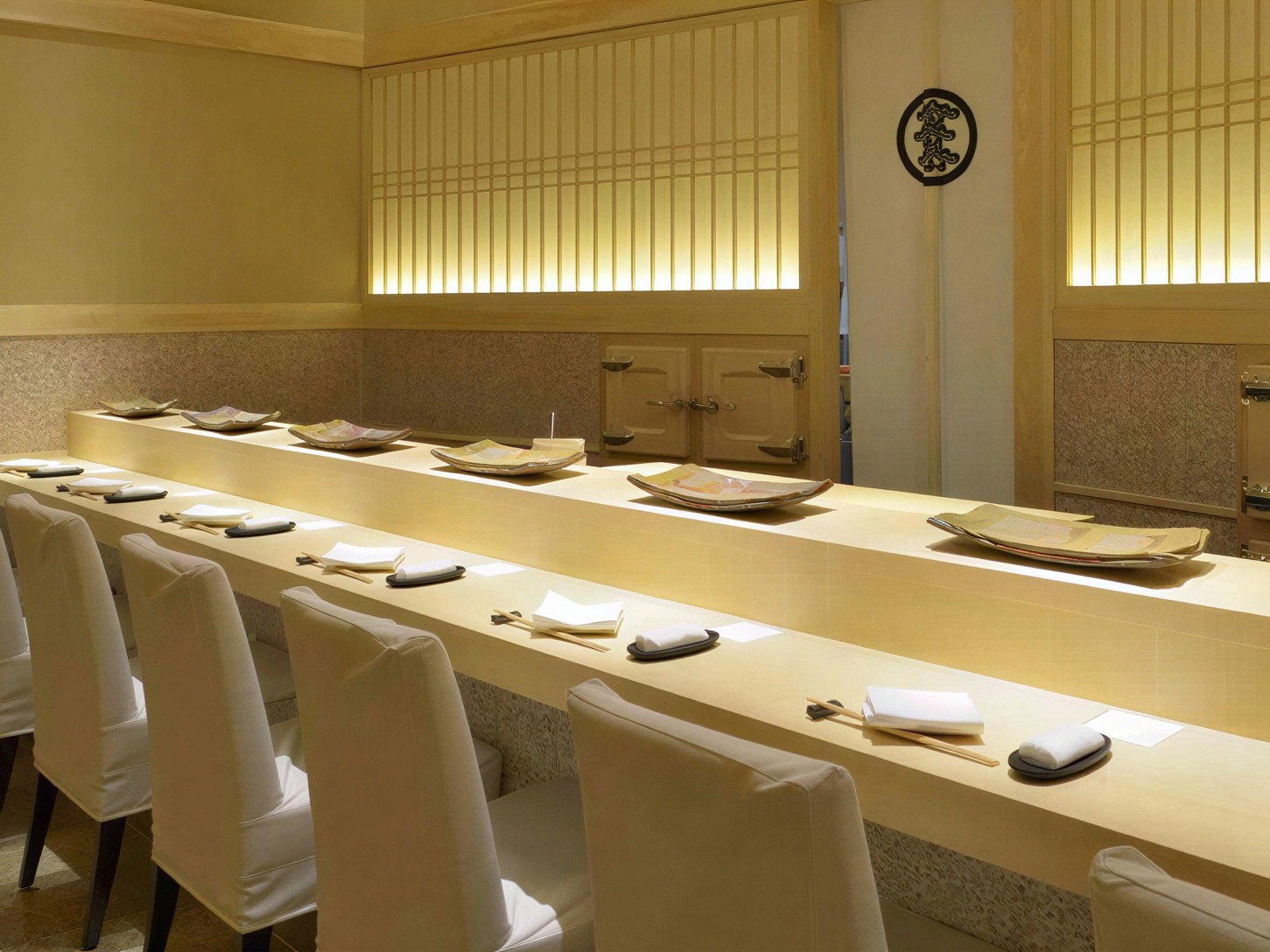
Bars in Tokyo
All bars in Tokyo →



Details
- Trendy
- Cozy
- Modern
- Date Night
- Casual Hangout
- Open Kitchen
- Sake Program
- A La Carte
- Vegetarian Friendly
Current opening hours
- Monday
- 11:30 AM–3 PM, 5:30–10 PM
- Tuesday
- 11:30 AM–3 PM, 5:30–10 PM
- Wednesday
- Closed
- Thursday
- 5:30–10 PM
- Friday
- 11:30 AM–3 PM, 5:30–10 PM
- Saturday
- 11:30 AM–3 PM, 5:30–10 PM
- Sunday
- 11:30 AM–3 PM, 5:30–10 PM
Hours can change for holidays and private events. Hours as of .
Casual counter seating around a dramatic pizza oven with a lively yet cozy atmosphere.