
A 13-seat underground wine bar in Akasaka dedicated entirely to the wines of France's Jura region, Goût de Jaune is one of Tokyo's most focused drinking destinations. The basement room operates as both an education and an act of conviction, offering a depth of Jura coverage that no broader wine bar can reasonably match. For those already tracking ouillé versus sous voile aging or hunting down Trousseau producers, this is a serious address.
Pearl is the En Primeur Club membership app — saves, bookings, and concierge access live there. Same editors, same standards.
- Address
- Japan, 〒107-0052 Tokyo, Minato City, Akasaka, 2 Chome−19−4 関ビル B1階
- Phone
- +81 3-5545-5205
- Website
- instagram.com
- Directions
- Get directions
 Saves & bookings on Pearl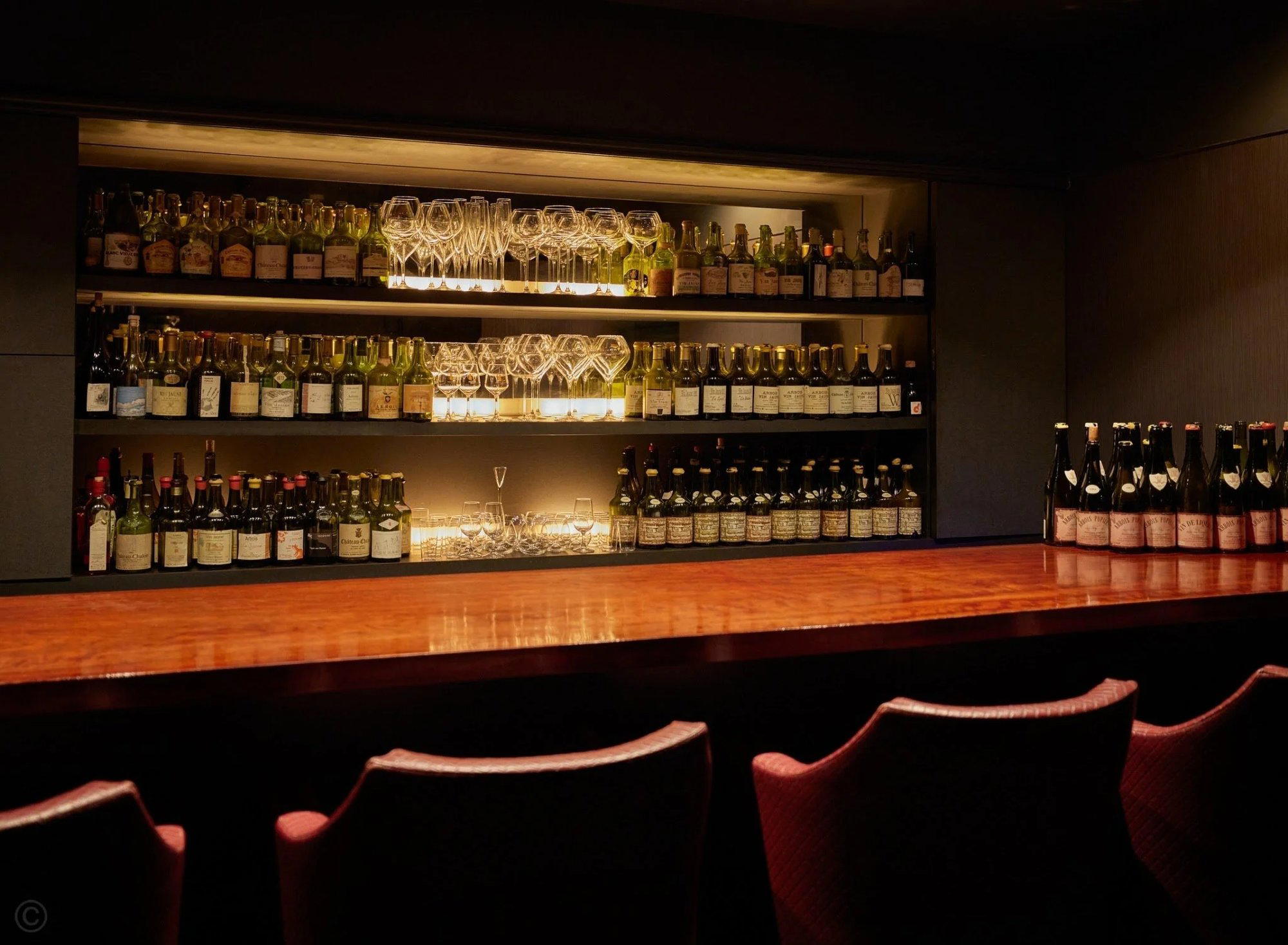
A Single Region, Taken Seriously
Tokyo's specialist wine bar scene has developed in a particular direction over the past decade. Where Ginza and Shinjuku once concentrated the city's serious drinking rooms, Akasaka and the surrounding Minato wards have quietly accumulated a layer of bars defined not by breadth of list but by depth of focus. Goût de Jaune sits at the outer edge of that tendency. The name translates roughly to "taste of yellow" in French, a direct reference to the oxidative vin jaune style that defines the Jura's most demanding and most misunderstood wines. Walk in without that reference and the bar will teach you. Walk in with it and the conversation starts at a different level.
The Room and What It Signals
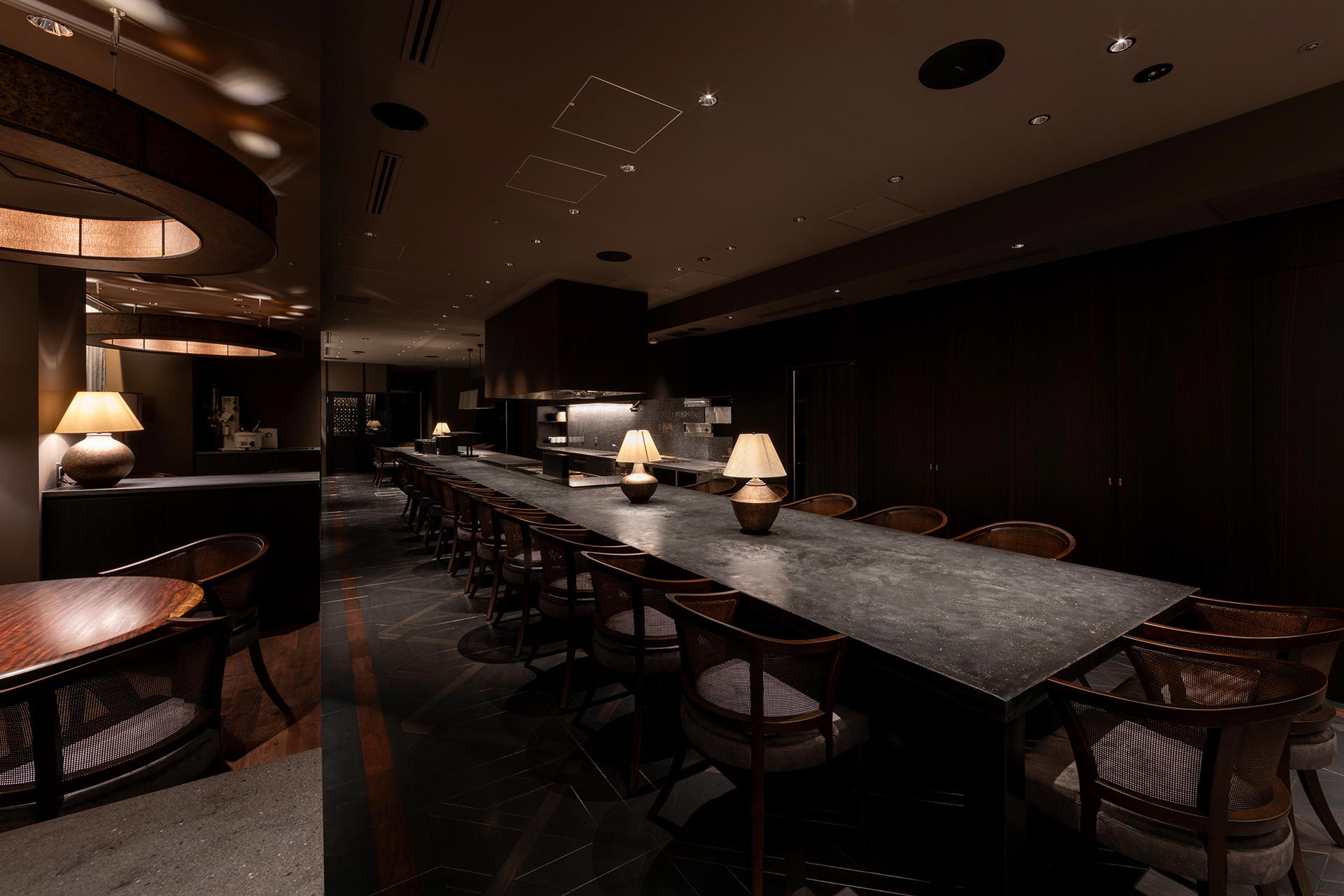
The address puts you in a basement in Akasaka 2-chome, a neighbourhood that operates at a different register than the tourist-mapped parts of central Tokyo. The setting is cosy by design and by necessity: 13 seats, underground, without the visual noise of a larger operation. Bars of this scale in Tokyo tend to self-select their audience through format alone. You are not dropping in on a whim; you are making a reservation, or you are arriving with enough Jura knowledge to make the staff want to keep you. The physical intimacy of a 13-seat room changes how service operates. There is no buffer of space or volume between the people pouring and the people drinking, which means the interaction is necessarily more direct and more personal than at a full-scale bar.
That dynamic matters particularly when the subject is Jura, a region that rewards explanation. The wines produced between the Burgundy plateau and the Swiss border cover a range that most drinkers encounter in fragments if at all: Savagnin, Chardonnay, Poulsard, Trousseau, Pinot Noir, aged both oxidatively and reductively, structured around appellations like Château-Chalon, Arbois, and l'Étoile that require some scaffolding to navigate. A bar built around this subject lives or dies on the quality of that scaffolding, which is where the team at Goût de Jaune earns its purpose.
The Editorial Angle: Service as Collaboration
The specialist bar format in Japan depends on a particular kind of team dynamic. Unlike cocktail bars where the bartender's technical performance is the centrepiece, or large-format wine bars where sommeliers cover breadth, a single-region wine room requires the whole floor to operate as a distributed education system. Whoever is pouring needs to hold context on producers, vintages, and stylistic variation across two or three decades of Jura history. The front-of-house needs to read the table accurately: how much does this guest know, what are they curious about, and when does explanation become condescension. At 13 seats, those judgements happen in real time, with no back-of-house buffer.
Tokyo has several bars that operate on this principle of disciplined focus. Bar Benfiddich in Shinjuku applies it to herbal liqueurs and field botanicals. Bar High Five in Ginza applies it to classic cocktail precision. Bar Libre and Bar Orchard Ginza each operate from a distinct methodology. Goût de Jaune applies the same principle of total commitment to a wine region that most Tokyo bars would treat as a sidebar. The difference in approach is not merely curatorial; it requires the team to maintain a different kind of ongoing relationship with producers, importers, and the annual rhythm of Jura releases.
Why Jura, and Why This Matters in Tokyo
The Jura has gained significant international attention over the past fifteen years, partly through the natural wine movement, which found in its oxidative traditions a precedent for minimal-intervention production, and partly through a generation of sommeliers trained in Burgundy who encountered the region's wines as an adjacent intellectual problem worth solving. In Tokyo, that attention arrived through the restaurant scene first, with Jura bottles appearing on lists at French-leaning tasting-menu restaurants before bars caught up. A bar dedicated entirely to the region represents a further specialisation that makes sense only if the market can sustain it, and Akasaka, with its concentration of business entertainment culture and its proximity to embassies and international offices, provides a clientele willing to follow that level of specificity.
The vin jaune style referenced in the bar's name is produced primarily from Savagnin grapes aged under a film of yeast in barrel for a minimum of six years and three months before release. The resulting wine carries a distinctive oxidative character, high acidity, and significant aging potential. It is an acquired taste by almost any definition, which makes it both a filter and a draw for the bar's audience. Guests who come specifically because of vin jaune arrive already self-selected as serious drinkers. The bar's name, in that sense, functions as its own qualification test.
Beyond Jura: The Wider Japan Specialist Scene
Pattern of deep-focus bars is not unique to Tokyo. Japan's drinking culture across several cities sustains a number of operations built on similarly narrow premises. Bar Nayuta in Osaka and anchovy butter in Osaka Shi reflect the Kansai equivalent of this tendency. In Kyoto, Bee's Knees and Kyoto Tower Sando represent different points on the spectrum from broad to focused. Lamp Bar in Nara and Yakoboku in Kumamoto extend the argument further into regional Japan, where the case for specialist bars is often even stronger because the competitive set is smaller. Even internationally, the format finds expression in places like Bar Leather Apron in Honolulu. See the full Tokyo restaurants and bars guide for broader context on where Goût de Jaune fits within the city's current drinking scene.
Planning Your Visit
Bar is located in Akasaka 2-chome, Minato City, in a basement-level space that requires knowing roughly where you are going before you arrive. With 13 seats and a format built around focused conversation, walk-in access is possible but not guaranteed, and given the specificity of the offer, an advance reservation makes more practical sense. The Akasaka area is accessible from Akasaka-mitsuke and Akasaka stations, both within comfortable walking distance. No website or phone contact is currently listed in publicly available records, which suggests the bar may operate primarily through word-of-mouth or direct social media contact; reaching out through those channels ahead of any visit is advisable.
How Goût de Jaune Tokyo compares with similar nearby venues.
| Venue | Cuisine | Awards |
|---|---|---|
| Goût de Jaune | Not listed | Star Wine List (2026) |
| Spotted Stone | Cocktail bar focused on Japanese craft gin | Not listed |
Recognition history
Dated appearances from independent guides and award organizations, with the underlying list record or original source where available.
Star Wine List
Star Wine List








At a Glance
- Intimate
- Elegant
- Cozy
- Sophisticated
- Date Night
- Special Occasion
- Counter Only
- Seated Bar
- Natural Wine
Current opening hours
- Monday
- 5 PM–1 AM
- Tuesday
- 5 PM–1 AM
- Wednesday
- 5 PM–1 AM
- Thursday
- 5 PM–1 AM
- Friday
- 5 PM–1 AM
- Saturday
- 5–11 PM
- Sunday
- Closed
Hours can change for holidays and private events. Last verified .
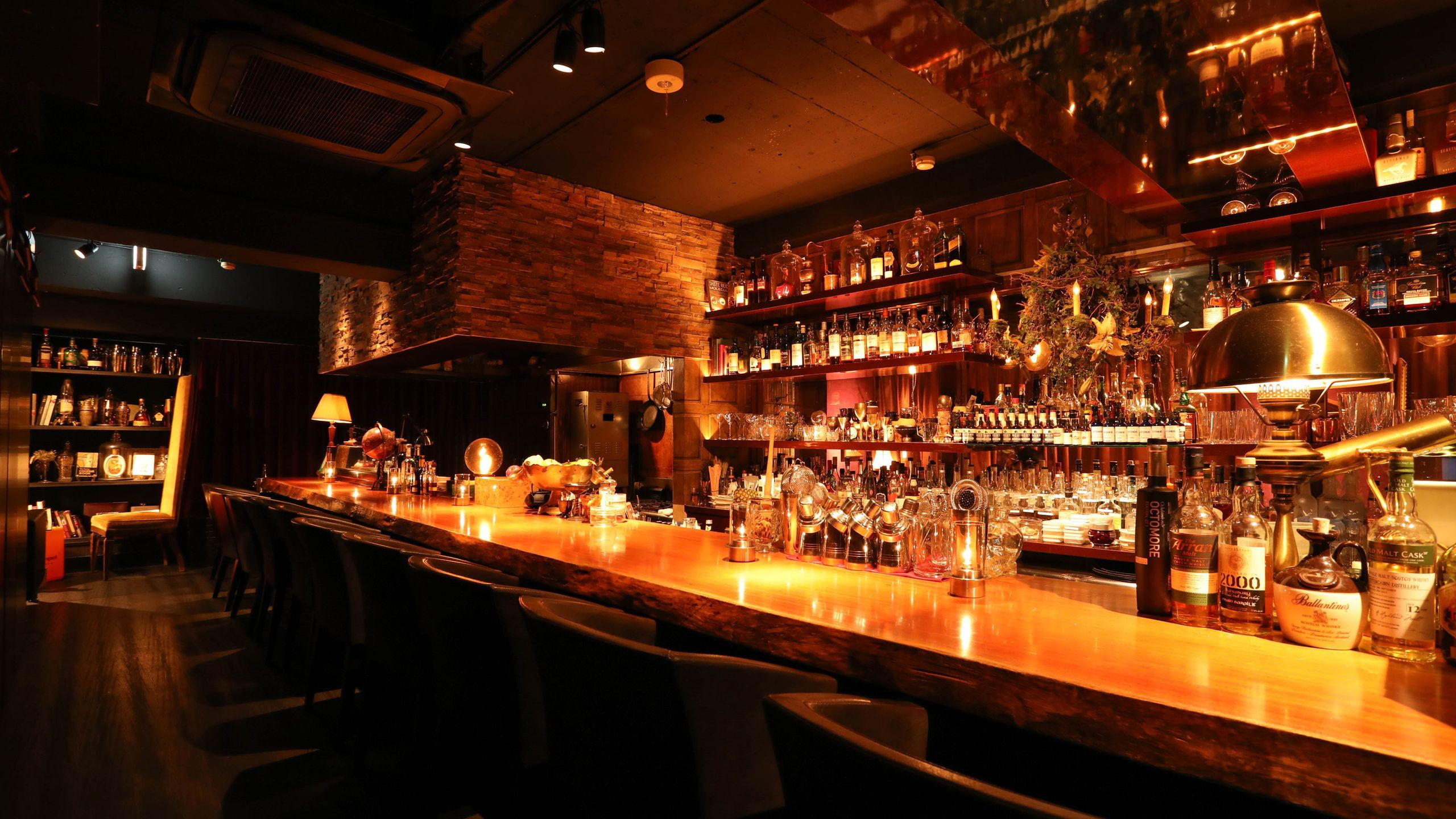
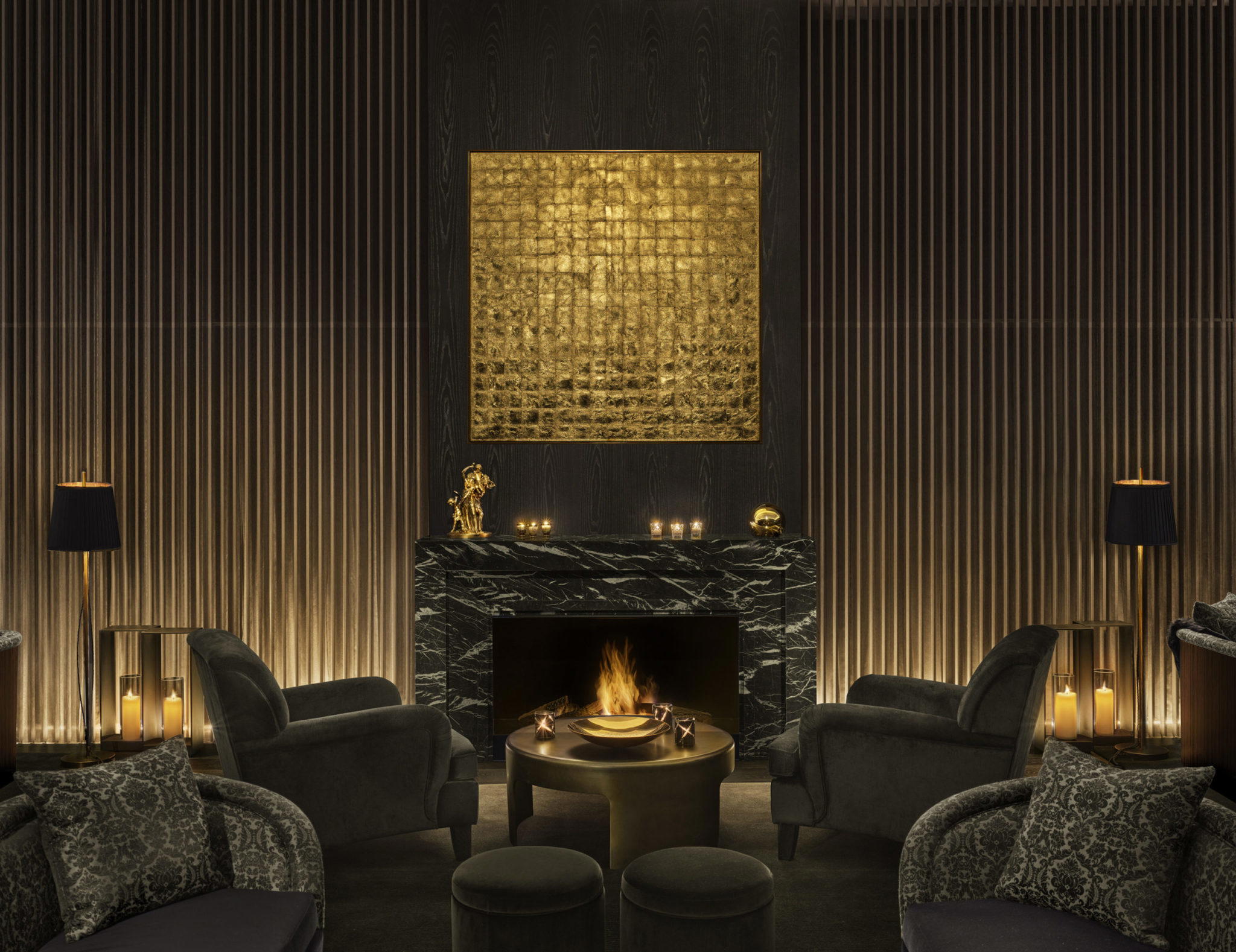
Dark, chic, and luxurious underground space with stylish, relaxing atmosphere featuring counter and sofa seating.
Know Before You Go
- Getting there
- Japan, 〒107-0052 Tokyo, Minato City, Akasaka, 2 Chome−19−4 関ビル B1階