Tabelog 100 #16
Our verdict
La Barrique Tokyo places Italian dining inside Tokyo’s quieter Bunkyo register: small-scale, reservation-led, wine-aware, and removed from the Ginza-Roppongi axis. Its Tabelog Italian TOKYO 100 selection in 2025, earlier Tabelog Award Bronze history, and house-restaurant format put it in a specialist tier where pacing, etiquette, and room discipline matter as much as the cooking.

Pearl is the En Primeur Club membership app, where members save venues, book tables and use the concierge.
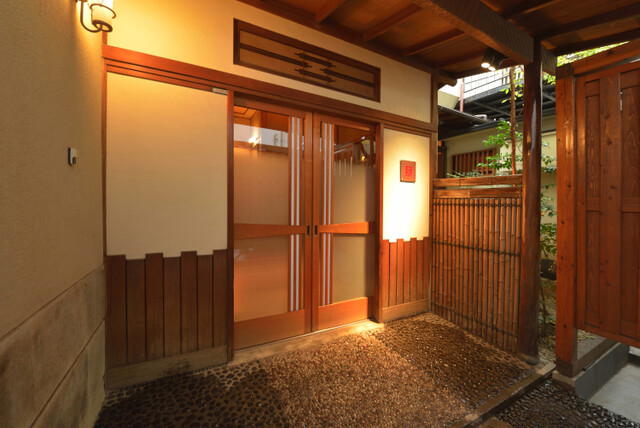
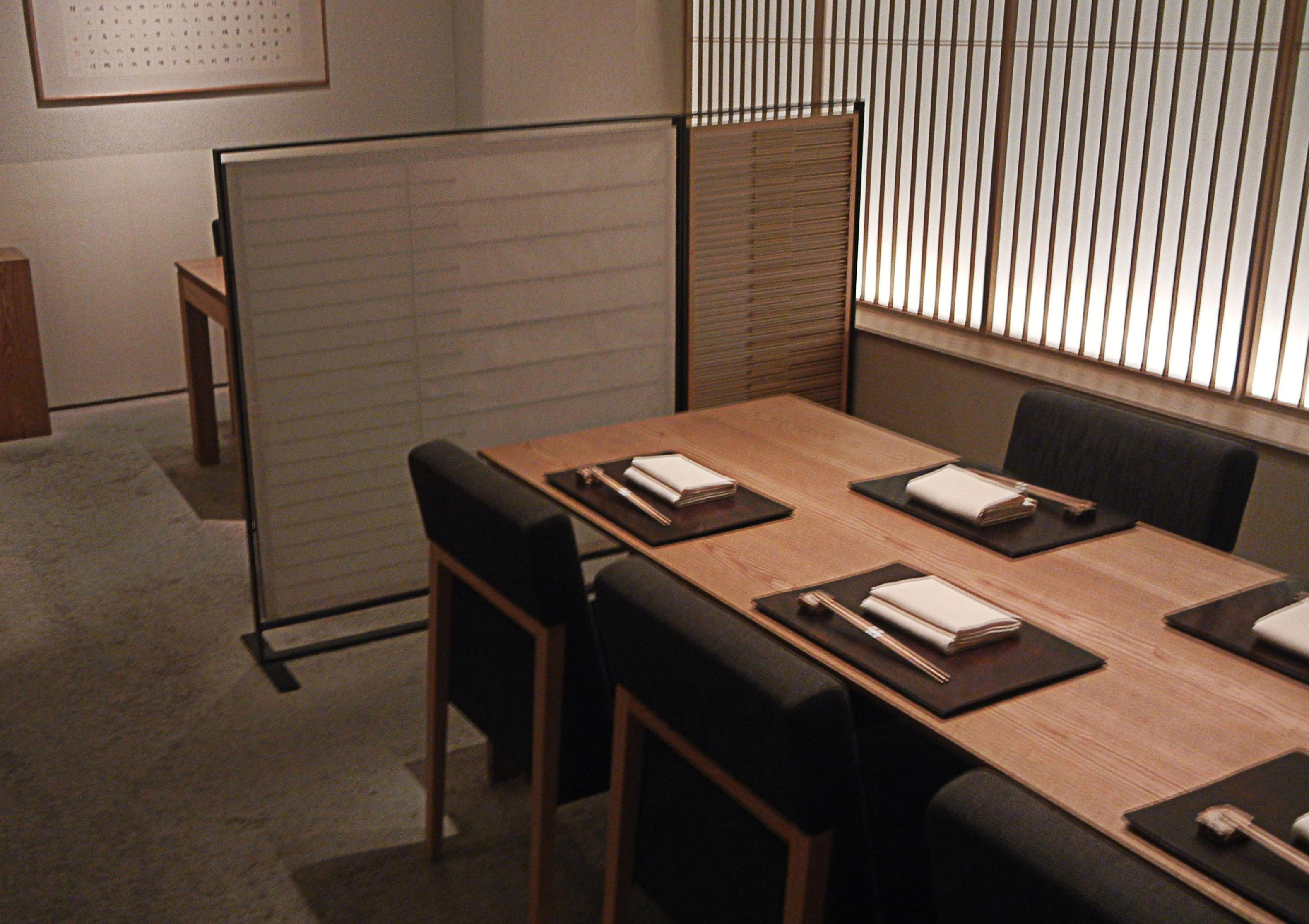
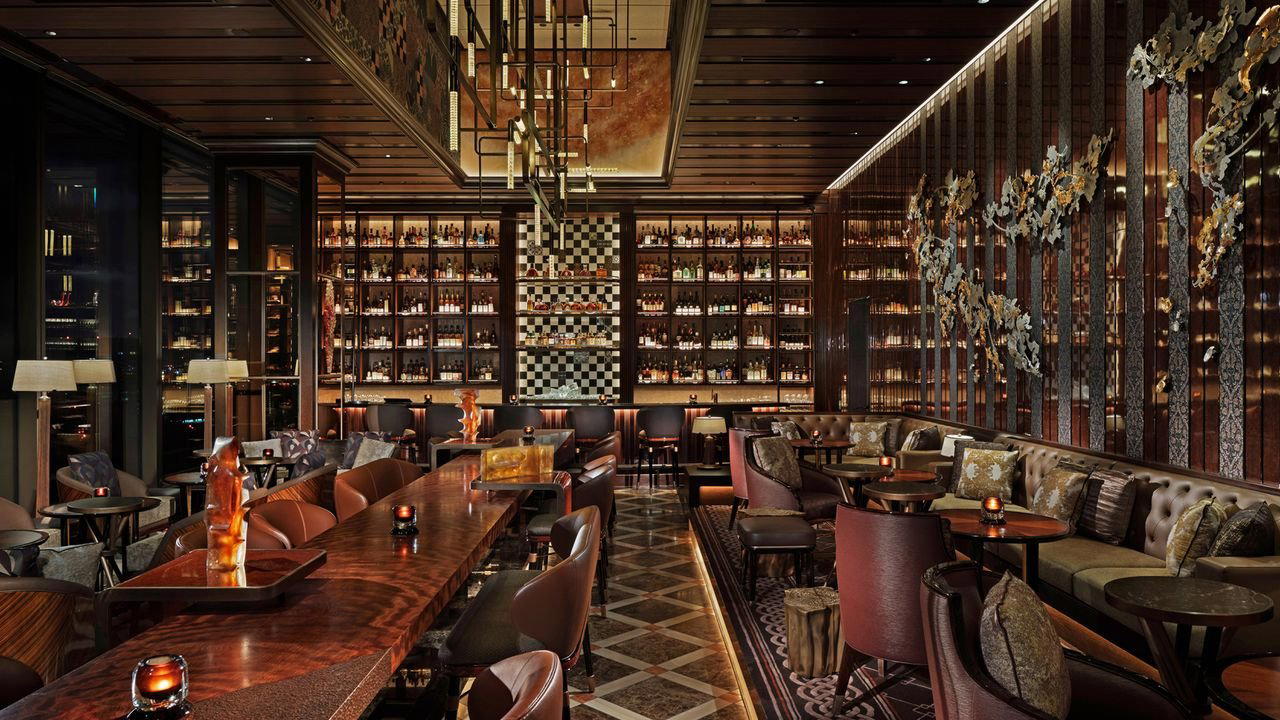
Tokyo changes expectations before the meal begins. The city’s Italian dining scene is often read through polished rooms, chef-counter minimalism, or fashionable central districts, but Tokyo also works at a lower volume: quieter routines, local habits, and a slower evening rhythm can make dinner feel less like public performance than hosted ritual. La Barrique Tokyo fits that register: an Italian restaurant with a composed sense of occasion, a measured style, and a format that asks diners to settle into the pace rather than treat dinner as a quick stop between plans.
That matters because Italian food in Tokyo has split into distinct habits: the casual pasta counter, the trattoria for repeat local use, the higher-budget Italian meal, and the more formal room where the full dinner is part of the evening’s architecture. La Barrique Tokyo sits within that broader conversation. Its 2025 recognition in Tabelog’s Hyakumeiten selection, with a listed score of 3.75, gives it credibility in a crowded city, but the stronger signal is the way it reads as a deliberate meal rather than a casual drop-in.
A Tokyo restaurant in Tokyo's Italian dining hierarchy
Tokyo’s premium Italian rooms rarely mimic Italy literally. The sharper examples translate Italian technique through Japanese expectations around seasonality, quiet service, and course pacing. In that context, a Tokyo restaurant with a restrained profile has a different social function from a dining room built only for traffic and visibility. It suits diners who want conversation, composure, and controlled rhythm rather than spectacle.
The local comparison helps. Across Tokyo, the dining map includes everyday price tiers and single-category specialists as well as destination restaurants: Shinga, Hashimoto Unagi, Naniwaya Edogawabashi, Edogawa Ishibashi, and Patisserie Salon de The Amitie all suggest a city where a meal can mean unagi, sweets, or modest local dining rather than one luxury lane. Against that backdrop, La Barrique Tokyo occupies a more committed Italian-dining lane. Tokyo does not lack serious dining; serious dining here often feels intentionally separated from the louder circuits of restaurant hunting.
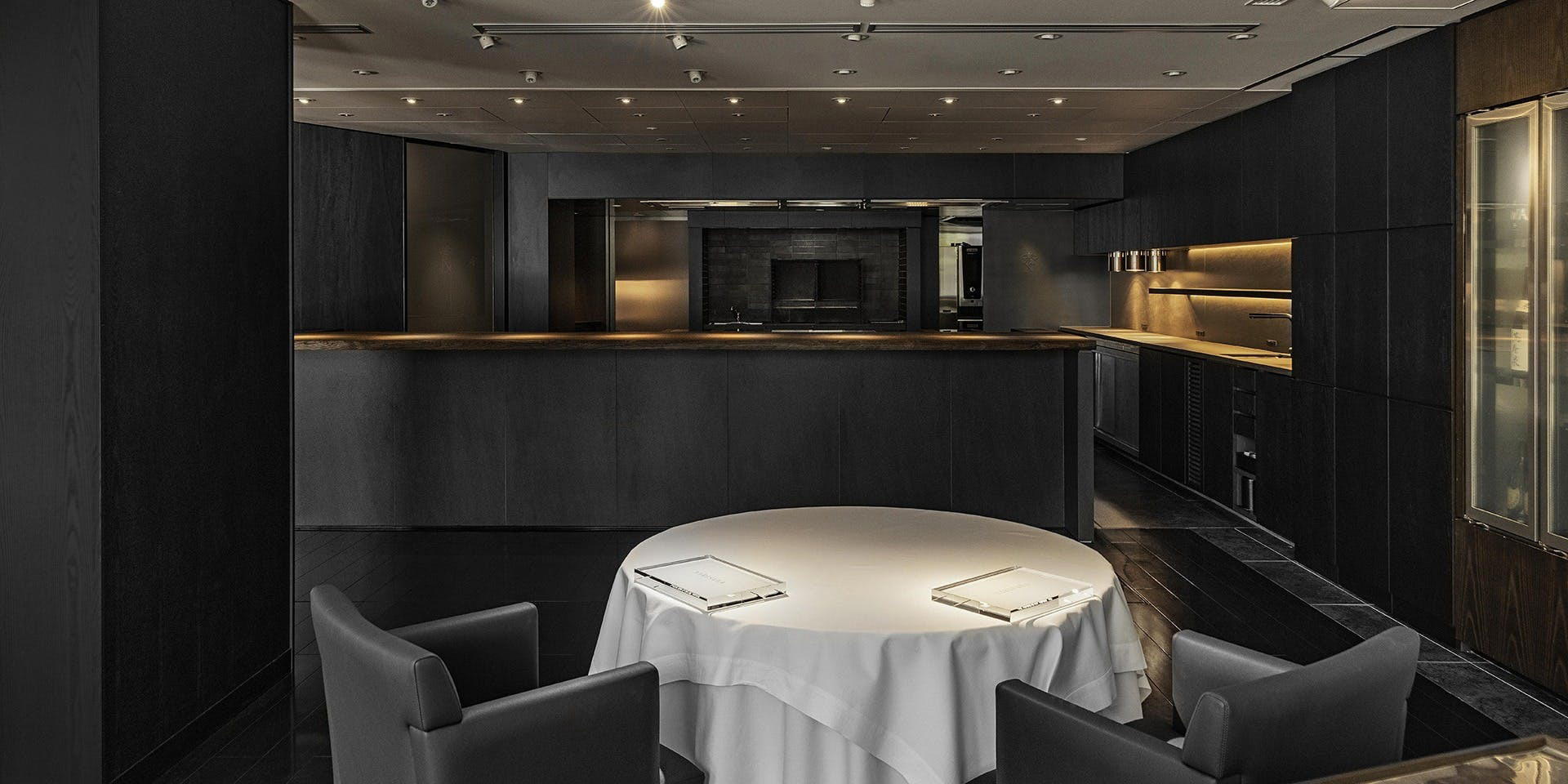
The ritual is formal without needing to be theatrical. A restaurant like this changes the contract: the kitchen and room are prepared for diners who are choosing the meal as the main event, and the guest should arrive ready for a full sitting. That tone matters. This is not best understood as a spontaneous pasta night; it is the kind of meal where the table is the evening.
Wine, pacing, and the etiquette of a full Italian meal
The name gives the clue to a more considered style. La Barrique Tokyo’s identity naturally reads as composed rather than hurried, and in Tokyo that matters. Many ambitious Italian restaurants compete less through oversized gestures than through how confidently they integrate service timing, atmosphere, and the progression of the meal. The room’s rhythm can set the tempo as much as the kitchen does.
Composed Italian dining also changes how a meal reads in Japan. A longer Italian evening is not only a sequence of plates; it is a sequence of permissions. Conversation lowers, the meal lengthens, and the room expects guests to read the pace. That is why quieter restaurants in Tokyo can be more demanding than grander rooms: there is less anonymity. The reward is concentration, with fewer distractions and more attention to the table’s rhythm.
This is where recognition is meaningful but not sufficient. Tabelog’s 2025 Hyakumeiten recognition signals peer-level approval in a competitive category, while the listed 3.75 score gives a useful external reference point. Still, the smarter way to read the venue is as part of Tokyo’s mature Italian culture: not novelty dining, not imported trattoria theater, but a local interpretation of Italian hospitality shaped by Japanese dining habits and service discipline.
For travelers building a wider Tokyo food itinerary, this meal pairs better with contrast than repetition. A city plan might place it after simpler neighborhood eating or before a casual day in other categories. EP Club’s Tokyo restaurant coverage ranges from other Tokyo dining rooms to the broader index in Our full Tokyo restaurants guide. For trip structure beyond dinner, use Our full Tokyo hotels guide, Our full Tokyo bars guide, Our full Tokyo wineries guide, and Our full Tokyo experiences guide.
Who this meal suits, and who should choose differently
The right diner is not chasing noise, speed, or a maximalist room. The better fit is a guest who values a composed meal, Italian cooking, and the manners of a serious restaurant. The listed budget reinforces that expectation: dinner is JPY 30,000 - JPY 39,999, while lunch is JPY 8,000 - JPY 9,999. Those figures place the decision closer to a planned occasion than an incidental meal.
There are easier choices for a casual Tokyo evening, and more theatrical choices for visitors who want instant visual drama. The case for La Barrique Tokyo is narrower and more persuasive: it gives Italian dining the Tokyo treatment, with ceremony, restraint, and careful pacing at the center of the table. In a city where Italian restaurants range from inexpensive neighborhood counters to high-formality tasting rooms, that clarity is useful. It tells diners exactly what kind of evening they are entering.
For readers mapping meals across Japan and beyond, the contrast is instructive. Other EP Club entries show how format changes the meaning of a meal, from casual counters to specialist rooms and more formal restaurants. Here, the format is the message: a Tokyo Italian dinner treated as a ritual of pacing, composure, and quiet attention.
Frequently asked questions
What's the pricing like at La Barrique Tokyo?
Pricing at La Barrique Tokyo is listed as Dinner: JPY 30,000 - JPY 39,999; Lunch: JPY 8,000 - JPY 9,999.
Is La Barrique Tokyo open every day?
Check La Barrique Tokyo's current schedule directly before visiting.
What's La Barrique Tokyo's location?
Tokyo.
What is La Barrique Tokyo known for?
La Barrique Tokyo is known as an Italian restaurant in Tokyo with 2025 Tabelog Hyakumeiten recognition and a listed score of 3.75.
A Tight Comparison
Side-by-side context: comparable cuisine and price.
| Venue | Cuisine | Price | Awards | Notes |
|---|---|---|---|---|
| La Barrique TokyoThis venue (the venue you are viewing) | Italian Fine Dining | $200–300 | Tabelog 100 #16 | Not listed |
| Shinga | Classic neighborhood Chinese (Showa‑style) | $10–20 | Tabelog 100 #52 | JPY 1,000 - JPY 1,999 - JPY 999 |
| Hashimoto Unagi | Traditional Edo-Style Grilled Eel (Unagi) | $30–50 | Michelin Bib Gourmand · Tabelog 100 #35 | Unagi |
| Naniwaya Edogawabashi | Traditional Japanese taiyaki & obanyaki shop | $1–10 | Tabelog 100 #40 | JPY 999 - JPY 999 View spending breakdown |
| Edogawa Ishibashi | Traditional Unagi (Eel) | $50–100 | Tabelog 100 #58 | JPY 10,000 - JPY 14,999 JPY 8,000 - JPY 9,999 View spending breakdown |
| Patisserie Salon de The Amitie | Not listed | $10–20 | Tabelog 100 #46 | JPY 1,000 - JPY 1,999 JPY 1,000 - JPY 1,999 |
Recognition history
Dated appearances from independent guides and award organizations, with the underlying list record or original source where available.
Tabelog 100 #16 · No. 16
Tabelog · Tabelog 100 - Italian - TOKYO - 2025