Panello

Gambero Rosso 2 Spicchi
Our verdict
Panello occupies a Hongdae-adjacent address in Mapo-gu, Seoul, placing it in a neighbourhood where independent dining concepts have quietly matured alongside the area's creative energy. The menu architecture here invites attention: what the kitchen chooses to sequence, portion, and foreground tells a specific story about where this kitchen positions itself within Seoul's increasingly confident restaurant scene.

Pearl is the En Primeur Club membership app, where members save venues, book tables and use the concierge.
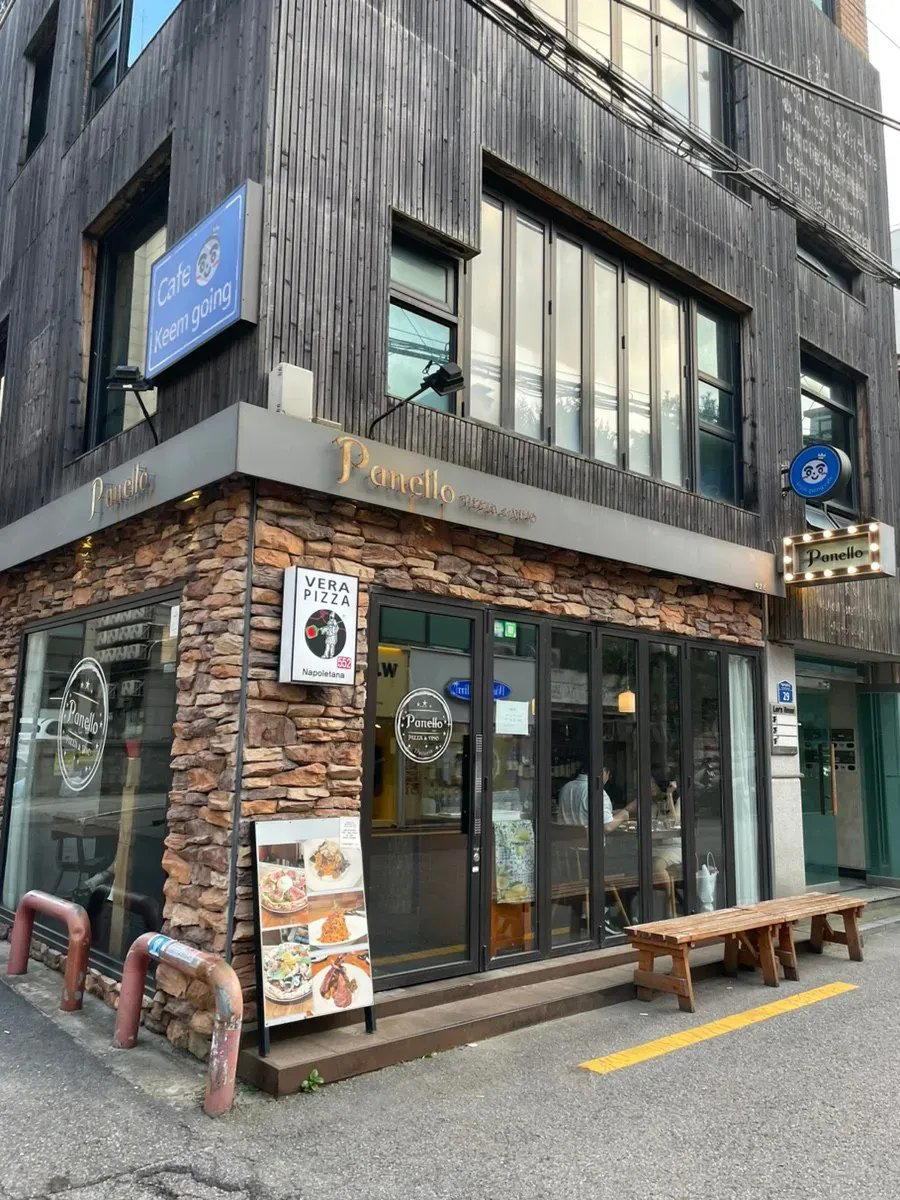
The menu
What to order
- Black Truffle Pizza
- Spaghetti Carbonara
- Margherita Bufala
- Prosciutto Rucola
- Salchicha Puntie
Mapo-gu and the Quiet Confidence of Hongdae's Dining Edge
Seogyo-dong sits at the calmer perimeter of what most visitors associate with Hongdae's noise and youth culture. The neighbourhood has, over the past decade, become a reliable address for independent restaurants that rely on repeat neighbourhood custom rather than tourist foot traffic. This pattern mirrors what happened in Tokyo's Shimokitazawa or Paris's 11th arrondissement: creative dining consolidates around areas where rents allow ambition and the local audience is curious enough to sustain it. Panello, at 400-22 Seogyo-dong in Mapo-gu, sits inside that pattern. The address tells you something before you've looked at a single dish.
For context on Seoul's broader restaurant geography, the city's formally recognised fine dining tends to cluster in Gangnam, Cheongdam, and Itaewon. Venues like Mingles, Jungsik, and Kwonsooksoo anchor that southbank concentration, each operating in the ₩₩₩₩ tier with the awards infrastructure to match. A restaurant choosing Mapo-gu as its home is implicitly positioning itself differently: either as a neighbourhood-first operation, or as a place that prefers discovery over visibility. Both are viable editorial theses. The question for a visitor is which one Panello is making.
Menu Architecture as Argument
The most instructive thing about any restaurant is not the headline dishes but the logic that connects them. Seoul's contemporary dining scene has produced several distinct structural models in recent years. There is the Korean-French synthesis format, visible at venues like Soigné and at alla prima, where European technique carries domestic ingredients through a tasting progression. There is the rigorous hanjeongsik revival model, associated with places such as Onjium, where sequence and restraint are drawn directly from court cuisine traditions. And there is a smaller, less categorised group of restaurants that resist easy alignment with either tradition, building menus that argue through selection and proportion rather than through declared lineage.
Panello belongs to this third, less codified group, at least based on what its Seogyo-dong positioning implies. The Mapo-gu corridor, away from the formal fine-dining belt, tends to produce menus that are architecturally less rigid: fewer obligatory courses, more latitude for the kitchen to shift emphasis between visits, a stronger likelihood that the menu is built around what the kitchen finds compelling at any given moment rather than around a fixed prestige structure. This is neither a compliment nor a criticism, it is a structural observation about what Mapo-gu restaurants tend to reward in their guests. You come with appetite and adaptability, not a checklist.
Comparatively, the ₩₩₩₩ tier operations in Gangnam such as Zero Complex or Eatanic Garden carry a weight of expectation around format consistency and course architecture that is baked into their price signal. A restaurant in Seogyo-dong operates under different rules, and its menu reflects that freedom. Whether Panello reads as casual or considered depends significantly on what the kitchen does with that latitude. For Seoul's wider context, our full Seoul restaurants guide maps the city's dining tiers with more granularity.
The Neighbourhood as Editorial Frame
Hongdae's creative ecosystem has always generated restaurants that outlast their cultural moment. Seogyo-dong in particular has produced venues that quietly accumulate loyal followings without the Michelin infrastructure or the press cycle that sustains Gangnam's top tier. This is consistent with patterns visible in other dense Asian cities: Taipei's Da'an District, Osaka's Namba periphery, Seoul's own Mangwon-dong all function as zones where culinary ambition and neighbourhood character reinforce each other outside the main luxury corridor.
For the visitor approaching from the south of the Han River, the practical logistics are worth noting. Mapo-gu is accessible from central Seoul without significant friction, the neighbourhood sits within reasonable reach of the major subway lines serving the western districts, but it rewards a deliberate visit rather than a spontaneous detour. Restaurants in this part of the city generally do not carry the booking queues that define the city's tasting-menu elite, though planning ahead is still advisable, particularly for weekend service.
South Korea's regional dining picture extends well beyond Seoul. Visitors extending their trip will find distinct registers at places like Mori in Busan, the seafood-heavy Dining Room in Busan, and traditional formats at Hwangnam Bread and Busan Steamed Bun in Gyeongju. Jeju's dining scene, including 88돼지, Black Pork BBQ in Seogwipo, and the coastal Badang Lounge, offers its own counterpoint to Seoul's urban density. In Suwon, Gobojeong Galbi and Doosoogobang both anchor the regional galbi tradition. On Jeju, Hinode and Gyeongju Wonjo Kongguk represent the island's quieter, more localised eating culture.
Seoul's place in the global dining conversation has accelerated sharply since 2020. The city now operates as a reference point for international critics in a way that, a decade ago, was reserved for Tokyo and Hong Kong. Venues like Atomix in New York City have extended Seoul's culinary influence into the American market, while long-established references like Le Bernardin in New York City remind critics that technical precision and conceptual clarity are what separate lasting restaurants from momentary ones. Panello, operating outside the awards circuit's direct gaze, is measured against a different but no less real standard: whether it earns the return visit.
Planning Your Visit
Panello is located at 400-22 Seogyo-dong, Mapo-gu, a direct address in a walkable part of western Seoul. Given the limited data in the public record, visitors are advised to verify current hours and booking arrangements directly before travelling. Restaurants of this type in Seogyo-dong tend to operate dinner-focused services with limited lunchtime covers, and weekend availability narrows faster than weekday slots. Arriving in the neighbourhood early enough to explore Seogyo-dong's surrounding blocks, where independent cafes and small retail have replaced the more transient businesses of the Hongdae core, adds useful context to the meal itself.
Frequently asked questions
What dish is Panello famous for?
The public record does not currently document specific signature dishes at Panello, and the kitchen's Seogyo-dong positioning suggests a menu that shifts with seasonal availability rather than anchoring around fixed set pieces. The restaurant's cuisine and format place it closer to the discovery end of Seoul's dining spectrum, alongside concept-driven venues like alla prima and Soigné, rather than the award-circuit operations where signature dishes become institutionalised. A visit is leading approached with openness to what the kitchen is foregrounding at the time of booking.
What's the ideal way to book Panello?
If you're planning a visit that includes Seoul's more competitive tasting-menu counters alongside Panello, the sequencing matters. Venues in the ₩₩₩₩ tier such as Mingles or Kwonsooksoo in the Gangnam belt require advance booking of several weeks at minimum and often use dedicated reservation platforms.
Is Panello in Seogyo-dong a good choice for someone already planning to visit formal fine dining in Seoul?
Mapo-gu's independent dining strip offers a different register from the structured tasting formats that define Gangnam's top tier, and that contrast is part of its value within a multi-day Seoul itinerary. Pairing an evening at Panello with a meal at a formally recognised venue like Jungsik or Mingles gives you two distinct editorial perspectives on how Seoul's restaurant culture operates across different price signals and neighbourhood contexts. The Seogyo-dong address specifically appeals to diners interested in the city's less-documented but often more spontaneous eating culture.
Cuisine Context
Comparable venues nearby, for context on price, style, and recognition.
| Venue | Cuisine | Price | Awards | Notes |
|---|---|---|---|---|
| PanelloThis venue (the venue you are viewing) | Authentic Neapolitan Pizza | $20–30 | Gambero Rosso 2 Spicchi | Not listed |
| MOYEON Korean Beef Dining | Korean Beef Dining | $30–50 | Not listed | 노고산동 |
| 우텐더 (Wootender) (우텐더) | Premium Korean Hanwoo BBQ | $100–150 | Not listed | Apgujeong |
| Gucci Osteria da Massimo Bottura | Modern Italian Contemporary | $150–200 | Michelin Plate · La Liste Top Restaurants | 압구정동 |
| Baekje Samgyetang (백제삼계탕) | Korean Samgyetang | $10–20 | Not listed | Myeongdong |
| Seoseo Myeongdong Galbi | Standing Korean Galbi BBQ | $10–20 | Not listed | Myeongdong |
Recognition history
Dated appearances from independent guides and award organizations, with the underlying list record or original source where available.
Gambero Rosso 2 Spicchi
Gambero Rosso
Continue exploring
More in Seoul
Restaurants in Seoul
All restaurants in Seoul →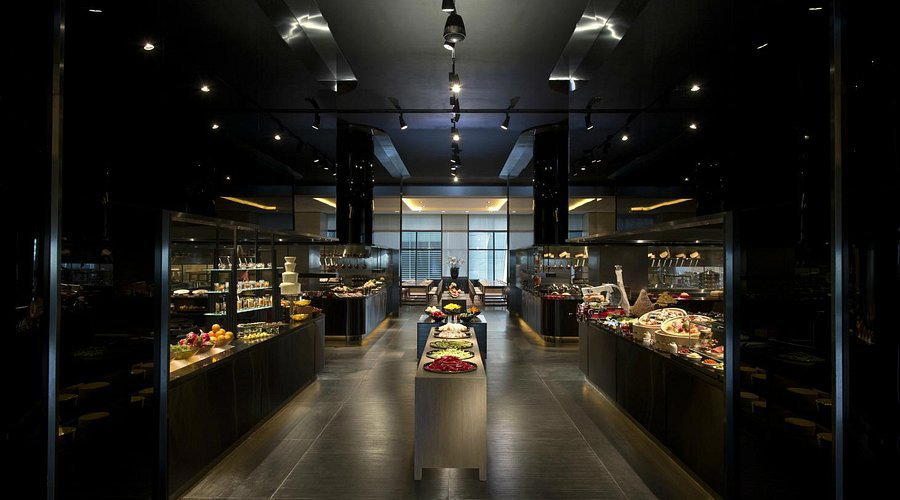
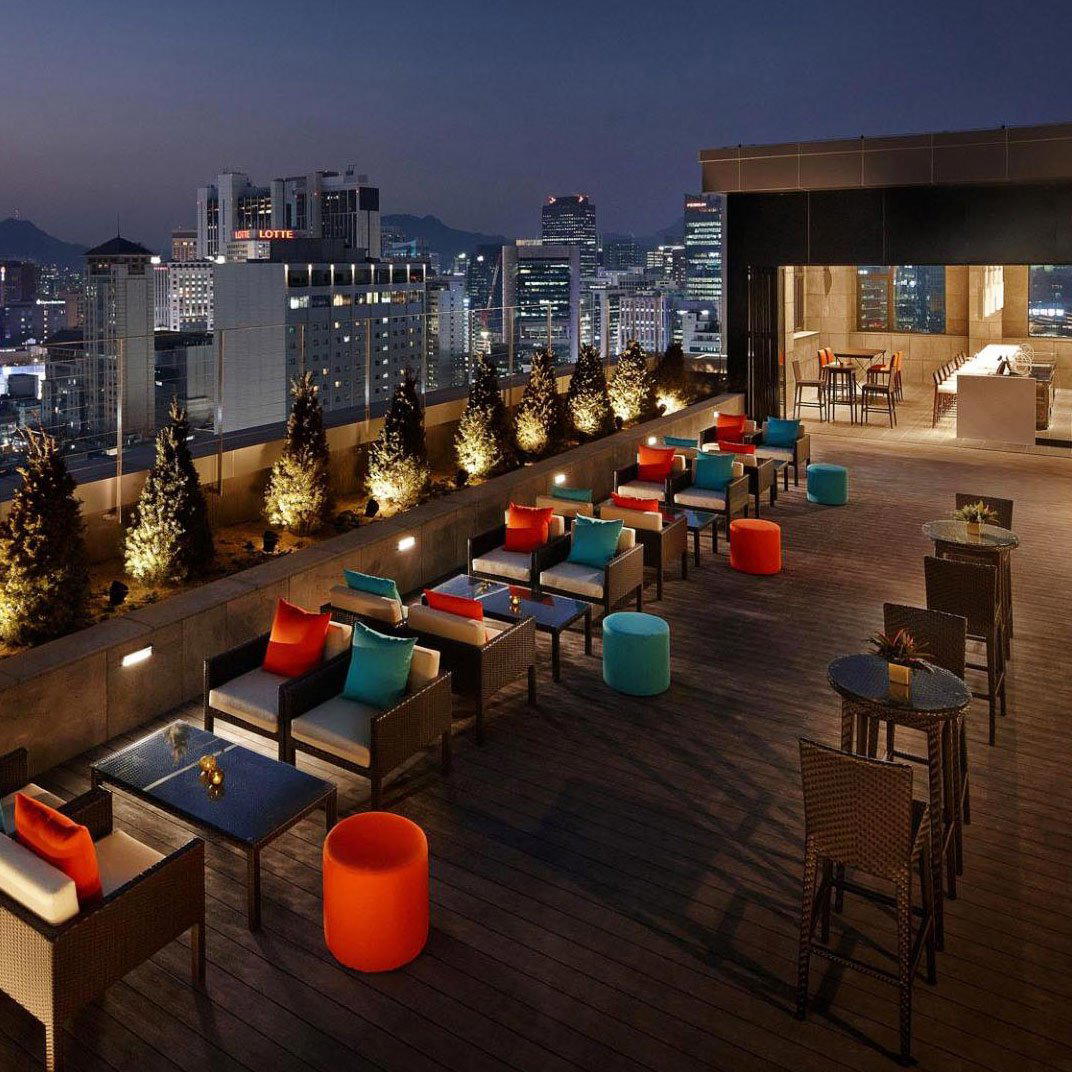
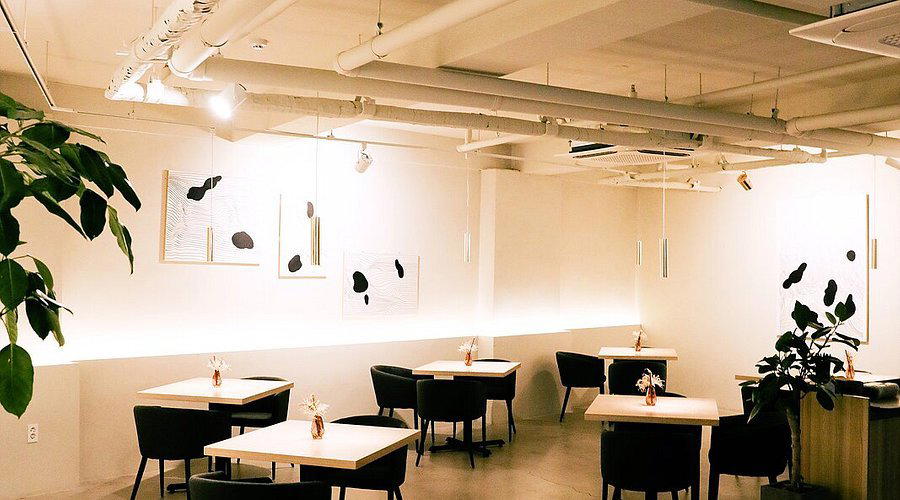
Bars in Seoul
All bars in Seoul →
Details
- Cozy
- Trendy
- Date Night
- Casual Hangout
- Open Kitchen
- A La Carte
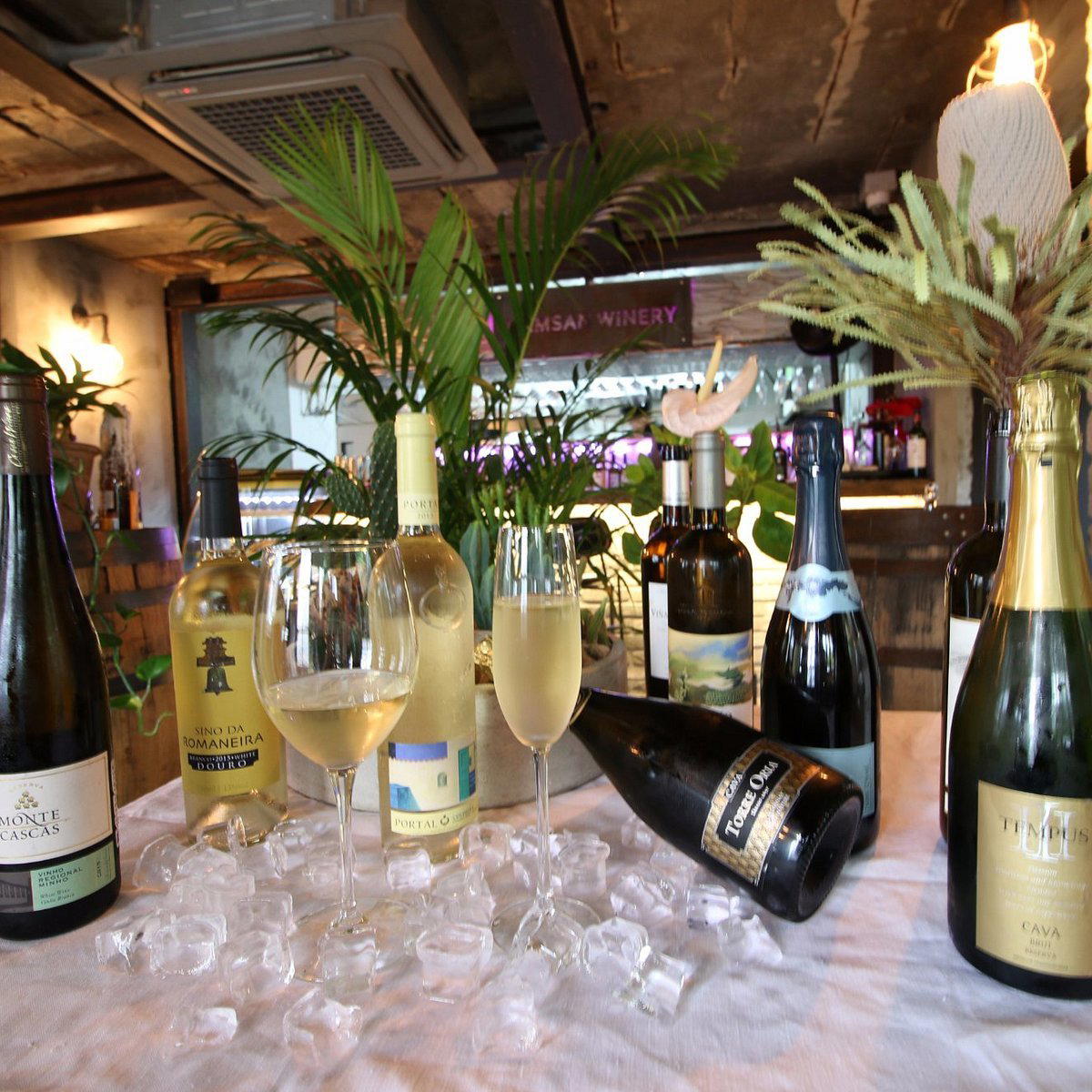
- Wine
Current opening hours
- Monday
- Closed
- Tuesday
- Closed
- Wednesday
- 5:30–9:30 PM
- Thursday
- 5:30–9:30 PM
- Friday
- 5:30–9:30 PM
- Saturday
- 12–2:30 PM, 5–9 PM
- Sunday
- 12–2:30 PM, 5–9 PM
Hours can change for holidays and private events. Hours as of .
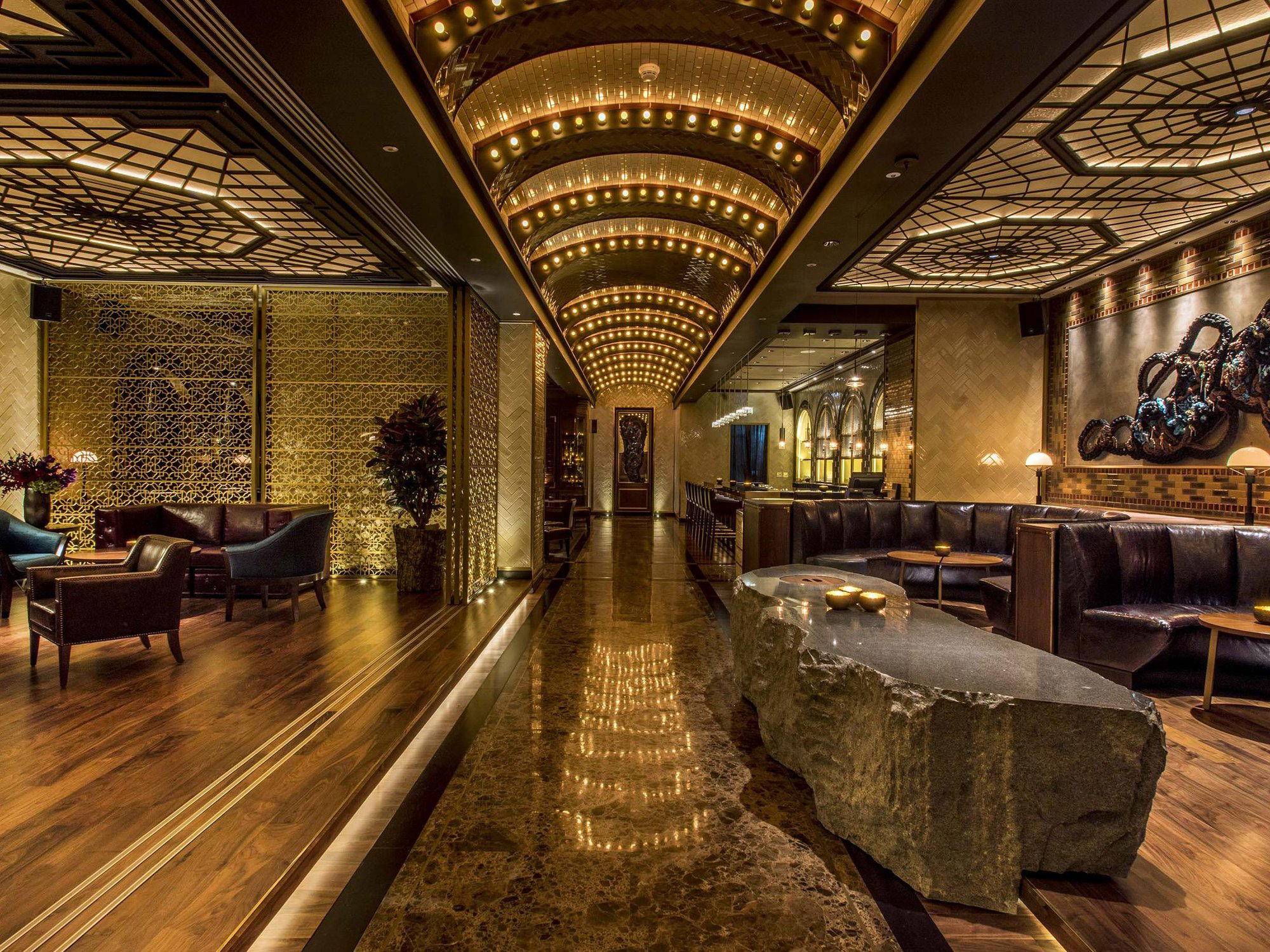
Chill and cozy vibe ideal for Italian food lovers, with a modern interior focused on quality dining.