Kurodino occupies the sixth floor of a Ginza address, placing it within one of Tokyo's most competitive dining corridors, where the menu architecture itself signals positioning. For visitors mapping the upper tier of Tokyo dining, it represents a Chuo City entry point into the broader conversation around how Ginza restaurants structure their offer against kaiseki, omakase, and French-influenced peers.
 Discover on Pearl
Pearl is the En Primeur Club membership app — saves, bookings, and concierge access live there. Same editors, same standards.
- Address
- Japan, 〒104-0061 Tokyo, Chuo City, Ginza, 3 Chome−4−17 オプティカ 6F
- Phone
- +81355799815
- Website
- tabelog.com
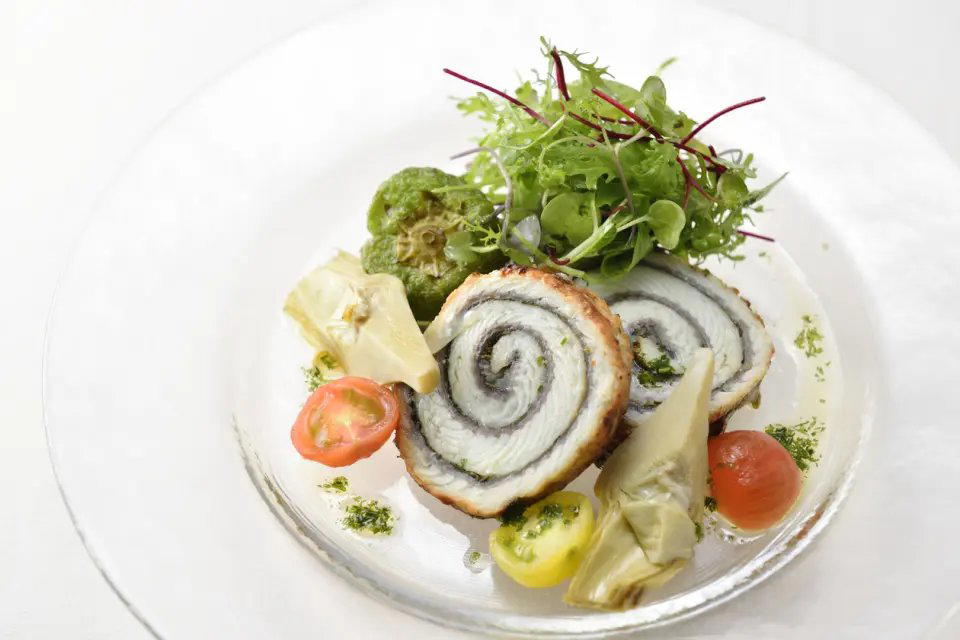
Reading a Ginza Restaurant Through Its Menu Structure
The sixth floor of a building on Ginza 3-chome places a restaurant in specific company. This stretch of Chuo City, bounded by the luxury retail corridor of Chuo-dori to the west and the quieter back streets running toward Higashi-Ginza station, hosts some of Tokyo's most scrutinised dining rooms. Addresses here do not announce themselves loudly. Elevators open onto unmarked or discreetly marked doors, and the building lobby gives almost nothing away. That physical restraint, common across premium Ginza dining, is the first signal: what happens inside is expected to carry the full weight of the proposition.
Kurodino sits within that convention. The sixth-floor position is a practical Ginza shorthand, ground-floor retail rents have long pushed restaurants upward, and the upper floors of mid-block buildings have become the standard home for counters and intimate rooms that want separation from street-level foot traffic. The compression of serious dining into these vertical slices of real estate has shaped how Ginza restaurants are perceived: arrival requires intention, and intention tends to pre-select the clientele.
What Menu Architecture Reveals About Competitive Positioning
Across Ginza's upper tier, the structure of a menu communicates competitive intent more precisely than any single dish. The split in this part of Tokyo runs between three dominant formats: the omakase counter, where the chef's sequence is the product and the guest surrenders selection entirely; the kaiseki progression, with its seasonal course logic inherited from Kyoto tradition; and the European-influenced room where à la carte or tasting menu formats signal different audience assumptions. Each structure implies a different relationship between kitchen and guest, and a different set of peer comparisons.
Venues like Harutaka operate in the omakase register at the highest price tier, where the format itself, typically eight to twelve seats, chef-dictated sequence, no written menu, is the experience framework. RyuGin works within kaiseki logic, using Japanese seasonal ingredients as the organising principle of each course progression. French-influenced rooms like L'Effervescence and Sézanne approach the tasting menu format with European technique and Michelin-facing credentials. Crony occupies a more hybrid position, where innovative and French-influenced categories overlap. Each of these operates at the ¥¥¥¥ tier, meaning the competitive field for a Ginza dinner at serious price points is already crowded and well-defined.
The question any new or less-documented Ginza room invites is where it places itself in that matrix. Kurodino is an Italian-Japanese fusion fine dining restaurant in Ginza, with a recommended reservation policy and a smart casual dress code. That absence itself is informative in the Ginza context, where the most established rooms have accumulated award trails, press coverage, and chef credentials that circulate freely. Rooms that operate without that public documentation trail tend to be either genuinely recent arrivals still accumulating recognition, or deliberately low-profile operations that rely on word-of-mouth and reservation-gatekeeping rather than media exposure.
The Ginza Address as a Trust Signal
In Tokyo's dining geography, the Ginza address carries implicit credentialing. The concentration of Michelin-starred and award-recognised rooms in Chuo City means that landlords, and the building management of premium addresses, exercise informal curation over their tenants. A sixth-floor dining room in a Ginza 3-chome building is not a casual proposition, the cost base and competitive environment set a floor on ambition that rooms in outer wards or less scrutinised neighbourhoods do not face in the same way.
This neighbourhood effect has parallels at the national level. Japan's premium dining is not confined to Tokyo: HAJIME in Osaka, Gion Sasaki in Kyoto, and Goh in Fukuoka each demonstrate that serious culinary credentials distribute across Japan's major cities. Regional rooms like akordu in Nara show that the premium format extends well beyond metropolitan centres. Against that national map, a Ginza address remains one of the highest-visibility locations a Tokyo restaurant can occupy, with the peer pressure that implies.
Outside Japan, the structural comparison holds: rooms like Le Bernardin in New York City and Atomix in New York City demonstrate how a fixed address in a competitive premium district accumulates meaning over time, the location becomes part of the credential, independent of any individual award cycle.
Practical Considerations for Visitors
Ginza dining at this address level typically requires advance planning regardless of the specific room. The neighbourhood's concentration of high-demand counters means that same-week availability is uncommon across the tier, and the upper floors of mid-block Ginza buildings are rarely walk-in propositions. Visitors building a Tokyo itinerary around Ginza dining should treat the area as a planning-first zone: identify target rooms, confirm current booking channels, and work backward from desired dates rather than attempting spontaneous access.
Rooms like 一本杉川島制 in Nanao, 夕佳山乃 in Sapporo, 湖畔庵 in Takashima, 鳥羽屋 in Nishikawa Machi, Birdland in Sakai, and Bistro Ange in Toyohashi each represent the regional depth that rewards travellers willing to move beyond Tokyo's dining corridor.
The Essentials
Comparable venues nearby, for context on price, style, and recognition.
| Venue | Cuisine | Price | Notes |
|---|---|---|---|
| KurodinoThis venue — the venue you are viewing | $$$ | ||
| Pizzeria Bella Napoli | Kōtō, Neapolitan Pizza | $$$ | |
| La Sfoglina | Minato, Italian Pasta Restaurant | $$$ | |
| ズッペリア・オステリア・ピティリアーノ | $$$ | Setagaya, Tuscan Regional Italian Osteria | |
| Sicilia Ya | Bunkyō, Traditional Sicilian restaurant | $$$ | |
| caffe Michelangelo | $$$ | Shibuya, Italian café with house-made desserts and pinsa pizza |




At a Glance
- Elegant
- Sophisticated
- Cozy
- Intimate
- Date Night
- Business Dinner
- Special Occasion
- Private Dining
- Extensive Wine List
- Sake Program
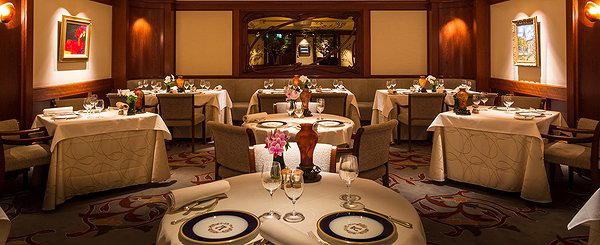
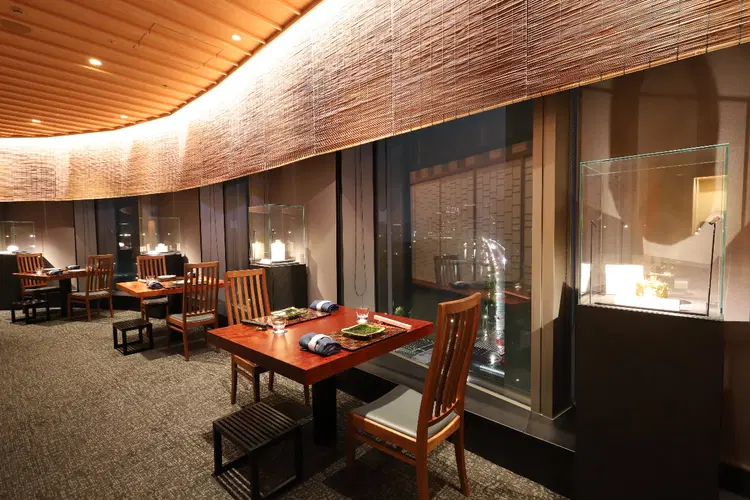
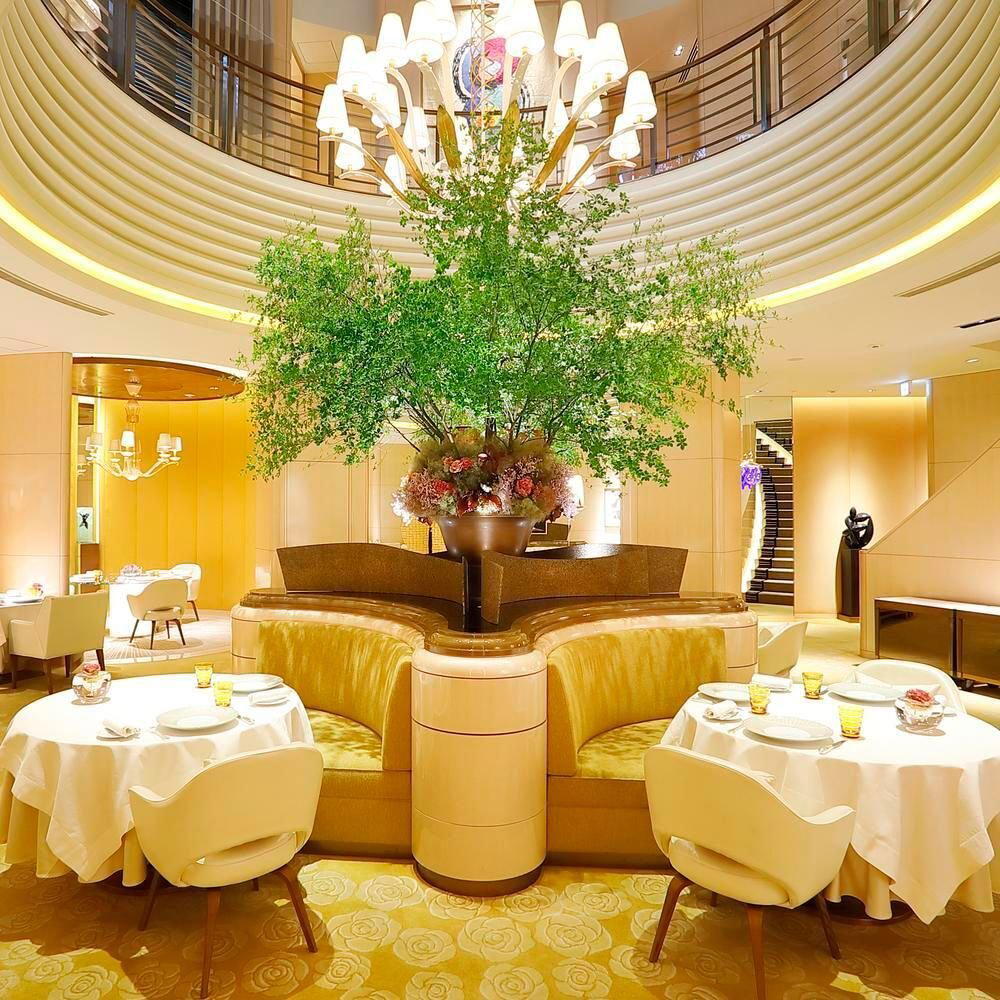
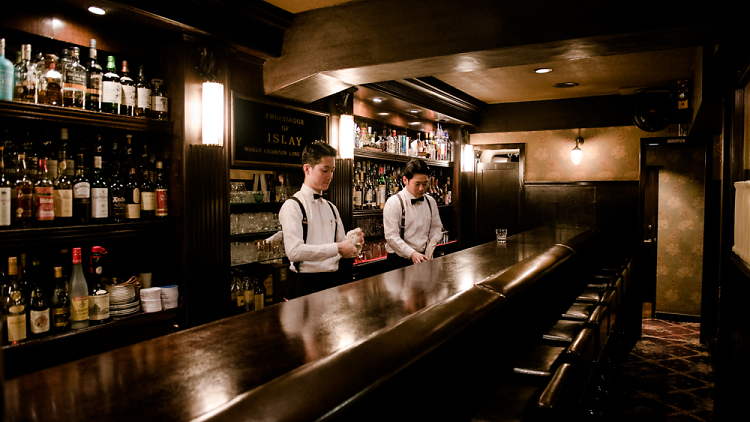
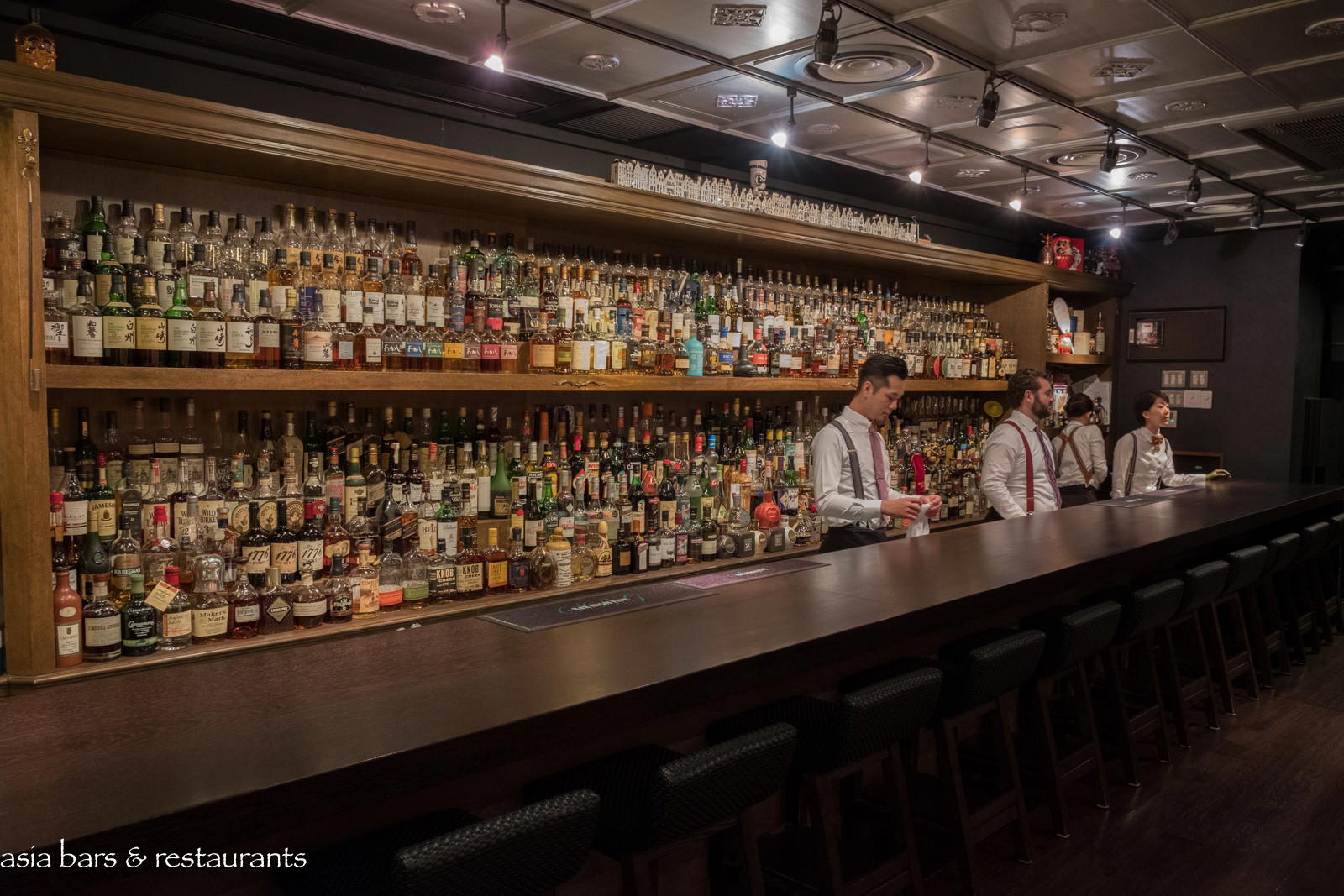
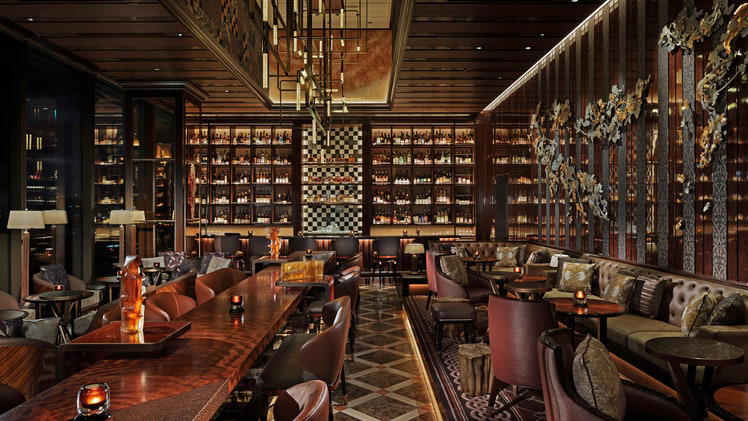
Sophisticated and relaxing wooden interior with high-quality, smoke-free atmosphere.