
A Michelin Plate recipient in 2024 and 2025, Oryori Katsushi occupies a third-floor address in Ginza 8-chome, operating at the ¥¥¥ price tier within one of Tokyo's most competitive kaiseki and washoku corridors. The kitchen is built around a deeply considered dashi programme, with bonito, kombu and clam stocks threading through egg custard, soup, hot pot and pressed sushi courses. The result is a tightly authored menu watched closely by those tracking the next tier of serious Japanese cooking in the capital.
Pearl is the En Primeur Club membership app — saves, bookings, and concierge access live there. Same editors, same standards.
- Address
- Japan, 〒104-0061 Tokyo, Chuo City, Ginza, 8 Chome−7−19 すずりゅうビル 3F
- Phone
- +81 50-5493-0749
- Website
- gd8v902.gorp.jp
- Directions
- Get directions
 Saves & bookings on Pearl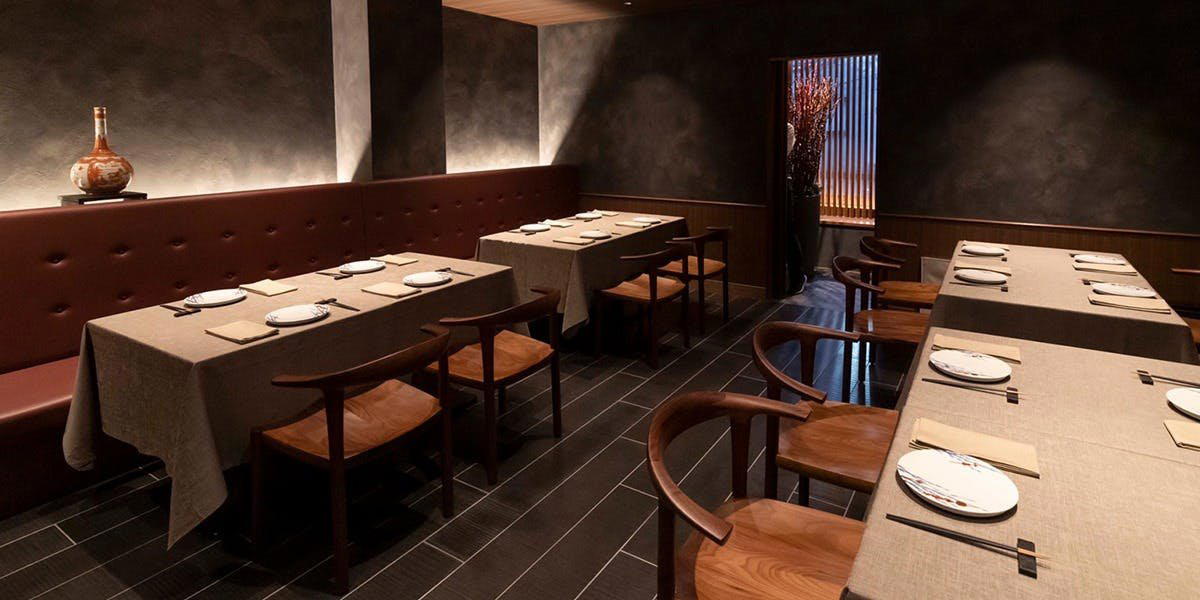
Ginza's Third-Floor Counter: Where Dashi Becomes the Architecture
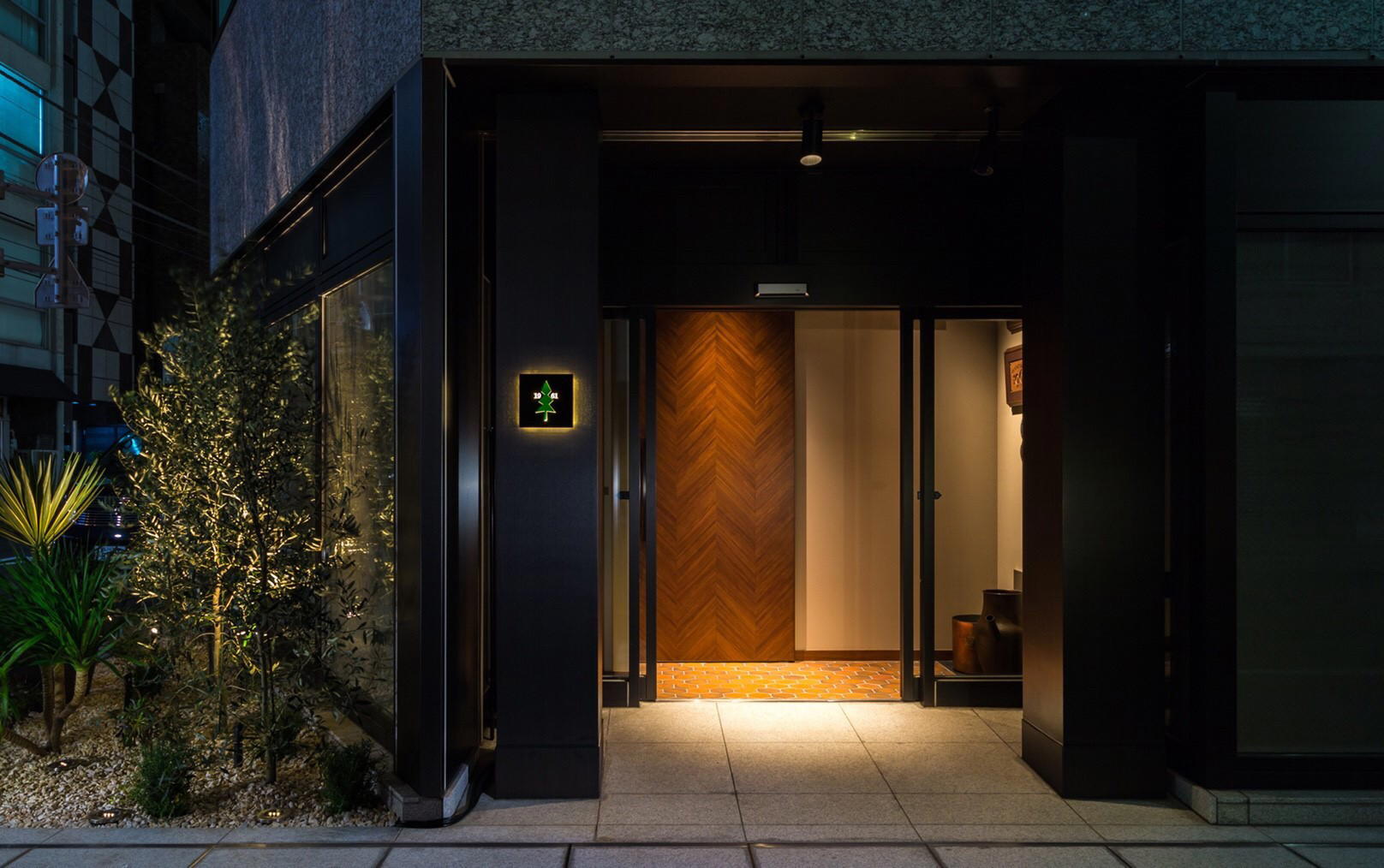
The dining rooms that define Ginza's washoku conversation tend to occupy a predictable vertical hierarchy: street-level theatre at one end, discreet upper-floor rooms at the other. The third floor of the Suzuryu Building at 8 Chome-7-19 belongs firmly to the second category. Oryori Katsushi is the kind of address that does not announce itself from the pavement. In a district where Ginza Fukuju and Myojaku have long anchored the neighbourhood's reputation for serious Japanese cooking, the restaurant's recognition positions Oryori Katsushi as a name gaining institutional notice without yet carrying the waiting-list pressure of the district's most established counters.
That relative accessibility matters. Ginza's premium washoku tier has compressed considerably over the past decade, with three-star counters and omakase rooms now pricing against international comparable venues rather than the wider Tokyo market. The ¥¥¥ positioning of Oryori Katsushi places it in a middle bracket where the cooking must justify its seriousness on technical terms alone, without the insulation of trophy status. Expect about $250 per person. Two consecutive Michelin Plate inclusions suggest it is doing exactly that.
The Physical Container: A Room Shaped Around Attention
Upper-floor Japanese dining rooms in Ginza have a particular grammar. Removed from street noise, compact in scale, and almost always arranged to focus attention inward, they demand a certain quietude from the diner that street-level restaurants rarely enforce. The Suzuryu Building address follows this logic. The third-floor placement compresses the space, reduces foot traffic to those who have already committed to being there, and creates the conditions in which the work of a small kitchen can be properly read.
In kaiseki-adjacent formats across Tokyo, from Azabu Kadowaki to Kagurazaka Ishikawa, the room's architecture is calibrated to slow the diner down. A smaller, upper-floor room in Ginza performs the same function: it removes distraction and redirects attention to the sequence of dishes. The building's scale and the format's logic suggest an intimate room rather than a large one.
Dashi as the Organising Principle
The kitchen's central technical commitment is to dashi, and it is worth understanding why this matters as a structural choice rather than a stylistic flourish. Dashi is the foundational stock of Japanese cooking, but the approach to constructing it varies considerably between culinary lineages. A Kansai-trained sensibility, which informs the kitchen's approach here tends toward lighter, more precisely layered stocks than the bolder extractions common in some Tokyo kitchens. The blend of dried bonito flakes, kombu kelp and clams that runs through the menu at the restaurant reflects a specific school of thought: that depth should be achieved through layering rather than intensity.
That dashi appears across savoury egg custard, soup dishes, hot pots and other Japanese preparations. It is a kitchen philosophy in which one ingredient acts as the connective tissue of the entire menu, threading consistency through formats that would otherwise read as separate courses. Diners at Jingumae Higuchi or those tracking Japan's broader washoku conversation more widely, through addresses like Gion Sasaki in Kyoto or Isshisoden Nakamura in Kyoto, will recognise this as a serious position to take.
Sushi Within a Washoku Framework
The menu's sushi component deserves separate note, because it operates differently from the omakase counters that dominate Ginza's upper end. Vinegared rice, simmered abalone liver sauce and pressed chub mackerel sushi are not standalone omakase courses; they are washoku elements that arrive within a broader sequence. This pressed sushi format has deep roots in Osaka's culinary tradition, and its appearance here within a Ginza washoku room marks a considered synthesis of regional influences rather than a single-register menu.
The abalone liver sauce in particular signals a kitchen thinking about secondary preparations and by-products as primary flavour vehicles. Those who have followed Kashiwaya Osaka Senriyama or HAJIME in Osaka will understand the tradition this references, even if the register here is quieter and more domestic in scale.
Where Oryori Katsushi Sits in the Tokyo Picture
Tokyo's washoku and kaiseki corridors have a clear tier structure. At the apex, addresses with multiple Michelin stars and decade-long reservation queues operate in a category that functions more like allocation than booking. Below that, a middle tier of Michelin Plate and Bib Gourmand recognitions represents the city's most active critical territory: kitchens doing serious work at prices that still allow regular return visits. The restaurant sits in that middle tier and has held Michelin Plate status across two consecutive years, which is the kind of consistency that signals a kitchen in control of its programme rather than fluctuating with seasonal changes in personnel or direction.
For those building a Tokyo itinerary around Japanese cooking, this is not a substitute for a starred counter. It is a different kind of proposition: a focused, technically grounded room where the dashi programme and the Kansai-Tokyo synthesis of the menu offer something that the higher-priced tier often does not, which is the sense of a kitchen still defining what it wants to be. That is worth more to some diners than settled prestige.
Japan's wider dining conversation extends well beyond the capital. akordu in Nara, Goh in Fukuoka, 1000 in Yokohama and 6 in Okinawa each represent a distinct regional strand that complements rather than duplicates what Ginza offers.
Know Before You Go
- Address: Suzuryu Building 3F, 8 Chome-7-19 Ginza, Chuo City, Tokyo 〒104-0061
- Price range: ¥¥¥
- Awards: Michelin Plate 2024; Michelin Plate 2025
- Cuisine: Japanese (washoku, dashi-led; pressed sushi component) 1 from 29 reviews
- Booking: Reservation is essential.
- Getting there: Ginza 8-chome is a short walk from Shimbashi Station (JR Yamanote Line) or Ginza Station (Tokyo Metro Ginza/Hibiya/Marunouchi Lines).
Price Lens
Comparable venues nearby, for context on price, style, and recognition.
| Venue | Cuisine | Price | Awards | Notes |
|---|---|---|---|---|
| Oryori KatsushiThis venue — the venue you are viewing | Chūō, Seasonal Kaiseki Kappo | $$$$ | Michelin Plate | Not listed |
| Noto Kanazawanosachi Ginza Furuta | Chūō, Ishikawa Regional Japanese Kaiseki | $$$$ | Michelin Plate | Not listed |
| Aramaki | Minato, Seasonal Yakitori Omakase | $$$$ | Michelin Plate | Not listed |
| Fugu Club miyawaki Bettei | Chūō, Modern Fugu Fine Dining | $$$$ | Michelin Plate | Not listed |
| Tasogare | Not listed | $$$$ | Michelin Plate | Minato, Modern Japanese Bistro with European Influences |
| Hibinoryori Viola | Minato, Kaiseki Home Cooking | $$$$ | Michelin Plate | Not listed |
Recognition history
Dated appearances from independent guides and award organizations, with the underlying list record or original source where available.
Michelin Plate
Michelin
Michelin Plate
Michelin
Michelin Plate
Michelin




At a Glance
- Intimate
- Elegant
- Cozy
- Sophisticated
- Date Night
- Business Dinner
- Special Occasion
- Solo
- Chefs Counter
- Sake Program
Current opening hours
- Monday
- 6–10:30 PM
- Tuesday
- 6–10:30 PM
- Wednesday
- 6–10:30 PM
- Thursday
- 6–10:30 PM
- Friday
- 6–10:30 PM
- Saturday
- 6–10:30 PM
- Sunday
- Closed
Hours can change for holidays and private events. Last verified .
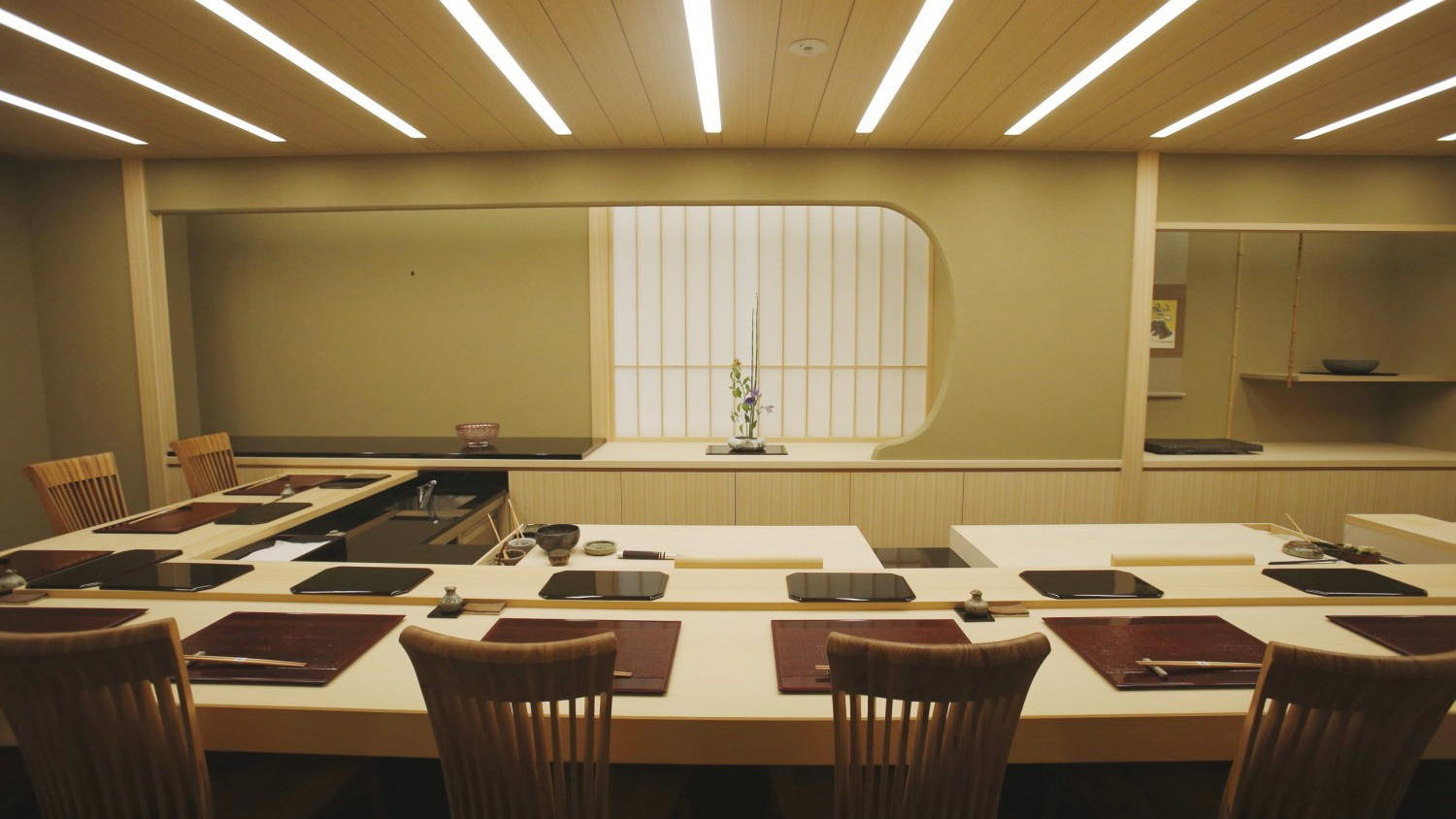
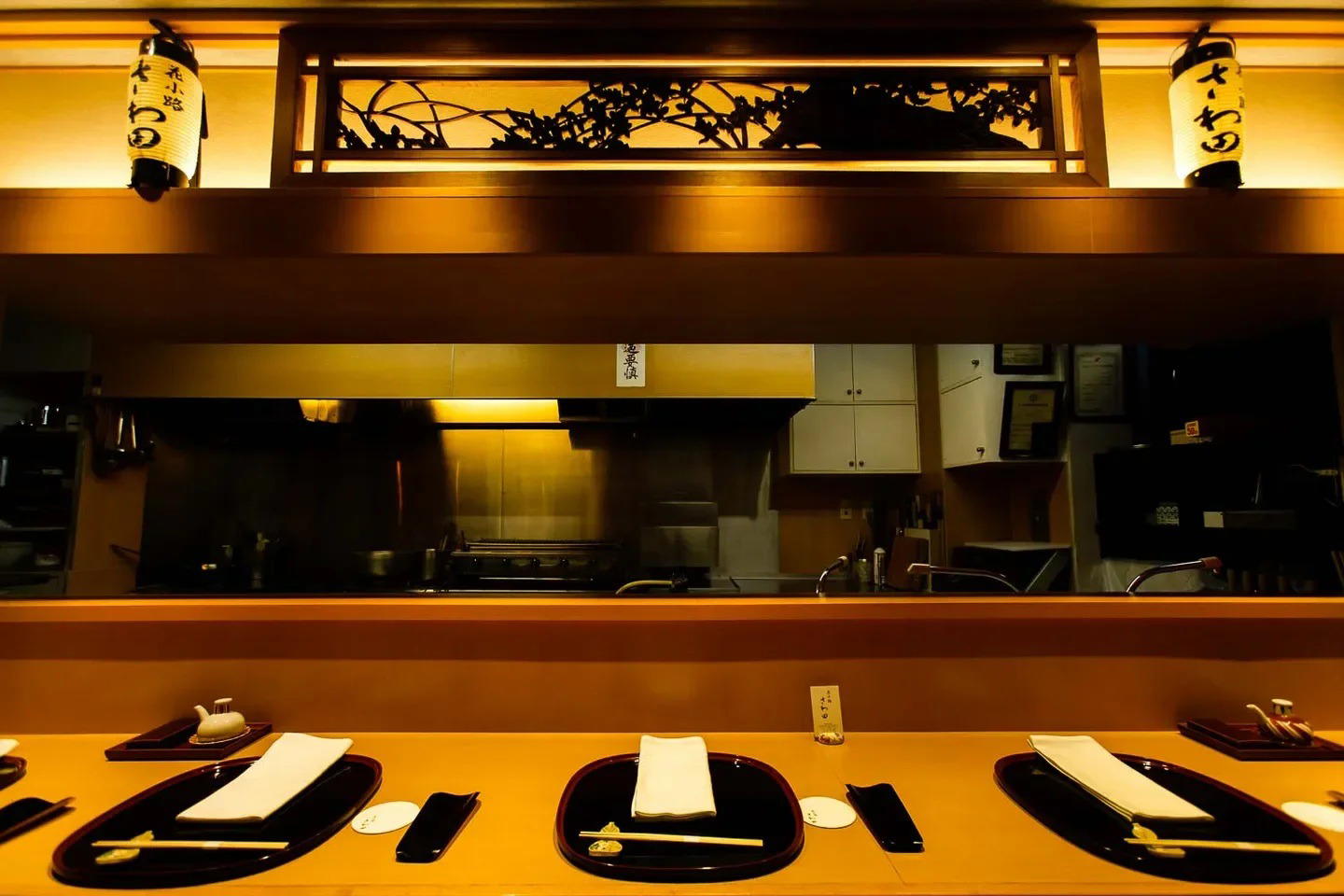
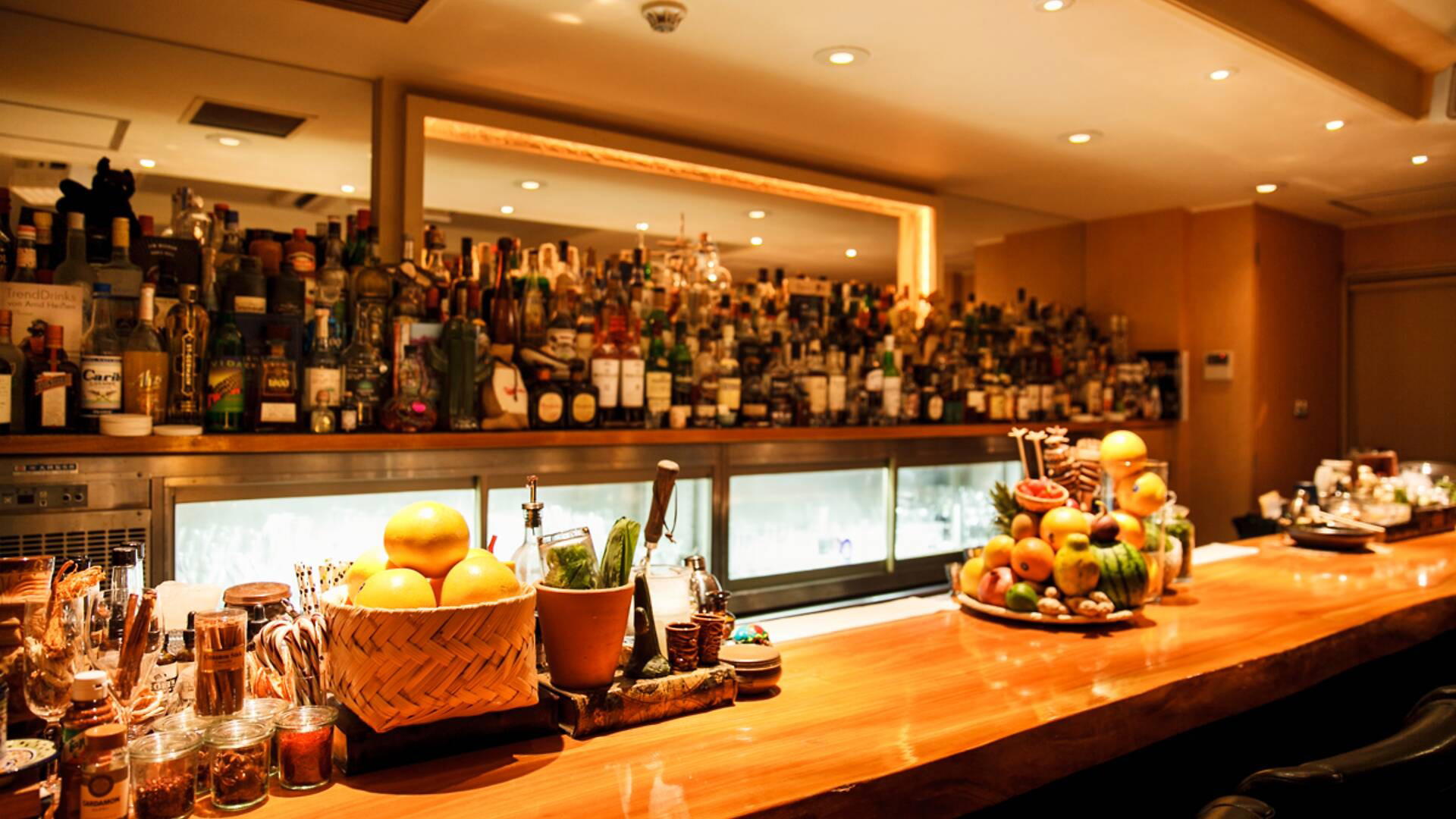
Calm, relaxing interior with 7 counter seats offering a cozy, warm atmosphere and intimate view of the chef's preparations.