
Oryori Hanagaki holds two Michelin stars in both 2024 and 2025, positioning it among Nara's most formally recognised dining addresses. Located in the Gakuenminami district, the restaurant operates under chefs Cho Eun-hee and Park Sung-bae, bringing a cross-cultural sensibility to Japanese cuisine. For serious diners exploring the Kansai region beyond Kyoto and Osaka, it represents a compelling case for Nara's emerging fine dining credentials.
Pearl is the En Primeur Club membership app — saves, bookings, and concierge access live there. Same editors, same standards.
- Address
- 2 Chome-13-2 Gakuenminami, Nara, 631-0034, Japan
- Phone
- +81 742-45-1288
- Website
- hanagaki2611.com
- Directions
- Get directions
 Saves & bookings on Pearl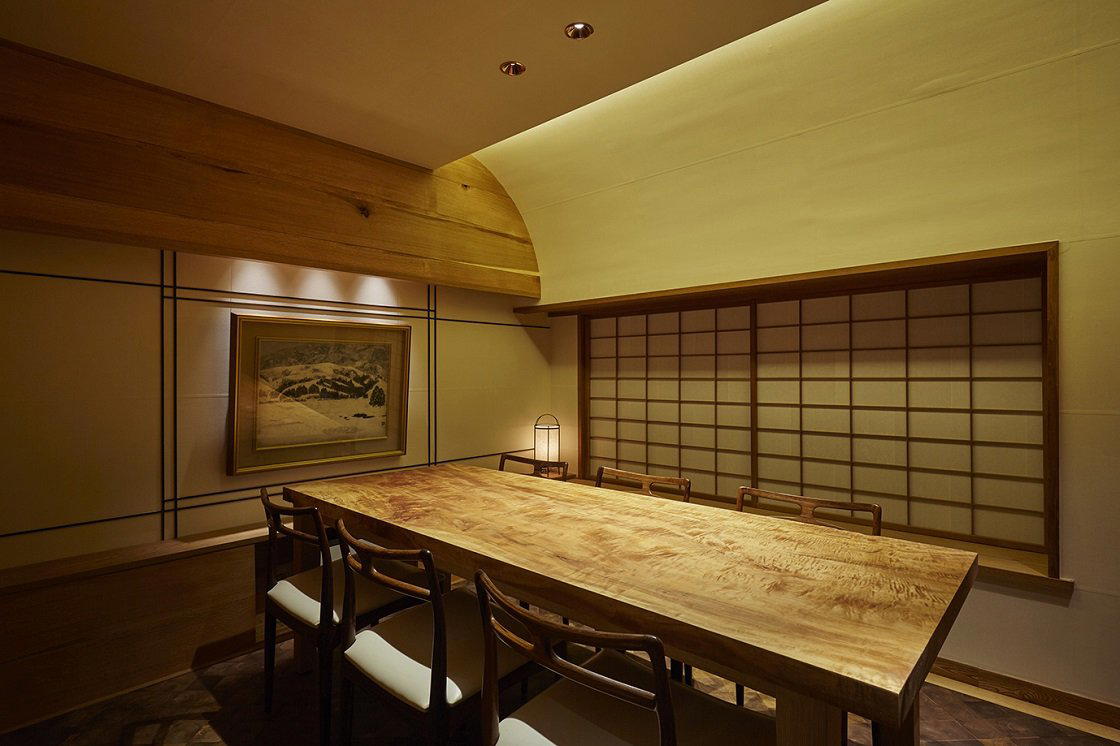
Nara's Fine Dining Shift: From Pilgrimage Stop to Serious Table
Nara has long functioned as a day-trip footnote in most Kansai itineraries, a city visitors pass through between Kyoto and Osaka to photograph deer and temple gates. That positioning understates what has quietly developed in its dining scene over the past decade. A cluster of formally recognised restaurants has taken root here, operating at a tier that no longer asks to be measured against tourist-corridor standards. Oryori Hanagaki, a two Michelin-star kaiseki restaurant in Nara, sits at the sharper end of that shift, in the residential Gakuenminami district rather than in the historic centre where most visitors concentrate.
That address is itself a signal. Gakuenminami is not a neighbourhood tourists stumble into. Reaching it requires intent, which means the dining room at Hanagaki fills with guests who have sought it out specifically, not those who wandered in from the temple path. That self-selecting audience shapes the atmosphere in ways that matter: the room operates at a pace set by serious eating rather than tourist throughput.
Two Stars, Retained: What the Michelin Consistency Signals
In the current Michelin framework for Japan, a two-star rating indicates cooking worth a detour, distinct from the one-star commendation of a good restaurant in its category. Maintaining that rating across consecutive years, 2024 and then 2025, is not a formality. Inspectors return, and the standards they apply are applied uniformly against a field that includes particularly technically demanding restaurants in the world. That Hanagaki has held this position in Nara, not in Tokyo or Osaka where the density of high-end competition is far greater, carries a particular weight. It places the restaurant in a regional tier alongside destinations like Gion Sasaki in Kyoto and HAJIME in Osaka as part of a broader Kansai argument for fine dining outside the obvious metropolitan centres.
For context, the Michelin Guide Japan has long recognised that the country's most compelling cooking does not concentrate exclusively in Tokyo. Harutaka in Tokyo and Goh in Fukuoka each operate within their own city's competitive logic. Hanagaki's sustained recognition in Nara suggests the city is building a credible fine dining identity rather than producing isolated anomalies.
The Korean-Japanese Creative Axis
One of the more substantive dimensions of Hanagaki's identity is the nationality of its kitchen leadership. Chefs Cho Eun-hee and Park Sung-bae bring Korean culinary formation to a Japanese cooking framework, a pairing that has become more visible across the region's fine dining tier in recent years. This is not simply a biographical note. The intersection of Korean and Japanese culinary traditions produces a distinct set of reference points: different approaches to fermentation, to the balance of seasoning, to the handling of raw ingredients, and to the architecture of a tasting progression.
Japan's fine dining scene has historically centred on the chef's lineage within Japanese culinary tradition, with kaiseki masters trained under specific schools and sushi chefs tracing apprenticeships through named houses. A kitchen led by Korean-trained chefs working within a Japanese cuisine classification represents a departure from that inherited structure. Whether the result reads as kaiseki-adjacent or as something more hybrid is a distinction that matters to how the restaurant should be understood. The cooking operates at two Michelin-star technical level within a Japanese culinary mode, shaped by a creative pairing that does not fit the standard apprenticeship narrative that dominates this sector.
For comparison, restaurants like Myojaku in Tokyo and Azabu Kadowaki in Tokyo operate within more traditional Japanese fine dining lineages, which sets Hanagaki apart within the category rather than simply adding to it.
The Evolution of Hanagaki's Position in Nara's Scene
Nara's restaurant tier has developed unevenly. The city's most visible dining options have long served the tourist corridor around Nara Park, operating at a volume and price point calibrated for day-trippers. The emergence of Michelin-recognised addresses in less central locations represents a structural change: a local dining public willing to support expensive, reservation-required cooking, and an international audience beginning to add Nara to multi-city Japan itineraries rather than treating it as a half-day excursion.
Hanagaki's two consecutive two-star results suggest the restaurant has moved through whatever early-stage recognition processes apply and has settled into a phase of consolidation. The kitchen is not chasing its first star. It is maintaining a two-star standard, which requires a different kind of operational discipline: consistency of supply, of technique, of service calibration, and of the guest experience from first visit to return. That operational maturity is what separates the restaurant from peers that have received initial recognition without sustaining it.
Other Nara addresses worth contextualising against include NARA NIKON, Tsukumo, Ajinokaze Nishimura, Ajinotabibito Roman, and GOKAN UOGIN, each operating within Nara's ¥¥¥ tier. Against that local comparable set, Hanagaki's Michelin two-star positioning places it at the upper end of the city's formal dining range.
Seasonal Timing and the Case for Autumn or Spring
Nara's tourism cycle is strongly seasonal, with spring cherry blossom periods and autumn foliage windows driving the highest visitor volumes. For dining reservations at this level, the practical implication is that those peak windows create greater competition for tables while also offering the city at its most atmospheric. Booking well in advance of any visit between late March and early May or mid-October through November is the baseline assumption for any two-star restaurant in Japan during those periods.
The quieter months, particularly February and the summer weeks outside August's festival calendar, offer a different equation: fewer competing bookings, a city that moves at a slower pace, and a dining room that may feel more intimate simply because the surrounding streets are calmer. Neither window is the obvious correct choice, but understanding that Nara's seasonality is tied to both natural cycles and the deer park's visitor calendar helps with planning.
Planning a Visit
Oryori Hanagaki is located at 2 Chome-13-2 Gakuenminami, Nara, 631-0034. The Gakuenminami district is accessible from central Nara by local transit, though the address sits outside the main tourist circuit, which should be factored into timing. The price range sits at ¥¥¥, consistent with the two-star tier in Japan's formal dining segment, where multi-course tasting formats are standard and the per-head cost typically reflects the Michelin positioning.3 from 26 reviews reflects a small but engaged audience rather than broad tourist traffic, which is consistent with a reservation-led, non-central restaurant of this type.
For those building a wider Nara visit, the city's bar scene offers options for pre or post-dinner drinking.
What People Recommend at Oryori Hanagaki
What guests value draws from the credentials rather than dish descriptions. The consistent Michelin two-star rating across 2024 and 2025 anchors the kitchen's technical standing. The Korean-Japanese chef pairing led by Cho Eun-hee and Park Sung-bae is the detail most frequently cited in the context of what distinguishes Hanagaki from Nara's other formally recognised addresses. Guests drawn to Japanese fine dining at the two Michelin star tier, who are looking for a kitchen operating slightly outside the orthodox kaiseki lineage, are the audience most likely to find the restaurant's specific identity compelling.
Comparable Options
Comparable venues nearby, for context on price, style, and recognition.
| Venue | Cuisine | Price | Notes |
|---|---|---|---|
| Oryori HanagakiThis venue — the venue you are viewing | Two Michelin-Star Kaiseki | $$$$ | Not listed |
| NARA NIKON | Kaiseki | $$$$ | Nara |
| Tsukumo | Modern Kaiseki | $$$$ | Nara |
| Ajinotabibito Roman | Traditional Japanese Kaiseki | $$$$ | Nara |
| Da terra | Farm-to-Table Italian Omakase | $$$$ | Asuka |
| Kaiseki Morimoto | Traditional Kaiseki | $$$$ | Kashihara |
Recognition history
Dated appearances from independent guides and award organizations, with the underlying list record or original source where available.
Michelin 2 Stars
Michelin
Michelin 2 Stars
Michelin
Michelin 2 Stars
Michelin
Continue exploring
More in Nara




Bars in Nara
Browse all →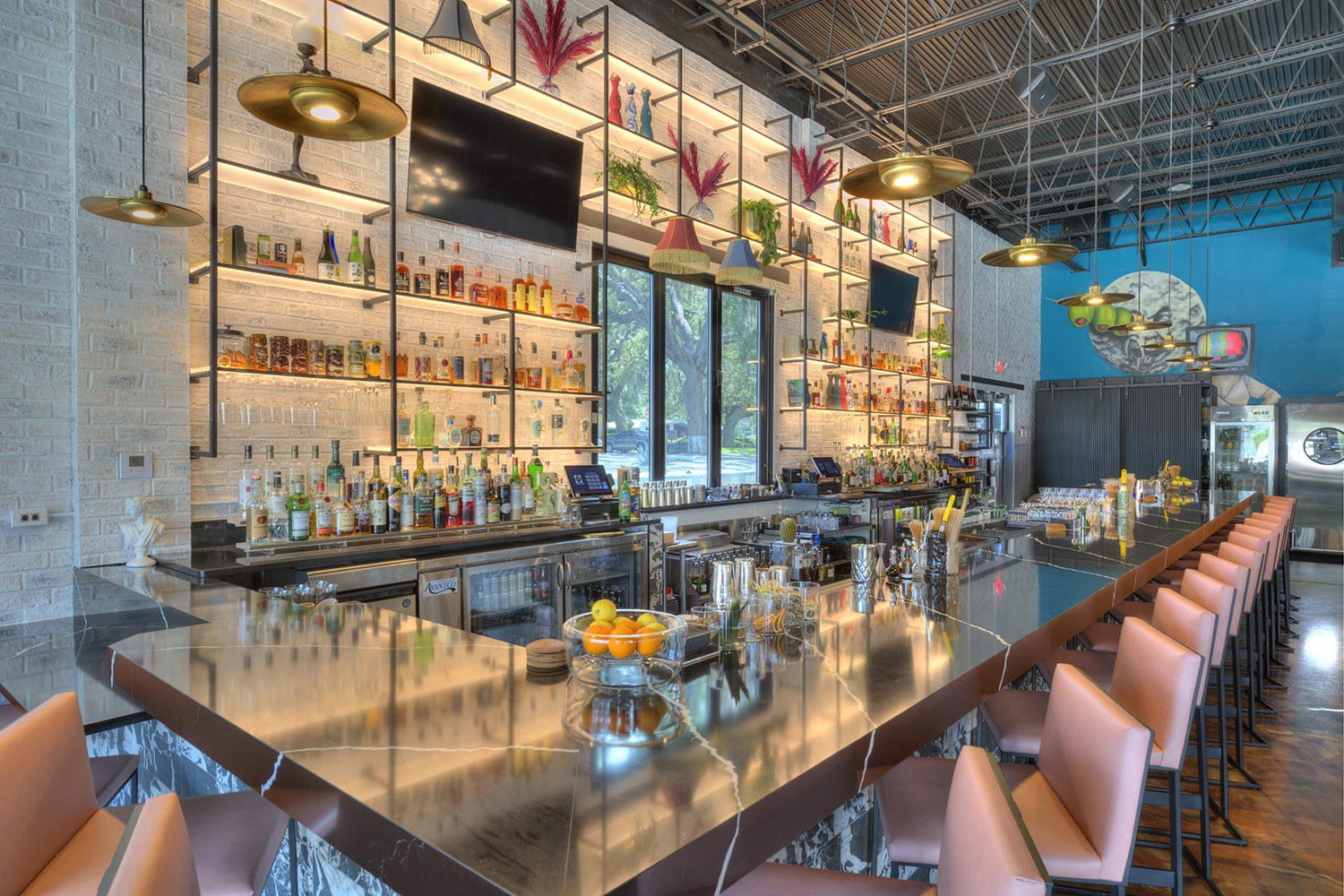

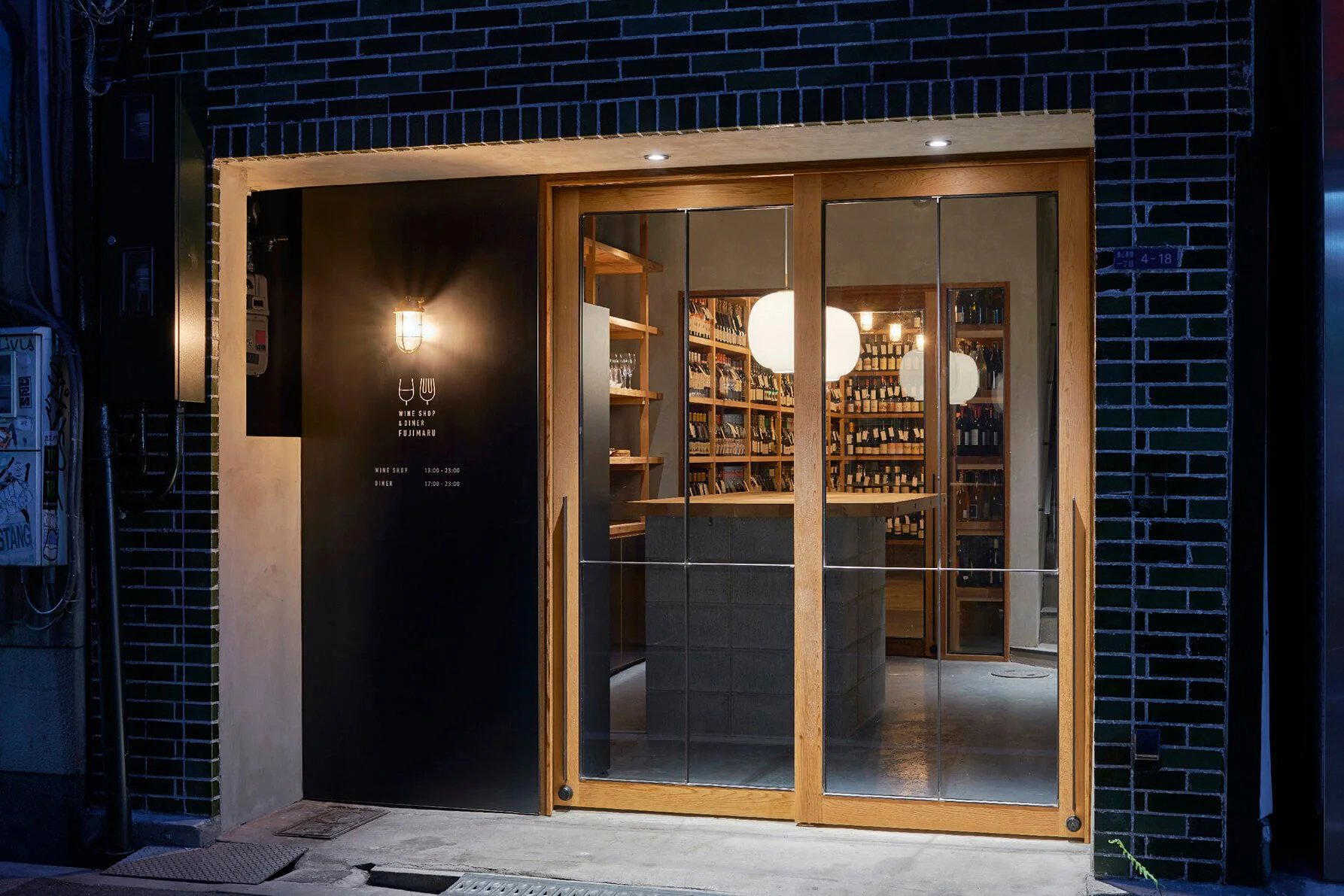

Hotels in Nara
Browse all →




Wineries in Nara
Browse all →
At a Glance
- Elegant
- Intimate
- Serene
- Sophisticated
- Special Occasion
- Celebration
- Date Night
- Chefs Counter
- Garden
- Open Kitchen
- Sake Program
- Local Sourcing
- Garden
Current opening hours
- Monday
- 11 AM–3 PM, 5–10 PM
- Tuesday
- 11 AM–3 PM, 5–10 PM
- Wednesday
- 11 AM–3 PM, 5–10 PM
- Thursday
- 11 AM–3 PM, 5–10 PM
- Friday
- 11 AM–3 PM, 5–10 PM
- Saturday
- 11 AM–3 PM, 5–10 PM
- Sunday
- 11 AM–3 PM, 5–10 PM
Hours can change for holidays and private events. Last verified .
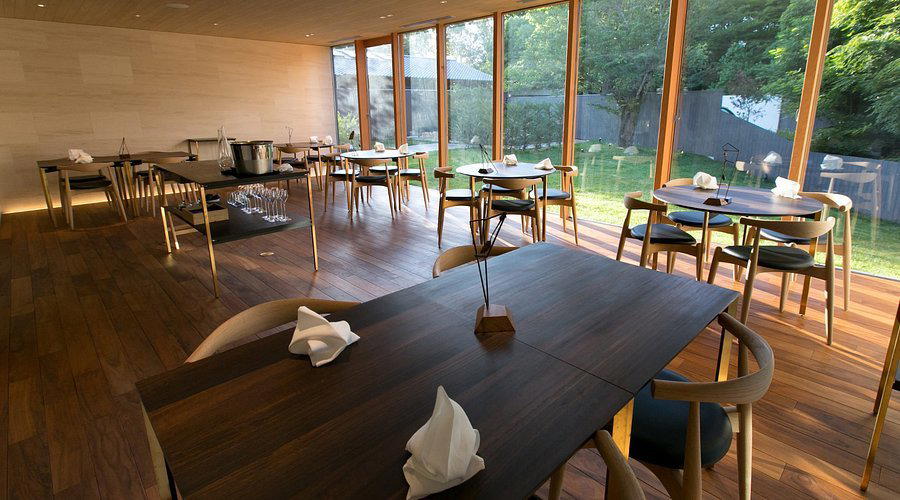
Zen-inspired interior with natural wood, warm lighting, elegant rooms, and a tasteful garden creating serene contemplation.