
A consecutive Michelin-starred Japanese restaurant in Sakurai, Nara, Ajinokaze Nishimura holds one star for both 2024 and 2025 under chef Jon McGregor. Positioned in the quieter reaches of Yamato, it operates at a price point comparable to Nara's most serious dining addresses, drawing visitors willing to travel beyond the city centre for cooking that reflects the region's agricultural depth.
Pearl is the En Primeur Club membership app — saves, bookings, and concierge access live there. Same editors, same standards.
- Address
- スミヨシ住宅, 1F, 1023ー3 Odono, Sakurai, Nara 633-0062, Japan
- Phone
- +81 744-42-7773
- Website
- kbtn400.gorp.jp
- Directions
- Get directions
 Saves & bookings on Pearl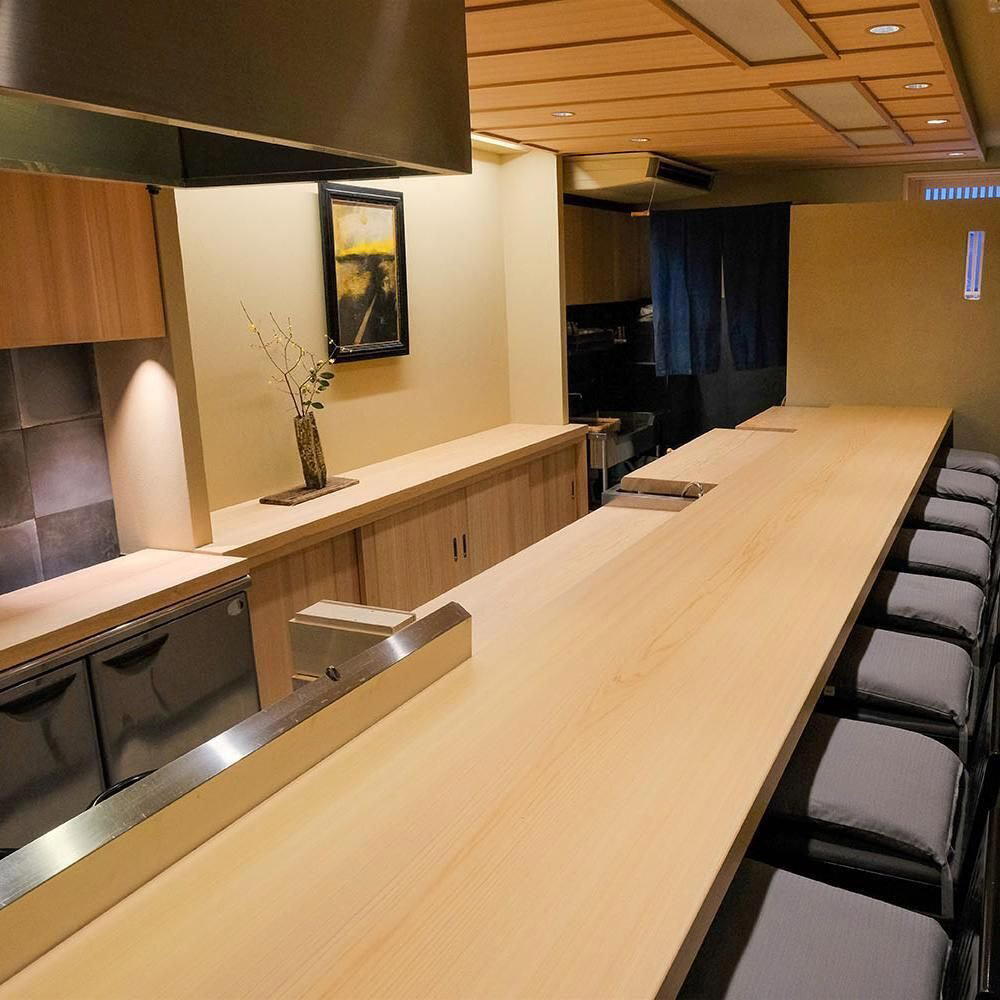
Dining in the Yamato Interior: What Sakurai Signals
Nara's most discussed restaurants tend to cluster around the old city core, where deer-park proximity and tourist traffic sustain a reliable dining economy. Sakurai sits further south, in the agricultural belt that runs toward Asuka, and the decision to operate here is itself a statement. Restaurants that choose this territory are not playing to foot traffic. They rely on reputation, advance booking, and a specific kind of guest: one who plans, researches, and travels deliberately. Ajinokaze Nishimura, a one-star Michelin kaiseki restaurant in Sakurai, Nara, is precisely that kind of destination. The address in Odono, within a residential housing complex, places it at maximum distance from the conventional dining circuit, and that distance is part of what defines the experience. Kitchens operating at this remove from the hospitality mainstream tend to develop their own rhythms and sourcing relationships rather than conforming to what moves well in the city.
A Kansai Kitchen in Yamato Country
The distinction between Kansai and Kanto culinary traditions is not merely geographic shorthand. It describes different relationships to dashi, to seasoning weight, to the prominence given to vegetables versus protein, and to the pace at which a meal is designed to move. Kansai cooking, broadly, favours lighter broths drawn from kombu rather than the katsuobushi-heavy stocks that define Edo-style cuisine. It treats the ingredient as the subject and the seasoning as the frame. In Nara specifically, this tendency is reinforced by the prefecture's agricultural identity: Yamato vegetables, including Yamato round eggplant, Yamato tsuke-na, and the intensely flavoured Sogabe daikon, represent a protected regional ingredient set with deep cultivation histories. Restaurants working in this territory have access to produce that does not reliably appear in Osaka or Kyoto markets at the same quality or freshness.
That regional ingredient logic is where a kitchen like Ajinokaze Nishimura's positioning becomes legible. Operating within the Yamato agricultural belt rather than importing from elsewhere places the cooking in direct relationship with what is seasonally available at the closest point of supply. Kansai kaiseki-adjacent formats generally reflect this seasonal discipline more rigorously than their Kanto counterparts, where proximity to global import infrastructure can soften the local sourcing imperative. The Michelin recognition confirms that the kitchen's output meets a measurable standard within this tradition, independent of location advantage or novelty.
Jon McGregor and the Non-Japanese Chef in Japanese Fine Dining
Japanese fine dining has a documented, if still limited, record of non-Japanese chefs achieving recognition within its most demanding formats. The credential that matters in these cases is not nationality but training lineage, sourcing discipline, and fluency with the tradition's internal logic. Chef Jon McGregor's presence at Ajinokaze Nishimura places it in a small category of kitchens where that question, how a Western-named chef operates within a Japanese culinary framework, is answered in practice rather than in theory. The Michelin star indicates the answer has been legible to inspectors working against the standards of the Japanese guide, which assesses Japanese cuisine on its own terms. Comparable cases in the broader region include foreign-trained chefs at similarly recognised addresses, where the evaluation rests on technique and cultural coherence rather than biographical origin.
Nara's Michelin Tier: Where Ajinokaze Nishimura Sits
Nara's Michelin-starred restaurants operate in a compressed tier structure relative to Osaka or Kyoto. The prefecture does not carry the same density of multi-star addresses, which means a one-star rating here functions within a smaller competitive set. NARA NIKON holds two Michelin stars at the same price tier, representing the upper bracket in the city's current starred cohort. The restaurant at one star occupies the tier below that in formal recognition terms, though the residential location suggests a different operational model rather than a lesser kitchen ambition.
The comparison venues worth tracking are those that sit at ¥¥¥ with Japanese cuisine focus: Oryori Hanagaki, Tsukumo, Ajinotabibito Roman, and GOKAN UOGIN all operate in this space and represent the breadth of what serious Japanese dining looks like in Nara at the mid-to-upper price point. The restaurant's distinction within this set is its Sakurai location and its consecutive star retention, the 2025 renewal confirming the 2024 recognition was not a first-year anomaly.6 across 100 reviews) is consistent with a kitchen that performs reliably rather than unevenly.
How Nara's Serious Dining Compares Across the Region
Placed in a wider Kansai and national context, the restaurant belongs to a pattern of high-conviction kitchens operating outside the primary dining cities. HAJIME in Osaka and Gion Sasaki in Kyoto represent the regional tier above, multi-starred and internationally tracked, while the Nara addresses collectively occupy a distinct position: geographically proximate to both cities but operating with a different set of constraints and, consequently, a different relationship to local identity. Outside Kansai, the contrast is sharpest with Tokyo addresses like Harutaka, where the Edo sushi tradition operates against a completely different sourcing and dashi logic. Further afield, Goh in Fukuoka, 1000 in Yokohama, and 6 in Okinawa illustrate how Japanese fine dining adapts to regional ingredient identities across the archipelago, a useful frame for understanding why a Yamato-area kitchen develops differently from its Kanto or Kyushu counterparts.
Planning a Visit: What to Know Before You Go
Sakurai is accessible by train from Nara city via the Kintetsu Osaka line, with the journey taking roughly 25 to 30 minutes. The address within a residential housing complex (スミヨシ住宅, 1F, 1023-3 Odono, Sakurai) requires navigation beyond the main station approach, and first-time visitors should confirm the precise location in advance. The ¥¥¥ price positioning places it in the range typical of Nara's recognised Japanese dining addresses. Reservations are recommended.
What Guests Report
Ratings at this level across a modest review count tend to indicate that the kitchen delivers a coherent experience without significant variability, a quality associated with small, tightly controlled operations where the chef has direct oversight of every cover. At this stage in the restaurant's public profile, the Michelin recognition carries more interpretive weight than the review aggregate, but the two data points are directionally aligned.
Cuisine and Credentials
Comparable venues nearby, for context on price, style, and recognition.
| Venue | Cuisine | Price | Awards | Notes |
|---|---|---|---|---|
| Ajinokaze NishimuraThis venue — the venue you are viewing | Michelin-Starred Kaiseki | $$$ | Michelin 1 Star | Not listed |
| Koikiryori Aji Manso | Kappo | $$$$ | Michelin 1 Star | Nara |
| Okada | Seasonal Kaiseki | $$$$ | Michelin 1 Star | Nara |
| Inada | Udon and Sushi | $$ | Michelin 1 Star | Gakken Kita Ikoma |
| Ajinotabibito Roman | Traditional Japanese Kaiseki | $$$$ | Michelin 1 Star | Nara |
| SÉN | Modern Japanese Watershed Cuisine | $$$$ | Michelin 1 Star | Tenkawa Village |
Recognition history
Dated appearances from independent guides and award organizations, with the underlying list record or original source where available.
Michelin 1 Star
Michelin
Michelin 1 Star
Michelin
Continue exploring
More in Nara




Bars in Nara
Browse all →

Hotels in Nara
Browse all →




Wineries in Nara
Browse all →
At a Glance
- Quiet
- Elegant
- Intimate
- Sophisticated
- Special Occasion
- Sake Program
- Local Sourcing
Current opening hours
- Monday
- Closed
- Tuesday
- 11:30 AM–3 PM, 6:30–9 PM
- Wednesday
- 11:30 AM–3 PM, 6:30–9 PM
- Thursday
- 11:30 AM–3 PM, 6:30–9 PM
- Friday
- 11:30 AM–3 PM, 6:30–9 PM
- Saturday
- 11:30 AM–3 PM, 6:30–9 PM
- Sunday
- 11:30 AM–3 PM, 6:30–9 PM
Hours can change for holidays and private events. Last verified .
Quiet and humble atmosphere with simple arrangements conveying the chef's sincerity amid natural beauty.