Joo Ok Restaurant
Joo Ok Restaurant occupies a third-floor address on Sogong-ro in Seoul's Jung District, placing it within the capital's most concentrated tier of serious Korean dining. The restaurant sits in a neighbourhood that bridges old Seoul's commercial core with its contemporary restaurant ambitions, making it a useful reference point for understanding how the city's kitchen culture has evolved beyond surface-level modernisation.
- Address
- South Korea, Seoul, Jung District, Sogong-ro, 119 3층
- Website
- catchtable.net
- Directions
- Get directions
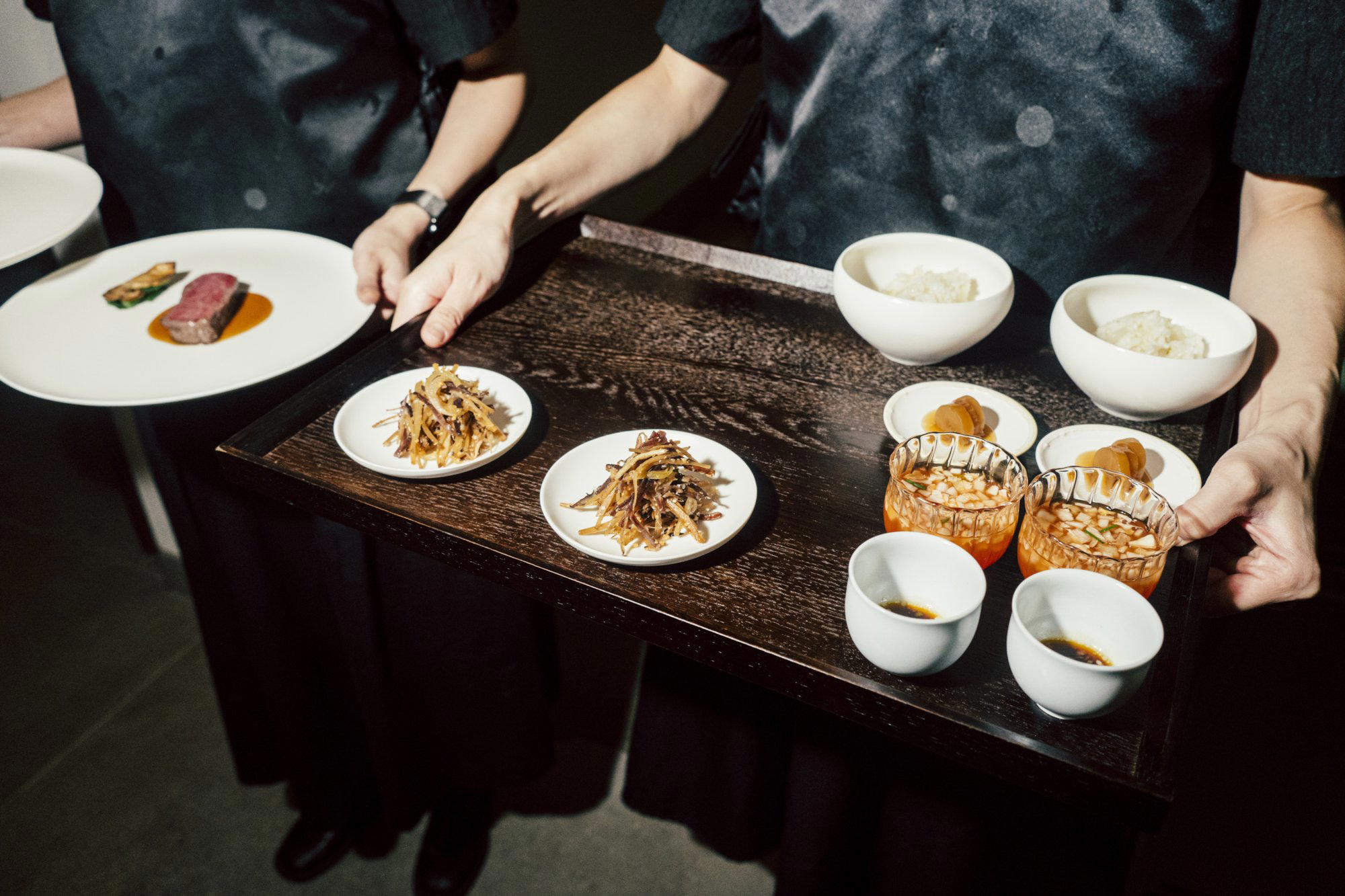
Jung District and the Architecture of Seoul's Serious Dining Scene
Seoul's restaurant geography has a logic that rewards attention. The Jung District, anchored by Sogong-ro, sits between the palace corridors of Jongno and the commercial density of Myeongdong, and the kitchens that have taken root here tend to operate with a different register than those in Gangnam or the Seongsu creative cluster. This is older Seoul, where the dining tradition carries weight and where a third-floor address on a commercial block can house some of the most considered cooking in the city. Joo Ok Restaurant, at 119 Sogong-ro, occupies exactly that kind of space.
The physical approach matters in this part of the city. Street level in Jung District is retail and transit noise; the restaurants worth seeking out often require an elevator or a staircase, a deliberate remove from the street that functions as a kind of threshold. That separation is not accidental in Korean dining culture, where the transition between outside and inside carries genuine social meaning. Arrival at Joo Ok is an act of intention, not convenience.
Korean Fine Dining in Its Current Form
To understand where Joo Ok sits, it helps to map the broader movement it belongs to. Seoul has spent the better part of two decades constructing a fine dining identity rooted in Korean culinary tradition rather than imported frameworks. The early wave, which ran roughly from 2010 to 2016, leaned heavily on French technique applied to Korean ingredients. The more recent phase is more confident and less apologetic: chefs are drawing on the actual grammar of Korean cooking — fermentation timelines, jeong-sik course logic, seasonal ingredient discipline — and treating that grammar as the primary language rather than a flavour accent inside a European structure.
Peers in this space include Mingles and Kwonsooksoo, both of which operate at the ₩₩₩₩ tier and have received Michelin recognition for their interpretations of Korean culinary heritage. Jungsik represents the earlier generation that translated Korean sensibility through a contemporary international format. More recently, Soigné and alla prima have pushed the innovative end of the spectrum, where Korean identity is present but folded into a less categorically defined approach. Joo Ok occupies its own position within this field, addressing the Jung District audience rather than the Gangnam concentration that dominates the higher-profile end of Seoul's fine dining map.
The Cultural Roots of Korean Restaurant Cooking
Korean cuisine carries a structural logic that distinguishes it sharply from the course-by-course Western tradition. The jeong-sik format, a meal in which multiple small dishes arrive together rather than sequentially, reflects a philosophy about communality and balance rather than narrative progression. Fermented preparations like doenjang, ganjang, and gochujang are not condiments in the Western sense; they are foundational flavour pillars that take months or years to develop and whose character shifts with each batch and season. A kitchen that takes this tradition seriously is committed to a production timeline that has nothing in common with the à la carte Western model.
The seasonal discipline embedded in Korean temple food and court cuisine traditions also informs how serious practitioners approach menus. Ingredients are understood to have specific windows, early spring greens, late autumn roots, winter dried preparations, and the calendar shapes the kitchen's decisions in ways that a fixed menu cannot accommodate. Comparison venues like Onjium, which focuses on court cuisine reconstruction, and 7th Door, which applies contemporary technique to traditional Korean formats, both operate within this seasonal logic. The dining room, in these contexts, is a record of what the season permits, not what the kitchen prefers.
This cultural framework is worth holding in mind when approaching any serious Korean restaurant in Seoul, Joo Ok included. The meal is not a performance of technique for its own sake; it is an argument about what Korean cooking means when its practitioners take it at full seriousness. For international diners accustomed to the Le Bernardin model of fine dining or the community-dinner format of something like Lazy Bear, the reference points are different here, and the adjustment is part of the experience's value.
Positioning Within the Seoul Restaurant Tier
Jung District does not carry the same critical volume as Cheongdam or Apgujeong, but that has more to do with media concentration than kitchen quality. Restaurants in this part of the city tend to draw a local professional clientele alongside visitors who have done the research rather than followed the broadest recommendation trail. That dynamic shapes the room in ways that matter: the pace is less performative, the service assumptions are rooted in a Korean dining culture rather than an internationally standardised hospitality template.
For those mapping a Seoul trip around serious eating, the Jung District placement puts Joo Ok within reach of the city's central cultural and historical sites. Diners covering ground from Gyeongbokgung to Namdaemun can integrate a meal here without committing to a cross-city transit exercise. The concentration of high-calibre restaurants along the Han River corridor and in the northern districts means that Seoul rewards itinerary building rather than spontaneous discovery, and Jung District functions as a sensible anchor point for that kind of planning. Our full Seoul restaurants guide maps the city's dining zones in more detail for those building a multi-day eating itinerary.
Beyond Seoul: The Broader Korean Dining Picture
Seoul dominates the narrative of Korean fine dining, but the country's restaurant depth extends well beyond the capital. Mori in Busan represents the port city's distinct culinary identity, shaped by seafood proximity and a different social pace. Double T Dining in Gangneung and Doosoogobang in Suwon point to a provincial restaurant culture that is gaining its own critical attention. Injegol in Inje County and Baegyangsa Temple in Jangseong-gun sit within the temple food tradition that predates restaurant culture entirely. For those extending travel to Jeju, Cheon Jee (천지) and The Flying Hog in Seogwipo offer contrasting registers of island dining. Market Café in Incheon and 권숙수 - Kwon Sook Soo in Gangnam-gu round out a picture of how Korean restaurant culture distributes across the country's geography. 에버리움펜션 in Cheoin represents yet another register entirely, for those whose itinerary includes rural Gyeonggi Province.
Planning a Visit
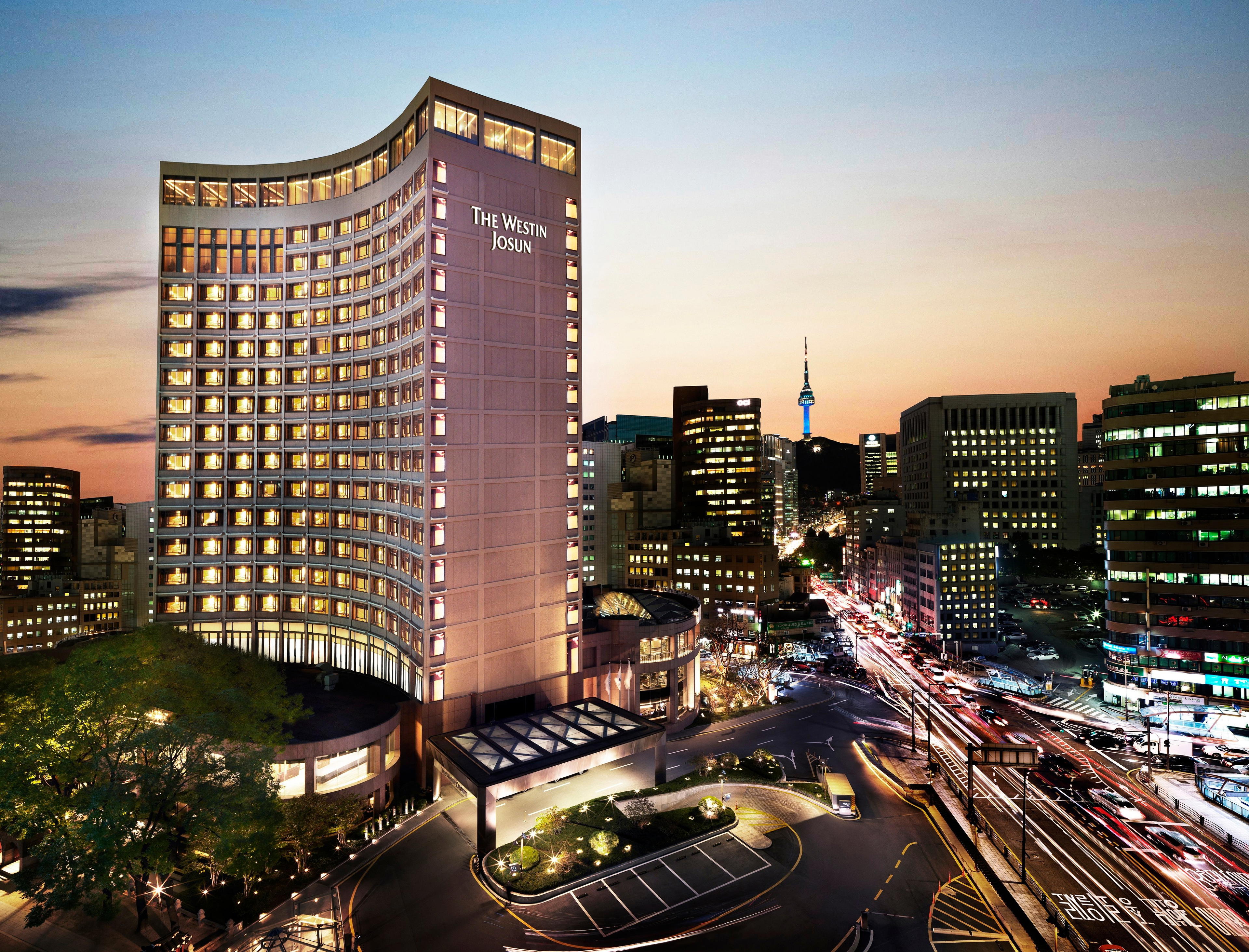
Joo Ok is located at 119 Sogong-ro, 3층 (third floor), in the Jung District of Seoul. The address sits in a part of the city well served by Seoul Metro lines connecting to City Hall and Euljiro stations. Given that this part of Jung District draws a business and cultural crowd rather than a tourist-dense one, the restaurant's pace and service register will reflect that context. Booking in advance is advisable for any serious Seoul dining, the upper tiers of the city's restaurant culture, particularly those with Michelin proximity or critical recognition, tend to fill on a timeline that does not accommodate last-minute planning. Confirming reservation details directly is recommended, as contact information and hours are leading verified at the point of booking rather than assumed from third-party listings.
Budget Reality Check
| Venue | Cuisine | Price | Awards |
|---|---|---|---|
| Joo Ok RestaurantThis venue — the venue you are viewing | Not listed | This venue | Not listed |
| Eatanic Garden | Contemporary | ₩₩₩₩ | Michelin 1 Star |
| Onjium | Korean | ₩₩₩₩ | Michelin 1 Star |
| 7th Door | Korean, Contemporary | ₩₩₩₩ | Michelin 1 Star |
| L'Amitié | French | ₩₩₩ | Michelin 1 Star |
| Zero Complex | Korean-French, Innovative | ₩₩₩₩ | Michelin 1 Star |
Continue exploring
More in Seoul
Restaurants in Seoul
Browse all →
At a Glance
- Elegant
- Sophisticated
- Minimalist
- Intimate
- Date Night
- Special Occasion
- Open Kitchen
- Sake Program
- Local Sourcing
- Skyline
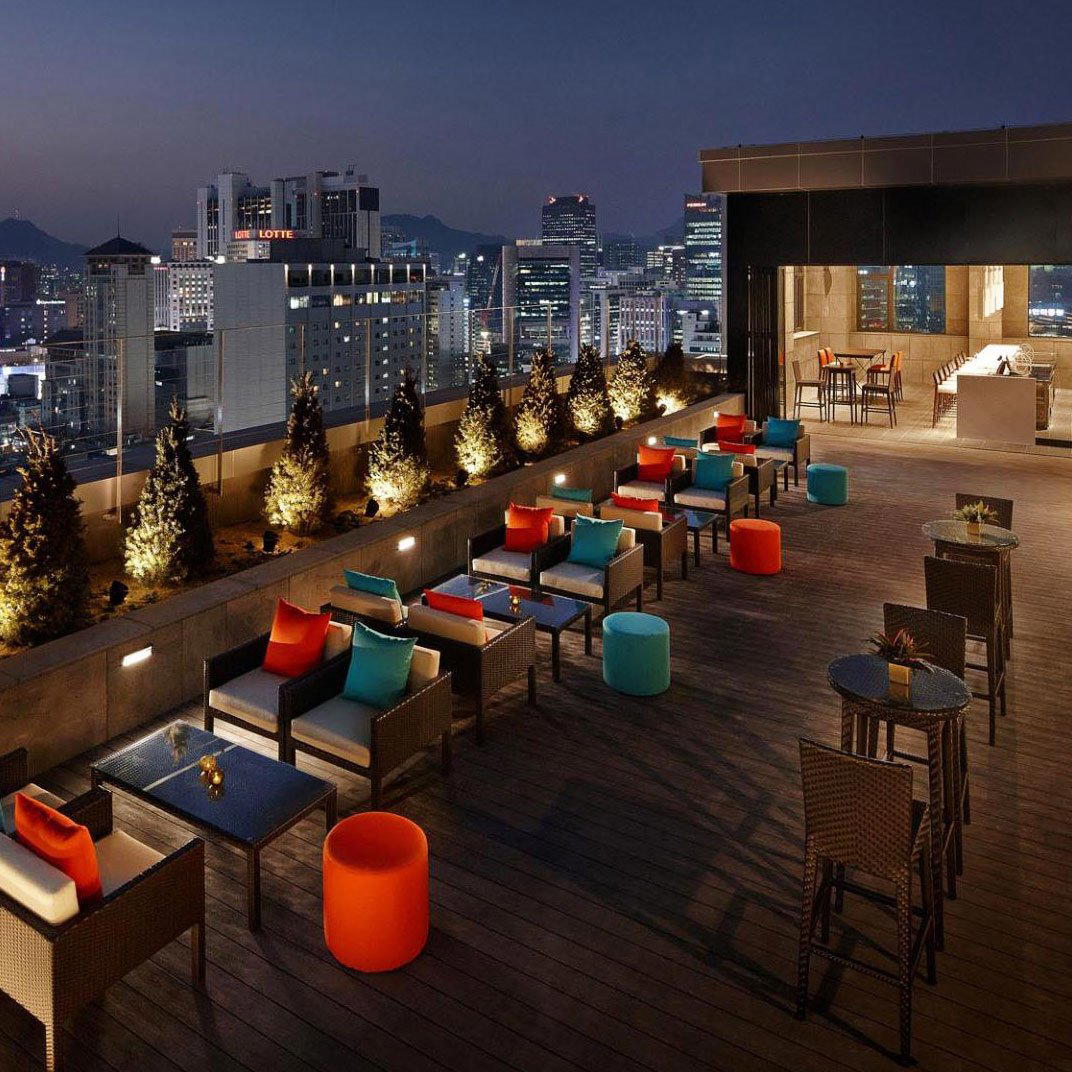
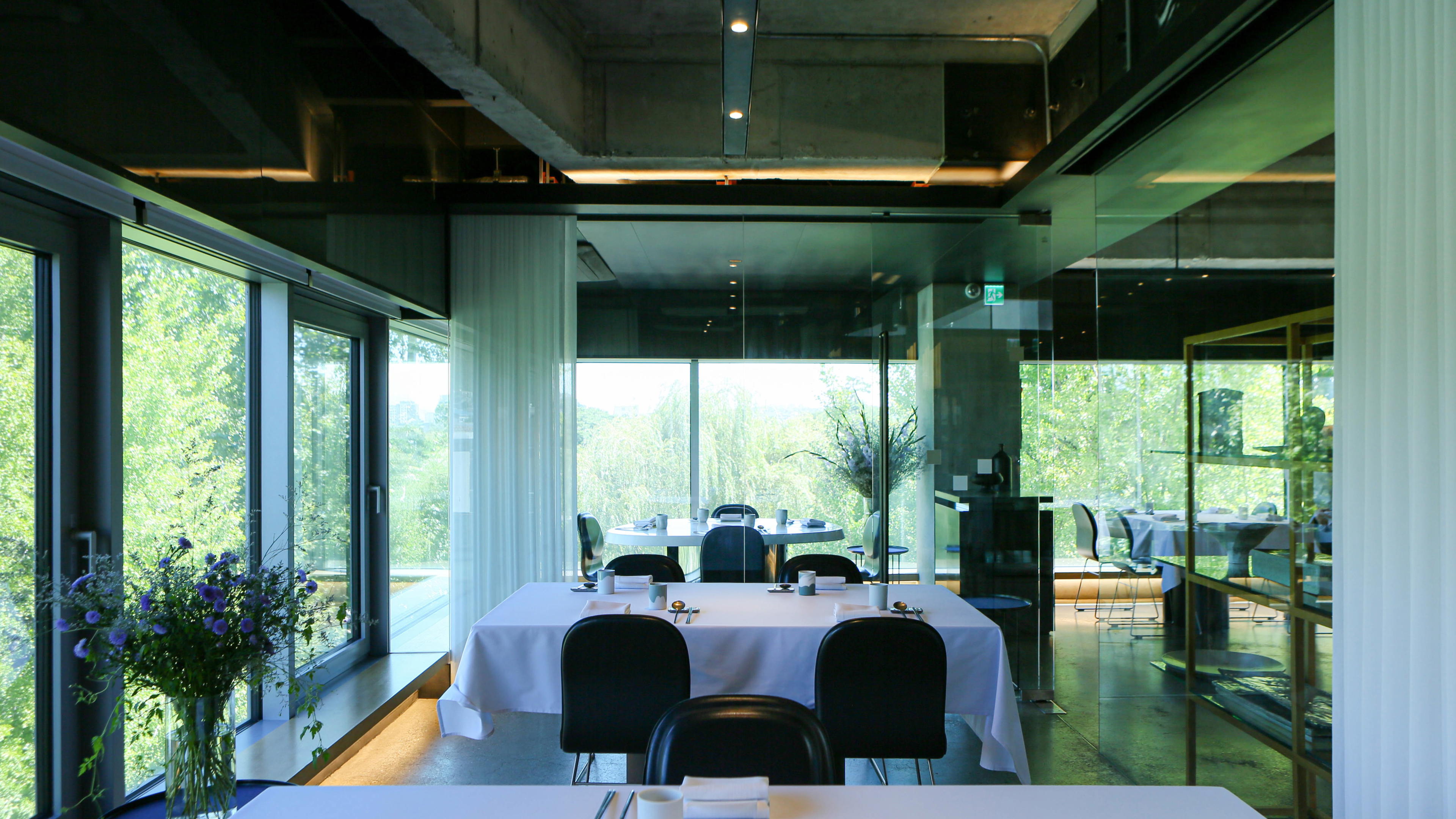
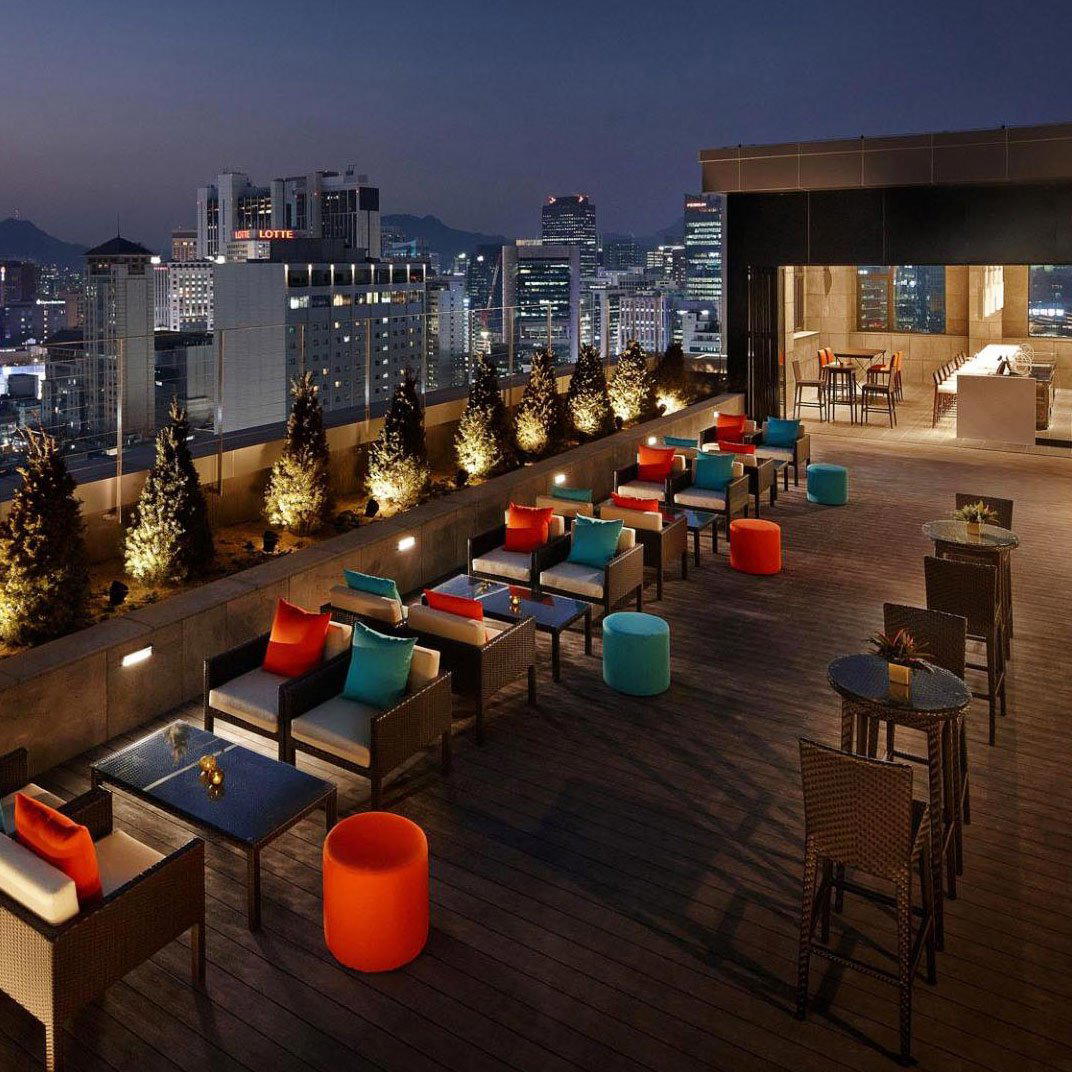
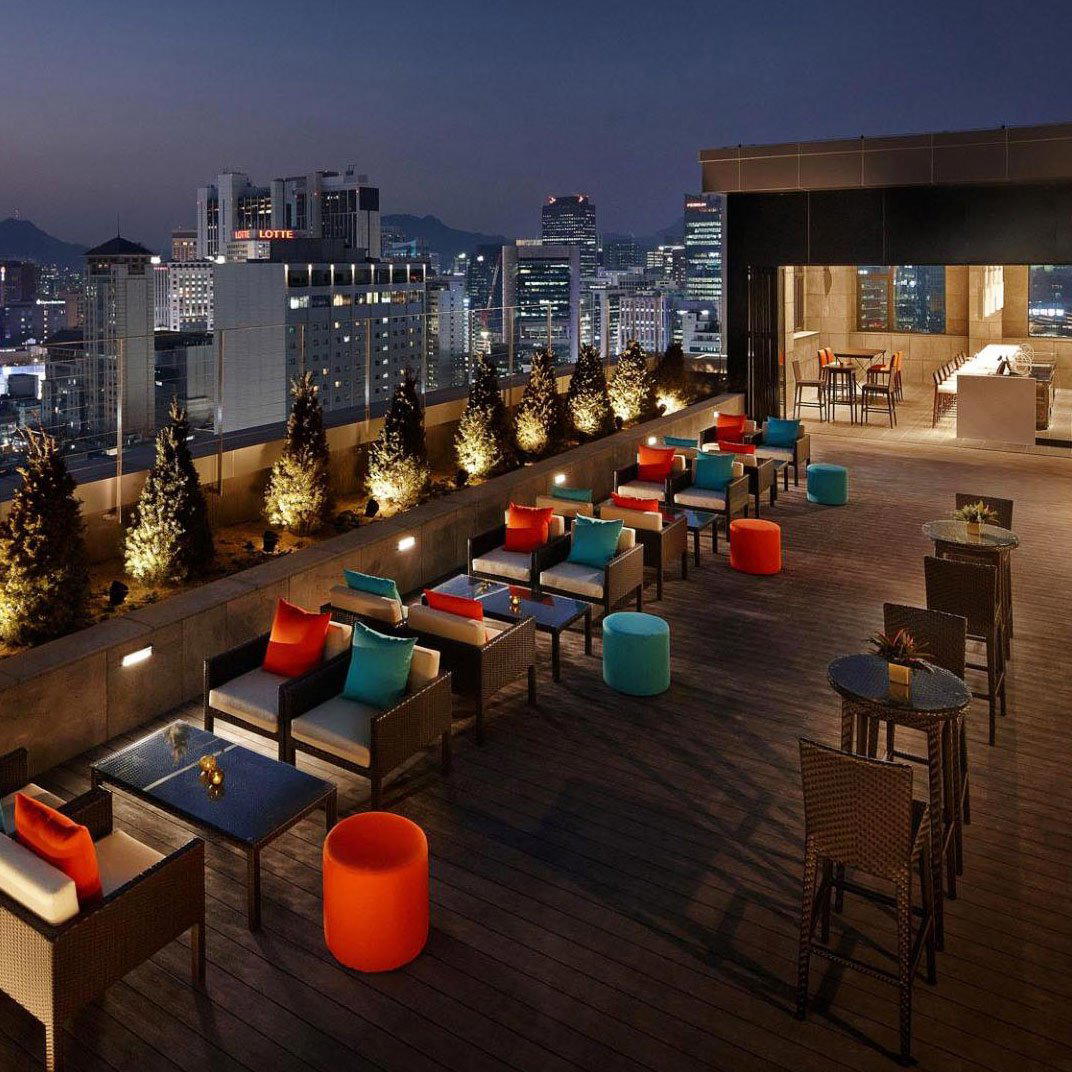
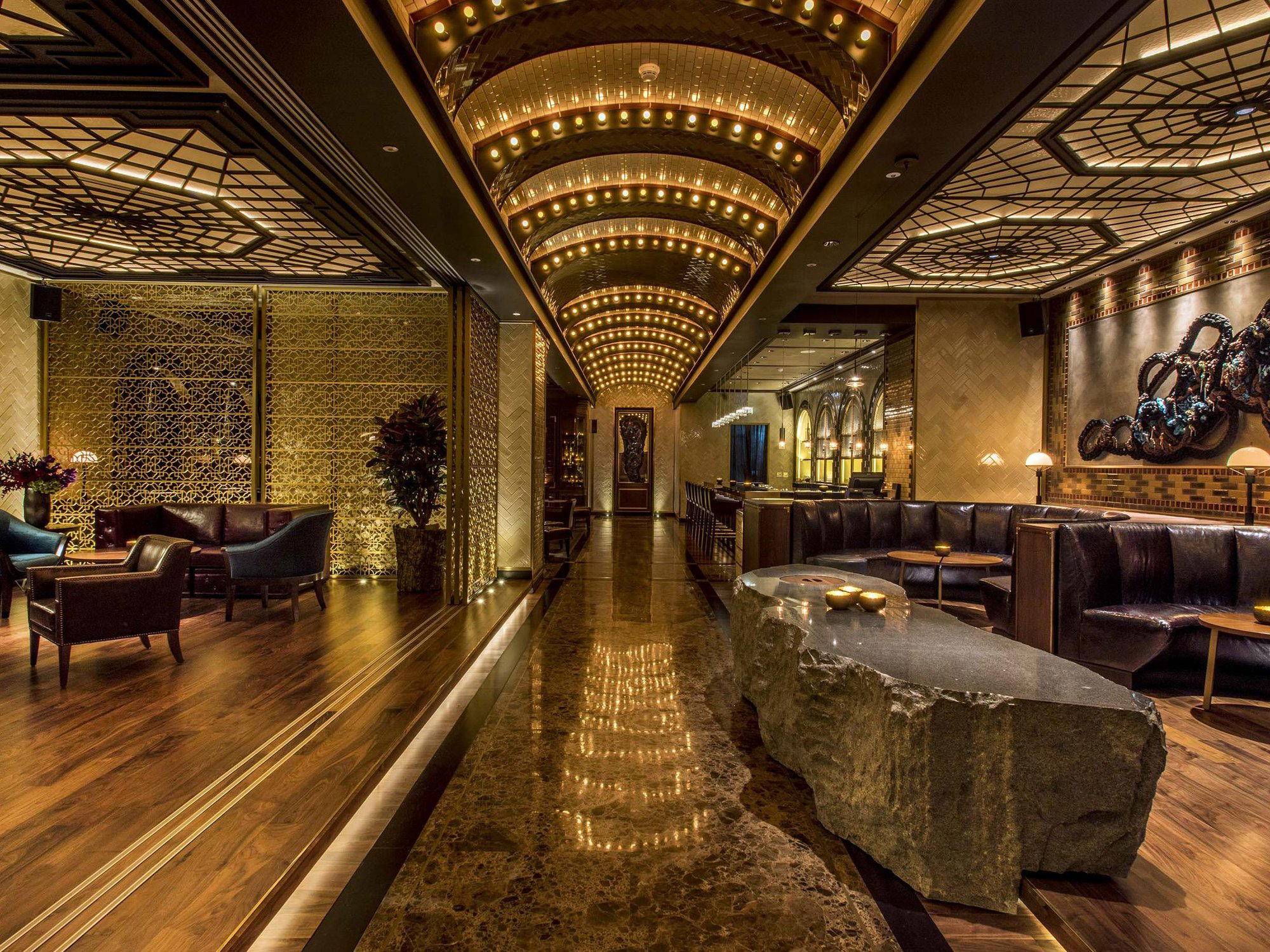
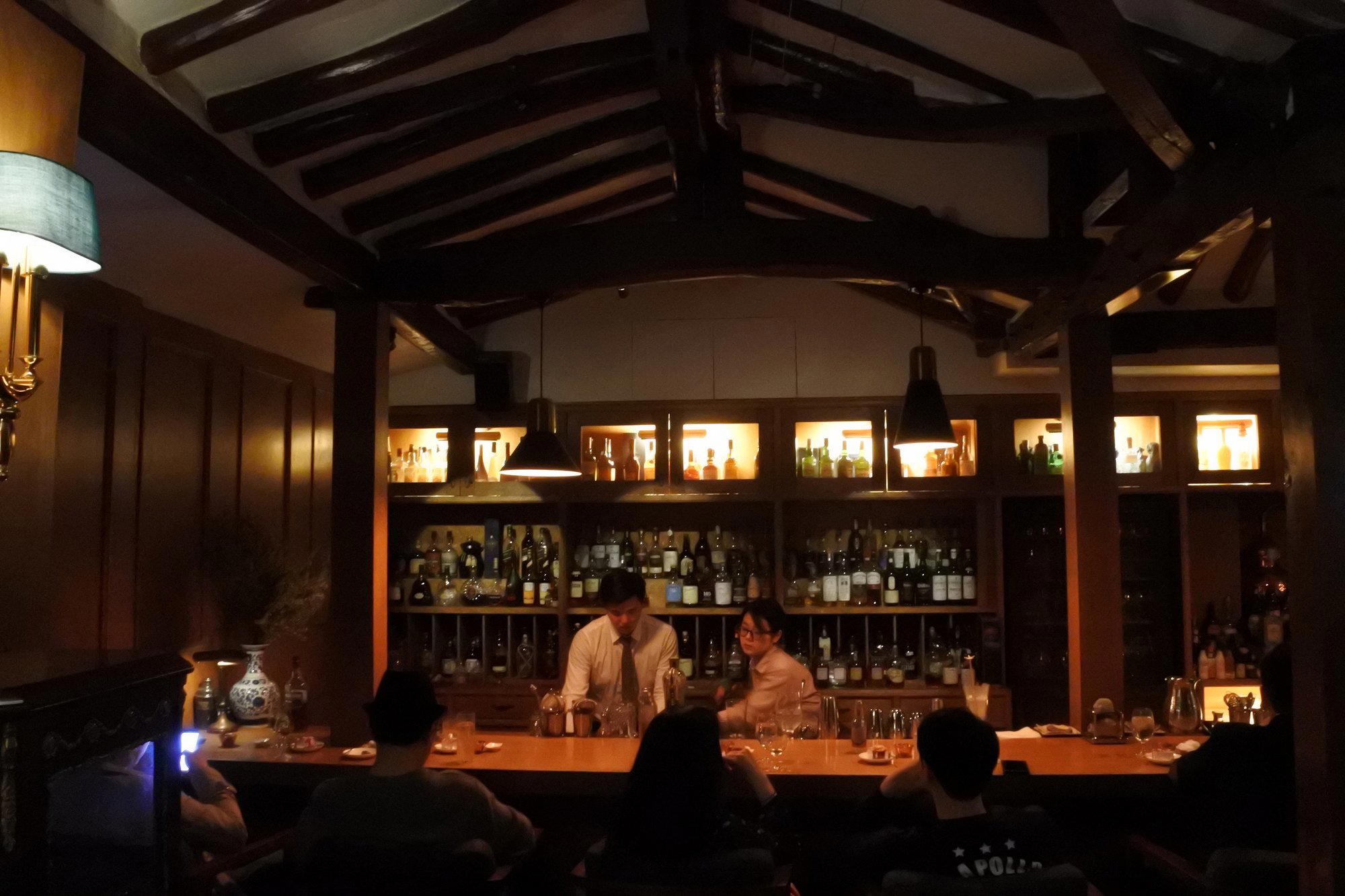
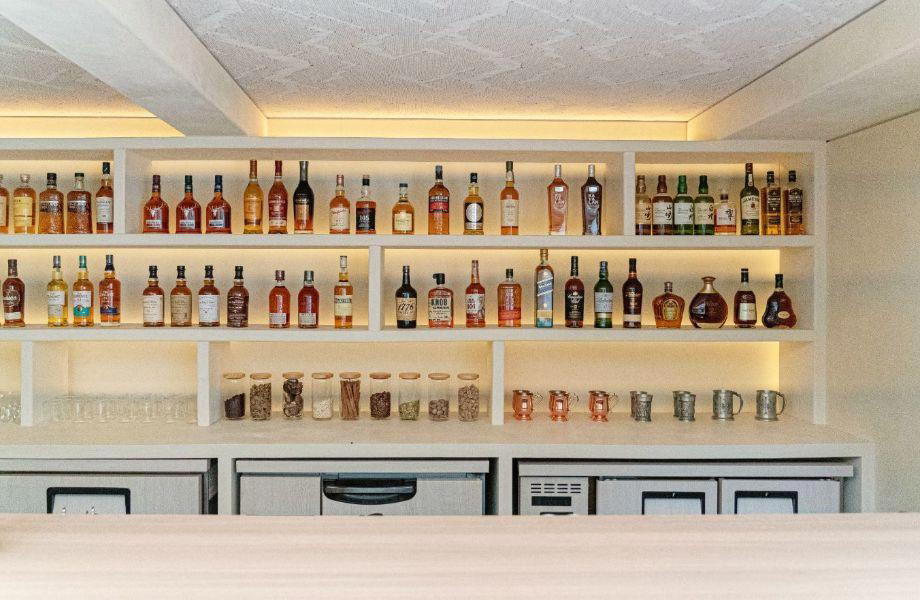
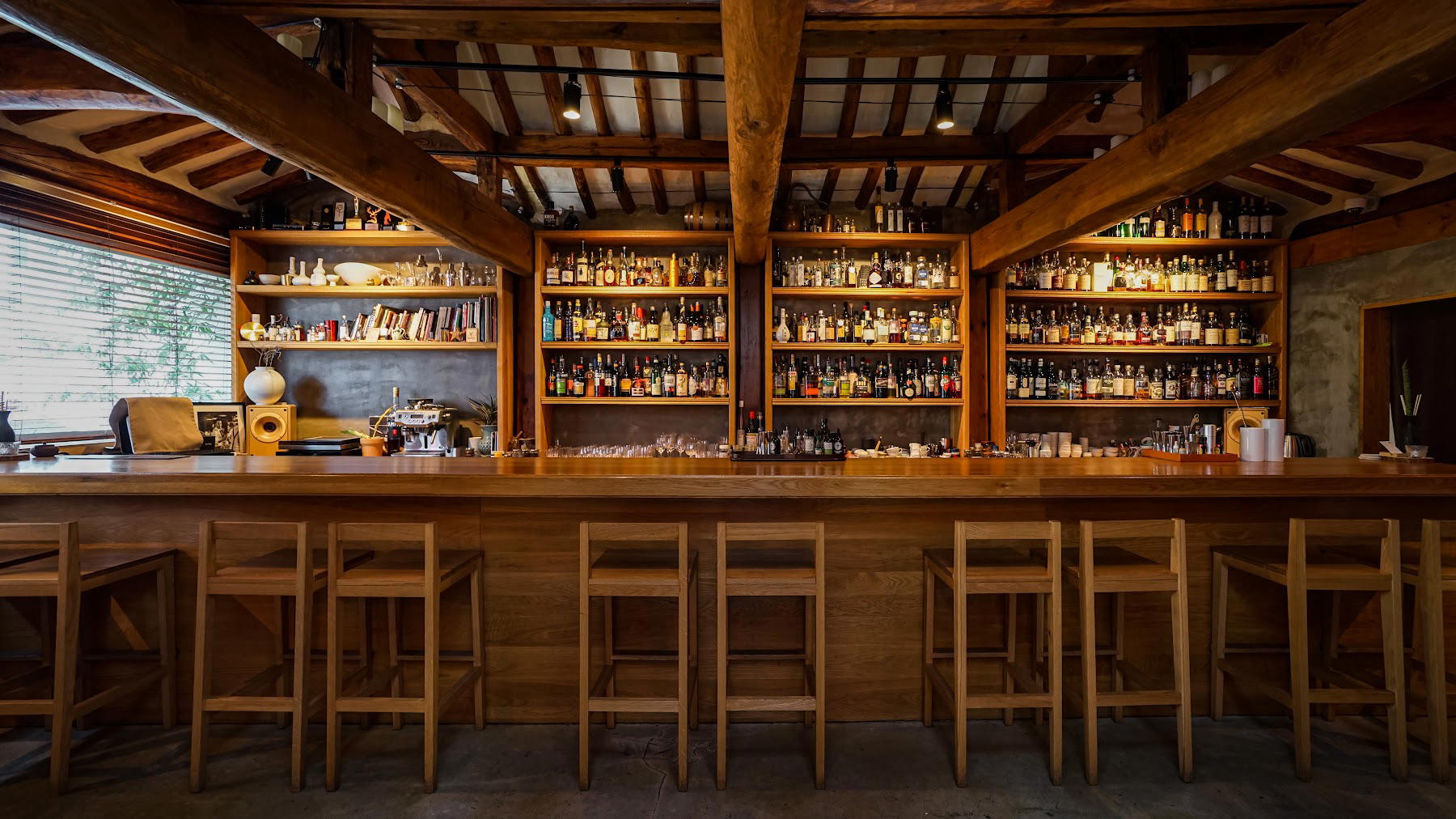
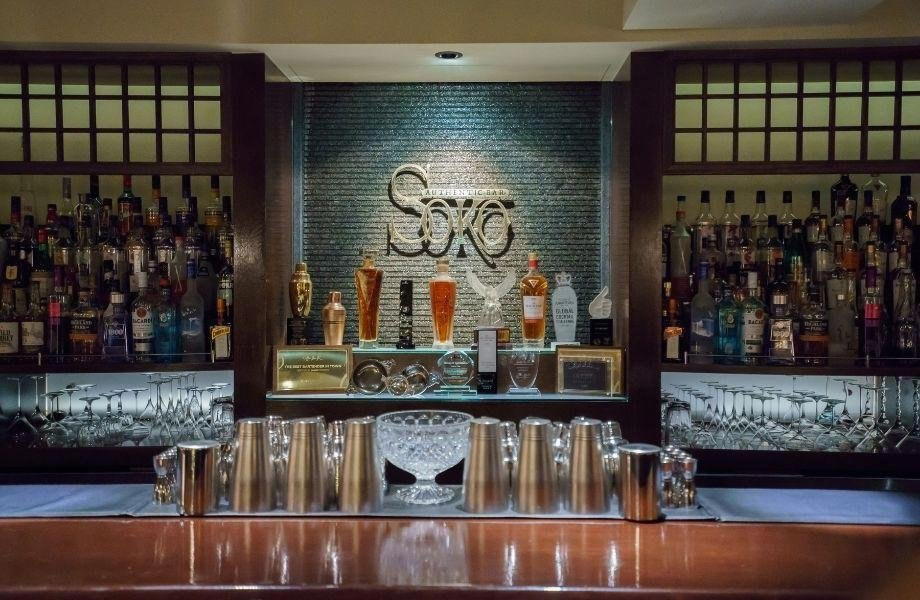
Elegant hanok-inspired setting with minimalist design, calm refinement, and Manhattan skyline views.
Know Before You Go
- Getting there
- South Korea, Seoul, Jung District, Sogong-ro, 119 3층