본앤브레드 신관
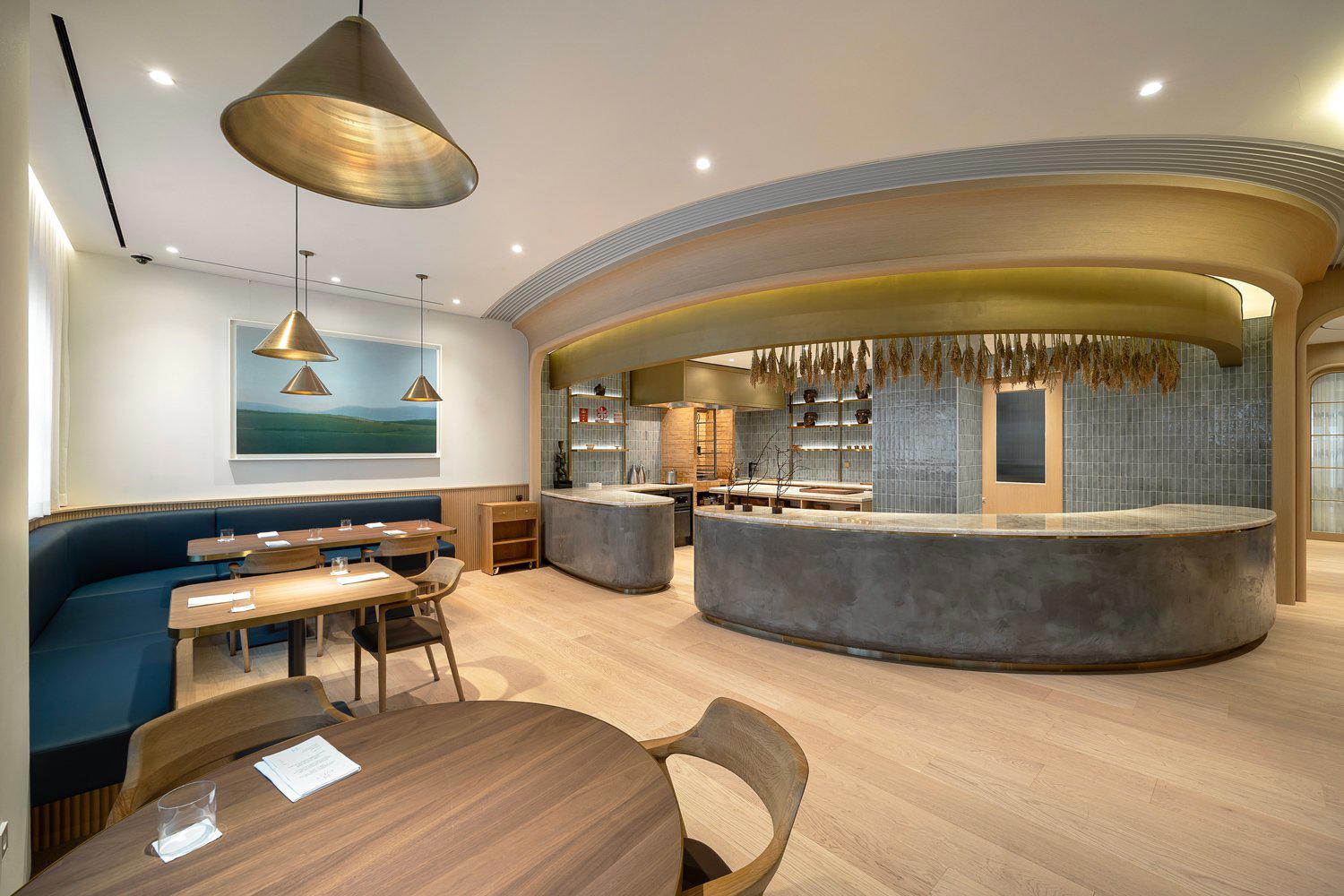
Korean Hanwoo Omakase at 본앤브레드 신관 runs as an omakase bar with a chefs counter, private dining and an open kitchen, suited to lunch or dinner as an extended, conversational meal.
Pearl is the En Primeur Club membership app — saves, bookings, and concierge access live there. Same editors, same standards.
- Address
- 성동구 마장로42길 1, 마장동, 성동구, 서울특별시, 04757
- Website
- bandb.co.kr
- Directions
- Get directions
 Saves & bookings on Pearl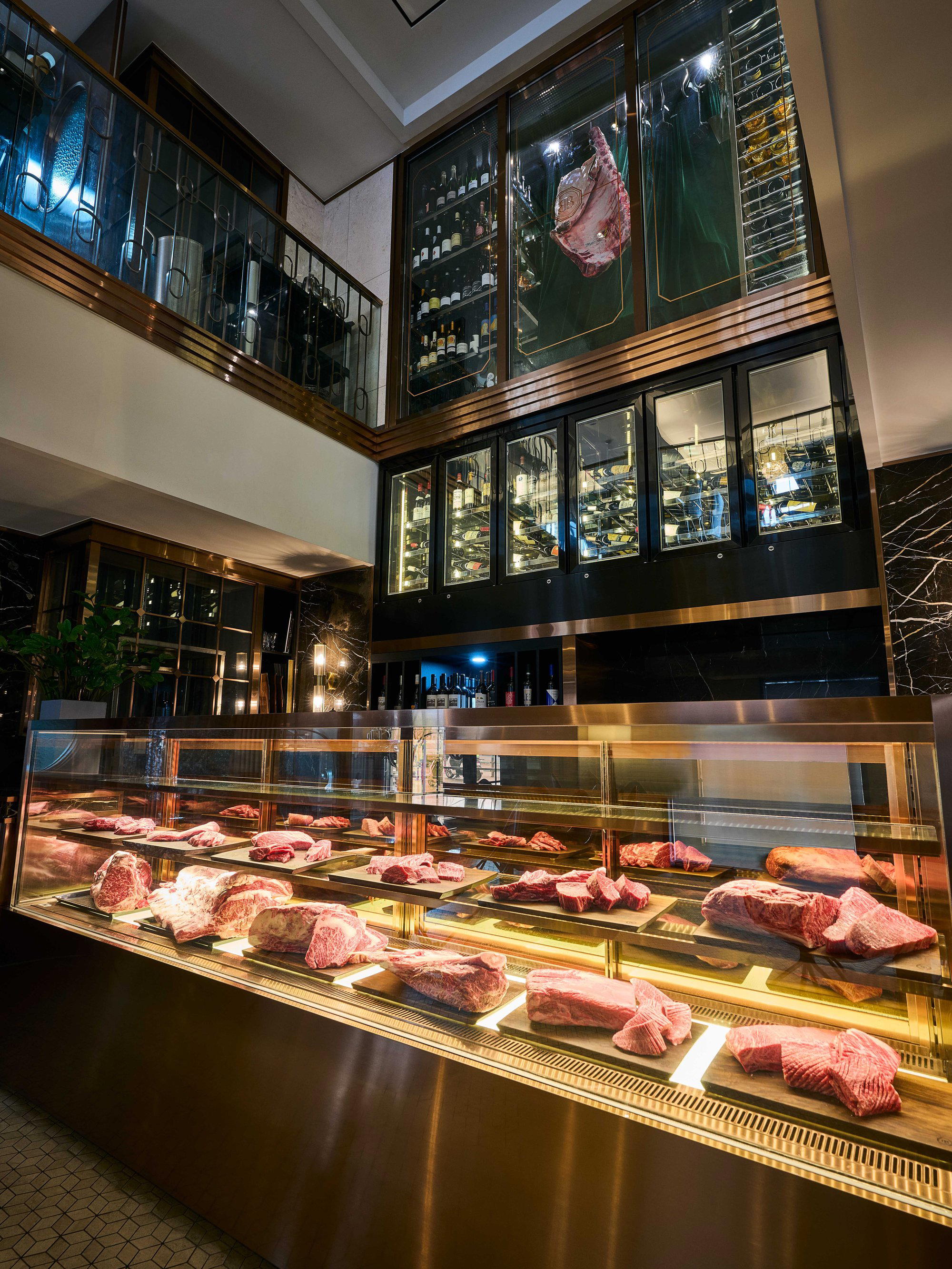
Majanг-dong Before the Crowds Arrive
Seongdong-gu does not announce itself the way Gangnam or Itaewon does. The district's quieter residential pockets, including the streets around Majang-ro 42-gil, have attracted a particular kind of dining operation over the past several years: places that prioritise material sourcing and production method over foot-traffic visibility. Bone and Bread (본앤브레드), housed in a separate annex building from its original space, fits that pattern. The neighbourhood character here is industrial-residential rather than polished, which tends to correlate with lower rents, longer-tenured suppliers, and menus that are not chasing a seasonal trend cycle.
The Sustainability Argument in Seoul's Mid-Market
Seoul's ethical-sourcing conversation has largely been claimed by the high-end tier. Venues such as Mingles and Jungsik have built tasting-menu reputations around named Korean producers and fermentation-forward sourcing. Further up the innovation bracket, Soigné and alla prima signal environmental consciousness through hyper-seasonal, low-waste formats. What is less common is a venue in a non-prestige neighbourhood applying that same sourcing discipline within a bread-and-ingredient-focused concept. The name itself encodes the operational priority: bone stock and bread are both products of whole-animal and whole-grain thinking, where waste reduction is built into the production logic rather than bolted on as a marketing position.
Across Korea, a handful of operations have quietly adopted this kind of ingredient-first, low-discard model. Mori in Busan represents a regional parallel, where craft-led production and neighbourhood positioning have replaced visibility as the primary identity signal. The pattern suggests that ethical sourcing in Korean dining is no longer exclusively a fine-dining credential; it is beginning to appear in formats that trade on craft process rather than ceremony.
Bread as an Ethical Anchor
Bread is a useful lens for understanding sustainability commitments in any dining context. A kitchen that bakes seriously tends to source grain with more care than one that simply orders from a distributor, because flour quality is immediately legible in the finished product. The same logic applies to bone-based stocks: a kitchen working from whole carcasses and long-extraction broths is, by necessity, operating with a lower discard rate than one relying on portioned proteins alone. Whether a venue names this philosophy explicitly or simply demonstrates it through what arrives at the table, the operational choices are visible in the output.
Seoul's most credible ethical-sourcing venues rarely lead with the sustainability angle in their customer-facing communication. The approach at places like Kwonsooksoo is to let ingredient quality and process discipline speak first. The sustainability story is legible to anyone paying attention, but it is not the headline. That restraint is more persuasive than explicit environmental branding, and it is the standard against which Bone and Bread sits in Majanг-dong.
The Annex Format and What It Signals
Operating a secondary or annex building alongside a primary space is a specific structural choice. It typically indicates either an expansion of production capacity (a separate baking or fermentation space, for example) or a differentiated dining format designed to handle overflow or a distinct clientele. In either case, the existence of a 신관 (new building) suggests an operation that has outgrown its original footprint while choosing to remain in the same neighbourhood rather than relocating to a higher-visibility address. That decision carries weight. Venues that stay rooted in their origin streets tend to maintain supplier relationships more consistently and absorb less of the brand-inflation pressure that comes with a Gangnam or Seongsu move.
The Seongdong-gu location also places Bone and Bread within a district that has seen significant craft-food and independent operator investment over the past decade, as commercial rents in Seongsu have pushed some operators further toward Majang and the surrounding streets. The result is a neighbourhood with a higher density of production-serious businesses than its profile might suggest to a visitor arriving without context.
Seoul's contemporary dining field has several tiers. At the ₩₩₩₩ ceiling, venues like 7th Door, Onjium, and Zero Complex compete on tasting-menu depth and ingredient narrative. The ₩₩₩ bracket, where L'Amitié and similar operations sit, offers more accessible price points with considered sourcing. Bone and Bread's concept, centred on bread and bone-based cookery, positions it outside the standard Korean fine-dining typology, which means its competitive reference points are more likely international craft bakery-restaurant hybrids than the domestic tasting-menu circuit. For international visitors who have tracked similar operations in Paris, Copenhagen, or New York, the format will read as familiar even as the ingredient vocabulary remains Korean.
That cross-referencing is relevant. Le Bernardin in New York and Atomix, also in New York, represent opposite ends of the sustainability-signalling spectrum in fine dining. Le Bernardin has long led on responsible seafood sourcing as a structural commitment; Atomix frames Korean ingredient lineage as the ethical and cultural anchor. Bone and Bread's synthesis of bread craft and bone-stock cookery places it in a different category, but the underlying logic of building a menu around whole-ingredient processing rather than portion-and-discard is consistent with where serious kitchens across multiple price tiers have moved.
Beyond Seoul: Craft-Led Production Across Korea
For visitors tracking this kind of production-serious, lower-waste dining across the country, a few regional comparisons are instructive. 88돼지 in Jeju and Black Pork BBQ in Seogwipo both demonstrate whole-animal thinking through the Jeju black pork tradition, where every cut is put to use. Hwangnam Bread in Gyeongju offers a different but related angle: a long-established bakery tradition where the production process is the identity. Gobojeong Galbi in Suwon and Doosoogobang, also in Suwon, represent regional operator longevity as a form of sourcing stability. Gyeongju Wonjo Kongguk in Gyeongju applies the same principle to a single-ingredient format built around soybean. Badang Lounge in Jeju, Hinode in Seogwipo, and Dining Room in Busan round out a picture of Korean dining operations where format discipline and sourcing honesty are more reliable identity markers than award count or price tier. See our full Seoul restaurants guide for broader context on where Bone and Bread fits within the capital's current field.
Know Before You Go
- Address: 마장로42길 1, 마장동, 성동구, 서울 04757
- District: Seongdong-gu (성동구) — residential-industrial pocket, not a high-foot-traffic dining strip
- Getting there: Majang station (Line 5) is the nearest subway access point for this part of Seongdong-gu
- Booking: No booking information available at time of publication — see walk-in FAQ below
- Note: This is the 신관 (annex/new building) of the original Bone and Bread operation; confirm which space you are targeting when planning your visit
Fast Comparison
Comparable venues nearby, for context on price, style, and recognition.
| Venue | Cuisine | Price | Notes |
|---|---|---|---|
| 본앤브레드 신관레스토랑 (본앤브레드)This venue — the venue you are viewing | Korean Hanwoo Omakase | $$$$ | Not listed |
| Joo Ok Restaurant | Contemporary Korean Fine Dining | $$$$ | Sajik-dong |
| Yongsusan | Traditional Korean Royal Court Cuisine | $$$ | 가회동 |
| MOYEON Korean Beef Dining | Korean Beef Dining | $$$ | 노고산동 |
| Tteurak | Premium Korean Beef BBQ | $$$$ | Cheongdam-dong |
| Hongdae Restaurant GIT TTEUL | Korean Pork BBQ | $$ | 연남동 |
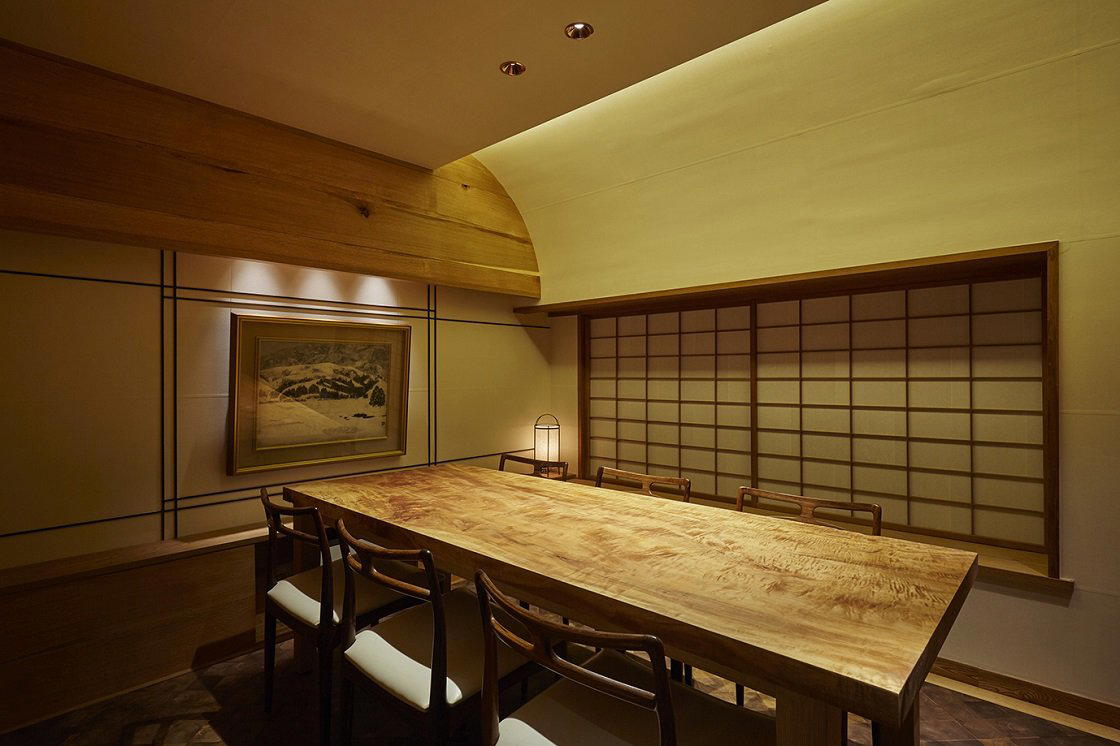
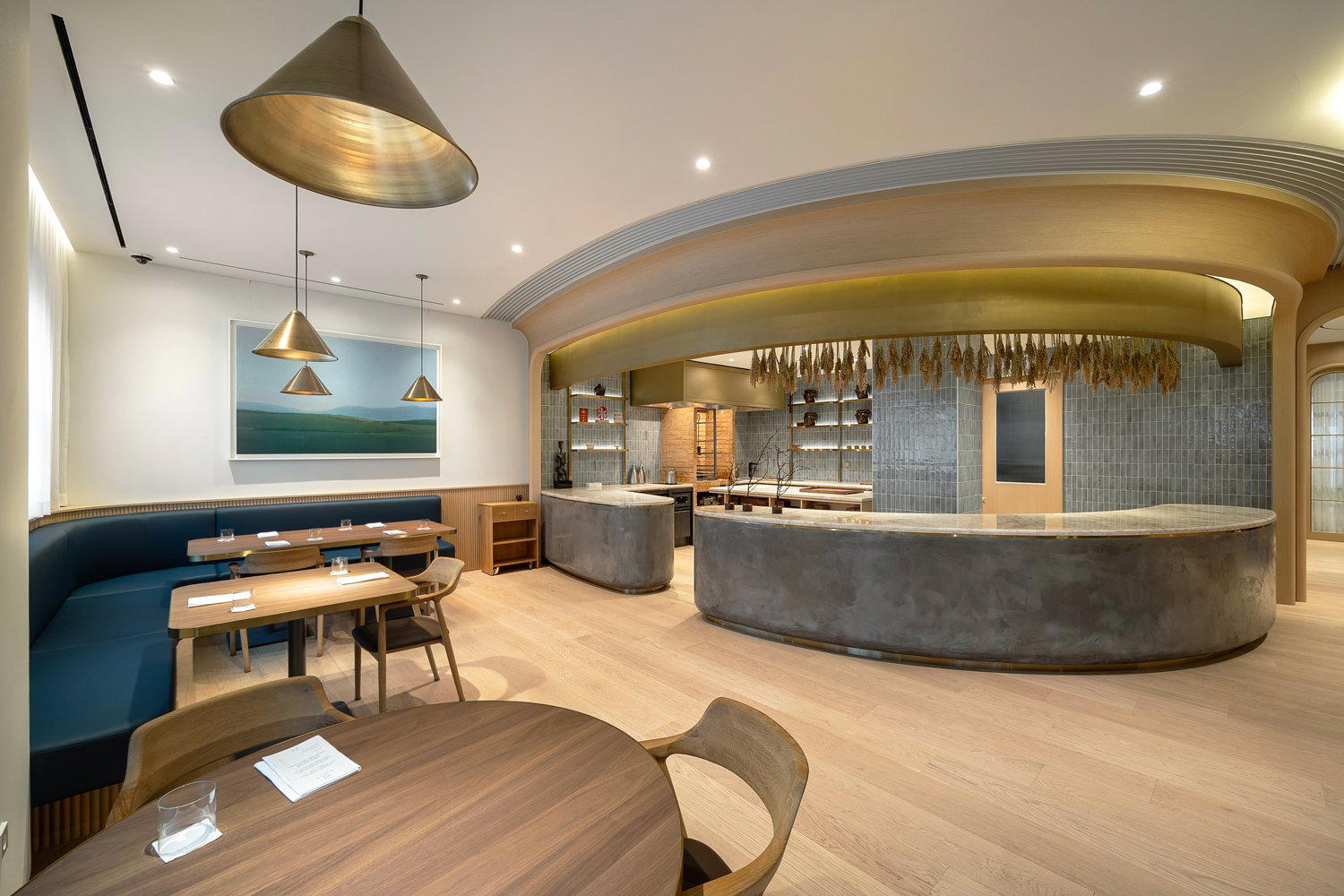
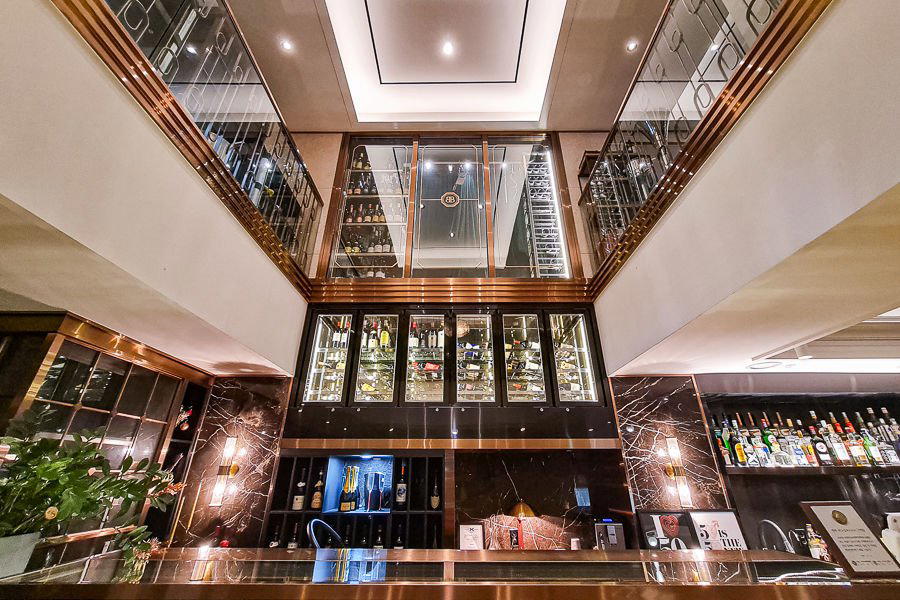
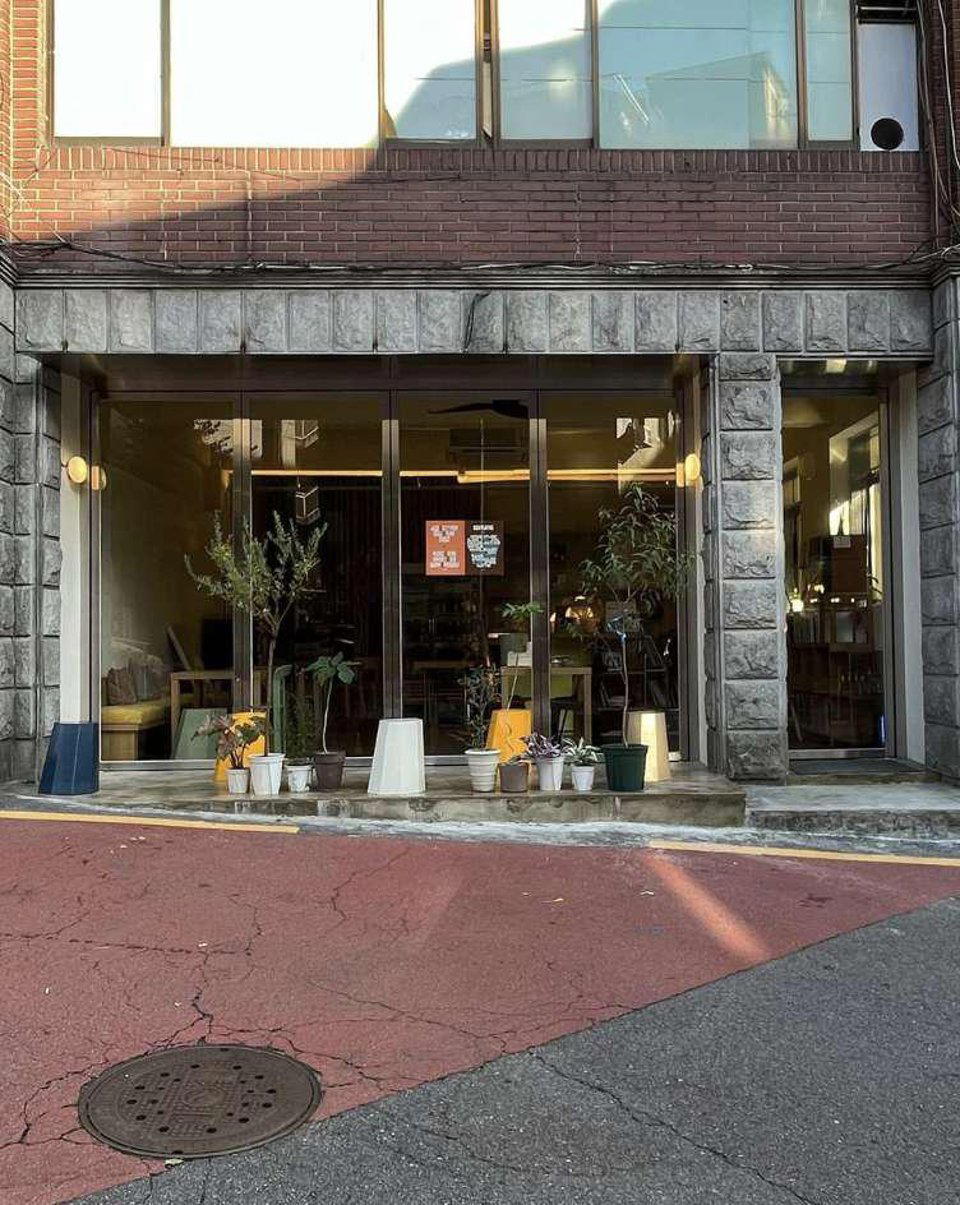
At a Glance
- Elegant
- Sophisticated
- Intimate
- Romantic
- Date Night
- Business Dinner
- Special Occasion
- Celebration
- Group Dining
- Open Kitchen
- Private Dining
- Chefs Counter
- Extensive Wine List
- Corkage Allowed
- Local Sourcing
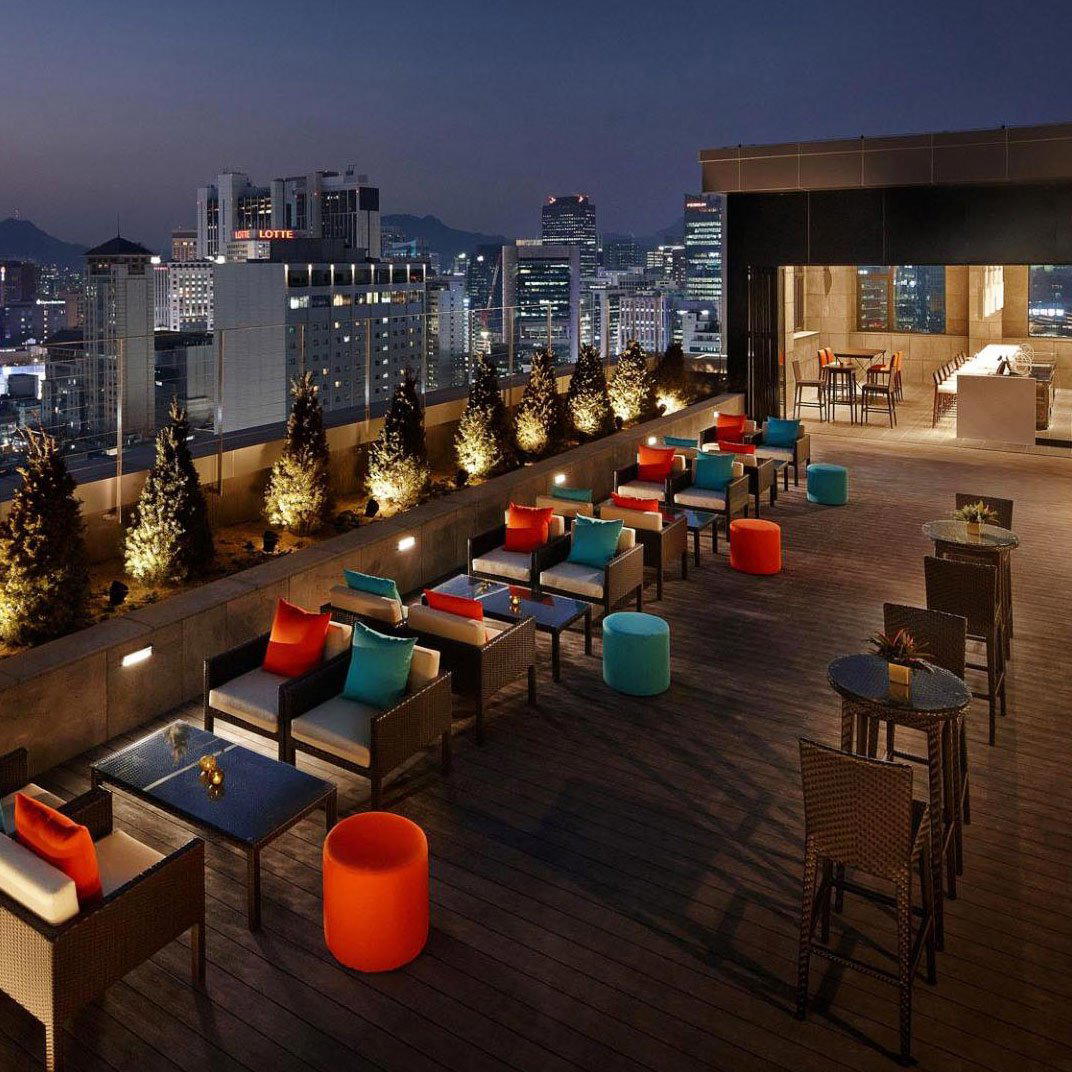
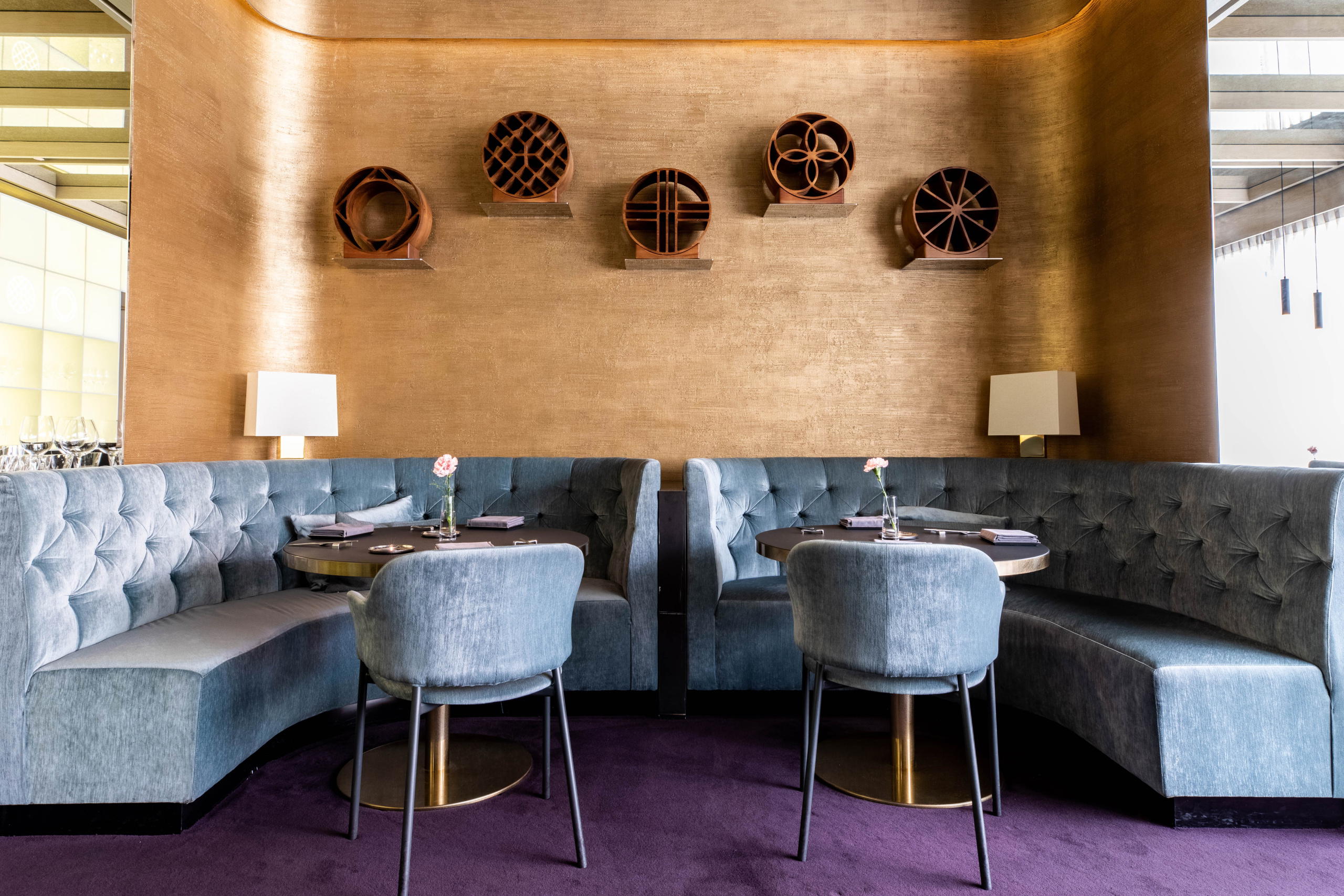
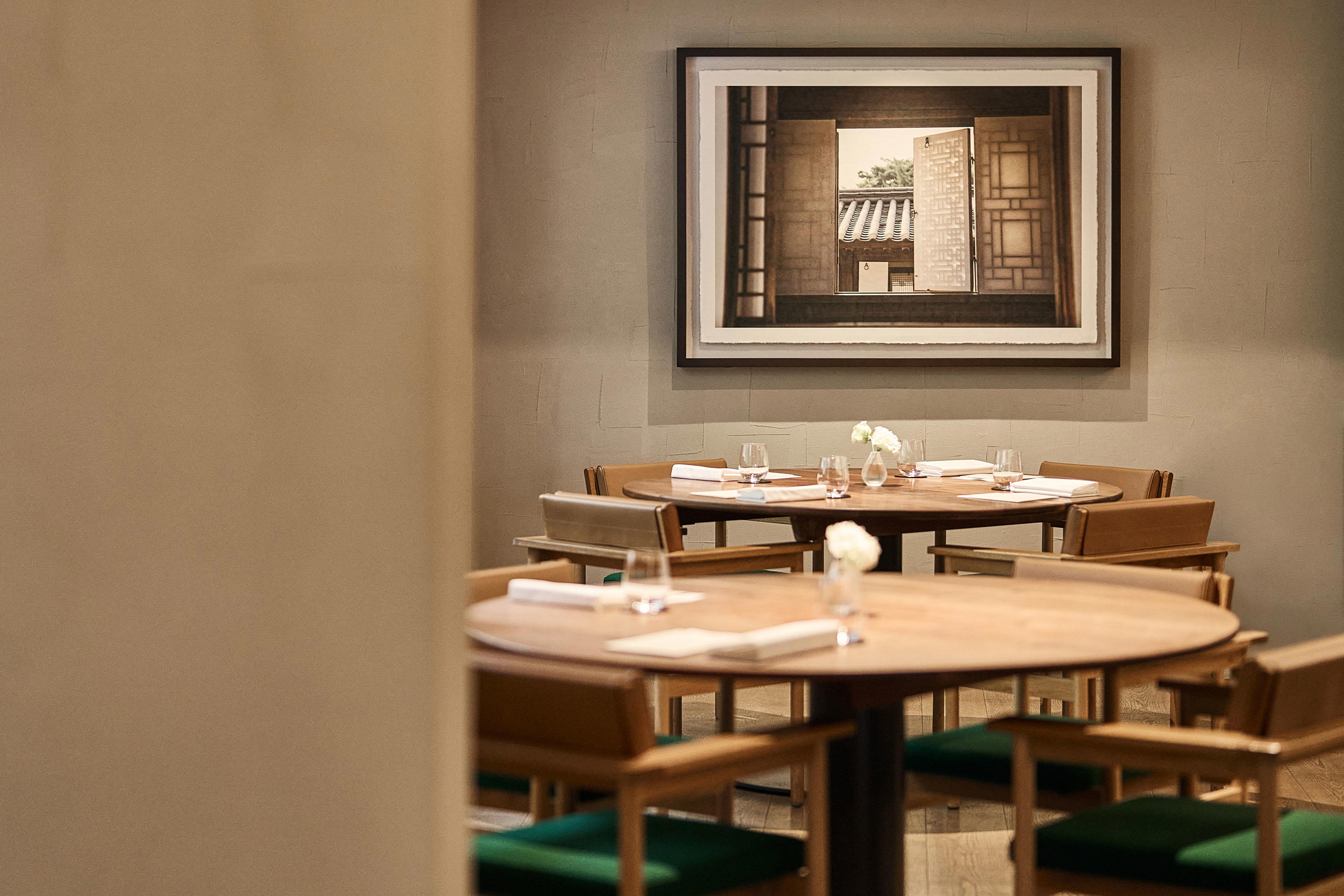
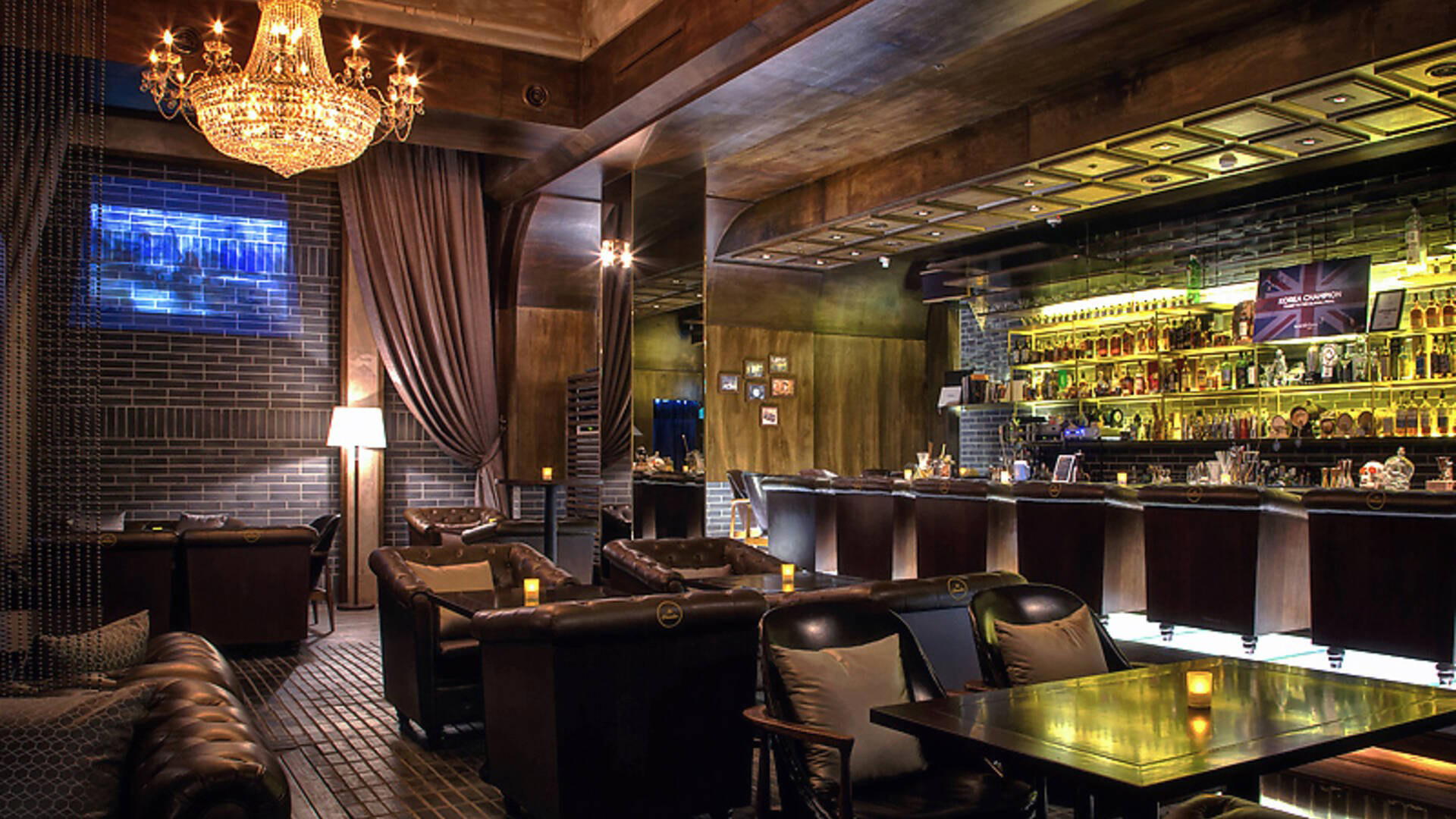
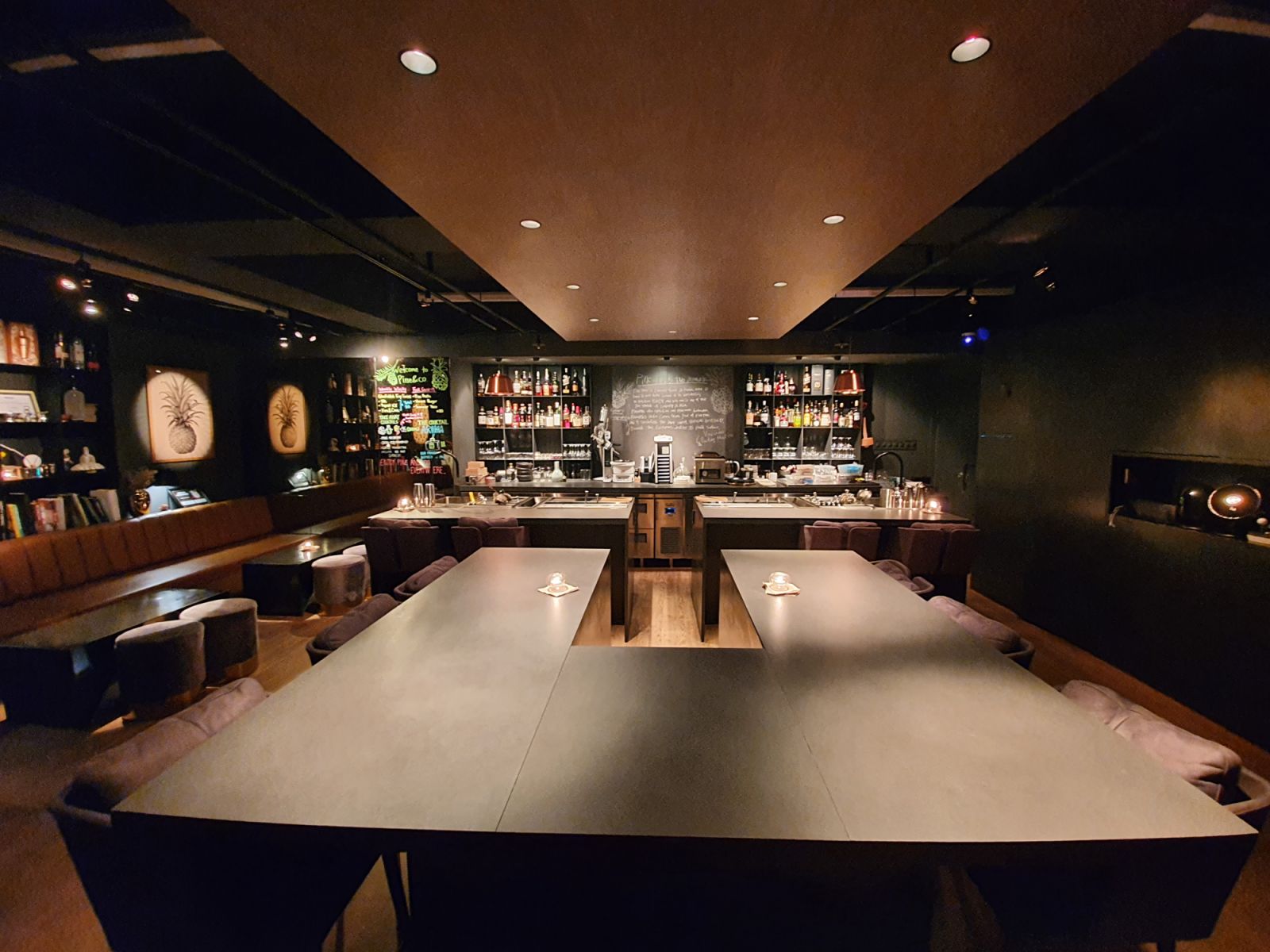
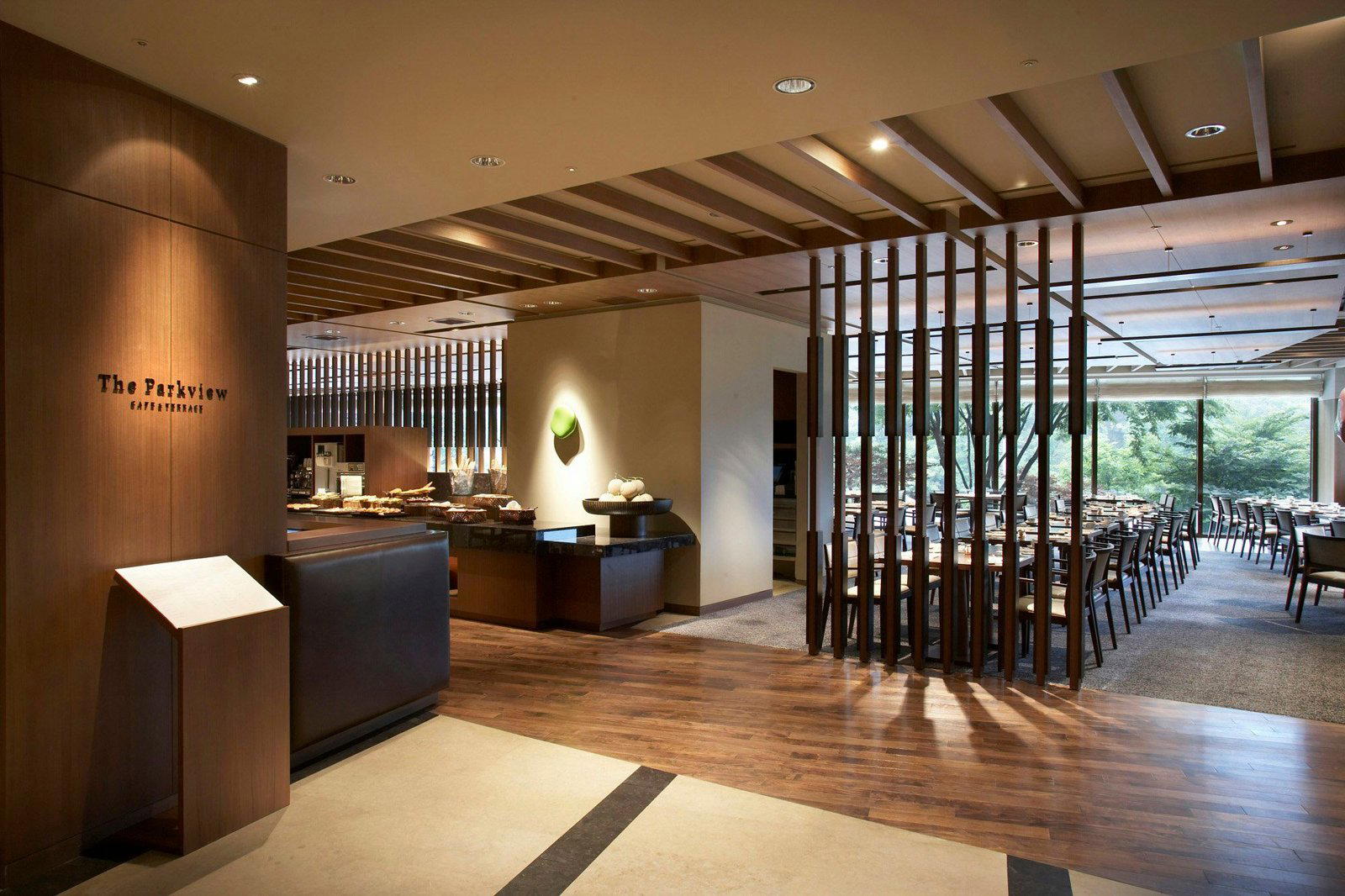
Refined and upscale with separate floor-by-floor concepts: casual 2F dining with open kitchen, intimate 3F private rooms with warm lighting, and ultra-premium B1F omakase counter with sophisticated plating and presentation.
Know Before You Go
- Getting there
- 성동구 마장로42길 1, 마장동, 성동구, 서울특별시, 04757