Dooreyoo (두레유)
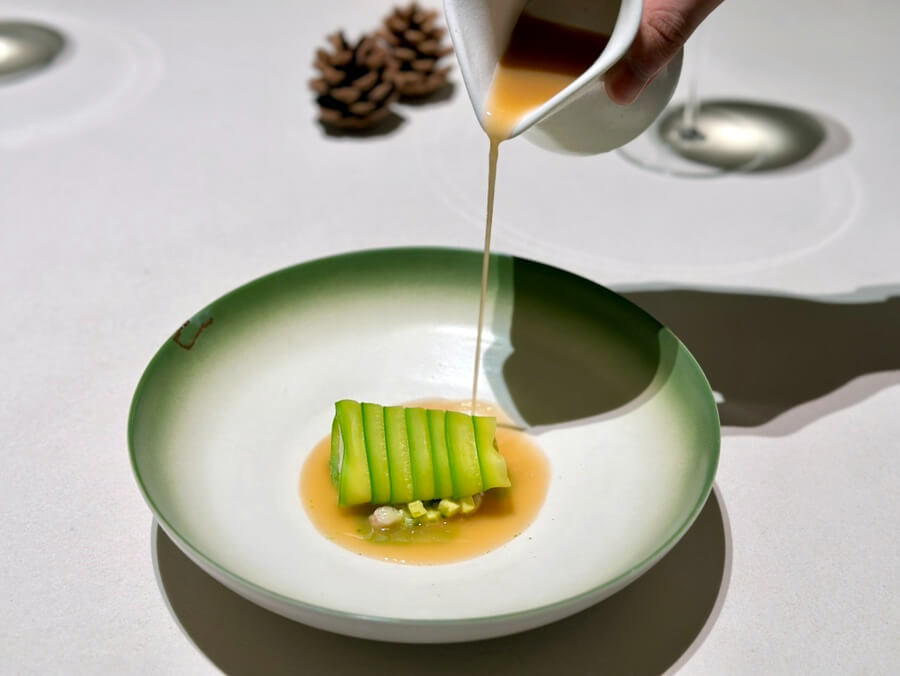
Dooreyoo (두레유) serves Modern Korean Temple-Inspired Cuisine in a historic building, with organic and local sourcing and a leisurely pace that fits lunch or dinner.
Pearl is the En Primeur Club membership app — saves, bookings, and concierge access live there. Same editors, same standards.
- Address
- 종로구 북촌로 65, 가회동, 서울특별시, 서울특별시, 03052
- Directions
- Get directions
 Saves & bookings on Pearl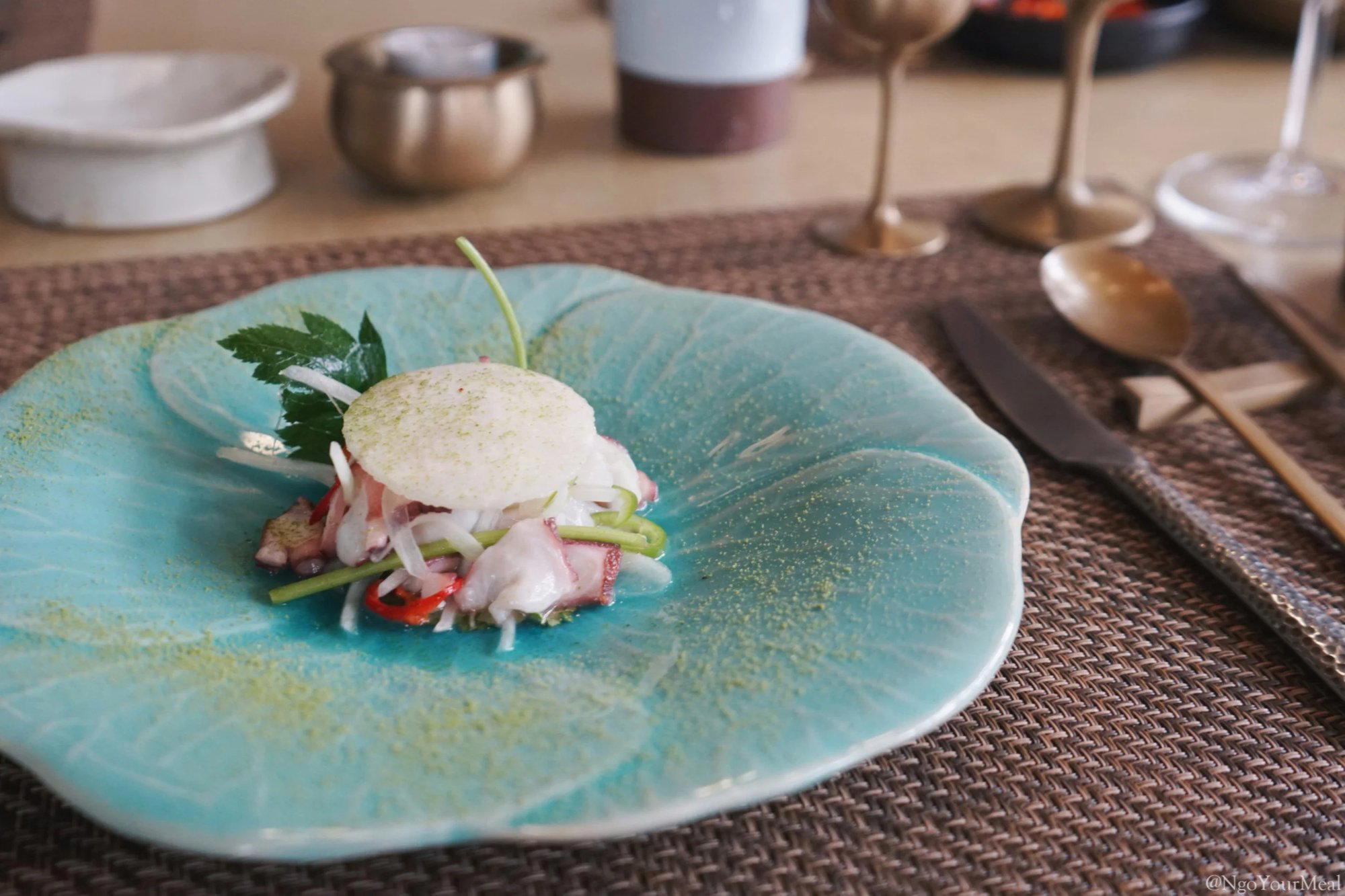
Gahoe-dong and the Architecture of Korean Dining
The streets rising toward Bugaksan in Seoul's Gahoe-dong neighbourhood carry a particular kind of density. Hanok rooflines step up the hillside, the alleys narrow to single-file width, and the area retains a residential quietness that most of central Seoul long ago surrendered to retail. This is Bukchon — the northern village — and it sits between two of the city's great palaces, Gyeongbokgung to the west and Changdeokgung to the east. The geography is not incidental to dining here. Restaurants that choose this address are making a statement about what kind of experience they want the meal to carry before the first course arrives. Dooreyoo (두레유), at 65 Bukchon-ro in Jongno-gu, sits squarely inside that logic.
What Bukchon Does to a Dining Room
In Seoul's broader dining conversation, neighbourhood shapes expectation as much as cuisine does. The high-concept, design-forward rooms that define much of the city's premium dining cluster in Gangnam, Cheongdam, and the central business corridors. Bukchon operates differently. The area's preservation constraints and residential character push dining venues toward something more contained: smaller rooms, quieter service registers, formats that lean on the surrounding environment to do atmospheric work. The comparison is instructive. Venues like Kwonsooksoo (Korean) and 권숙수 - Kwon Sook Soo in Gangnam-gu represent Korean fine dining with strong institutional credentials and polished service grammar. Dooreyoo occupies a different register: a Jongno-district address that aligns it with neighbourhood-rooted dining rather than destination-spectacle dining.
That distinction matters for how readers should frame their expectations. Bukchon's hanok corridors reward a slower pace. Arriving on foot from Anguk station, the most practical approach, with the area's narrow lanes not built for cars, you pass courtyards, small galleries, and workshops before reaching the venue. The walk is part of the experience in a way that arriving by taxi to a Gangnam tower lobby simply is not.
Korean Dining Traditions and Where Dooreyoo Sits
Seoul's Korean-cuisine fine dining tier has developed in a specific direction over the past decade. The dominant mode has been modernisation: taking traditional jeong-sik formats, court cuisine influences, or regional Korean ingredient vocabularies and reframing them through contemporary plating, tasting-menu structures, and international reference points. Mingles (Korean) exemplifies one end of that range, applying precise technique to Korean seasonal ingredients with strong international recognition. Jungsik (Contemporary) pushes further toward a global contemporary register. The Bukchon neighbourhood, however, has historically been associated with a quieter, more preservation-minded approach to Korean culture, the kind of context that supports formats closer to traditional practice than to international fine-dining hybridisation.
Comparable venues in the premium Korean dining tier, including Kwonsooksoo and Onjium, have built reputations around traditional Korean cuisine handled with scholarly seriousness. That broader category context is relevant to understanding where Dooreyoo likely positions itself, though specific menu details require direct confirmation through the venue. For readers who have followed the Seoul dining scene through coverage of innovative formats like Soigné (Innovative) or alla prima (Innovative), Dooreyoo represents a point on the map oriented more toward place and tradition than toward technique as spectacle.
The Broader Korean Dining Map
Seoul does not operate in isolation when mapping serious Korean dining. The country's regional ingredient traditions, from Jeolla Province's abundance to the coastal produce of Gyeongsang, feed into the leading Seoul kitchens through sourcing relationships that chefs in the capital have developed over years. Venues like Mori in Busan and Injegol in Inje County illustrate how seriously the broader Korean dining scene takes regional specificity. In that context, a Bukchon-address venue carries implicit pressure to be coherent with its environment: sourcing, presentation, and format that feel calibrated to the neighbourhood rather than imported from elsewhere.
Readers interested in temple food and contemplative dining traditions might also note the relevance of Baegyangsa Temple in Jangseong-gun as a contrasting data point. The spectrum from temple-rooted practice to the ambitious modernism of Gangnam's leading rooms is wide, and Bukchon venues tend to occupy the middle ground: serious about Korean culinary heritage without the ascetic minimalism of temple cuisine, and without the technical ambition of the city's internationally-ranked rooms. For a fuller picture of where Seoul dining sits globally, the contrast with Le Bernardin in New York City or Lazy Bear in San Francisco is useful: both represent the kind of format discipline and sourcing transparency that Seoul's premium tier now competes with directly.
Planning a Visit
Dooreyoo sits at 65 Bukchon-ro, Gahoe-dong, Jongno-gu. The neighbourhood is most practically reached via Anguk station on Seoul Metro Line 3, with the walk to the upper Bukchon lanes taking around ten to fifteen minutes depending on your starting point within the station exits. Given that venue hours, booking methods, and pricing are not confirmed in available records, prospective visitors should treat advance planning as essential: this part of Jongno has limited walk-in options at any serious dining level, and the neighbourhood's residential character means that spontaneous alternatives are not plentiful. Arriving without a confirmed reservation carries real risk of finding no suitable fallback nearby. Readers with confirmed Seoul restaurant plans should also consult our full Seoul restaurants guide for broader context. Those building a regional Korea itinerary might note regional options including Double T Dining in Gangneung and Doosoogobang in Suwon as part of a wider circuit beyond the capital. Further south, Cheon Jee (천지) in Jeju-si and 더 플라잉 호그 - The Flying Hog in Seogwipo extend the Korean dining map into Jeju's distinct culinary register. For travellers passing through Incheon, Market Café in Incheon is worth a note, and 에버리움펜션 in Cheoin rounds out accommodation-adjacent options in the broader region.
Category Peers
| Venue | Cuisine | Price | Awards |
|---|---|---|---|
| Dooreyoo (두레유)This venue — the venue you are viewing | This venue | Not listed | Not listed |
| Eatanic Garden | Contemporary | ₩₩₩₩ | Michelin 1 Star |
| Onjium | Korean | ₩₩₩₩ | Michelin 1 Star |
| 7th Door | Korean, Contemporary | ₩₩₩₩ | Michelin 1 Star |
| L'Amitié | French | ₩₩₩ | Michelin 1 Star |
| Zero Complex | Korean-French, Innovative | ₩₩₩₩ | Michelin 1 Star |
Continue exploring
More in Seoul
Restaurants in Seoul
Browse all →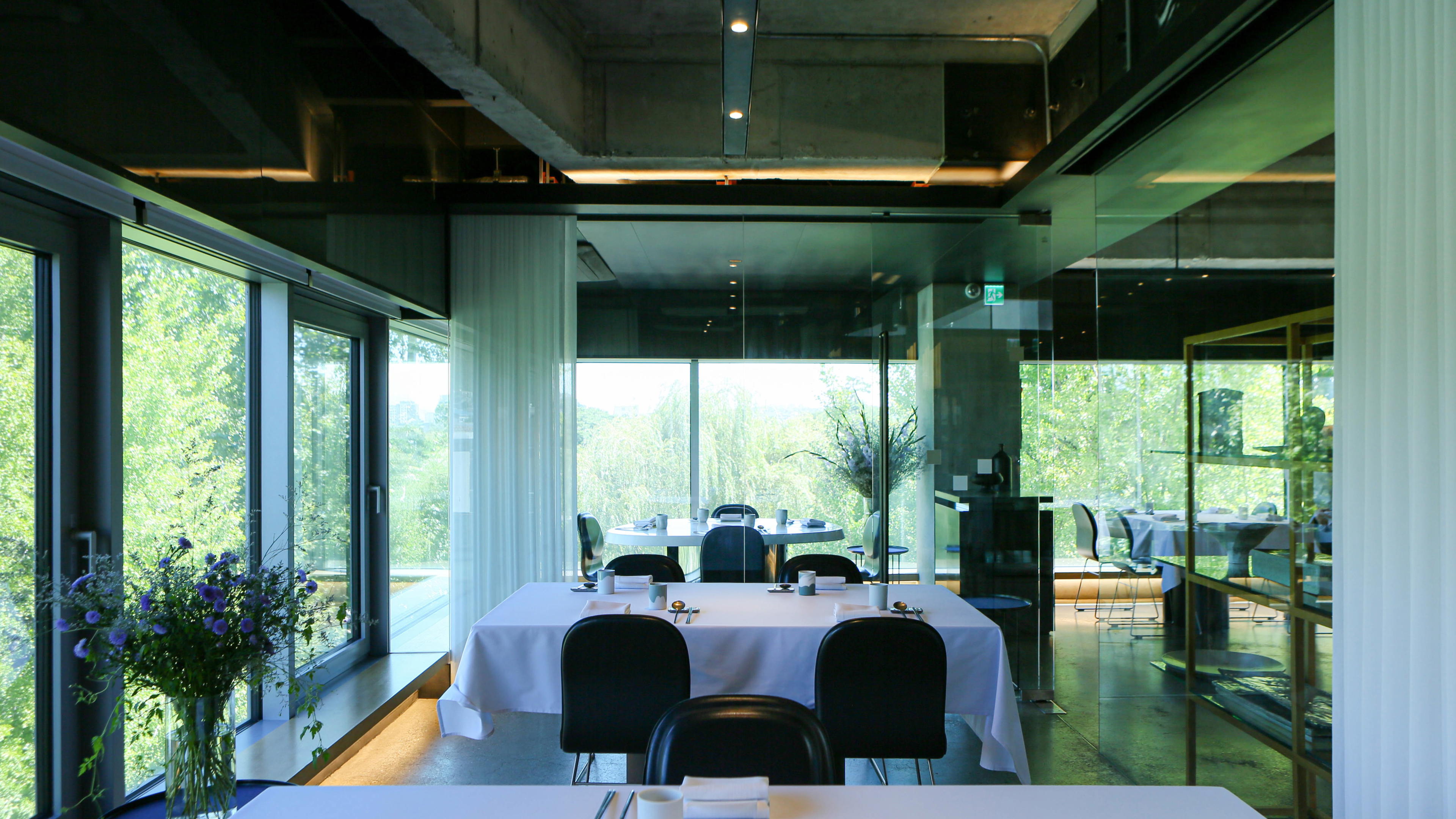
At a Glance
- Cozy
- Elegant
- Modern
- Intimate
- Special Occasion
- Date Night
- Historic Building
- Organic
- Local Sourcing
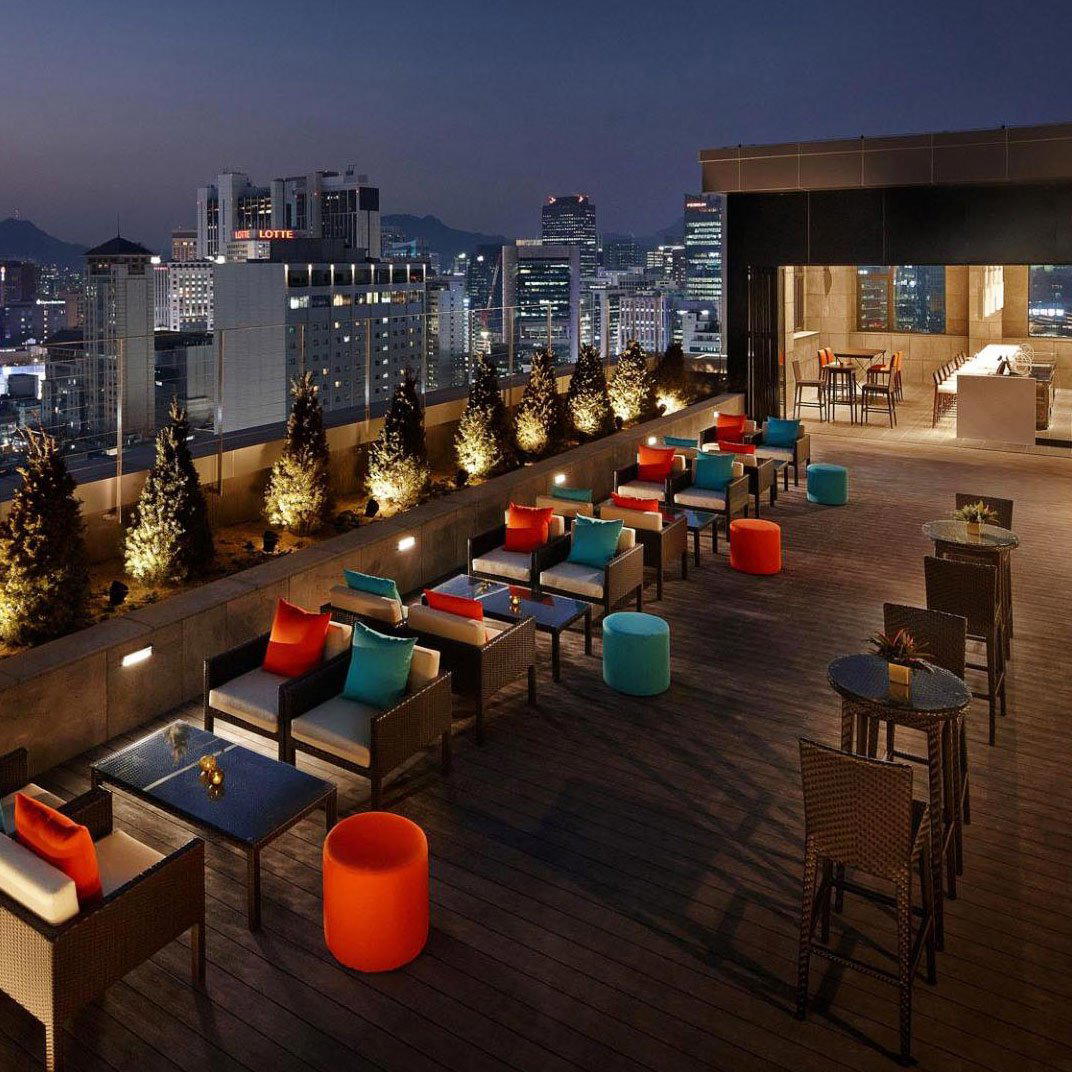
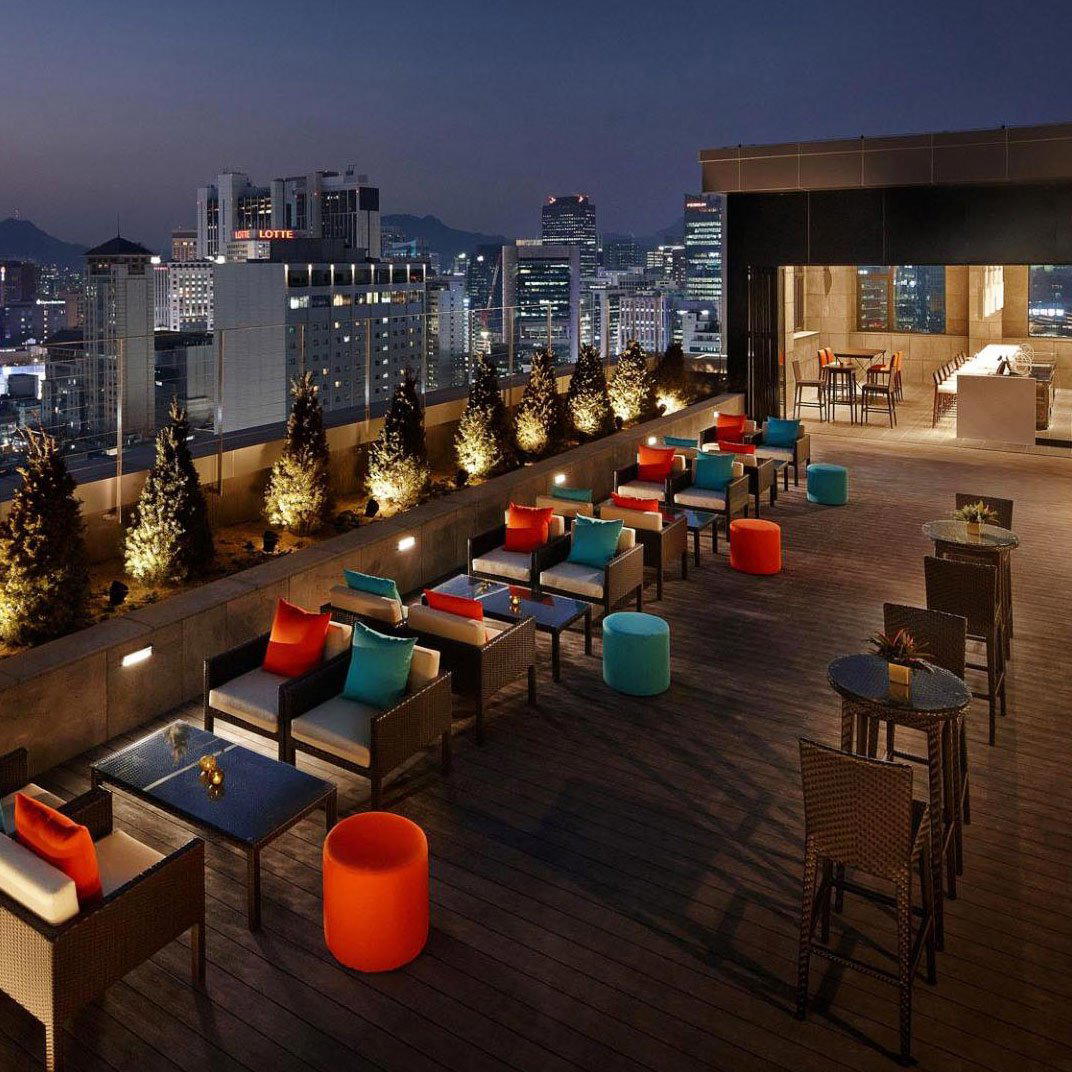
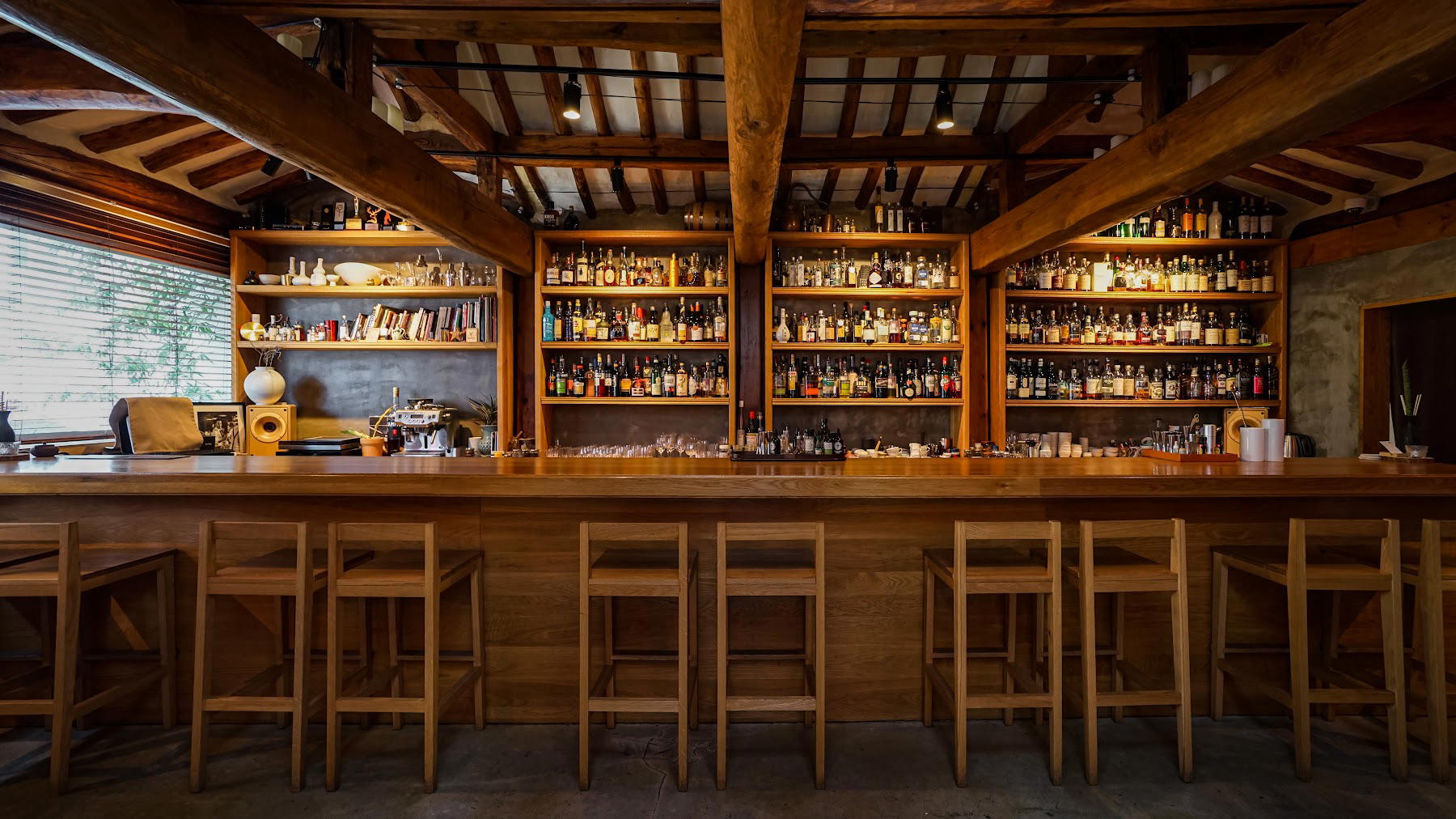
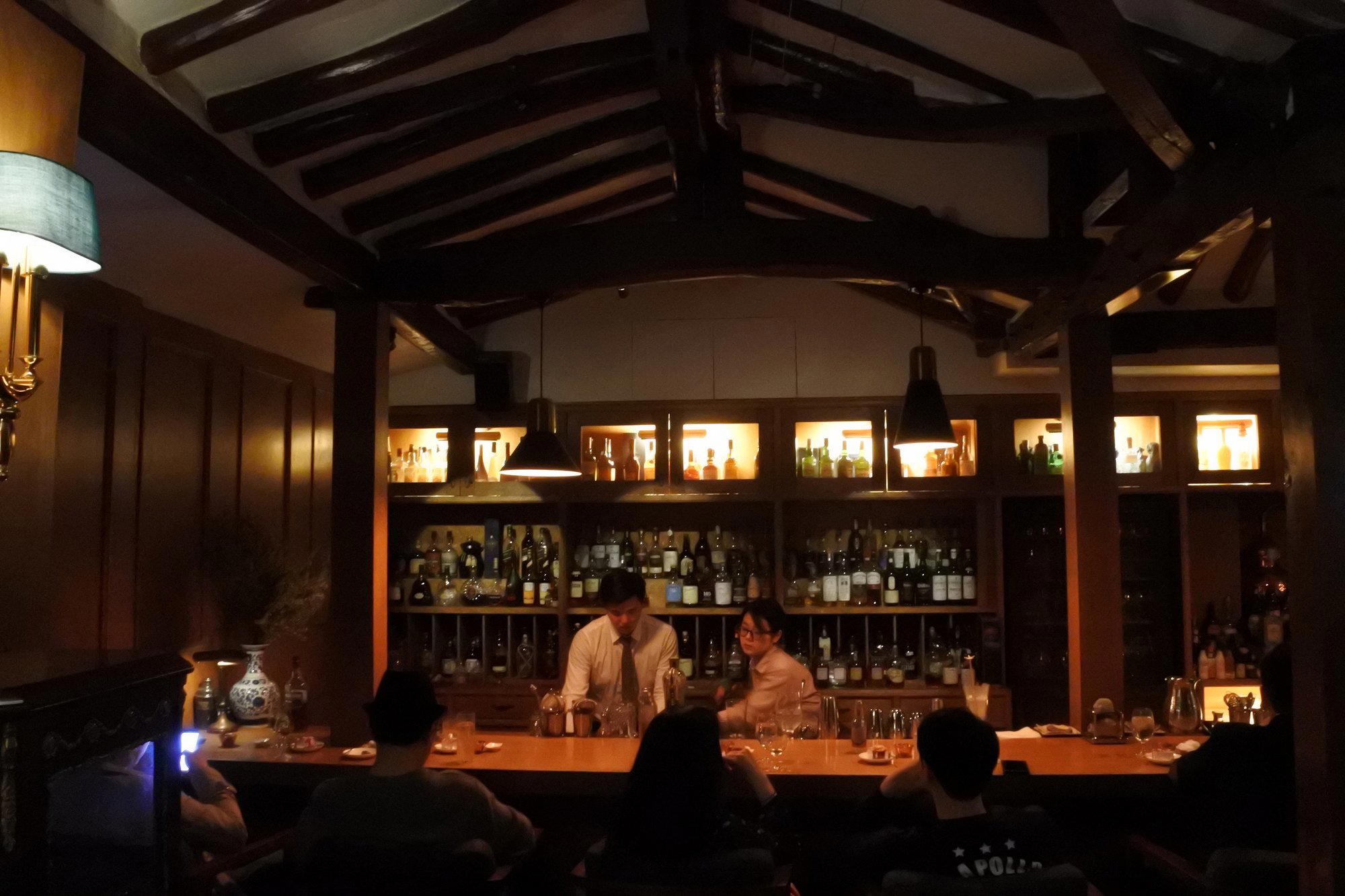
Tranquil and secluded hanok atmosphere shielded by pine trees, with classy modern table settings featuring gold utensils.
Know Before You Go
- Getting there
- 종로구 북촌로 65, 가회동, 서울특별시, 서울특별시, 03052