IMOK Smoke Dining

Star Wine List
Our verdict
IMOK Smoke Dining sits in Gangnam’s Apgujeong orbit, where Seoul’s ingredient-led dining culture often moves between Korean smoke, global technique, and serious beverage programs. Its Star Wine List recognition in 2026 is the clearest public signal: this is a table to read through sourcing and pairing discipline rather than spectacle.

Pearl is the En Primeur Club membership app, where members save venues, book tables and use the concierge.
The menu
What to order
- Beef ribs
- Thick-cut bacon
- Galbi ramyeon
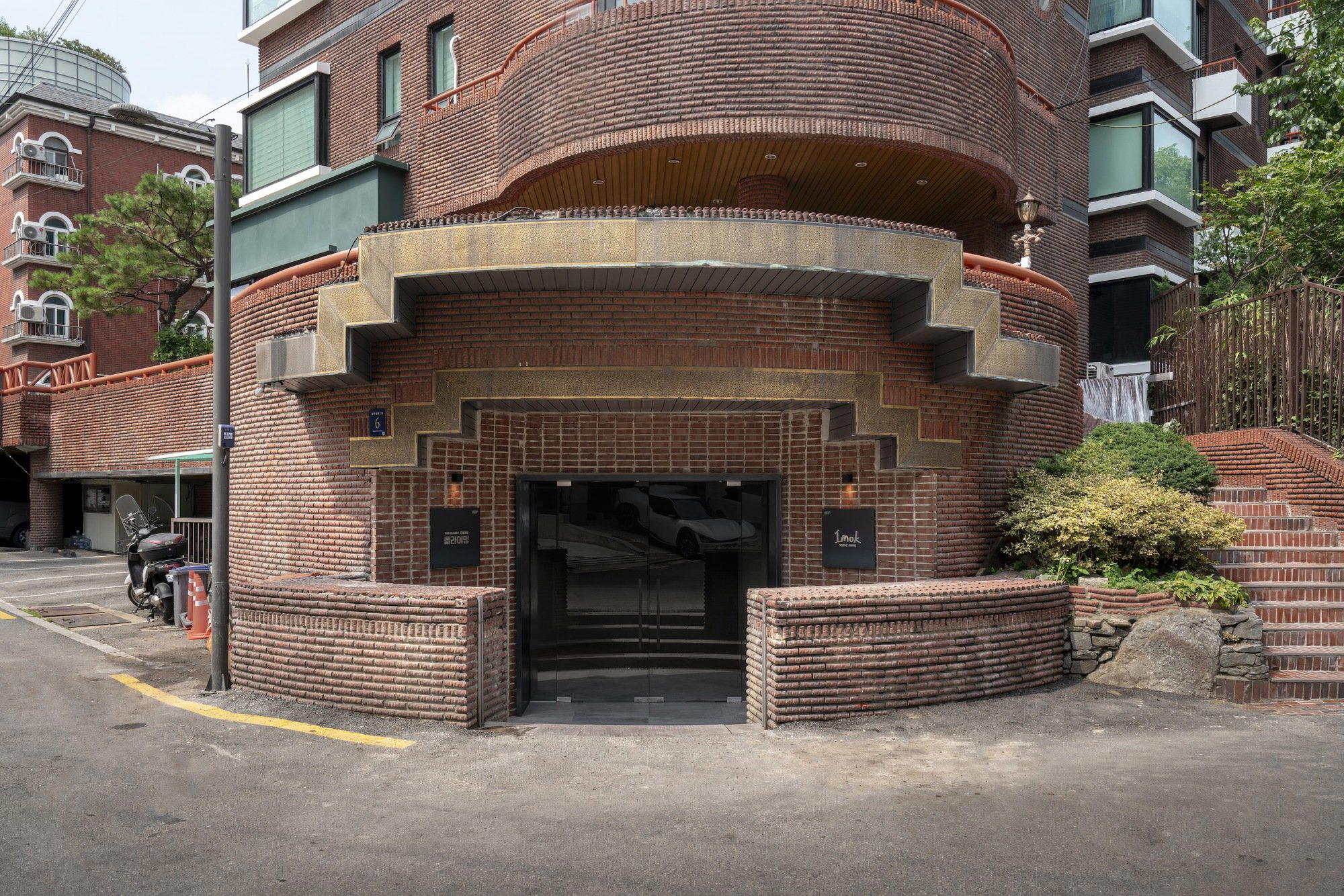
Apgujeong’s smaller dining rooms often announce themselves quietly: a narrow street, a second-floor address, a room built for concentration rather than theatre. That setting matters in Seoul, where smoke-led cooking has moved beyond barbecue nostalgia into a sharper restaurant language. At IMOK Smoke Dining, the useful lens is not novelty but sourcing: how meat, seafood, vegetables, fire, and wine are made to carry the argument of the meal.
Seoul’s contemporary dining scene has split into several confident lanes. There are tasting-menu rooms chasing technical progression, vegan restaurants using temple-cuisine logic in urban form, noodle specialists that hold their ground through repetition, and French-leaning kitchens that treat Seoul as a fluent international city rather than an imitation of Paris. IMOK Smoke Dining belongs to the strand where ingredient character comes first and technique works as pressure, not decoration. Smoke is useful only when it clarifies fat, sweetness, salinity, or bitterness; when it becomes the headline, the cooking loses its point.
Smoke as sourcing discipline, not barbecue shorthand
Ingredient sourcing is where smoke-led restaurants either gain authority or drift into sameness. Seoul already understands live fire through grilled beef culture, pork houses, eel rooms, and market cooking. A dining-room format has to do more than reproduce char. It has to decide which ingredients can carry smoke, which need restraint, and where wine can sharpen the line between richness and fatigue.
That is why the Star Wine List recognition in 2026 is not a decorative badge here. Wine programs matter at smoke-focused restaurants because oak, tannin, acidity, oxidative notes, and residual sweetness can either rescue a course or flatten it. A serious list gives the kitchen room to work with richer preparations without making the meal feel heavy. It also places the restaurant in a smaller Seoul category: dining rooms where beverage selection is part of the structure, not an afterthought added after the menu is written.
The comparison is useful. Soigné sits in Seoul’s innovative tasting-menu lane; Légume works from a vegan register; Mimi Myeonga and Hyun Udon show how narrow-format restaurants can build authority through focus; L’OIGNON reads through a French frame. IMOK Smoke Dining is better understood beside those different models than as a generic Gangnam dinner address. Its point is the conversation between Korean appetite for smoke, contemporary sourcing standards, and wine-list seriousness.
Gangnam's dining grammar: polished rooms, sharper formats
Gangnam can be misread from outside Seoul as a district of gloss alone. The better reading is format density. Apgujeong and nearby pockets support restaurants that assume diners already know the basic genres, so the question becomes what a room adds to the city’s existing fluency. A smoke-focused restaurant in this area has to answer diners who have access to excellent grilled meat, chef-led Korean menus, Japanese counters, wine bars, and European dining rooms within a short cab ride.
That competitive pressure explains the appeal of a tighter ingredient brief. Smoke gives the kitchen a grammar: heat, time, fat, seasoning, rest. The wine recognition gives the dining room another grammar: acidity, structure, temperature, glassware, sequence. When those two systems align, the meal reads as edited rather than loud. When they do not, the category becomes predictable. IMOK Smoke Dining’s public recognition for wine is therefore the strongest available trust signal, and it points toward a restaurant built for diners who care about what sits beside the plate as much as what sits on it.
For readers mapping Seoul broadly, the city rewards cross-checking styles rather than chasing a single hierarchy. Use Our full Seoul restaurants guide for the wider restaurant field, then compare different formats through 10G, 118-5 Banpo-dong, 24seasons (Modern Korean), 3rd Samgyetang, and 7th Door (Korean, Contemporary). The wider city planning layer sits in Our full Seoul hotels guide, Our full Seoul bars guide, Our full Seoul wineries guide, and Our full Seoul experiences guide.
Who should choose this table
This is the stronger call for diners who read a menu through produce and pairing rather than dish names alone. The absence of a publicly stated chef biography, fixed cuisine label, seat count, or price band should not be padded with fantasy; the clearer editorial signal is the combination of Apgujeong location and Star Wine List recognition. In Seoul, that combination generally points to an adult dining room rather than a casual family stop.
The decision point is simple. Choose IMOK Smoke Dining when the appeal lies in smoke as a technique applied with restraint, supported by a wine program with independent recognition. Choose a noodle shop, samgyetang room, vegan specialist, or formal tasting counter when the evening needs a narrower tradition or a more defined format. Seoul’s strength is that all of those options can coexist without making one category subordinate to another.
For travel beyond the capital, Korea’s regional dining context adds useful contrast: 100.1. Pyeongnaeng in Busan, 88돼지 in 제주시, Abbeyroad in Sokcho-si, ART CORDELIA in Seogwipo-si, Badang Lounge in Jeju, and Baegyangsa Temple in Jangseong-gun show how different Korean settings shape the meal. Outside Korea, Jōdo Saké Bar in Los Angeles and Onigiri Time in Pasadena offer another angle on how Korean and Japanese dining references travel through North American rooms.
Frequently asked questions
Is IMOK Smoke Dining suitable for children?
IMOK Smoke Dining reads as a more adult dining room than a family-oriented one, especially with its Star Wine List (2026) recognition. In Gangnam, Seoul, that usually signals a dinner format shaped around wine service rather than a casual family meal.
How would you describe the vibe at IMOK Smoke Dining?
Expect a smoke-led room in Gangnam with a wine-forward focus, supported by its Star Wine List (2026) distinction. The address at 209호, 6 Apgujeong-ro 2-gil places it in a part of Seoul known for polished, format-driven dining.
What awards or recognition does IMOK Smoke Dining have?
IMOK Smoke Dining has received recognition including: Star Wine List (2026).
What's the address for IMOK Smoke Dining?
IMOK Smoke Dining is located at 209호, 6 Apgujeong-ro 2-gil, Gangnam District, Seoul, South Korea, Seoul.
Should I book IMOK Smoke Dining in advance?
Advance booking makes sense for IMOK Smoke Dining in Seoul, particularly if the visit is built around the smoke-led format and wine service. Its Gangnam location and Star Wine List (2026) recognition suggest a room that rewards planning.
What is IMOK Smoke Dining known for?
IMOK Smoke Dining is known for its smoke-led dining identity and its Star Wine List (2026) recognition. The Seoul location in Gangnam adds context: this is a venue where wine, pacing, and format matter as much as the cooking style.
A Quick Peer Check
Comparable venues nearby, for context on price, style, and recognition.
| Venue | Cuisine | Price | Awards | Notes |
|---|---|---|---|---|
| IMOK Smoke DiningThis venue (the venue you are viewing) | Modern Smoke Dining BBQ | $100–150 | Star Wine List | Not listed |
| Cesta | Modern Grill with Global Fusion | $50–100 | Star Wine List · Wine Spectator Best of Award of Excellence | 한남동 |
| Choi. | Modern Japanese Kaiseki | Not listed | Michelin Plate · La Liste Top Restaurants | 압구정동 |
| Keunkiwajip | Traditional Korean Hanjeongsik with Ganjang Gejang | $30–50 | Not listed | 가회동 |
| Hyodo Chicken | Korean Fried Chicken | $10–20 | Not listed | Jongno-gu |
| Haemok Nonhyeon | Traditional Japanese Eel Rice Bowl (Hitsumabushi) | $30–50 | Not listed | Gangnam-gu (Nonhyeon-dong) |
Recognition history
Dated appearances from independent guides and award organizations, with the underlying list record or original source where available.
Star Wine List
Star Wine List
Continue exploring
More in Seoul
Restaurants in Seoul
All restaurants in Seoul →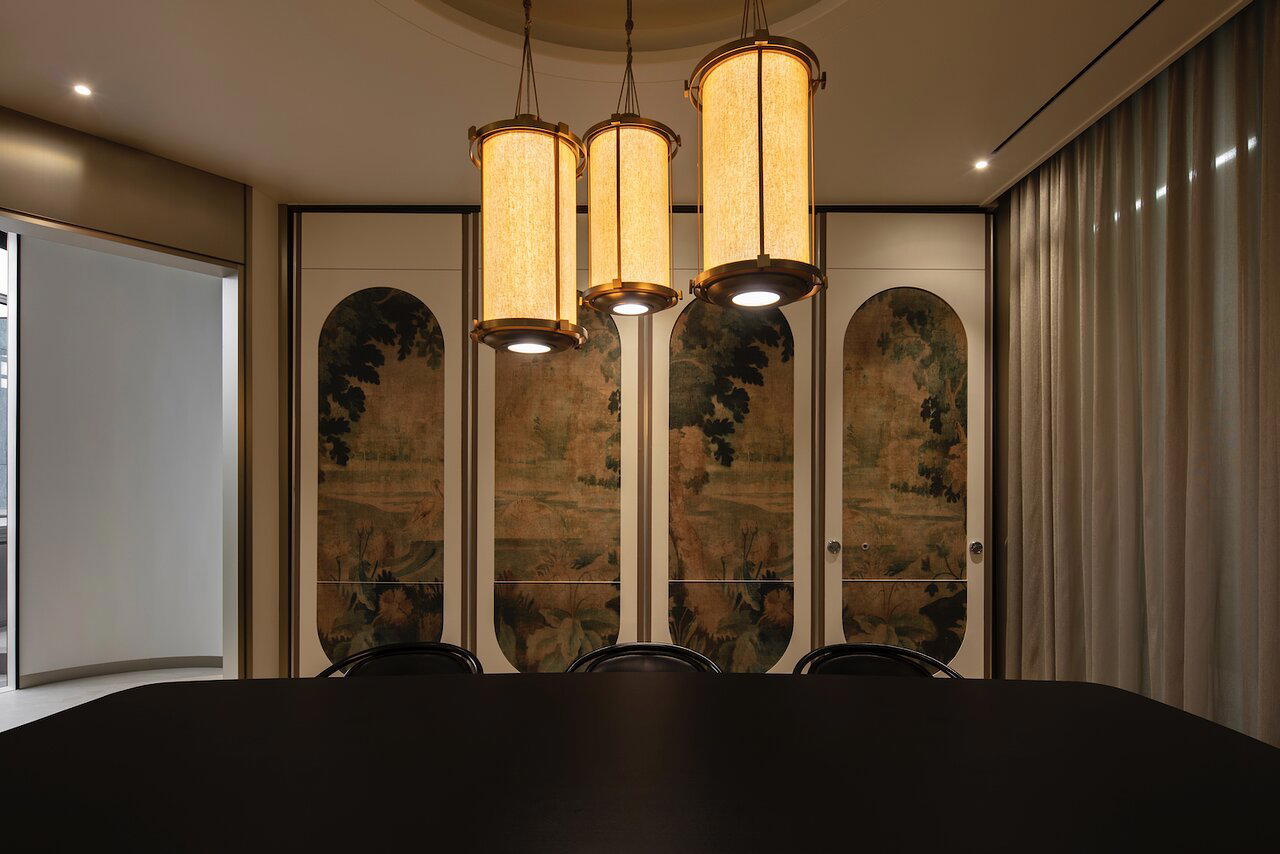
Bars in Seoul
All bars in Seoul →

Details
- Minimalist
- Intimate
- Sophisticated
- Date Night
- Special Occasion
- Open Kitchen
- Private Dining
- Extensive Wine List
- Tasting Menu
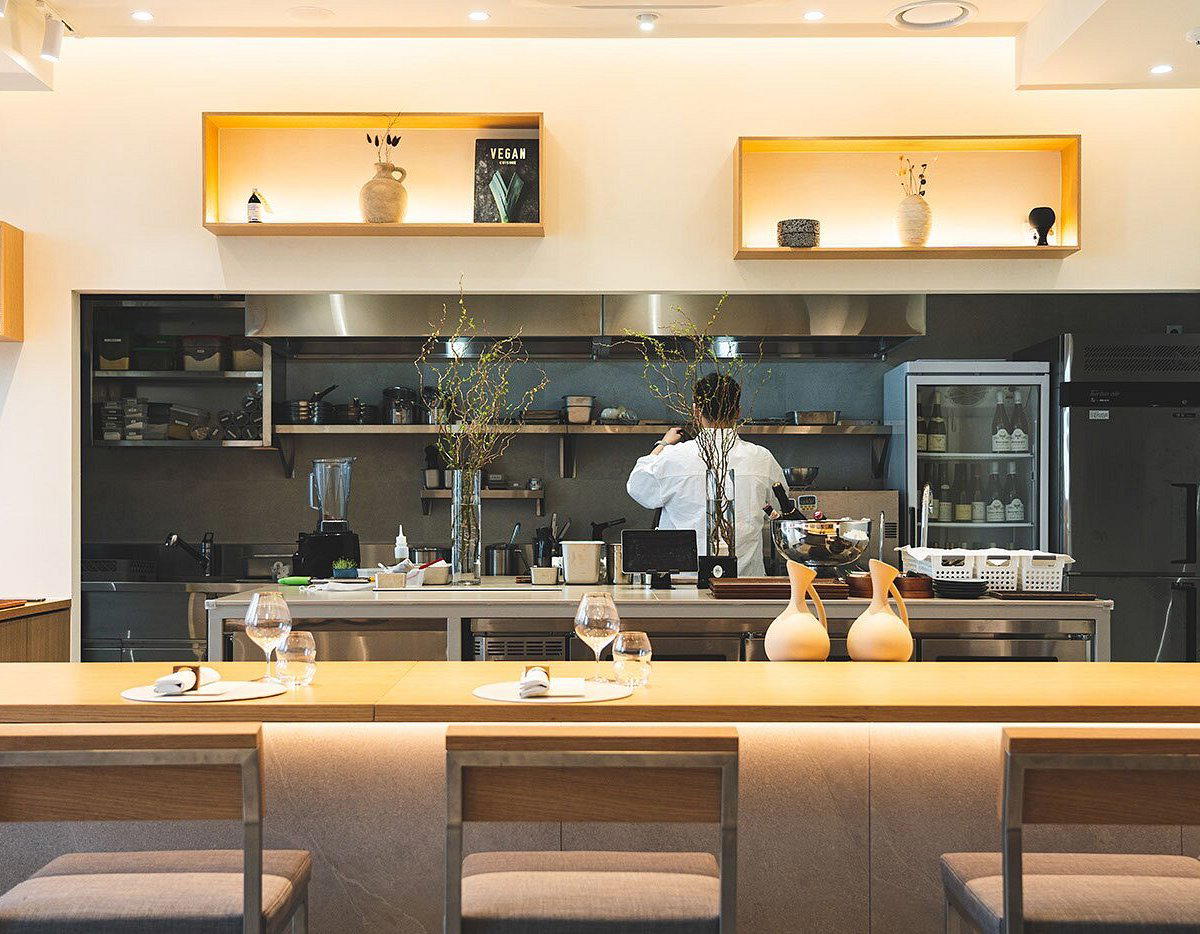
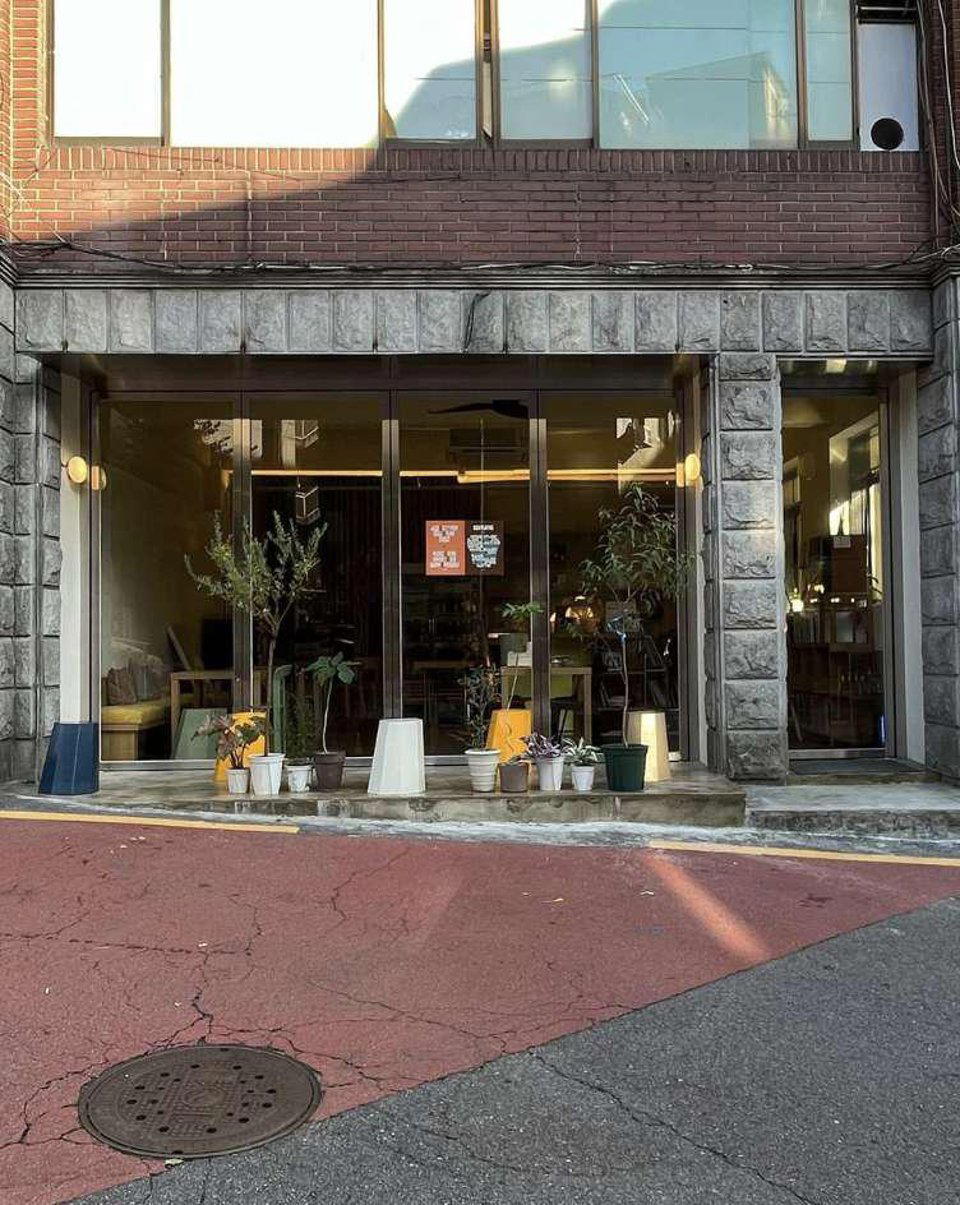
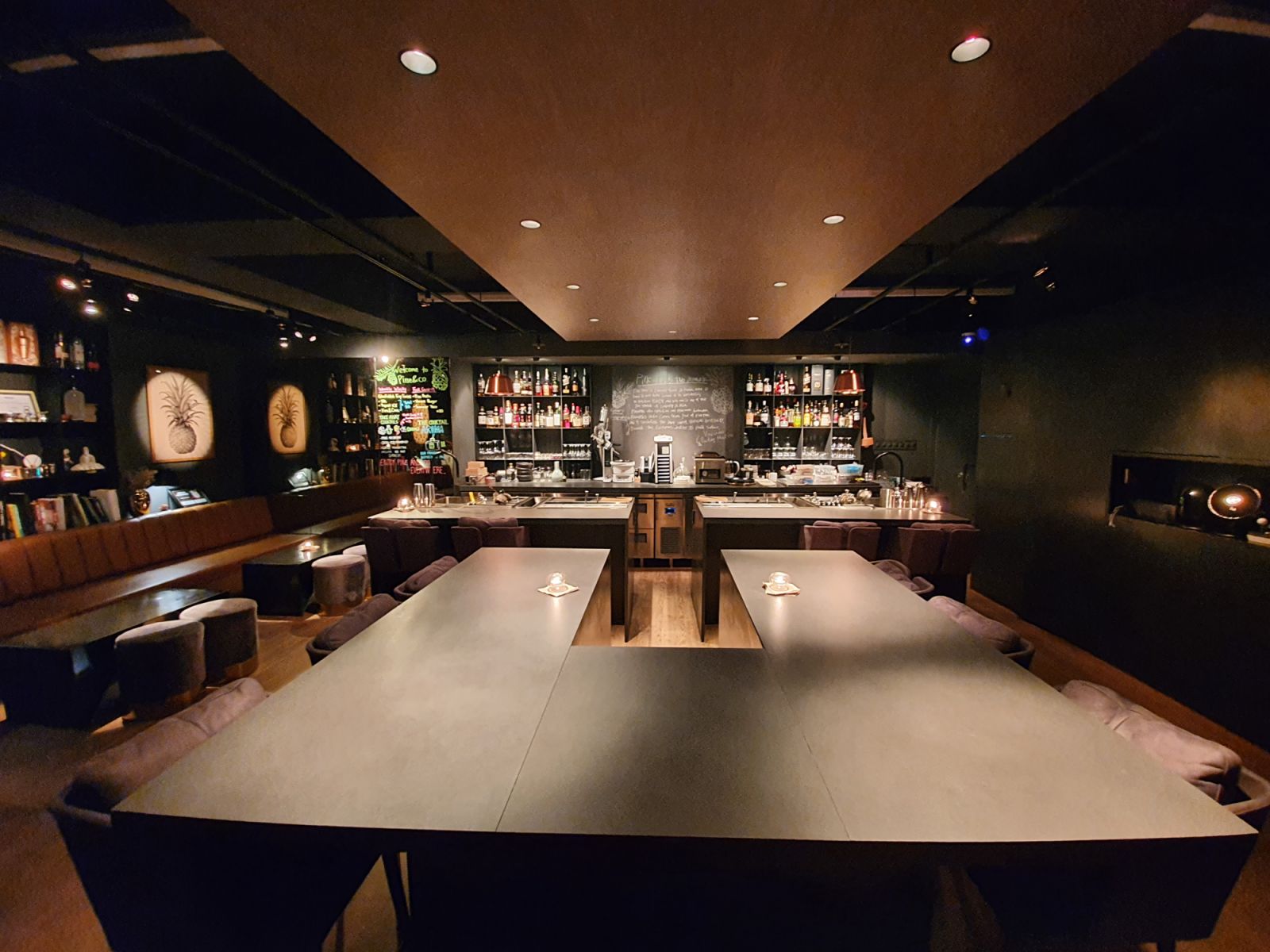
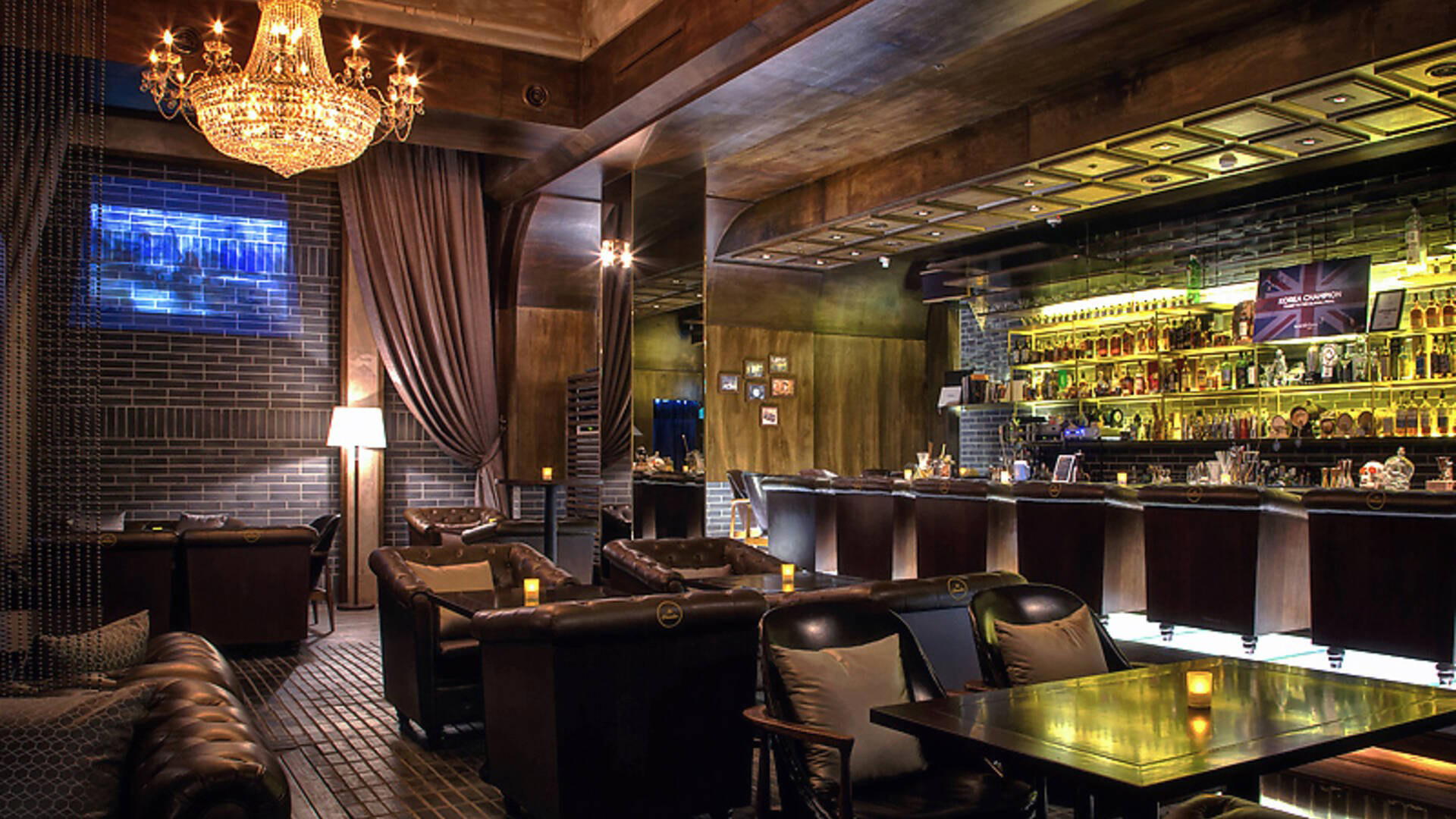
Dimly lit minimalist bunker-like space with dark, calm atmosphere, open kitchen, subtle red lighting, and immersive fire motifs creating a secretive, intentional dining experience.