Spacca Napoli


50 Top Pizza Asia-Pacific #4 · Gambero Rosso 2 Spicchi
Our verdict
On the second floor of a Mapo-gu building, Spacca Napoli brings Neapolitan pizza technique to Seoul with wood-fired dough, hand-stretched crusts, and a room decorated in Neapolitan cultural iconography. Chef Giulio Lee trained in Naples and returned to Seoul making pizzas that follow the city's tradition while adapting the format to Korean dining habits, including serving by the slice.

Pearl is the En Primeur Club membership app, where members save venues, book tables and use the concierge.
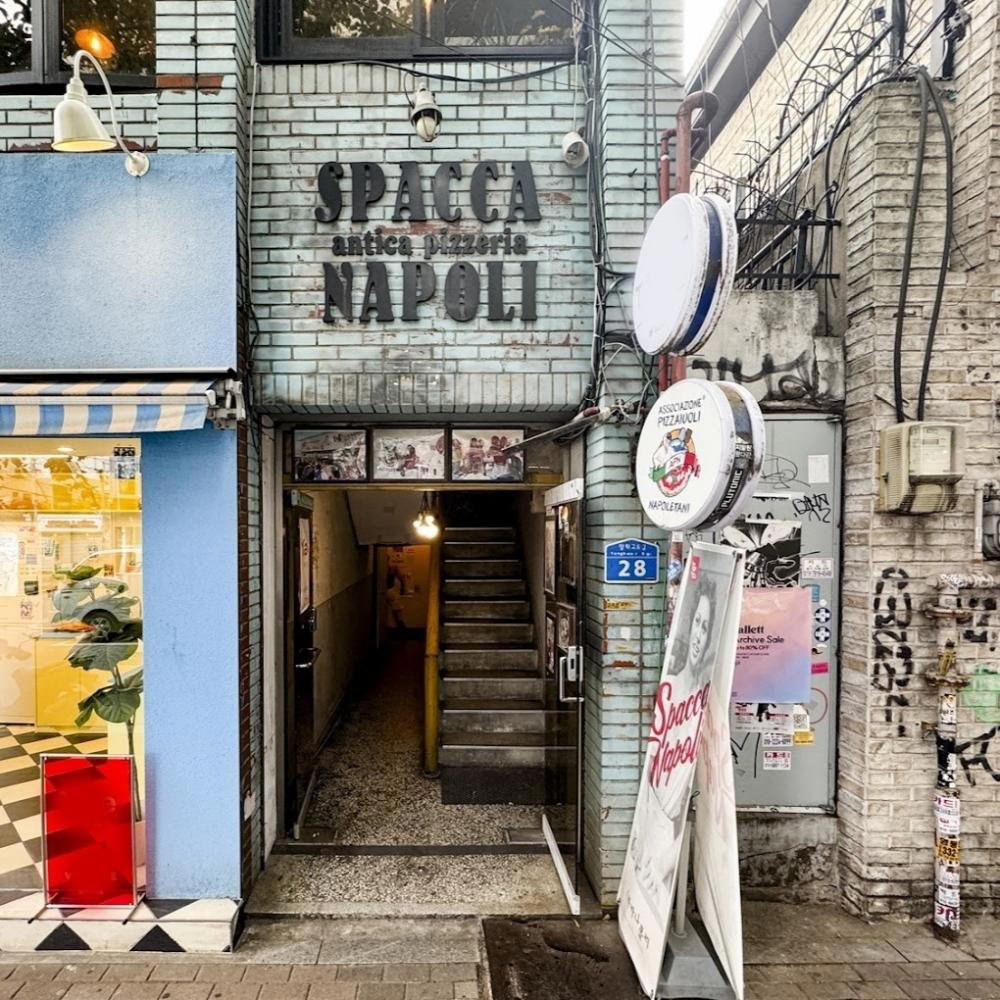
A Neapolitan Room in Mapo-gu
Walk up to the second floor of a modern building on Yanghwa-ro 6-gil and you step into a room that has been assembled with affection rather than aesthetic calculation. The walls carry Neapolitan vernacular in full: bingo cards, coral horns, a portrait of Maradona, a silhouette of Vesuvius, and references to the city's films and popular songs. The decorative logic is closer to the visual grammar of a Neapolitan trattoria in central Seoul. The service maintains that same register, rhythmic, direct, and friendly without performance.
This kind of Italian transplant sits in an interesting position in Seoul's broader restaurant geography. The city's fine-dining tier, represented by places like Mingles, Jungsik, and Soigné, has spent the past decade articulating Korean identity through European-derived formats. Spacca Napoli operates in the opposite direction: it imports a specific Italian regional tradition and, rather than translating it into a Korean idiom, keeps the original largely intact while adapting the serving format to local preference. That distinction matters when reading what the kitchen is actually trying to do.
Where the Dough Comes From
Spacca Napoli's story is about sourcing in its broadest sense, including ingredients, technique, vocabulary, and lineage. Chef Giulio Lee did not learn Neapolitan pizza from a manual or a video tutorial. He acquired it in the city where the method was codified, under conditions where the flour, water, fermentation timing, and wood all carried specific local properties. When he returned to Seoul, the task was to reconstruct those conditions as faithfully as available materials allow.
Neapolitan dough is a product of its inputs. Tipo 00 flour, specific hydration levels, long fermentation (typically 24 to 48 hours at minimum for serious producers), and a wood-fired oven reaching around 485 degrees Celsius, these are not variables that can be approximated without consequence. The finished disc at Spacca Napoli is described as tall and soft with a well-leavened base and a pronounced crust, which suggests the fermentation is doing its work. The crust, or cornicione, is the most honest indicator of a Neapolitan pizza's technical calibre: it should be airy with irregular internal structure and carry char without bitterness. A flat, bready, or under-blistered edge is evidence of cutting corners on either fermentation time or oven temperature.
This sourcing logic extends to the toppings. The classic margherita, tomato, fior di latte or buffalo mozzarella, basil, olive oil, has almost no technical complexity beyond the quality of the four components. There is nowhere to hide a weak tomato or a poorly balanced cheese. The marinara, which removes the dairy entirely and reduces the pizza to tomato, garlic, oregano, and oil, is even more austere and equally instructive. That both receive mention as standouts here says something about the kitchen's discipline with primary ingredients.
The Calzone Question and the Slice Format
Stuffed calzones sit in a different category from the open pies. The enclosed format means the filling steams inside the dough during baking rather than roasting on an open surface, producing a different internal moisture profile and a crust that must be assessed on distinct criteria from the margherita or marinara. The fact that they are noted as appreciated at Spacca Napoli suggests the kitchen is not treating them as an afterthought or a vehicle for clearing leftover toppings, a risk with calzone programmes at lesser pizza operations.
The decision to serve pizza in slices is the clearest accommodation to Korean dining habit in the whole format. In Naples, pizza is ordinarily a single-person proposition served whole. Slicing introduces a different social dynamic, shared ordering, incremental additions, a table that samples across varieties rather than committing to one each. Whether this diminishes the original format is a matter of opinion. What it does is make Spacca Napoli legible to a Seoul dining room where shared-plate logic governs most meals from Korean barbecue to the upper tier represented by Kwonsooksoo and alla prima.
Spacca Napoli in the Context of Seoul's Pizza Tier
Seoul has developed a sophisticated pizza scene over the past decade, with the Neapolitan tradition occupying a distinct niche within it. The pizzeria category in South Korea more broadly includes operations at spots in Busan as well as the capital, and the national appetite for Italian food has been consistent enough to sustain technically serious producers. What separates the credible Neapolitan operations from the general pizza market is usually the same set of factors: dough fermentation discipline, oven temperature management, and ingredient sourcing. These are not marketing claims; they produce measurable differences in the finished product.
Spacca Napoli's position in Mapo-gu, rather than in Gangnam or Itaewon where Seoul's highest-profile international restaurants tend to cluster, is itself a signal. The neighbourhood around Yanghwa-ro draws a mix of creative industry workers, younger professionals, and residents who value specificity over prestige address. It is a neighborhood where diners go for the food rather than the address. For comparison, the Gangnam-gu corridor that houses Kwon Sook Soo and high-concept dining operates on a different set of gravitational pulls entirely.
For readers building a fuller picture of Seoul's dining range, the city's tasting-menu end is mapped at Gaon and in our full Seoul restaurants guide. Regional Korea offers its own benchmarks, the temple food tradition documented at Baegyangsa Temple in Jangseong-gun represents an entirely different sourcing philosophy from Spacca Napoli's Neapolitan lineage. Further afield, the kind of ingredient discipline that makes a simple dish compelling also defines the leading work at places like Le Bernardin in New York. For those planning a wider Seoul visit, the hotels guide, bars guide, wineries guide, and experiences guide cover the fuller picture. The Jeju island end of the country has its own culinary register, including The Flying Hog in Seogwipo. For Korean-American dining in comparison, Atomix in New York and Emeril's in New Orleans represent the range of what transplanted culinary identity looks like across different directions.
Planning Your Visit
Address: 28 Yanghwa-ro 6-gil, Mapo-gu, Seoul, South Korea (second floor). Getting there: Mapo-gu is accessible by Seoul Metro Line 6; the Mapo or Gongdeok stations place you within walking distance of the Yanghwa-ro corridor. Reservations: Format: Pizza by the slice, whole pies, and stuffed calzones; wood-fired oven. Dress: Casual.
Frequently asked questions
Where do I go for Spacca Napoli?
Spacca Napoli is located at 28 Yanghwa-ro 6-gil, Mapo-gu, Seoul, South Korea, Seoul.
Is there a head chef associated with Spacca Napoli?
The chef associated with Spacca Napoli is Giulio Lee.
What's the signature dish at Spacca Napoli?
The margherita and the marinara are both cited as standouts by the restaurant's own editorial record, a meaningful distinction, since a clean marinara with no cheese has nowhere to hide. Stuffed calzones also draw consistent attention, functioning as a separate format rather than a side order. All pies are served in slices, following Korean dining convention rather than the whole-pie format typical in Naples.
What's Spacca Napoli known for in terms of accolades?
Spacca Napoli has received recognition including: While learning the art of pizza in Naples, Lee Yung Woo, for simplicity and as a sign of friendship, was called Giulio. Back in Seoul, he kneads, rolls out, seasons, bakes, and serves his pizzas, and everyone knows him by his Italian name. ….
Reputation Context
| Venue | Cuisine | Price | Awards | Notes |
|---|---|---|---|---|
| Spacca NapoliThis venue (the venue you are viewing) | Authentic Neapolitan Pizza | $20–30 | 50 Top Pizza Asia-Pacific #4 · Gambero Rosso 2 Spicchi | Not listed |
| 7th Door | Modern Korean Fermentation Fine Dining | $100–150 | 1 Michelin Star · World's 50 Best #49 | Korean, Contemporary |
| Solbam | Contemporary Neo-Classical Korean | $200–300 | 1 Michelin Star · World's 50 Best #55 | Contemporary |
| Onjium | Modern Korean Royal Court Cuisine | Not listed | 1 Michelin Star · World's 50 Best #14 | Korean |
| L'Amitié | Classic French Fine Dining | $100–150 | 1 Michelin Star · La Liste Top Restaurants | French |
| Zero Complex | Modern French Neo-Bistro | $100–150 | 1 Michelin Star · La Liste Top Restaurants | Korean-French, Innovative |
Recognition history
Dated appearances from independent guides and award organizations, with the underlying list record or original source where available.
50 Top Pizza Asia-Pacific #4
50 Top Pizza
Gambero Rosso 2 Spicchi
Gambero Rosso
Full recognition history (4 entries)
50 Top Pizza World #28
50 Top Pizza
50 Top Pizza World Best Pizza #57
50 Top Pizza
Continue exploring
More in Seoul
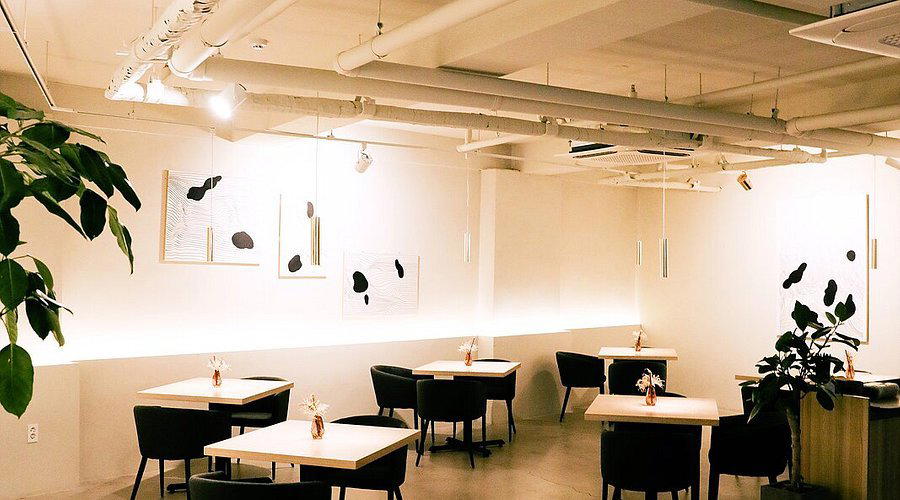
Restaurants in Seoul
All restaurants in Seoul →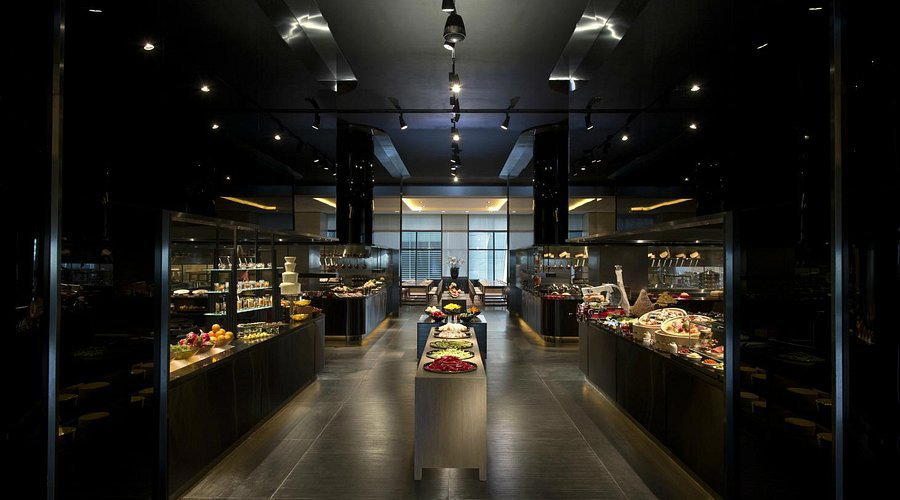
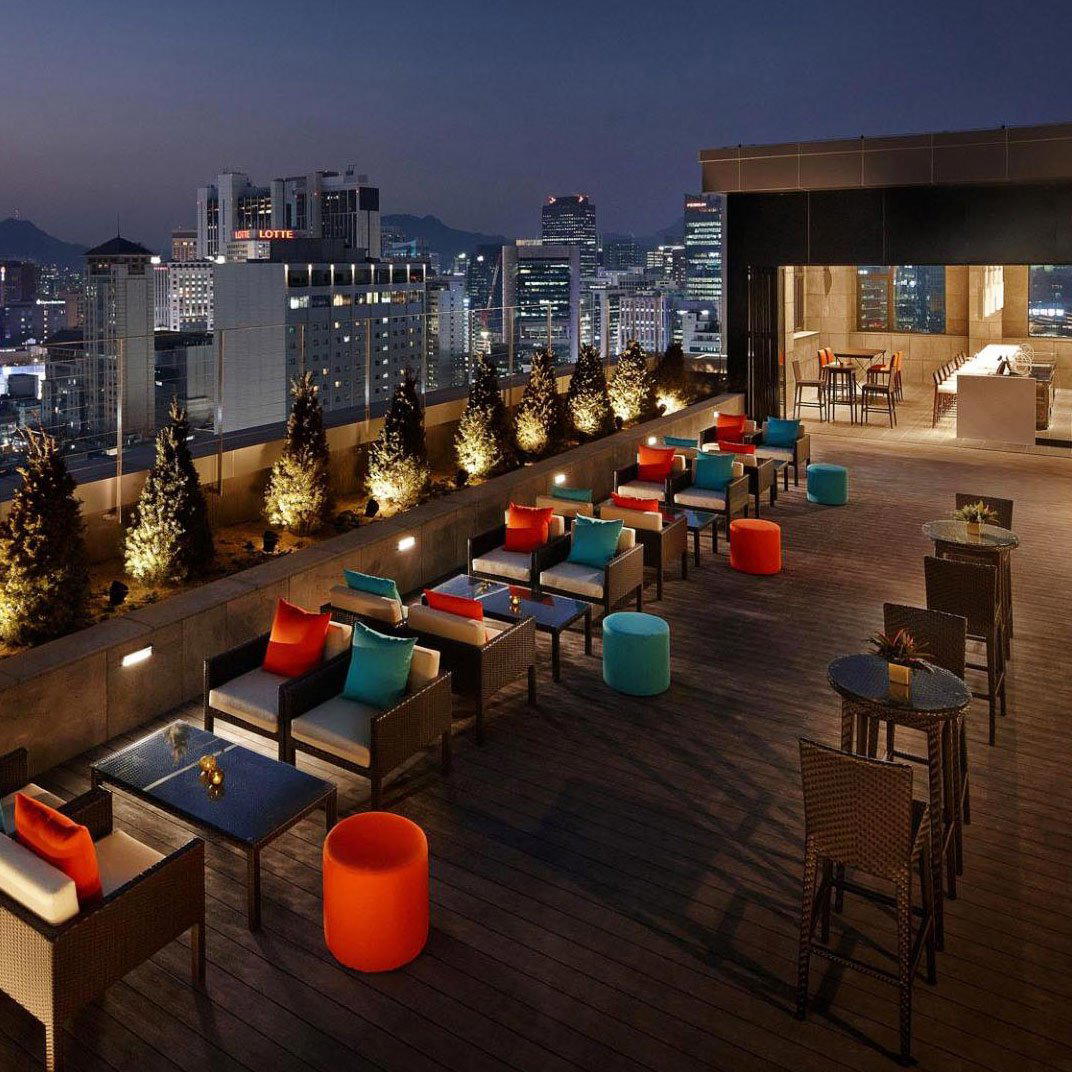
Bars in Seoul
All bars in Seoul →
Details
- Cozy
- Intimate
- Date Night
- Casual Hangout
- Family
- Open Kitchen
- Street Scene
- A La Carte
- Vegetarian Friendly
- Vegan Options
Current opening hours
- Monday
- Closed
- Tuesday
- Closed
- Wednesday
- 11:30 AM–2:20 PM, 5–8:20 PM
- Thursday
- 11:30 AM–2:20 PM, 5–8:20 PM
- Friday
- 11:30 AM–2:20 PM, 5–8:20 PM
- Saturday
- 11:30 AM–2:20 PM, 5–8:20 PM
- Sunday
- 11:30 AM–2:20 PM, 5–8:20 PM
Hours can change for holidays and private events. Hours as of .
Comfy and relaxing with a warm authentic Italian feel, wood oven visible, cozy small space.