할머니의 레시피
할머니의 레시피 (Grandmother's Recipe) occupies a Seongdong-gu address inside the Seoul Forest corridor, where a growing cluster of neighbourhood restaurants has emerged as an alternative to the Gangnam fine-dining axis. The kitchen draws on the logic of Korean home cooking, recipes rooted in generational memory, and positions itself within Seoul's broader conversation about what traditional cuisine looks like when given careful, considered treatment.
Pearl is the En Primeur Club membership app — saves, bookings, and concierge access live there. Same editors, same standards.
- Address
- 성동구 서울숲6길 15-1, 서울특별시, 서울특별시, 04768
 Saves & bookings on Pearl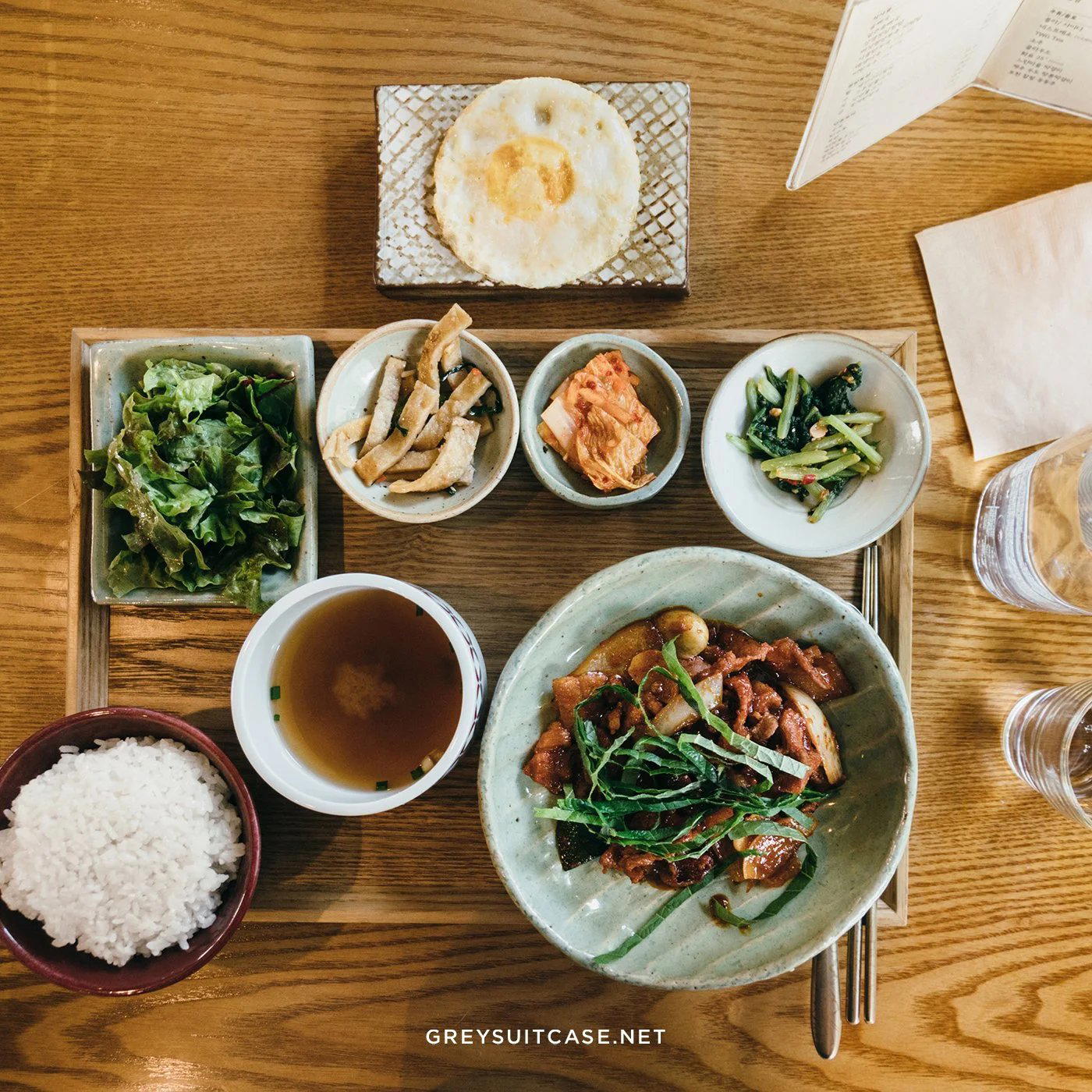
Where Seoul Forest Meets the Kitchen Table
할머니의 레시피 is a restaurant in Seongdong-gu, Seoul, serving refined Korean home-style cuisine at about $15 per person. 서울숲6길, the side street where 할머니의 레시피 (Grandmother's Recipe) sits at number 15-1, belongs to that slower, more residential grain of the area. You arrive on foot from Seoul Forest station, past low-rise buildings and the kind of local greengrocer that still sells seasonal produce by the handful. The approach itself sets an expectation: this is not a destination engineered for spectacle.
That neighbourhood register matters, because it shapes the editorial question worth asking about a place like this. Seoul's premium dining axis, the Michelin-tracked corridor running through Gangnam, Cheongdam, and Jongno, has spent the last decade negotiating the tension between Korean culinary heritage and continental technique. Restaurants like Mingles, Jungsik, and Kwonsooksoo have each resolved that tension differently, some leaning toward French structure applied to Korean ingredients, others treating the Korean pantry as the primary grammar with European method as punctuation. What the Seoul Forest neighbourhood proposes, by contrast, is a quieter register: cooking that references grandmothers' recipes, doenjang-fermented, slow-braised, season-driven, without needing to announce the reference.
The Editorial Angle: Inherited Knowledge, Considered Execution
The name 할머니의 레시피 translates directly as Grandmother's Recipe, which is either a statement of intent or a provocation, depending on how literally you read it. In Seoul's current dining conversation, the phrase carries specific weight. Korean food culture has long operated on the principle that authoritative cooking is domestic, that particularly rigorous technique lives not in professional kitchens but in the hands of grandmothers who learned to ferment kimchi by smell and adjust jjigae seasoning by instinct. The question any restaurant carrying that name must answer is whether it is reproducing nostalgia or doing something rigorously with the source material.
The intersection of inherited recipes and deliberate technique is a productive space across Korean dining more broadly. Seoul's ambitious restaurants, Soigné, alla prima, have shown that applying precision and sourcing discipline to Korean ingredients can produce results that read as both deeply local and technically current. Even internationally, Korean chefs working within fine-dining frameworks, see Atomix in New York, have demonstrated that the Korean pantry is not a constraint but a competitive advantage when handled with rigour. The Seoul Forest address of the restaurant suggests a neighbourhood-scale version of that conversation, where the ambition is not Michelin recognition but fidelity to the source material.
Seongdong-gu and the Alternative Seoul Dining Map
Understanding where the restaurant sits requires understanding the geography of contemporary Seoul dining. The city's most visible fine-dining cluster, the bracket occupied by Michelin-starred Korean tasting menus and French-influenced Contemporary rooms, is concentrated south of the Han River. Seongdong-gu, which encompasses both the Seongsu-dong craftsman district and the Seoul Forest parkland, has developed a different identity: smaller operators, shorter menus, and a price point that reflects neighbourhood reality rather than tourist expectation.
That pattern has parallels elsewhere in Korea. Neighbourhood-scale restaurants anchored in regional tradition have produced some of the country's most interesting cooking outside the metropolitan fine-dining grid, from the pork-focused grills of Jeju, such as Black Pork BBQ in Seogwipo and 88돼지 in Jeju, to the galbi tradition embedded in Suwon's restaurant culture at places like Gobojeong Galbi #1 and Doosoogobang. The common thread is cooking that derives authority from specificity of place and ingredient rather than from tasting-menu architecture or international training signals.
In that context, the Seoul Forest corridor, increasingly visible as a dining destination in its own right, positions operators like 할머니의 레시피 as part of a quieter counterargument to the dominant fine-dining narrative. The argument is not anti-technique; it is pro-source. The grandmother's recipe, properly understood, is itself a technology: a compression of accumulated seasonal knowledge, fermentation timing, and flavour calibration developed over generations. Restaurants that take that seriously tend to be more interesting than those that merely romanticise it.
Placing 할머니의 레시피 in Its comparable set
The restaurant sits outside the bracket occupied by Seoul's upper-tier Korean contemporary rooms. That bracket, which includes ₩₩₩₩-tier operators like 7th Door, Onjium, and Zero Complex, is defined by long booking windows, omakase or fixed-menu formats, and explicit engagement with Korean culinary history as a design element. The restaurant appears to operate in a more accessible register, where the proposition is less about formal dining architecture and more about the quality and honesty of the cooking itself.
That is not a lesser proposition. Particularly rigorous Korean cooking in recent years has happened at neighbourhood scale, where the sourcing relationship with local producers is direct and the menu reflects what is actually in season rather than what a tasting menu format requires year-round.
For reference, Korean cooking at neighbourhood scale has produced internationally recognised results when the sourcing and technique are treated with equivalent seriousness to fine-dining contexts. Le Bernardin in New York is a useful counter-reference: a restaurant where the authority derives not from novelty but from sustained discipline applied to a specific ingredient tradition. The question the restaurant poses, implicitly, through its name and address, is whether Korean grandmothers' recipes deserve the same sustained analytical respect. The Seoul Forest neighbourhood, with its mix of craft producers, young chefs, and local residents who actually eat there rather than visit, is a reasonable place to attempt an answer.
Readers planning wider itineraries across Korea may also find useful context in the dining scenes of Mori in Busan, Dining Room in Busan, Badang Lounge in Jeju, Hwangnam Bread and Busan Steamed Bun in Gyeongju, Gyeongju Wonjo Kongguk, and Hinode in Jeju, all of which, in different ways, engage with the question of how regional Korean ingredients and inherited cooking knowledge translate into a dining-room context.
- Price Range: not confirmed; neighbourhood positioning suggests mid-range
A Pricing-First Comparison
Comparable venues nearby, for context on price, style, and recognition.
| Venue | Cuisine | Price | Notes |
|---|---|---|---|
| 할머니의 레시피This venue — the venue you are viewing | Not listed | $$ | Not listed |
| Junco Music Town | 잠원동, Korean Gastropub Karaoke | $$ | Not listed |
| Sinseon Seolnongtang | 소공동, Traditional Korean Seolleongtang | $$ | Not listed |
| 정대포 갈매기전문 | Not listed | $$ | 노고산동, Korean Pork BBQ (Galmaegisal Specialist) |
| 진전복삼계탕 신사직영점 | Not listed | $$ | Sinsa-dong, Premium Abalone Ginseng Chicken Soup |
| Jinju Jip | Not listed | $$ | 용강동, Traditional Korean Kongguksu & Noodle Soup |
Continue exploring
More in Seoul
Restaurants in Seoul
Browse all →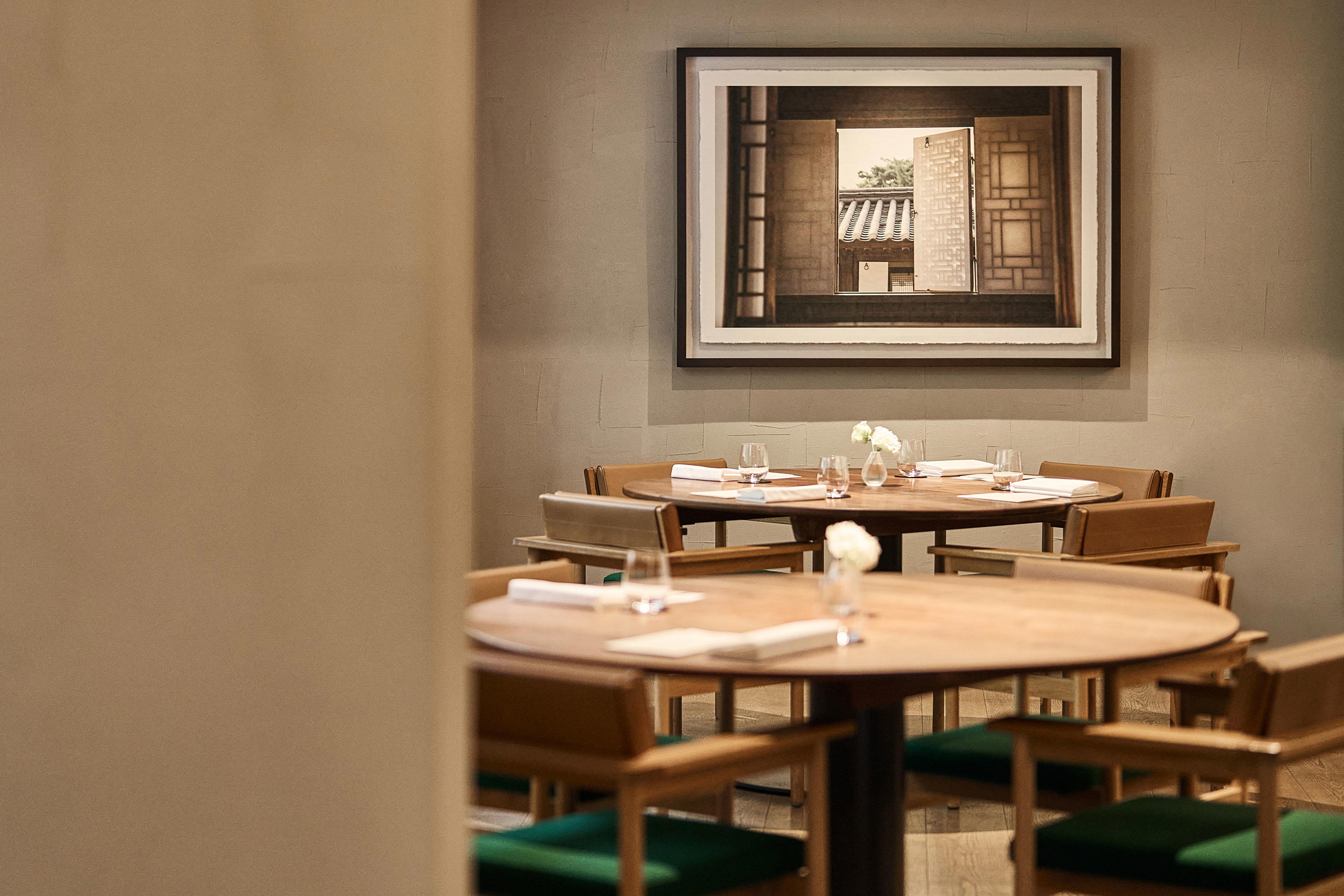


At a Glance
- Cozy
- Classic
- Casual Hangout
- Family
- Standalone
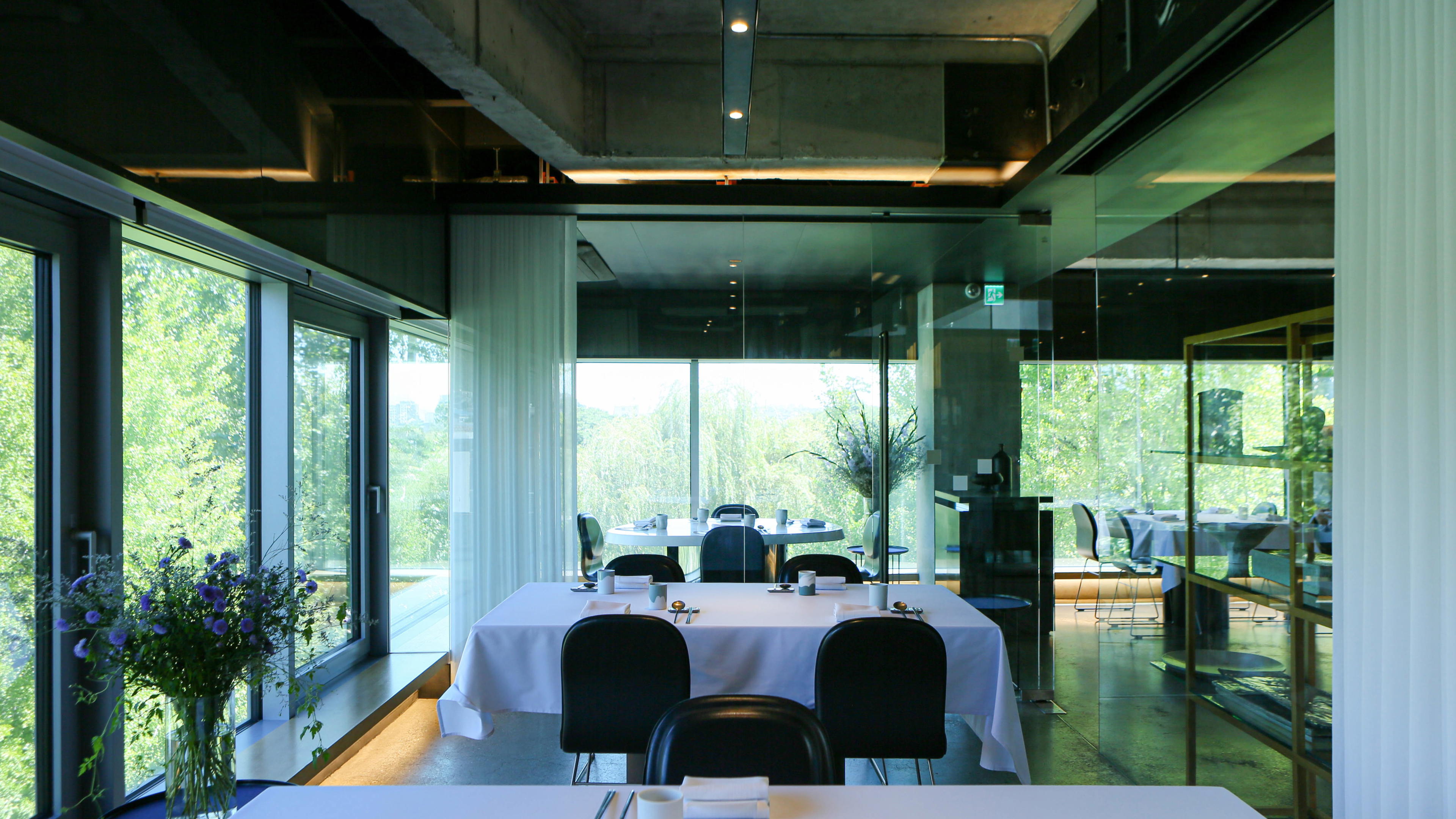
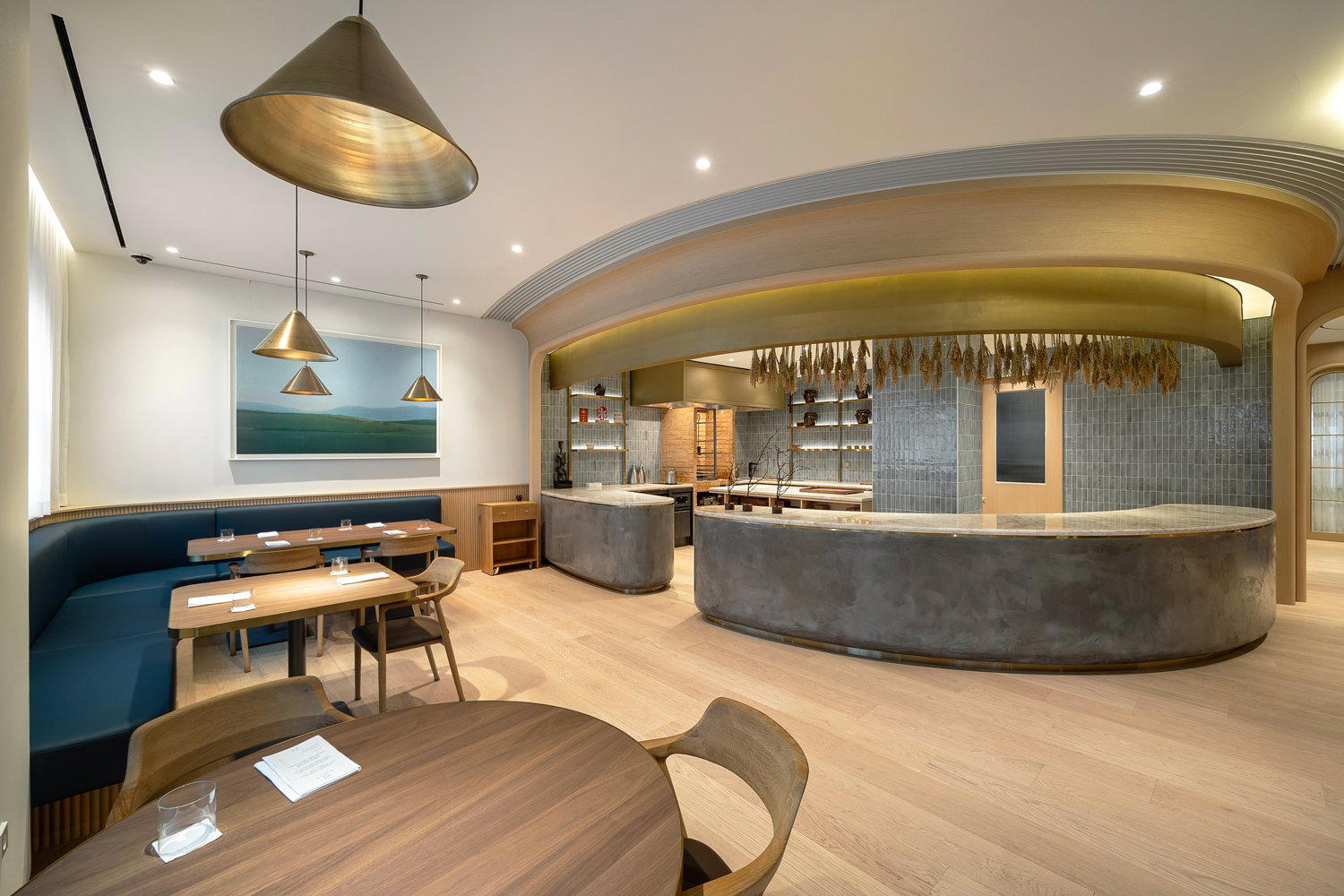
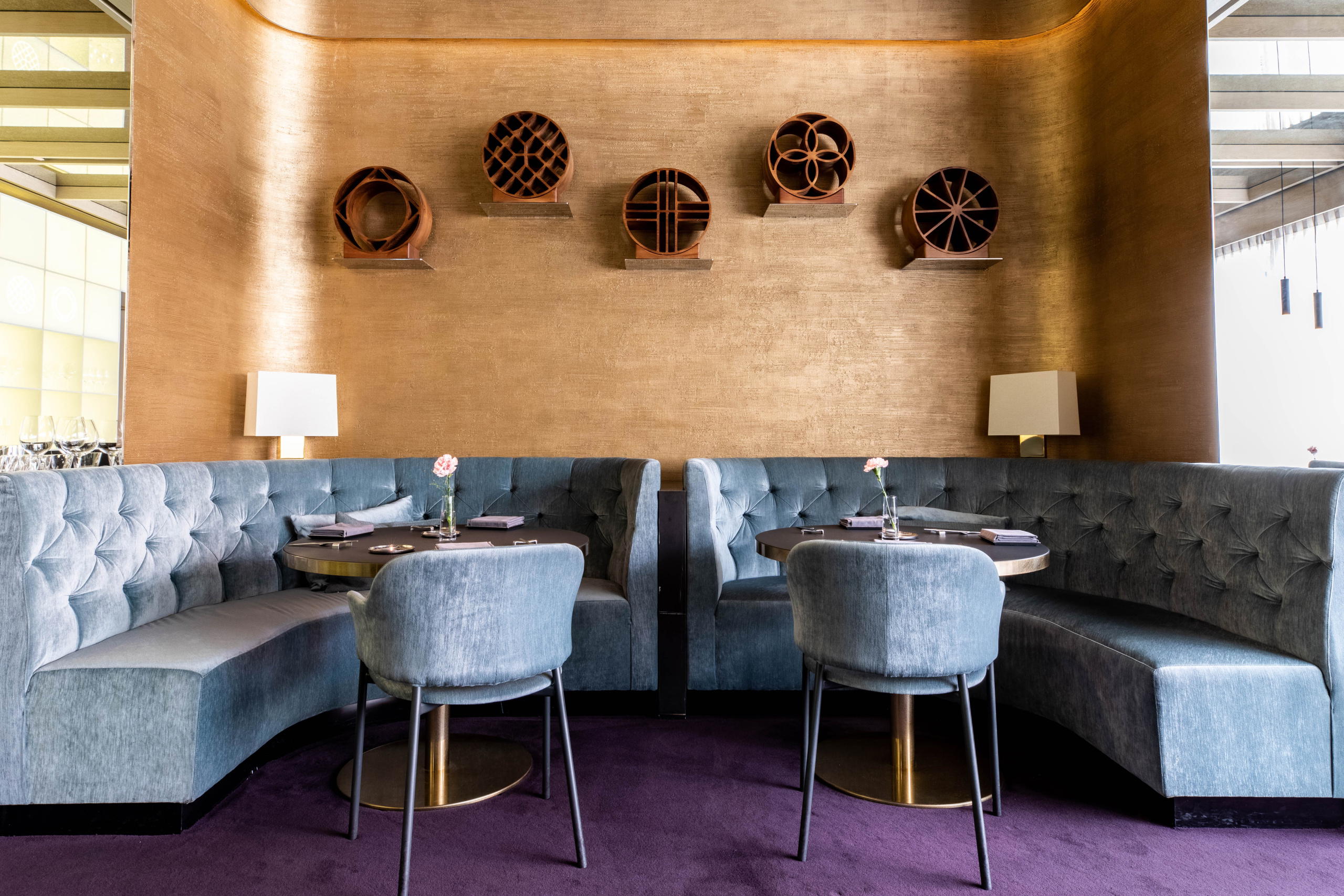
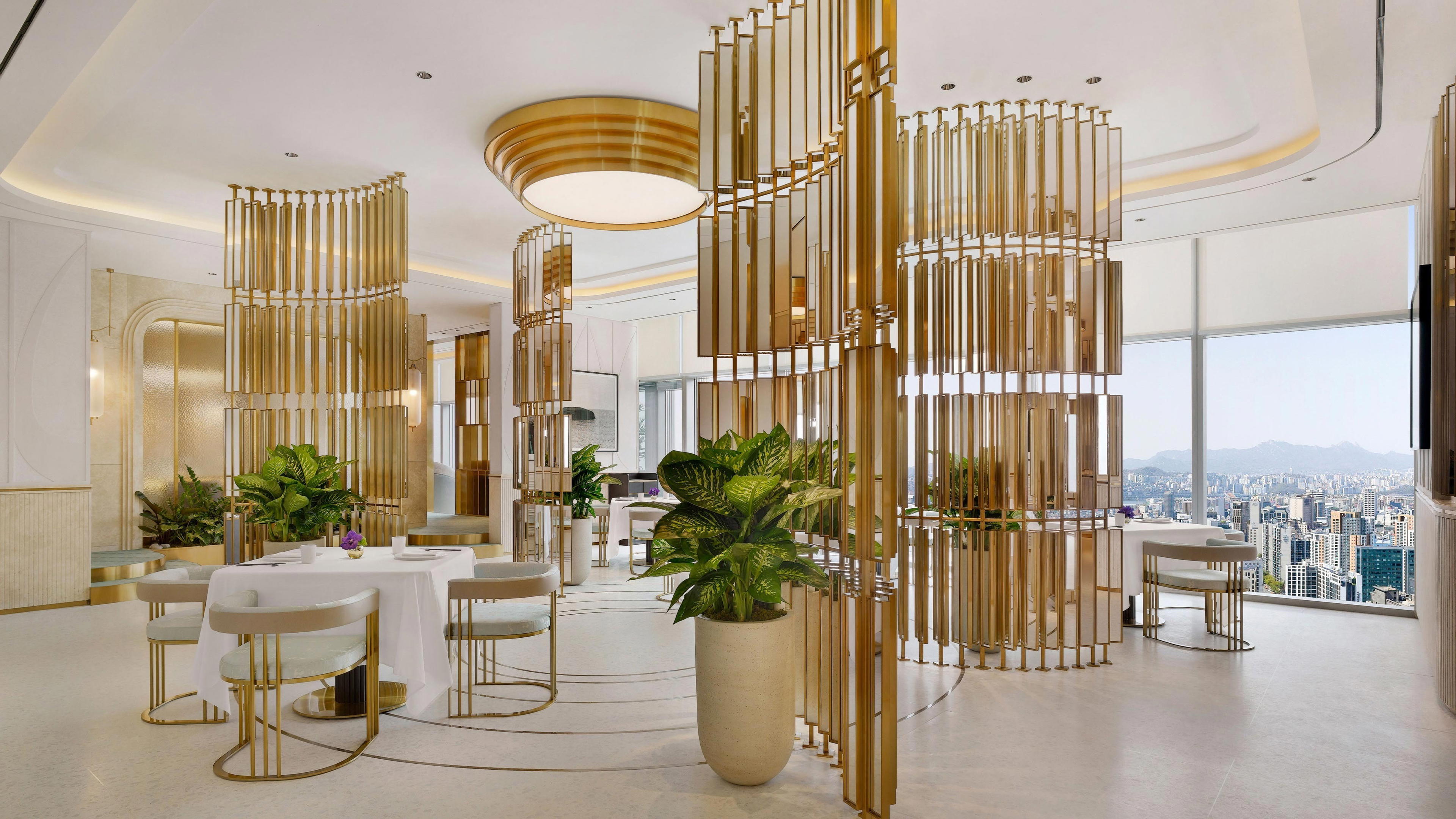
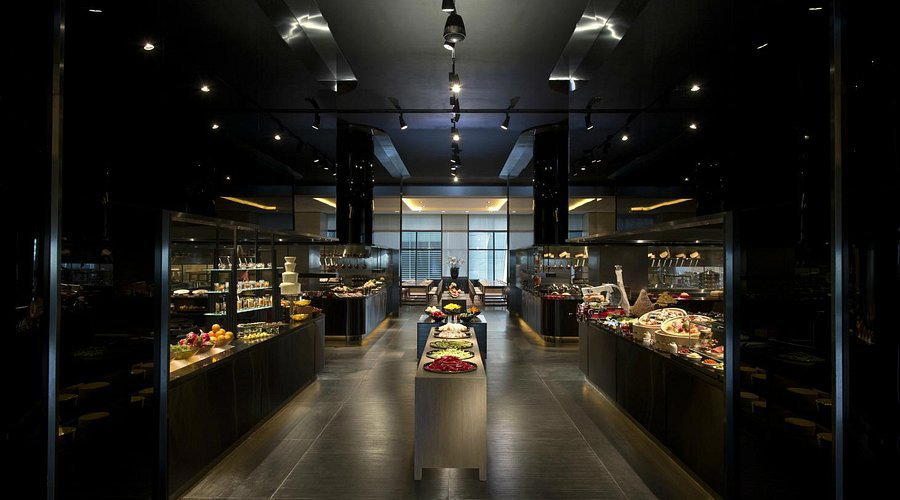
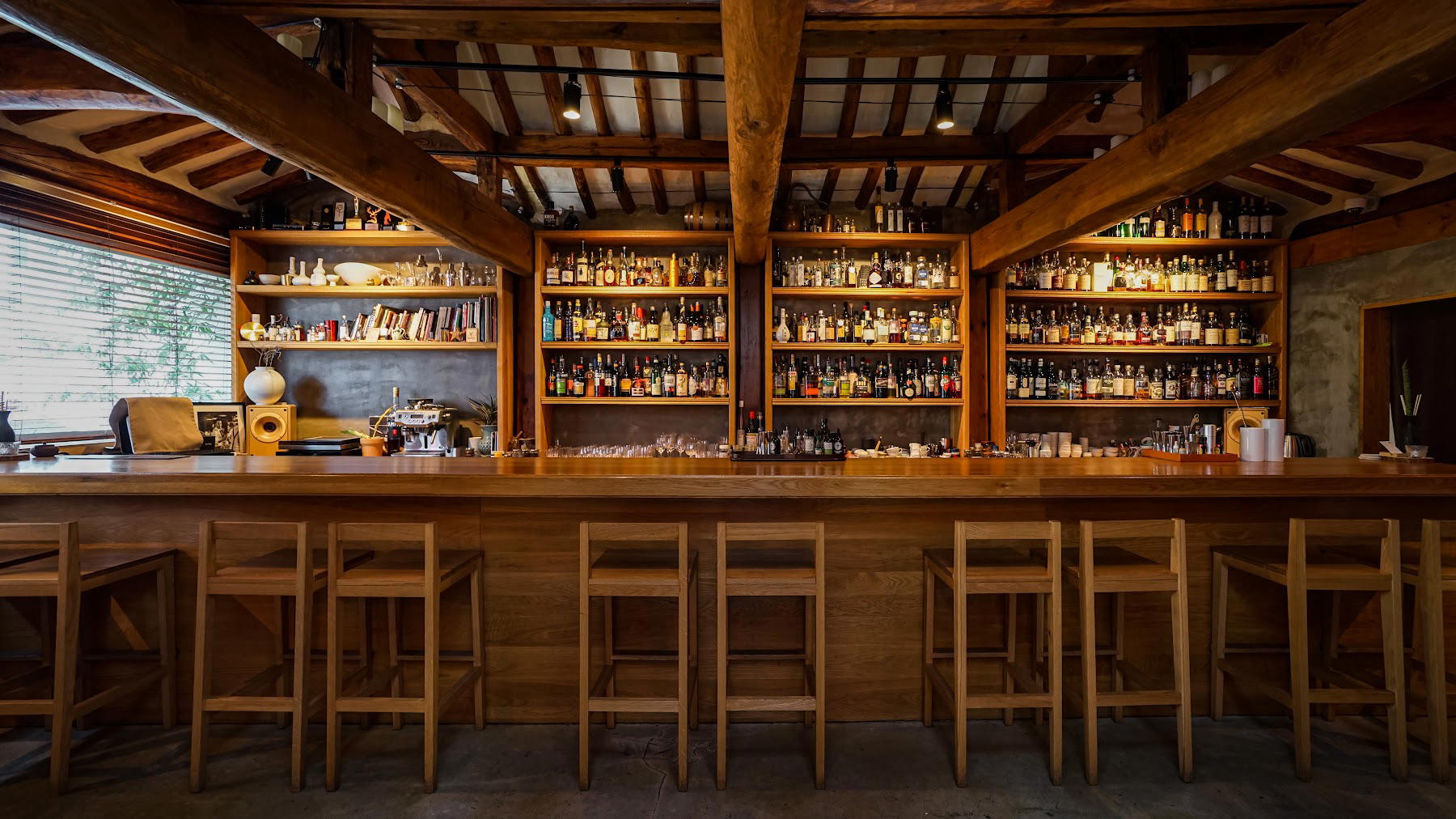
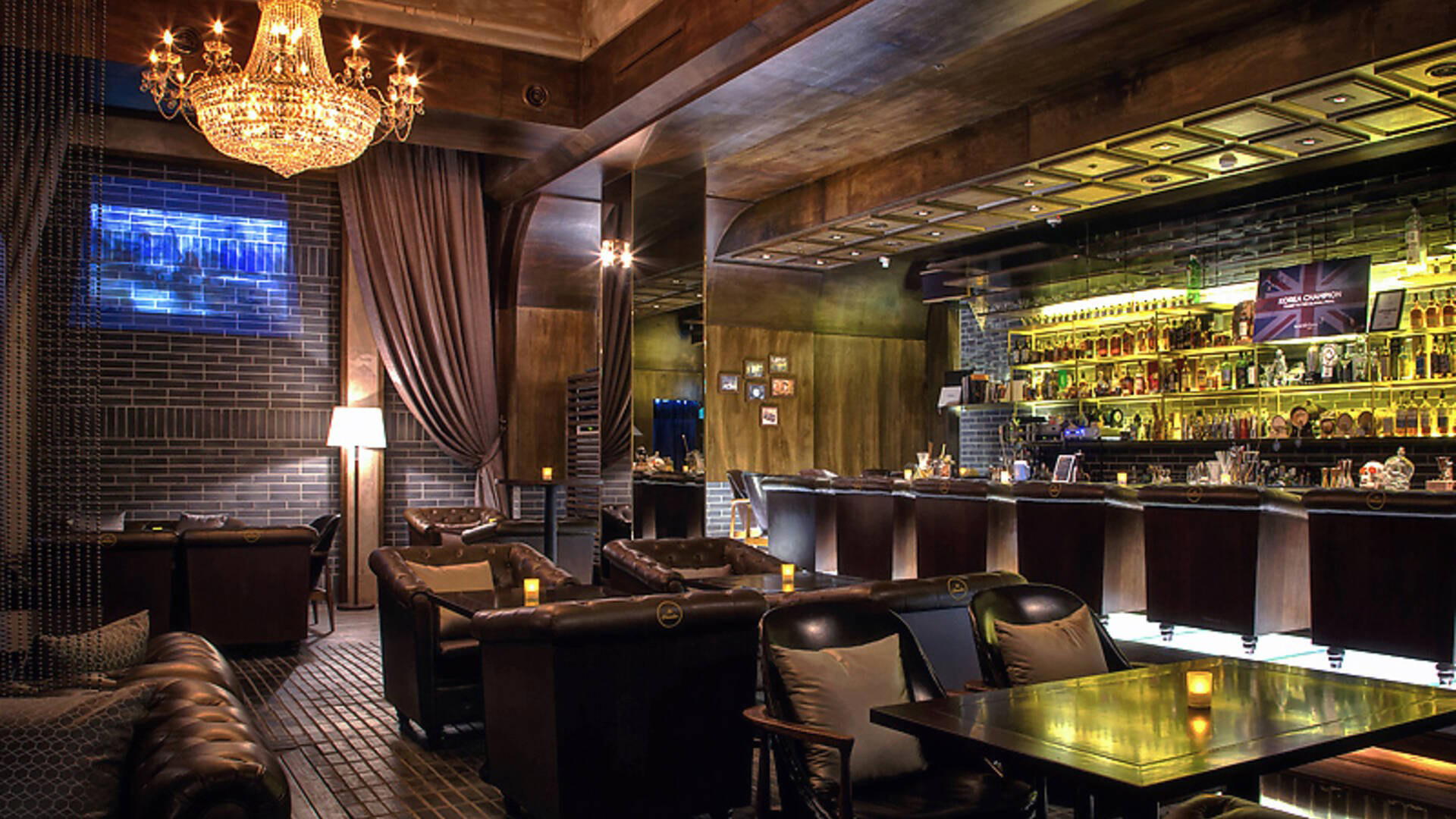
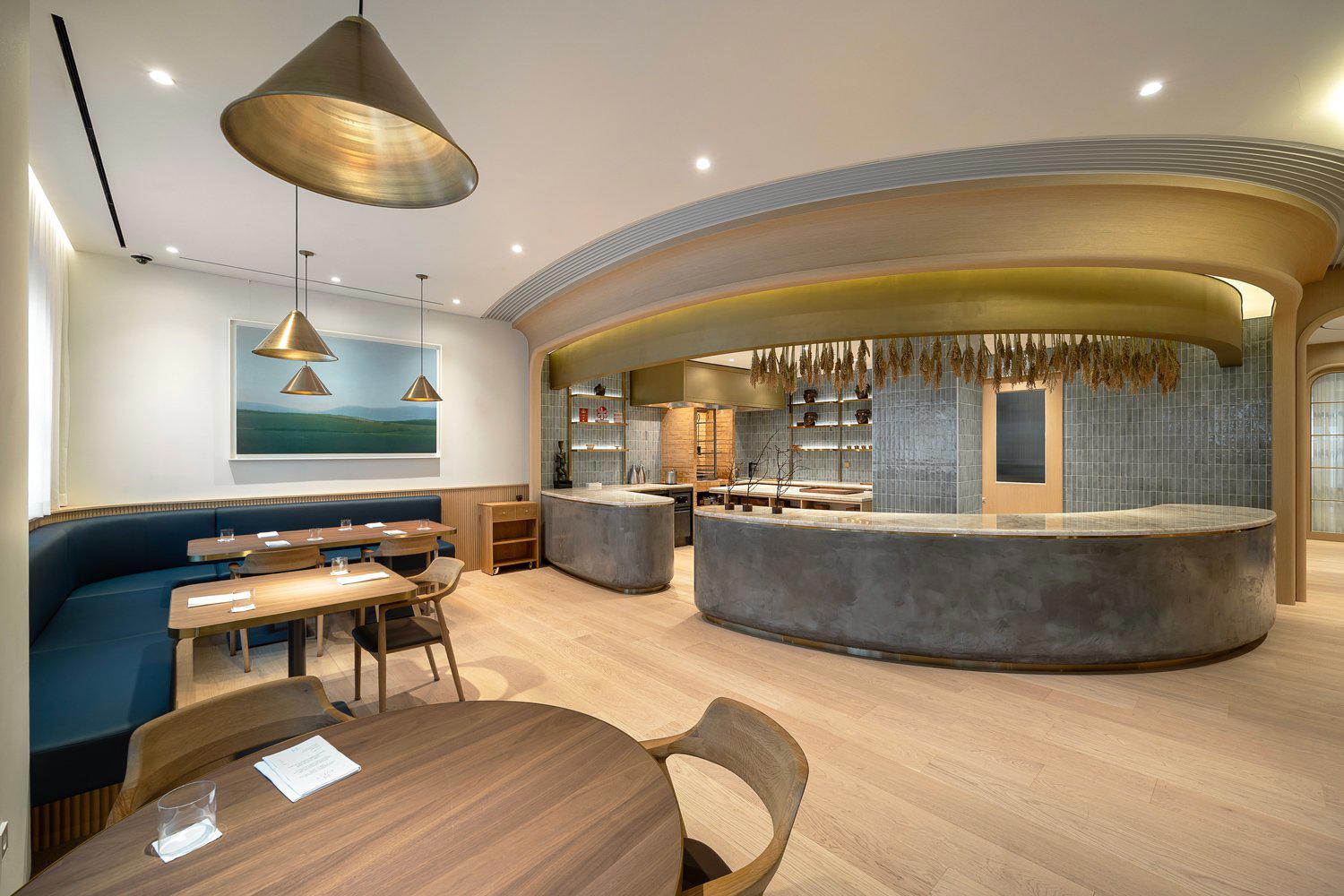
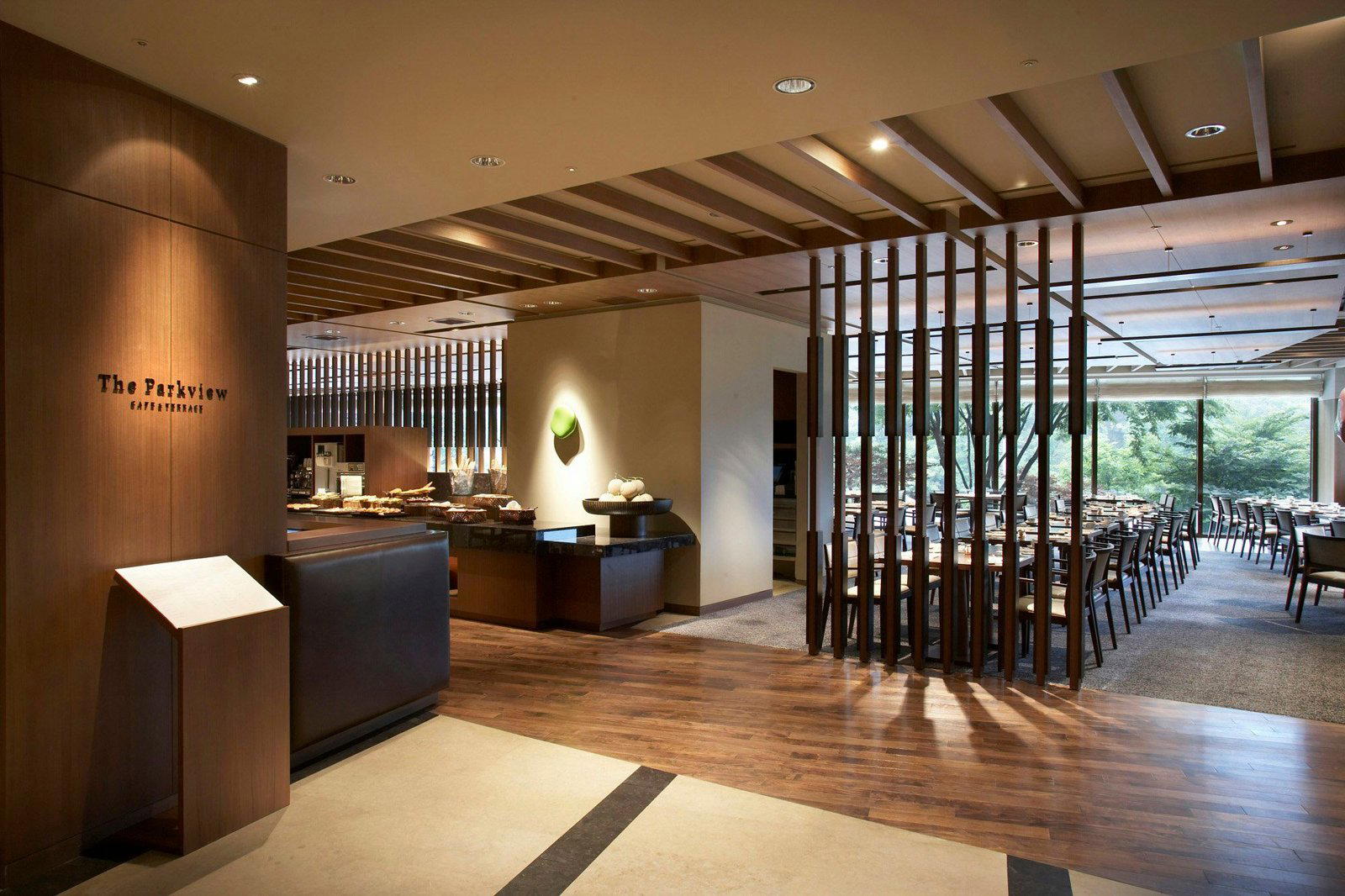
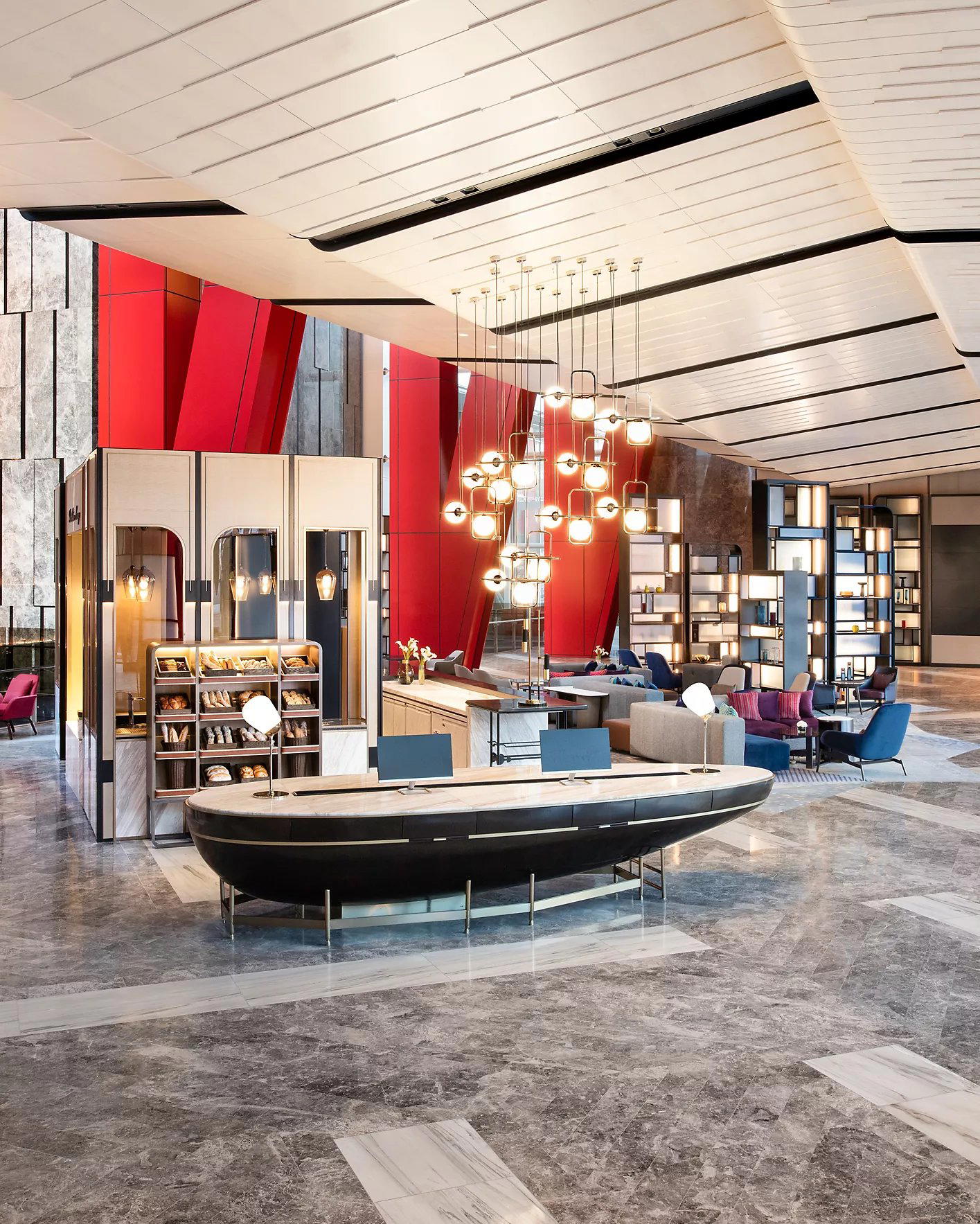
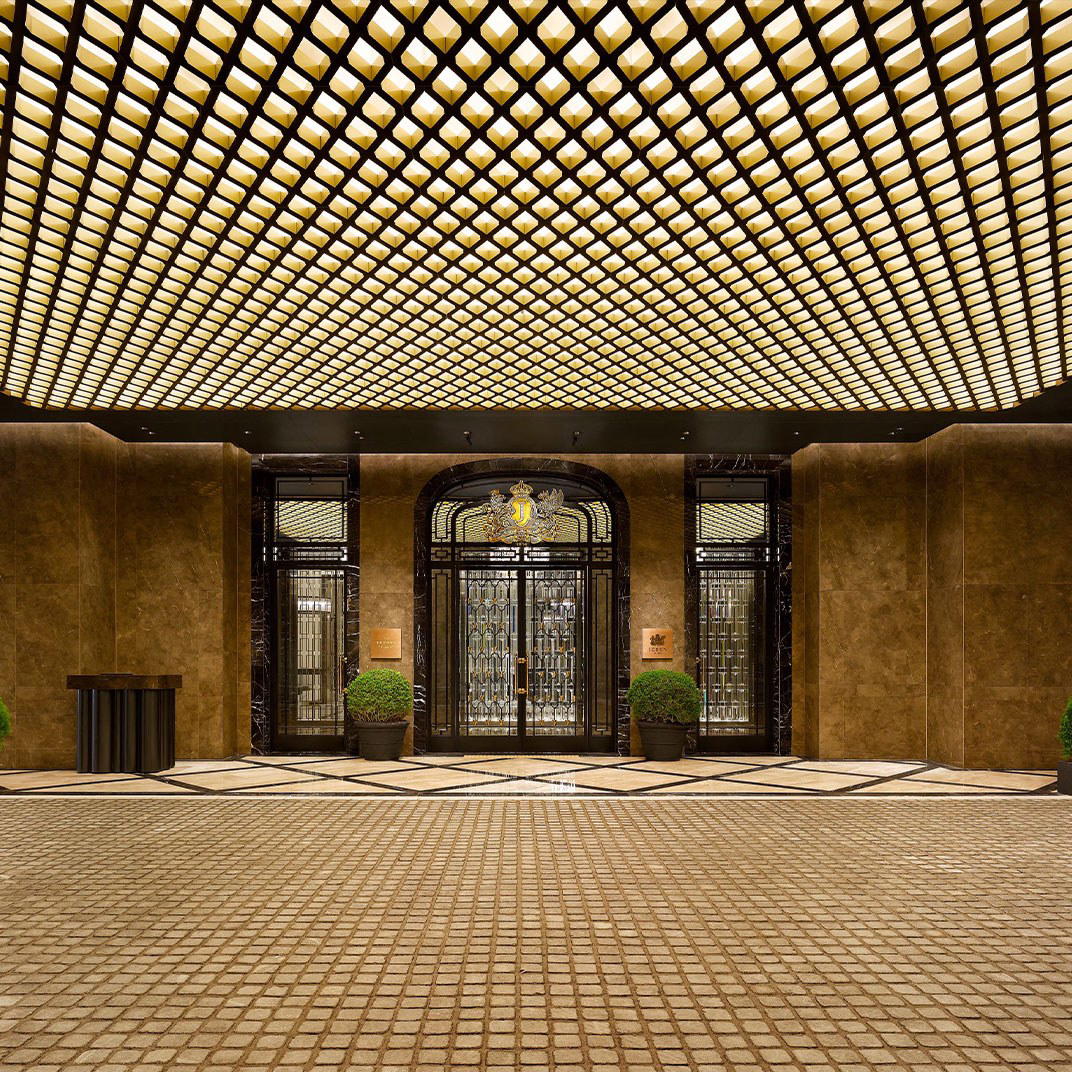
Warm and cozy interior with clean, modern design evoking comfortable home dining.