우정양곱창
우정양곱창 sits in Gangnam's Nonhyeon-dong, where the neighbourhood's grilled offal tradition runs deep. The menu centres on yang (abomasum) and gopchang (small intestine), the two cuts that define serious gopchang dining in Seoul. For visitors tracking Korean grilled meat culture beyond the standard galbi circuit, this address in Gangnam-gu is a useful reference point.
Pearl is the En Primeur Club membership app — saves, bookings, and concierge access live there. Same editors, same standards.
- Address
- 강남구 도산대로30길 23, 논현2동, 강남구, 서울특별시, 06049
 Saves & bookings on Pearl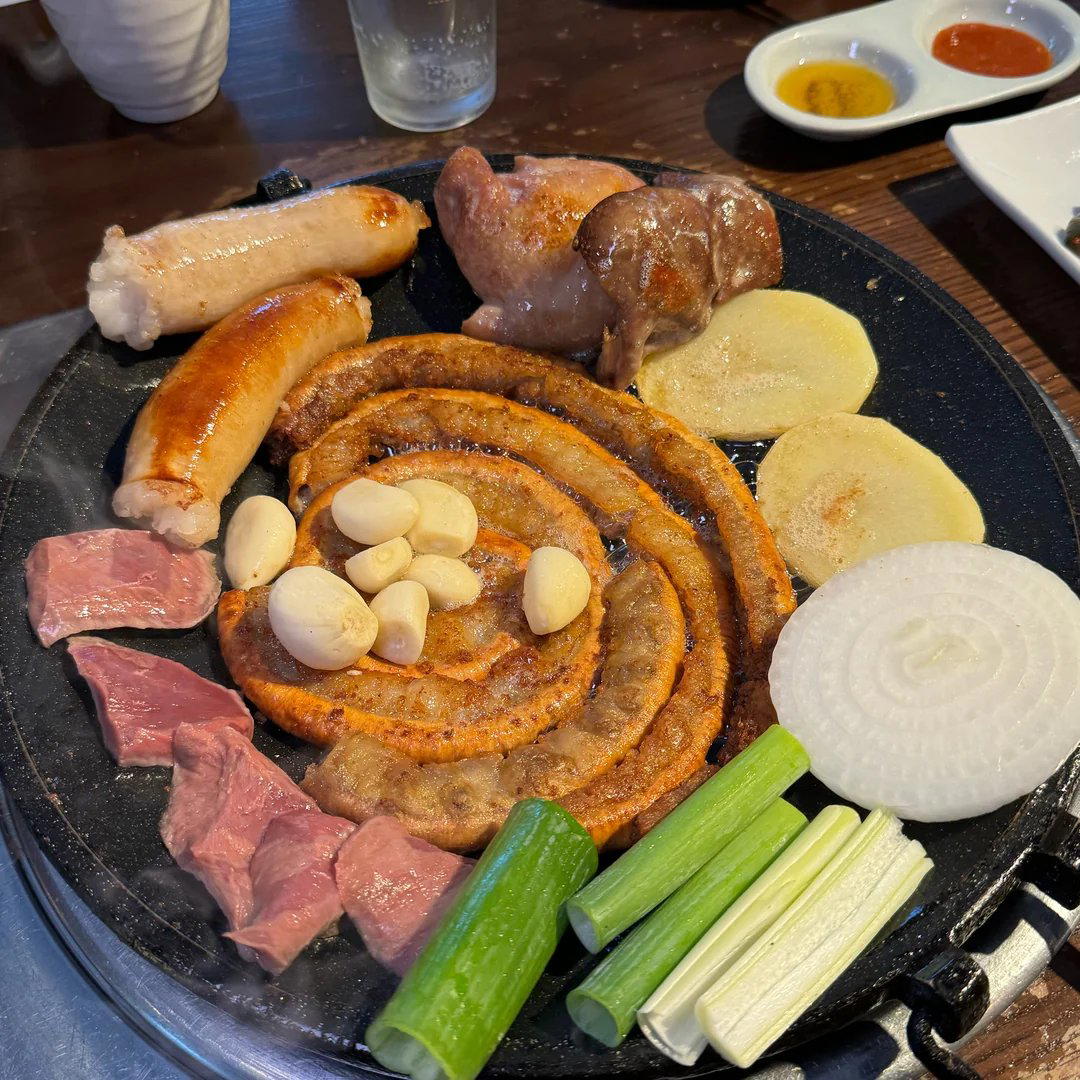
Offal and Order: How Seoul's Gopchang Houses Structure the Meal
In Seoul's grilled meat culture, the distance between galbi and gopchang is not merely one of cut, it is one of commitment. Galbi counters are everywhere, accessible and broadly catered. Gopchang houses, by contrast, operate on narrower terms: the menu is shorter, the cleaning and preparation demands are higher, and the clientele tends toward regulars who know exactly what they came for. 우정양곱창 is a Korean beef intestines restaurant in Gangnam-gu, Seoul, with a price tier of 3 and an average spend of about $40 per person.
Nonhyeon-dong occupies an interesting position in Seoul's eating geography. It borders the commercial density of Apgujeong and Cheongdam without quite belonging to either, which has historically allowed it to sustain neighbourhood-level specialist restaurants alongside the area's higher-profile dining. Gopchang houses here tend to draw a local crowd rather than a destination diner crowd, regulars who walk in on weeknights. That distinction shapes how a place like 우정양곱창 operates.
What the Menu Structure Reveals
The architecture of a serious gopchang menu is itself an editorial statement. Unlike the sprawling BBQ menus found at larger samgyeopsal or galbi chains, the focused gopchang house typically anchors around two or three cuts and builds the meal outward from there. Yang, the honeycomb-textured abomasum, the fourth stomach of the cow, is the prestige cut in this format. Gopchang, the small intestine with its higher fat content and more assertive flavour, anchors the approachable end of the same tradition.
A menu structured this way tells the reader something specific: the kitchen is not hedging. There is no pork belly as a fallback, no crowd-pleasing addition for the table member who doesn't eat offal. The assumption is that diners arrive already oriented toward the product. This is a meaningful constraint in a city where many restaurants have expanded their menus to accommodate the broadest possible audience. Seoul's contemporary fine dining circuit, from Mingles to Jungsik, has moved toward pluralism and global reference points. The gopchang house moves in the opposite direction: deeper, not wider.
Accompaniments in this format typically include doenjang jjigae or a light broth served toward the end of the meal, along with banchan calibrated to cut through fat rather than complement delicate flavours. The soju pairing is not incidental, the spirit's clean, high-proof profile is a functional match for offal fat in a way that beer or wine rarely replicates.
Gangnam-gu and the Specialist Dining Pattern
Gangnam-gu is most often discussed in the context of its high-end tasting menu addresses. Kwonsooksoo, Soigné, and alla prima all operate in the broader district, drawing the kind of attention that goes into travel editorial and award shortlists. But Gangnam-gu also contains a quieter stratum of specialist restaurants that operate largely outside that conversation: the jokbal house with a forty-year tenure, the gopchang place that fills every night without a website or a booking system. These venues are not positioned against the tasting menu circuit, they belong to a different register entirely.
This pattern repeats across Korean cities. In Busan, Mori represents one end of the local dining spectrum, while neighbourhood specialists hold the other. In Jeju, the contrast between resort-adjacent dining at Badang Lounge and the grilled pork tradition at 88돼지 or Black Pork BBQ illustrates the same structural split. In Suwon, Gobojeong Galbi and Doosoogobang occupy their own specialist register. Korea's meat-grilling tradition does not require fine dining infrastructure to carry cultural weight.
For the visitor who has worked through Seoul's tasting menu circuit and wants to understand what the city actually eats at the neighbourhood level, the gopchang house is an important data point. It is not a corrective to the tasting menu experience, it is a parallel track with its own logic, its own skill demands, and its own loyal audience.
Korean Offal Tradition in Regional Context
Seoul's gopchang culture has analogues across Northeast Asia, but the Korean preparation is distinct in its directness. The intestines are grilled over charcoal or gas at high heat, often with perilla oil or sesame oil applied during cooking, and eaten quickly before the fat cools. There is no elaborate sauce architecture, no reduction or emulsion. The flavour comes from the quality of the cleaning, the freshness of the product, and the heat management at the grill. Compared to the fermented and braised offal traditions of Chinese cuisine, or the more restrained preparations found in Japanese hormone (horumon) restaurants, Korean gopchang is high-heat and immediate.
That immediacy shapes how the meal is paced. Unlike a tasting menu format at a venue like Jungsik or the kind of extended progression you find at Atomix in New York, where Korean culinary vocabulary is reframed through a fine dining lens, the gopchang meal is compressed and sequential. You order, the grill heats, the first pieces come off within minutes, and the eating begins before any of it has a chance to cool. It is a meal structured around heat retention, not around ceremony.
Know Before You Go
- Address: 강남구 도산대로30길 23, 논현2동, 강남구, 서울특별시 06049
- Neighbourhood: Nonhyeon-dong, Gangnam-gu, Seoul
- Booking: No website or phone number is publicly listed, walk-in is the primary access mode; arriving before peak dinner hours (6 to 7pm) improves your chances
- Price range: About $40 per person before drinks
- Dietary notes: The menu is beef offal-focused; those with specific allergies should communicate directly with staff on arrival.
Fast Comparison
Comparable venues nearby, for context on price, style, and recognition.
| Venue | Cuisine | Price | Notes |
|---|---|---|---|
| 우정양곱창This venue — the venue you are viewing | Korean Beef Intestines (Yang Gopchang) | $$$ | Not listed |
| 뜨락 | Premium Hanwoo Grill | $$$ | 청담동 |
| 우텐더 (Wootender) (우텐더) | Premium Korean Hanwoo BBQ | $$$ | Apgujeong |
| 제주몬트락 | Jeju Black Pork BBQ | $$ | Gangnam |
| 할머니의 레시피 | Refined Korean Home-Style Cuisine | $$ | Seongsu-dong |
| Gaon | Korean Royal Court Cuisine | $$$$ | Bon-dong |
Continue exploring
More in Seoul
Restaurants in Seoul
Browse all →
At a Glance
- Cozy
- Classic
- Group Dining
- Casual Hangout
- Business Dinner
- Open Kitchen
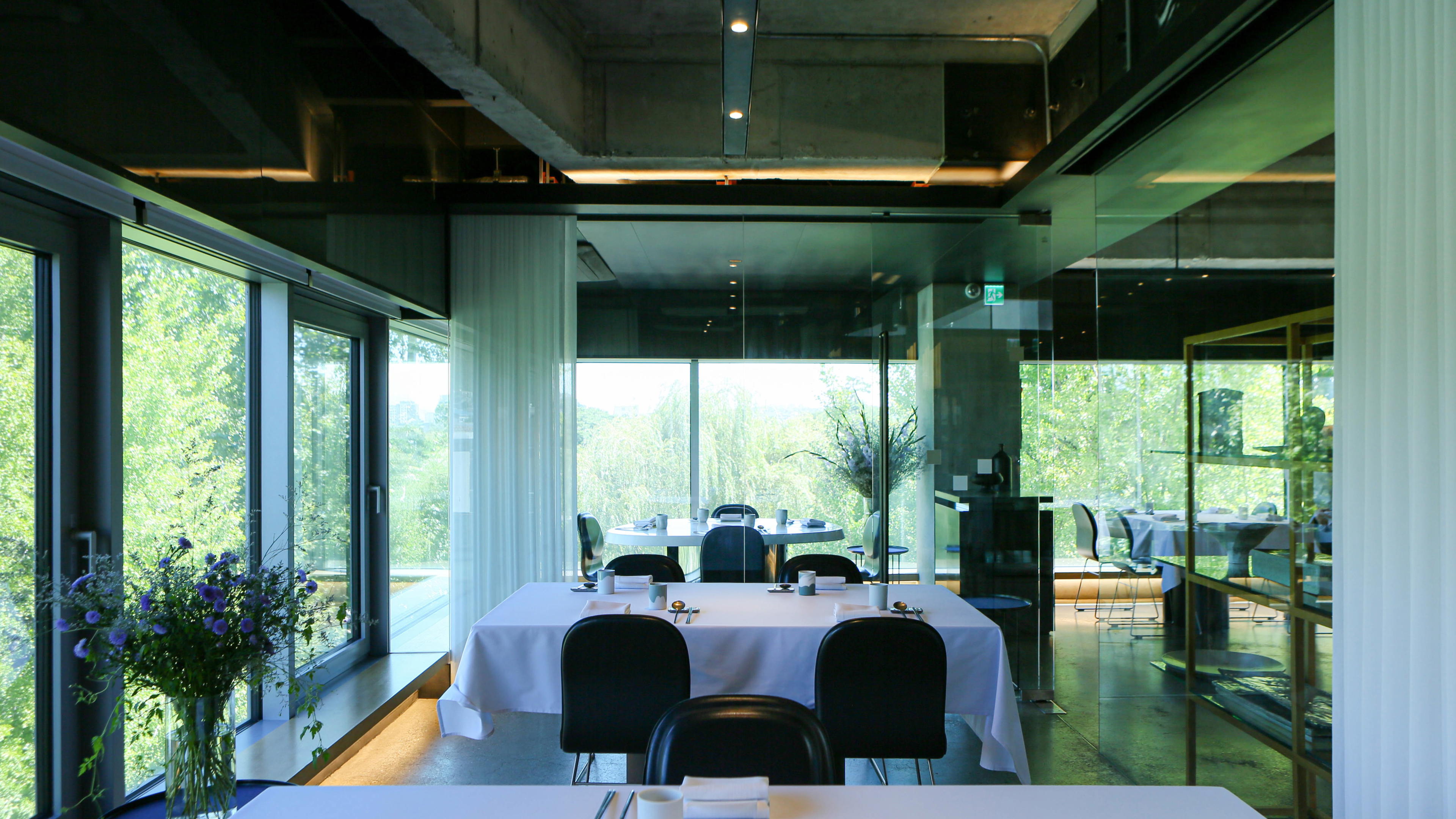
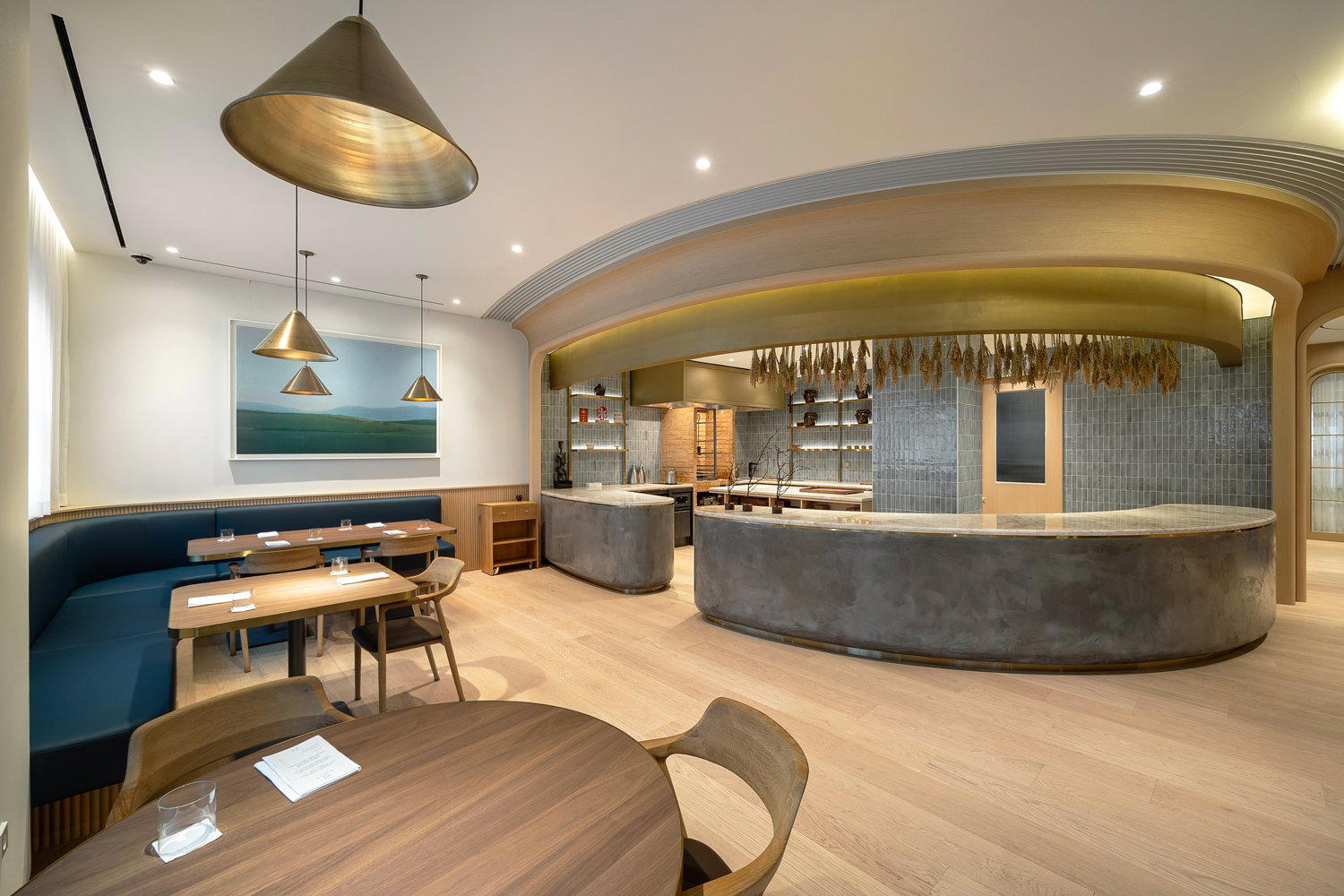
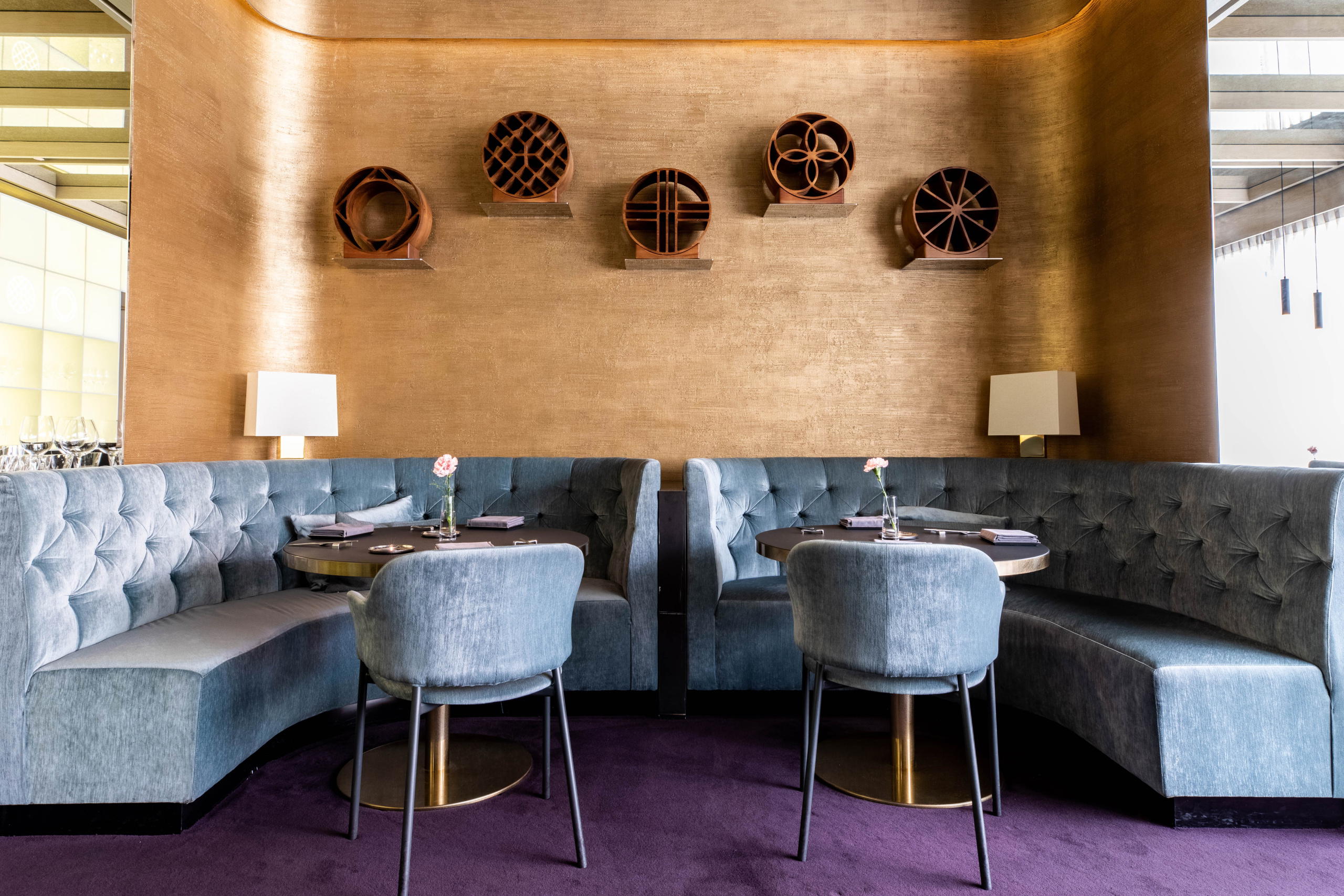
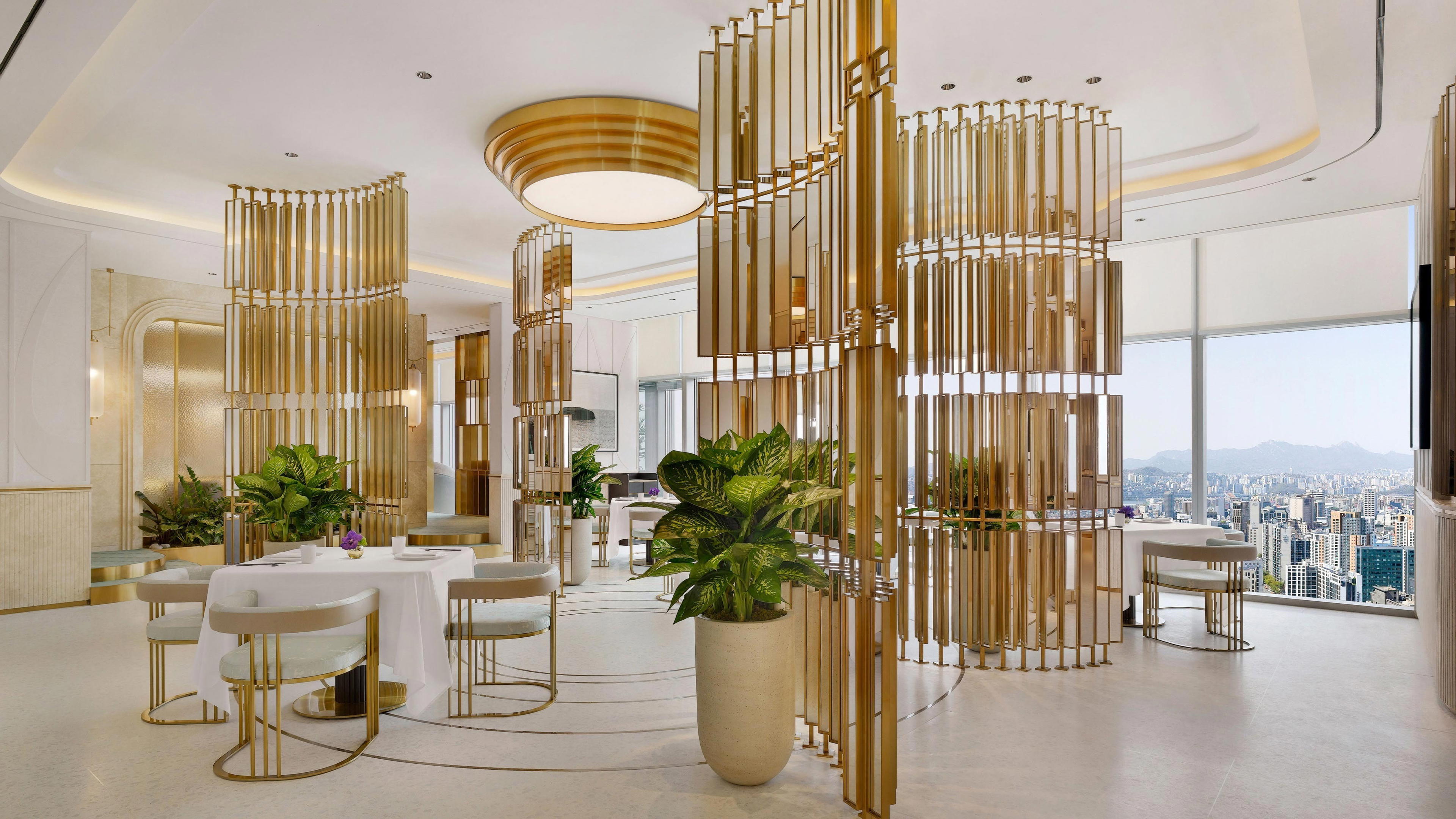
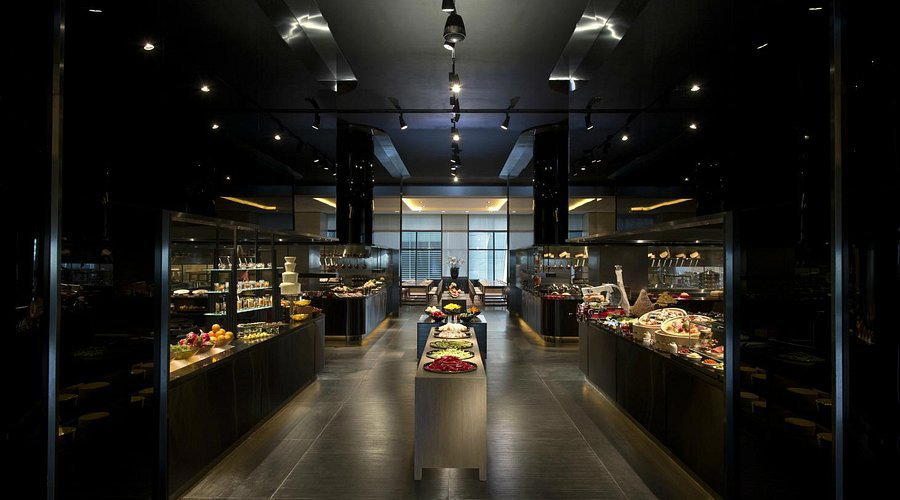
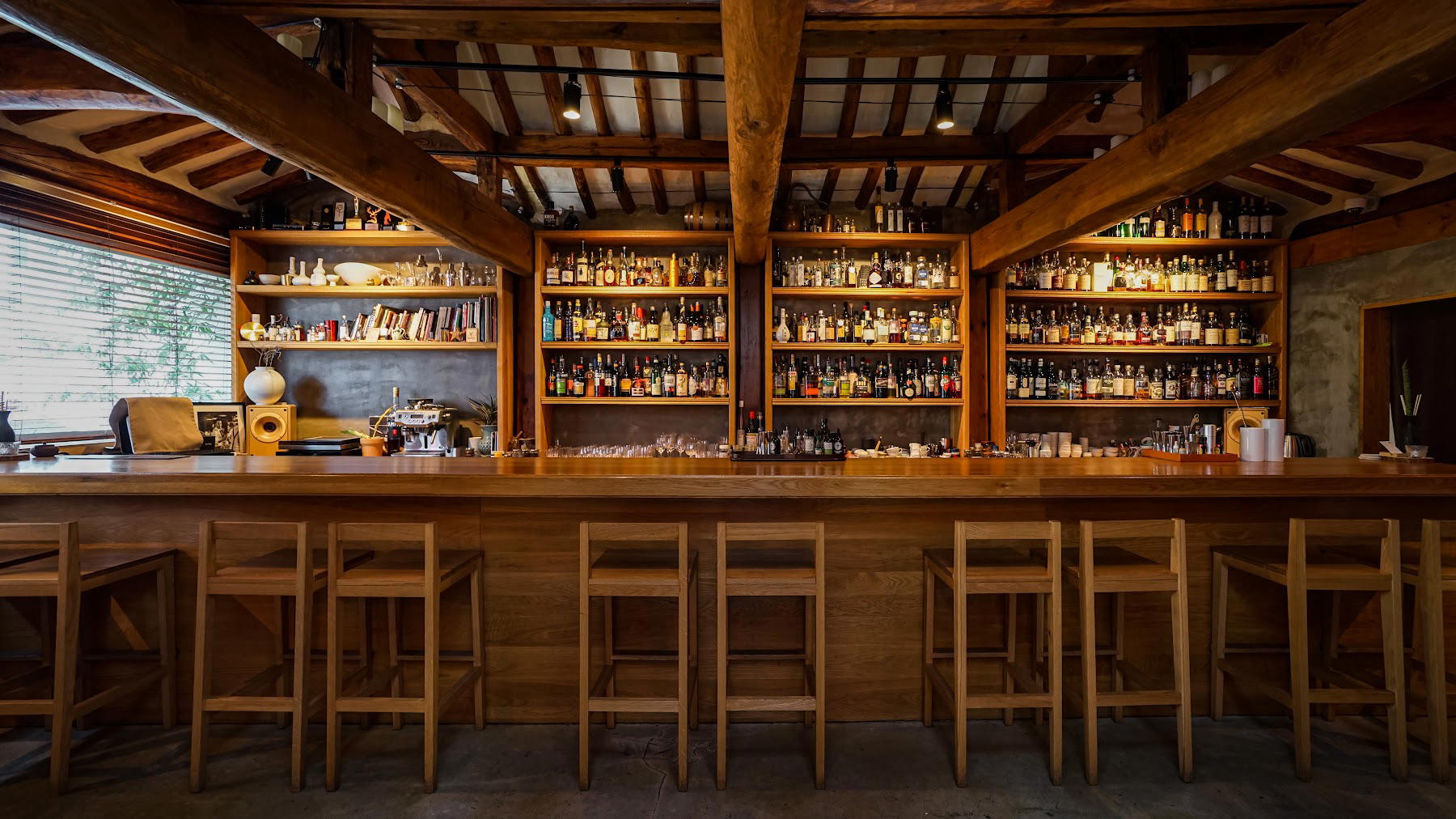
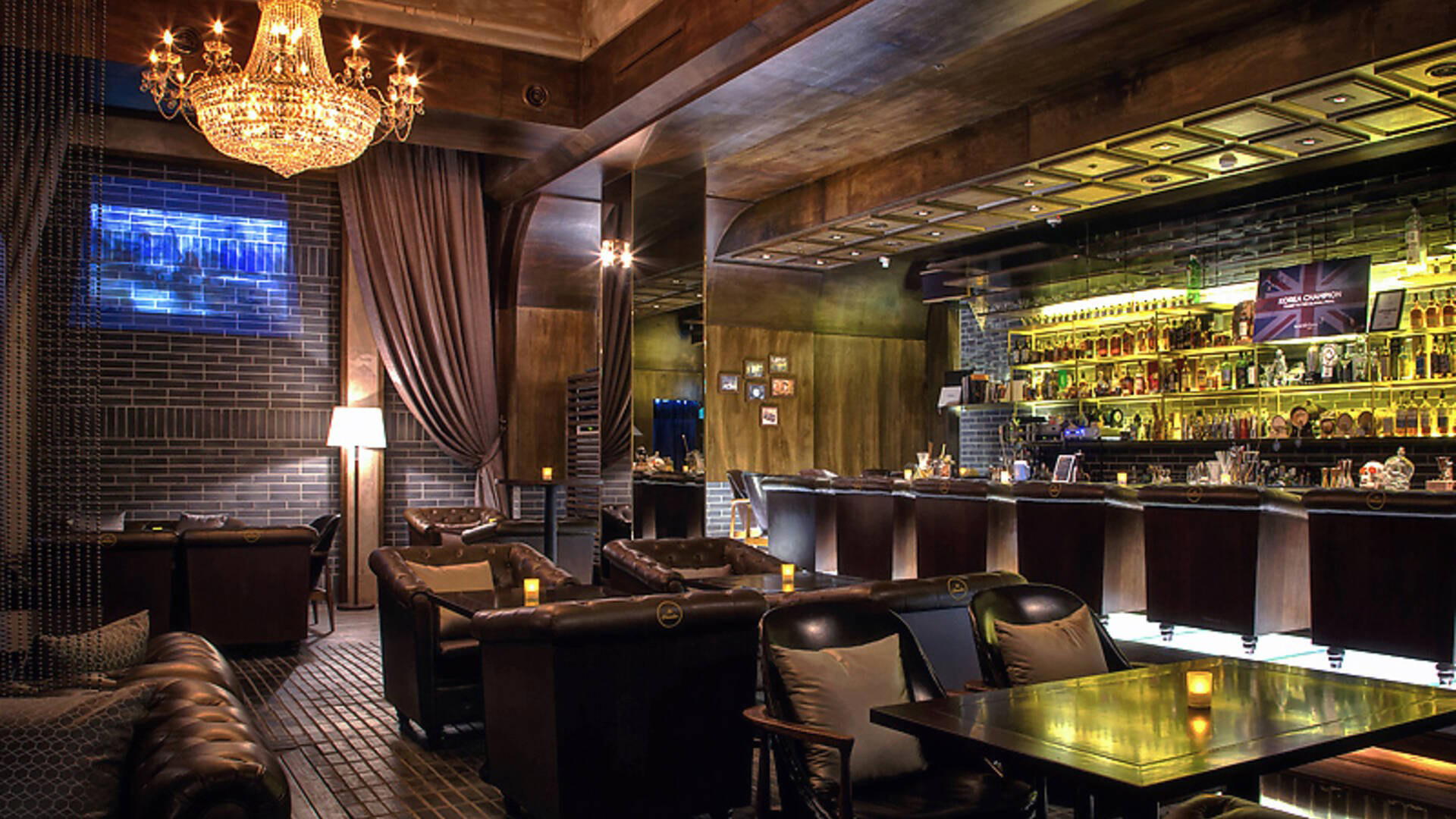
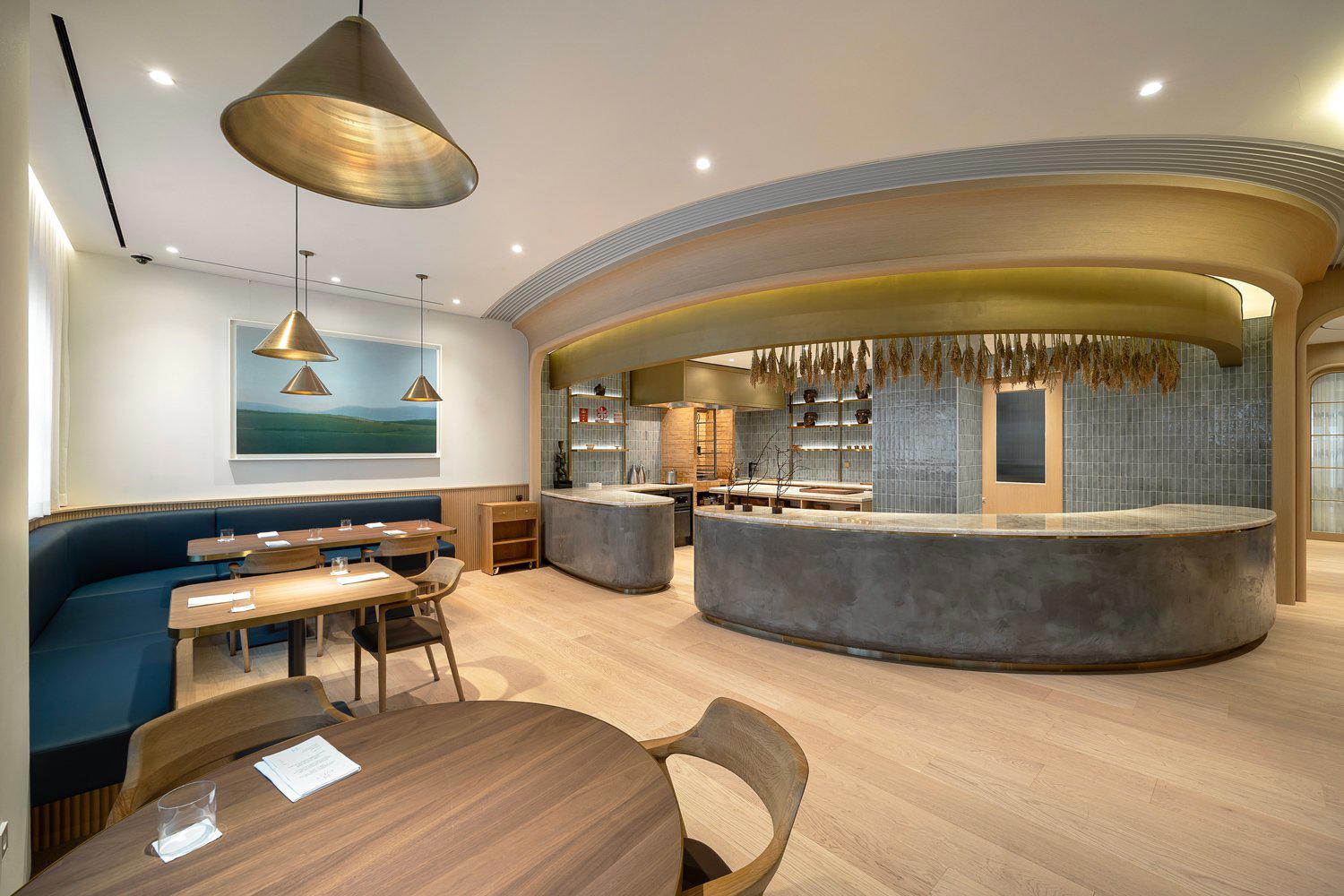
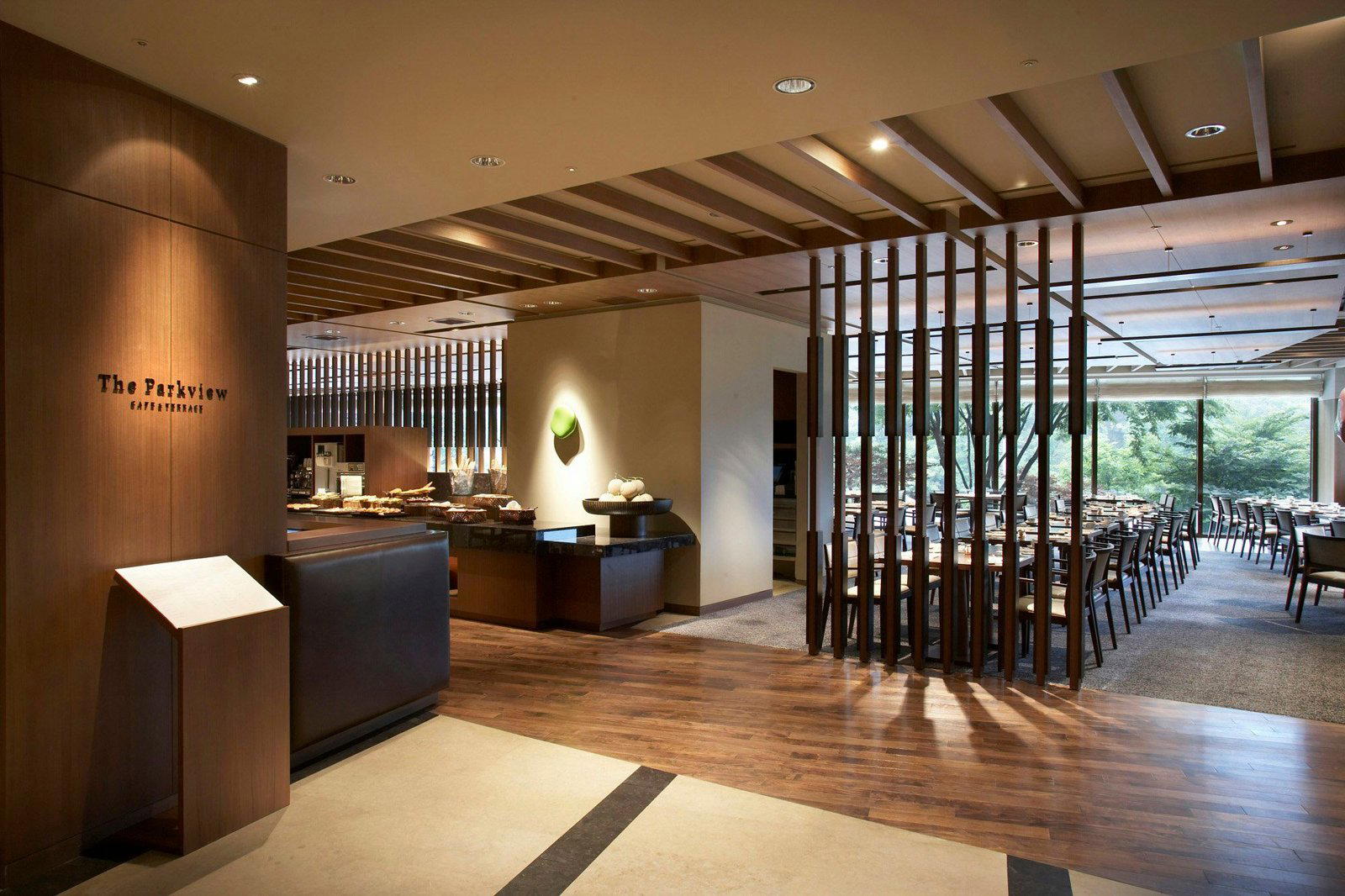
Clean, tidy, and quiet atmosphere with open kitchen, minimal offal smell, suitable for meetings and gatherings with spacious table spacing.