Jongno Tower
Our verdict
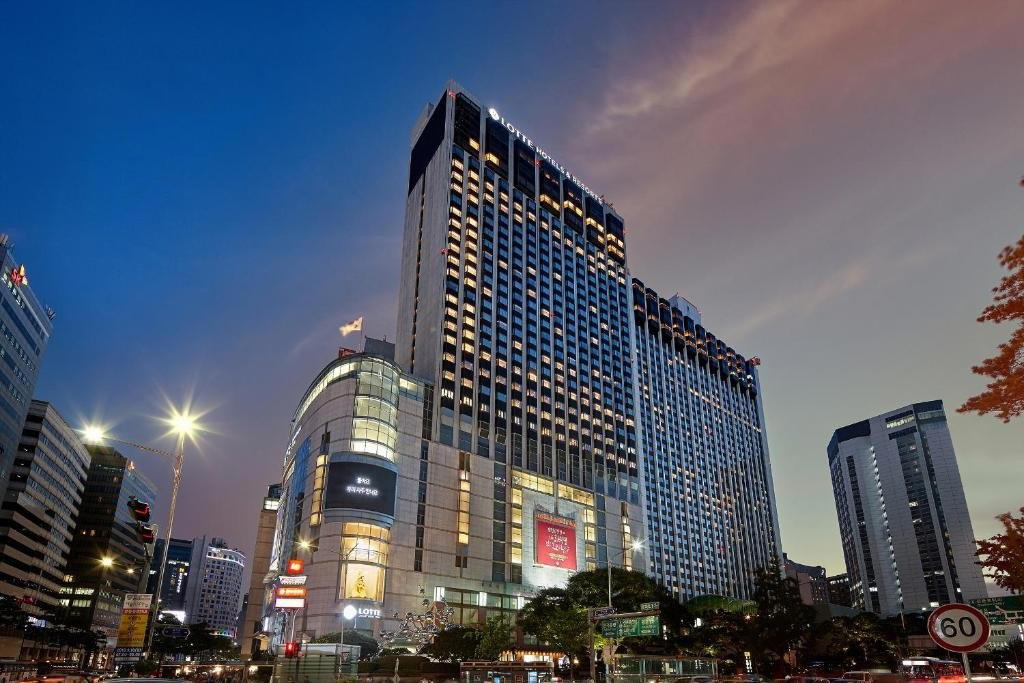
Jongno Tower occupies one of Seoul's most historically layered addresses, at 51 Jong-ro in the Jongno District, where centuries of commercial and civic life have shaped the neighbourhood's character. The area places the tower within walking distance of Cheonggyecheon Stream and Gyeongbokgung Palace, situating any dining or cultural visit inside a broader conversation about how Seoul's old centre continues to evolve.

Pearl is the En Primeur Club membership app, where members save venues, book tables and use the concierge.
Jongno's Place in Seoul's Dining Conversation
Seoul's restaurant scene has split decisively over the past decade. On one side sit the internationally credentialled tasting-menu rooms in Gangnam and Itaewon, places like Mingles and Jungsik, where Korean ingredients are processed through fine-dining grammars that read fluently to visitors arriving from New York or Paris. On the other side, a quieter cohort of kitchens in the older districts has been pressing in the opposite direction: toward sourcing discipline, regional specificity, and formats that prioritise what arrives on the plate over how the room is dressed. Jongno District belongs to that second conversation. The area around Jong-ro has historically been the city's administrative and commercial core, and that layered history gives addresses here a different weight than Gangnam's purpose-built luxury corridors. Jongno Tower, at 51 Jong-ro, sits inside this older geography.
What the District Signals About Ingredient Culture
The sourcing logic that drives serious Korean cooking is easiest to trace in districts like Jongno, where proximity to traditional markets and the cultural memory of royal court cuisine have shaped culinary expectations for generations. Korean court cooking, or gungjung yori, imposed strict protocols on ingredient provenance: specific regions were designated to supply specific products, and the discipline of matching ingredient origin to season was codified rather than aspirational. That heritage hasn't disappeared. It has migrated into the sourcing philosophies of the kitchens that take Korean culinary tradition seriously, which is why addresses in and around the old city centre carry a certain authority when discussing where food comes from.
The contrast is instructive when you place Jongno alongside venues operating in similar territory. Kwonsooksoo in the broader Seoul area works through a comparable lens, anchoring its menu in Korean culinary heritage and applying sourcing rigour as a structural principle rather than a selling point. 권숙수 in Gangnam-gu represents the same tradition transplanted into a different postcode, which changes the room's atmosphere but not necessarily the kitchen's priorities. The ingredient conversation is the constant; the neighbourhood is the variable.
Seoul's Broader Sourcing Movement
Across South Korea, a generation of kitchens has become more explicit about traceability. This is not a trend imported wholesale from European farm-to-table rhetoric. Korean cuisine already had the architecture: the tradition of jeontong (traditional) sourcing, the emphasis on fermented and preserved ingredients with documented regional origins, and the seasonal discipline that comes from a cuisine built around the agricultural calendar. What has changed is the willingness to make that architecture visible to the diner. Venues in Seoul's competitive fine-dining tier, including the innovative formats at Soigné and alla prima, have used ingredient provenance as an editorial tool, naming producers and regions on menus in a way that was once considered unnecessary in Korean dining contexts.
That shift has parallels further afield. At the premium end of the US market, venues like Lazy Bear in San Francisco have built their identity around hyper-local sourcing as a narrative framework, while seafood-focused rooms like Le Bernardin in New York City have made ingredient origin central to their critical reputation for decades. The mechanics differ, but the underlying logic is the same: where something comes from is now considered as relevant as how it is cooked.
The Jongno Address in Context
Jongno Tower's address at 51 Jong-ro places it in a district where the physical environment itself is an argument about provenance. Gyeongbokgung Palace is within reach to the north; Cheonggyecheon Stream runs nearby to the south. These are not decorative amenities. They are reminders that this part of Seoul has been continuously inhabited and commercially active for six centuries, and that the culinary culture of the area draws on a depth of local knowledge that newer districts simply cannot replicate. For visitors approaching from the more internationally styled dining enclaves south of the Han River, the shift in register is immediate and worth paying attention to.
South Korea's regional diversity adds another layer to this. The country's geography, running from the seafood-rich coasts of Busan in the south to the mountain-valley cuisine of Inje County, produces a range of ingredient traditions that Seoul's kitchens draw on selectively. Gangwon Province, represented in venues like Double T Dining in Gangneung, brings different produce conventions than the temple cuisine traditions associated with places like Baegyangsa Temple in Jangseong-gun. A kitchen in Jongno, surrounded by the institutional memory of court cuisine, operates within a different sourcing heritage than one in a coastal city or a regional market town like Suwon.
Planning a Visit to the Jongno Area
The Jongno District is accessible via Seoul Metro Line 1 (Jonggak Station) and Line 3 (Anguk Station), with both stops within comfortable walking distance of 51 Jong-ro. The area rewards time spent on foot: the density of historical sites, covered markets, and working commercial streets makes the neighbourhood legible in a way that Seoul's newer districts often are not. For visitors building a broader Seoul itinerary, the Jongno area pairs naturally with the traditional teahouses and hanok guesthouses of Bukchon Hanok Village, a short walk to the northeast. Diners interested in comparing Jongno's culinary register with the fine-dining tier elsewhere in the city should consult our full Seoul restaurants guide for a mapped overview of where the city's key dining addresses cluster by neighbourhood and price tier.
Jeju Island's ingredient culture, accessible via venues like Cheon Jee and The Flying Hog in Seogwipo, represents a parallel but distinct Korean sourcing tradition, one built around black pork, citrus, and haenyeo-harvested seafood rather than the continental produce conventions of the capital. That contrast is worth holding in mind when assessing what Jongno's culinary identity actually means: it is not simply Seoul, but a specific stratum of Seoul, one with particular historical debts and particular ingredient loyalties that distinguish it from both the south of the city and the coasts beyond. Market Café in Incheon offers yet another point of comparison, rooted in the port city's own commercial food culture rather than the ceremonial heritage of the old capital.
Frequently asked questions
What's the address for Jongno Tower?
Jongno Tower is located at 51 Jong-ro, Jongno District, Seoul, South Korea, Seoul.
How does Jongno Tower's location compare to Seoul's other major dining districts?
Jongno Tower sits at 51 Jong-ro in Seoul's Jongno District, which operates on a different register from the internationally credentialled tasting-menu rooms concentrated in Gangnam and Itaewon. Jongno's density of traditional markets and proximity to Gyeongbokgung Palace give it a sourcing-culture argument that those southern districts largely lack. For visitors oriented around Korean culinary heritage rather than contemporary fine dining credentials, the address itself carries weight.
What should I eat at Jongno Tower?
Given its address at 51 Jong-ro in a district closely linked to traditional markets and provenance-focused Korean cooking, the surrounding area is a reliable guide to the ingredient culture that defines serious Seoul dining.
What's the standout thing about Jongno Tower?
Jongno Tower's most concrete distinction is its address: 51 Jong-ro places it in one of Seoul's most historically layered districts, where traditional markets, palace grounds, and a generation of ingredient-conscious kitchens coexist within walking distance. That physical context is an argument in itself, separate from whatever the venue offers internally.
Can Jongno Tower handle vegetarian requests?
For confirmed information on vegetarian options, contacting the venue directly before your visit is the most reliable approach.
Comparable Venues
Comparable venues nearby, for context on price, style, and recognition.
| Venue | Cuisine | Price | Awards | Notes |
|---|---|---|---|---|
| Jongno TowerThis venue (the venue you are viewing) | European Fine Dining with Grill & Buffet | $30–50 | Not listed | Not listed |
| MIXOLOGY | Cocktail Bar | $10–20 | Not listed | 압구정동 |
| The Plaza Dowon | Authentic Modern Chinese | Not listed | Not listed | Sajik-dong |
| sugsudoga | Luxury Korean Beef Omakase | $50–100 | Michelin Plate | Jeongleung-dong |
| 뜨락 | Premium Hanwoo Grill | $50–100 | Not listed | 청담동 |
| 우텐더 (Wootender) (우텐더) | Premium Korean Hanwoo BBQ | $100–150 | Not listed | Apgujeong |
Continue exploring
More in Seoul
Restaurants in Seoul
All restaurants in Seoul →
Bars in Seoul
All bars in Seoul →
Details
- Scenic
- Modern
- Elegant
- Sophisticated
- Date Night
- Business Dinner
- Group Dining
- Celebration
- Family
- Rooftop
- Live Music
- Panoramic View
- Hotel Restaurant
- Open Kitchen
- Extensive Wine List
- Craft Cocktails
- Skyline
- Buffet
- A La Carte
- Wine
- Cocktails
Current opening hours
- Monday
- 9 AM–6 PM
- Tuesday
- 9 AM–6 PM
- Wednesday
- 9 AM–6 PM
- Thursday
- 9 AM–6 PM
- Friday
- 9 AM–6 PM
- Saturday
- Open 24 hours
- Sunday
- Open 24 hours
Hours can change for holidays and private events. Hours as of .
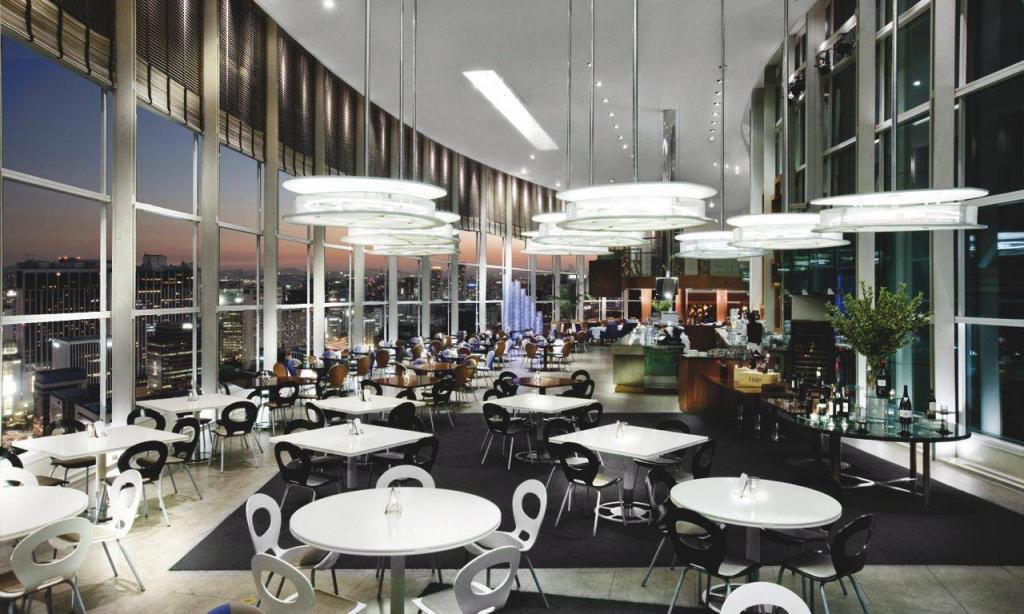
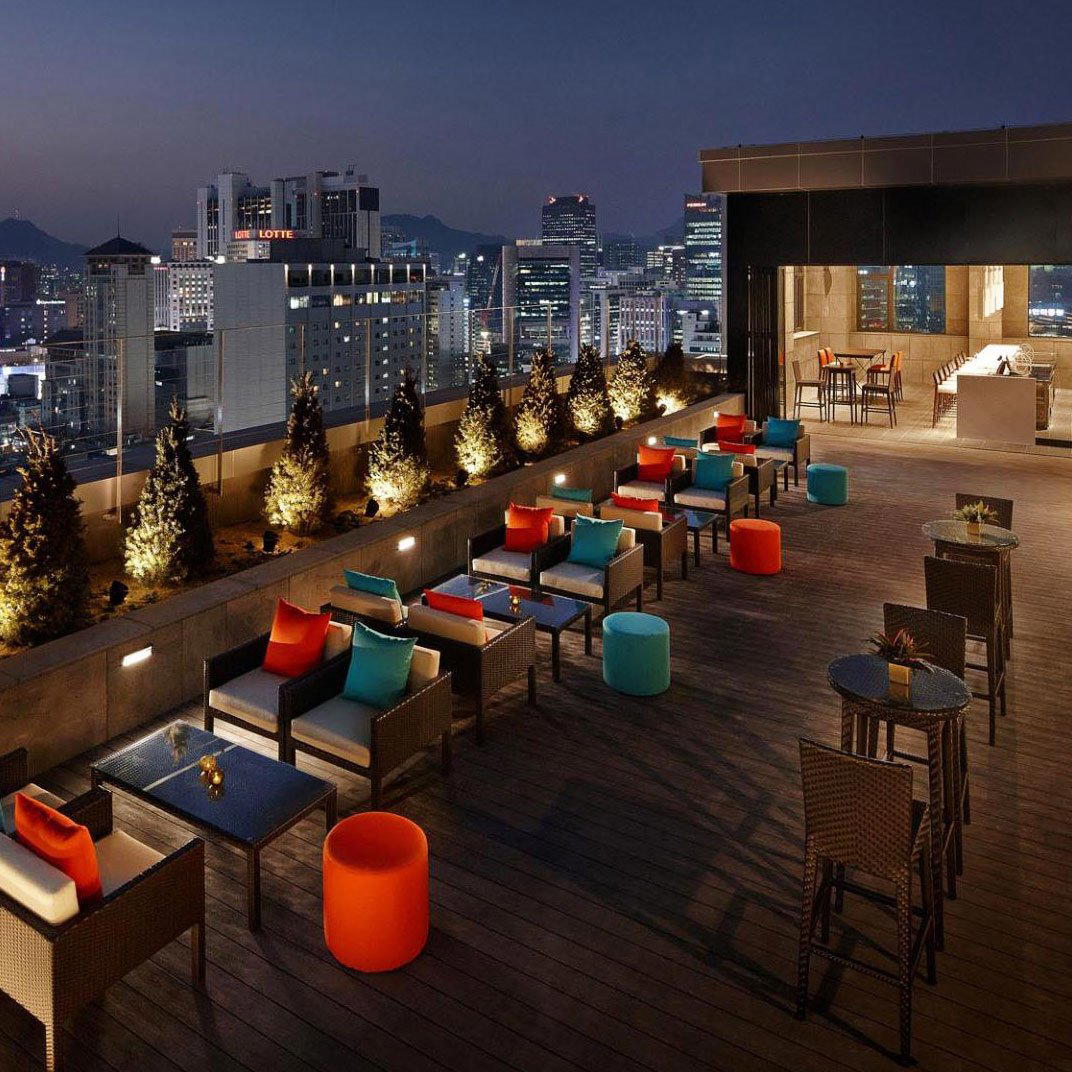
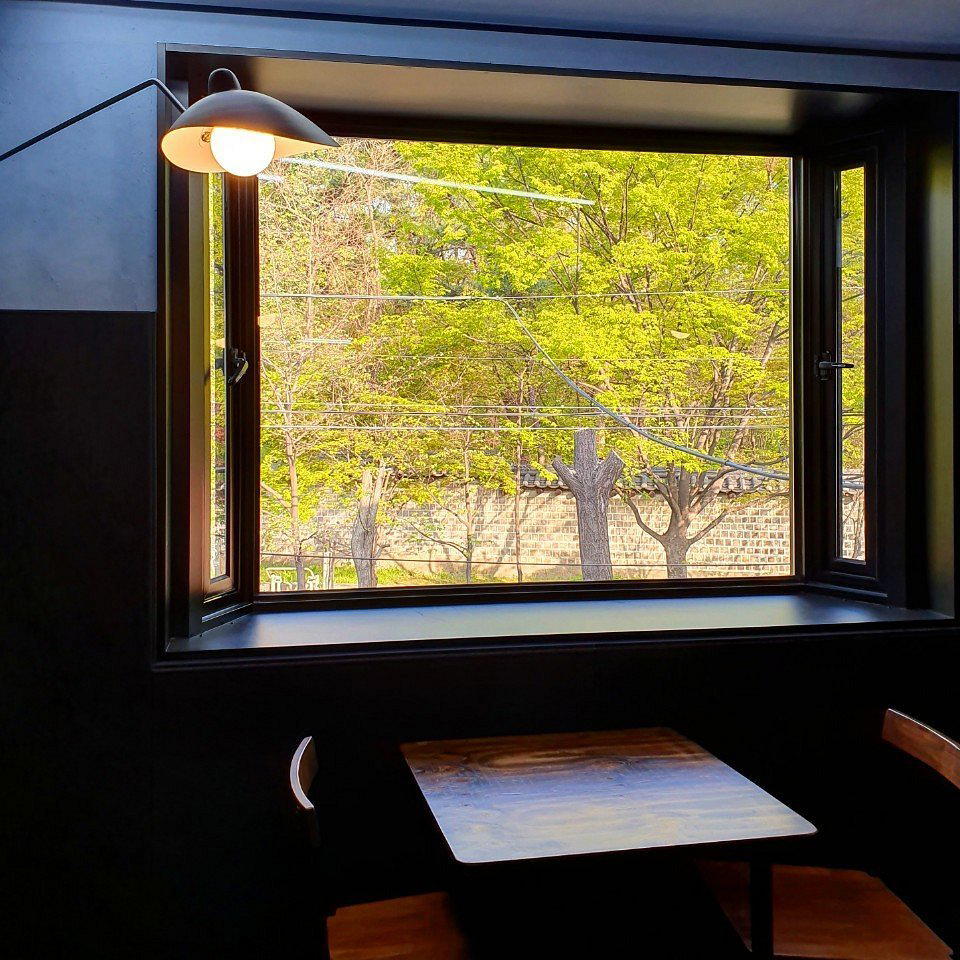
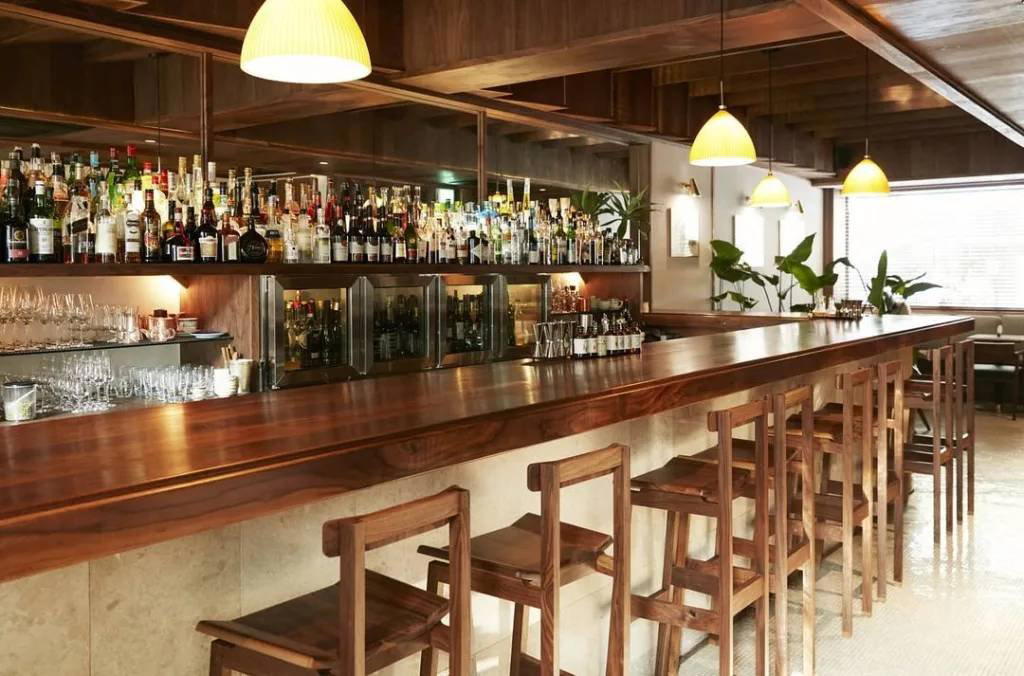
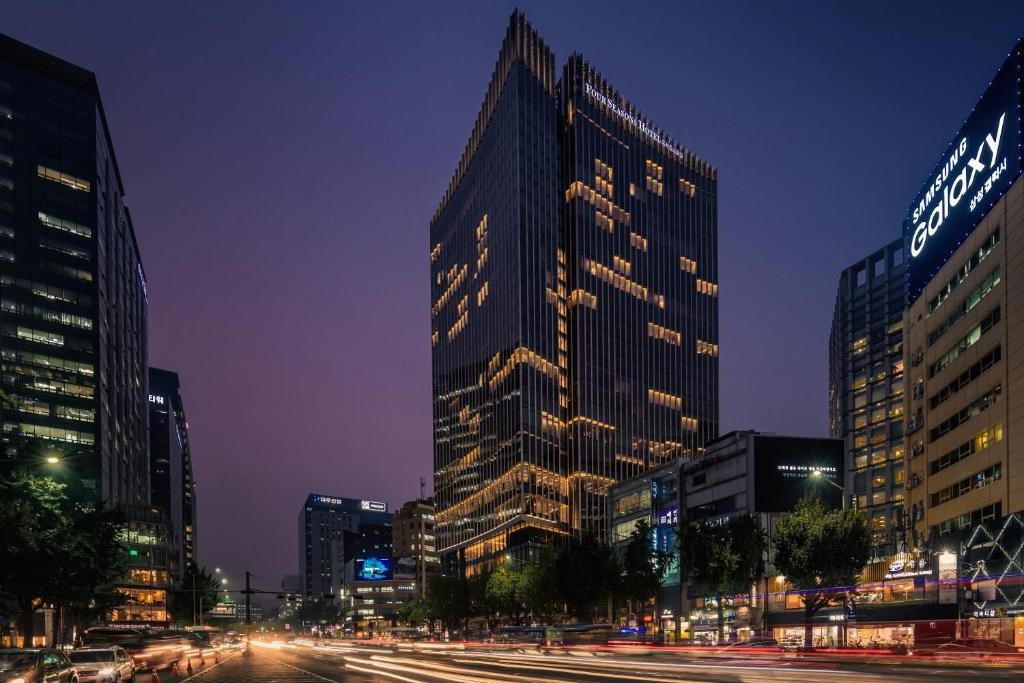
Modern minimalist design with floor-to-ceiling glass windows providing dramatic nighttime city views; sophisticated yet welcoming atmosphere with live jazz entertainment.