Evett







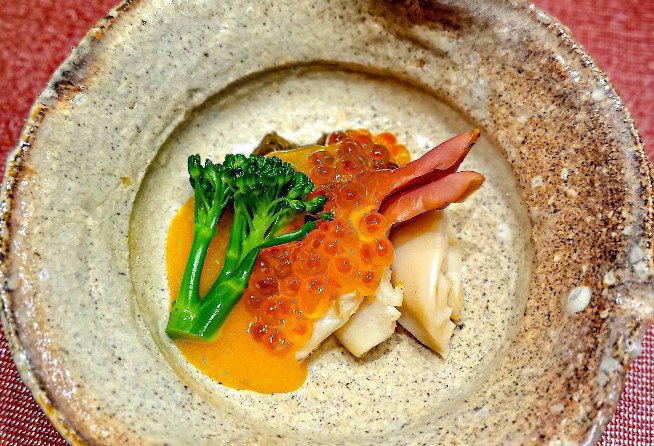
A two-Michelin-star restaurant in Gangnam's Yeoksam district, Evett represents the sharper end of Seoul's foreign-chef-led fine dining scene. Joseph Lidgerwood's Australian perspective on Korean ingredients produces a menu that sits outside both Western tasting-menu convention and traditional hansik formality. A wine program spanning 2,170 selections, with Burgundy and Bordeaux as its anchors, places it among the more seriously stocked cellars in the city.
Pearl is the En Primeur Club membership app — saves, bookings, and concierge access live there. Same editors, same standards.
- Address
- 10-5 Dosan-daero 45-gil, Gangnam District, Seoul, South Korea
- Phone
- +82 50-71399-1029
- Website
- restaurantevett.com
- Directions
- Get directions
 Saves & bookings on Pearl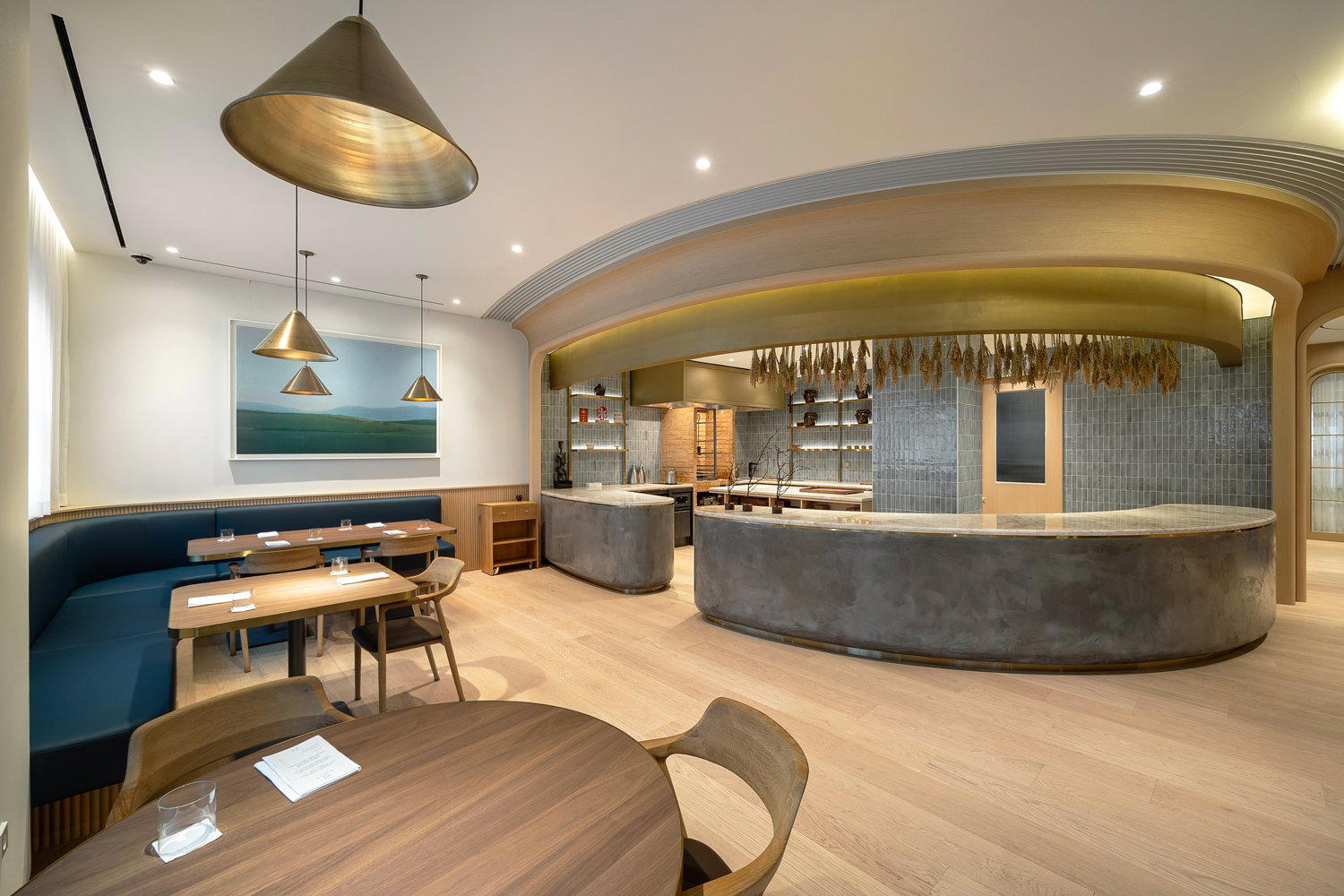
Where Seoul's Fine Dining Conversation Gets Complicated
Dosan-daero and its surrounding alleys in Gangnam have become the address of choice for Seoul's most considered restaurants over the past decade. The strip between Apgujeong and Yeoksam concentrates a tier of dining that competes not just within Korea but across Asia's broader fine dining circuit. Within that geography, Evett occupies a particular position: a two-Michelin-star restaurant in Seoul where the culinary framework is Korean in ingredient and season but assembled by chef Joseph Lidgerwood. That tension, productive rather than awkward, defines what the restaurant is doing and why it belongs to a different conversation than either a traditional hansik house or a French tasting-menu transplant.
Seoul's fine dining scene has moved through several phases. The early prestige was held by Korean haute cuisine specialists like Gaon in Seoul, Korea and the kaiseki-influenced formality of 권숙수 - Kwon Sook Soo in Gangnam-gu. Then came the contemporary Korean wave, with Mingles (Korean) and Jungsik (Contemporary) establishing that Korean ingredients could carry a modern European menu structure. More recently, restaurants like Soigné and Ryunique have pushed the form further into personal and experimental territory. Evett sits in that later wave, but with the additional variable of an Australian chef-owner, Joseph Lidgerwood, whose outsider perspective on Korean produce is itself a form of editorial comment on what the cuisine can do.
The Cultural Logic of an Outsider's Menu
When a chef builds a menu around Korean ingredients, the result either falls into studied reverence or productive misreading. The restaurants that matter in this space tend toward the latter: they use Korean produce, fermentation traditions, and seasonal structures not as a subject to be explained but as a working vocabulary. Across Asia's innovative fine dining tier, this model has produced particularly interesting cooking of the past decade. Meta, Innovative in Singapore and Thevar, Innovative in Singapore represent analogous moves in their own cities: chefs from outside the dominant tradition using local ingredients as primary material rather than decoration. Evett operates in that same register within Seoul.
The classification in Michelin's coverage as Modern Innovative Korean is a meaningful signal. It indicates a menu that isn't anchored by the grammar of any single tradition. That categorisation also places Evett in a comparable set that includes venues across the region testing what happens when technique and produce come from different culinary lineages. MAZ, Innovative in Tokyo occupies a comparable position in its city: a non-Japanese framework applied to Japanese produce, Michelin-starred, and deliberately outside the conventional taxonomy.
Lidgerwood's background includes time in restaurants outside Korea before his move to Seoul. That training history matters as context for the kind of kitchen precision Evett operates under, but the more interesting editorial fact is what the two-star rating implies: that Michelin's inspectors awarded the restaurant two stars. In a city with genuine depth at the one-star tier, including venues like alla prima and the Korean-French hybrids operating at the same price bracket, holding two stars marks a clear separation in assessed quality.
The Wine Program as a Statement
Seoul's fine dining wine programs have developed rapidly. A decade ago, the cellar at most leading Korean restaurants skewed toward safe international labels at aggressive markups. The shift has been toward considered lists with genuine depth and, in a few cases, programs that would stand scrutiny against any regional peer. Evett's wine operation sits at the serious end of that development.
The list spans 2,170 selections. The declared strengths are Burgundy, Bordeaux, France broadly, and Italy. Wine pricing falls in the $$$ tier, meaning many bottles exceed $100, which places it among the more expensively stocked cellars in the city but consistent with two-Michelin-star expectations globally. For a restaurant operating an innovative tasting-menu format, wine pairing is not an afterthought here, the size of the team and the depth of the list signal a program treated with equal seriousness to the kitchen.
Gangnam's Fine Dining Tier and Where Evett Sits
The ₩₩₩₩ price tier in Seoul's Gangnam district now contains a significant range of formats and ambitions. At one-star level, you find Korean-French fusions (Zero Complex), traditional Korean specialists (Onjium), and contemporary rooms (Eatanic Garden) all occupying the same pricing band. Evett's two-star rating at the same price point suggests it's absorbing a more demanding standard of judgment for the same general outlay as its one-star neighbours, or, depending on the specific menu format, potentially a higher one given the cuisine pricing at $66 and above for a typical two-course equivalent.
6 across 245 reviews gives a useful secondary signal: a score that sits in a range consistent with strong but occasionally variable guest experience, which is common at restaurants where the tasting-menu format is long, the wine pairings are assertive, and the flavour combinations don't seek universal appeal. These are not complaints; they are indicators that Evett is cooking with a point of view rather than optimising for consensus satisfaction.
For context on the broader Korean dining scene beyond Seoul, the range of experiences is significant. Fermentation-forward temple cooking at Baegyangsa Temple in Jangseong-gun, the market-driven approach at Mori in Busan, and the Jeju-based cooking at 더 플라잉 호그 - The Flying Hog in Seogwipo all speak to how varied the country's food culture is. Evett represents the Seoul end of that spectrum: urban, technically demanding, and positioned for an audience already fluent in what fine dining asks of them.
La Liste Recognition and What It Signals
La Liste's Leading Restaurants ranking offers a different calibration than Michelin. The guide aggregates reviews, awards, and digital signals to produce a global ranking. Evett appeared at 81.5 points in 2025 and 77 points in 2026, which reflects a slight drop across the two cycles but sustained presence in the upper tier of the list's Asia coverage. The Opinionated About Dining ranking of 345 in Asia for 2025 adds a third data point from a guide weighted heavily toward frequent-diner and industry-insider opinion, a recognition set that tends to be more resistant to novelty and harder to sustain than a single-cycle award.
Across three separate credentialing systems, Michelin, La Liste, and OAD, Evett has maintained consistent recognition over multiple years. That's a stronger signal than any single award: it indicates a kitchen operating at a level that reads clearly across different assessment methodologies and different types of evaluators.
Planning Your Visit
Evett is at 10-5 Dosan-daero 45-gil in the Yeoksam area of Gangnam District. The ₩₩₩₩ price tier and multi-course format mean this is a planned meal. The wine list's depth makes pairing a sensible commitment for the full experience, though the $100 corkage provision allows guests to bring something specific for a significant occasion. For Seoul itinerary planning beyond the meal itself, the restaurant sits within a neighbourhood well covered by our full Seoul restaurants guide. Other city resources from EP Club cover hotels, bars, wineries, and experiences across the city.
Fast Comparison
Comparable venues nearby, for context on price, style, and recognition.
| Venue | Cuisine | Price | Awards | Notes |
|---|---|---|---|---|
| EvettThis venue — the venue you are viewing | Modern Innovative Korean | $$$$ | Michelin 2 Star | Not listed |
| La Yeon | High-End Traditional Korean | $$$$ | Michelin 2 Star | 광희동 |
| Restaurant Allen | Contemporary French with Korean Seasonal Ingredients | $$$$ | Michelin 2 Star | Samseong-dong |
| Solbam | Contemporary Neo-Classical Korean | $$$$ | Michelin 1 Star | Sajik-dong |
| Born and Bred | Premium Korean Hanwoo Beef Omakase | $$$$ | Michelin Plate, World's 50 Best #56 | 마장동 |
| Kojima | Dining | Not listed | Michelin 2 Star | 압구정동 |
Recognition history
Dated appearances from independent guides and award organizations, with the underlying list record or original source where available.
La Liste Top Restaurants
La Liste
Michelin 2 Stars
Michelin
Opinionated About Dining Top Restaurants in Asia Recommended
Opinionated About Dining
Star Wine List
Star Wine List
Wine Spectator Best of Award of Excellence
Wine Spectator
La Liste Top Restaurants
La Liste
Michelin 2 Stars
Michelin
Opinionated About Dining Top Restaurants in Asia Ranked #345
Opinionated About Dining
The Best Chef Two Knives
The Best Chef
Wine Spectator Best of Award of Excellence
Wine Spectator
World's Best Wine Lists Awards WBWL Category Winner
World's Best Wine Lists Awards
World's Best Wine Lists Awards WBWL 3-Star
World's Best Wine Lists Awards
Michelin 2 Stars
Michelin
At a Glance
- Modern
- Elegant
- Intimate
- Sophisticated
- Minimalist
- Date Night
- Solo
- Special Occasion
- Open Kitchen
- Extensive Wine List
- Sake Program
- Local Sourcing
Current opening hours
- Monday
- Closed
- Tuesday
- 5:20–10:30 PM
- Wednesday
- 5:20–10:30 PM
- Thursday
- 5:20–10:30 PM
- Friday
- 12–2:30 PM, 5:20–10:30 PM
- Saturday
- 12–2:30 PM, 5:20–10:30 PM
- Sunday
- Closed
Hours can change for holidays and private events. Last verified .
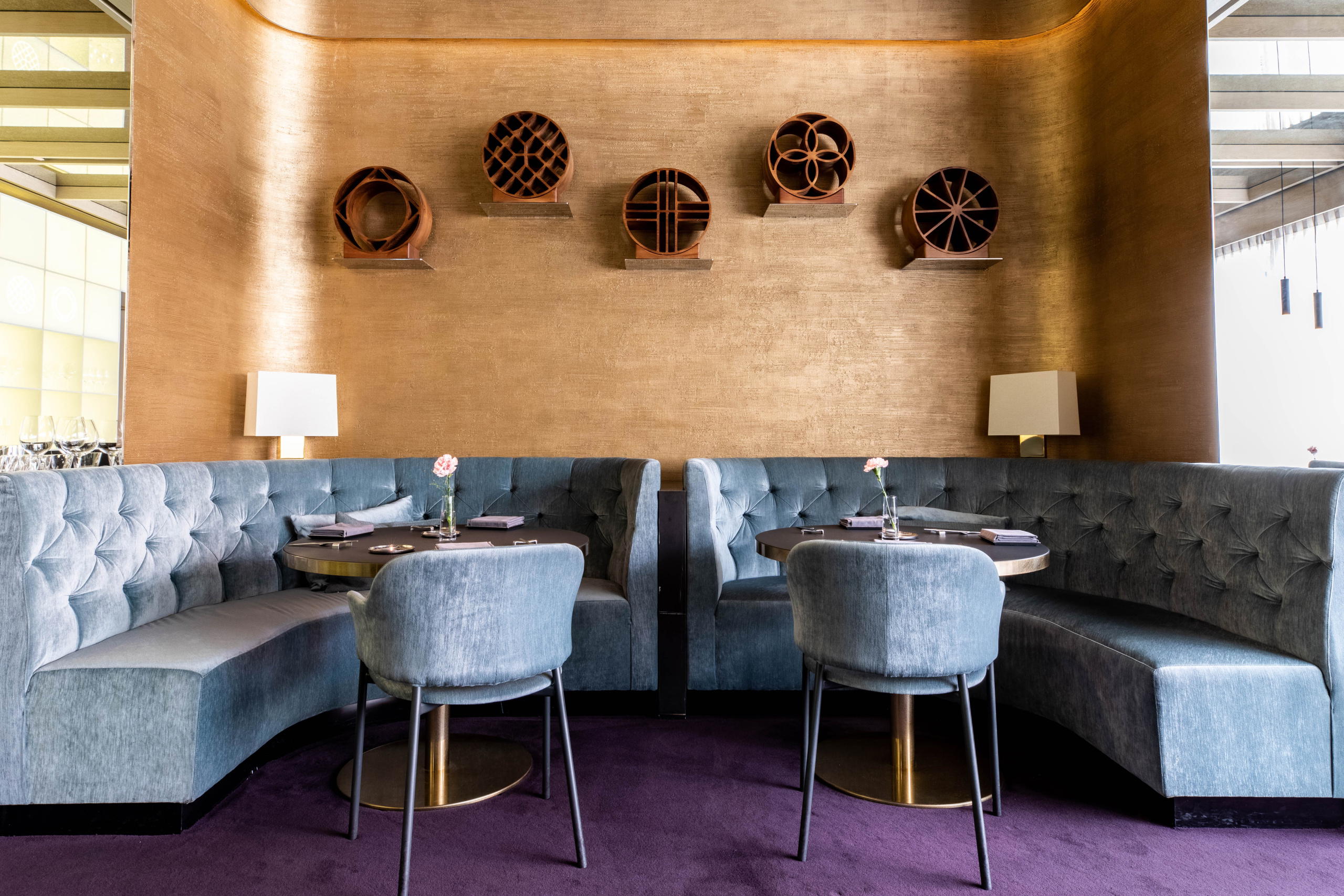
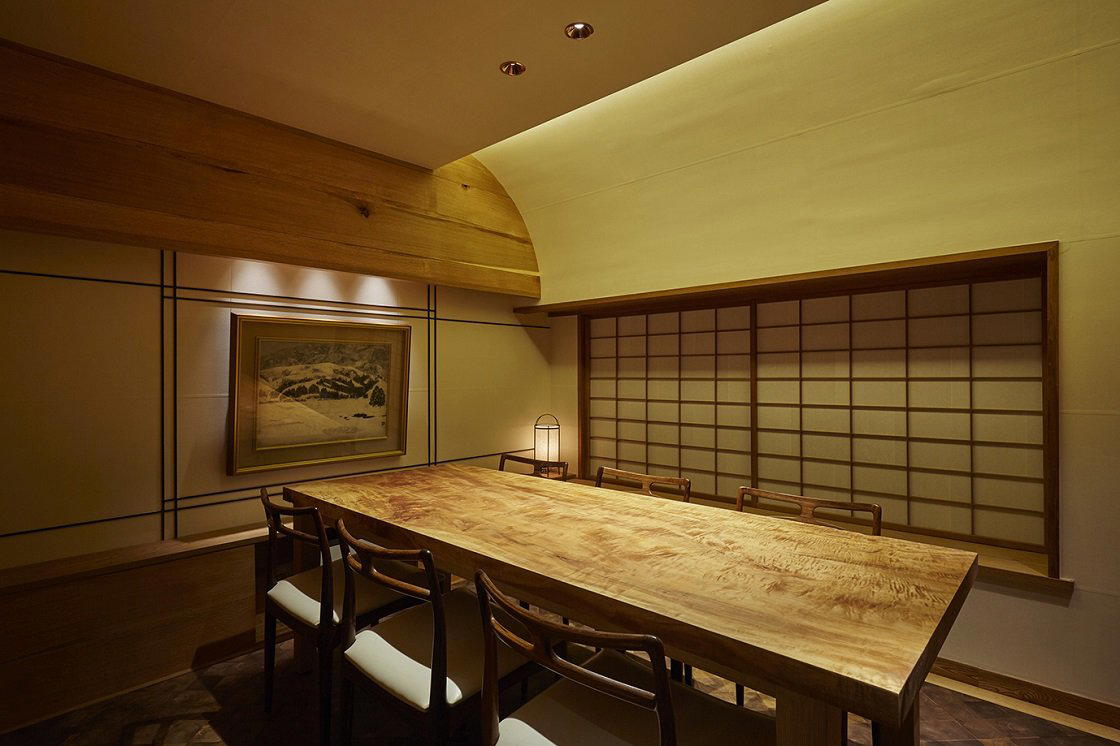
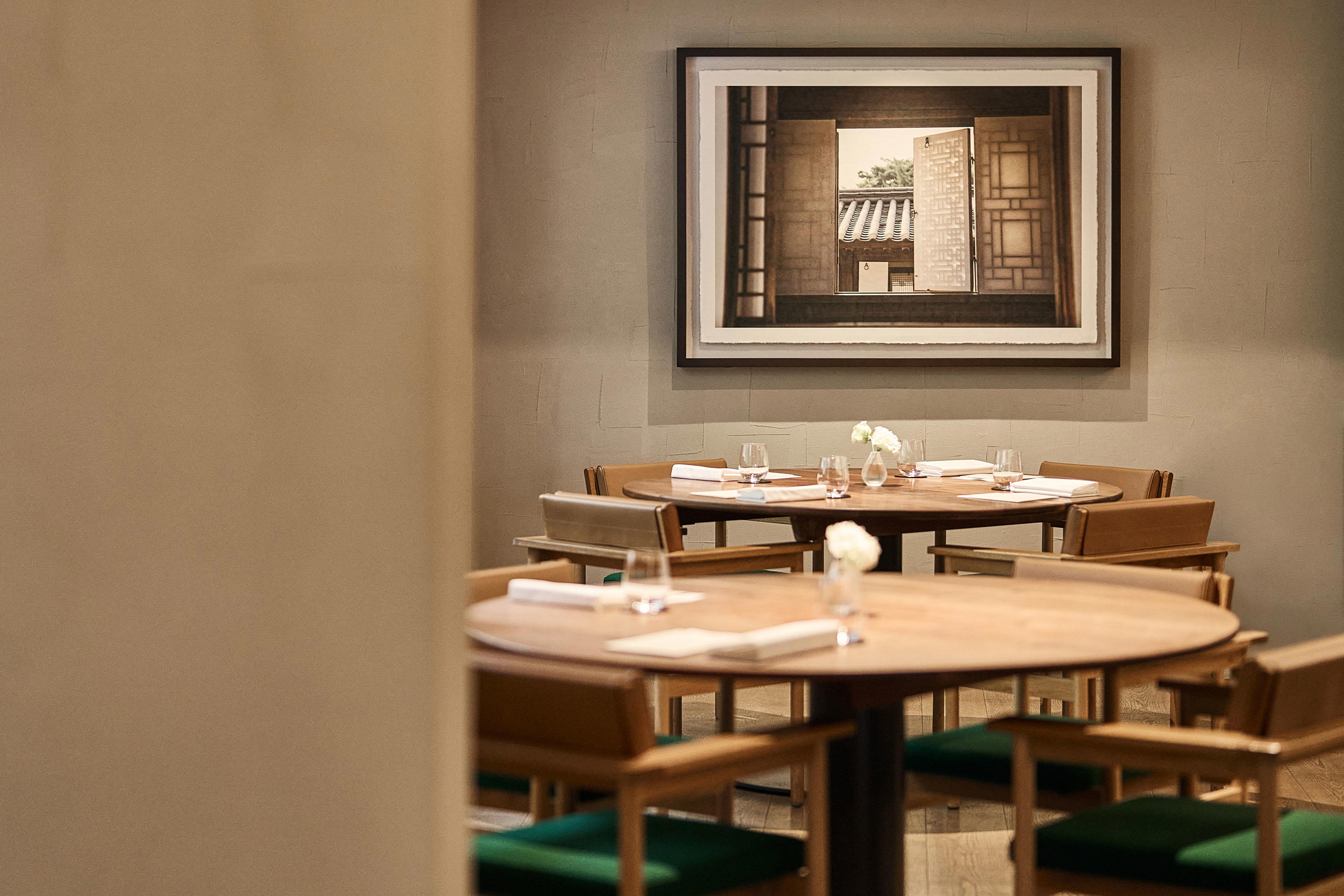
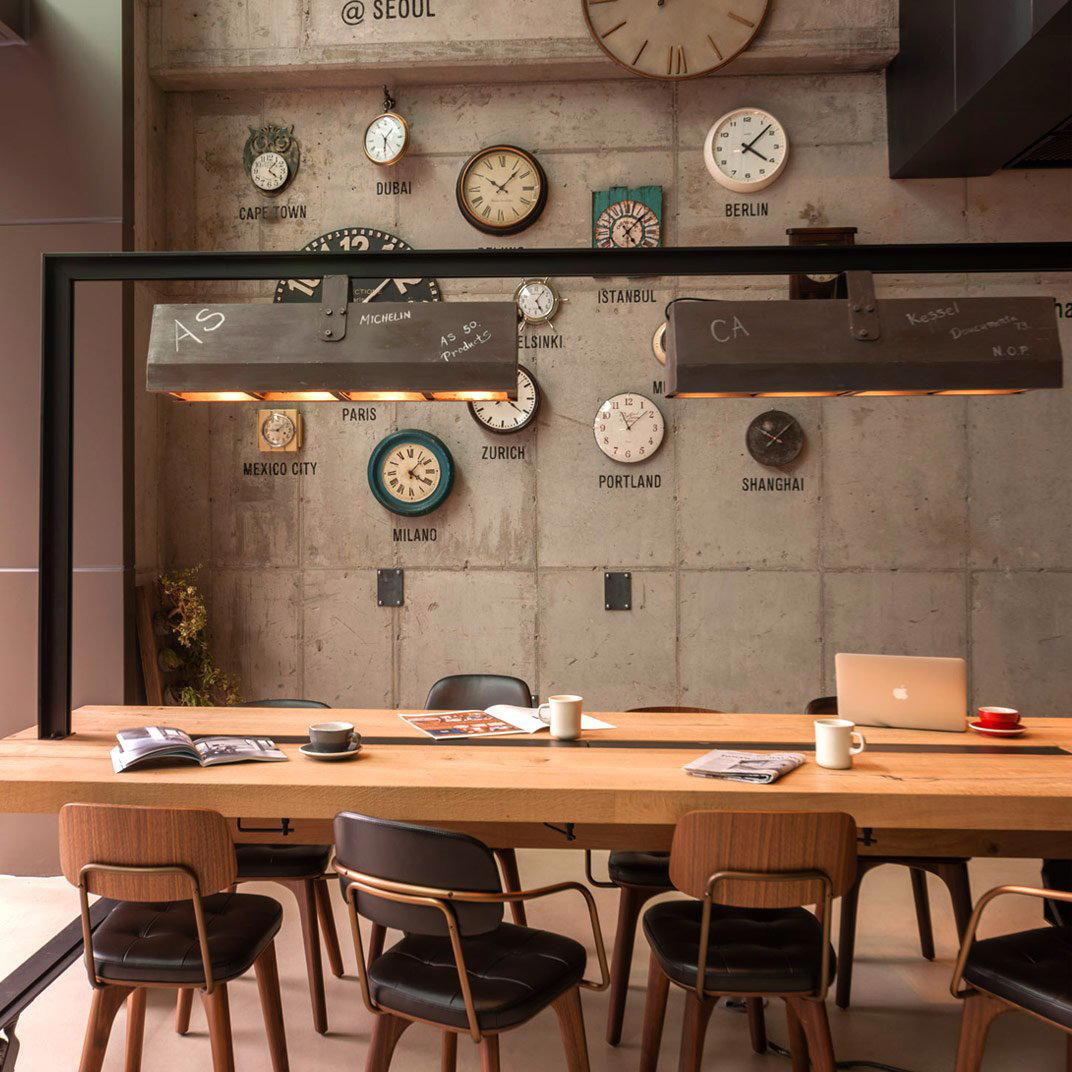
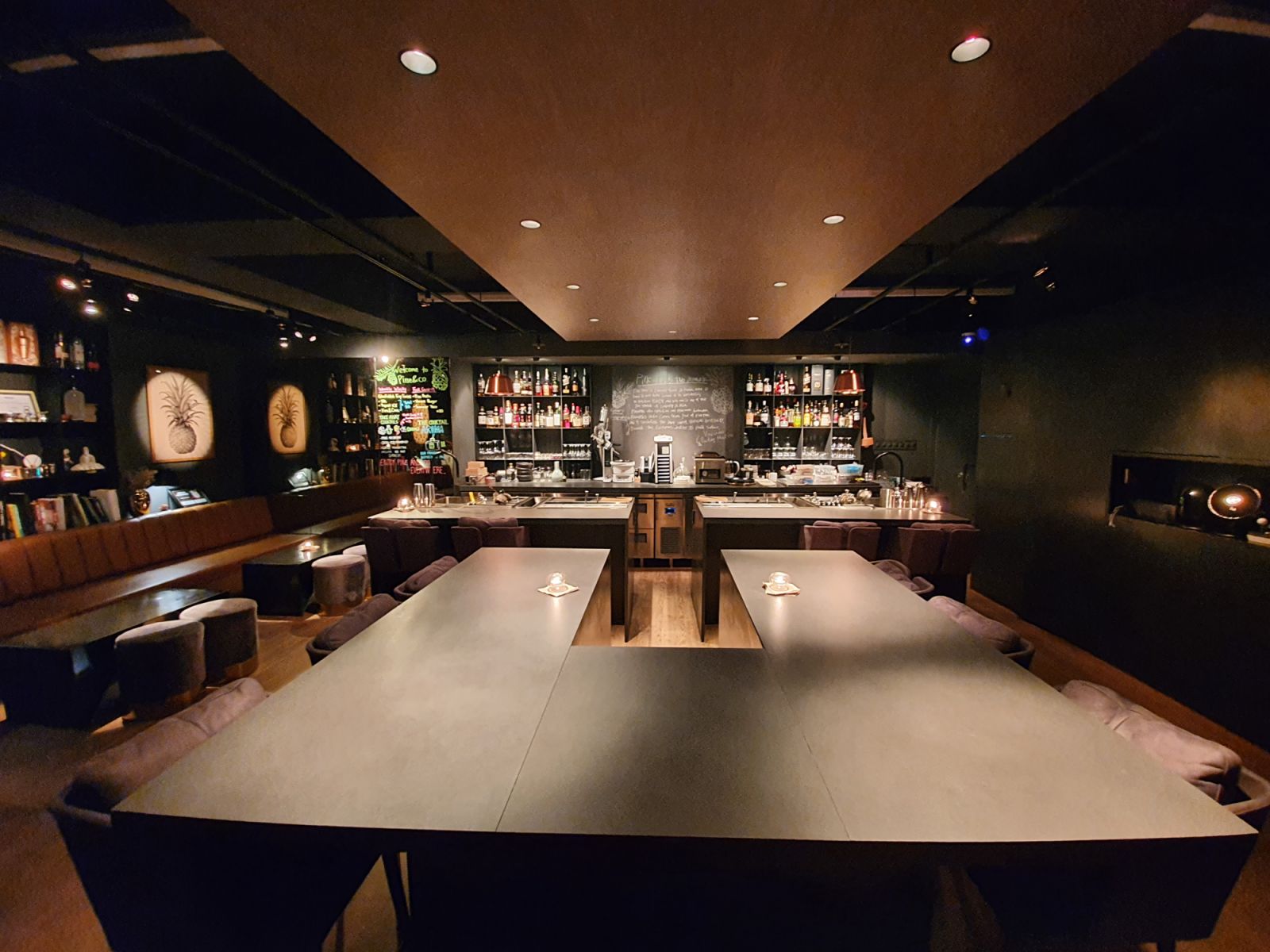
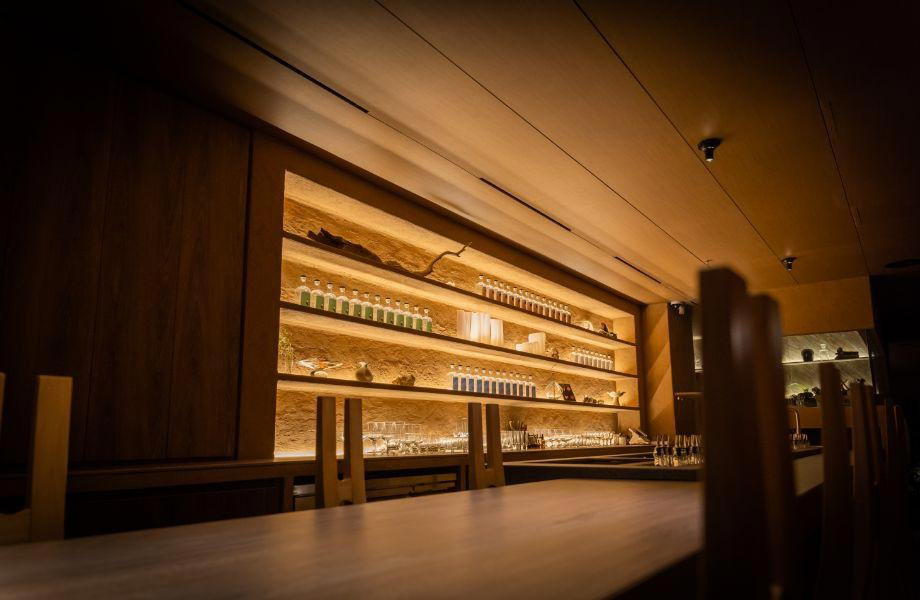
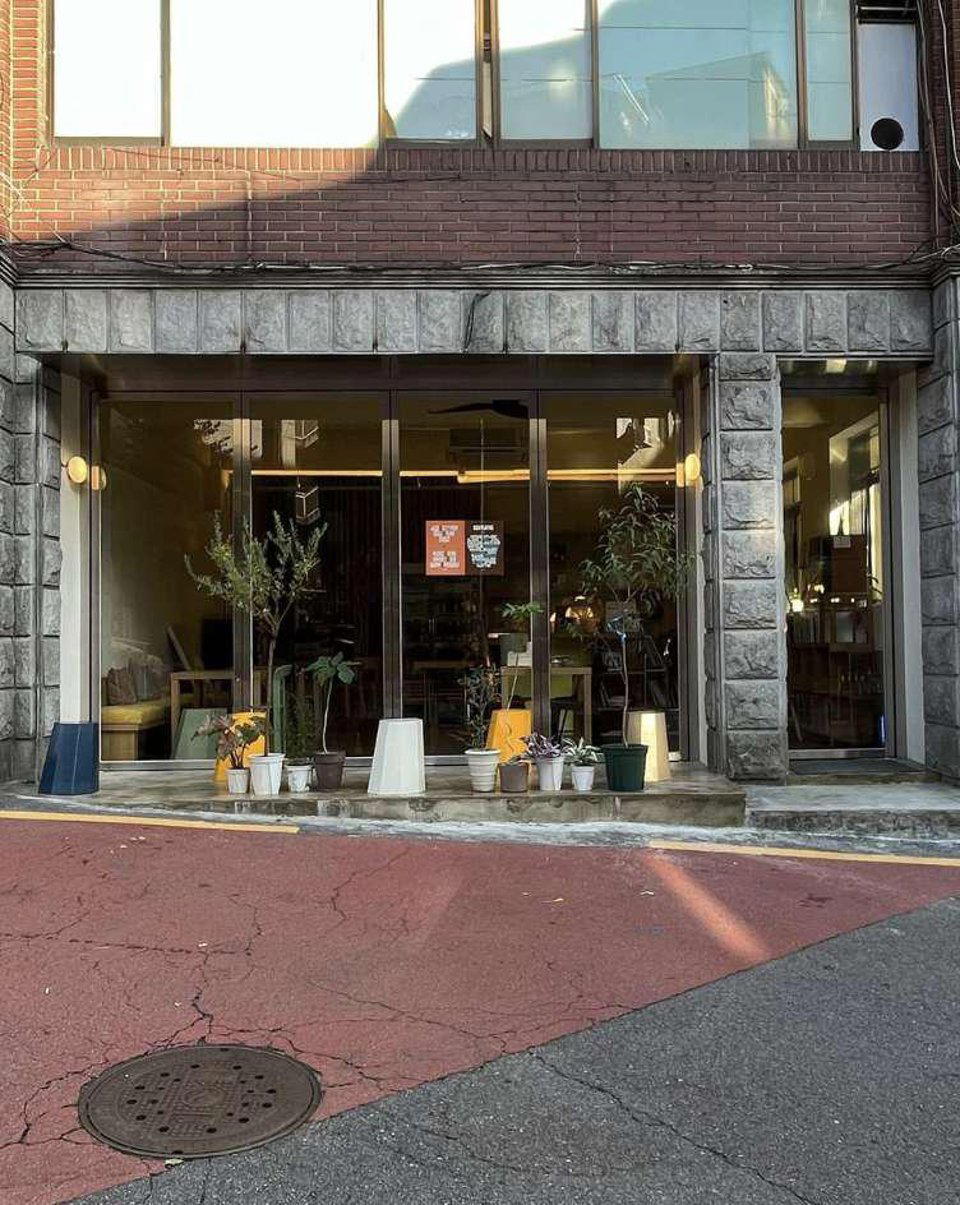
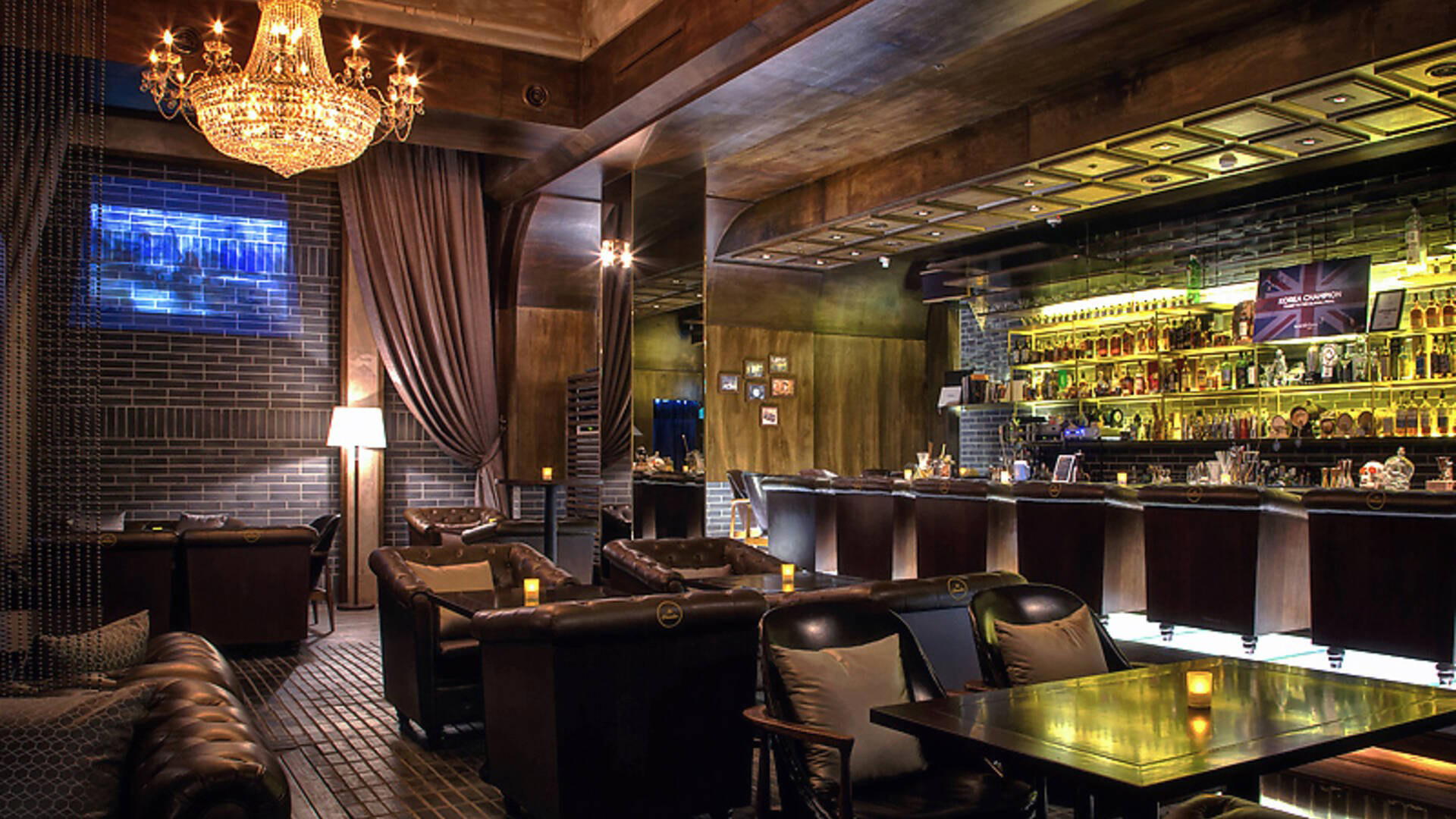
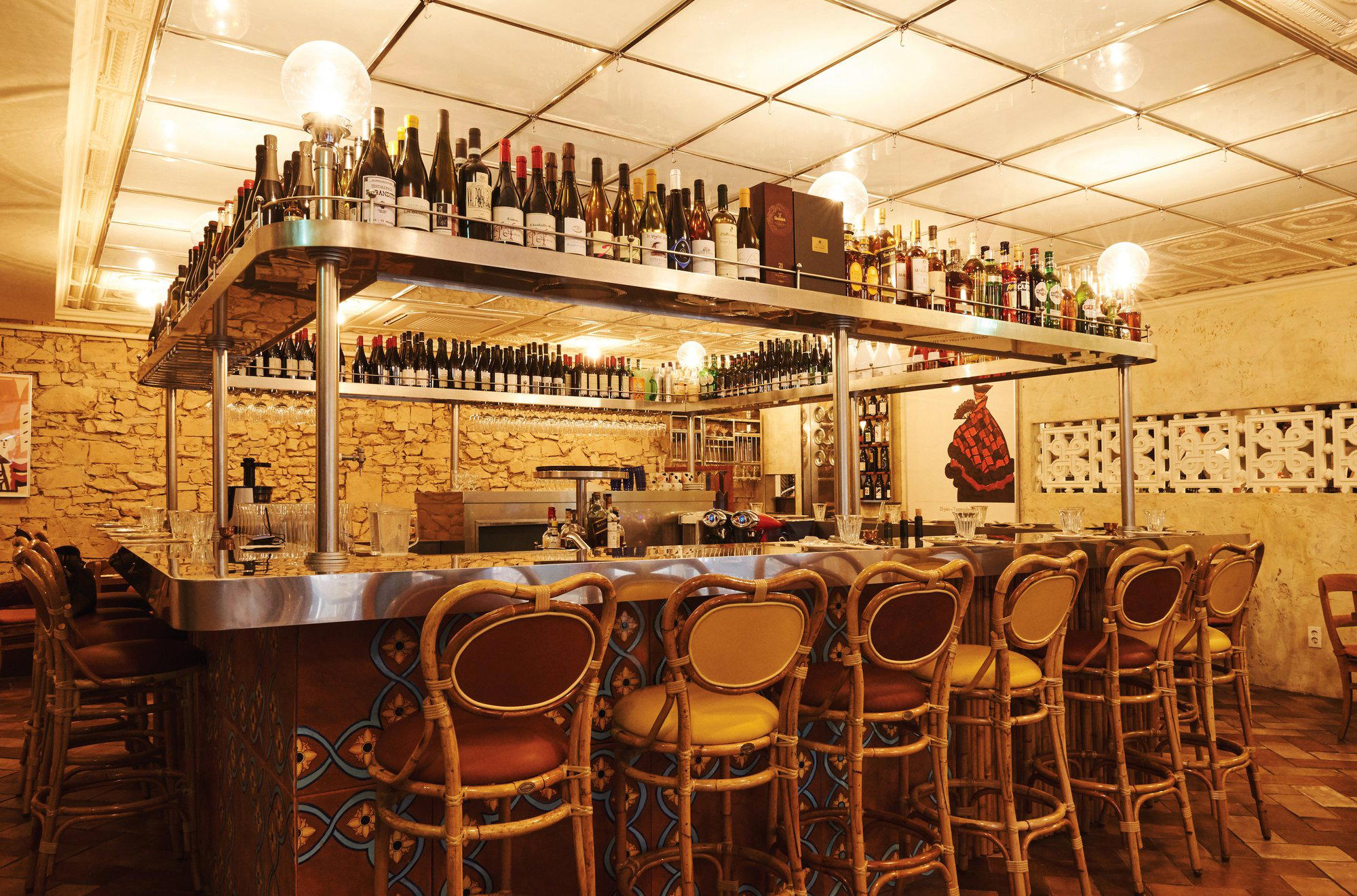
Clean and minimal decor with white walls, pale plating, brass accents, stylish and intimate atmosphere focused on the food.