
Kyoto Station dining often splits between quick transit meals and formal reservations elsewhere in the city. Morita Ya JR kyoto isetan ten occupies the rarer middle: sukiyaki, shabu shabu, and steak in the JR Kyoto Isetan dining floors, with Tabelog Hot Pot 100 recognition for 2024 and a format that makes beef provenance and table-side cooking the central draw.
Pearl is the En Primeur Club membership app — saves, bookings, and concierge access live there. Same editors, same standards.
- Address
- Japan, 〒600-8711 Kyoto, Shimogyo Ward, Higashishiokojicho, 901 ジェイアール京都伊勢丹 11F
- Phone
- +81 75-365-7788
- Website
- moritaya-kyoto.co.jp
 Saves & bookings on Pearl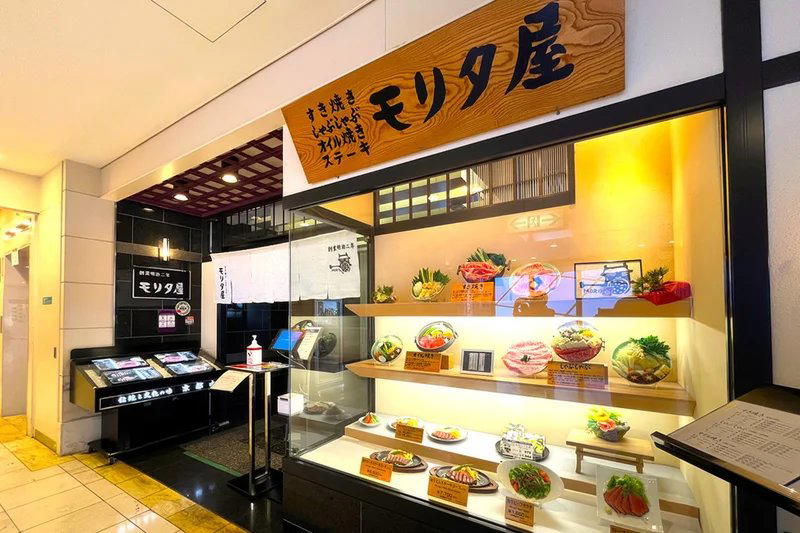
The approach is pure Kyoto Station: escalators, department-store polish, luggage wheels, then the shift from transit pressure to JR Kyoto Isetan’s dining floors. Here, hot pot fits. Sukiyaki and shabu shabu reward pacing, shared attention, and ingredients needing no theatrical reinvention. Morita Ya JR kyoto isetan ten belongs to this station-dining tier, where access matters, but so does serious beef.
Kyoto dining is often framed through kaiseki, tea sweets, tofu, and counter omakase, yet beef has its own place. Sukiyaki, shabu shabu, and steak sit where supplier trust meets cooking discipline: thin slicing, heat control, dipping sauces, and the sequence of vegetables and meat quickly expose weak sourcing. Tabelog’s Hot Pot 100 selection in 2024 is therefore a useful signal, placing the restaurant inside Japan’s competitive sukiyaki and shabu shabu category, not just as a convenient station meal.
Station dining with a beef-first argument
JR Kyoto Isetan’s Eat Paradise area is built for breadth: sweets, casual set meals, specialist counters, and higher-spend dining share one vertical address above the station. Its stronger restaurants solve a Kyoto problem: giving travellers a credible meal without pulling them across town after temples or before a train. Convenience can flatten ambition, but hot pot survives the department-store setting because the meal depends less on architectural romance than ingredient quality and service rhythm.
Morita Ya JR kyoto isetan ten works within the classic trio of sukiyaki, shabu shabu, and steak. Sukiyaki asks sweetness, soy, fat, and egg to meet in control; shabu shabu is leaner, testing texture and broth restraint; steak gives the kitchen less cover because cut and cooking are exposed. In Kyoto, where many visitors chase elaborate multicourse meals, this is a direct reading of beef culture: not a chef’s autobiography, but meat handled at the table.
The restaurant’s Tabelog score of 3.59 and selection for Tabelog Hot Pot 100 in 2024 are the clearest public markers of standing. They do not make it a temple of luxury, and should not be read that way. They indicate a dependable specialist in a high-traffic commercial setting, a category Kyoto does well because the station is not merely a food court. In the same building, Mangetsu JR kyoto isetan ten sits at far lower spend, FUKUNAGA901 and Nakamura Tokichi Honten Kyoto eki ten are dessert and café-driven, and Gozan Nozomi moves into a higher dinner bracket. This restaurant’s case is narrower: hot pot and beef, with a recognised category listing behind it.
What the format says about sourcing
Ingredient sourcing is not decorative in sukiyaki or shabu shabu. It is the meal. Thinly sliced beef carries the structure, and the cooking vessel leaves little room for distraction. Kyoto’s premium dining often communicates provenance through seasonality and restraint; hot pot translates that concern into marbling, cut, and how meat responds to heat. The restaurant’s categories, sukiyaki, shabu shabu, and steak, keep beef in focus from three angles rather than spreading the menu across unrelated comforts.
The department-store address can be an advantage rather than a compromise. A restaurant built for 84 seats must be consistent across lunch and dinner, not fragile like an eight-seat counter. Private rooms, counter seating, sofa seating, and tatami-room options suit family lunch, business dining, friends gathering, or a deliberate beef dinner before leaving Kyoto. No smoking, plus card, electronic money, and QR payment, fit the international station crowd without changing Japanese hot-pot grammar.
Price clarifies the position. The listed budget is JPY 2,000 to JPY 2,999 at lunch and JPY 5,000 to JPY 5,999 at dinner, while review-based spend is higher: JPY 8,000 to JPY 9,999 for lunch and JPY 10,000 to JPY 14,999 for dinner. That gap suggests controlled spend is possible, but the fuller beef experience likely rises above the entry band. In a city where the jump from casual noodles to formal dining can be abrupt, this middle-to-upper bracket is one of Kyoto Station’s practical strengths.
For wider Kyoto planning, the contrast helps. 551蓬莱 speaks to quick, familiar station-area comfort. Aburi Mochi Honke Nemoto Kazariya represents Kyoto’s older shrine-side sweet-snack tradition. [ki:], Abbesses, and 3TOKU6MI Shijo karasuma ten point to other urban dining moods across the city. Hot pot above Kyoto Station fills another need: beef sourcing, proper dinner structure, and travel-day accessibility.
How to place it in a Kyoto trip
The strongest use case is not the grand finale of a Kyoto food itinerary. It is the high-functioning meal that respects city standards while working around trains, hotel transfers, and uneven temple-day energy. The location directly connected to Kyoto Station keeps transit friction low, and the daily 11 AM to 10 PM pattern, with last order at 9 PM, offers more flexibility than many smaller specialists. Closures follow Isetan’s schedule, so check the department-store calendar.
Reservations are available, sensible for dinner or private-room needs. Lunch is the sharper value on paper; dinner is the better context for longer sukiyaki or shabu shabu. The drinks direction suits the format, with sake and wine listed, and the view or night-view setting gives the room more place than many station restaurants manage. This does not turn the meal into a Kyoto postcard. Its appeal is practical and convincing: recognised hot pot, a beef-led menu, and a location that solves a real travel problem.
Use it in broader planning rather than as a standalone claim about Kyoto dining. For citywide context, see Our full Kyoto restaurants guide, then pair meals with Our full Kyoto hotels guide, Our full Kyoto bars guide, Our full Kyoto wineries guide, and Our full Kyoto experiences guide. Beyond Kyoto, the beef-and-format question appears differently at -Grilled beef Sukiyaki- KAMAKURA TANUKIAN 鎌倉 たぬき庵 in Kamakura, while Japan’s wider casual and specialist spectrum runs from 鮪と炭火焼き うお炭 秋葉原店 in Tokyo and.cafe in Osaka to.know in Kumamoto, (Shoku) Vietnam in Kawasaki, and [Curry Senmon Ten] Maruyama Kyoju. in Sapporo. Japanese food culture abroad takes another shape at Jōdo Saké Bar in Los Angeles and Onigiri Time in Pasadena.
A Quick Peer Check
Comparable venues for cuisine and category context.
| Venue | Cuisine | Price | Notes |
|---|---|---|---|
| Morita Ya JR kyoto isetan tenThis venue — the venue you are viewing | Traditional Kyoto beef sukiyaki & shabu-shabu | $$$ | Not listed |
| Yakiniku Yazawa Kyoto | Premium Wagyu Yakiniku | $$$ | Shimogyō |
| Sakaba Ikura Mokuzai | Japanese stand-up izakaya bar | $$$ | Kamigyō |
| Yoshokudo Suzuki | Yoshoku (Japanese-style Western) counter restaurant | $$$ | Nakagyō |
| Maeshiro | Traditional Kyoto Kaiseki Omakase | $$$ | Nakagyō |
| Hatsuda | Kyoto-style Yakiniku & Wagyu Bento | $$$ | Sakyō |
Recognition history
Dated appearances from independent guides and award organizations, with the underlying list record or original source where available.
Tabelog 100 #4 · No. 4
Tabelog · Tabelog 100 - Hot Pot - 2024
Continue exploring
More in Kyoto
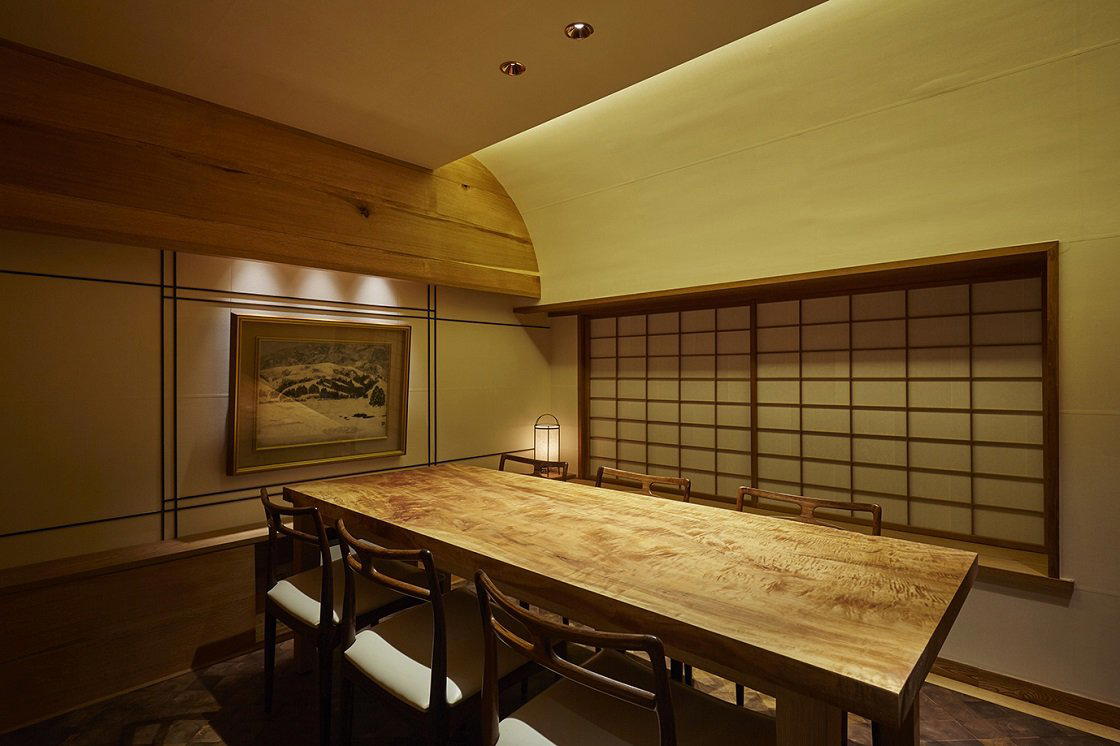
Restaurants in Kyoto
Browse all →
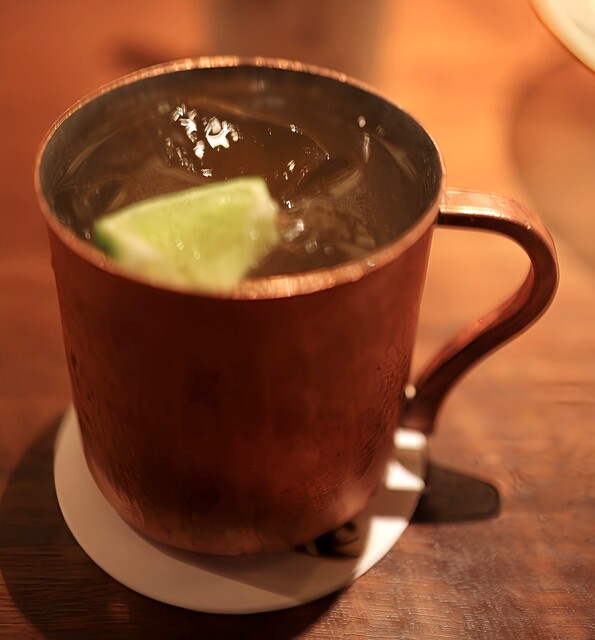
Bars in Kyoto
Browse all →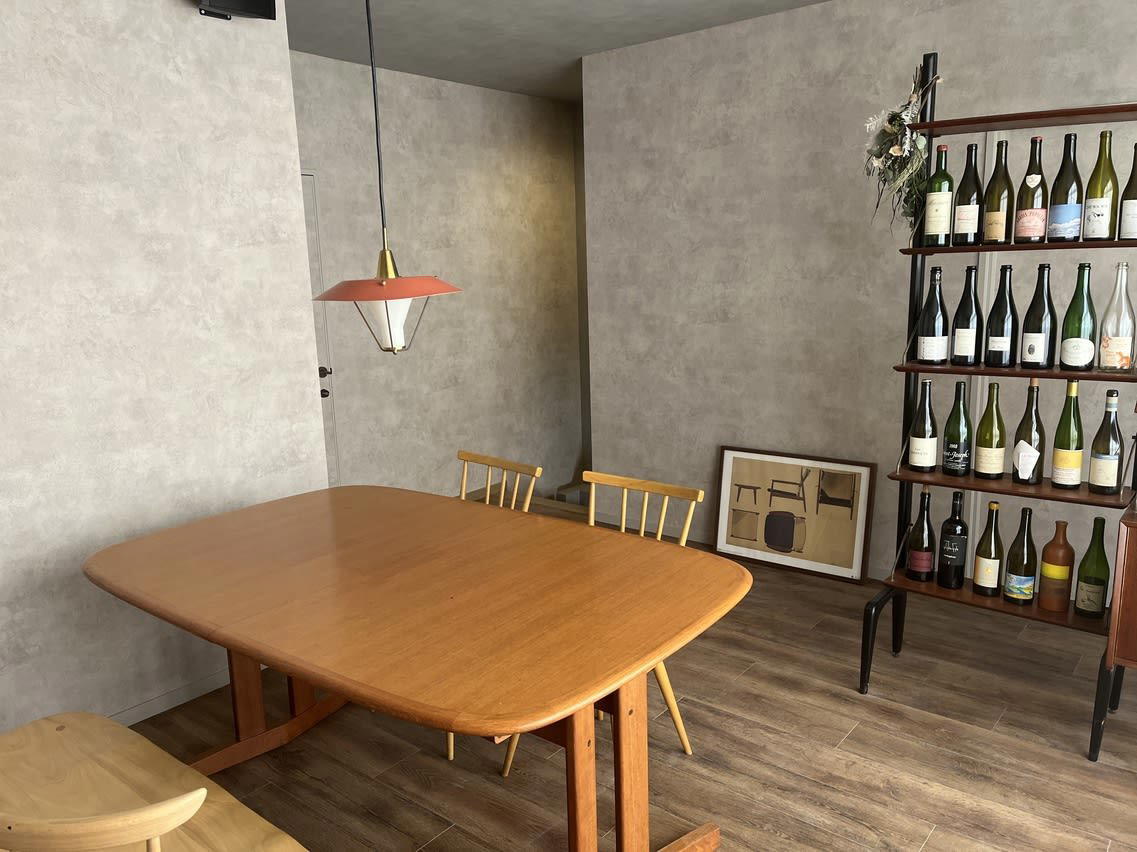
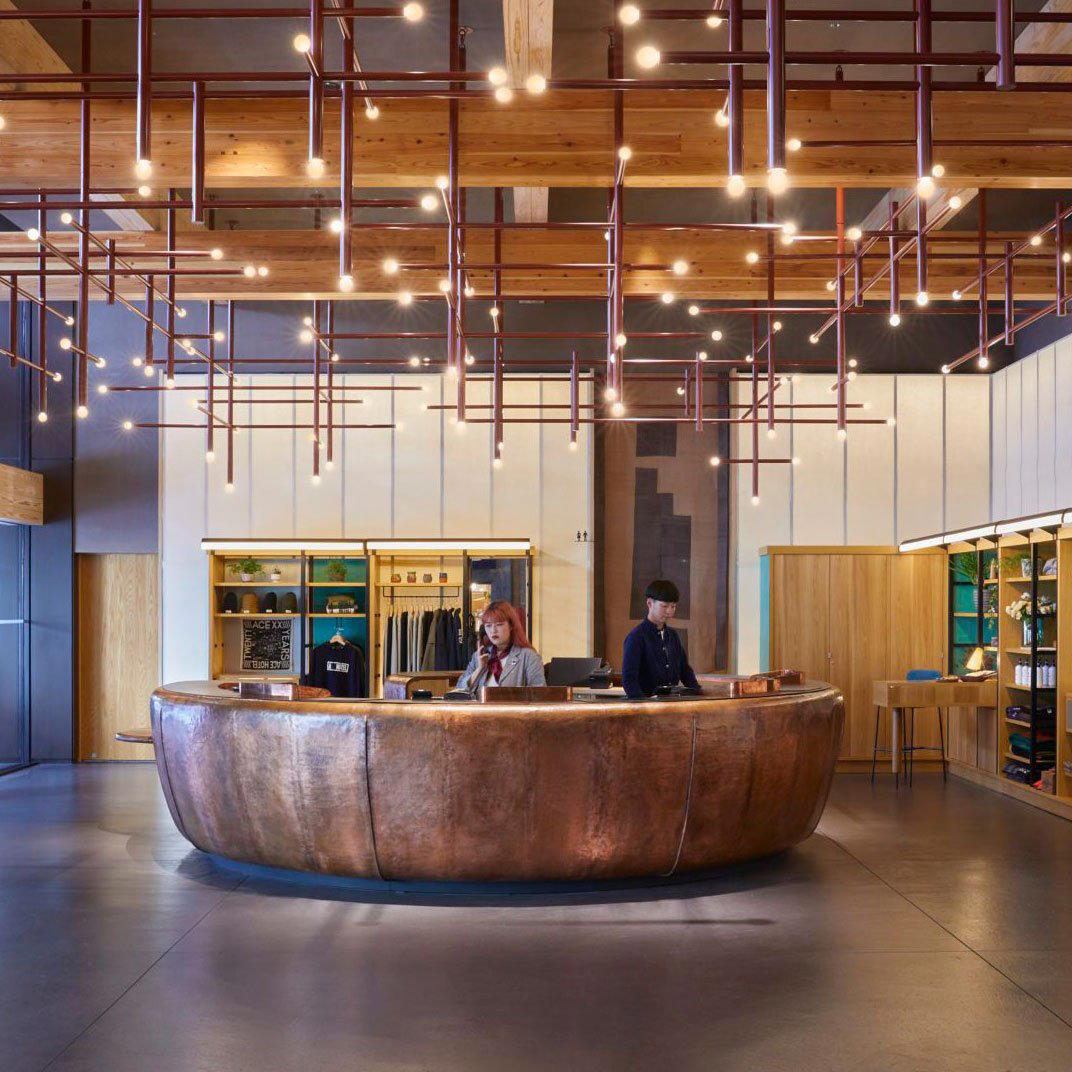
Hotels in Kyoto
Browse all →
Wineries in Kyoto
Browse all →
At a Glance
- Classic
- Cozy
- Elegant
- Well Known
- Date Night
- Business Dinner
- Group Dining
- Family
- Celebration
- Special Occasion
- Historic Building
- Standalone
- Sake Program
- Extensive Wine List
- Local Sourcing
- Skyline
Current opening hours
- Monday
- 11 AM–10 PM
- Tuesday
- 11 AM–10 PM
- Wednesday
- 11 AM–10 PM
- Thursday
- 11 AM–10 PM
- Friday
- 11 AM–10 PM
- Saturday
- 11 AM–10 PM
- Sunday
- 11 AM–10 PM
Hours can change for holidays and private events. Last verified .
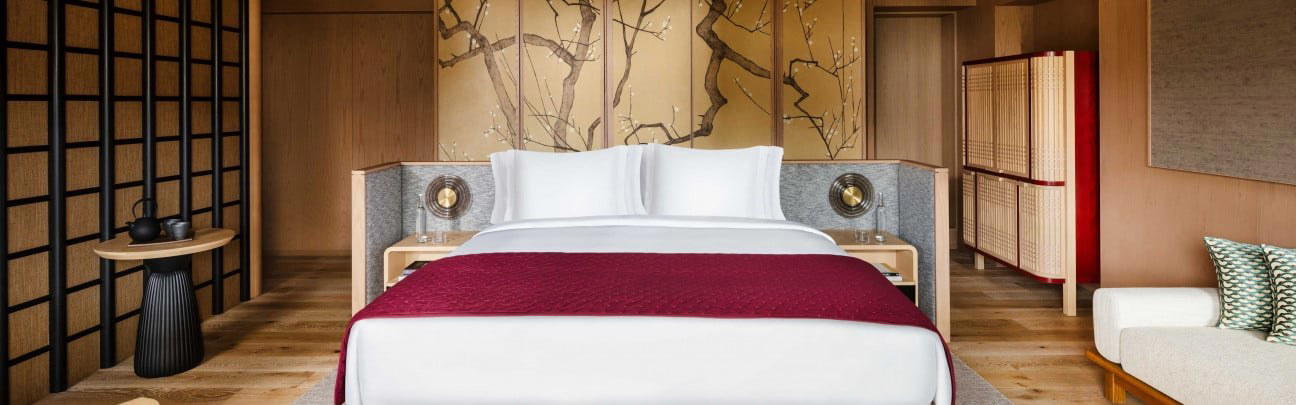
Department-store fine dining with softly lit, comfortable seating including counter, sofa, and tatami rooms, blending a classic Kyoto beef house feel with modern convenience and views over the city.