1 Michelin Star
Our verdict
A Michelin Plate-recognised Japanese restaurant in Kyoto's Nakagyo Ward, Nakamitsu positions itself at the intersection of classical technique and measured innovation. The kitchen's approach to dashi, resting stock over time to develop depth, signals the level of patience applied to every course. Menus move between traditional reference points and contemporary alterations, placing the restaurant in a considered mid-tier that rewards return visits.

Pearl is the En Primeur Club membership app, where members save venues, book tables and use the concierge.
Where Nakagyo Meets the Kitchen Counter
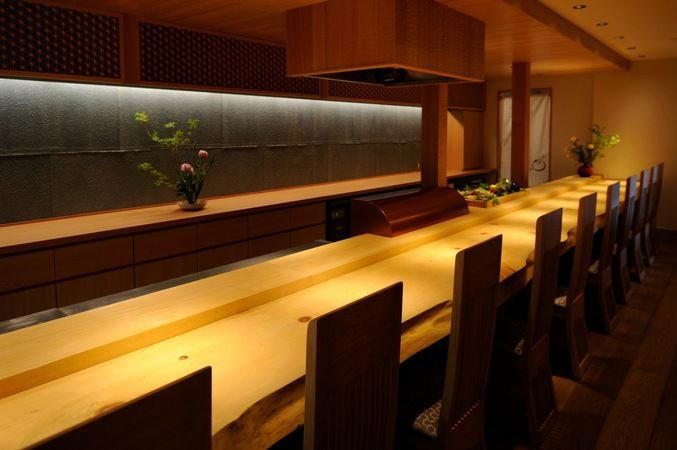
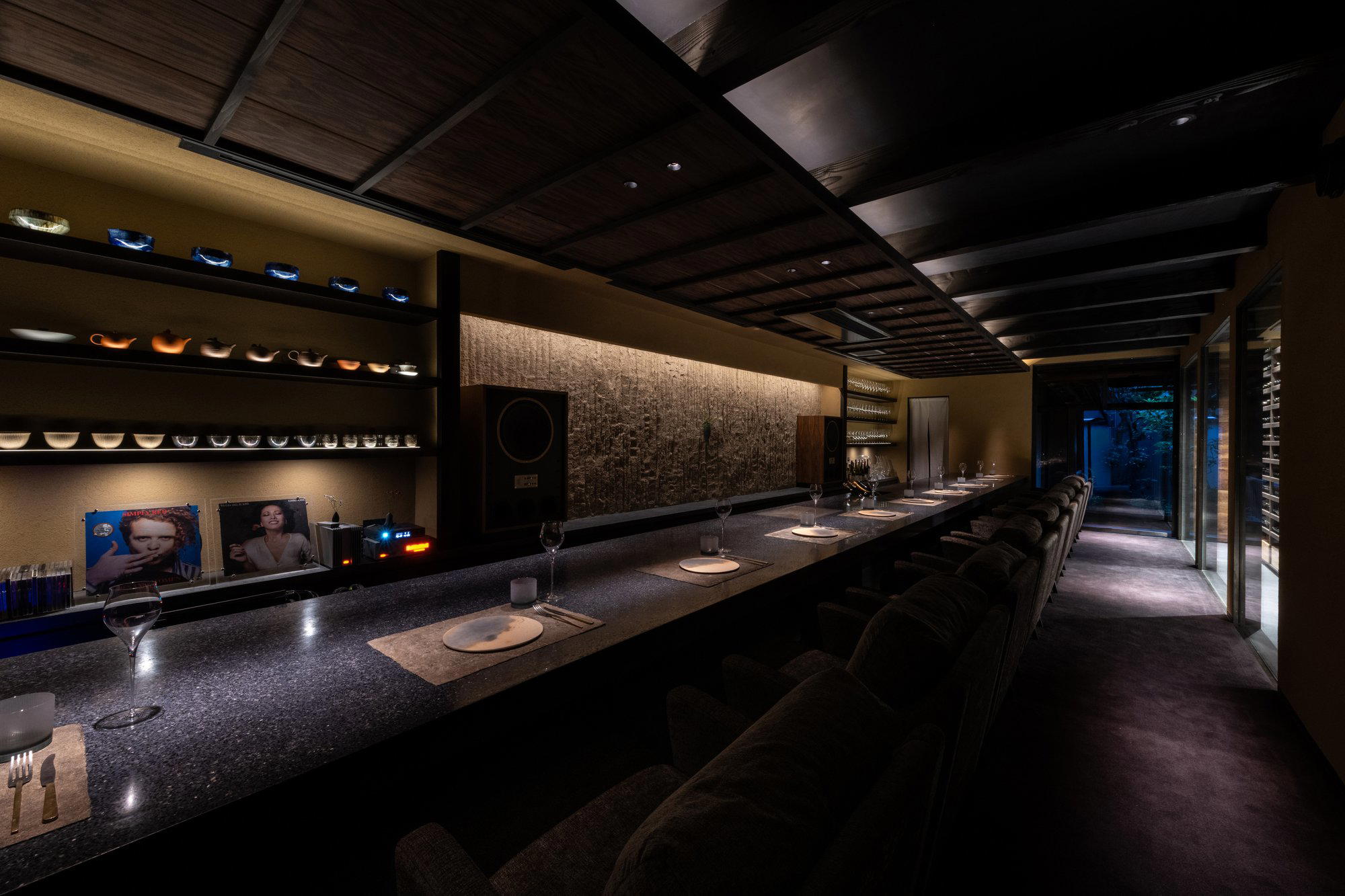
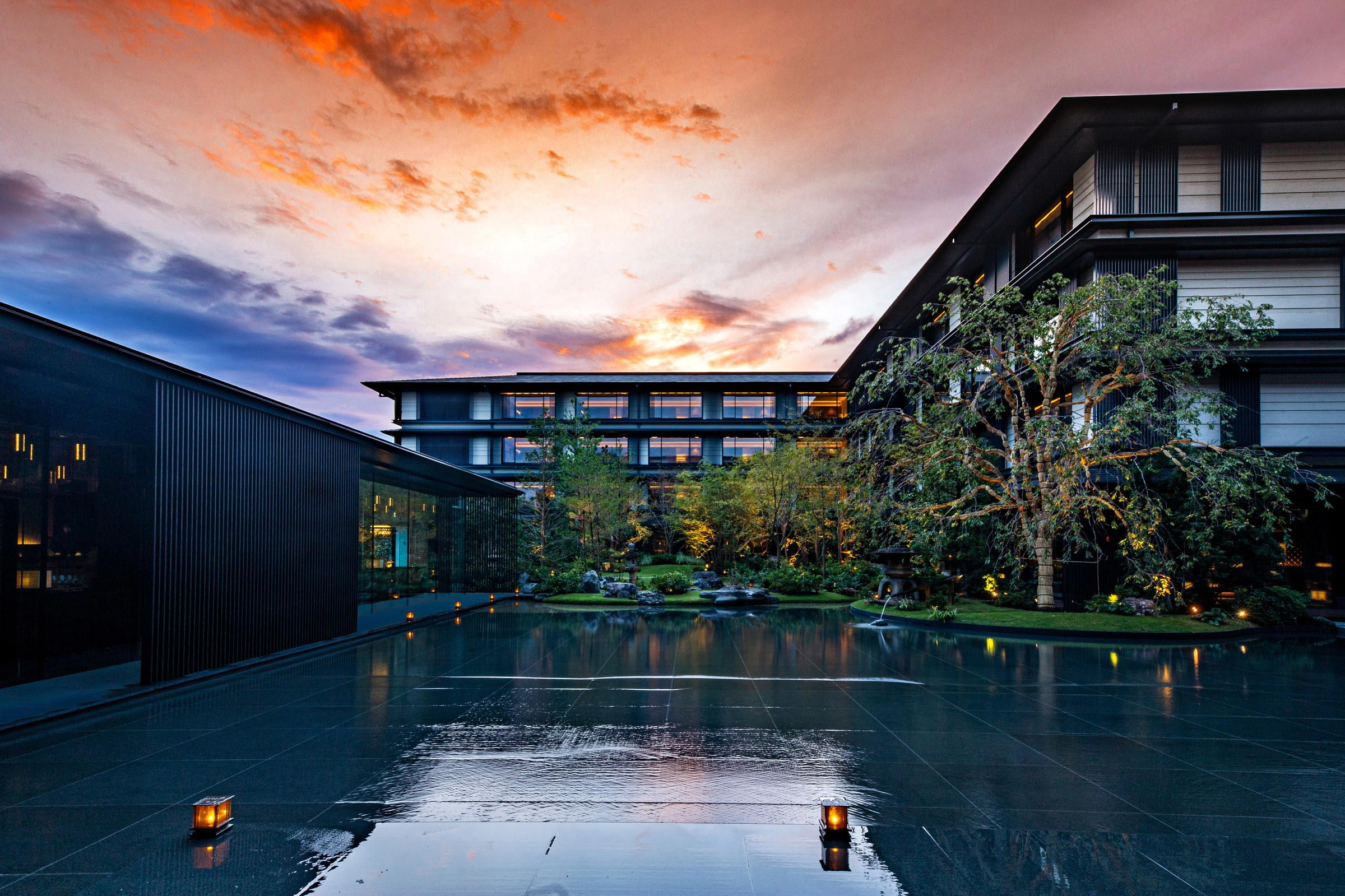
Nakagyo Ward sits at the geographic and cultural centre of Kyoto, not the tourist-facing postcard zone of Higashiyama, nor the rarefied northern reaches of Kamigamo. The district's dining scene tends toward neighbourhood seriousness: restaurants that pull a local following through consistency rather than spectacle. Nakamitsu operates inside that register. The address on Sanbongi, a quiet residential channel in the ward's interior, places this restaurant among the category of Kyoto dining rooms that require intention to find. You arrive because you went looking.
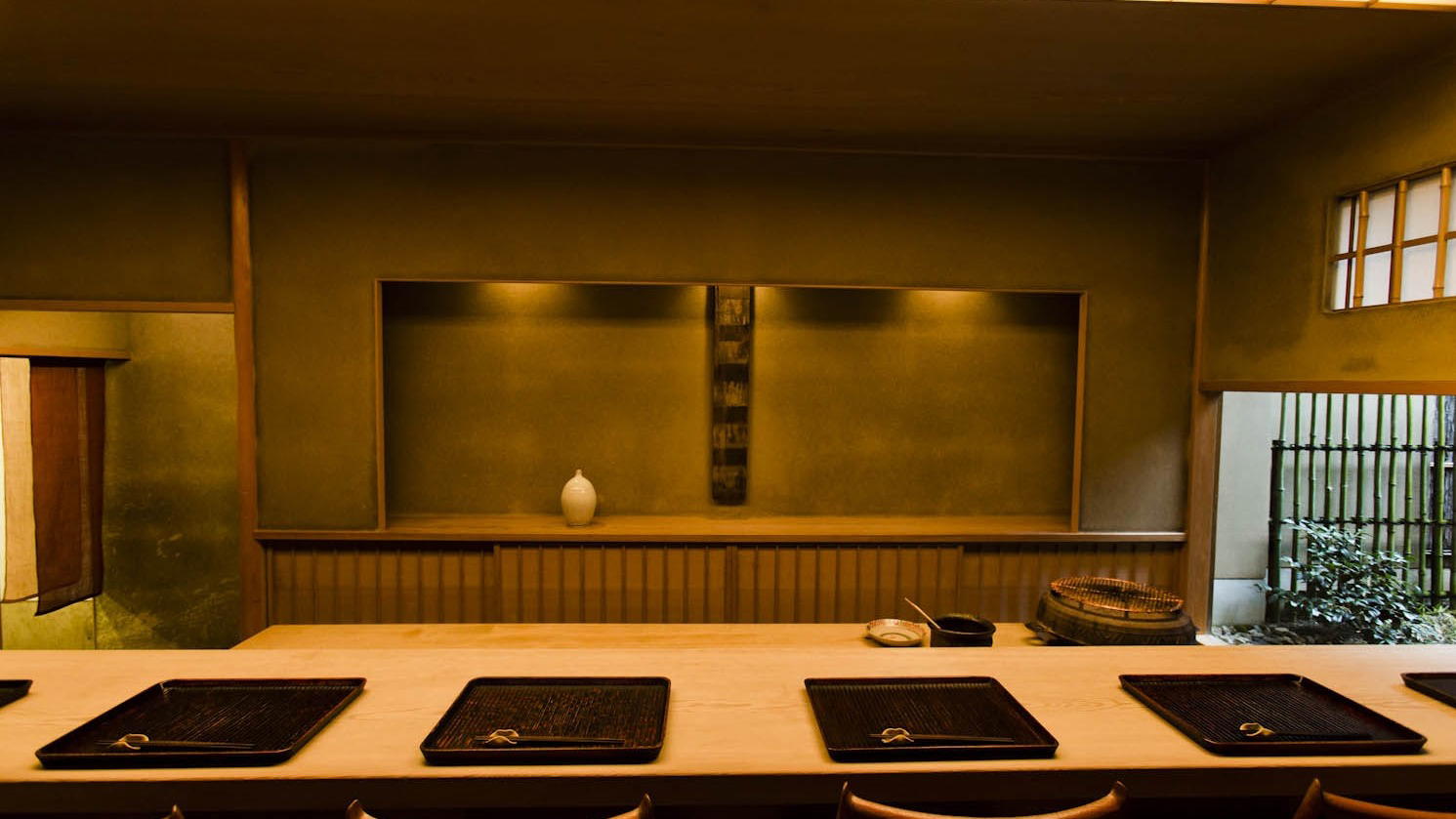
The physical approach already signals something about the meal ahead. Nakagyo's residential blocks do not perform hospitality from the exterior. Entrances are understated, facades are restrained, and the contract between diner and kitchen forms inside, not on the street. This is one of the consistent architectural and social truths about serious Japanese dining outside the major hotel corridors: the room earns its atmosphere through what happens within it.
The Dashi Question, and What It Reveals About the Kitchen
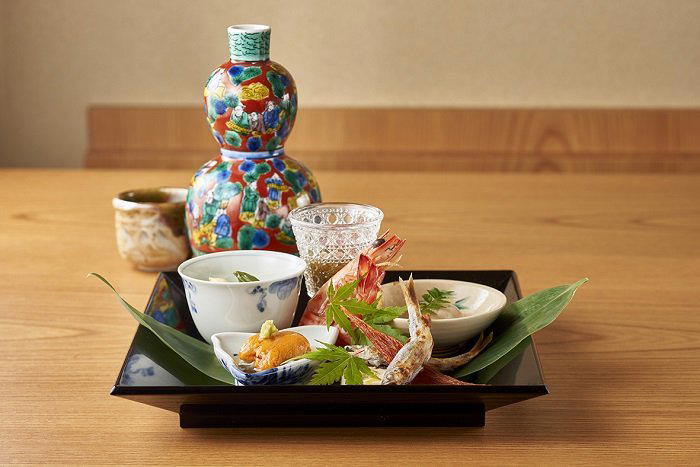
Japanese cuisine at this level lives or dies by its foundational stocks. The kitchen's documented practice of resting dashi over time, rather than using it immediately, is worth treating as more than a production note. It reflects a philosophy shared by the most methodical practitioners in the kaiseki and Japanese fine-dining tradition: that flavour is not simply extracted, it is developed, and patience is a technique in itself.
In Kyoto's premium Japanese dining tier, where venues like Isshisoden Nakamura and Gion Matayoshi occupy the upper price brackets, the distinguishing variables between restaurants are often these sub-visible decisions: how stock is handled, when ingredients are sourced, and how much time is built into preparation as a structural element of service. Nakamitsu's ¥¥¥ positioning, one tier below the ¥¥¥¥ rooms, does not mean a compromise on those decisions, only a different equation around scale and formality.
Recipes at Nakamitsu go through repeated testing cycles before entering the menu rotation. This is standard practice at serious Japanese kitchens but less frequently documented openly. The kitchen's willingness to name this process is, in itself, a statement about where the restaurant sits on the spectrum between technique-led and presentation-led dining.
Sake, Beverages, and the Pairing Architecture
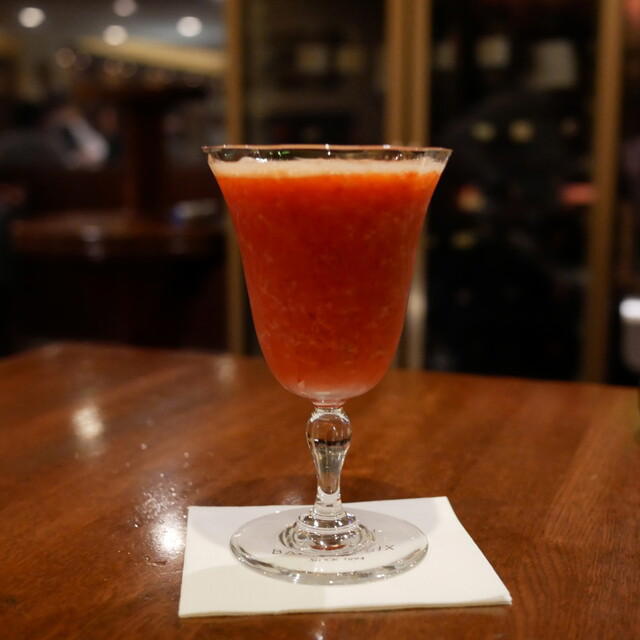
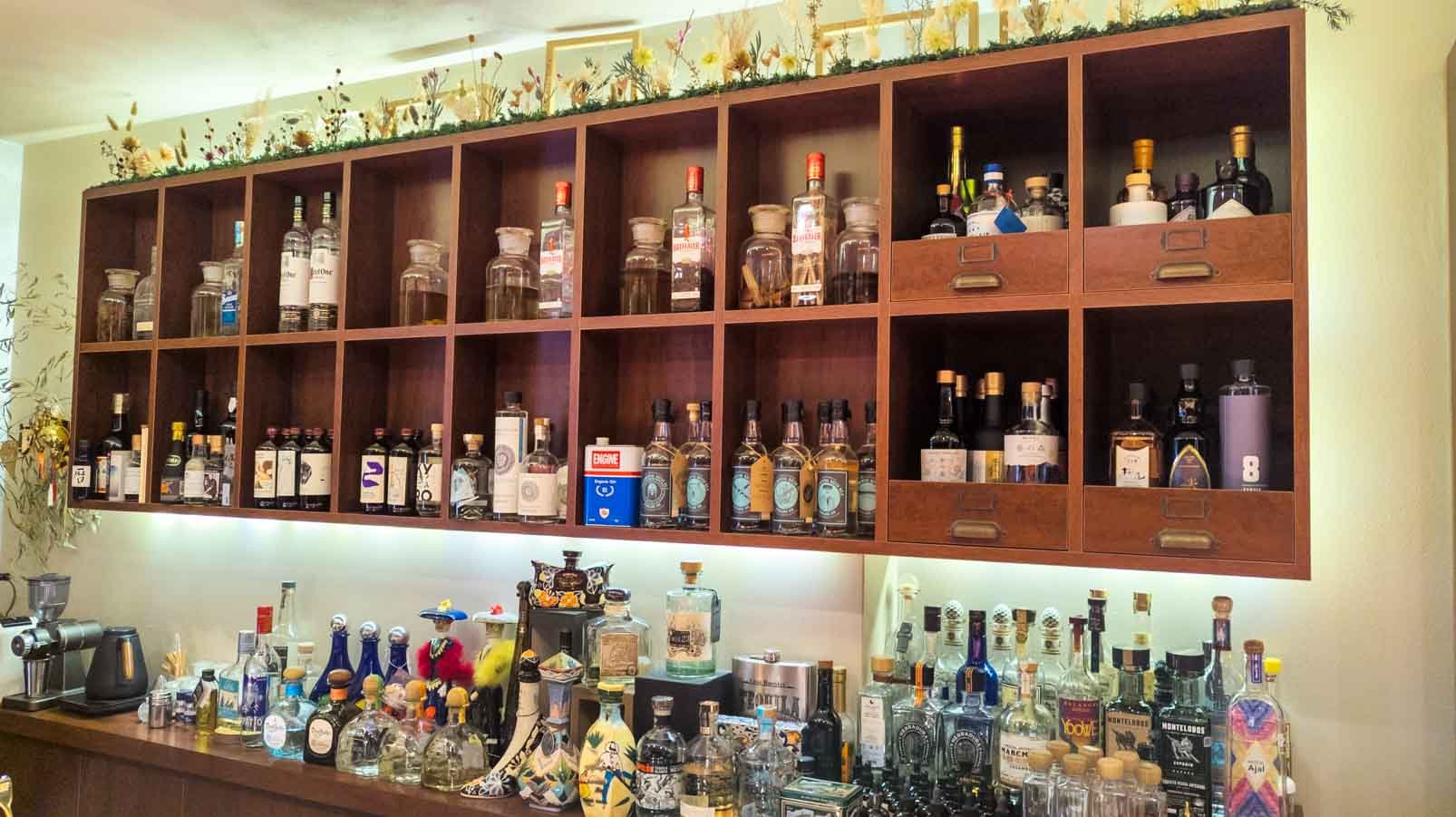
The editorial angle for Nakamitsu is partly a beverage story, and specifically a sake story. In Kyoto's mid-tier Japanese dining rooms, the sake programme often functions as the clearest indicator of the kitchen's ambitions. A kitchen that takes this much care over dashi resting times will almost certainly apply the same logic to how it thinks about pairing: what amplifies the stock's depth, what cuts across the fat in a simmered dish, what serves the oscillation between old and new on the menu.
Kyoto sits at the northern edge of the Kinki region, and local breweries from Fushimi, one of Japan's three major sake-producing zones, are geographically proximate and frequently featured in Kyoto's serious dining rooms. Fushimi sake is characterised by its soft, mineral-influenced water profile, which produces styles that tend toward gentle umami and clean finish: a structural fit for the layered, stock-forward cooking that defines this city's cuisine.
The interplay between traditional and contemporary elements on Nakamitsu's menus extends logically to the glass. A kitchen that alternates between classical methods and modern alterations is unlikely to serve a static, tradition-only sake list. The most attentive Kyoto rooms at this price tier now include aged sake (koshu), sparkling nihonshu, or natural-process expressions alongside the flagship junmai daiginjo pours. These represent a small but meaningful shift in how beverage directors at Japanese restaurants frame sake as a category, less of a categorical given, more of a curated argument.
Menu Architecture: Old Framing, New Content
The documented approach at Nakamitsu describes a tension between traditional reference and contemporary alteration as a deliberate signature, not an accident of inconsistency. This is a different posture from the strictly seasonal kaiseki framework that governs rooms like Kikunoi Roan or the deeply classical structure at Kenninji Gion Maruyama. The menu at Nakamitsu appears to hold both orientations simultaneously, which requires more navigation from the diner and more skill from the kitchen.
Japanese cuisine's long tradition of adapting without abandoning, incorporating Chinese elements in the Tang period, Portuguese frying techniques in the sixteenth century, French plating logic in the late twentieth, means this dialogue between old and new is not novel as a concept. What makes it interesting at a restaurant level is execution: whether the alternations feel considered or arbitrary, whether they serve the ingredient or the chef's expression. Nakamitsu's Michelin Plate recognition in 2024 indicates the former: Michelin's inspectors, particularly in Japan, are precise about noting kitchens that impose trend at the expense of craft.
Placing Nakamitsu in the Kyoto Field
Kyoto's Japanese restaurant scene separates broadly into three tiers by price and formality. At the leading, ¥¥¥¥ kaiseki houses like Kodaiji Jugyuan operate with ceremony and deep seasonal architecture. At the accessible end, neighbourhood izakayas and kaiseki-adjacent lunch menus absorb the daily traffic. Nakamitsu's ¥¥¥ position occupies the serious but not ceremonial middle ground: a room where the cooking is the primary reason to visit, without the formality that can feel alienating to diners less versed in kaiseki ritual.
Across Japan, the ¥¥¥ Japanese dining tier consistently produces kitchens with notable technique and lower barriers to spontaneous booking. For comparison, Tokyo rooms in this bracket, such as Myojaku and Azabu Kadowaki, operate in a similarly rigorous space, where Michelin-level precision does not require Michelin Star pricing. Harutaka in Tokyo and HAJIME in Osaka represent the higher-bracket comparators.
Planning Your Visit
Nakamitsu sits in Nakagyo Ward, centrally located within Kyoto and accessible from the main Kyoto Station corridor.
| Venue | Cuisine / Type | Price Tier | Recognition |
|---|---|---|---|
| Nakamitsu | Japanese | ¥¥¥ | Michelin Plate 2024 |
| Gion Sasaki | Kaiseki / Japanese | ¥¥¥¥ | Higher tier comparator |
| Ifuki | Kaiseki | ¥¥¥¥ | Higher tier comparator |
| cenci | Italian | ¥¥¥ | Same price tier, different cuisine |
| Kyo Seika | Chinese | ¥¥¥ | Same price tier, different cuisine |
As with most serious Japanese dining rooms in this city, advance reservation is advisable, particularly for weekend evenings during spring (late March through early May) and autumn (October through November), when Kyoto's visitor density is at its highest and competition for tables across every price tier intensifies considerably.
For broader planning, see our full Kyoto restaurants guide, our full Kyoto hotels guide, our full Kyoto bars guide, our full Kyoto wineries guide, and our full Kyoto experiences guide. Beyond Kyoto, the broader Kansai dining circuit includes akordu in Nara and, further west, Goh in Fukuoka. For regional contrast, 1000 in Yokohama and 6 in Okinawa represent Japan's broader fine-dining geography.
What to Order at Nakamitsu
What the documented record does confirm is that the menu alternates between classical and contemporary, that the kitchen applies systematic testing to recipes before they reach service, and that dashi quality is treated as foundational rather than incidental. In practical terms: trust the sequence, pay attention to the stock-based courses, and approach the sake pairing as an integrated part of the experience rather than an optional supplement. The kitchen's documented attentiveness to every customer suggests the meal is constructed as a whole, not as a series of independent dishes, which means diverting significantly from the proposed order is likely to work against the intended architecture.
Frequently asked questions
What cuisine category does Nakamitsu fall under?
How much does it cost to eat at Nakamitsu?
Pricing at Nakamitsu is listed as ¥¥¥.
Does Nakamitsu have a Michelin star or similar recognition?
Nakamitsu has received recognition including: The chef is an earnest devotee of everything that makes a restaurant great, thanks to careful study of ingredients, culinary technique and attention to every customer. Recipes are tested over and over to get the flavour just right. Knowing ….
What's the must-try dish at Nakamitsu?
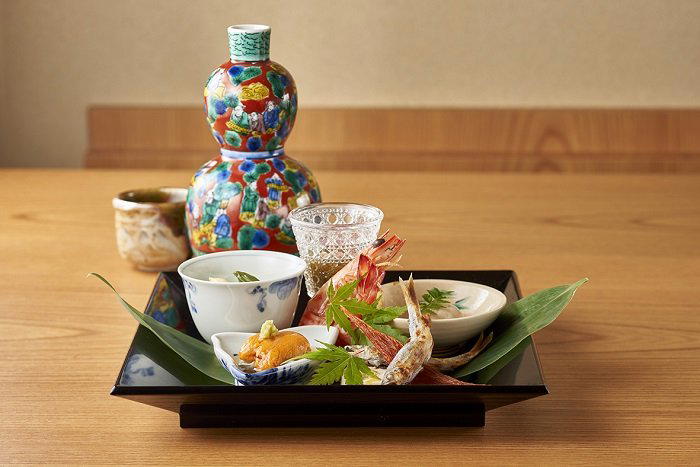
No specific dishes are confirmed in available data, and this kitchen's documented approach makes the question harder to answer than usual. The defining element at Nakamitsu is its dashi, the stock is rested over time rather than drawn immediately, a practice the 2024 Michelin Plate recognition implicitly endorses as a marker of kitchen seriousness. Order whatever course features the stock most directly and you will be closer to the kitchen's identity than any single named dish could indicate.
| Venue | Cuisine | Price | Awards | Notes |
|---|---|---|---|---|
| NakamitsuThis venue (the venue you are viewing) | Modern Japanese Omakase | $150–200 | 1 Michelin Star | Not listed |
| Gion Sasaki | Modern Kaiseki | $300–500 | 3 Michelin Stars · La Liste Top Restaurants | Kaiseki, Japanese |
| cenci | Innovative Italian-Japanese Fusion | $100–150 | 1 Michelin Star · World's 50 Best #76 | Italian |
| Ifuki | Sumibi Kappo Kaiseki | $200–300 | 2 Michelin Stars · La Liste Top Restaurants | Kaiseki |
| Kyokaiseki Kichisen | Kyoto Kaiseki | $200–300 | 2 Michelin Stars · La Liste Top Restaurants | Japanese |
| Kyo Seika | Modern Chinese Fine Dining | $150–200 | 1 Michelin Star · Tabelog Bronze #216 | Chinese |
Recognition history
Dated appearances from independent guides and award organizations, with the underlying list record or original source where available.
Michelin 1 Star
Michelin
Full recognition history (2 entries)
Michelin Plate
Michelin