Momoyama
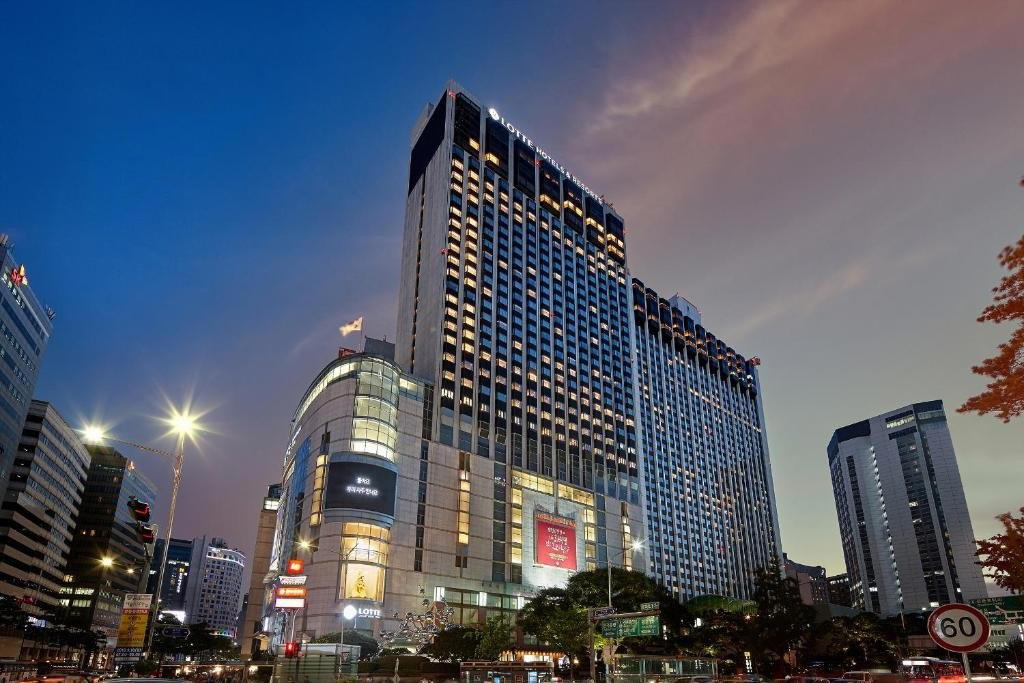
Momoyama occupies the 38th floor of Lotte Hotel Seoul's Main Tower in Jung District, positioning it among Seoul's high-altitude dining addresses where the room itself is part of the proposition. The restaurant draws a loyal clientele that returns for the combination of elevation, Japanese culinary tradition, and a format that prioritises consistency over novelty. Located on Eulji-ro, it sits within reach of the city's established fine-dining corridor.
Pearl is the En Primeur Club membership app — saves, bookings, and concierge access live there. Same editors, same standards.
- Address
- South Korea, Seoul, Jung District, Eulji-ro, 30 롯ë°í¸í ìì¸ Main Tower 38층
- Phone
- +8223177031
- Website
- lottehotel.com
- Directions
- Get directions
 Saves & bookings on Pearl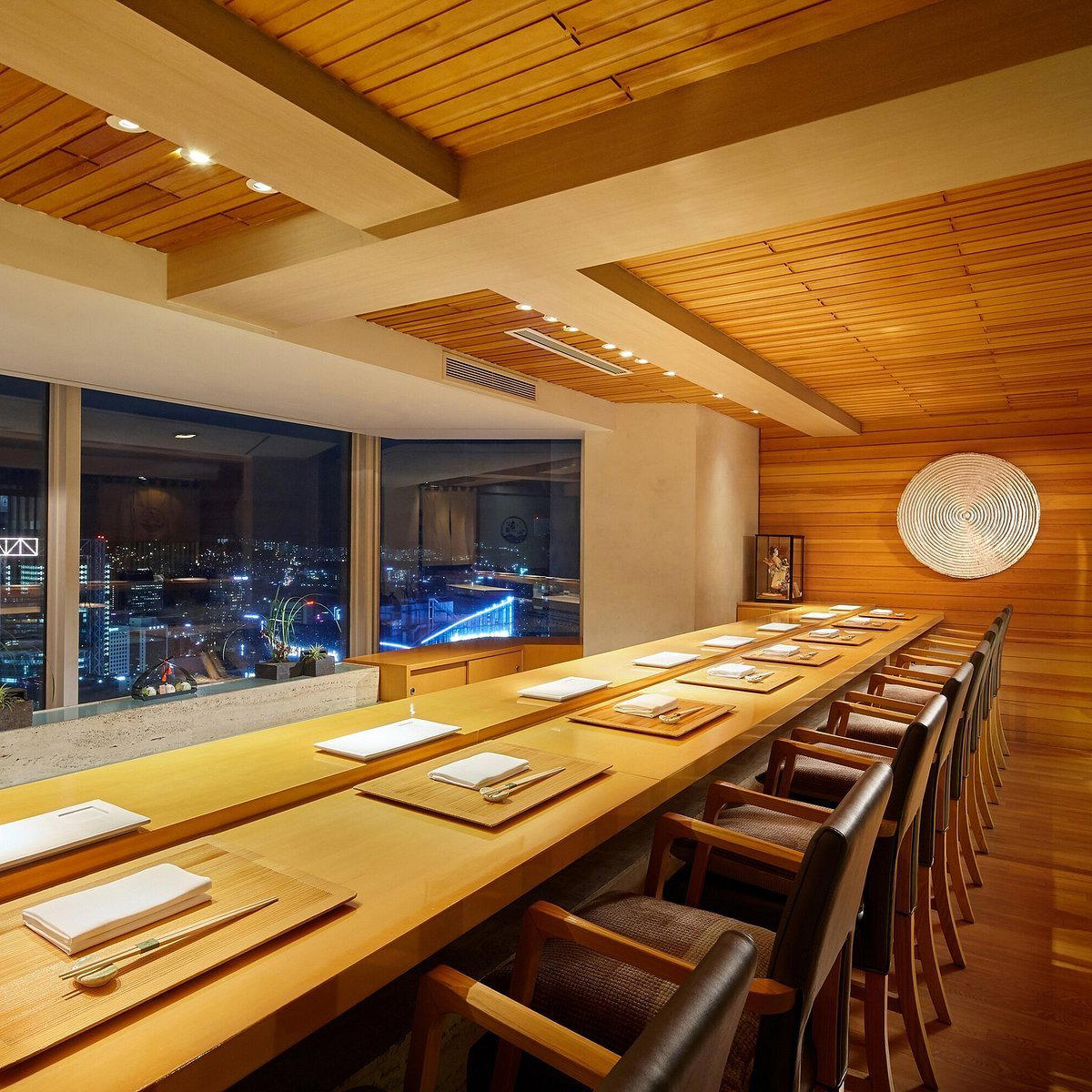
Dining at Altitude in Jung District
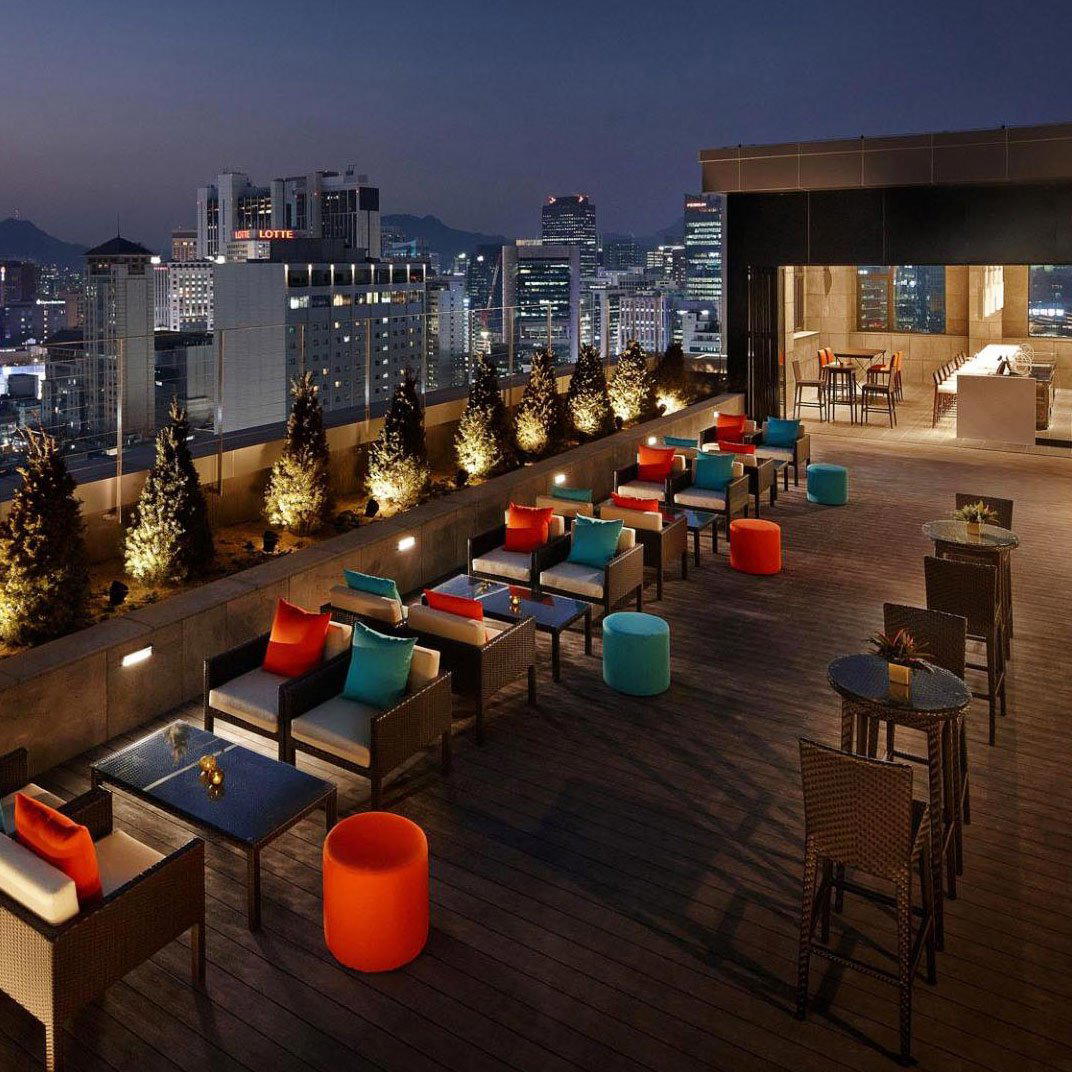
Seoul's fine-dining scene has a geography as much as a culinary logic. The addresses that serious regulars return to repeatedly tend to cluster either in the low-rise neighbourhood texture of Cheongdam and Garosu-gil, or at altitude inside the major hotel towers that anchor the city's commercial core. Momoyama is a luxury Japanese kaiseki and omakase restaurant in Seoul's Jung District, with a price point of about USD 170 per person. Positioned on the 38th floor of Lotte Hotel Seoul's Main Tower on Eulji-ro in Jung District, it operates in a tier where the view across the city's skyline is part of the contract between venue and guest. High-floor hotel dining in Seoul carries specific expectations around service register, formality of presentation, and the kind of occasion it anchors, and Momoyama's long-standing presence at this address signals that it has sustained those expectations across a loyal repeat audience.
The hotel tower format in Seoul has historically favoured Japanese cuisine at its premium tier, a pattern with roots in the deep culinary exchange between Japan and Korea and the prestige associated with refined Japanese cooking among Seoul's business and diplomatic class. Momoyama fits that pattern. Its location inside one of the city's most recognisable luxury hotel properties places it in a competitive set that includes the Japanese dining rooms of other major hotel towers, where the question regulars ask is not whether the food is technically accomplished, but whether the room, the service rhythm, and the occasion architecture hold up visit after visit.
What Keeps Regulars Coming Back
The loyalty pattern at venues like Momoyama is rarely about a single dish or a seasonal menu reveal. It is about the reliability of a format that absorbs corporate dinners, anniversary meals, and client entertainment with equal composure. Seoul's high-floor hotel restaurants occupy a specific social function: they are the rooms where decisions get made over dinner, where a table by the window carries implicit status, and where the service team is expected to read the room without being asked. Regulars at this tier are not chasing novelty; they are investing in a consistent experience that reflects on them as hosts.
Japanese cuisine at this level in Seoul tends to operate across a spectrum from teppanyaki and kaiseki to sushi-counter formats, each with its own pace and social dynamic. The teppanyaki format, in particular, rewards repeat visits because the theatre of preparation at the table is both a conversation anchor and a way to control the rhythm of a long business dinner. Kaiseki-adjacent formats reward guests who understand the sequence and can guide guests unfamiliar with the structure. In either case, knowledge accrued across multiple visits pays dividends, which is precisely why this category of restaurant builds regulars rather than one-time visitors.
Restaurants like Mingles and Jungsik have built their reputations on chef-driven evolution, where each season's menu is itself a reason to return. Kwonsooksoo anchors itself in classical Korean culinary tradition. alla prima and Soigné operate in the innovative tier where the room is younger and the format more exploratory. Momoyama's regulars are drawn from a different cohort: guests who prioritise occasion architecture over culinary adventure, and who find the combination of altitude, Japanese precision, and hotel-service standards more fitting for the occasions they are hosting.
The Jung District Address
Eulji-ro in Jung District places Momoyama at the heart of Seoul's commercial and hotel concentration, a few minutes from Myeongdong and within reach of the business districts that generate a significant share of the city's high-end restaurant traffic. The Lotte Hotel Seoul complex is one of the anchors of this corridor, drawing both domestic and international guests who tend toward the established over the experimental when choosing a dinner venue. This is an address that functions as a default for a certain kind of corporate or diplomatic dinner, and the geography reinforces the restaurant's identity as a reliable institution rather than a destination driven by menu curiosity.
For comparison, Seoul's newer fine-dining openings have dispersed toward Gangnam, Itaewon, and the neighbourhoods south of the Han River, where the demographic skews younger and the format more likely to involve a chef's counter or an open kitchen. Momoyama's continued presence on the north bank, inside one of the city's oldest luxury hotel properties, positions it as part of an earlier stratum of Seoul fine dining, one that predates the wave of internationally trained Korean chefs who reshaped the city's upper tier over the past decade.
For those travelling beyond Seoul, the EP Club guide covers strong regional options including Mori in Busan and a range of Jeju addresses such as Badang Lounge and Hinode. For a wider view of Seoul's dining across price points and cuisines, the full Seoul restaurants guide covers the city's current range. Further afield, Le Bernardin in New York and Atomix in New York represent comparable tier hotel-adjacent and chef-driven formal dining that Momoyama regulars travelling internationally tend to consider as reference points.
Other Korean regional dining worth noting includes 88돼지 in Jeju, Black Pork BBQ in Seogwipo, Gobojeong Galbi in Suwon, Doosoogobang in Suwon, Hwangnam Bread and Busan Steamed Bun in Gyeongju, Gyeongju Wonjo Kongguk, and Dining Room in Busan.
Planning Your Visit
Momoyama is located on the 38th floor of Lotte Hotel Seoul's Main Tower, addressed at 30 Eulji-ro, Jung District. Guests staying at the hotel have direct access via the tower lifts, while outside guests should allow time for the hotel lobby and lift queue, particularly on weekend evenings when the hotel's dining floors carry heavier traffic. Corporate and group bookings at this tier of Jung District hotel dining typically require advance notice of several days at minimum.
Booking and Cost Snapshot
Comparable venues nearby, for context on price, style, and recognition.
| Venue | Cuisine | Price |
|---|---|---|
| MomoyamaThis venue — the venue you are viewing | Not listed | $$$$ |
| Sushi Sunsoo | 압구정동, Korean-Style Edomae Sushi Omakase | $$$$ |
| ì¼í¤í 리 í¤ì | 노고산동, Premium Yakitori Izakaya | $$$$ |
| Ariake | 광희동, Modern Authentic Japanese Omakase | $$$$ |
| ì °ëíë¼ì´ë¹í¤ì¹ | 이태원동, Authentic Japanese Omakase | $$$$ |
| 아리아케 - Ariake - The Shilla | 광희동, Modern Japanese Omakase | $$$$ |
Continue exploring
More in Seoul
Restaurants in Seoul
Browse all →
At a Glance
- Elegant
- Sophisticated
- Intimate
- Business Dinner
- Date Night
- Special Occasion
- Chefs Counter
- Private Dining
- Panoramic View
- Hotel Restaurant
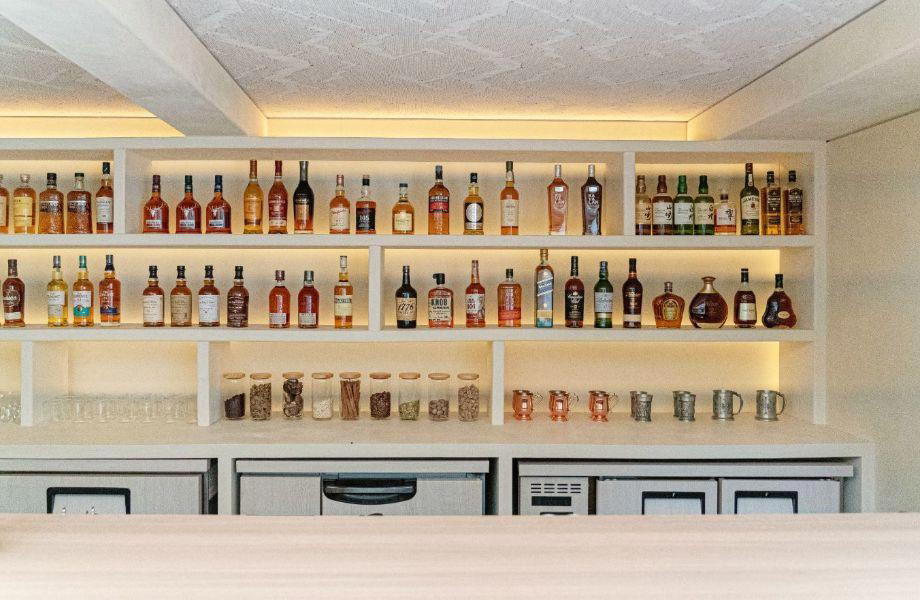
- Sake Program
- Skyline
Current opening hours
- Monday
- 11:30 AM–2:30 PM, 5:30–9:30 PM
- Tuesday
- 11:30 AM–2:30 PM, 5:30–9:30 PM
- Wednesday
- 11:30 AM–2:30 PM, 5:30–9:30 PM
- Thursday
- 11:30 AM–2:30 PM, 5:30–9:30 PM
- Friday
- 11:30 AM–2:30 PM, 5:30–9:30 PM
- Saturday
- 11:30 AM–2:30 PM, 5:30–9:30 PM
- Sunday
- 11:30 AM–2:30 PM, 5:30–9:30 PM
Hours can change for holidays and private events. Last verified .
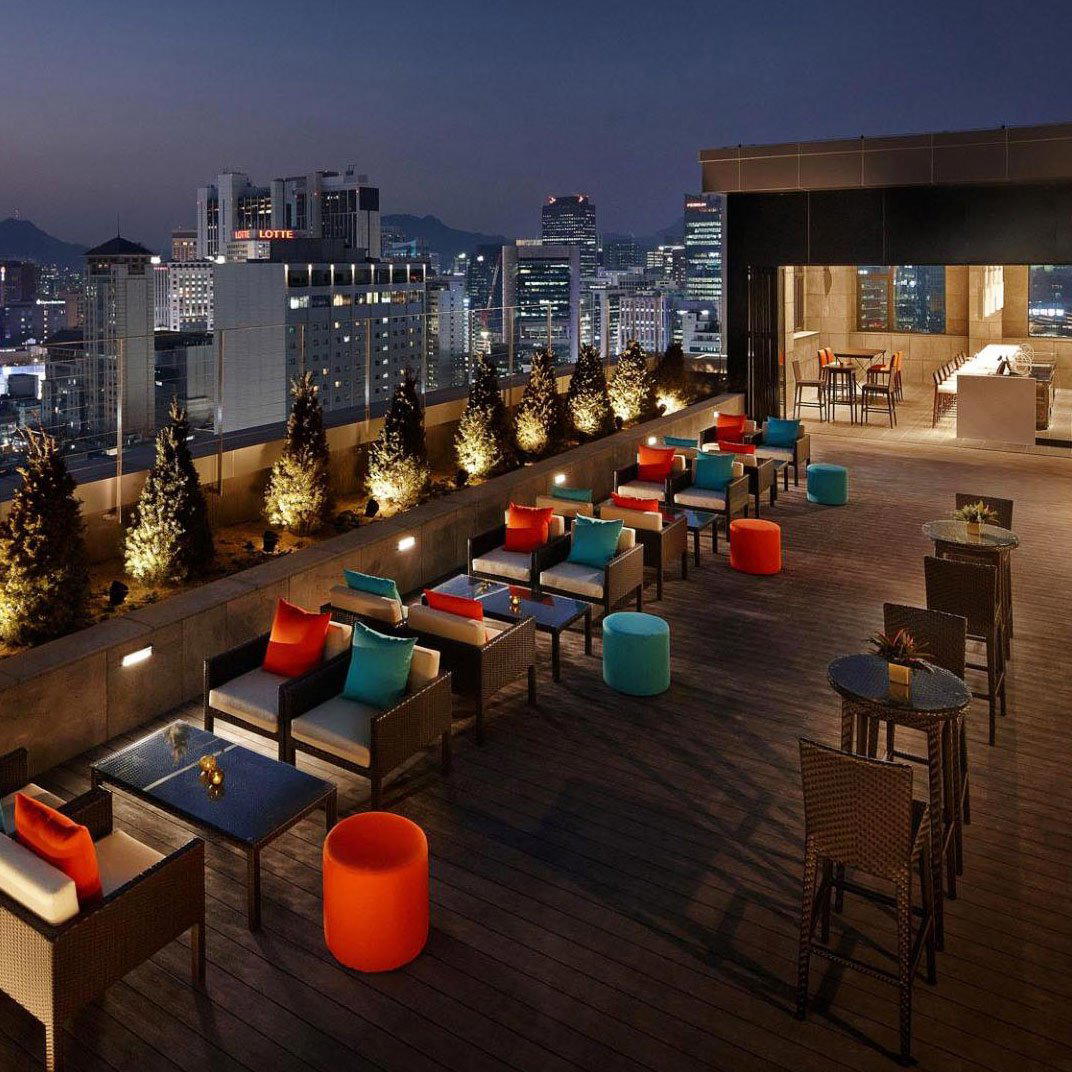
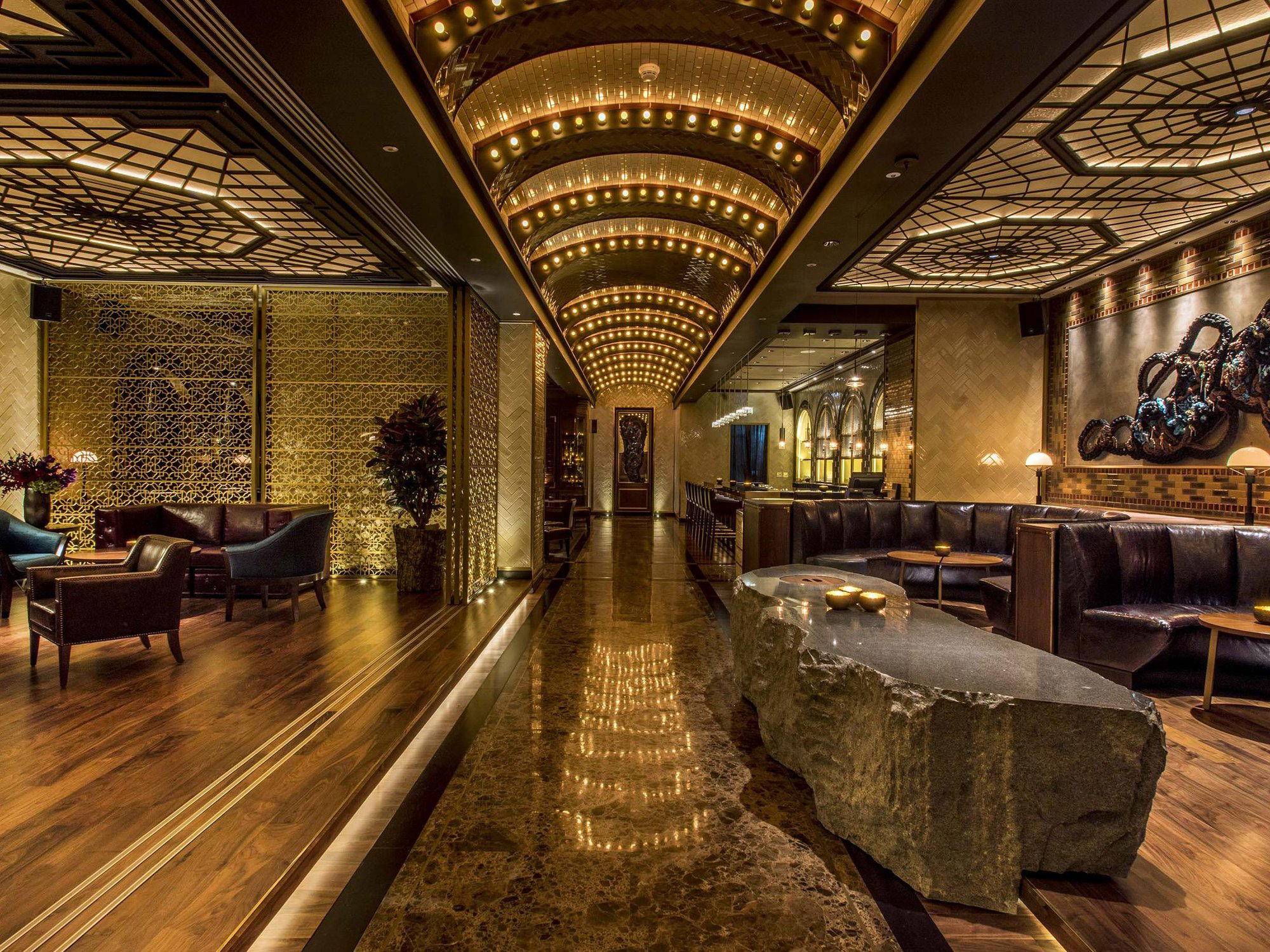
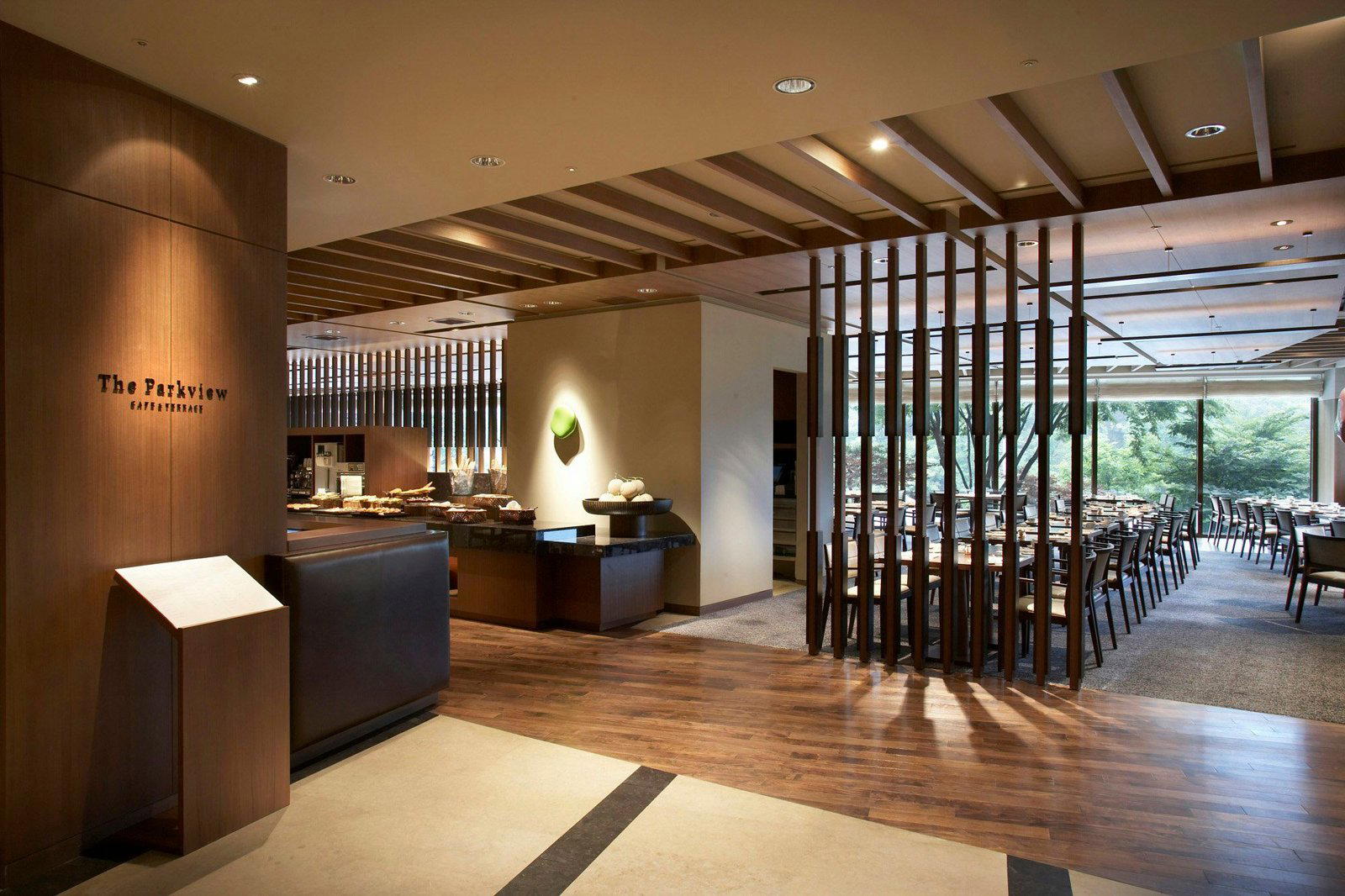
Elegant and serene atmosphere with floor-to-ceiling windows offering dramatic sunset and city views, complemented by minimalist design and private rooms.