Sushi Sunsoo
Sushi Sunsoo occupies Gangnam's Dosan-daero corridor, where a generation of Seoul diners has quietly shifted its expectations for Japanese counter dining. The address places it inside one of the city's most concentrated fine-dining precincts, alongside Korean and contemporary venues that compete for the same reservation-first clientele. Sourcing discipline and counter-format precision are the operative currencies here.
Pearl is the En Primeur Club membership app — saves, bookings, and concierge access live there. Same editors, same standards.
- Address
- South Korea, Seoul, Gangnam District, Dosan-daero 45-gil, 6 í¸ë¦¼ìí¸ì¼í° 2ë¹ë©
- Phone
- +8225140812
- Website
- sushisunsoo.modoo.at
- Directions
- Get directions
 Saves & bookings on Pearl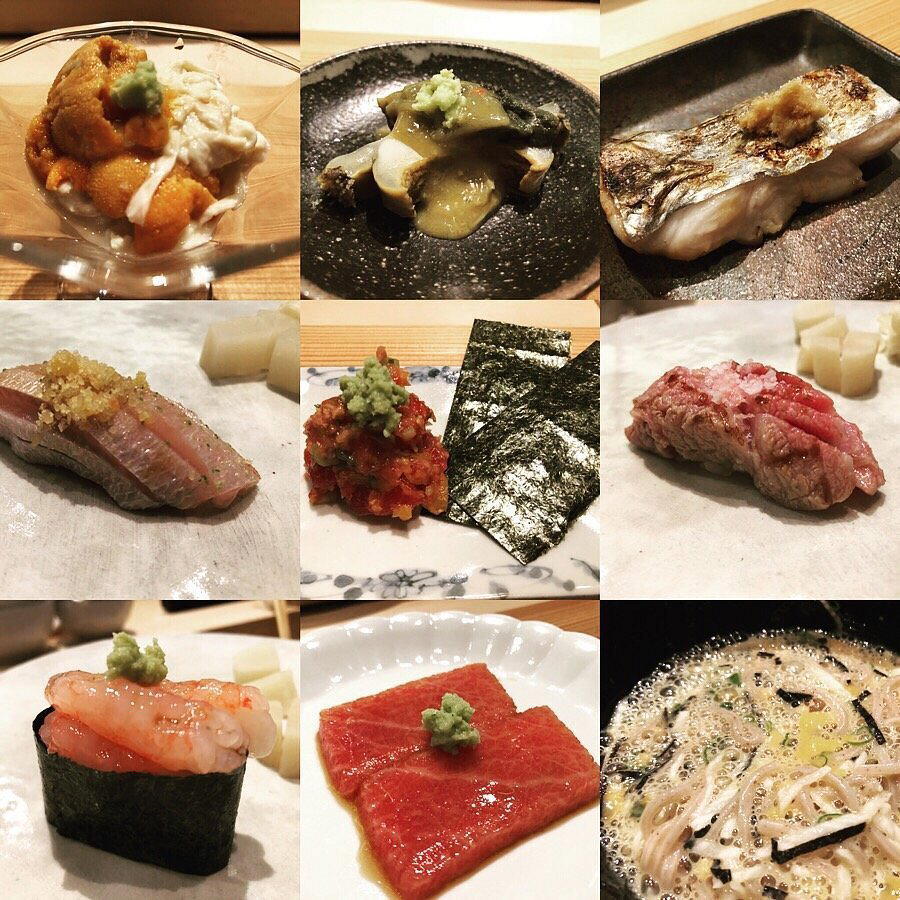
Counter Dining in Gangnam: What the Address Tells You
Dosan-daero and its side streets form one of Seoul's most legible fine-dining corridors. The stretch running through Gangnam's Apgujeong and Sinsa neighbourhoods has accumulated, over the past decade, a density of tasting-menu restaurants that now competes with any comparable strip in Tokyo or Hong Kong. Mingles, Jungsik, and Kwonsooksoo have all anchored that reputation from within the same general radius. Sushi Sunsoo on Dosan-daero 45-gil sits inside that context.
The physical approach matters in this part of Gangnam. The neighbourhood rewards the pedestrian who is already looking: low-rise mixed-use buildings give way to discrete entrances, and the density of notable restaurants per block means that passing foot traffic is rarely the clientele. Sushi Sunsoo's address at Lim Art Center 2nd Building suggests exactly the kind of building that contains a destination rather than advertising one. That restraint is a consistent signal across Seoul's premium counter-dining category.
Sourcing as the Central Argument
The editorial logic of high-end sushi in Korea turns on a single question that does not apply in Tokyo: where does the fish come from, and how much of the sourcing gap between Japanese and Korean waters can be closed by skill, relationship, and logistics? Seoul's serious omakase counters have spent the better part of fifteen years working on that problem. The answer, increasingly, is that proximity to Japan's wholesale markets via air freight, combined with access to Korea's own coastal fisheries in the South Sea and around Jeju, has made the sourcing picture genuinely competitive.
Korea's domestic seafood tradition is substantial. The country's southern coastline and Jeju Island produce flounder, sea bream, abalone, and seasonal varieties of shellfish that feature in high-end Japanese preparation just as readily as in Korean ones. For a Seoul sushi counter, the ability to draw on both Jeju-adjacent waters and established import channels into Tsukiji and Toyosu represents a sourcing range that a comparable counter in a landlocked European city could not replicate. This is the structural advantage that Seoul's premium sushi tier has built its credibility on, and it is the frame through which Sushi Sunsoo's position in the Dosan-daero corridor makes most sense.
Across Korea's wider dining geography, sourcing specificity is becoming a marker of seriousness. Mori in Busan draws on proximity to the Jagalchi market, one of Korea's largest seafood hubs. Jeju-based venues like Badang Lounge and Hinode operate with the island's own coastal catch as a given. In Seoul, the sourcing argument is more constructed but no less deliberate, and counters in the Gangnam corridor have learned to make it explicit.
Seoul's Sushi Counter Tier: Where Sunsoo Sits
Seoul's omakase market has developed a recognisable internal structure. At the entry tier, counters with six to twelve seats run streamlined menus with a high proportion of imported standard cuts. At the upper tier, counters restrict capacity further, source more seasonally, and price against the logic of what a comparable experience would cost in Ginza or Shinjuku rather than what the Seoul market would bear at volume. Sushi Sunsoo's Gangnam address and the company it keeps, Soigné, alla prima, Zero Complex, place it at the upper end of that framework.
The comparison to Tokyo is useful but has limits. Ginza's three-star omakase counters operate inside a century of established sushi culture, with access to the world's most concentrated wholesale fish market and a domestic clientele that grew up with the format. Seoul's premium sushi counters are a younger category, roughly twenty years old in its serious form, and they have developed partly by importing Japanese counter discipline and partly by adapting it to Korean dining expectations around pacing, hospitality warmth, and the willingness to integrate Korean sourcing where it genuinely improves the product. Atomix in New York represents a different kind of Korean fine dining export, but the underlying dynamic, Korean culinary precision meeting an imported format, is structurally similar.
For diners who have benchmarked against both Seoul's Korean tasting-menu circuit and its Japanese counter options, the interesting comparison is less Tokyo versus Seoul and more: what does this counter do that the contemporary Korean fine-dining rooms nearby do not? The answer is format discipline. An omakase counter controls the entire meal structure in a way that a tasting menu with options does not. The chef's read of the fish that day determines the sequence. That constraint is also the point.
The Gangnam Fine-Dining Network
Dining well in this part of Seoul requires treating the neighbourhood as a system rather than a single destination. The Dosan-daero corridor operates on reservation logic: most of its serious restaurants book weeks or months ahead, and same-day availability at the premium end is rare. That applies across categories, Korean tasting rooms like Kwonsooksoo and contemporary-format venues like alla prima run on the same model. Visitors planning a Seoul dining itinerary should treat the restaurant and its neighbours as a cluster requiring advance coordination rather than a sequence of drop-ins.
Beyond Gangnam, Korea's wider restaurant geography rewards the same advance planning discipline. Gobojeong Galbi in Suwon and Doosoogobang represent the kind of destination dining that extends Seoul-based itineraries toward the broader Gyeonggi region. Jeju's dining scene, anchored by places like 88돼지 and Black Pork BBQ in Seogwipo, is a different register entirely but relevant context for understanding how Korea's sourcing geography works from the ground up.
For those interested in how Korean fine dining translates globally, Atomix in New York and Le Bernardin offer useful comparisons: venues where sourcing discipline and counter-format precision have earned long-term critical recognition in competitive markets. Sunsoo operates in a city where that standard is increasingly the expectation, not the exception.
Know Before You Go
Planning Details
- Location: Dosan-daero 45-gil, Gangnam District, Seoul (Lim Art Center 2nd Building)
- Format: Omakase counter, Gangnam fine-dining tier
- Booking: Advance reservation strongly advised; same-day availability is not typical for counters at this level in Gangnam
- Getting there: Sinsa Station (Seoul Metro Line 3) is the nearest subway stop; the Dosan-daero area is a short walk or taxi from there
- Neighbourhood context: The Dosan-daero corridor is Seoul's most concentrated premium dining strip; allow time to explore before or after
- Booking is essential.
Compact Comparison
Comparable venues nearby, for context on price, style, and recognition.
| Venue | Cuisine | Price | Notes |
|---|---|---|---|
| Sushi SunsooThis venue — the venue you are viewing | 압구정동, Korean-Style Edomae Sushi Omakase | $$$$ | Not listed |
| ì °ëíë¼ì´ë¹í¤ì¹ | 이태원동, Authentic Japanese Omakase | $$$$ | Not listed |
| Sushi Sora Daechi | Samseong-dong, Japanese Sushi Omakase | $$$$ | Not listed |
| Momoyama | Not listed | $$$$ | Sajik-dong, Luxury Japanese Kaiseki and Omakase |
| JUNGDON (정돈) | Hongdae, Japanese Tonkatsu | $$ | Not listed |
| Tenjimon | Noyu-dong, Modern Japanese Kaiseki | $$$$ | Not listed |
At a Glance
- Elegant
- Sophisticated
- Intimate
- Date Night
- Special Occasion
- Chefs Counter
- Sake Program
Current opening hours
- Monday
- 12–10 PM
- Tuesday
- 12–10 PM
- Wednesday
- 12–10 PM
- Thursday
- 12–10 PM
- Friday
- 12–10 PM
- Saturday
- 12–10 PM
- Sunday
- 12–10 PM
Hours can change for holidays and private events. Last verified .
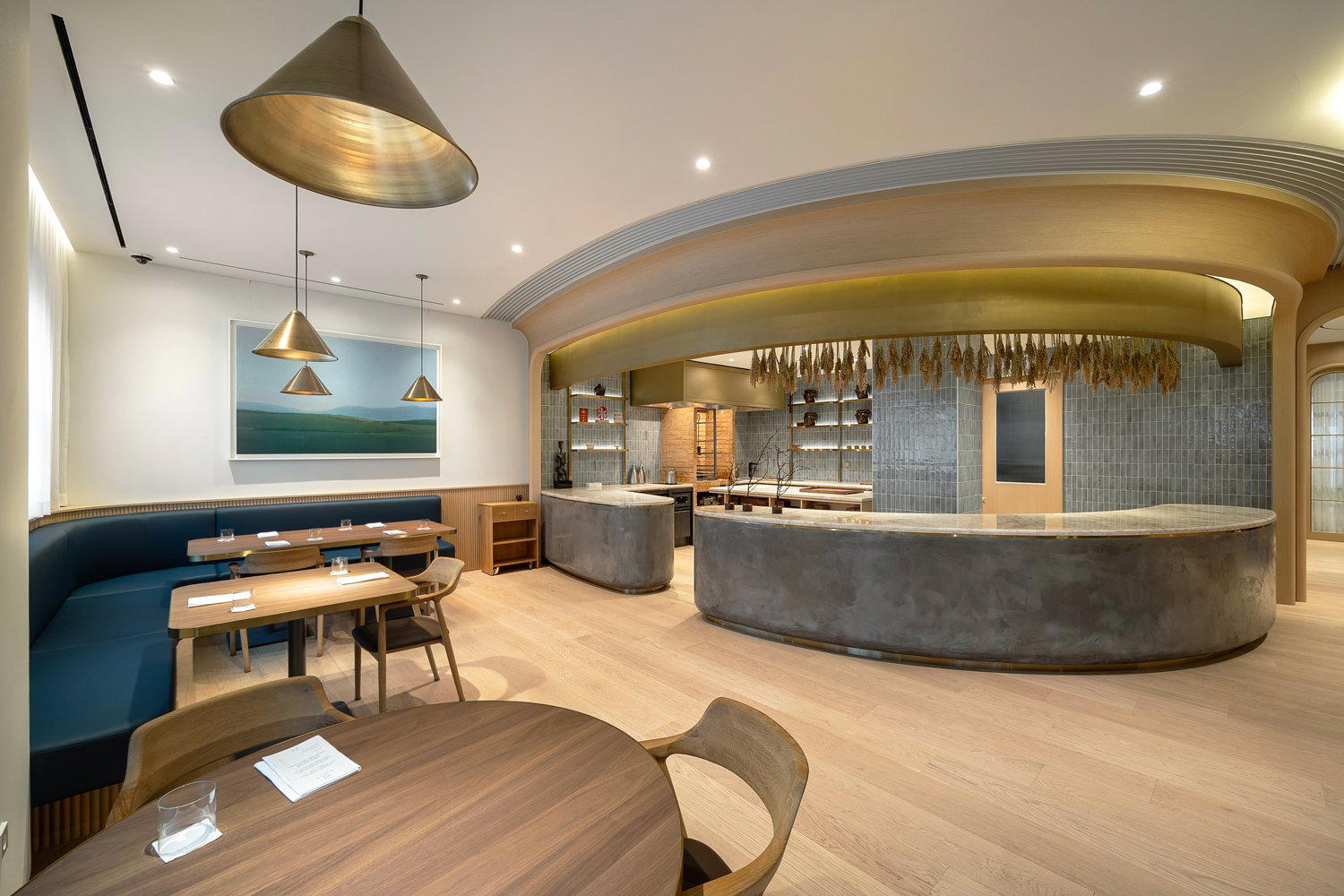
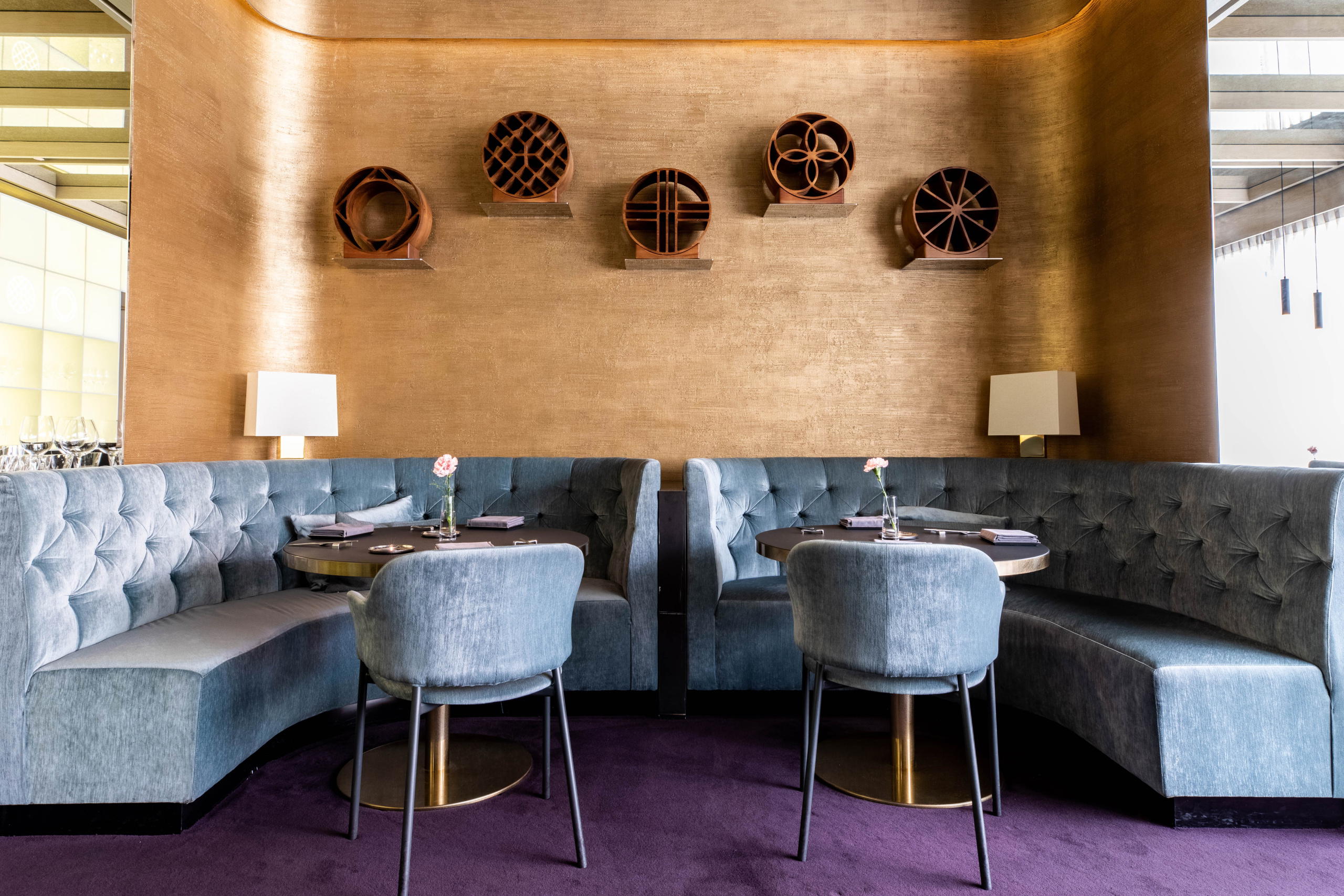
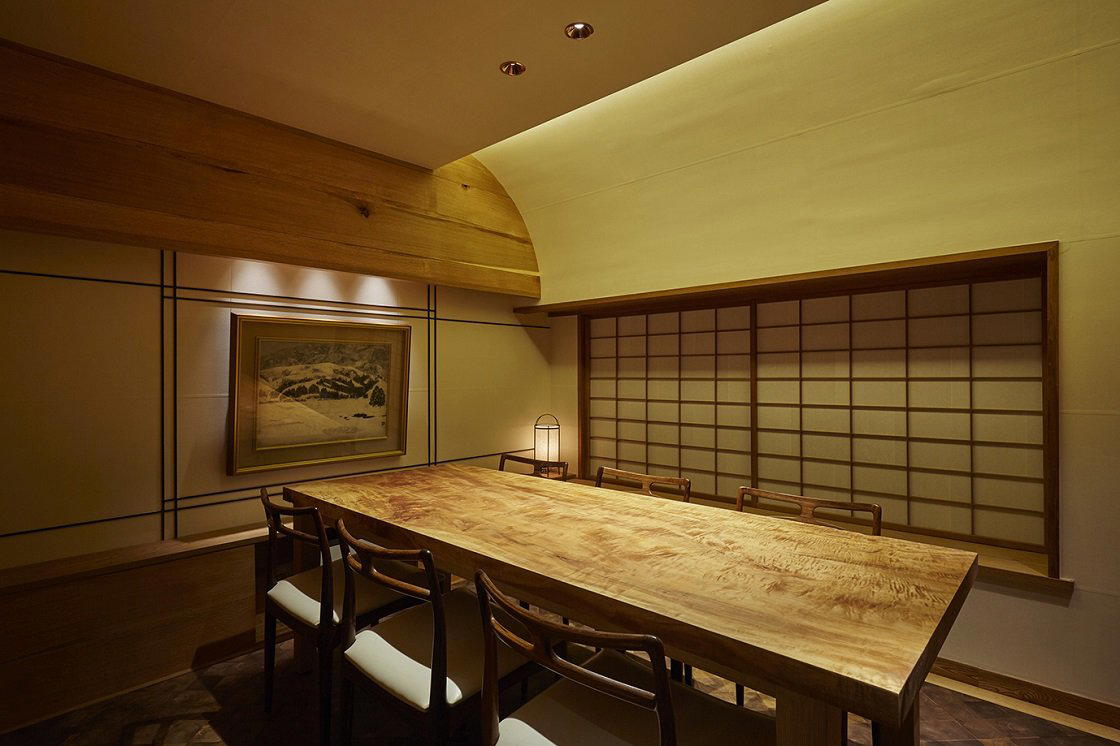
Intimate sushi bar atmosphere with attentive service and beautiful presentation.