ì °ëíë¼ì´ë¹í¤ì¹
On the third floor of a building in Itaewon-dong, Yongsan District, this Seoul address occupies a quieter tier of the neighbourhood's dining scene, removed from the street-level churn below. The setting aligns with a broader shift in Seoul dining toward spaces where the room itself does deliberate work, and where the experience is shaped as much by atmosphere as by what arrives at the table.
Pearl is the En Primeur Club membership app — saves, bookings, and concierge access live there. Same editors, same standards.
- Address
- South Korea, Seoul, Yongsan District, Itaewon-dong, 421-1 3층
- Phone
- +821089178907
- Website
- naver.me
- Directions
- Get directions
 Saves & bookings on Pearl
Third Floor, Itaewon: What the Address Signals
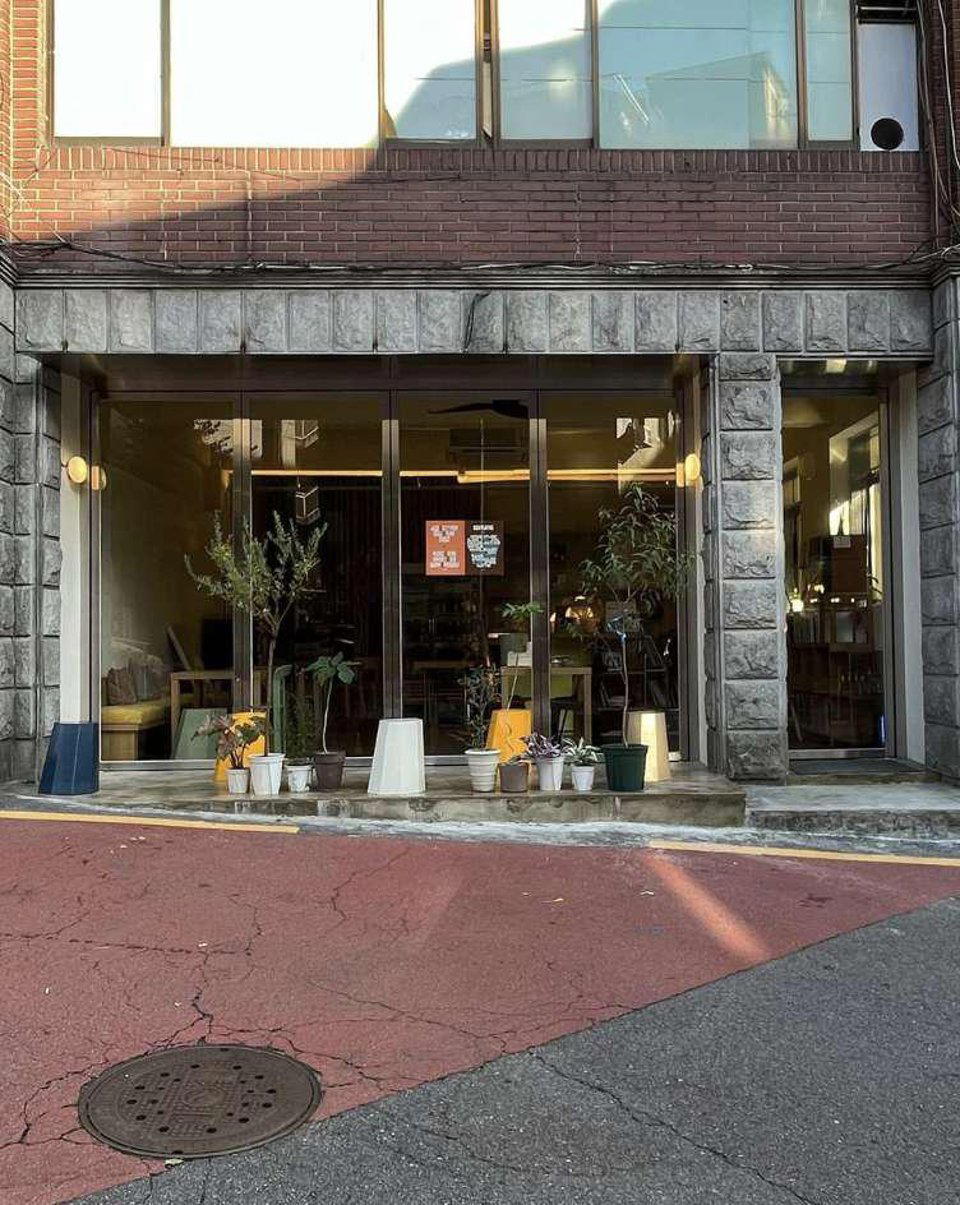
Itaewon has been reframing itself for years. The neighbourhood that once operated primarily as a hub for international residents and visiting soldiers has, over the past decade, layered in some of Seoul's more considered dining and bar addresses. The third-floor position of this Itaewon-dong venue, at 421-1, up a stairwell removed from street noise, is itself an editorial statement about what kind of experience is being offered. In Seoul's dining vernacular, venues that require a vertical journey tend to price themselves in deliberate contrast to ground-floor foot traffic operations. The climb filters the audience before the door opens.
That positioning places this address within a recognisable Seoul archetype: the above-street dining room that trades visibility for atmosphere. Across the city, from Gangnam to Hongdae, this format has become a serious vehicle for operators who want control over the pace and mood of a meal. At street level, you compete with everything. On the third floor, you set the terms.
The Atmosphere Seoul's refined Dining Rooms Are Selling
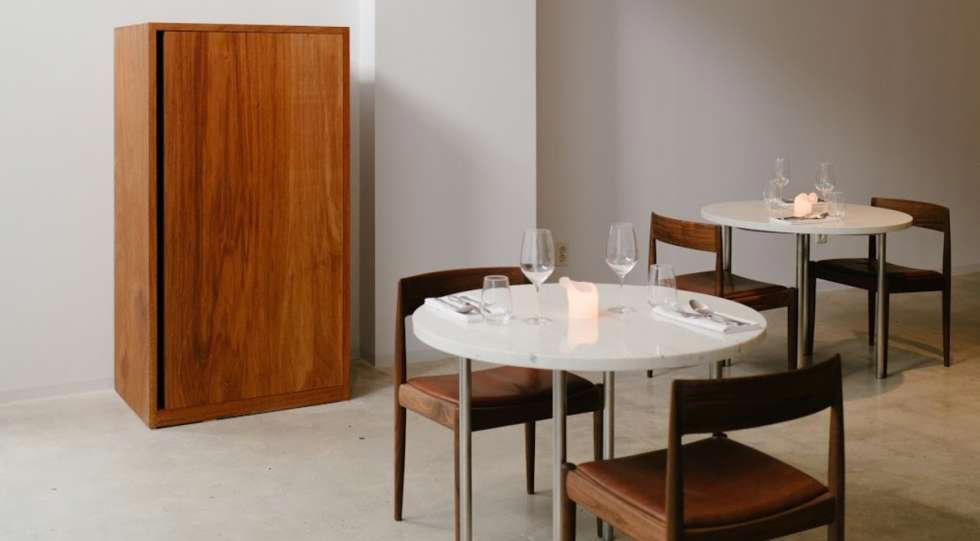
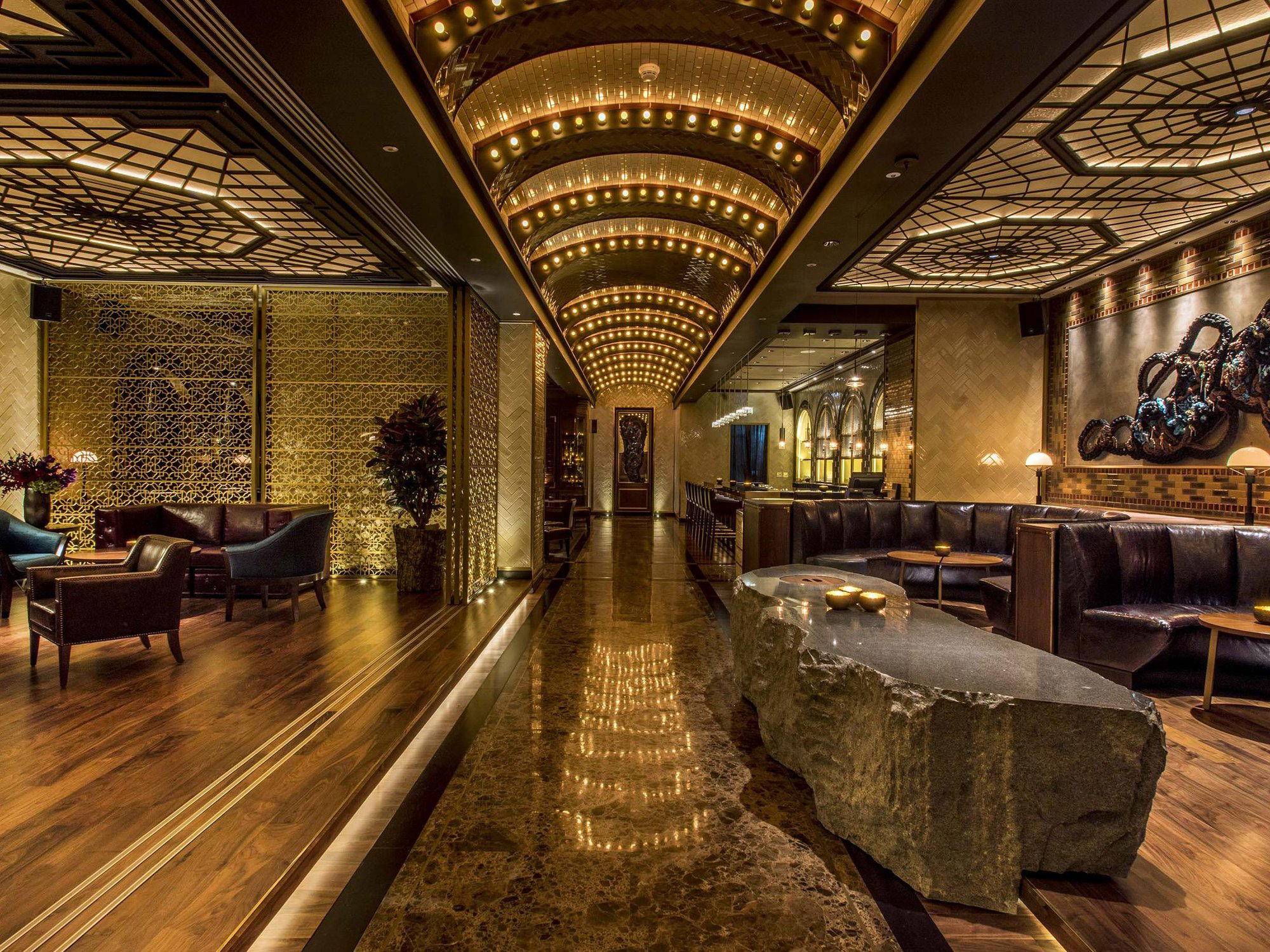
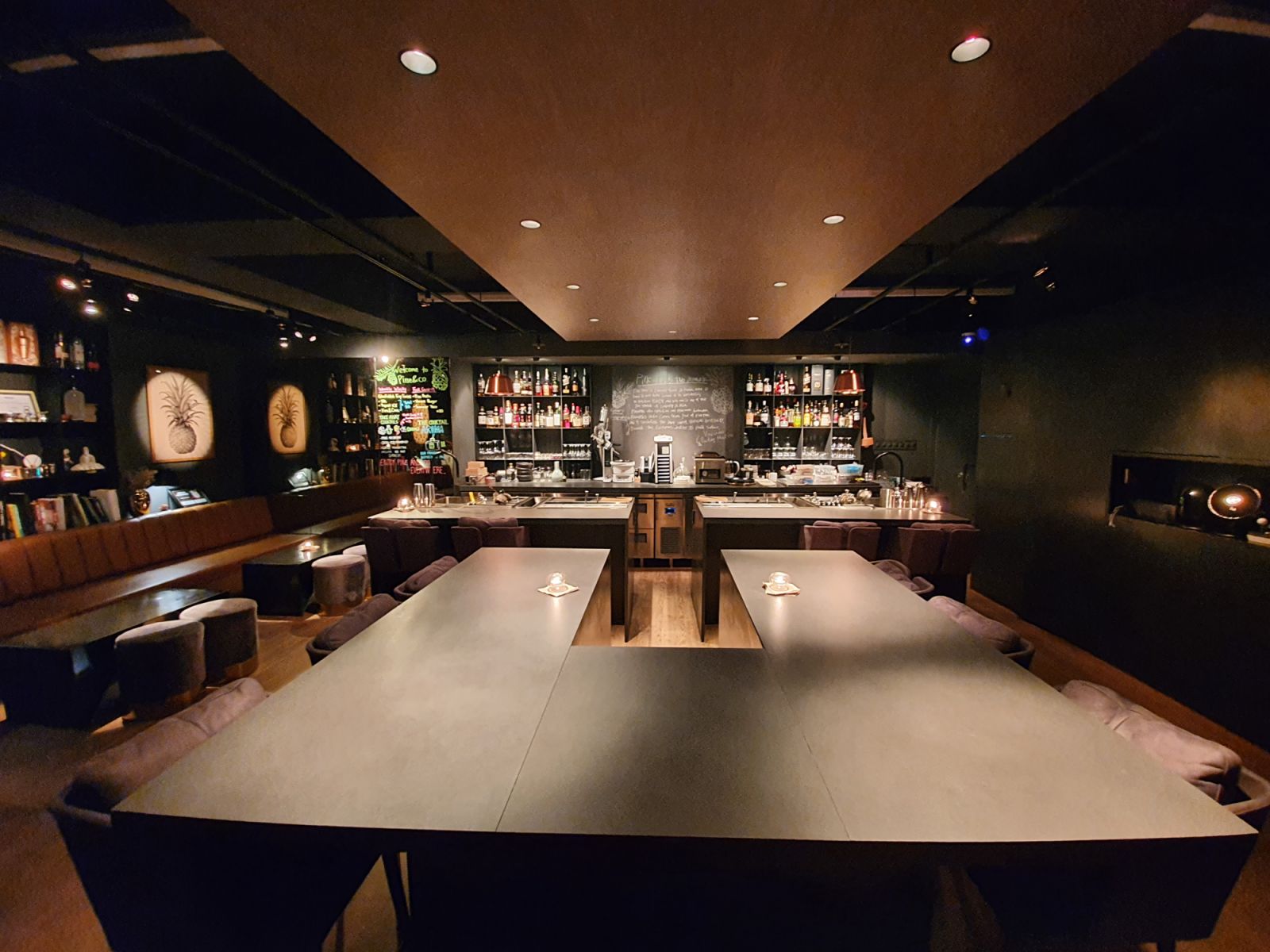
What a venue at this address and elevation typically offers is a specific kind of sensory contract with the guest. The ambient noise profile of a third-floor room in Itaewon differs structurally from the neighbourhood below: the traffic and foot-traffic sounds attenuate, replaced by whatever the operator chooses to introduce, music at a controlled volume, the sounds of a kitchen working, or the kind of quiet that makes conversation feel private. Seoul's more considered dining rooms have become increasingly deliberate about this acoustic layer, treating sound as a design element alongside lighting and plating.
Itaewon-dong's dining density means that the competition for this kind of atmosphere-led positioning is real. Addresses like alla prima and Soigné have demonstrated that Seoul diners will seek out spaces where the room contributes actively to the meal, not just frames it. The bar for what counts as a well-composed dining environment has moved considerably in the past five years.
Itaewon's Dining Context in 2024
Itaewon sits within Yongsan District, a part of Seoul that has historically been more internationally oriented than neighbourhoods like Insadong or Bukchon. That international weighting has shaped what the area's dining addresses tend to offer: a fluency with non-Korean formats, a comfort with hybrid approaches, and a guest base that arrives with broader reference points than a purely domestic audience. For a venue operating here, that context matters. The comparison set is not only other Seoul addresses but also the international dining experiences that Itaewon's regulars have accumulated.
For broader context on how this neighbourhood fits into Seoul's wider dining geography, our full Seoul restaurants guide maps the city's key dining districts and price tiers against each other. The Korean dining scene has also produced internationally recognised work at addresses like Mingles and Jungsik, and the ambition evident in those rooms has raised expectations across the city's premium tier. Even in a neighbourhood as mixed as Itaewon, that rising tide is felt.
Where This Address Fits in Seoul's Price Tier Discussion
Seoul's dining market has stratified in ways that mirror what happened in Tokyo a decade earlier. The top tier, addresses like Kwonsooksoo and the city's handful of multi-Michelin-starred rooms, occupies a price bracket that benchmarks internationally. Below that sits a substantial mid-to-upper tier of serious restaurants operating at price points more accessible than the trophy-dining addresses but with ambitions that exceed neighbourhood casual. Itaewon has a concentration of venues in this second band, where the cooking is often more interesting than the awards tally might suggest.
Comparison venues operating in Yongsan and adjacent districts, among them 7th Door at the ₩₩₩₩ level and Zero Complex with its Korean-French approach, illustrate how competitive this tier has become. Venues that do not hold formal awards are not thereby less serious; in Seoul's current dining moment, the credentialed and the uncredentialed often compete for the same guest.
Seasonal Timing and When to Visit
Seoul's dining calendar has two peak windows that affect how competitive reservations become: the autumn months of October and November, when the city's social calendar is full and the weather draws people back outdoors after summer heat, and the spring window around March to May. Venues in Itaewon that operate in a more intimate format, as a third-floor address with controlled capacity might, tend to feel the pressure of those windows most acutely. Visiting in the shoulder months of late January or early September often yields a different experience: the room quieter, the pace less pressured, the staff with more bandwidth for the kind of attention that defines a considered meal.
For reference on the broader Korean dining scene beyond Seoul, addresses like Mori in Busan and Badang Lounge in Jeju illustrate how the country's dining ambition has spread well beyond the capital. Regional options such as 88돼지 in 제주시, Black Pork BBQ in Seogwipo, and Gobojeong Galbi #1 in 수원시 each represent a different register of Korean dining worth understanding alongside the Seoul fine-dining conversation. Further afield, Hinode in 서귀포시, Doosoogobang in Suwon, Hwangnam Bread and Busan Steamed Bun in Gyeongju, Dining Room in 부산광역시, and Gyeongju Wonjo Kongguk in 경주시 collectively map how Korean culinary identity operates outside the capital's fine-dining frame.
The Korean dining conversation has also reached New York in serious form. Atomix in New York City has become a reference point for how Korean fine dining translates to an international audience, while Le Bernardin represents the kind of sustained, formally structured excellence that Korean fine-dining addresses increasingly benchmark against as the category matures globally.
Planning Your Visit
The venue sits at 421-1 Itaewon-dong, Yongsan District, on the third floor. Reservations are essential. For a third-floor Itaewon address in a neighbourhood where walk-in culture still exists alongside reservation-driven rooms, arriving with some flexibility in timing is advisable, particularly during Seoul's peak autumn and spring dining windows.
Same-City Peers
Comparable venues nearby, for context on price, style, and recognition.
| Venue | Cuisine | Price | Notes |
|---|---|---|---|
| ì °ëíë¼ì´ë¹í¤ì¹This venue — the venue you are viewing | Authentic Japanese Omakase | $$$$ | Not listed |
| Momoyama | Luxury Japanese Kaiseki and Omakase | $$$$ | Sajik-dong |
| Sushi Sora Daechi | Japanese Sushi Omakase | $$$$ | Samseong-dong |
| Ariake | Modern Authentic Japanese Omakase | $$$$ | 광희동 |
| ì¼í¤í 리 í¤ì | Premium Yakitori Izakaya | $$$$ | 노고산동 |
| Gaon | Korean Royal Court Cuisine | $$$$ | Bon-dong |
Continue exploring
More in Seoul
Restaurants in Seoul
Browse all →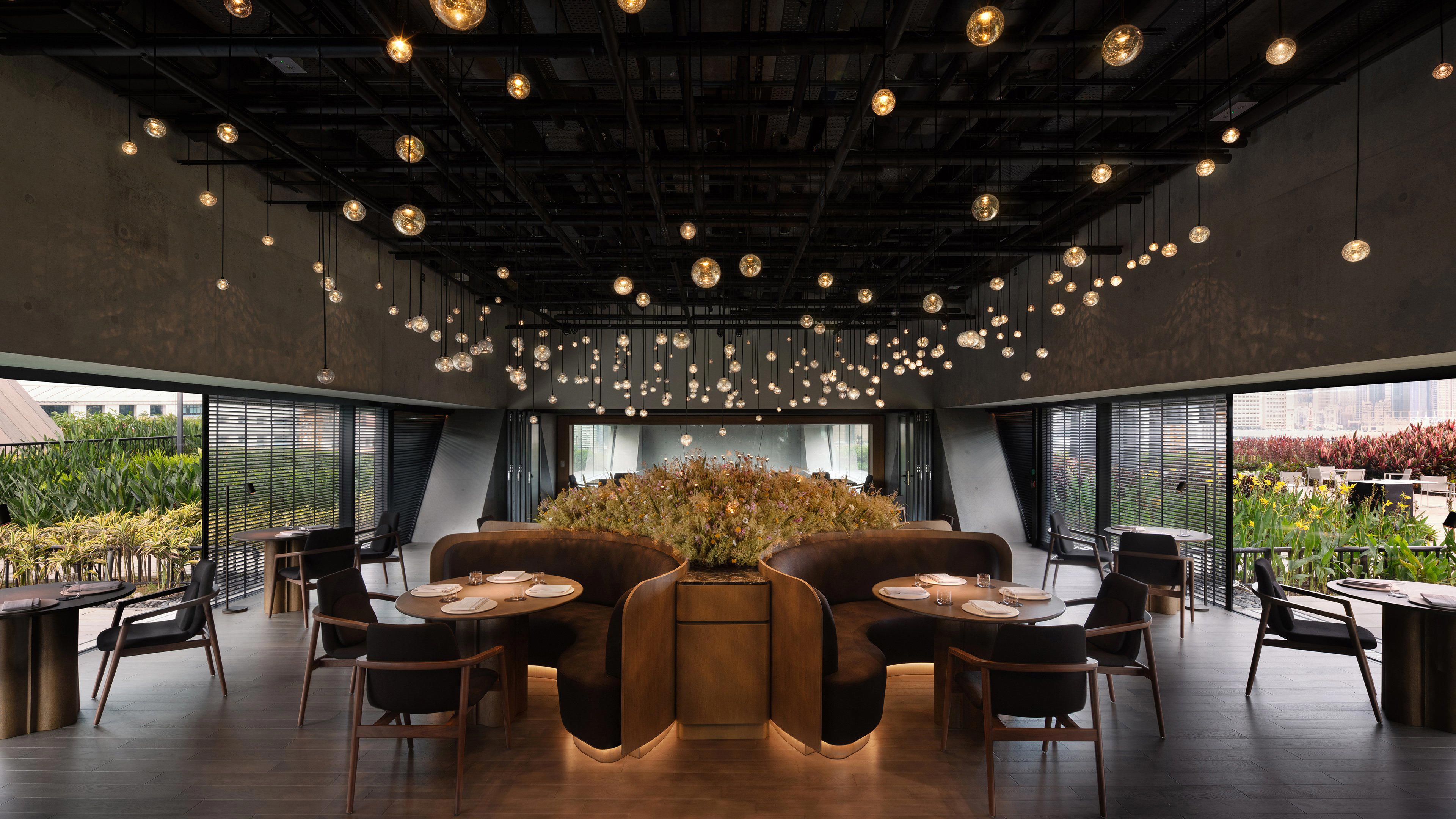
At a Glance
- Elegant
- Intimate
- Sophisticated
- Modern
- Date Night
- Special Occasion
- Business Dinner
- Chefs Counter
- Open Kitchen
- Private Dining
- Sake Program
- Sommelier Led
- Local Sourcing
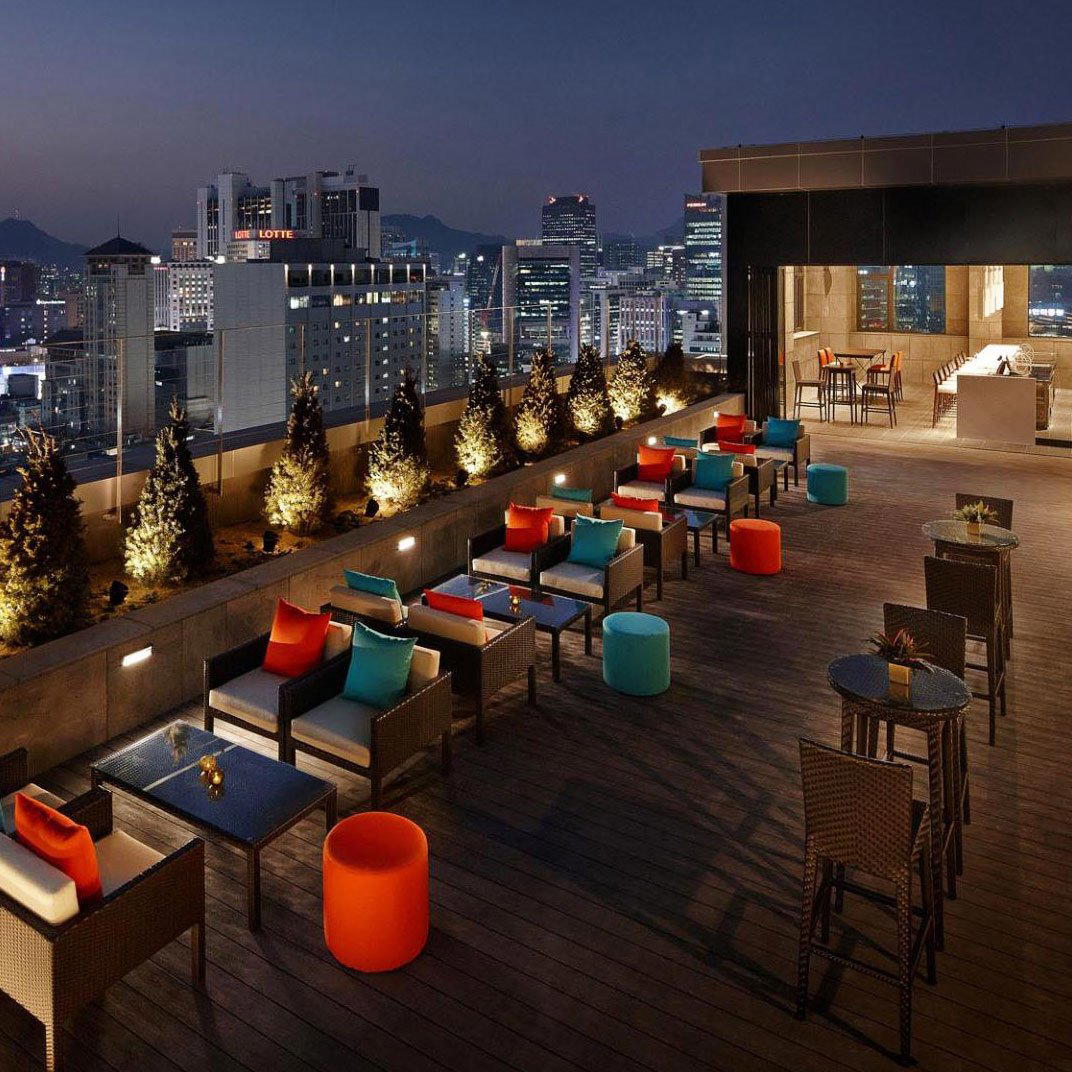
- Skyline
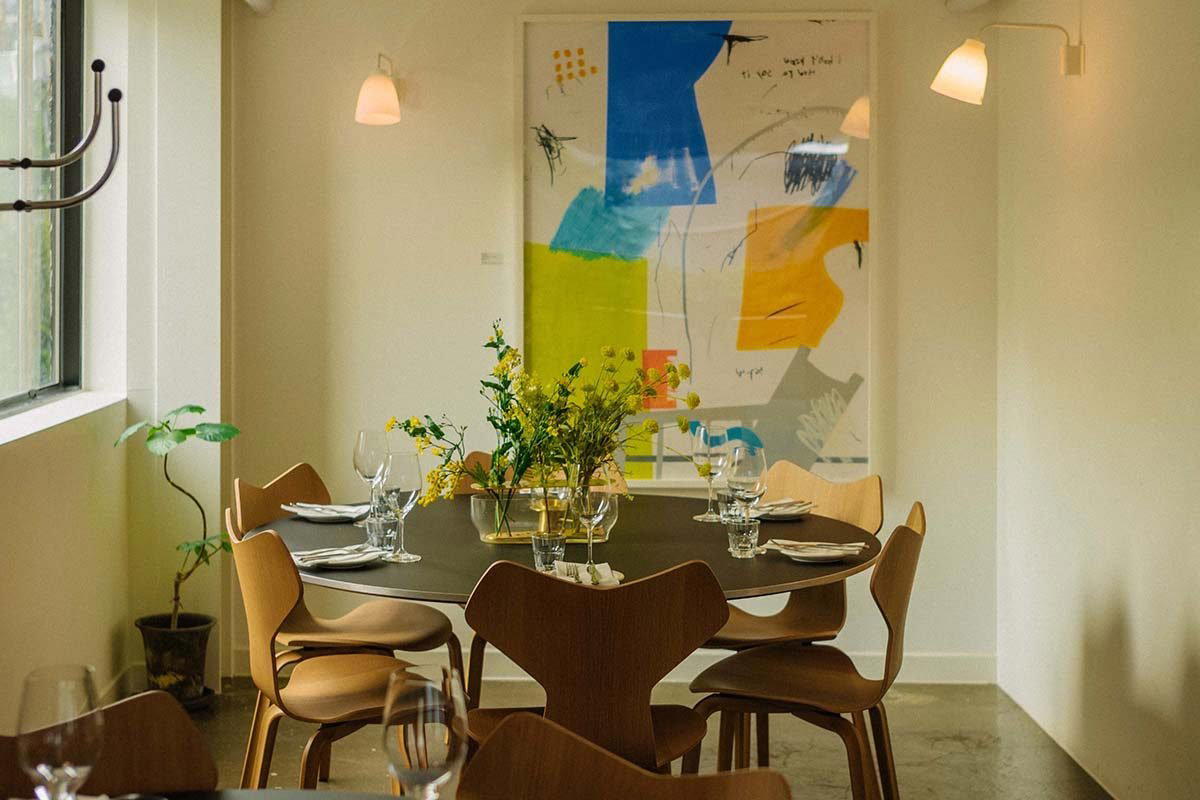
Cozy and refined with attentive service, featuring carefully curated seasonal ingredients and masterful culinary techniques in an intimate dining space.