Matsugen (松玄 恵比寿) occupies a ground-floor address in Hiroo, one of Tokyo's quieter upscale residential corridors, where the soba tradition meets a more considered, modern sensibility. Booking ahead is strongly advised for evening sittings.
Pearl is the En Primeur Club membership app — saves, bookings, and concierge access live there. Same editors, same standards.
- Address
- 広尾1-3-1 (ハギワラビル 1F), 渋谷区, 東京都, 150-0012
- Directions
- Get directions
 Saves & bookings on Pearl
Hiroo and the Quiet End of Tokyo Dining
Tokyo's premium dining map clusters around a handful of reference points: Ginza's counter sushi, Minami-Aoyama's French-influenced kaiseki, Roppongi's international hotel rooms. Hiroo occupies a different register. The neighbourhood sits between Ebisu and Azabu-Juban, populated by embassies, long-term foreign residents, and a local clientele with less interest in being seen than in eating well. Restaurants here tend to survive on repeat custom rather than tourist volume, and the ones that endure do so because the cooking justifies the return trip.
Matsugen (松玄 恵比寿) holds its address at 広尾1-3-1, the Hagiwara Building's ground floor, in precisely that mode. The building entrance is understated in the way that marks serious Japanese restaurants across price tiers: no large signage, no pavement theatre. The transition from street to interior is the first editorial signal about what kind of place this is.
The Evolution of the Soba Counter in Tokyo
Soba occupies a peculiar position in Tokyo's food hierarchy. It is simultaneously one of the city's most democratic traditions, available at standing counters for a few hundred yen, and one of its most refined, with a small number of dedicated rooms where handmade noodles, dashi precision, and seasonal accompaniments produce meals that operate at the same intellectual register as kaiseki. The distance between those two poles has widened over the past two decades as a cohort of serious practitioners has pushed the craft category upward.
That upward movement mirrors what happened to sushi in the 1990s and early 2000s, when omakase counters separated decisively from conveyor-belt operations and carved out a distinct premium tier. For soba, the pivot has been slower and less publicised internationally, but the domestic audience understands it clearly. Restaurants working in this vein tend to emphasise the grain sourcing, the milling, the ratio of buckwheat to wheat in the blend, and the temperature discipline of the dashi. These are not decorative details; they are the operational decisions that separate a technically serious room from a competent neighbourhood shop.
Matsugen operates within this evolved category. Its Hiroo location, away from the density of tourist-facing restaurant clusters, positions it toward a local and informed clientele rather than walk-in traffic. That self-selection shapes the room's character: quieter, more purposeful, less performative than rooms playing to first-time visitors seeking a Tokyo experience to photograph.
What the Address Tells You
The Hiroo-Ebisu corridor has a specific dining character that rewards understanding before you visit. Unlike Ginza, which prices partly against international visitor expectations, or Shibuya, which absorbs a broader demographic, Hiroo operates closer to neighbourhood-specialist logic. Restaurants here do not need the reinforcement of foot traffic. The clientele often knows exactly what they are coming for and has been before.
This has an effect on how restaurants in the area evolve. Without the churn of first-time visitors to recalibrate for, a room's identity tends to sharpen over time rather than soften toward accessibility. The cooking becomes more particular, the service more attuned to regulars' preferences, and the format more fixed. For a soba-focused room like Matsugen, that trajectory typically means deeper investment in the sourcing and preparation details that only returning guests have the reference points to notice.
Comparable rooms in Tokyo's broader Japanese-craft dining scene, including the kaiseki precision of RyuGin and the French-influenced discipline at L'Effervescence, operate on similar logic: the room is designed for people who have chosen it deliberately, not stumbled in.
Placing Matsugen in the Tokyo Craft Dining Tier
Tokyo's craft-focused Japanese restaurants have increasingly bifurcated into two groups: those that have pursued international recognition through awards and English-language media, and those that operate primarily for a domestic audience and are evaluated by Japanese critical consensus. Matsugen sits in the latter group, which means its reputation travels more slowly outside Japan but tends to be more durable within it.
That domestic-first orientation also shapes the format. Menus in this register are rarely translated in full; the evening's progression is understood by the clientele without extensive explanation. The rhythm of a meal, from lighter preparations through to the noodle course and its accompanying broths, follows conventions that regular guests have internalised. For visitors approaching from outside that context, some preparation helps: understanding that soba at this level is not a quick lunch proposition, and that the dashi-forward flavour register requires attention rather than passive eating, adjusts expectations usefully.
Japan's wider craft dining scene provides useful reference points for understanding this tier. HAJIME in Osaka and Gion Sasaki in Kyoto operate in adjacent registers of precision-focused Japanese cooking, as does akordu in Nara and Goh in Fukuoka. Further afield, rooms like 一本木 有川製 in Nanao, 夕仙山乃 in Sapporo, 湖邸庄屋 in Takashima, and 鳥羽屋 in Nishikawa Machi represent the same domestic-craft orientation in regional settings. For a broader view of Tokyo's dining options across categories, the EP Club Tokyo restaurants guide maps the full range.
Planning Your Visit
| Venue | Category | Price Tier | Booking Lead Time |
|---|---|---|---|
| Matsugen 松玄 恵比寿 | Japanese Craft / Soba | Not published | Advance recommended |
| Harutaka | Sushi | ¥¥¥¥ | Months in advance |
| RyuGin | Kaiseki | ¥¥¥¥ | Weeks to months |
| L'Effervescence | French | ¥¥¥¥ | Weeks in advance |
| Crony | Innovative French | ¥¥¥¥ | Advance recommended |
Price and booking data for comparison venues sourced from EP Club records.
Matsugen's address in Hiroo is accessible from Hiroo Station on the Tokyo Metro Hibiya Line. The ground-floor location in the Hagiwara Building is a short walk from the station. Given the neighbourhood's residential character, evenings are considerably quieter than comparable destinations in Ginza or Roppongi, which makes the area's ambient conditions more conducive to the kind of meal the restaurant offers. International visitors may also find it worth cross-referencing with precision-driven rooms in other cities: Le Bernardin in New York and Atomix in New York operate in adjacent registers of craft seriousness, as do Bistro Ange in Toyohashi and Birdland in Sakai within Japan.
Awards and Standing
A small set of peers for context, based on recorded venue fields.
| Venue | Cuisine | Price | Awards |
|---|---|---|---|
| Matsugen (松玄 恵比寿)This venue — the venue you are viewing | Not listed | Not listed | Not listed |
| Harutaka | Sushi | ¥¥¥¥ | Michelin 3 Star |
| L'Effervescence | French | ¥¥¥¥ | Michelin 3 Star |
| RyuGin | Kaiseki, Japanese | ¥¥¥¥ | Michelin 3 Star |
| Crony | Innovative, French | ¥¥¥¥ | Michelin 2 Star |
| Florilège | French | ¥¥¥ | Michelin 2 Star |










At a Glance
- Quiet
- Modern
- Sophisticated
- Minimalist
- Business Dinner
- Date Night
- Solo
- Standalone
- Sake Program
- Local Sourcing
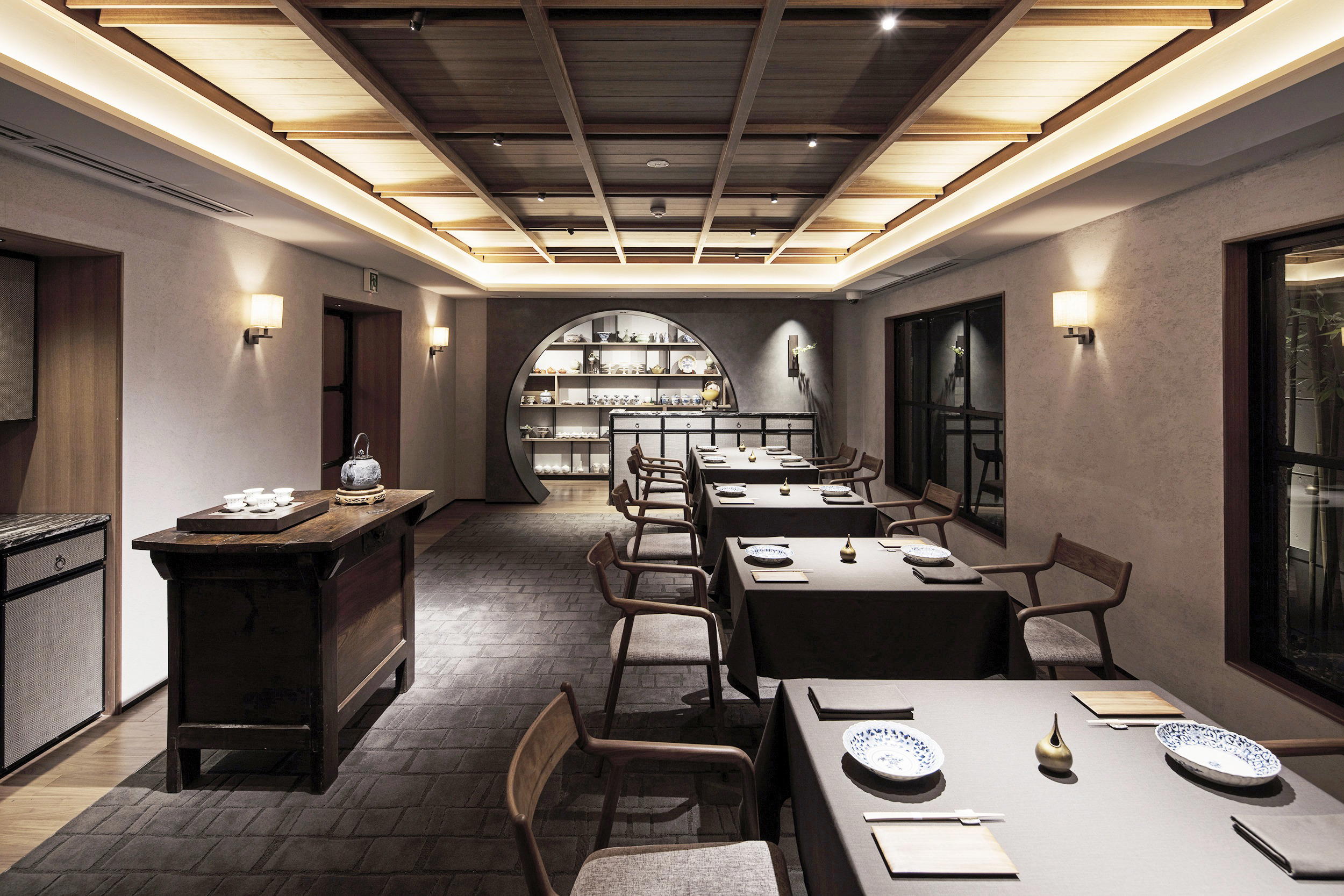
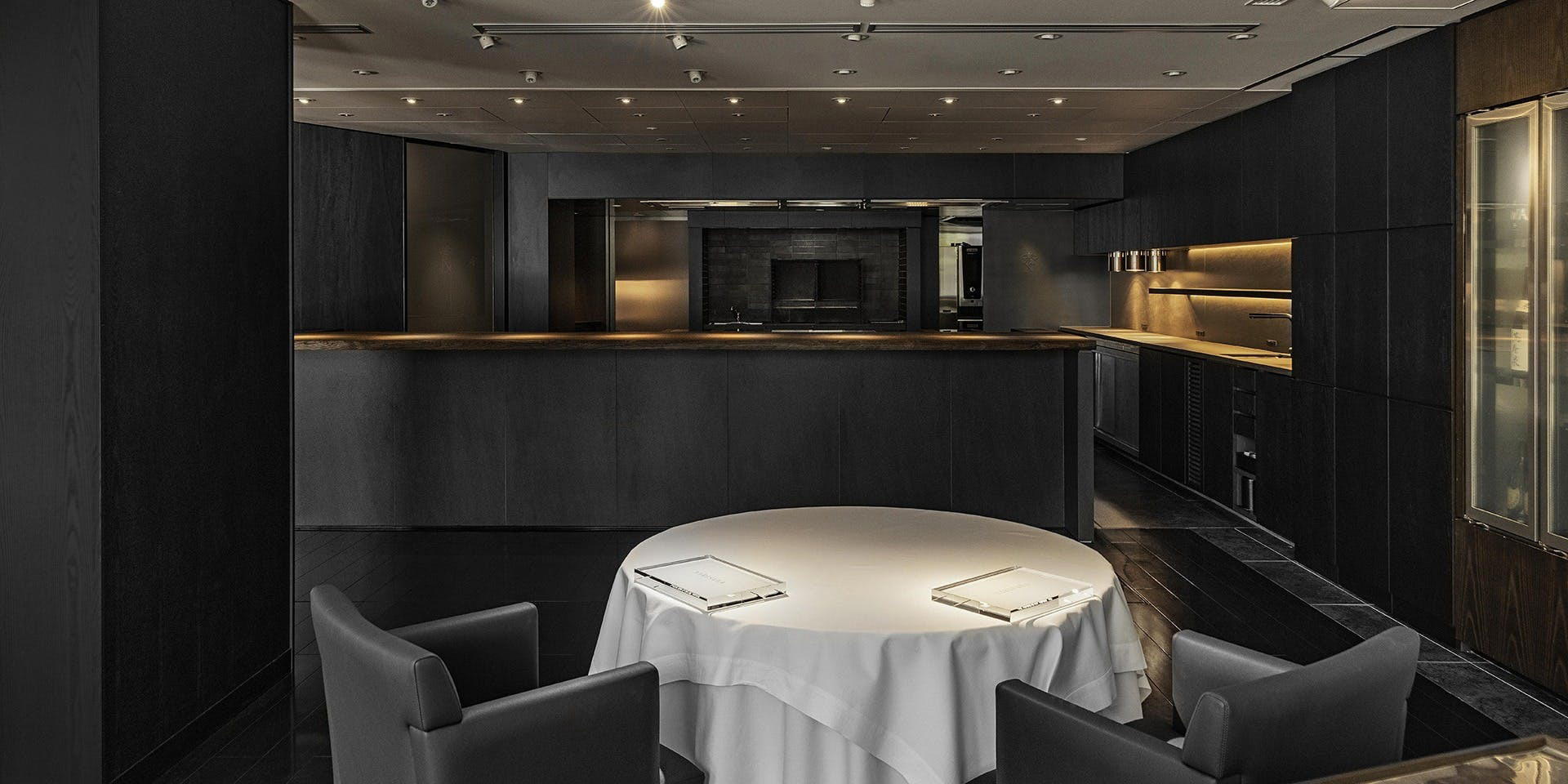
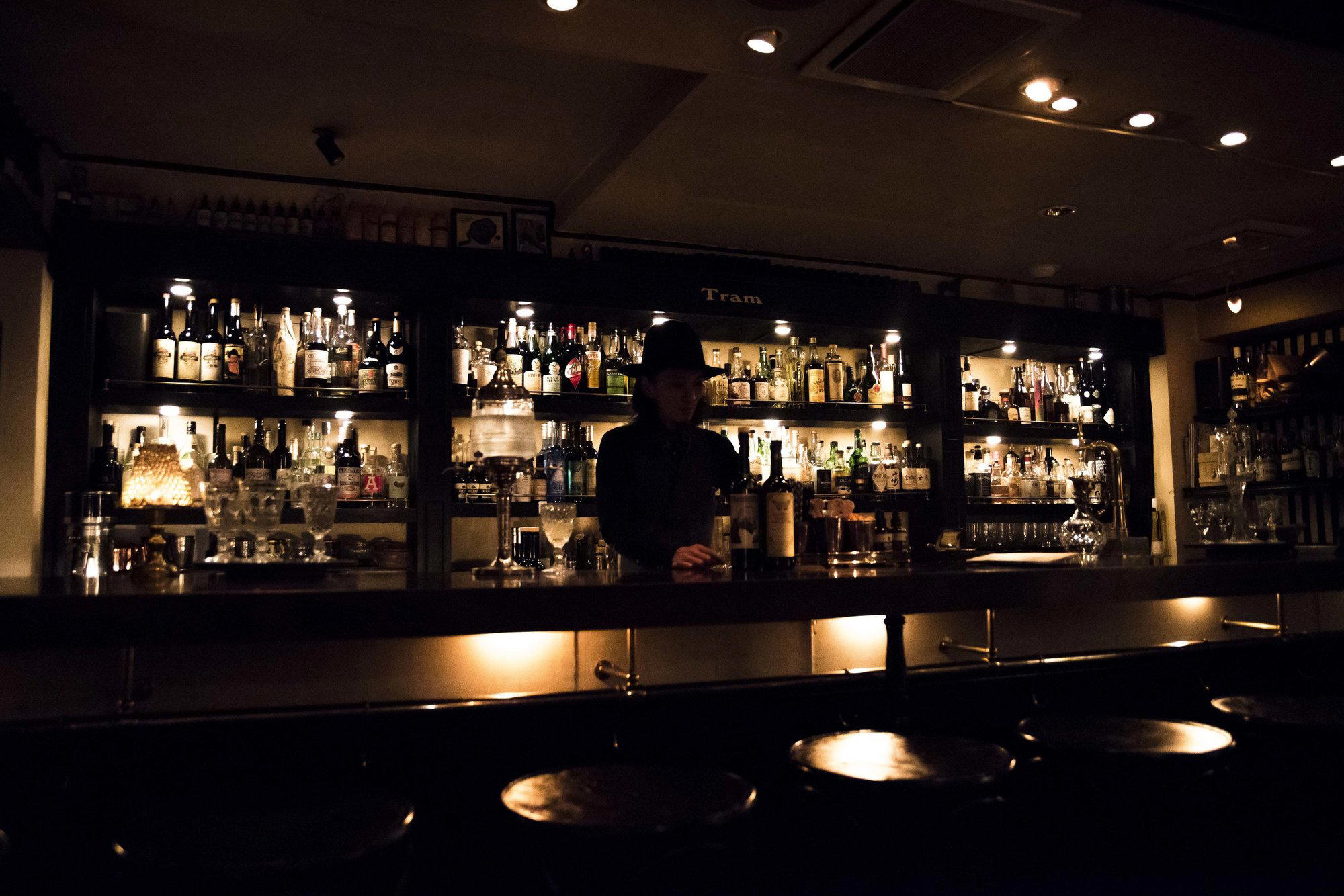
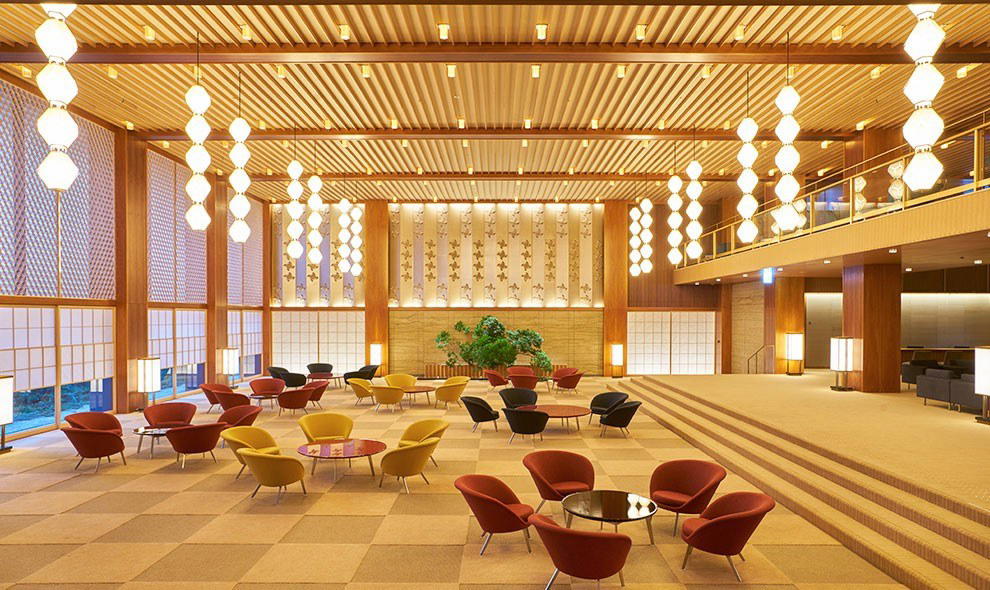
Quiet, restrained, and modern Japanese, with an upscale-casual atmosphere suited to considered dining rather than spectacle.
Know Before You Go
- Getting there
- 広尾1-3-1 (ハギワラビル 1F), 渋谷区, 東京都, 150-0012