
A Michelin Bib Gourmand-recognised French bistro in Meguro, Le Monde Gourmand delivers the logic of French regional cooking, braised beef, potato gratin, pastry-encased preparations, at a price point well below Tokyo's white-tablecloth French tier. The name translates as 'the world of the food lover', and the kitchen's dual grounding in Paris and Tokyo gives that ambition a credible foundation.
Pearl is the En Primeur Club membership app — saves, bookings, and concierge access live there. Same editors, same standards.
- Address
- 2 Chome-17-15 Midorigaoka, Meguro City, Tokyo 152-0034, Japan
- Phone
- +81 3-5726-8657
- Website
- lemondegourmand.com
- Directions
- Get directions
 Saves & bookings on Pearl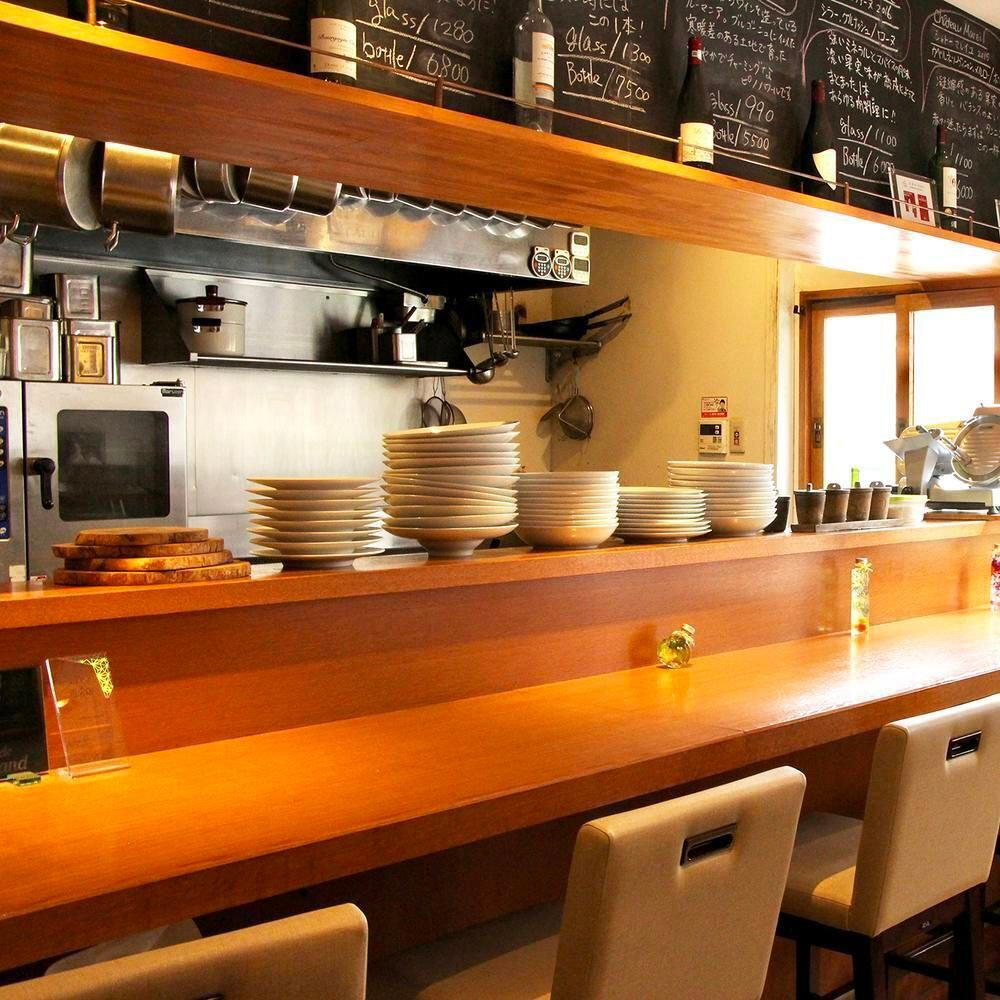
French Bistro Cooking in Tokyo: Where the Price Point Is Part of the Argument
Tokyo's French dining scene distributes itself across a wide price spectrum. At one end sit the formal tasting-menu houses, L'Effervescence, Sézanne, and ESqUISSE, where multi-course menus, imported ingredients, and extensive wine programmes justify four-figure covers. At the other end, casual Franco-Japanese hybrids serve watered-down approximations of French technique without much conviction. Le Monde Gourmand occupies neither extreme. The Michelin Bib Gourmand is the relevant signal here: Bib recognition is specifically awarded to restaurants delivering good cooking at moderate prices, and in Tokyo's French category that designation marks a distinct competitive tier. The ¥¥ pricing confirms the restaurant sits several steps below Florilège or Château Restaurant Joël Robuchon in cost, while the Bib signals that the cooking holds up against venues charging considerably more.
The Logic of Regional French Cooking at a Bistro Counter
French regional cuisine, braised meats, gratins, pastry work, is not fashionable in the way that natural-wine-led Paris bistronomy or Japanese-inflected tasting menus currently are. It is, however, structurally honest food: the techniques are established, the ingredient relationships are well-understood, and the results, when executed correctly, are direct and satisfying rather than clever. Le Monde Gourmand's menu reads as a defence of that tradition. Beef simmered in red wine references the Burgundian braise canon directly, while potato au gratin invokes the gratin dauphinois lineage from the Savoyard Alps. Dishes baked in pie pastry, pâté en croûte and its relatives, represent a classical French preparation that has seen genuine renewed interest in Europe over the past decade, with dedicated competitions and specialist producers emerging in Lyon and Paris. That these preparations appear on a mid-price Tokyo bistro menu, rather than on an elaborate tasting counter, is a deliberate curatorial choice: the kitchen is arguing that French regional cooking is everyday food, not occasion food.
The dual grounding of the kitchen in both Tokyo and Paris matters to how those dishes read. A chef trained entirely in France and cooking in Tokyo tends to produce interpretations that feel imported. A chef who has absorbed both cities' food cultures can adjust seasoning balance, portion logic, and sourcing to match local expectations without losing the dish's regional identity. This cross-training, common among Tokyo's better French independents, is what separates technically credible bistro cooking from nostalgic imitation.
The Structured Meal and Its Value Argument
The Bib Gourmand framework makes most sense when considered against the structured French meal format. Traditional French service moves through defined stages: an amuse or starter, a main, cheese or dessert, coffee. At high-end Tokyo French restaurants, this structure becomes an extended tasting progression, eight to twelve courses, wine pairing optional but expected, the whole experience spanning three or more hours. The price reflects not just the food but the theatre, the staff-to-cover ratio, and the sourcing. At the bistro tier, the same logical sequence compresses: three courses rather than twelve, fewer composed elements per plate, a shorter but coherent service. The value argument is not that you get fewer dishes for less money; it is that the ratio of culinary substance to cost is better calibrated. A properly executed braise and gratin at a ¥¥ price point demonstrates more technique per yen than a decorative amuse at a flagship counter. Le Monde Gourmand's Bib Gourmand is Michelin's formal agreement with that argument.
For visitors comparing French options across Tokyo, this distinction is worth holding onto. The Bib tier is not a consolation prize for restaurants that missed a full star, it is a separate judgement about value density. Restaurants in this category often serve more people per week than their star-holding counterparts, and reservations, while still worth planning, typically operate on shorter lead times than the formal French tier.
Meguro and the Mid-City Restaurant Geography
The Midorigaoka address in Meguro places the restaurant in a residential pocket of south-central Tokyo, away from the Roppongi and Marunouchi corridors where the city's highest-profile Western fine dining concentrates. Meguro has a track record of supporting neighbourhood restaurants with serious culinary intent, the area's density of well-travelled, food-interested residents creates a local clientele that sustains quality without requiring the tourist footfall that central districts depend on. For visitors, this means travelling slightly off the obvious circuit, but the trade-off is a dining room that functions as a local institution rather than a destination performance.
For a broader map of French cooking across Japan, the range is worth noting. HAJIME in Osaka operates at the three-star French end of the spectrum, while Gion Sasaki in Kyoto represents Japan's kaiseki tradition at a comparable level of recognition. In Nara, akordu demonstrates how European technique adapts to a smaller-city Japanese context. Goh in Fukuoka, 1000 in Yokohama, and 6 in Okinawa extend the geography further. For direct French comparisons beyond Japan, Hotel de Ville Crissier in Crissier and Les Amis in Singapore represent the range the cuisine commands in different markets.
Planning a Visit
The restaurant's ¥¥ pricing makes it accessible relative to most Michelin-recognised French in Tokyo. Booking ahead is the sensible approach; walk-ins are possible but less reliable given the apparent following the restaurant has built in the neighbourhood. Reservations are recommended. It opens Wednesday to Sunday for lunch and dinner, and is closed Monday and Tuesday. The restaurant is at 2 Chome-17-15 Midorigaoka, Meguro City, dress code is consistent with the bistro register, which in Tokyo typically means neat-casual rather than formal.
For further context on where this restaurant sits in Tokyo's dining picture, our full Tokyo restaurants guide covers the full range. Our full Tokyo hotels guide, and round out the city picture for visitors planning a fuller trip.
What It’s Closest To
Comparable venues nearby, for context on price, style, and recognition.
| Venue | Cuisine | Price | Awards | Notes |
|---|---|---|---|---|
| Le Monde GourmandThis venue — the venue you are viewing | French Bistro | $$$ | Bib Gourmand | Not listed |
| LE BOURGUIGNON | Classic Burgundy French | $$$ | Michelin Plate | Minato |
| Kinoshita | Classic French Bistro | $$$ | Bib Gourmand | Shibuya |
| Mono-bis | French-Japanese Fusion Bistro | $$$ | Bib Gourmand | Shibuya |
| ABBESSES | Parisian Bistro | $$$ | Michelin Plate | Shibuya |
| à table | Classic French Bistro | $$$ | Michelin Plate | Bunkyō |
Recognition history
Dated appearances from independent guides and award organizations, with the underlying list record or original source where available.
Michelin Bib Gourmand
Michelin
Michelin Bib Gourmand
Michelin











At a Glance
- Cozy
- Elegant
- Intimate
- Date Night
- Special Occasion
- Sake Program
- Sommelier Led
Current opening hours
- Monday
- Closed
- Tuesday
- Closed
- Wednesday
- 11:30 AM–2:30 PM, 6–10 PM
- Thursday
- 11:30 AM–2:30 PM, 6–10 PM
- Friday
- 11:30 AM–2:30 PM, 6–10 PM
- Saturday
- 11:30 AM–2:30 PM, 6–10 PM
- Sunday
- 11:30 AM–2:30 PM, 6–10 PM
Hours can change for holidays and private events. Last verified .
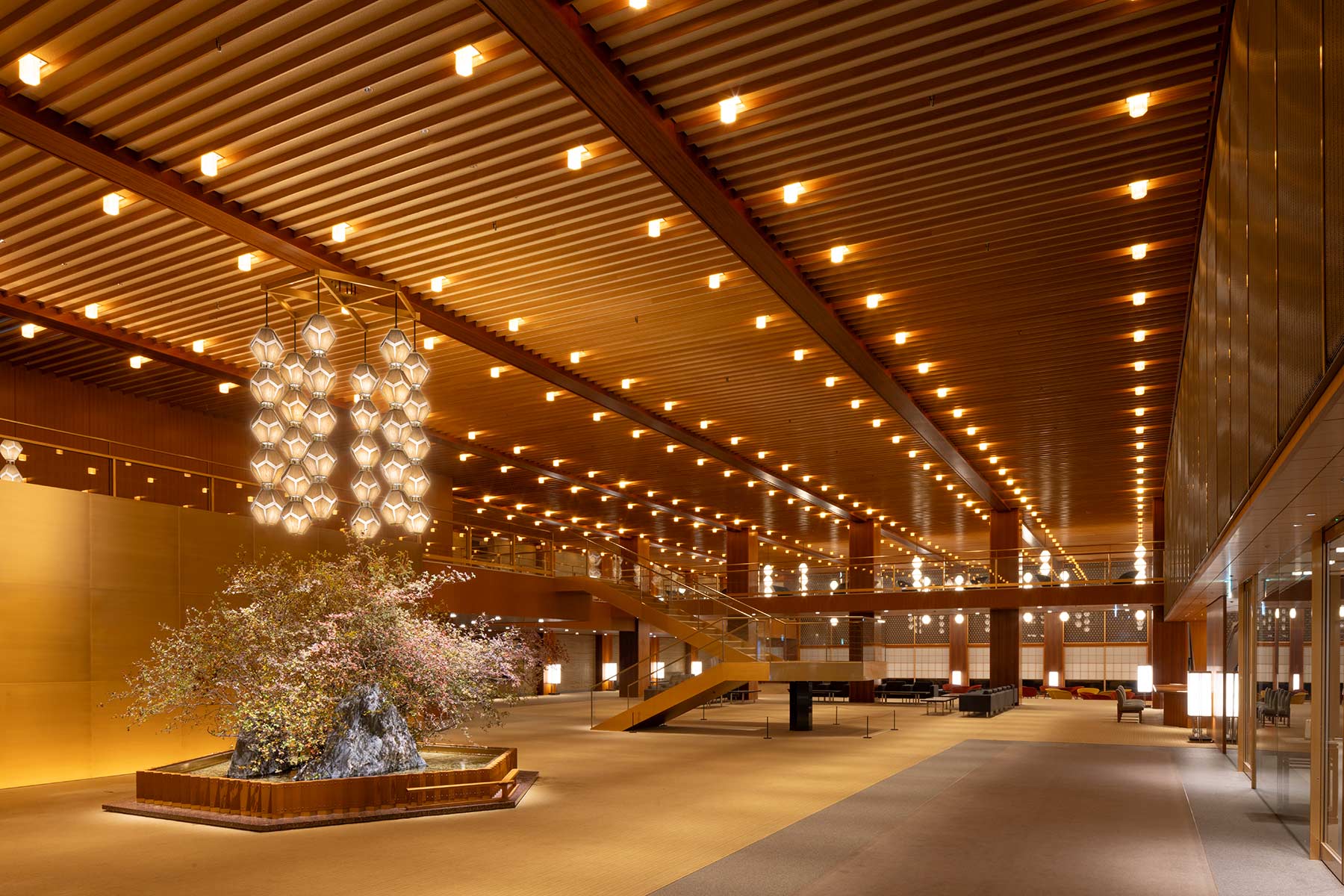
Cozy wood-toned interior with a friendly, welcoming feel and warm, bustling activity.