


Michelin Bib Gourmand · Tabelog Gold #13
Our verdict
Kinoshita belongs to Tokyo’s quieter French-bistro lineage: ingredient-led, wine-aware, and less theatrical than the city’s luxury dégustation rooms. Its Tabelog French TOKYO "Tabelog 100" selections in 2021, 2023, and 2025 place it among a durable group of restaurants where provenance, repetition, and classical technique carry more weight than spectacle.

Pearl is the En Primeur Club membership app, where members save venues, book tables and use the concierge.
The menu
What to order
- Pâté de campagne
- Smoked salmon
- Roast lamb
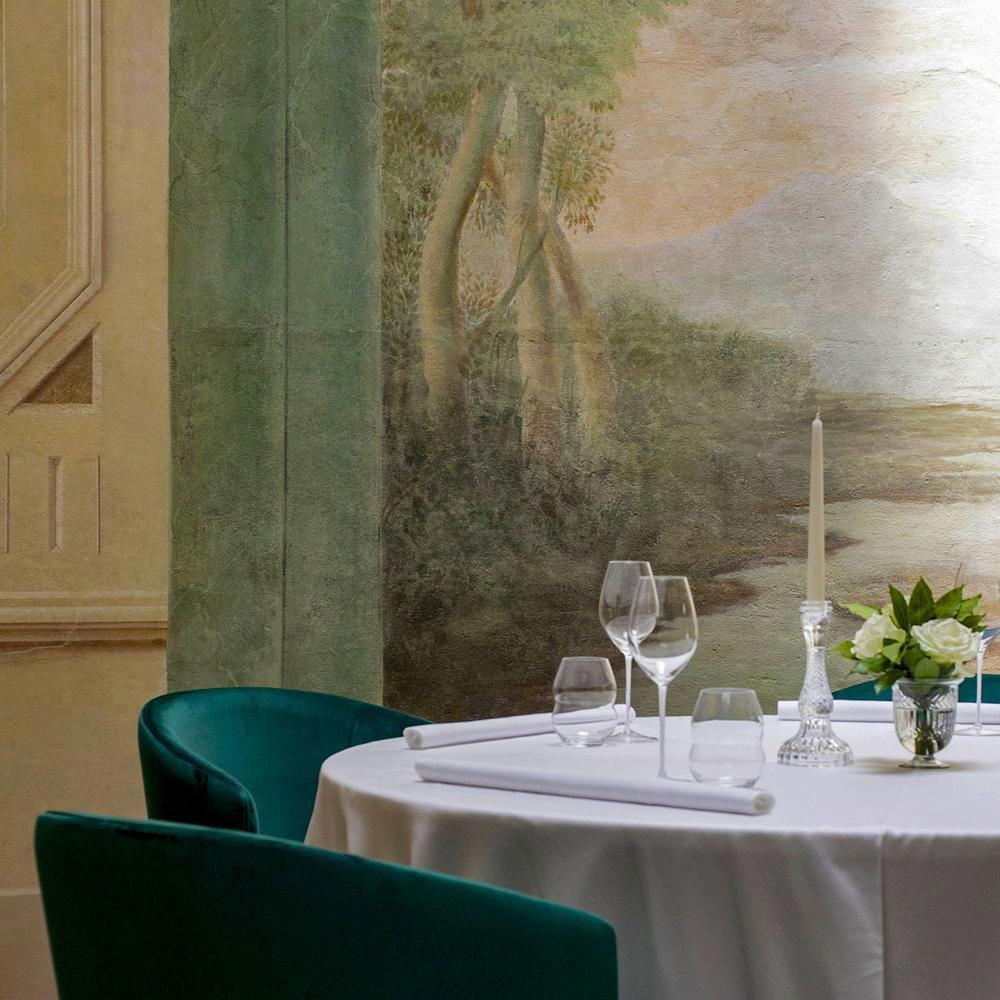
Yoyogi’s backstreets suit serious French cooking in Tokyo: close to Shinjuku’s hotel corridors, far enough from Ginza and Aoyama to avoid luxury performance. In this part of Shibuya, dinner feels less like a grand occasion than a table claimed for the evening. Kinoshita fits that rhythm: compact, not ceremonial, with counter seats within a broader dining room and a mood like a Japanese take on the French bistro: controlled portions, careful sourcing, and familiar dishes refined rather than nostalgic.
That distinction matters in Tokyo, where French dining splits into clear lanes. One end has polished tasting-menu restaurants competing on technique, plating, and cellar depth; another has neighbourhood bistros where regulars return for dishes that survive repetition. Kinoshita sits nearer the second camp, though its selection for Tabelog French TOKYO "Tabelog 100" in 2021, 2023, and 2025 gives it stronger recognition than the average local bistro. For a wider map of the city’s dining range, Our full Tokyo restaurants guide places this style beside sushi counters, kappo rooms, ramen specialists, and contemporary tasting menus.
Classical French dishes, read through Japanese ingredient discipline
The cooking is not Paris transplanted into Tokyo, but French structure filtered through Japanese respect for season, product, and restraint. The menu is prix fixe, but not rigid in the tasting-menu sense. Choice remains, keeping the meal closer to bistro tradition than to the chef-counter choreography that dominates much of Tokyo’s high-end dining.
The named classics define the restaurant’s position: pâté de campagne, smoked salmon, and roast lamb are not fashionable inventions, which is the point. These dishes expose sourcing and repetition. Pâté depends on texture, seasoning, fat balance, and confidence not to overwork the plate. Smoked salmon turns on cure, temperature, and restraint. Roast lamb asks whether the kitchen can keep meat cookery direct while preserving depth. In Tokyo, where French restaurants often layer Japanese luxury ingredients onto European technique, this feels grounded: the tradition is French, the ingredient discipline clearly Japanese.
Provenance is the strongest lens because the cooking avoids novelty. The restaurant’s public description emphasizes simple French cuisine that brings out the native quality of ingredients, a meaningful phrase in Tokyo’s dining culture. Japanese diners are alert to seasonality and product origin, and French kitchens here have long made sauce, fat, and reduction serve the ingredient rather than dominate it. Kinoshita’s appeal rests on that balance. It does not turn bistro cooking into luxury theatre; it tunes the repertoire.
For travellers comparing French meals across Tokyo, the lane is distinct from ABBESSES, abysse, Alchimiste, Alternative, and amarantos, all occupying different points on the city’s French spectrum. Comparison venues such as roku, Le cabaret, Sincère, UNE IMMERSION, and La façon Koga underline that Tokyo French is not one category: it ranges from casual bistros to formal rooms where menu structure, wine program, and tempo change the value equation.
Why the format works in Yoyogi
Yoyogi and Sangubashi have a different dining temperature from Tokyo’s obvious restaurant districts. Their value lies in the edges: commuters, residents, theatre traffic, and hotel guests moving between Shinjuku and the western side of the city. Restaurants here can be serious without shouting. That suits French bistro cooking, which depends on regularity: a pâté, a fish course, a roast, and a bottle of wine make sense where dinner need not become an event with a thesis.
The recognition is useful but should be read correctly. Tabelog’s "Tabelog 100" selections are not Michelin stars; they signal a strong position within a category and area, shaped by Japan’s influential restaurant-review culture. For Kinoshita, repeated inclusion in the French TOKYO list suggests durability in a crowded field rather than a trend spike. That matters for this style more than flashier awards would. Bistro cooking earns trust by not collapsing under familiarity.
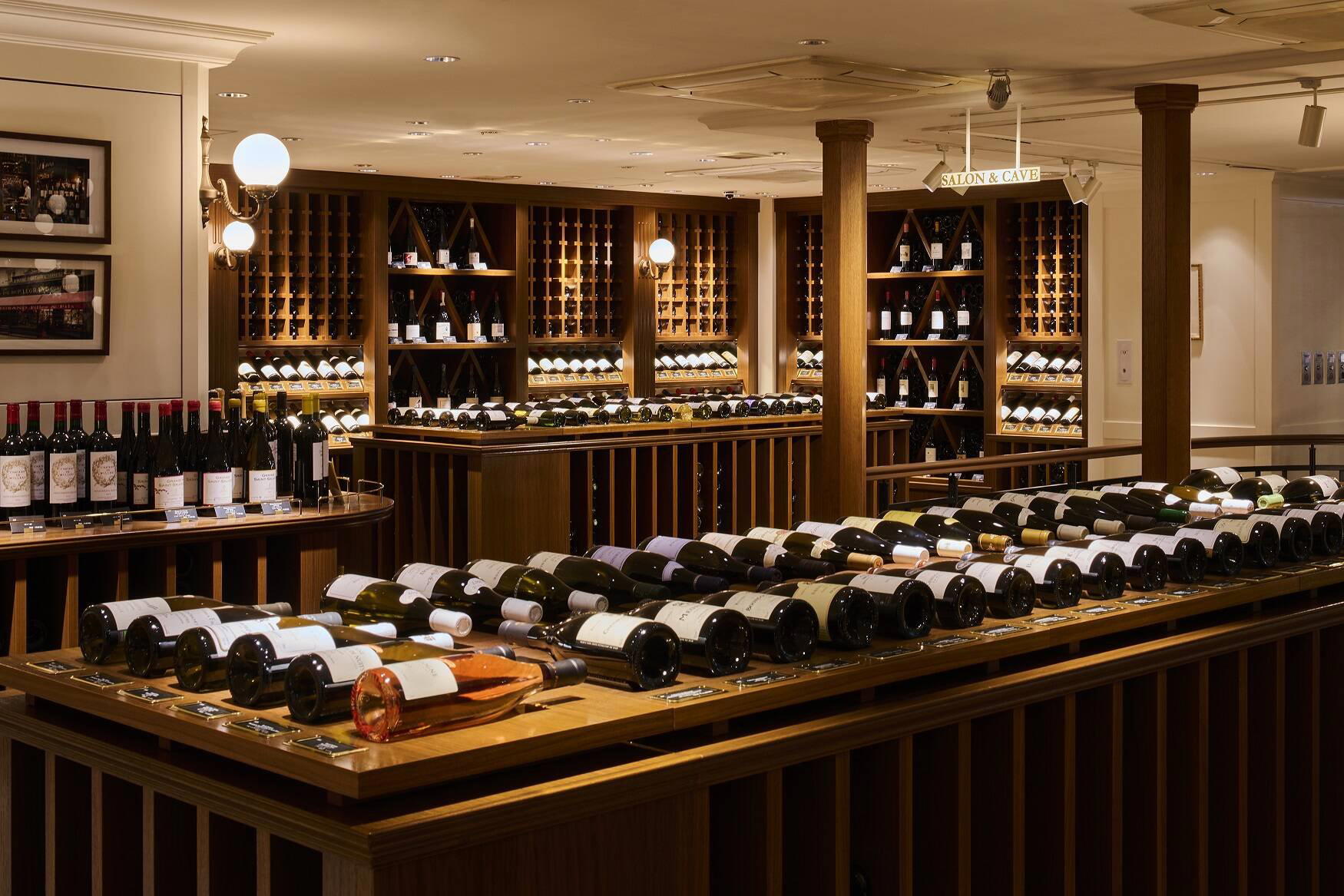
The wine emphasis also fits the category. French bistro dining in Tokyo is often strongest when the bottle list supports the meal without becoming a collector’s performance. A sommelier is listed, and wine is a stated focus, placing the restaurant in the city’s serious casual-French bracket. For travellers, that distinction matters: some Tokyo French rooms are built around long, chef-driven progression; this reads as a place where food and wine carry equal weight.
Chef biography is not the story. More relevant is craft repetition: standard dishes are described as constant, with incremental improvement over time. That is a deeply Japanese approach to French tradition. The aim is not reinvention with every menu cycle, but slow tightening of fundamentals. In a city that rewards specialization, repetition can persuade more than novelty.
How to place it in a Tokyo itinerary
Kinoshita is strongest for travellers wanting a French meal embedded in Tokyo rather than imported for international comfort. It makes sense after several nights of sushi, tempura, kaiseki, or yakitori, when butter, wine, terrine, and roast meat become sharper pleasures. It is less suited to diners chasing a staged tasting menu or ceremonial room. The case is quieter: classical French food, handled with Japanese ingredient seriousness, in a neighbourhood that lets the restaurant breathe.
The broader Tokyo trip can be built around contrast. Pair this dinner with a stay selected through Our full Tokyo hotels guide, then use Our full Tokyo bars guide for the city’s cocktail side. Travellers with specialized interests can cross-reference Our full Tokyo wineries guide and Our full Tokyo experiences guide, though the restaurant itself belongs to the dining itinerary rather than a sightseeing checklist.
Within Japan, the comparison broadens. A French bistro in Yoyogi occupies a different cultural lane from -Grilled beef Sukiyaki- KAMAKURA TANUKIAN 鎌倉 たぬき庵 in Kamakura.cafe in Osaka.know in Kumamoto, (Shoku) Vietnam in Kawasaki, [Curry Senmon Ten] Maruyama Kyoju. in Sapporo, and [ki:] in Kyoto. Internationally, it sits far from the hybrid French formats represented by 3 Fils Counter, French in Dubai and 3G Trois Gourmands, French in Ho Chi Minh City. Those contrasts clarify the appeal: Tokyo French in a restrained, product-led key, not a globalized luxury template.
The verdict is specific. Choose Kinoshita for a meal where the interest lies in how familiar French dishes behave under Japanese scrutiny: how a classic holds shape, how wine supports rather than distracts, and how a neighbourhood restaurant earns repeat recognition without spectacle. In a city crowded with louder dining narratives, that restraint is the argument.
Frequently asked questions
What are Kinoshita's hours?
Hours at Kinoshita: Mon: Closed; Tue: 12–2:30 PM, 6–10 PM; Wed: 12–2:30 PM, 6–10 PM; Thu: 12–2:30 PM, 6–10 PM; Fri: 12–2:30 PM, 6–10 PM; Sat: 12–2:30 PM, 6–10 PM; Sun: 12–2:30 PM, 6–10 PM.
How do I find Kinoshita?
Kinoshita is located in Tokyo.
How would you describe the cuisine at Kinoshita?
Kinoshita serves French cuisine.
What's the pricing like at Kinoshita?
Pricing at Kinoshita is listed as ¥¥.
Comparable venues nearby, for context on price, style, and recognition.
| Venue | Cuisine | Price | Awards | Notes |
|---|---|---|---|---|
| KinoshitaThis venue (the venue you are viewing) | Classic French Bistro | $50–100 | Michelin Bib Gourmand · Tabelog Gold #13 | Not listed |
| Ma Poule | Jura Regional French | $50–100 | Michelin Bib Gourmand | Bunkyō |
| le bistrot des bleus | Traditional French Bistro | $50–100 | Michelin Bib Gourmand | Shibuya |
| ABBESSES | Parisian Bistro | $150–200 | Michelin Plate | Shibuya |
| L'AS | Modern French Bistro | $30–50 | Michelin Bib Gourmand | Minato |
| LE BOURGUIGNON | Classic Burgundy French | $100–150 | Michelin Plate · Tabelog 100 #60 | Minato |
Recognition history
Dated appearances from independent guides and award organizations, with the underlying list record or original source where available.
Michelin Bib Gourmand
Michelin
Opinionated About Dining Top Restaurants in Japan Recommended
Opinionated About Dining
Tabelog Gold #13
Tabelog
Full recognition history (6 entries)
Tabelog 100 #21 · No. 21
Tabelog · Tabelog 100 - French - TOKYO - 2025
Tabelog Gold
Tabelog
Tabelog 100 #45 · No. 45
Tabelog · Tabelog 100 - Italian - WEST - 2025
Continue exploring
More in Tokyo
Restaurants in Tokyo
All restaurants in Tokyo →


Bars in Tokyo
All bars in Tokyo →


Details
- Classic
- Elegant
- Intimate
- Date Night
- Business Dinner
- Special Occasion
- Open Kitchen
- Extensive Wine List
- Prix Fixe
- Wine
Current opening hours
- Monday
- Closed
- Tuesday
- 12–2:30 PM, 6–10 PM
- Wednesday
- 12–2:30 PM, 6–10 PM
- Thursday
- 12–2:30 PM, 6–10 PM
- Friday
- 12–2:30 PM, 6–10 PM
- Saturday
- 12–2:30 PM, 6–10 PM
- Sunday
- 12–2:30 PM, 6–10 PM
Hours can change for holidays and private events. Last verified .
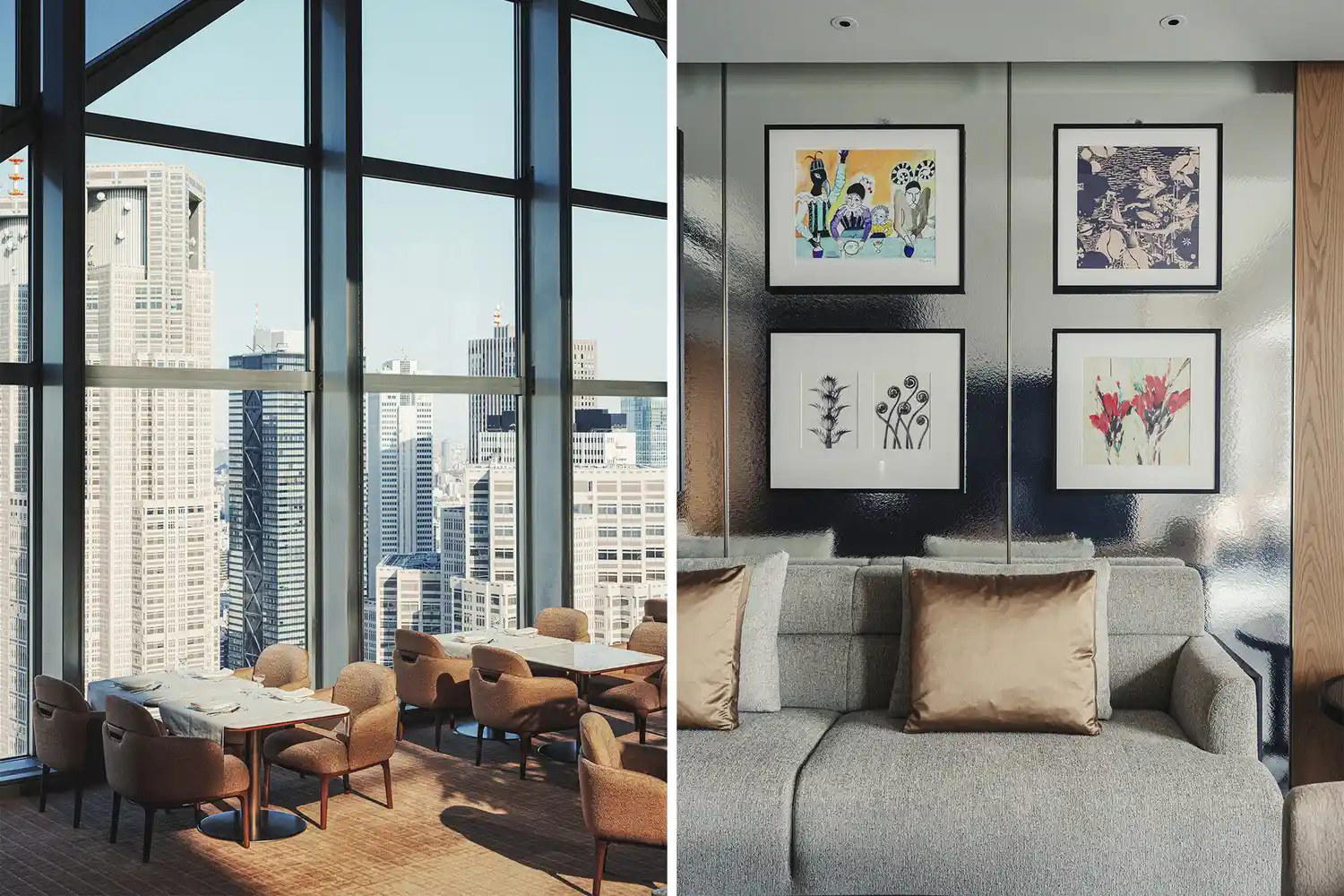
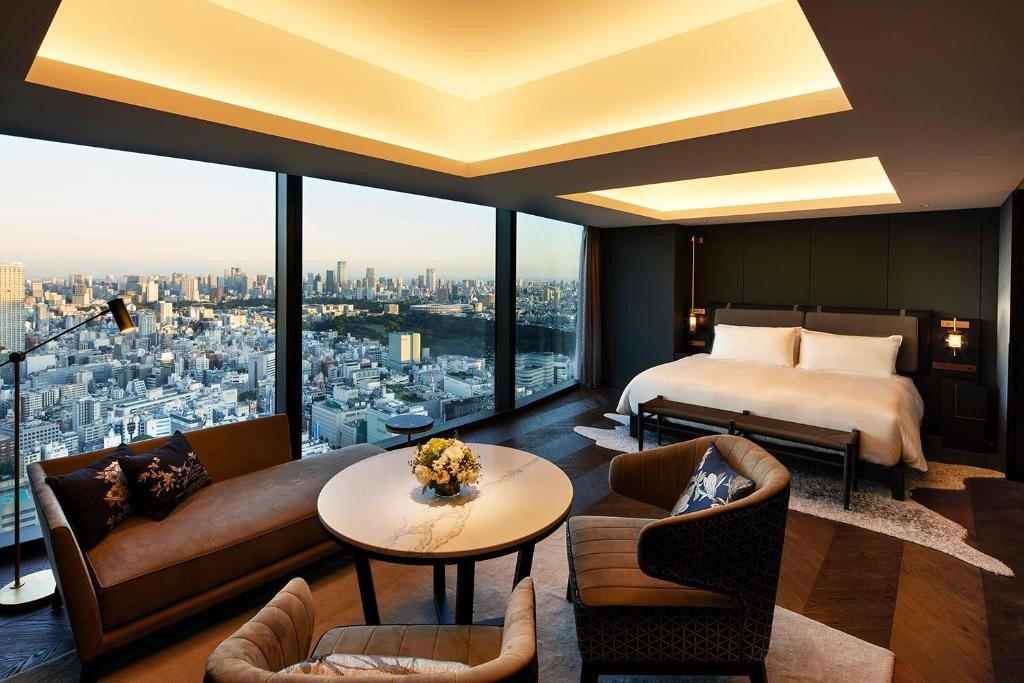
Chic interior with open kitchen, stylish and relaxing space featuring counter seating in a quiet residential hideout.