
Saikyo Yaki Kyoto Yamaroku brings Kyoto’s miso-marinated fish tradition into the station-dining format, with a compact cafeteria setting inside JR Kyoto Isetan. Recognition in Tabelog’s 2026 Diner 100 places it above ordinary transit meals, but the appeal is cultural as much as practical: Saikyo-yaki is a Kyoto staple built on preservation, sweetness, and grill discipline.
Pearl is the En Primeur Club membership app — saves, bookings, and concierge access live there. Same editors, same standards.
- Address
- Japan, 〒600-8555 Kyoto, Shimogyo Ward, Higashishiokojicho, ジェイアール京都伊勢丹 B1階
- Phone
- +81 75-744-6881
 Saves & bookings on Pearl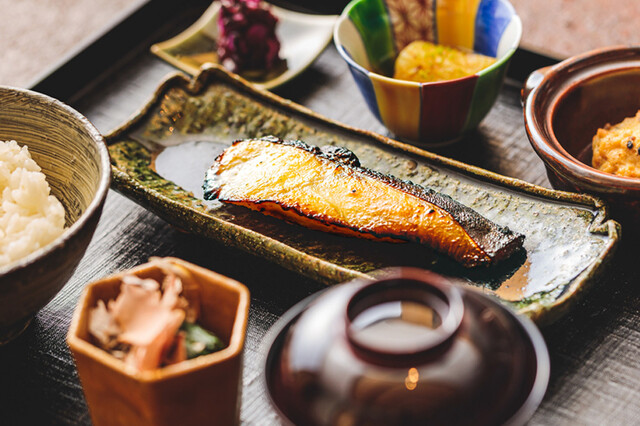
The approach is pure Kyoto Station: department-store basement traffic, train-case urgency, and the compressed rhythm of diners who know exactly what they came for. In that setting, Saikyo-yaki has a useful clarity. The dish is not built for theatre. It depends on fish, sweet white miso, time, and the discipline of grilling something marinated without letting the sugar take over. Saikyo Yaki Kyoto Yamaroku uses that grammar in a format closer to a shokudo than a formal kaiseki room, which is precisely why it matters in Kyoto’s dining map.
Kyoto often sells its food culture through ceremony, but the city’s daily cooking is equally shaped by preservation and restraint. Saikyo miso, pale and gently sweet, has long suited fish because it seasons without shouting over it. The technique belongs to the same practical world as pickles, simmered vegetables, and lunch sets: food made to carry flavor cleanly, not to perform luxury. That makes this address useful for travelers who want a Kyoto reference point without turning every meal into a multi-course commitment.
Kyoto's miso-grilled fish tradition, placed inside the station economy
Station dining in Japan is often misunderstood by visitors. Major rail hubs are not just convenience zones; they are dense food ecosystems where department stores, takeaway counters, and compact dining rooms compete on speed, consistency, and local specificity. Kyoto Station intensifies that pattern because it sits between commuter traffic, domestic tourism, and first-arrival visitors heading into the old capital. A fish-focused cafeteria in this context has to be legible in minutes.
That is where Saikyo-yaki fits neatly. The preparation carries Kyoto identity without requiring specialist vocabulary from the diner. It also avoids the trap of generic station food. The Tabelog 100 Diner selection in 2026 gives the room a public signal beyond convenience, especially because the shokudo category rewards places that serve everyday meals with unusual consistency rather than luxury tasting-menu ambition.
The competitive set around JR Kyoto Isetan is broad. Mangetsu JR kyoto isetan ten occupies a lighter spending bracket, while Morita Ya JR kyoto isetan ten moves into beef-led dining at a higher dinner range. Gozan Nozomi and Tempura Tokoro Kyorynsen sit in a more expensive restaurant tier, and FUKUNAGA901 answers a different station need altogether, leaning toward dessert and café timing. Saikyo Yaki Kyoto Yamaroku lands in the middle of that ecosystem: more rooted in a Kyoto cooking tradition than a generic quick meal, less ceremonious than destination dining.
For a broader sense of how Kyoto’s restaurant spectrum works, Our full Kyoto restaurants guide is the more useful frame. Nearby and adjacent comparisons matter too: 3TOKU6MI Shijo karasuma ten shows a different urban dining register, 551蓬莱 speaks to Kansai’s mass-appeal comfort food, [ki:] belongs to a more contemporary Kyoto conversation, Abbesses reflects the city’s French dining layer, and Aburi Mochi Honke Nemoto Kazariya points back toward older snack traditions tied to shrine culture.
Why the shokudo format suits Saikyo-yaki
Saikyo-yaki rewards repetition. The marinade has to penetrate without making the fish heavy; the grill has to mark the surface without masking the cure. In a small dining room, that kind of repetition becomes a strength. The 21-seat scale keeps the experience compact, and the no-reservations format reinforces its place in the city’s everyday dining structure rather than the appointment-only end of Kyoto cuisine.
This is not the Kyoto of private rooms and hushed courses. Private rooms and private use are unavailable, and the room is non-smoking. That matters because it clarifies the occasion: this is a focused meal, not a lingering banquet. The beverage signal is equally local in spirit, with sake listed as the relevant drink category. The food category notes fish and allergy information, which suits a venue built around a specific preparation rather than a sprawling menu identity.
Opened on August 1, 2023, the restaurant’s recognition came quickly, but the cultural reference is older than the address. Saikyo-zuke, the marinated form behind Saikyo-yaki, is associated with Kyoto’s preference for seasoning that works through subtle accumulation rather than blunt force. In a city crowded with heritage cues, that distinction matters. The value here is not nostalgia; it is seeing a traditional technique survive in a modern rail-station department-store setting without losing its usefulness.
How to place it in a Kyoto itinerary
The strongest case for this meal is timing. Kyoto rewards diners who separate ceremonial meals from practical ones, and a station-connected shokudo can be more intelligent than forcing another long reservation into a transit day. The right comparison is not a temple-view kaiseki counter; it is the better class of everyday Japanese meal where technique, price discipline, and local identity align.
That makes the restaurant especially relevant at the beginning or end of a Kyoto stay, when luggage, train schedules, and appetite rarely cooperate. It also suits a traveler who wants one fish-centered meal that reads as Kyoto without committing to the formality of a ryotei. Payment support includes major credit cards and several QR-code systems, while electronic money is not accepted; in Japan, that distinction can matter more than travelers expect.
For trip planning beyond the table, the city’s hospitality and drinking scenes fill in the rest of the picture: Our full Kyoto hotels guide, Our full Kyoto bars guide, Our full Kyoto wineries guide, and Our full Kyoto experiences guide. For broader Japan and diaspora context, compare everyday-specialist formats such as -Grilled beef Sukiyaki- KAMAKURA TANUKIAN 鎌倉 たぬき庵 in Kamakura. 鮪と炭火焼き うお炭 秋葉原店 in Tokyo.cafe in Osaka.know in Kumamoto, (Shoku) Vietnam in Kawasaki, [Curry Senmon Ten] Maruyama Kyoju. in Sapporo, Jōdo Saké Bar in Los Angeles, and Onigiri Time in Pasadena. The through-line is not luxury; it is the discipline of a narrow food idea executed for daily use.
Price Lens
Comparable venues by category and price.
| Venue | Cuisine | Price | Notes |
|---|---|---|---|
| Saikyo Yaki Kyoto YamarokuThis venue — the venue you are viewing | Not listed | $$ | Not listed |
| Yamamoto Menzo (山元麺蔵) | Okazaki, Authentic Kyoto-Style Udon | $$ | Not listed |
| le sel | Gion-Shijo, Organic Ramen Course | $$ | Not listed |
| Yoshida Yama Seseri | Not listed | $$ | Minami, Yakitori & Izakaya Counter near Kyoto Station |
| Chao Chao Gyoza (チャオチャオ餃子 三条木屋町店) | Not listed | $$ | Sanjo Kiyamachi, Japanese Gyoza Specialist |
| Senmonten (泉門天) | Gion, Gyoza Specialty | $$ | Not listed |
Recognition history
Dated appearances from independent guides and award organizations, with the underlying list record or original source where available.
Tabelog 100 #80 · No. 80
Tabelog · Tabelog 100 - Diner - 2026
Continue exploring
More in Kyoto
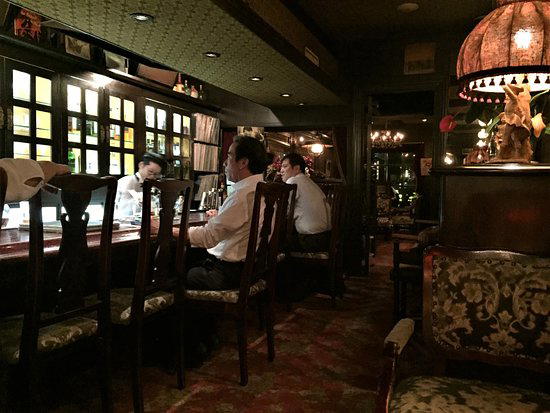
Restaurants in Kyoto
Browse all →
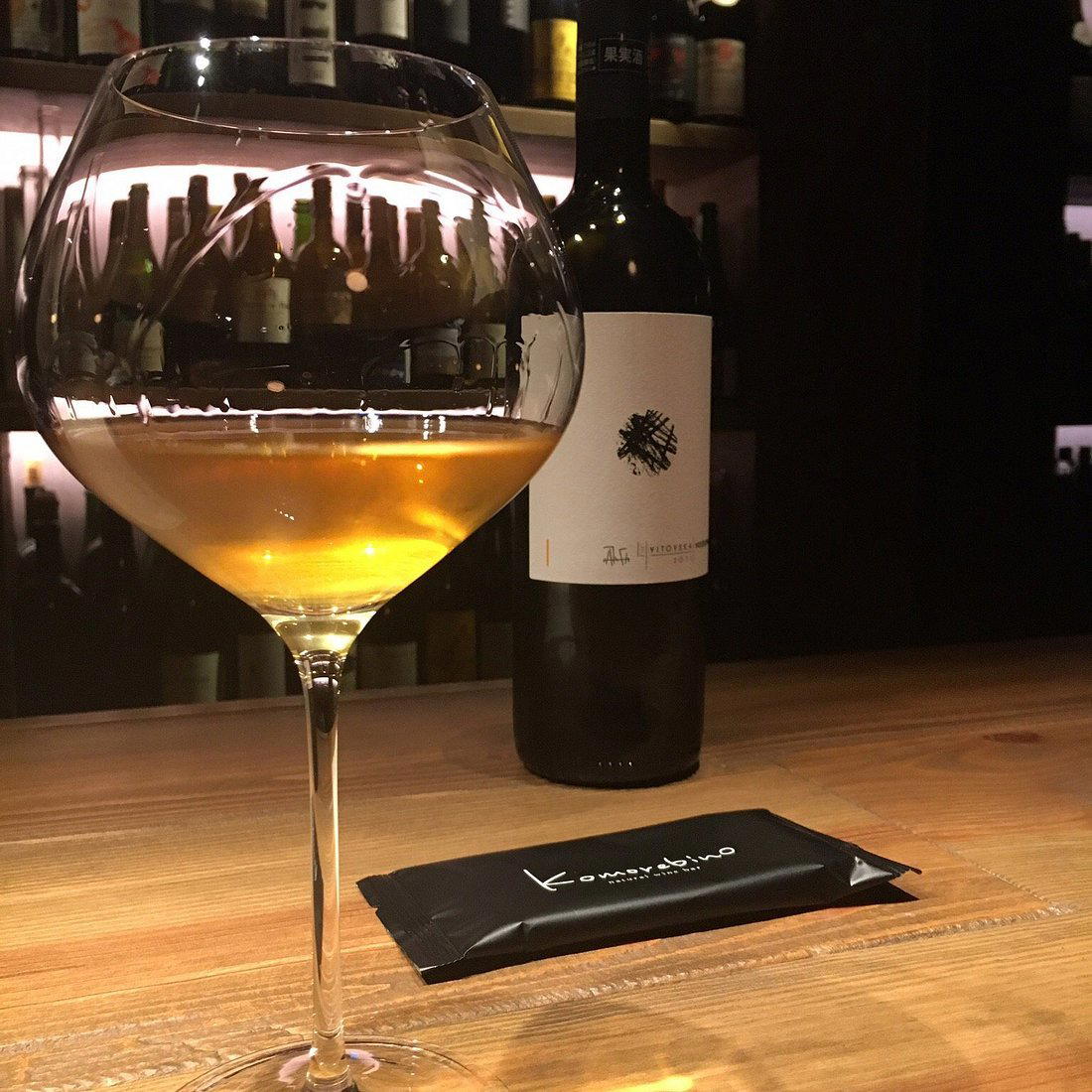
Bars in Kyoto
Browse all →

Hotels in Kyoto
Browse all →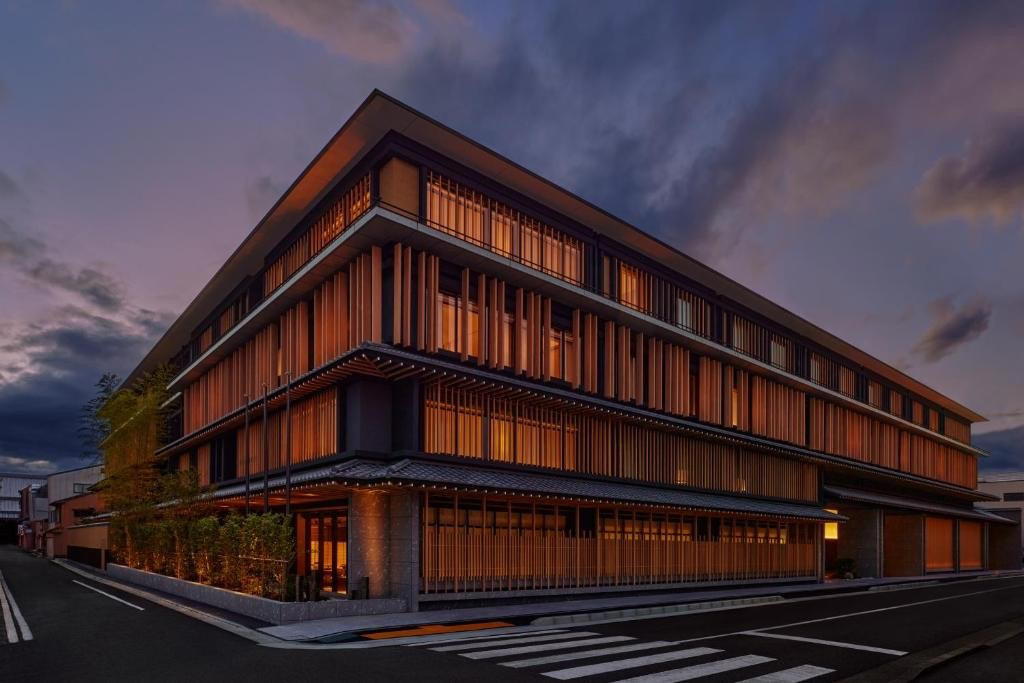
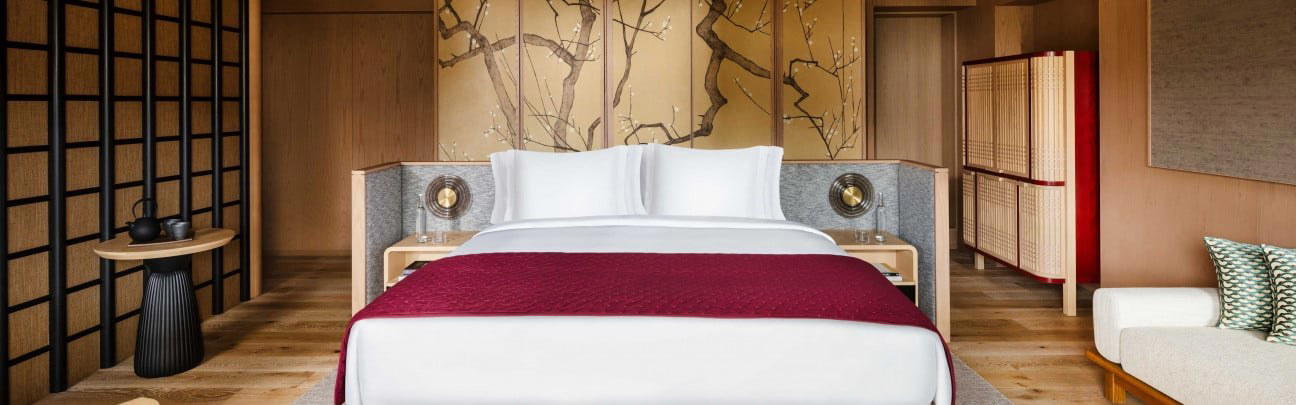
Wineries in Kyoto
Browse all →
At a Glance
- Classic
- Quiet
- Cozy
- Solo
- Family
- Casual Hangout
- Historic Building
- Standalone
- Sake Program
- Local Sourcing
Current opening hours
- Monday
- 11 AM–2:30 PM, 4–7:30 PM
- Tuesday
- 11 AM–2:30 PM, 4–7:30 PM
- Wednesday
- 11 AM–2:30 PM, 4–7:30 PM
- Thursday
- 11 AM–2:30 PM, 4–7:30 PM
- Friday
- 11 AM–2:30 PM, 4–7:30 PM
- Saturday
- 11 AM–2:30 PM, 4–7:30 PM
- Sunday
- 11 AM–2:30 PM, 4–7:30 PM
Hours can change for holidays and private events. Last verified .
A compact, quietly focused basement restaurant in JR Kyoto Isetan that emphasizes simple, authentic, traditional dining rather than spectacle.