
Michelin Plate
Our verdict
Koryori Takaya operates in the tradition of Kyoto kappo dining, where the counter format creates proximity between kitchen and guest without the formality of full kaiseki. Holding Michelin Plate recognition in both 2024 and 2025, it serves set lunches and evening omakase finished at the earthenware rice pot, earning.

Pearl is the En Primeur Club membership app, where members save venues, book tables and use the concierge.
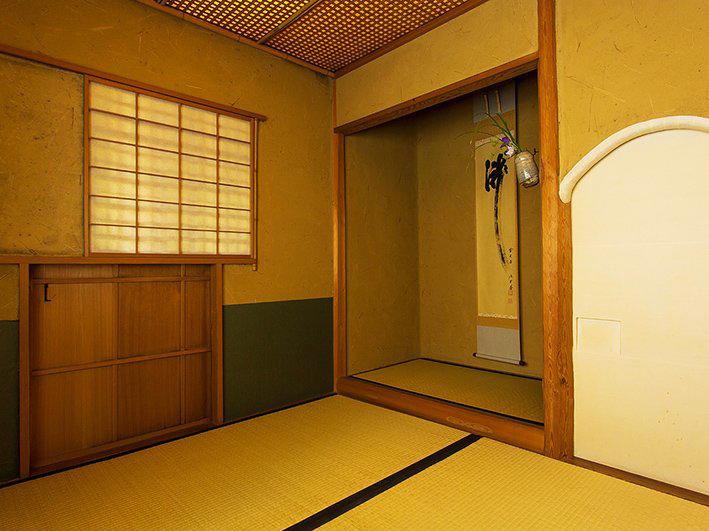
Kappo Without the Distance
There is a particular register of Kyoto dining that sits below the lacquered formality of kaiseki and above the quick ease of a neighbourhood teishoku shop. Kappo occupies that middle register: a counter-based format where the cook works in open view, courses arrive as the kitchen dictates, and the evening is shaped by conversation as much as choreography. In Tokyo, the kappo format tends toward speed and sharpness, calibrated to a clientele managing dense schedules. In Kyoto, the same format softens. The pacing lengthens. The counter becomes a place to settle rather than pass through.
Koryori Takaya sits in this Kyoto tradition. The address places it in Shimogyo Ward, a part of the city where working Kyoto and visitor Kyoto overlap without the self-consciousness of Gion. The room carries what the Michelin inspectors described as the comfortable familiarity of a neighbourhood eatery, a quality that is harder to engineer than a three-star kitchen and therefore rarer than the guides typically acknowledge.
The Tokyo–Kyoto Divide at the Counter
The gap between Tokyo and Kyoto dining culture is not simply about ingredient sourcing or regional technique. It is about what a meal is for. Tokyo's top-end dining, whether the Kanesaka-lineage omakase counters of Ginza reviewed by Harutaka in Tokyo or the precision izakaya of Myojaku in Tokyo, operates in a city where the table is often a reward at the end of a packed day. There is theatre, there is speed, there is the sense of something delivered efficiently at high resolution.
Kyoto counters work on a different logic. The city's identity as Japan's preserved culinary capital is not mere reputation: it carries the ingredient sourcing infrastructure of Nishiki Market, centuries of Buddhist vegetarian cooking, and the influence of court cuisine on how flavour is calibrated toward restraint. When Koryori Takaya concludes its evening omakase with rice cooked in earthenware pots, the choice of pickled tuna, grilled fish, or sukiyaki as accompaniment reads as an invitation to linger rather than a signal that service is closing. The earthenware pot itself is a piece of that slower logic, releasing steam slowly, requiring the diner to wait.
Compare that cadence with the kaiseki houses that define Kyoto's upper tier. Isshisoden Nakamura, Kikunoi Roan, and Gion Matayoshi operate in formats where ceremony is the product. The progression of courses, the seasonally adjusted tableware, the service vocabulary: all of it produces an experience that is formally composed. Koryori Takaya operates with a different proposition. The kappo counter offers proximity to the cook, fewer layers of service protocol, and a format where freshly cooked dishes arrive at the pace the kitchen sets rather than a predetermined choreography. It is a format that prioritises immediacy over architecture.
Lunch and Evening: Two Different Rhythms
The venue operates across two formats that serve different purposes in the Kyoto dining calendar. At lunch, set meals with a variety of small side dishes anchor the offer: a familiar teishoku structure that suits both working locals and visitors who want a considered midday meal without committing to a full evening's pacing. The format is an accessible entry point into Kyoto's fish- and vegetable-forward cooking without the investment the evening demands.
The evening omakase is where the kitchen's range becomes visible. The chef-directed progression, concluding with the earthenware rice pot and a choice of accompaniments, is the kind of format that relies on the cook's judgment across the meal rather than a fixed written menu. Among Kyoto's ¥¥¥ tier, that approach places Koryori Takaya alongside considered mid-tier operators rather than entry-level set-menu houses. Kenninji Gion Maruyama and Kodaiji Jugyuan work in adjacent territory, where the food reflects Kyoto tradition without the overhead of a four-symbol price tier.
Recognition and Peer Position
Michelin Plate recognition in consecutive years, 2024 and 2025, signals consistent kitchen quality that the inspectors find worth flagging without the full star criteria of course count, tablecloth formality, or price position. The Plate category in Kyoto is densely populated given the city's restaurant depth, which means sustained inclusion carries weight.
Within Kyoto's broader dining map, the city's starred addresses cluster toward kaiseki and formal Japanese. Gion Sasaki operates at three stars in the kaiseki register. Ifuki holds two stars. Azabu Kadowaki in Tokyo illustrates how the kappo format can reach into two-star territory at a different price point. Koryori Takaya operates well below that investment level and with a deliberately neighbourhood character, which is its distinction rather than a limitation.
For visitors mapping a broader Japan itinerary, the kappo format appears across the country's major cities in varying registers. HAJIME in Osaka and Goh in Fukuoka show how Japanese cuisine at counter level reads differently across cities. akordu in Nara, 1000 in Yokohama, and 6 in Okinawa each occupy distinct regional positions that demonstrate how localised Japan's dining identity remains despite the Michelin framework that cuts across it.
Shimogyo and the Kyoto Address
Shimogyo Ward is not the address Kyoto's tourism infrastructure tends to promote. Gion, Higashiyama, and the temple corridors of northern Kyoto draw more of the visitor narrative. Shimogyo sits closer to Kyoto Station, denser, more functional, with a mix of local commerce that does not perform for outside audiences. A kappo with neighbourhood-eatery character fits that address more naturally than it would fit a renovated machiya in Gion, and the fit is part of what makes the room read as it does rather than as a constructed version of Kyoto dining.
Know Before You Go
- Cuisine: Japanese kappo
- Price tier: ¥¥¥
- Recognition: Michelin Plate 2024, Michelin Plate 2025
- Guest rating:
- Address: Nishisakaicho 165-1, Shimogyo Ward, Kyoto 600-8218
- Lunch: Set meals with small side dishes
- Dinner: Omakase, concluding with earthenware rice pot and choice of accompaniments
- Booking: Contact details not publicly listed; reservations advisable given counter capacity
For a full picture of Kyoto's dining, drinking, and stay options, see our full Kyoto restaurants guide, our full Kyoto hotels guide, our full Kyoto bars guide, our full Kyoto wineries guide, and our full Kyoto experiences guide.
Frequently asked questions
What dish is Koryori Takaya famous for?
The kitchen does not have a single signature dish in the sense of a fixed item that defines the menu. The format that draws consistent attention is the conclusion of the evening omakase: rice cooked in earthenware pots served with a choice of pickled tuna, grilled fish, or sukiyaki. That ending, described by Michelin's Kyoto inspectors in their Plate assessments for 2024 and 2025, is where the kappo format at Koryori Takaya most clearly departs from formal kaiseki convention. It is a communal, unhurried close to a meal built around the cook's judgment rather than a written progression.
The Essentials
| Venue | Cuisine | Price | Awards | Notes |
|---|---|---|---|---|
| Koryori TakayaThis venue (the venue you are viewing) | Kappo Omakase | $100–150 | Michelin Plate | Not listed |
| Gion Sasaki | Modern Kaiseki | $300–500 | 3 Michelin Stars · La Liste Top Restaurants | Kaiseki, Japanese |
| cenci | Innovative Italian-Japanese Fusion | $100–150 | 1 Michelin Star · World's 50 Best #76 | Italian |
| Ifuki | Sumibi Kappo Kaiseki | $200–300 | 2 Michelin Stars · La Liste Top Restaurants | Kaiseki |
| Kyokaiseki Kichisen | Kyoto Kaiseki | $200–300 | 2 Michelin Stars · La Liste Top Restaurants | Japanese |
| Kyo Seika | Modern Chinese Fine Dining | $150–200 | 1 Michelin Star · Tabelog Bronze #216 | Chinese |
Recognition history
Dated appearances from independent guides and award organizations, with the underlying list record or original source where available.
Michelin Plate
Michelin
Full recognition history (3 entries)
Michelin Plate
Michelin
Michelin Plate
Michelin
Continue exploring
More in Kyoto
Restaurants in Kyoto
All restaurants in Kyoto →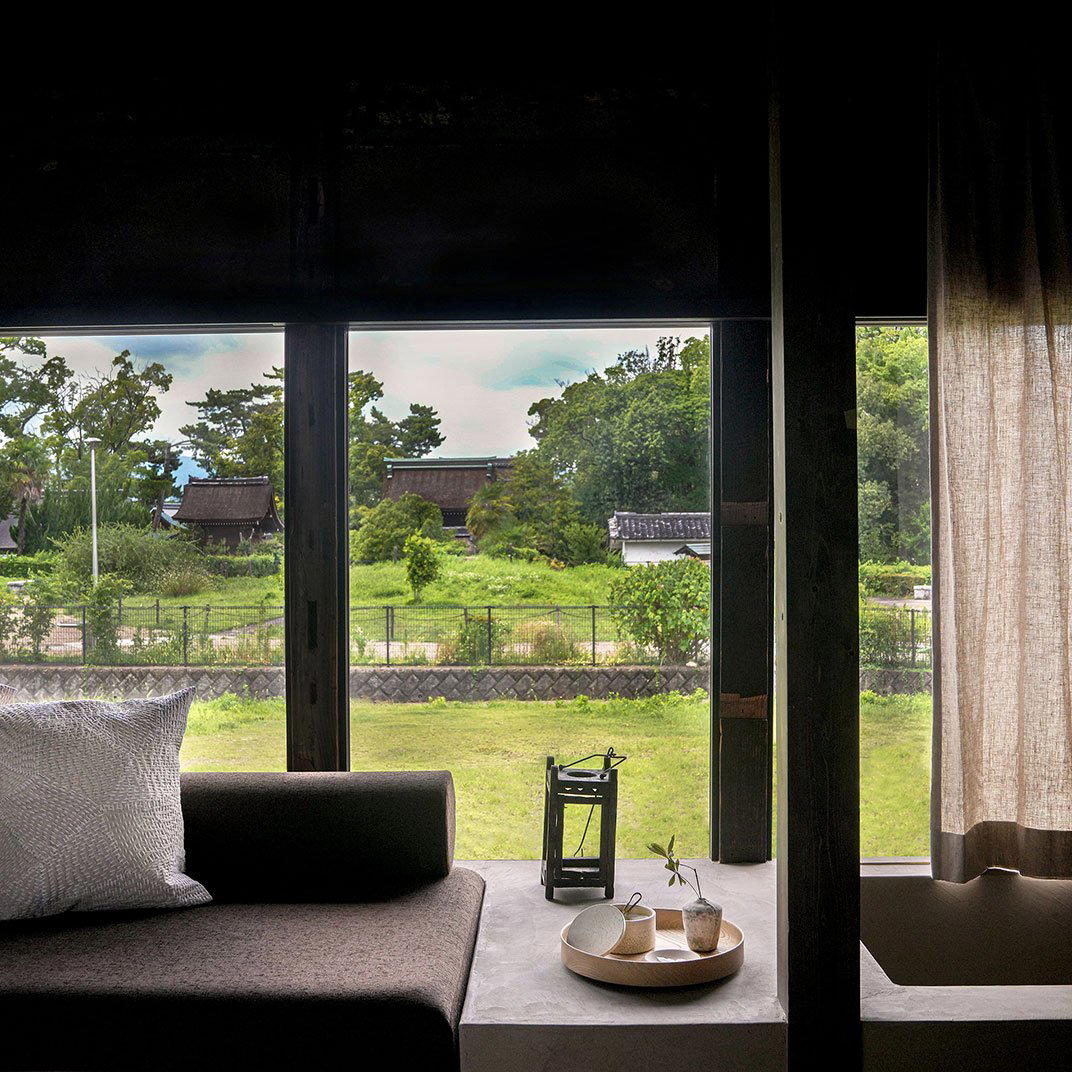
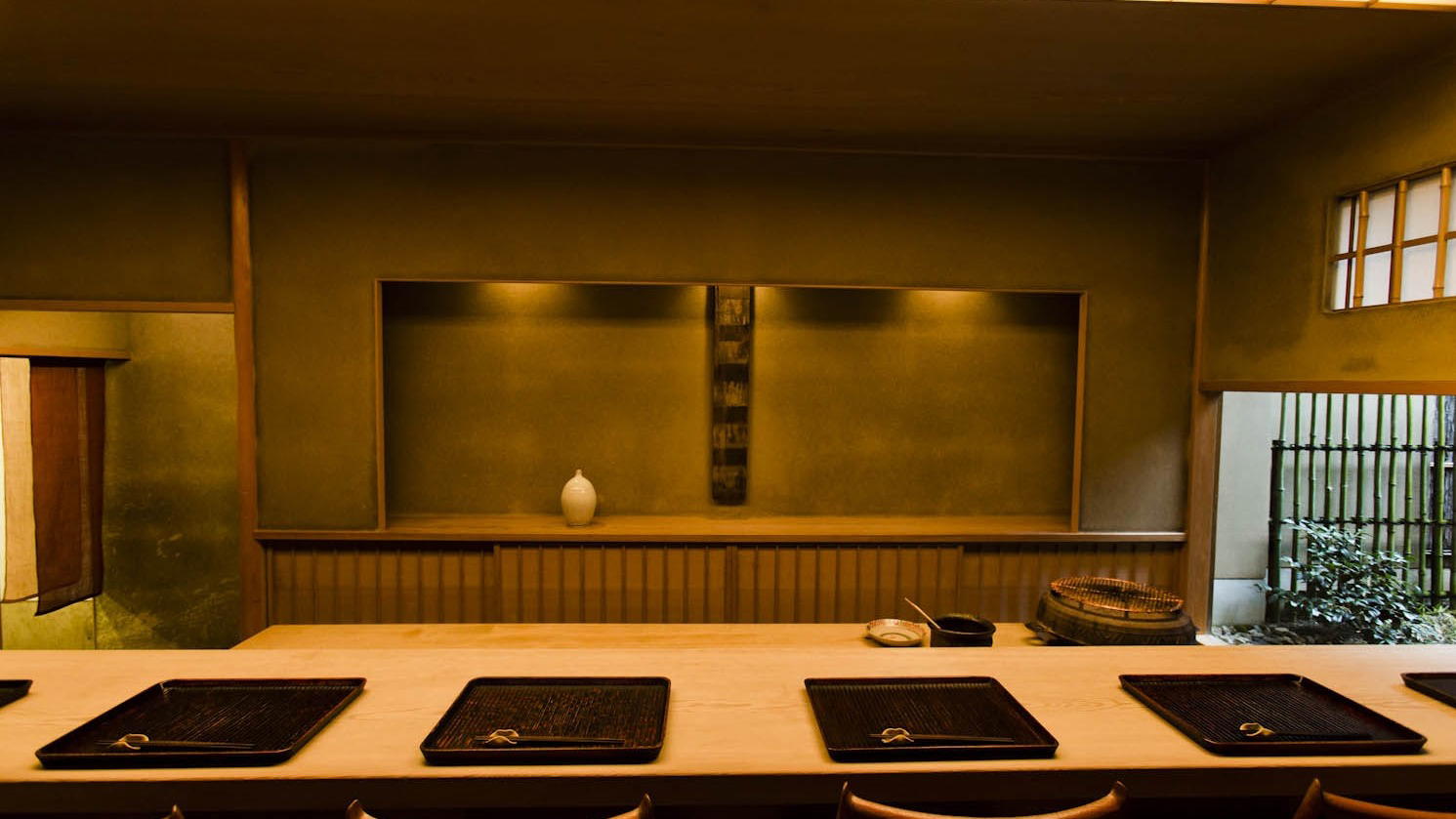
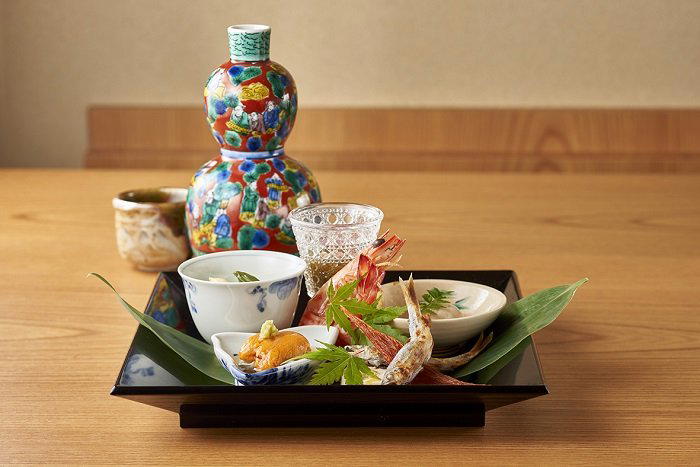
Bars in Kyoto
All bars in Kyoto →
Hotels in Kyoto
All hotels in Kyoto →
Wineries in Kyoto
Browse all →
Details
- Intimate
- Cozy
- Elegant
- Sophisticated
- Date Night
- Special Occasion
- Business Dinner
- Chefs Counter
- Sake Program
- Local Sourcing
- Omakase
- Counter Dining
- Sake Program
- Allergy Accommodating
Current opening hours
- Monday
- 12–2 PM, 5–10 PM
- Tuesday
- 12–2 PM, 5–10 PM
- Wednesday
- 12–2 PM, 5–10 PM
- Thursday
- 12–2 PM, 5–10 PM
- Friday
- 5–10 PM
- Saturday
- 5–10 PM
- Sunday
- Closed
Hours can change for holidays and private events. Hours as of .
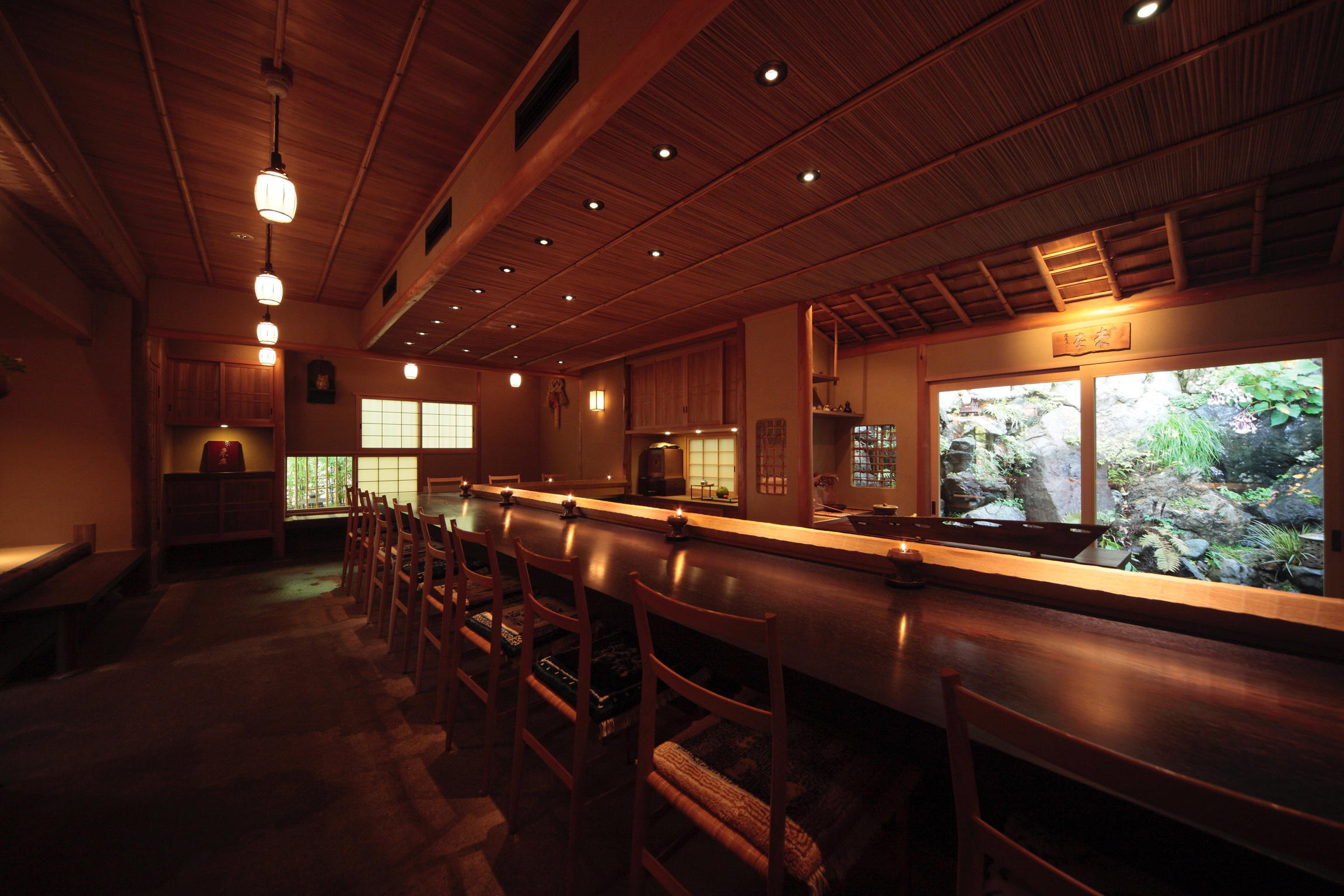
Cozy neighborhood eatery atmosphere with smiling conversation, comfortable familiarity, and relaxing counter seating.