

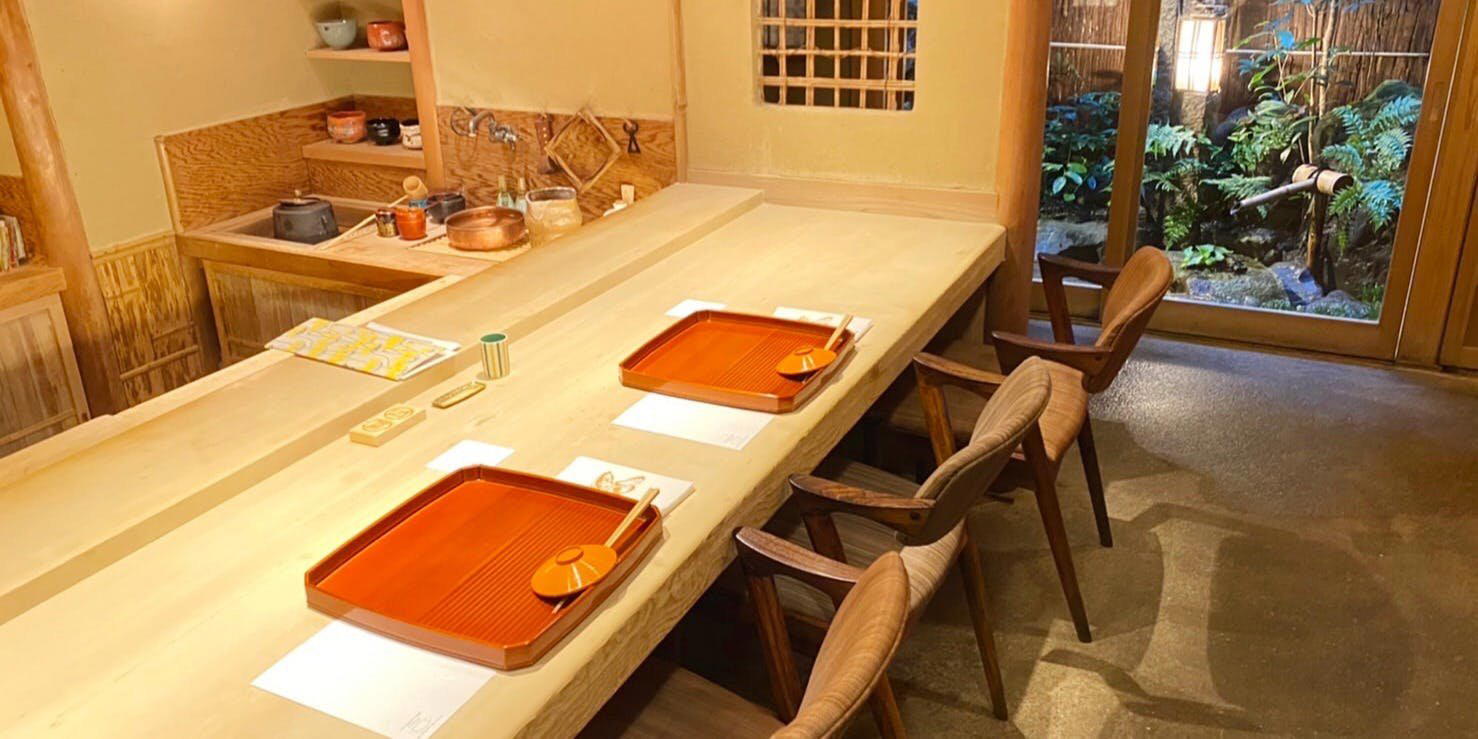
Honke Tankuma Honten distills the quiet poetry of Kyoto into a refined kaiseki experience where seasonality, craft, and hospitality converge. Within a hushed, heritage setting near the Kamo River, each course arrives like a vignette of nature, clear broths with gemlike clarity, pristine sashimi accented with whisper-light citrus, and charcoal-kissed delicacies that echo the forest and sea. The service is serene and intuitive, the plating restrained yet luminous, and the pacing allows flavors to bloom in sequence. For the informed traveler, this is not merely dinner; it is an elegant dialogue with Kyoto’s seasons, conducted with grace, precision, and a reverence for time-honored technique.
Pearl is the En Primeur Club membership app — saves, bookings, and concierge access live there. Same editors, same standards.
- Address
- 168 Izumiyacho, Shimogyo Ward, Kyoto, 600-8014, Japan
- Phone
- +81 50-3628-1645
- Website
- tankuma.jp
- Directions
- Get directions
 Saves & bookings on Pearl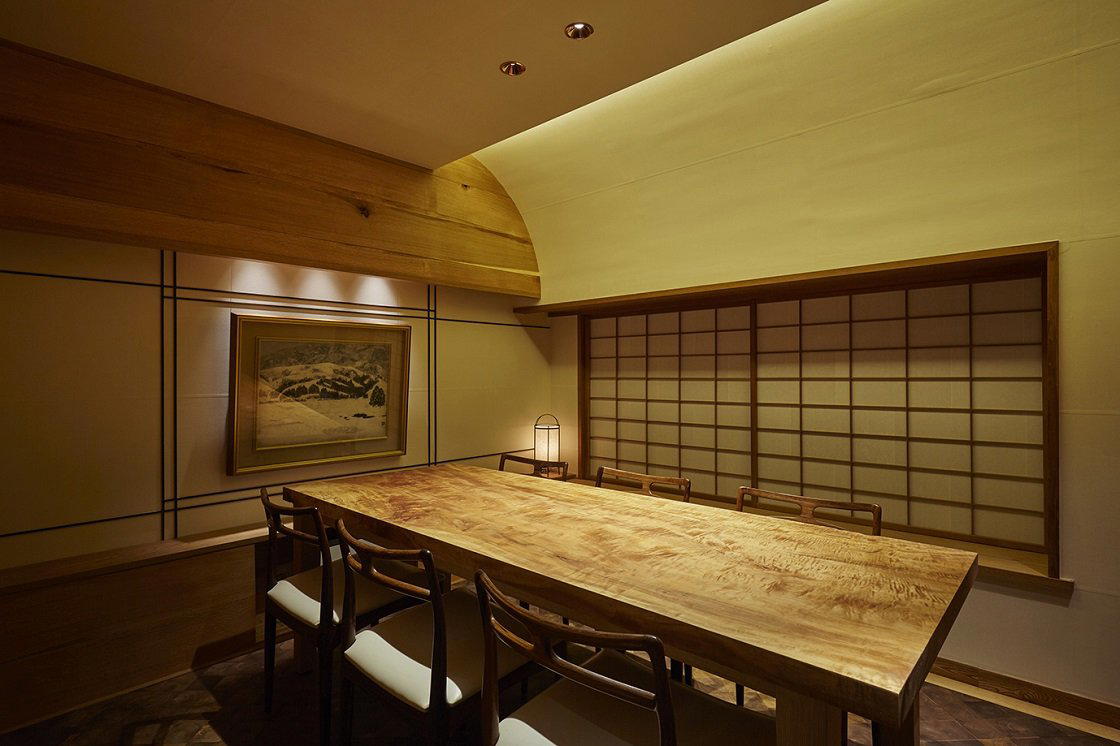
Kiyamachi and the Art of the Long Evening
Kiyamachi-dori is one of Kyoto's most concentrated dining corridors, running alongside the Takase Canal in Shimogyo Ward. The street operates at a different register from the tourist-facing strips of Higashiyama: the restaurants here are small, closely spaced, and aimed at regulars who already know what they want. It is the kind of street where the decision to walk through a particular door carries some weight, because the door you choose signals what kind of evening you are after. Honke Tankuma Honten has long occupied this street and remains part of its fabric.
The broader context matters here. Kyoto's kaiseki tradition dominates the conversation about serious Japanese dining in the city, and the Michelin Guide has reinforced that framing by concentrating its highest stars on the kaiseki end of the spectrum. Venues like Isshisoden Nakamura and Gion Matayoshi operate at that formal, multi-course, season-driven end of the dial. Honke Tankuma Honten holds one Michelin star, which places it inside the city's recognised dining tier. The distinction is not merely a question of ambition. It reflects a different relationship between restaurant and diner.
Where the Izakaya Spirit Meets Kyoto Craft
Japan's izakaya tradition is fundamentally about the social architecture of eating and drinking together. The format loosens the grip of ceremony, allowing dishes to arrive as they are ready, conversation to develop without the punctuation of a fixed menu progression, and the evening to extend as long as the table wants. In many cities, that tradition exists in tension with Michelin recognition, which tends to reward precision and structure. In Kyoto, however, a longer lineage of hospitality means that warmth and informality can coexist with serious cooking. Honke Tankuma Honten occupies that intersection, offering recognised Japanese cuisine in a setting that carries the communal spirit of sharing food rather than presenting it.
This places the restaurant in an interesting position relative to its Kiyamachi neighbours and to the wider Kyoto dining map. The street itself cultivates a certain intimacy of scale, and the restaurant's character reflects that. Diners who have worked through the formal kaiseki sequence at venues such as Kikunoi Roan or Kodaiji Jugyuan often find that an evening at Tankuma operates as a complement rather than a substitute, offering a looser frame around food that is no less carefully sourced or executed.
The Tradition Behind the Address
Longevity in Kyoto dining is not decorative. A restaurant that has maintained a presence on this street across generations has done so by understanding what its particular audience values, and by resisting the temptation to drift toward formats that would earn faster recognition from a newer audience.
Within Japan's broader premium dining scene, the ¥¥¥¥ pricing tier positions the restaurant meaningfully. At the ¥¥¥¥ end of the Kyoto spectrum, venues like Ifuki (two Michelin stars) and Gion Sasaki (three Michelin stars) command a different kind of commitment, both financial and logistical. Tankuma's one-star, ¥¥¥ positioning makes it accessible to serious diners who want Michelin-verified quality without the full ceremony or cost of Kyoto's highest-tier tables. That is a competitive position worth taking seriously, and it is one that a handful of similarly placed venues across Japan hold: Myojaku in Tokyo and Azabu Kadowaki represent comparable single-star Japanese dining at a tier below Tokyo's most rarefied counters.
Kiyamachi in the Wider Kansai Picture
The Kansai region's dining scene rewards a comparative approach. Osaka's Michelin-starred Japanese cooking, exemplified by venues such as HAJIME, operates in a different register from Kyoto's tradition-anchored approach. Kyoto restaurants tend to define themselves against the weight of their own history; Osaka's are more likely to push against convention. The city of Nara offers yet another variation, where the proximity to ancient temples and a smaller dining scene produces a quieter, more contemplative version of serious Japanese cooking. The restaurant's position on Kiyamachi places it squarely in the Kyoto mode: grounded, attentive to precedent, oriented toward craft that has been refined over time rather than reinvented for impact.
For visitors building an itinerary across Japan rather than through a single city, the comparison extends further. Harutaka in Tokyo, Goh in Fukuoka, 1000 in Yokohama, and 6 in Okinawa each demonstrate how Japanese fine dining expresses itself differently across the archipelago. Kyoto's iteration, as represented by Tankuma, places social warmth alongside technical precision in a way that the city's geography and history have made natural.
Planning a Visit
The address at 168 Izumiyacho in Shimogyo Ward places the restaurant on Kiyamachi-dori, within walking distance of central Kyoto's main transport connections. The street is most animated in the evening, when the canal-side restaurants open properly and the foot traffic of Kyoto's hospitality district comes into its own. For anyone building a broader Kyoto food and drink itinerary, the EP Club guides to Kyoto restaurants, bars, hotels, wineries, and experiences provide the broader context for how Tankuma fits into a longer stay.
Know Before You Go
- Address: 168 Izumiyacho, Shimogyo Ward, Kyoto, 600-8014, Japan
- Street: Kiyamachi-dori, alongside the Takase Canal
- Price tier: ¥¥¥ (mid-high; below ¥¥¥¥ kaiseki peers)
- Recognition: Michelin One Star (2024 Guide) 3 out of 5 (172 reviews)
- Cuisine: Japanese, izakaya-influenced communal dining
- Ideal time to visit: Evening, when the Kiyamachi corridor is most active
A Credentials Check
Comparable venues nearby, for context on price, style, and recognition.
| Venue | Cuisine | Price | Awards | Notes |
|---|---|---|---|---|
| Honke Tankuma HontenThis venue — the venue you are viewing | Traditional Kyoto Kaiseki | $$$$ | Michelin 1 Star | Not listed |
| Nijojo Furuta | Michelin 1-Star Kyoto Kaiseki | $$$$ | Michelin 1 Star | Nakagyō |
| Doppo | Modern Kaiseki | $$$$ | Michelin 1 Star | Kita |
| Kyoryori Fujimoto | Traditional Kyoto Kaiseki | $$$$ | Michelin 1 Star | Nakagyō |
| Mizuno | Michelin-Starred Creative Kyoto Kaiseki | $$$$ | Michelin 1 Star | Higashiyama |
| Kenya | Modern Japanese Kaiseki | $$$$ | Michelin 1 Star | Sakyō |
Recognition history
Dated appearances from independent guides and award organizations, with the underlying list record or original source where available.
Star Wine List
Star Wine List
Michelin 1 Star
Michelin
Continue exploring
More in Kyoto
Restaurants in Kyoto
Browse all →
Bars in Kyoto
Browse all →

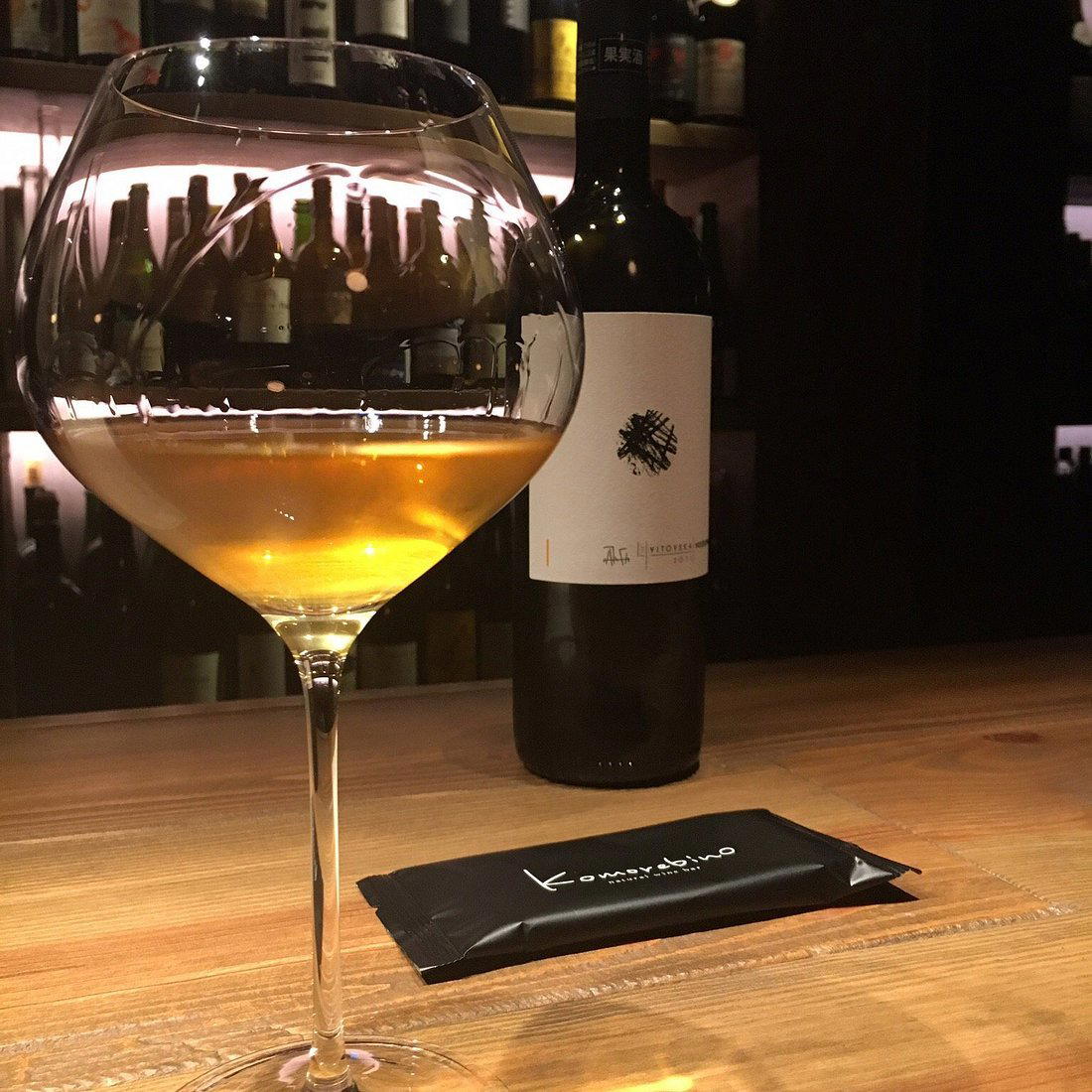
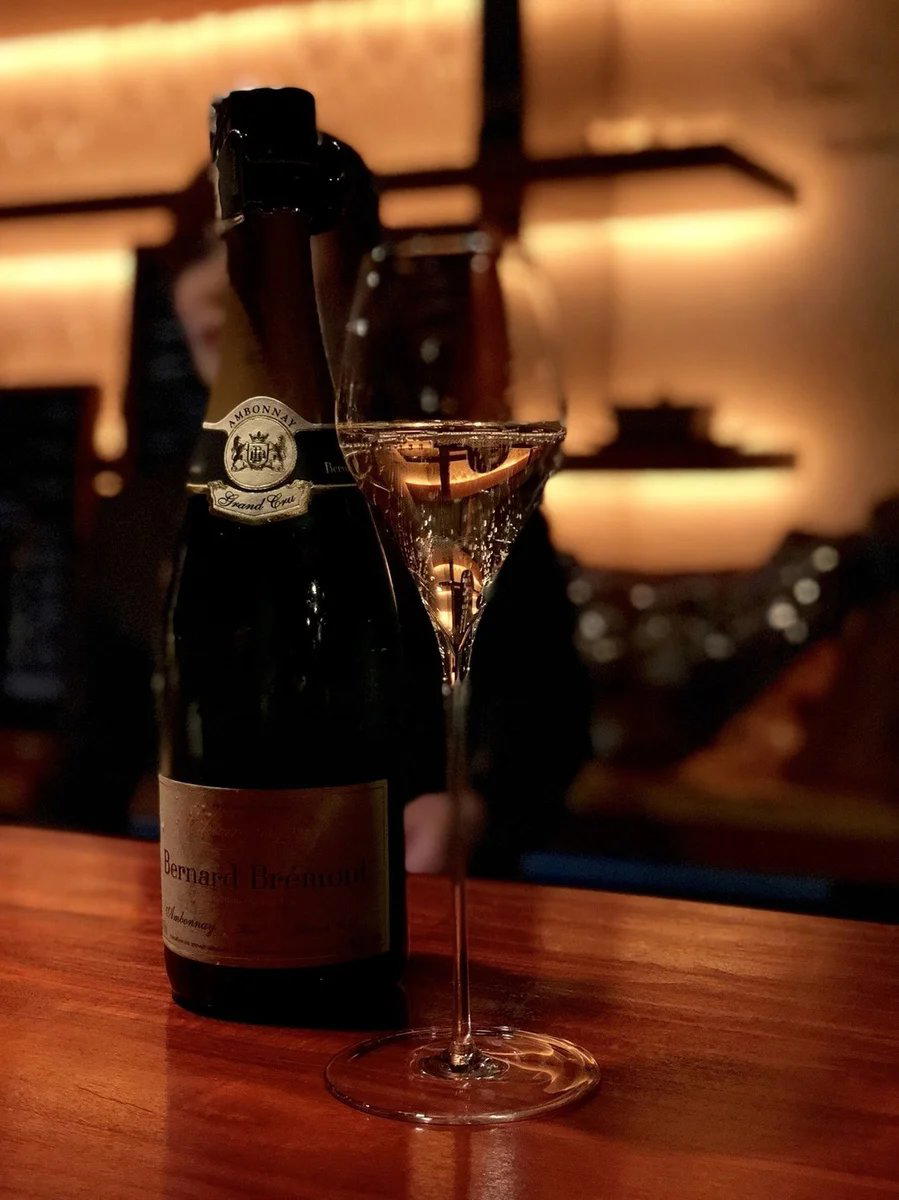
Hotels in Kyoto
Browse all →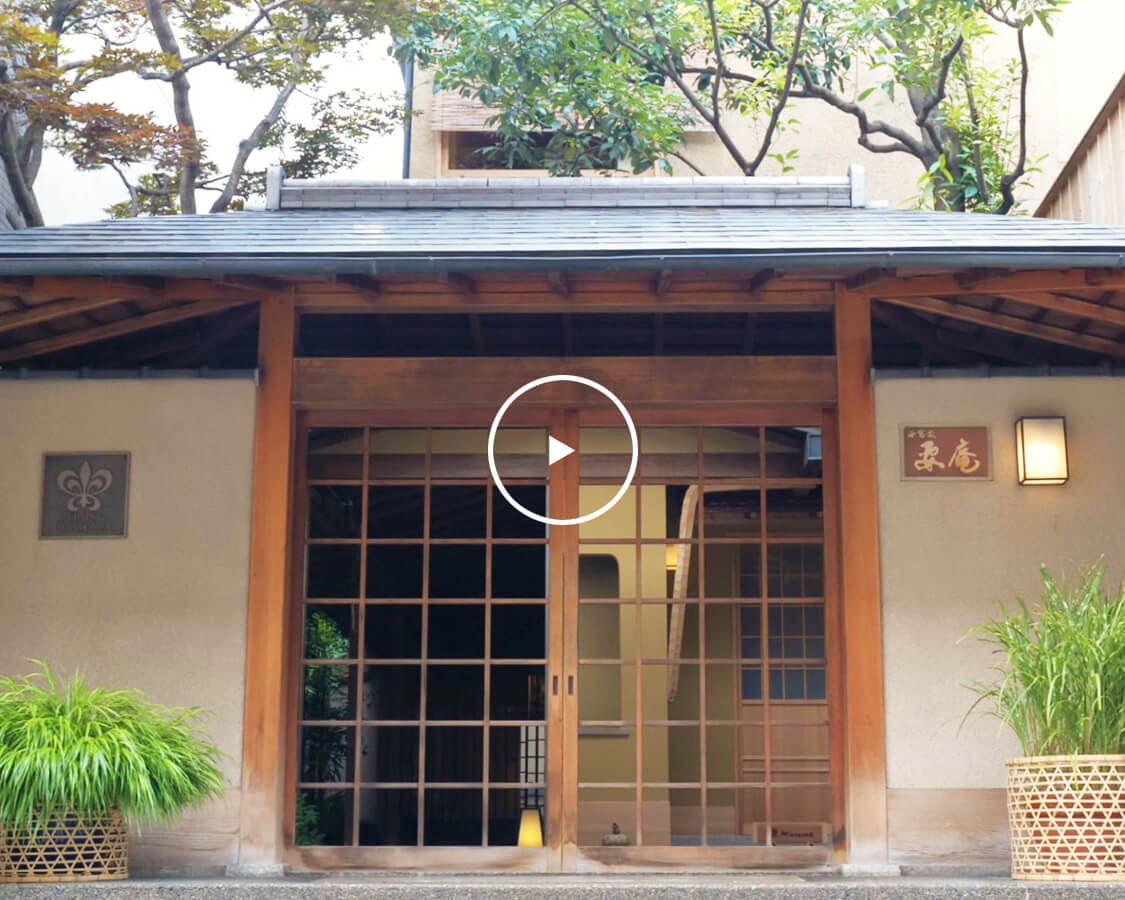

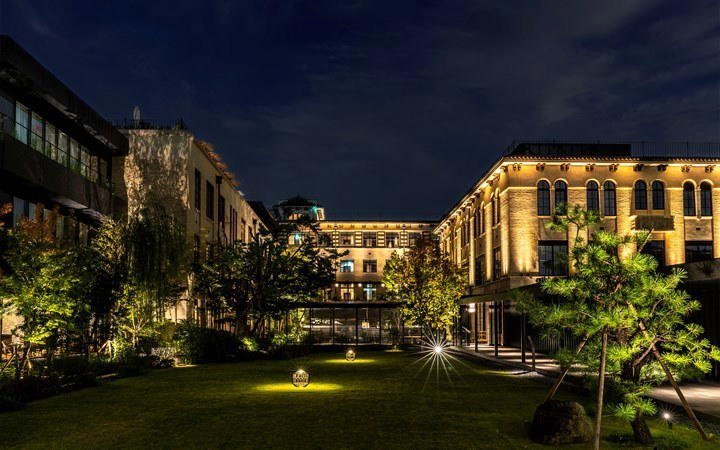
Wineries in Kyoto
Browse all →
At a Glance
- Elegant
- Classic
- Intimate
- Sophisticated
- Special Occasion
- Date Night
- Private Dining
- Historic Building
- Sake Program
- Local Sourcing
- Garden
Current opening hours
- Monday
- 5–7:30 PM
- Tuesday
- 5–7:30 PM
- Wednesday
- 5–7:30 PM
- Thursday
- 5–7:30 PM
- Friday
- 5–7:30 PM
- Saturday
- 5–7:30 PM
- Sunday
- Closed
Hours can change for holidays and private events. Last verified .
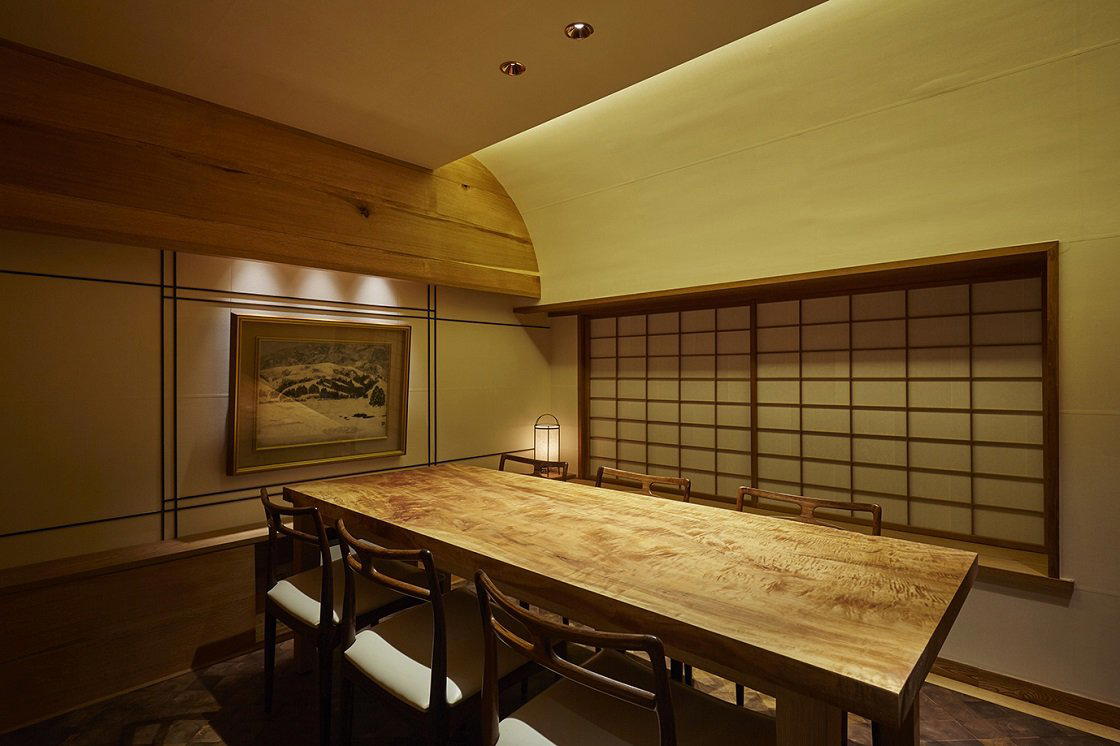
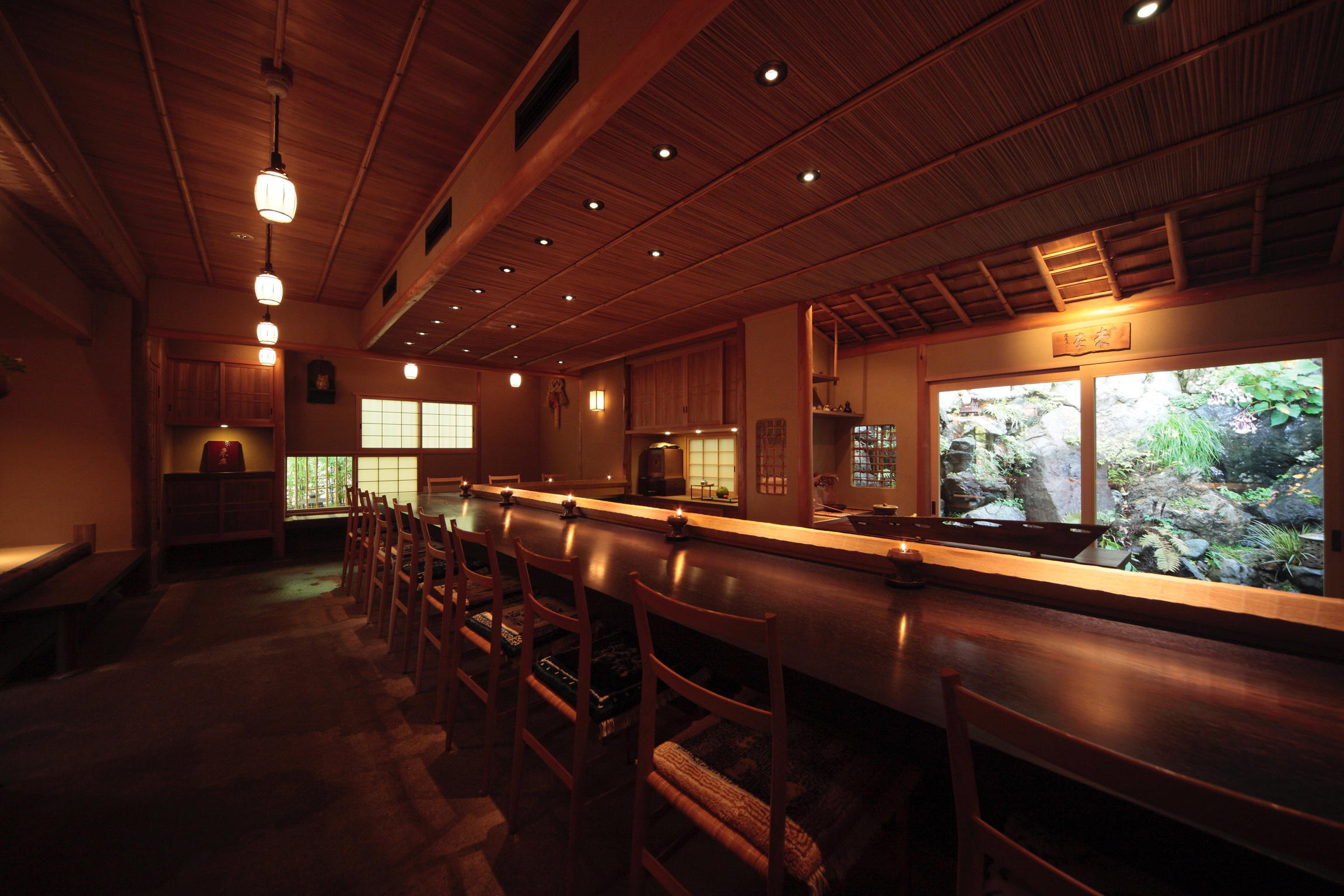
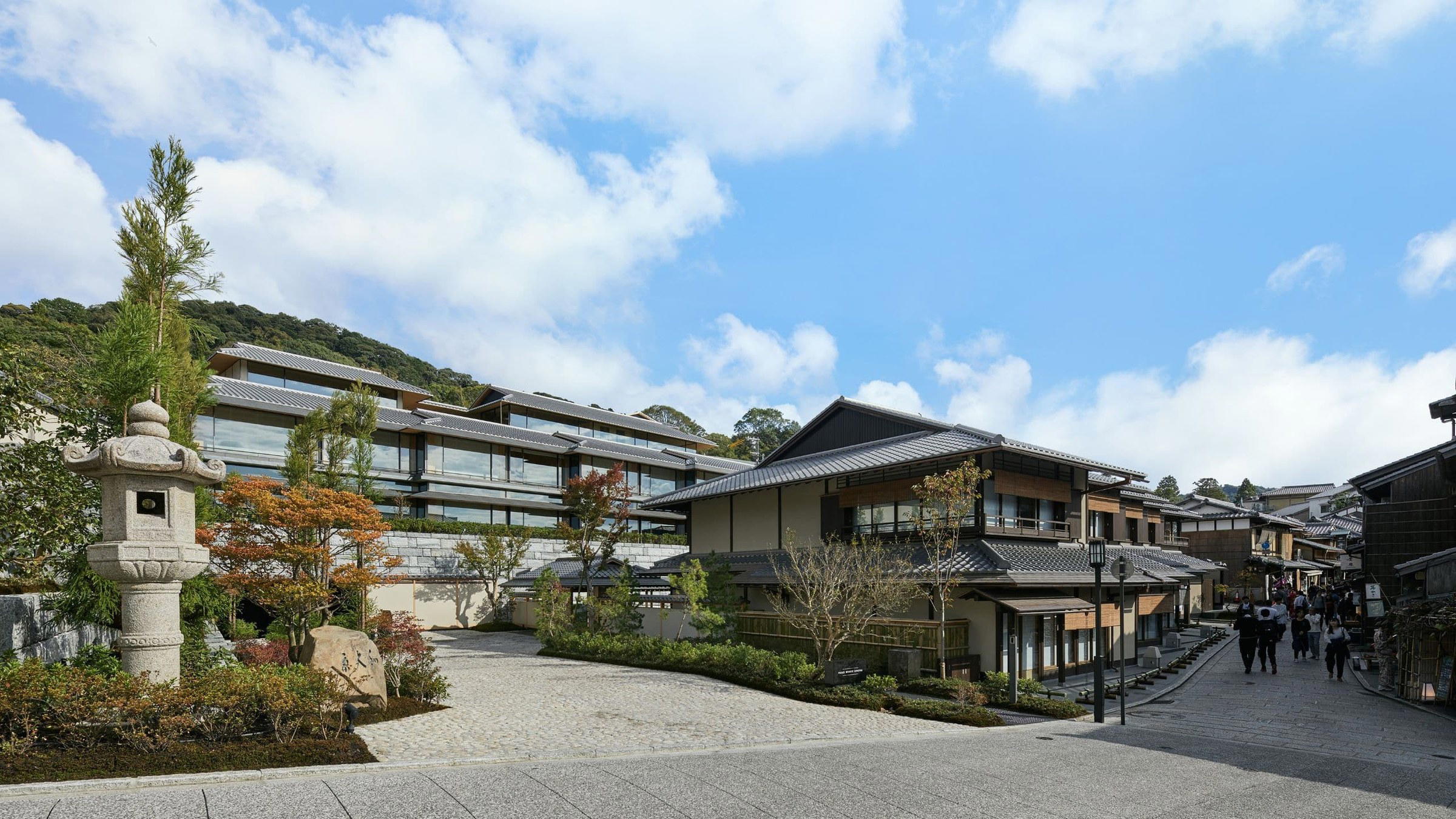
Refined traditional tatami private rooms with serene Kamo River views, daily changing art and decor, and a serene elegant atmosphere.