Our verdict
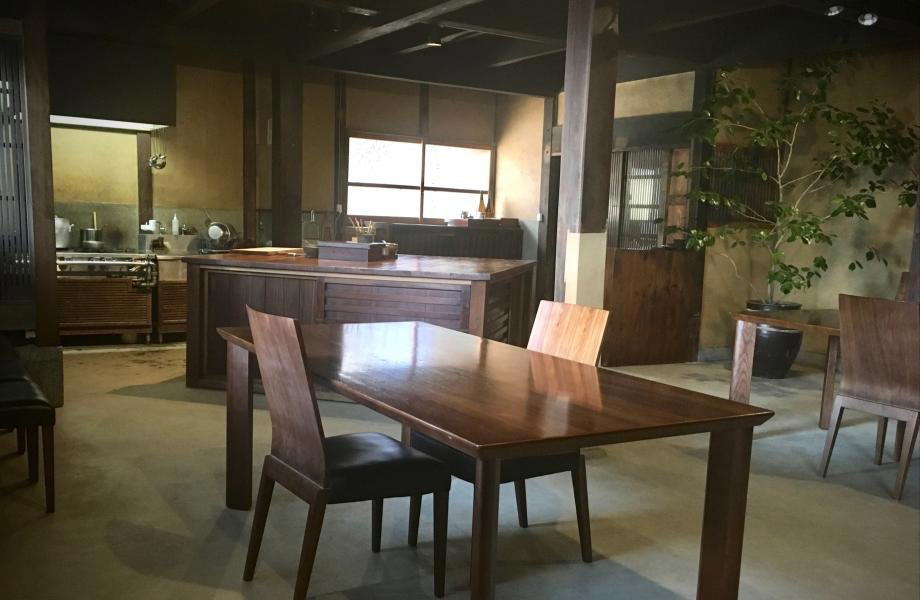
Kira Honten serves Saga Beef Teppanyaki with an open kitchen and sake program in Saga, with lunch and dinner pacing that suits a conversational, smart-casual meal.

Pearl is the En Primeur Club membership app — saves, bookings, and concierge access live there. Same editors, same standards.
- Address
- Japan, 〒840-0811 Saga, Otakara, 3 Chome−9−16 店休日:第二水曜日
- Phone
- +81952284132
- Hours
- Daily 11 AM–3 PM, 5–10 PM
- Website
- kira.saga-ja.jp
- Directions
- Get directions
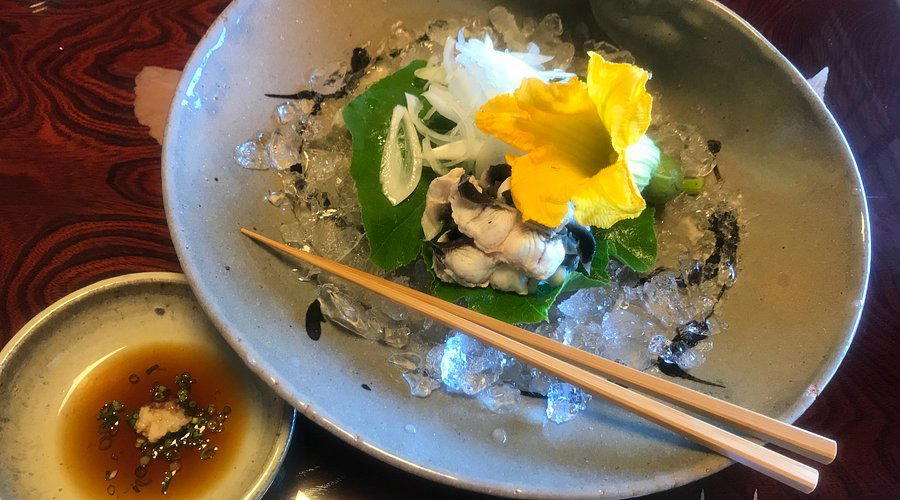
The menu
What to order
- Saga Beef Steak
- Yumesaki-gozen
- Beef Sushi
Saga's Ingredient-Driven Dining and Where Kira Honten Fits
Saga Prefecture occupies a position in Japan's food geography that its more celebrated neighbours rarely acknowledge openly. Wedged between Fukuoka's metropolitan dining energy and Nagasaki's port-city traditions, Saga produces some of Kyushu's most sought-after raw ingredients: Saga beef from wagyu raised on the Saga Plain, Ariake Sea seafood drawn from one of Japan's most productive coastal shallows, and a rice-growing tradition that shapes local fermentation and sake culture. Restaurants operating in this prefecture tend to sit in one of two camps: places that export their produce identity outward to dining rooms in Tokyo or Osaka, and places that stay rooted and build menus around what arrives from nearby farms, boats, and mountains. Kira Honten, located on Otakara in central Saga city, operates within that second tradition.
The address places the restaurant in a commercial stretch of central Saga, a city where the dining scene skews toward accessible neighbourhood formats rather than the destination-restaurant theatre more common in Fukuoka, about an hour north by train. That context matters. Saga dining rooms that earn sustained local loyalty typically do so through consistency and sourcing discipline, not through architectural spectacle or high-production omakase formats. Kira Honten's positioning in this civic, mid-city block signals a restaurant built for return visits rather than one-time occasion dining.
What the Ariake Sea Means for a Saga Kitchen
To understand ingredient sourcing in Saga, the Ariake Sea requires attention. The sea's extreme tidal range, among the largest in Japan, creates nutrient-dense mudflats that support specific marine species found in few other Japanese coastal environments. Mutsugoro (mudskipper), ganzuke (horseshoe crab), and specific seaweed varieties emerge from these tidal zones and appear on Saga menus in ways that reflect a genuinely local sourcing logic rather than trend-driven ingredient tourism. Restaurants drawing from Ariake produce occupy a different culinary position from those pulling standard seafood supply chains: the ingredients arrive with geographic specificity attached, and kitchens that handle them well tend to develop an identifiable regional character over time.
For comparison, Amegen in Saga works within a seafood-forward format, and Tsukuta approaches the sushi format with produce drawn from similar regional supply networks. Across Kyushu, Goh in Fukuoka demonstrates how Kyushu-sourced ingredients can anchor a modern Japanese kitchen at a high competitive tier. Further afield, HAJIME in Osaka and Gion Sasaki in Kyoto illustrate the national ceiling for Japanese ingredient-driven cuisine, providing a reference point for understanding where Saga's local dining sits within Japan's broader culinary architecture.
The Format of Honten Dining in Japan
The word "honten" in a Japanese restaurant name carries specific meaning: it designates the original or main branch, distinguishing it from satellite locations or franchise offshoots. Restaurants carrying this designation tend to operate with a sense of institutional continuity, placing emphasis on established method over novelty. In practice, this often means formats that prioritise familiar comfort over experimental programming, kitchens where technique is steady rather than restless, and dining rooms where regular customers rather than first-time visitors set the social tone.
This format logic positions Kira Honten within a specific tier of Japanese dining culture, one that values accumulated trust over media visibility. It operates in a register quite different from the omakase counter model seen at Tokyo venues like Harutaka or the kaiseki formality of akordu in Nara. The honten designation suggests a restaurant that has earned its local standing through years of operation rather than through award cycles or critical attention.
Saga's Dining Scene in Brief
Saga city's restaurant concentration is modest by Kyushu standards, which means individual restaurants carry proportionally more weight as reference points for the city's overall dining character. The range is genuinely broad: Souan Nabeshima represents one end of the register, while Sumiyaki Hamburger Steak Gyusen, priced in the JPY 2,000-2,999 range, anchors the accessible end. This spread reflects a dining culture comfortable with range rather than one organised around a single dominant cuisine style. For visitors building a broader Saga itinerary, our full Saga restaurants guide maps the city's options across cuisine types and price tiers.
Saga's position within Japan's regional dining geography also connects it to patterns visible elsewhere in the country. Ingredient-rooted regional restaurants in secondary Japanese cities, whether in Nanao (see 一本杉川島), Sapporo (see 古代山乃), Takashima (see 湖畔荘), or Nishikawa Machi (see 庄羽屋), tend to operate with similar institutional logic: local supplier relationships built over years, menus that shift with season rather than trend, and customer bases that return rather than discover. International comparison points like Le Bernardin in New York City or Atomix in New York City illustrate how ingredient sourcing narrative has become central to high-end dining globally, though Saga's version of this remains grounded in local habit rather than international positioning. Additional Japanese regional examples include Birdland in Sakai and Bistro Ange in Toyohashi, which reflect how regionally specific restaurants develop identities outside Japan's primary dining cities.
Planning a Visit
Kira Honten is located at Otakara 3-chome, Saga city, accessible from Saga Station on the JR Nagasaki Line. Saga city is approximately one hour from Hakata Station in Fukuoka by limited express, making it a feasible day trip from Fukuoka for visitors combining both cities.
Frequently asked questions
Would Kira Honten be comfortable with kids?
Saga city's central dining addresses generally run without strict age restrictions, and Kira Honten's Otakara location places it in an accessible urban pocket rather than a formal dining-only district. Families visiting Saga city are unlikely to encounter a policy barrier here.
What's the vibe at Kira Honten?
The honten designation tells you something useful: this is the original, main-branch address rather than a newer spin-off, which in Japan typically signals a settled, established atmosphere built over years of local patronage. Saga city's restaurant scene is compact by Kyushu standards, so restaurants in this position tend to carry the weight of neighbourhood institution rather than trend destination. Expect familiarity and consistency over novelty.
Why does the honten designation matter when choosing a restaurant in Saga?
In Japan, a restaurant operating as honten holds the status of founding address, distinct from any later branches or franchises under the same name. In a city like Saga, where the overall restaurant count is modest compared to Fukuoka or Nagasaki, a honten address carries proportionally more local credibility as a reference point for the cuisine it represents. Kira Honten's position in Otakara, a central Saga district, reinforces this role as a primary rather than secondary destination.
What do regulars order at Kira Honten?
Confirmed menu data is not available, so naming specific dishes here would risk inaccuracy. What the context does support: restaurants in Saga city with a honten standing regularly anchor their menus around Ariake Sea seafood, Saga beef, and local agricultural produce, ingredients that define the prefecture's food identity. Asking staff for the kitchen's current focus is the most reliable approach on arrival.
In Context: Similar Options
Comparable venues nearby, for context on price, style, and recognition.
| Venue | Cuisine | Price | Awards | Notes |
|---|---|---|---|---|
| Kira HontenThis venue — the venue you are viewing | Saga Beef Teppanyaki | $50–100 | Not listed | Not listed |
| Tsukuta | Karatsu-mae Edomae Sushi Omakase | $150–200 | Tabelog 100 #89 | Karatsu |
| Momoya | Japanese yoshoku hamburger steak & dumplings | $10–20 | Tabelog 100 #37 | Karatsu |
| Saga Ramen Ichigen. | Saga-style Tonkotsu Ramen Shop | $10–20 | Tabelog 100 #4 | Kawazoe-cho |
| Restaurant 5 | Seasonal Creative Japanese (Improvisational Course Menu) | $50–100 | Tabelog 100 #52 | .null |
| Souan Nabeshima | Seasonal Japanese Kaiseki with Sake Pairing | $300–500 | Tabelog Bronze #420 | Hizen Hamashuku, Kashima City |
Details
- Elegant
- Sophisticated
- Special Occasion
- Business Dinner
- Open Kitchen
- Sake Program
- Local Sourcing
- A La Carte
- Set Menu
- Sake Program
Current opening hours
- Monday
- 11 AM–3 PM, 5–10 PM
- Tuesday
- 11 AM–3 PM, 5–10 PM
- Wednesday
- 11 AM–3 PM, 5–10 PM
- Thursday
- 11 AM–3 PM, 5–10 PM
- Friday
- 11 AM–3 PM, 5–10 PM
- Saturday
- 11 AM–3 PM, 5–10 PM
- Sunday
- 11 AM–3 PM, 5–10 PM
Hours can change for holidays and private events. Last verified .
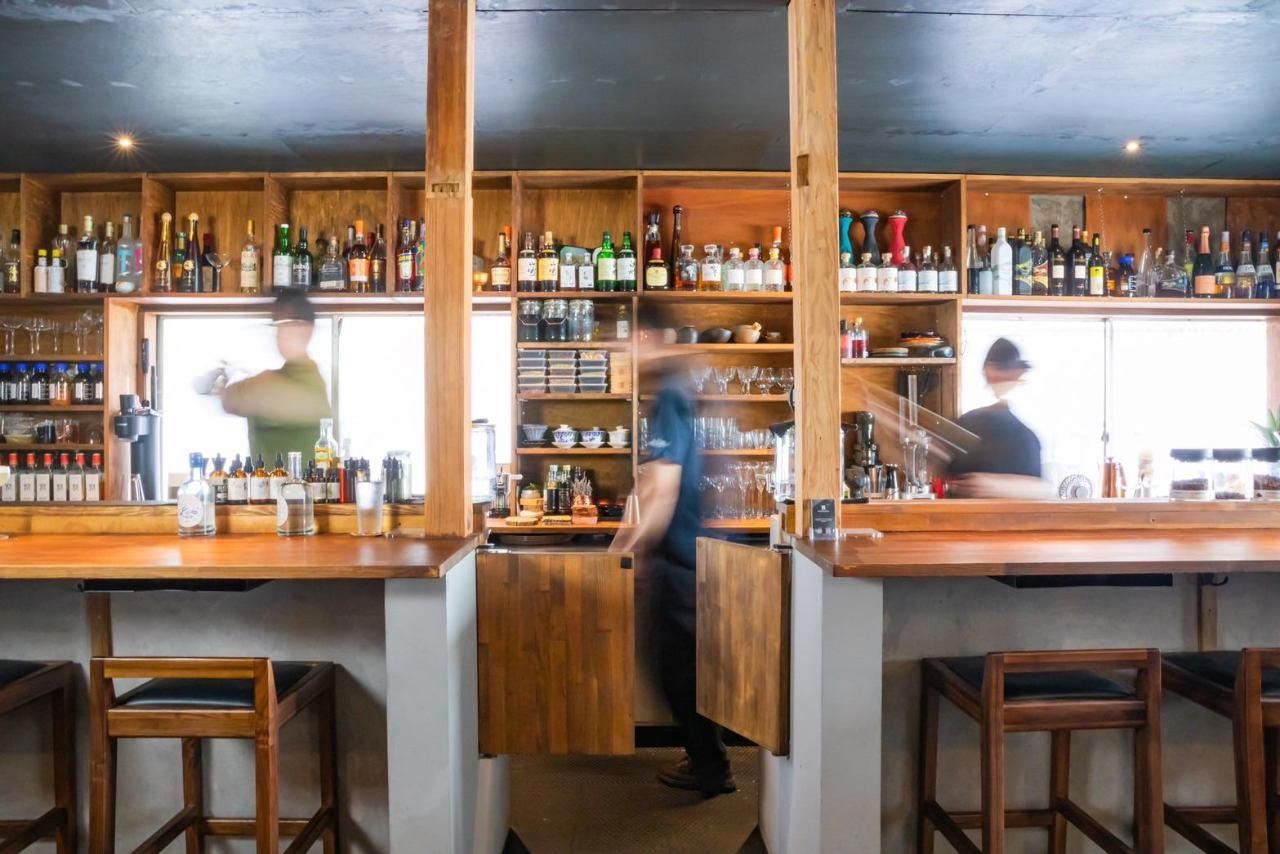
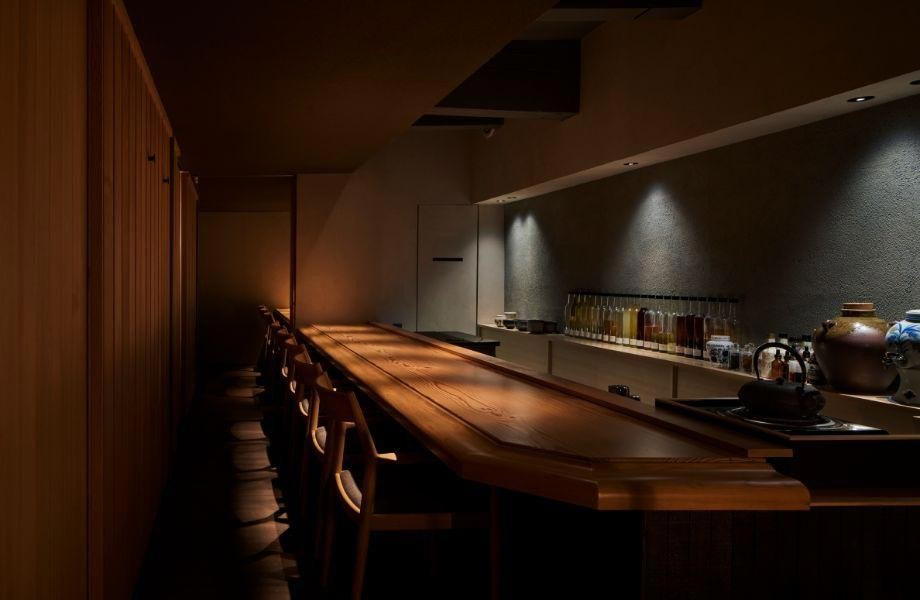
Smart dining room with teppanyaki counter seating where chefs prepare food in front of diners, offering a sophisticated yet lively atmosphere.