
Momoya gives Karatsu’s yoshoku tradition a grounded, local reading: hamburger steak and dumplings in a house-restaurant setting rather than a polished urban dining room. Its selection for Tabelog 100 Yoshoku WEST 2025 puts it in a regional conversation usually dominated by larger cities, while the cooking stays firmly in the everyday Japanese-Western register.
Pearl is the En Primeur Club membership app — saves, bookings, and concierge access live there. Same editors, same standards.
- Address
- 2-19 Nishinohamamachi, Karatsu, Saga 847-0855, Japan
- Phone
- +81 955-73-9137
- Website
- tabelog.com
- Directions
- Get directions
 Saves & bookings on Pearl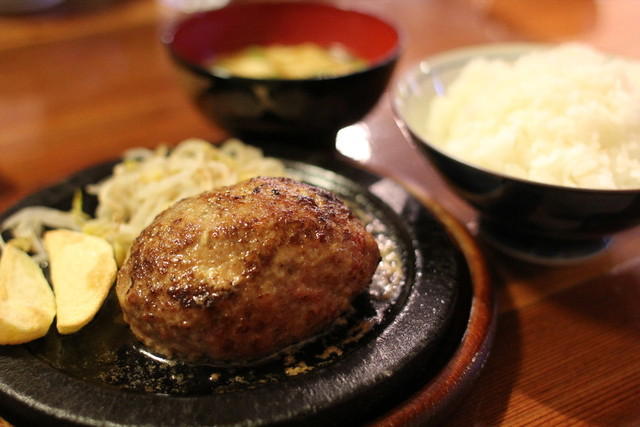
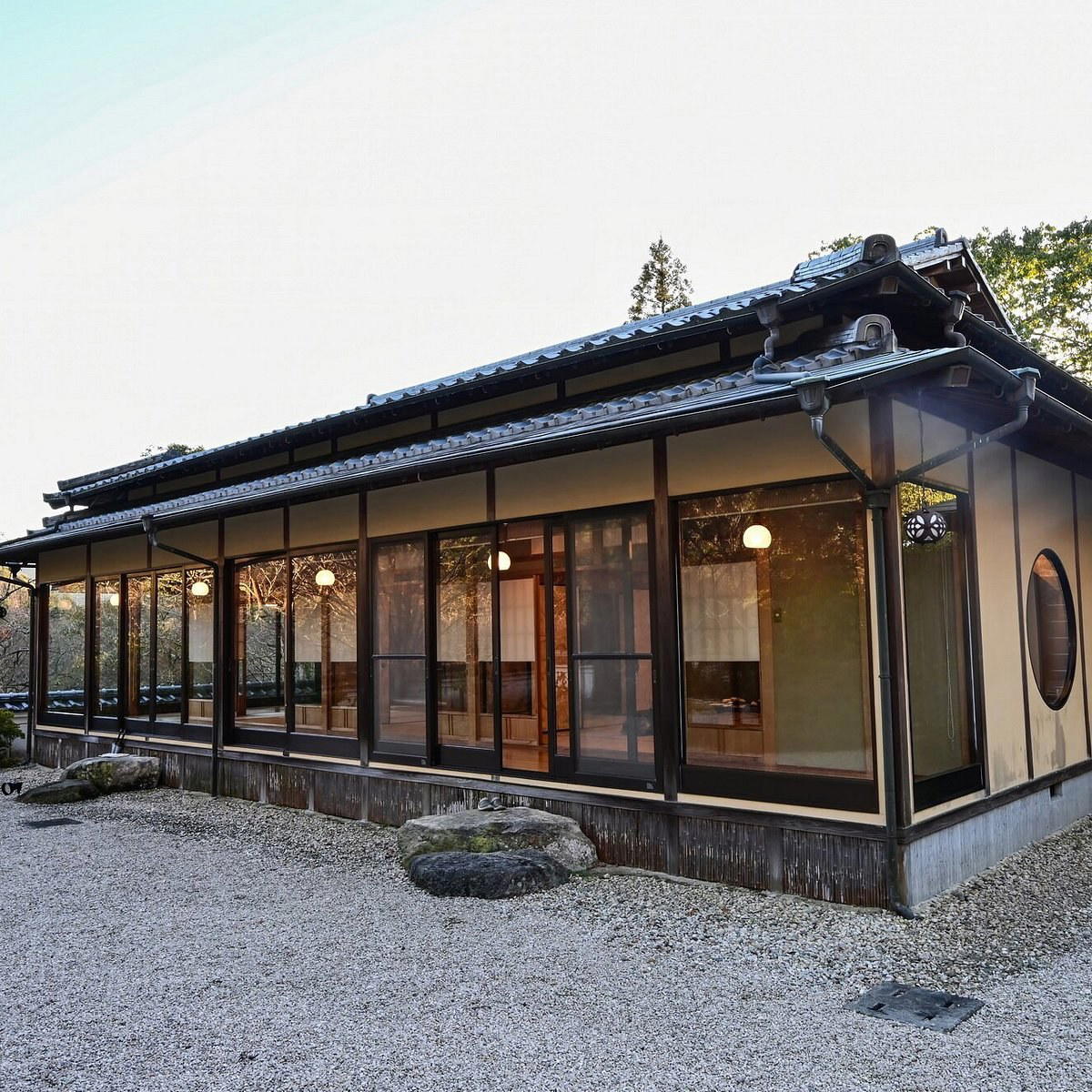
Approach the western side of Karatsu and the dining signal changes: fewer polished restaurant facades, more domestic scale, and the kind of house-restaurant setting that suits yoshoku better than ceremony. This is food with a working appetite behind it. Hamburger steak and dumplings belong to a Japanese-Western tradition built around adaptation, thrift, and local preference rather than imported authenticity, and Momoya’s place in Karatsu makes that context matter. Saga is often read through beef, pottery, and coastal seafood, but its everyday dining culture also has room for sauce, mince, griddle work, and family tables.
Yoshoku is often misunderstood by visitors as retro comfort cooking. That misses the point. In Japan, the genre has its own internal standards: texture, sauce balance, portion logic, rice compatibility, and the ability to satisfy without the theatre attached to more formal cuisines. A hamburger steak house in Karatsu does not compete with sushi counters such as Tsukuta or higher-spend regional Chinese rooms such as Chuka Ooshige. It sits in a separate lane, closer to the lunch-and-dinner habits of residents than to destination dining choreography.
Karatsu yoshoku, read through beef, dumplings, and daily appetite
The useful lens here is sourcing and locality, not luxury. Saga’s food identity is tied to strong primary ingredients, from coastal catch around Karatsu to well-known beef culture across the prefecture. Yoshoku translates that ingredient base into formats designed for repeat eating. Hamburger steak is not merely a Western import with Japanese sauce; it is a domestic staple that rewards careful handling of ground meat, heat, and seasoning. Dumplings add another clue, placing the meal closer to the hybrid diner tradition than to a single-cuisine restaurant category.
Momoya’s selection for Tabelog 100 Yoshoku WEST 2025 gives this small-format category measurable recognition. The WEST list is useful because it compares yoshoku houses across a broad region rather than isolating them within one prefecture. That matters in Saga, where destination diners can over-index on beef temples, sushi, or ramen and miss the quieter places where local dining habits are easier to read. For a wider look at the prefecture’s range, Our full Saga restaurants guide maps the bigger spread, from seafood rooms such as Amegen (Seafood) to beef-led addresses including Kira Honten.
The ingredient story in Karatsu is not only about prestige products. It is also about how restaurants turn accessible ingredients into set-piece satisfaction. In yoshoku, value often comes through craft that does not announce itself: a patty cooked for juiciness, a sauce that carries rice, a dumpling that works as counterpoint rather than decoration. Specific dishes should be read within that grammar. The appeal is not a chef’s biography or a tasting-menu thesis; it is a regional version of Japanese-Western cooking that remains legible to families, office diners, and travellers who want a meal rooted in local routine.
A house-restaurant rhythm rather than a destination-dining script
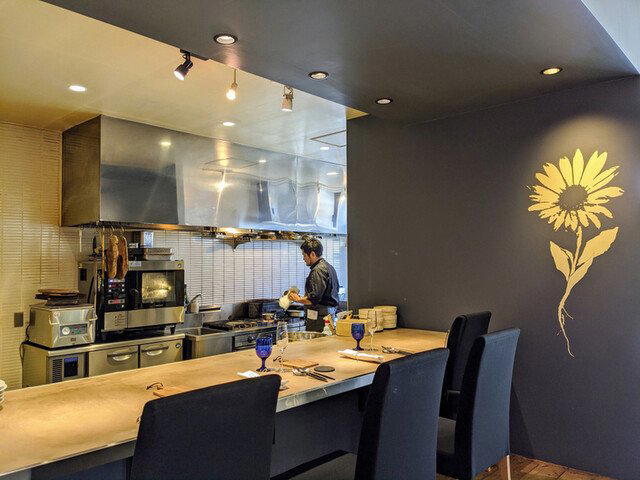
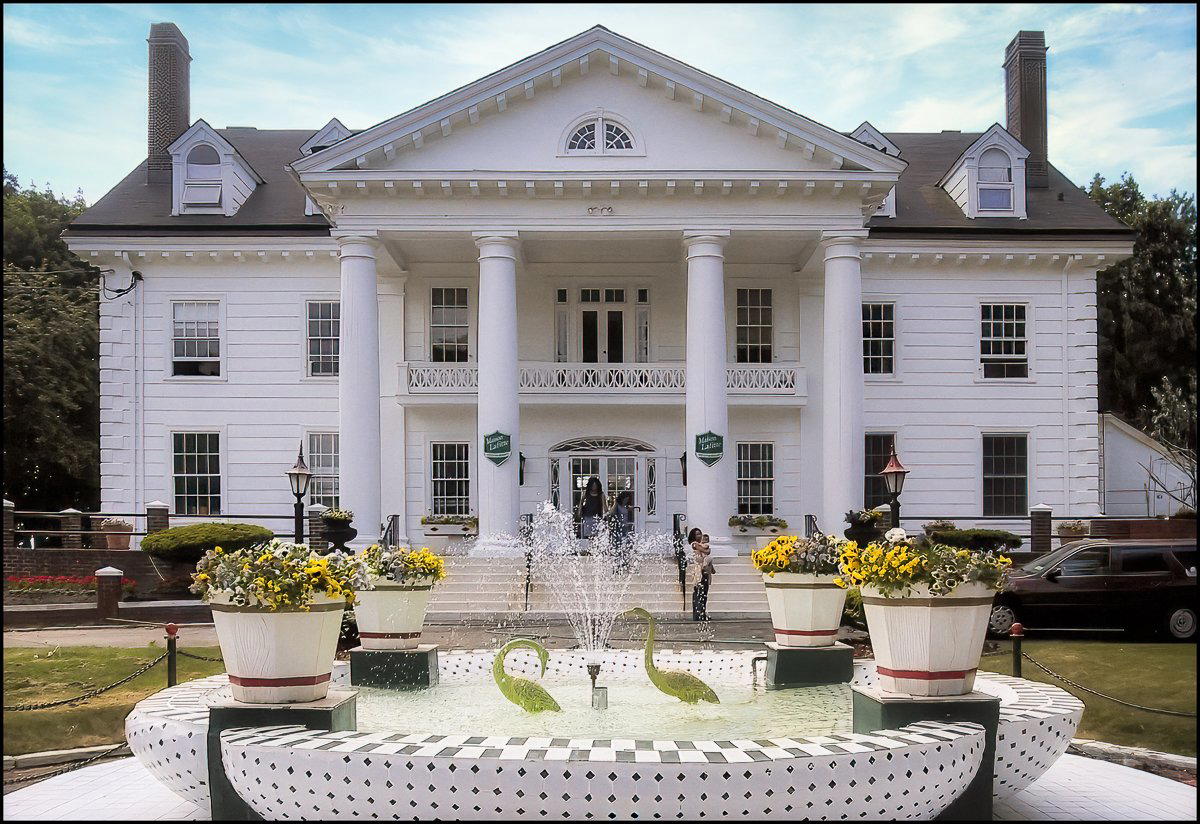
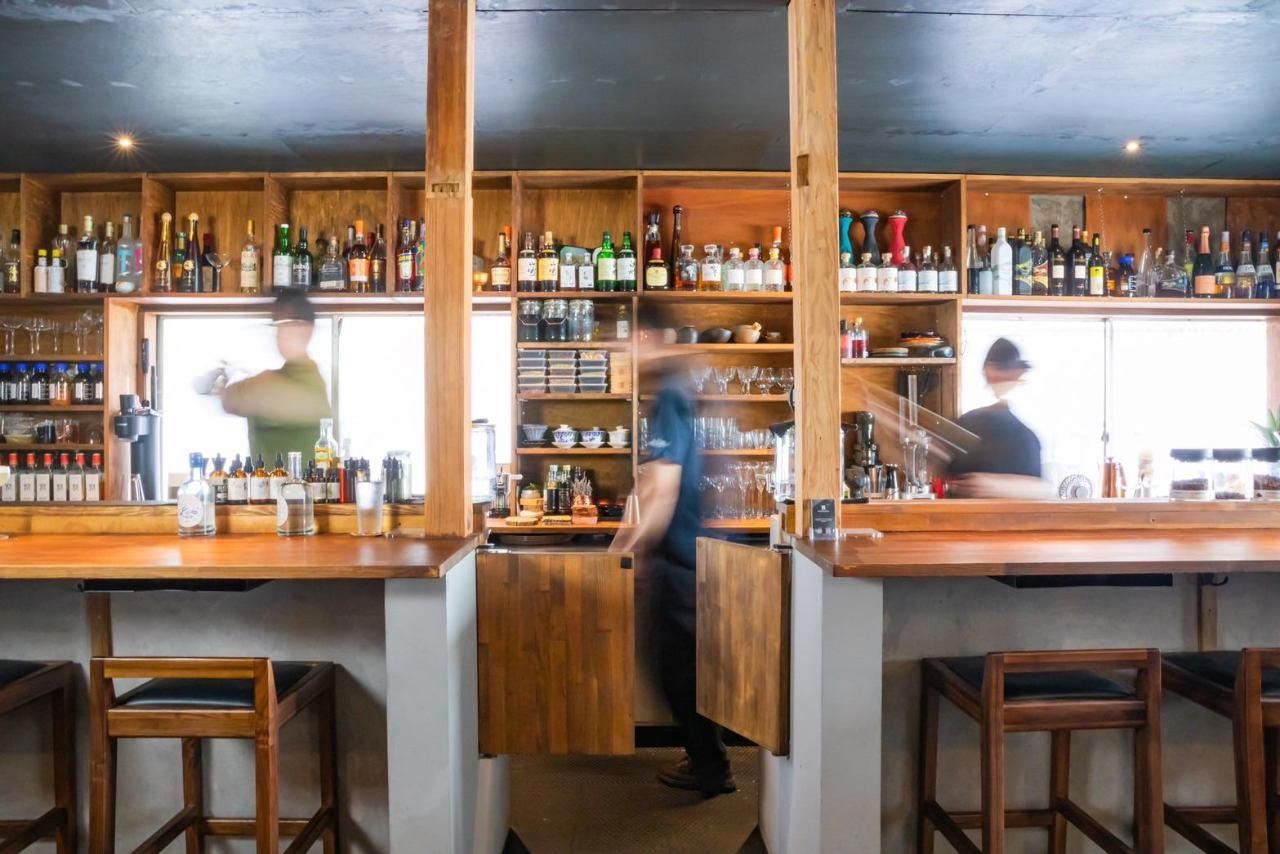
The room type matters. A house restaurant changes the expectations before the first order: quieter pacing, less performative service, and a style of hospitality closer to neighbourhood use than hotel-restaurant polish. That atmosphere fits Karatsu, a city where dining often feels more useful when it stays tied to geography. The old castle town and fishing-port setting give the area a slower cadence than Fukuoka or Nagasaki, and restaurants outside the central commercial strip tend to reward diners who are comfortable with local routines.
Recognition has not pushed this category into formality. Tabelog’s 2025 yoshoku selection places Momoya within a documented regional standard, but the format remains approachable. That contrast is the point: award-listed yoshoku can still operate as a practical meal rather than an occasion. In a prefecture where Saga Ramen Ichigen. represents another everyday-food pathway and Souan Nabeshima points toward a different expression of local dining, this kind of restaurant fills the middle ground between quick regional staples and higher-ceremony meals.
That middle ground is valuable for travellers planning Saga seriously. A meal here makes more sense as part of a Karatsu day than as a standalone trophy reservation. Pair the city’s ceramics, coastline, and castle-area walking with a yoshoku lunch or early dinner, then leave space elsewhere in the trip for beef, sushi, ramen, and seafood. For broader trip structure, Our full Saga hotels guide, Our full Saga bars guide, Our full Saga wineries guide, and Our full Saga experiences guide help separate Karatsu’s slower coastal rhythm from Saga City’s more administrative and transport-led dining patterns.
How to place it in a Saga eating itinerary
The decision is simple: choose this for a grounded Karatsu meal that explains a different side of Saga than seafood prestige or beef ceremony. Travellers chasing omakase precision should look elsewhere; diners interested in how Japanese-Western cooking absorbs local appetite will get more from the room. Within the prefecture’s dining spectrum, Momoya is closer to a reliable regional habit than a dramatic special-occasion address.
Comparisons help, provided the categories stay separate. Tsukuta belongs to sushi, where counter craft and seafood procurement define the experience. Chuka Ooshige sits in a higher-spend Chinese bracket, where technique and banquet logic shape the meal differently. Takeya occupies another regional price-and-format lane. Momoya’s significance lies in how yoshoku can earn regional recognition without leaving its everyday register. That is a narrower claim, and a more useful one.
For travellers building a Japan-wide food itinerary, this is also a reminder not to treat the country’s regional dining as a ladder of luxury. A Karatsu yoshoku stop can sit alongside different formats, from Restaurant 5 in Saga to -Grilled beef Sukiyaki- KAMAKURA TANUKIAN 鎌倉 たぬき庵 in Kamakura. 鮪と炭火焼き うお炭 秋葉原店 in Tokyo.cafe in Osaka.know in Kumamoto, (Shoku) Vietnam in Kawasaki, and [Curry Senmon Ten] Maruyama Kyoju. in Sapporo. Abroad, the same itinerary logic might include Japanese-leaning formats such as Jōdo Saké Bar in Los Angeles or Onigiri Time in Pasadena, but Karatsu’s value is different: it shows how a small city can make adapted Western food feel entirely local.
Side-by-Side Snapshot
Comparable venues by cuisine and price in the same metro.
| Venue | Cuisine | Price | Notes |
|---|---|---|---|
| Momoya | Japanese yoshoku hamburger steak & dumplings | $$ | Karatsu |
| Saga Ramen Ichigen. | Saga-style Tonkotsu Ramen Shop | $$ | Kawazoe-cho |
| Wakayanagi Shokudo | Japanese cafeteria specializing in champon and udon | $ | Zaimokubashi, Saga City |
| Kira Honten | Saga Beef Teppanyaki | $$$ | Otakara |
| Tsukuta | Karatsu-mae Edomae Sushi Omakase | $$$ | Karatsu |
| シャンリー | 本格中華 | $$ | 新栄東 |
Recognition history
Dated appearances from independent guides and award organizations, with the underlying list record or original source where available.
Tabelog 100 #37 · No. 37
Tabelog · Tabelog 100 - Yoshoku - WEST - 2025
At a Glance
- Cozy
- Classic
- Family
- Casual Hangout
- Group Dining
- Solo
- Standalone
Current opening hours
- Monday
- 11:30 AM–2 PM
- Tuesday
- 11:30 AM–2 PM
- Wednesday
- Closed
- Thursday
- 11:30 AM–2 PM
- Friday
- 11:30 AM–2 PM
- Saturday
- 11:30 AM–2 PM
- Sunday
- 11:30 AM–2 PM
Hours can change for holidays and private events. Last verified .