

Tabelog Bronze #250
Our verdict
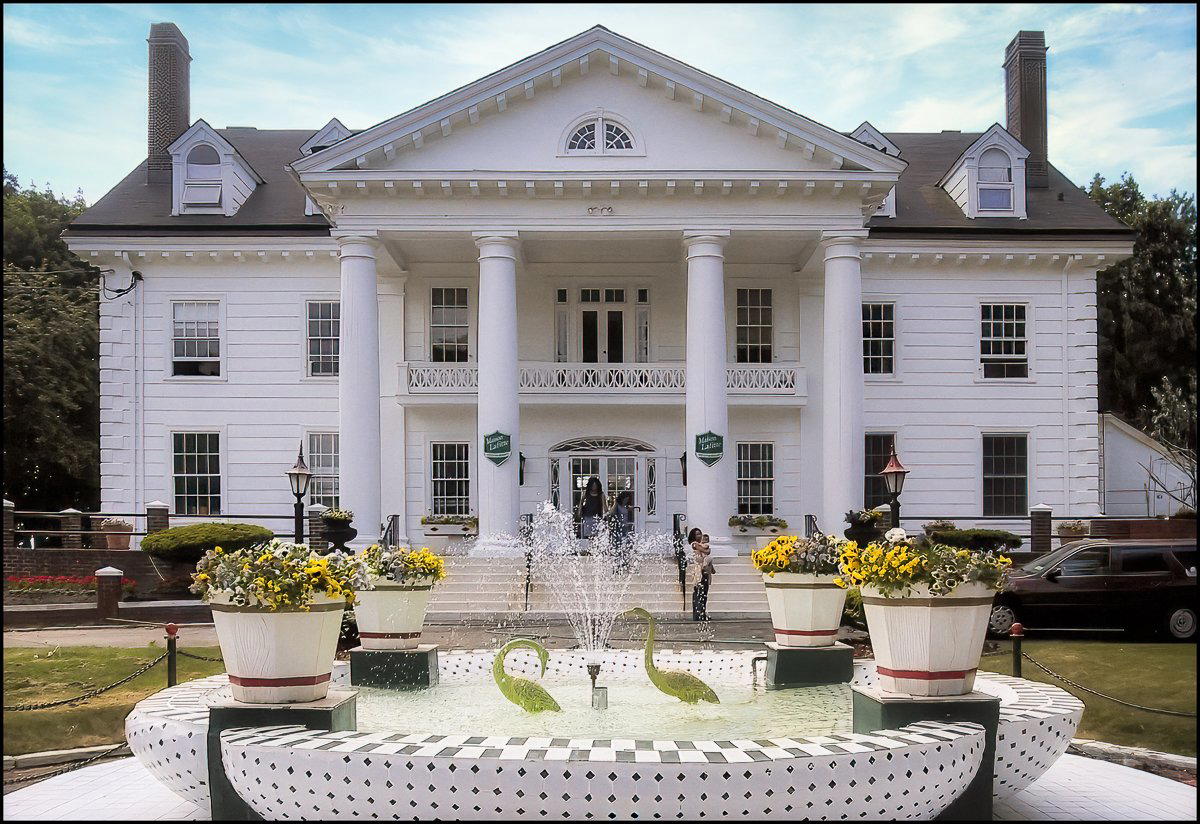
MAISON LAFITE brings French technique into the rural edge of Fukuoka, where satoyama setting and local sourcing shape the argument as much as the cooking. Its six-seat scale, Tabelog Award Bronze run from 2020 through 2026, and OAD 2026 Recommended status place it in the small, serious tier of destination dining outside Japan’s larger restaurant capitals.

Pearl is the En Primeur Club membership app, where members save venues, book tables and use the concierge.
The menu
What to order
- Nature's Bounty Tasting Course
- Nakagawa Terroir dishes
Rural Fukuoka changes the meal before the first plate. City dining in Japan often rewards compression: counters, stations, late trains, rooms stacked above street level. Here the context is satoyama, the inhabited borderland between village and forest. That matters because modern French cooking in Japan has moved beyond imported luxury signals toward the sharper question of how a kitchen reads its terrain, then translates it through sauce work, pacing, and restraint.
MAISON LAFITE sits in the narrower category of Japanese French restaurants where countryside is not decorative background. The useful comparison is not with casual bistros in central Fukuoka, nor even sushi houses such as Sushi Osamu or Morita, where craft concentrates around rice, seafood, and counter discipline. This is a different contract: French and innovative cooking, six seats, a house-restaurant format, and a wine-led structure that asks diners to treat the meal as a planned occasion, not an add-on to a city itinerary.
Satoyama French with Fukuoka as the pantry, not the backdrop
Fukuoka’s dining identity is often reduced to ramen, seafood, yatai culture, and Kyushu produce, but its higher-end cooking is more varied. The city and prefecture give chefs coastline, mountains, farms, and diners who understand seasonality without lengthy explanation. French technique can either flatten local ingredients into a luxury template or sharpen them by giving structure to what the region already supplies.
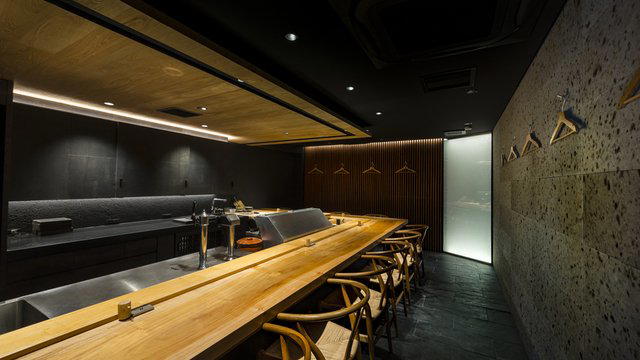
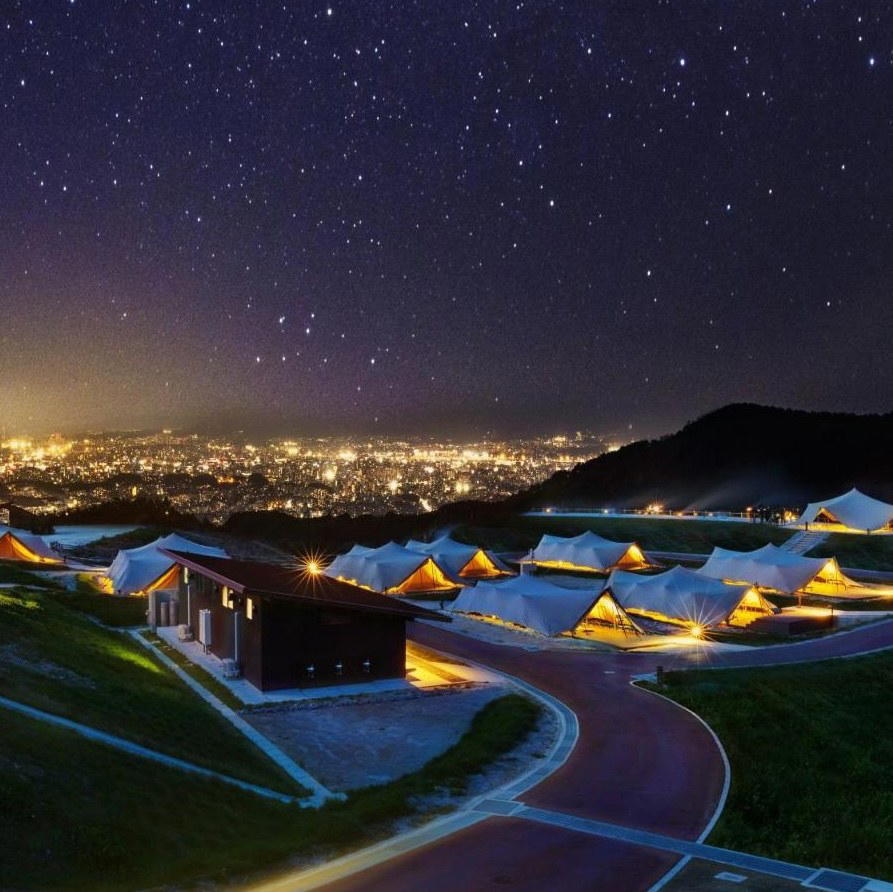
The restaurant’s public description frames the cooking around modern French cuisine in harmony with satoyama scenery. Editorially, that places it within a Japanese movement where rural setting, micro-seasonality, and small-room service compete with urban prestige. The point is not pastoral romance; it is control. Six seats reduce noise in the system. Fewer diners mean tighter pacing, a narrower procurement window, and less need to design dishes for scale. The format matters as much as the cuisine label.
The recognition pattern supports that reading. Tabelog lists the restaurant as a Bronze winner for 2020, 2021, 2022, 2023, 2024, 2025, and 2026, with a 2026 score of 4.20, and includes it in Tabelog French WEST 100 selections in 2021, 2023, and 2025. Opinionated About Dining’s 2026 Japan list marks it Recommended. Those signals do not describe flavor; they describe durability. In a fast-moving category, repeated recognition suggests a restaurant holding a clear identity rather than chasing each new dining grammar.
Fukuoka travelers often build meals around contrast. A serious itinerary might pair this rural French meal with the spice precision of Afterglow, South Indian cooking at 106 South Indian Fukuoka tenjin ten, old-school local texture at Aji Dokoro Taro Gen Sougyou ten, fried-fish directness at Aji Furai Shokudo Kaba, or the everyday regional pull of Aji no Katsueda. The broader city edit is easier to plan through Our full Fukuoka restaurants guide, with parallel context in Our full Fukuoka hotels guide, Our full Fukuoka bars guide, Our full Fukuoka wineries guide, and Our full Fukuoka experiences guide.
A six-seat room changes the stakes of French technique
Small restaurants in Japan are often called intimate, but the stronger point is operational. Six seats create a narrow service band in which timing, temperature, wine pacing, and plate sequence are less buffered by staff choreography. That scale suits French cooking interested in precision rather than spectacle. It also raises the bar for diners: conversation, punctuality, and appetite matter more in a room that cannot absorb the looseness of a larger dining room.
The price tier is destination meal, not neighborhood dining, which shapes how to judge it. In Fukuoka, the gap between a modest meal and a serious tasting-menu commitment is wide; this restaurant occupies the latter category. Compared with lower-priced regional peers such as Sailer or out-of-metro specialist cooking like Higashi India Bengal Ryori Senmon Ten Indian Spice Factory, the value question is not quantity or convenience. It is whether rural setting, French structure, sourcing emphasis, and limited capacity justify giving one meal the weight of an evening’s itinerary.
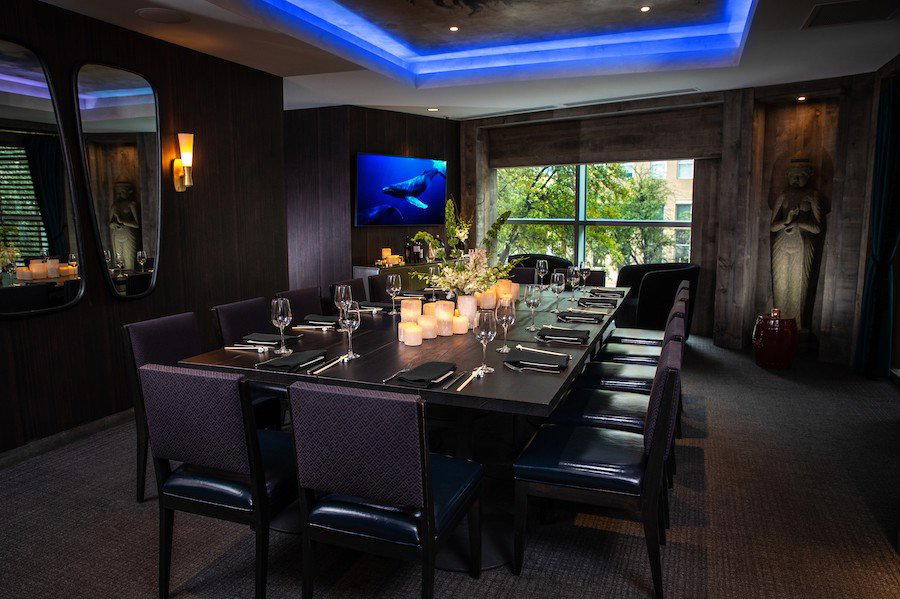
The absence of private rooms is revealing. A six-seat restaurant does not operate like a corporate dining room or celebratory banquet venue. It is better read as a focused table for diners comfortable with a controlled room, course progression, and wine as part of the meal’s architecture. The non-smoking policy and child condition, limited to children old enough to eat a course meal by themselves, reinforce that the format depends on attention rather than casual flexibility.
There is a broader Japanese dining lesson here. High-end French cooking is no longer concentrated only in Tokyo or Kyoto rooms with imported reference points. Fukuoka’s countryside allows a different prestige, tied to proximity, season, and the discipline of serving few people. MAISON LAFITE is compelling because it makes that argument outside the urban center, where geography is part of the meal’s logic.
How it fits into a Japan dining itinerary
For travelers building a Japan trip around food, this is not an interchangeable fine-dining stop. It works well as a counterweight to dense city meals: Tokyo charcoal and seafood rooms, Osaka cafés, Kumamoto modern dining, Sapporo curry shops, or overseas Japanese-adjacent formats such as sake bars and onigiri specialists. Useful contrasts include -Grilled beef Sukiyaki- KAMAKURA TANUKIAN 鎌倉 たぬき庵 in Kamakura. 鮪と炭火焼き うお炭 秋葉原店 in Tokyo.cafe in Osaka.know in Kumamoto, (Shoku) Vietnam in Kawasaki, [Curry Senmon Ten] Maruyama Kyoju. in Sapporo, Jōdo Saké Bar in Los Angeles, and Onigiri Time in Pasadena.
The editorial case is strongest for diners who already understand that Kyushu is not a side note to Japan’s food culture. Fukuoka gives immediate pleasures easily, but its serious dining rewards those willing to leave the central grid and let the region speak through a slower format. The restaurant is less about French cuisine as a foreign category than about French technique as a lens for local Japanese ingredients, rural cadence, and a tightly managed room.
Frequently asked questions
Is MAISON LAFITE child-friendly?
Yes, but only for children old enough to eat a course meal by themselves. The room has six seats in Nakagawa, Fukuoka, so the setting is compact rather than casual.
What should I expect atmosphere-wise at MAISON LAFITE?
Expect a reservation-only, six-seat room with a house-restaurant feel and a view-oriented setting in Nakagawa, Fukuoka. Tabelog’s 2026 Bronze award and repeated French WEST selections point to a place where the room is small and the focus stays on the dining format.
When is MAISON LAFITE open?
Hours at MAISON LAFITE: ■Business hoursLunch from 12:00Dinner from 18:30■Closed onNot fixed.
What is MAISON LAFITE known for?
MAISON LAFITE is primarily known for its core concept and execution in Fukuoka.
Quick Comparison
Nearby venues at a similar price tier for orientation.
| Venue | Cuisine | Price | Awards | Notes |
|---|---|---|---|---|
| MAISON LAFITEThis venue (the venue you are viewing) | Modern French with Local Terroir | $300–500 | Tabelog Bronze #250 | Not listed |
| Restaurant Sola | Modern French with Kyushu Ingredients | $100–150 | Tabelog Bronze #366 | Hakata |
| Raisin d'Or | Seasonal French Course Dining & Wine Bar | $100–150 | Tabelog 100 #67 | Chūō |
| NONOKA RESTAURANT | Modern Innovative French Fusion | $100–150 | Tabelog Bronze #327 · We're Smart World 4 Radishes | Yame |
| Sagano | Traditional Kaiseki | $200–300 | Not listed | Hakata |
| Shokudo Saison d'Or | French-Japanese Fusion | $150–200 | Not listed | Minami |
Recognition history
Dated appearances from independent guides and award organizations, with the underlying list record or original source where available.
Opinionated About Dining Top Restaurants in Japan Recommended
Opinionated About Dining
Tabelog Bronze #250
Tabelog
Full recognition history (4 entries)
Tabelog 100 #55 · No. 55
Tabelog · Tabelog 100 - French - WEST - 2025
Tabelog Bronze
Tabelog
Continue exploring
More in Fukuoka
Restaurants in Fukuoka
All restaurants in Fukuoka →
Details
- Scenic
- Elegant
- Quiet
- Sophisticated
- Intimate
- Special Occasion
- Date Night
- Celebration
- Garden
- Panoramic View
- Open Kitchen
- Standalone
- Private Dining
- Sommelier Led
- Farm To Table
- Local Sourcing
- Garden
- Mountain
- Tasting Menu
- Prix Fixe
- Wine Pairing
- Allergy Accommodating
Current opening hours
- Monday
- 11:30 AM–3 PM, 6–10 PM
- Tuesday
- 11:30 AM–2:30 PM, 6–10 PM
- Wednesday
- 11:30 AM–2:30 PM, 6–10 PM
- Thursday
- 11:30 AM–2:30 PM, 6–10 PM
- Friday
- 11:30 AM–2:30 PM, 6–10 PM
- Saturday
- 11:30 AM–2:30 PM, 6–10 PM
- Sunday
- 11:30 AM–3 PM, 6–10 PM
Hours can change for holidays and private events. Hours as of .
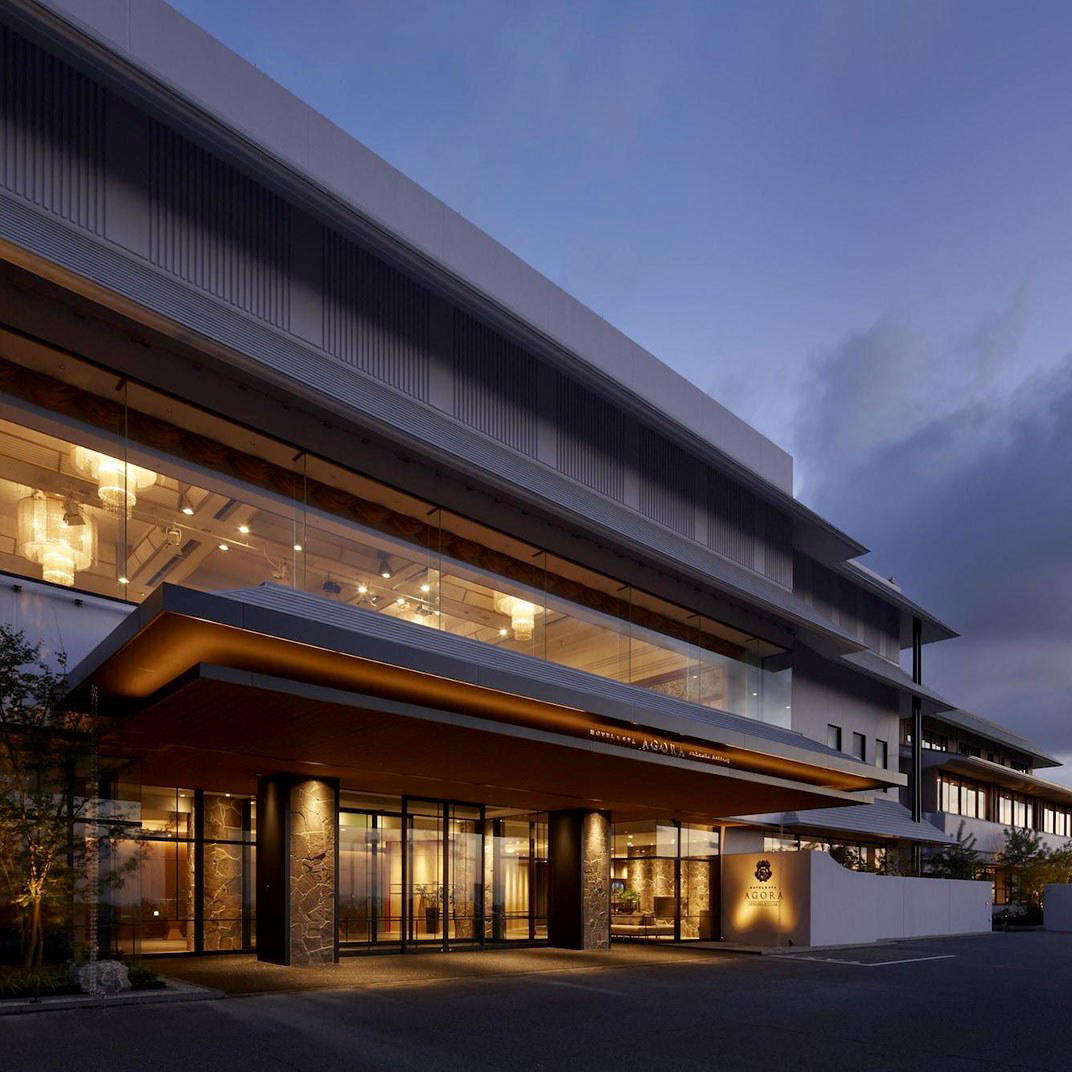
Serene and tranquil with abundant natural light from large open windows overlooking satoyama landscapes, creating a refined yet relaxed atmosphere that harmonizes cuisine with majestic scenery.