
Saga Ramen Ichigen. places Saga ramen in a practical, local register: low-priced bowls, dumplings, counter seating, take-out, and a house-restaurant setting outside the city-center dining circuit. Its selection for Tabelog Ramen WEST “Tabelog 100” in 2023, 2024, and 2025 gives the stop a clear credential without pushing it into luxury territory.
Pearl is the En Primeur Club membership app — saves, bookings, and concierge access live there. Same editors, same standards.
- Address
- 佐賀県佐賀市川副町大字西古賀925-1
- Phone
- +81952457865
- Website
- sagaichigen.stores.jp
- Directions
- Get directions
 Saves & bookings on Pearl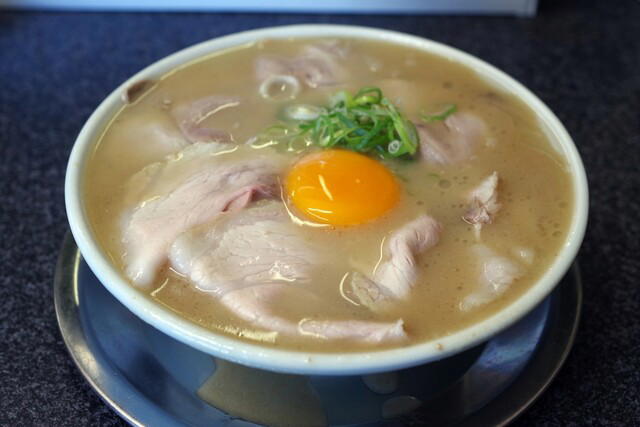
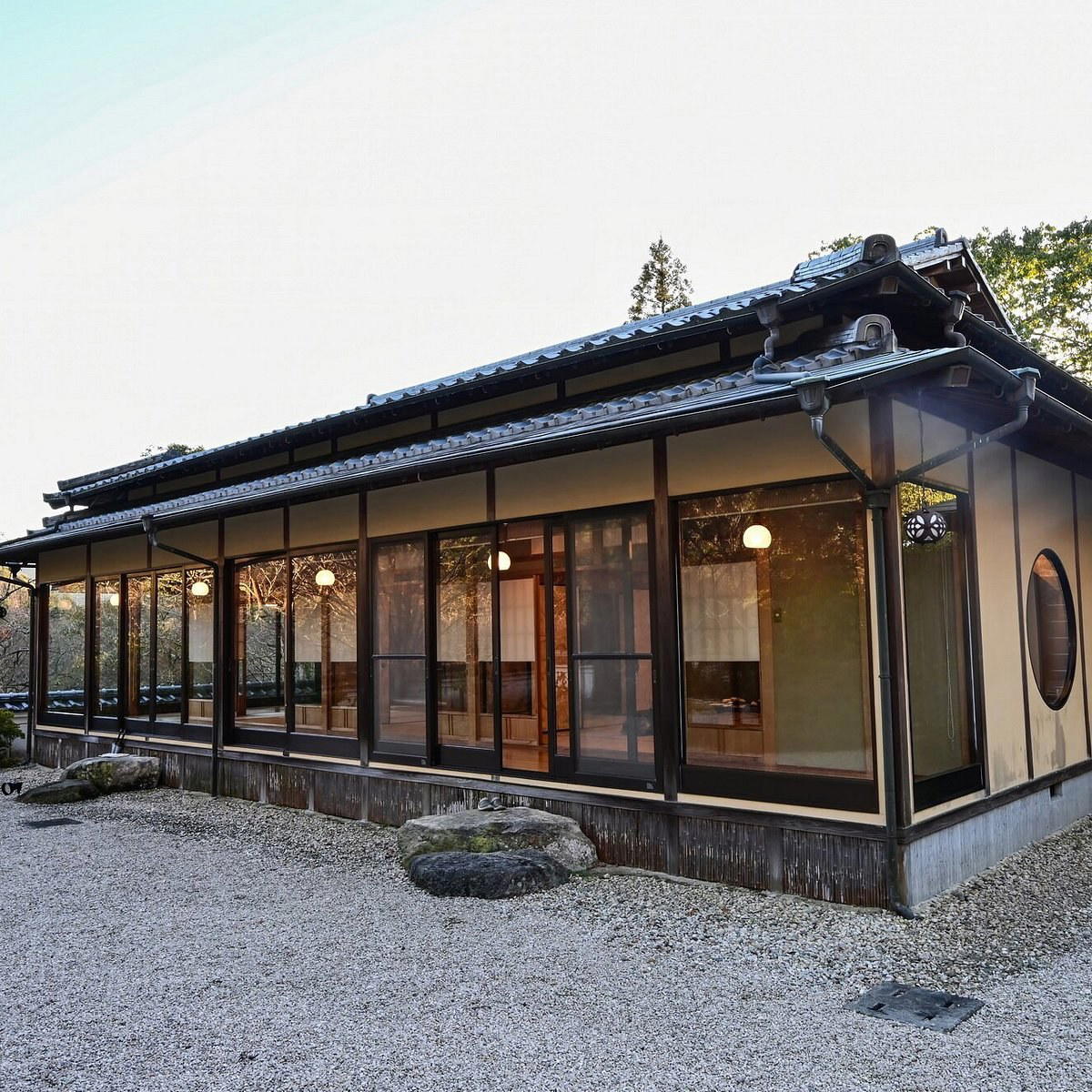
Approaching a house-restaurant on Saga’s edge resets the ramen expectation before ordering. This is not station-front quick turnover, fluorescent urban efficiency, or the polished tasting-menu language entering parts of Japan’s ramen culture. Saga Ramen Ichigen. is more local: a compact room, counter seating, a dumpling side-line, and a rhythm for people who treat ramen as a regular meal, not a special occasion.
That matters in Saga, where food identity spans agricultural produce, beef, Ariake Sea seafood, and casual noodle shops that rarely receive the attention of larger ramen centers. The case for eating here is not rarity; it is how a low-price ramen counter can show regional dining clearly through sourcing, broth style, portion discipline, and everyday lunch economics.
Saga ramen reads differently when the counter is close to the source
Northern Kyushu ramen is often discussed through tonkotsu intensity, but Saga’s version tends to be quieter than Fukuoka’s better-known Hakata style. The local tradition favors pork-bone depth without always chasing maximum concentration, and many Saga bowls are understood through balance, egg, and lunch-counter directness rather than late-night city drama. Without inventing a dish-by-dish account, that context explains why a Saga ramen specialist can feel rooted rather than decorative.
The sourcing angle is practical. Saga Prefecture is a food-producing region, not just a stop between Fukuoka and Nagasaki. Rice, livestock, vegetables, and seafood shape the broader table, and casual restaurants often express that economy with less ceremony than high-end rooms. At this price tier, there is little room for theatrical plating; credibility comes from repetition, control, and making a bowl feel native to its surroundings.
The public credential is concrete: Saga Ramen Ichigen. was selected for Tabelog Ramen WEST “Tabelog 100” in 2023, 2024, and 2025, with a listed Tabelog score of 3.71. That places it within western Japan’s ramen conversation, not just Saga’s local rotation. The useful signal is sustained selection across multiple years, since ramen awards often reward consistency and local following as much as chef mythology.
Within Saga, the contrast with higher-ticket dining is sharp. Restaurant 5 sits in another bracket, with tasting-menu economics reaching JPY 20,000 to JPY 29,999. Kira Honten points to Saga’s beef-driven identity, while Amegen (Seafood) and Souan Nabeshima map other sides of the prefecture’s table. Ramen sits below those formats in price, but not necessarily in cultural usefulness for a traveler trying to understand what locals eat.
A small-format room, not a luxury ramen performance
The format is the point. There are 20 seats: 10 counter seats, one table for eight, and two tables for four. Solo diners can eat efficiently, families fit, and the room does not rely on hushed reservation-only choreography. Private rooms and private use are unavailable, keeping the experience public and everyday, where ramen works well.
The listing is ramen and dumpling, with take-out available. The pairing may sound ordinary, but it defines the meal: noodle bowl first, side dish if needed, no attempt to stretch lunch into a multi-course event. For travelers moving through Saga, that restraint helps, leaving space for the prefecture’s other food references without turning lunch into a formal appointment.
Service details reinforce the casual structure. The restaurant is non-smoking, children are welcome, and the setting is described as a house restaurant. Payment is cash-oriented: credit cards, electronic money, and QR code payments are not accepted. This is not romance; it places the shop in regional Japanese dining, where value is measured by reliability and local fit rather than imported hospitality signals.
Among Saga ramen peers, Wakayanagi Shokudo sits in a similar low-price range, making the comparison less about luxury than which bowls earn repeat attention. Outside the immediate city frame, casual western-Japan options such as Saffron occupy a slightly higher everyday bracket, while Ganso Motoyoshiya Honten moves into a different price category tied to another regional food tradition. Ramen does not compete with every local specialty; it gives travelers a low-friction reading of place.
How to fold it into a Saga food itinerary
The location needs planning, not special access. From Saga Station Bus Center, the Saga City Bus toward Inui-michi or Otakuma takes 21 minutes to Nishikawafuku Elementary School Mae, followed by a 3-minute walk. Parking is listed with 22 spaces across the restaurant front and the road opposite, making it easier by car than many small urban ramen counters. Reservations are unavailable, so timing matters more than booking strategy.
Opening history adds another signal: the restaurant dates to September 10, 1998. In a fast-moving category, that duration matters. A ramen shop does not stay relevant in a regional city for decades through design alone; it needs local habits, repeat customers, and a bowl that survives comparison with cheaper convenience and faster chains.
For a broader Saga table, use Our full Saga restaurants guide alongside category-specific planning through Our full Saga hotels guide, Our full Saga bars guide, Our full Saga wineries guide, and Our full Saga experiences guide. Nearby eating references such as Momoya help round out the local map.
For wider Japan food routes, the contrast is useful: -Grilled beef Sukiyaki- KAMAKURA TANUKIAN 鎌倉 たぬき庵 in Kamakura. 鮪と炭火焼き うお炭 秋葉原店 in Tokyo.cafe in Osaka.know in Kumamoto, (Shoku) Vietnam in Kawasaki, and [Curry Senmon Ten] Maruyama Kyoju. in Sapporo show how regional casual dining shifts by city. Across the Pacific, Jōdo Saké Bar in Los Angeles and Onigiri Time in Pasadena frame how Japanese food formats change when translated for California diners.
The editorial read is clear. Saga Ramen Ichigen. is for travelers who want a low-cost, locally grounded ramen stop with a credible award trail, not a luxury meal dressed as noodles. Its value lies in the gap between modest format and sustained recognition: a small room, a regional ramen language, and enough logistical clarity to make the detour manageable.
Side-by-Side Snapshot
Comparable venues by cuisine and price in the same metro.
| Venue | Cuisine | Price | Notes |
|---|---|---|---|
| Saga Ramen Ichigen. | Saga-style Tonkotsu Ramen Shop | $$ | Kawazoe-cho |
| Restaurant 5 | Seasonal Creative Japanese (Improvisational Course Menu) | $$$ | .null |
| シャンリー | 本格中華 | $$ | 新栄東 |
| Tsukuta | Karatsu-mae Edomae Sushi Omakase | $$$ | Karatsu |
| Sumiyaki Hamburger Steak Gyusen | Charcoal-Grilled Japanese Hamburger Steak | $$ | Kurakami-cho |
| Momoya | Japanese yoshoku hamburger steak & dumplings | $$ | Karatsu |
Recognition history
Dated appearances from independent guides and award organizations, with the underlying list record or original source where available.
Tabelog 100 #4 · No. 4
Tabelog · Tabelog 100 - Ramen - WEST - 2025
At a Glance
- Cozy
- Classic
- Solo
- Family
- Casual Hangout
- After Work
- Group Dining
- Standalone
- Beer Program